Biography
Bossa Combo
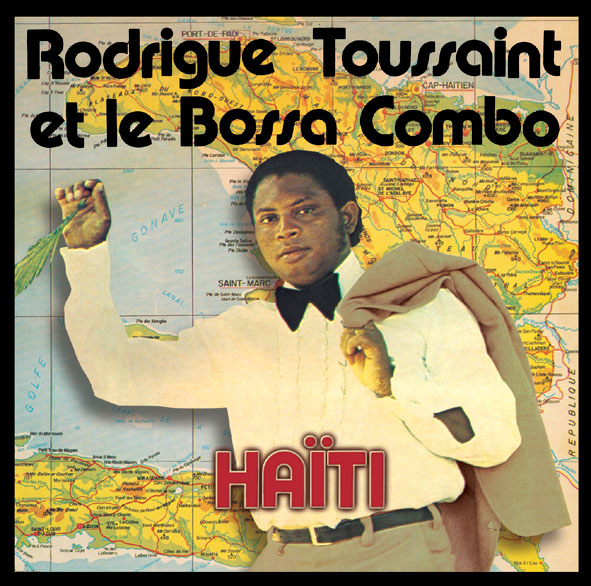
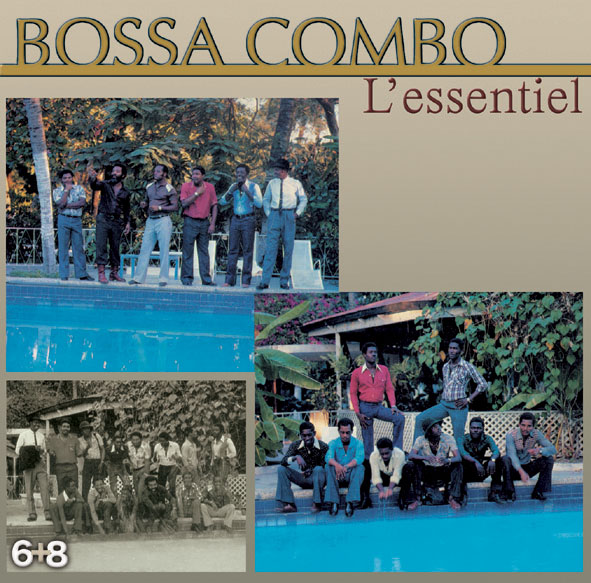
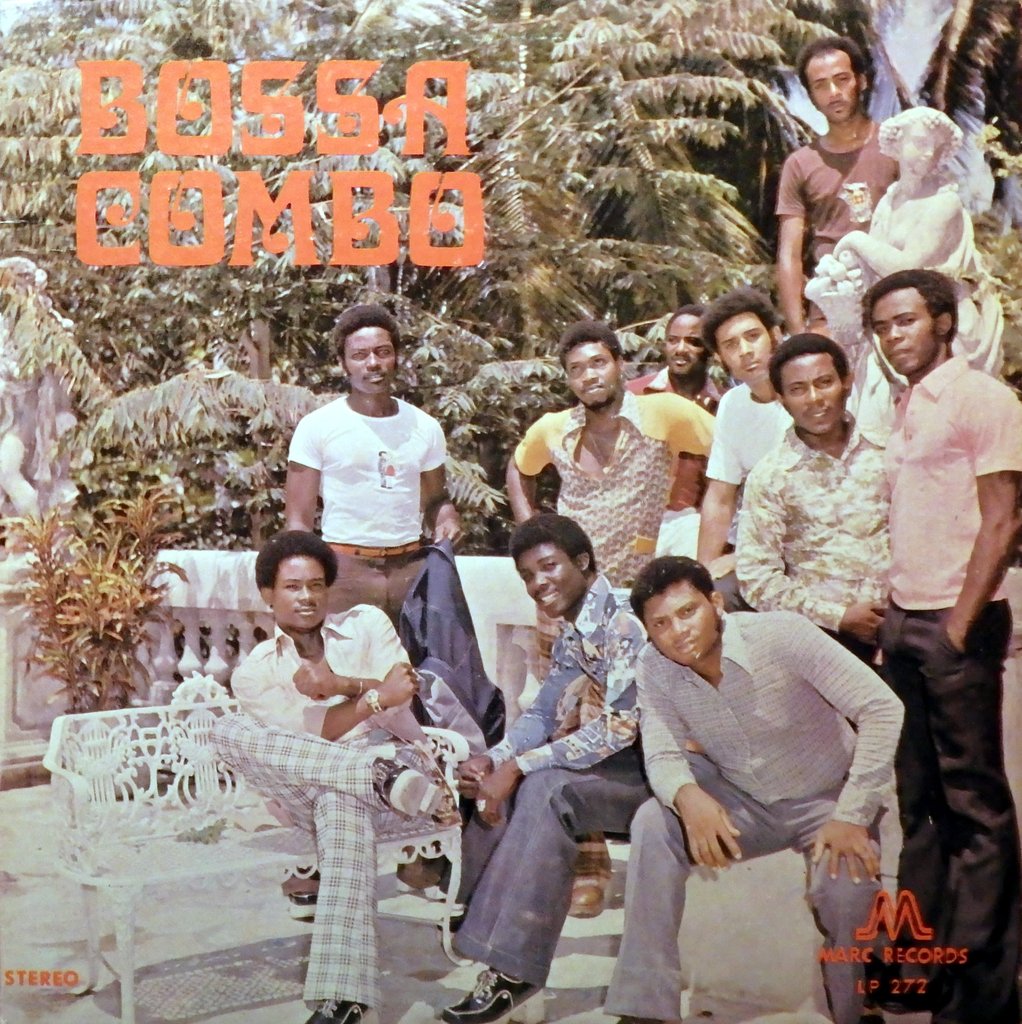
It was in 1968, in the Waney neighborhood of Carrefour, that young musicians decided to follow the path laid out by their elders. Initially named Rex Stars, the group quickly changed its name — Bossa Combo. The pun reads like a manifesto: « bossa » refers to the Brazilian bossa nova of the 1950s, and « combo » denotes a small ensemble — but the Bossa Combo quickly showed that it wanted to sound bigger. It would become one of the pillars of direct compas in Haiti and a school for generations of musicians.
In Brief
| Group Name | Bossa Combo (officially Big Band Bossa Combo) |
| Founded | August 15, 1968, Waney in Carrefour, Haiti |
| Genre | Mini-jazz / direct compas (Haitian music) |
| Key Founding Members | Adrien Jeanite (keyboards), Raymond Cajuste (vocals) |
| Signature Works | Racines, Accolade, Notre-Dame |
| Discography | More than twenty studio albums, 1968–2020 |
Key Dates
| Year | Event |
|---|---|
| 1968 | Founded in Carrefour under the name Rex Stars; adoption of the name Bossa Combo |
| 1969 | Raymond Cajuste joins the group from Les Shupa Shupa |
| 1970 | First album: Haïti que j’aime (Dato label) |
| 1972 | Release of Importance musiciens, a pioneering record of Haitian mini-jazz |
| 1975 | Departure of Raymond Cajuste; the group continues with new leadership |
| 1978 | Return of Cajuste; entry into the Big Band Bossa Combo era |
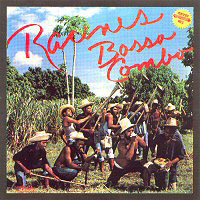
| 1979 | Release of Racines, an emblematic album on slavery and trauma |
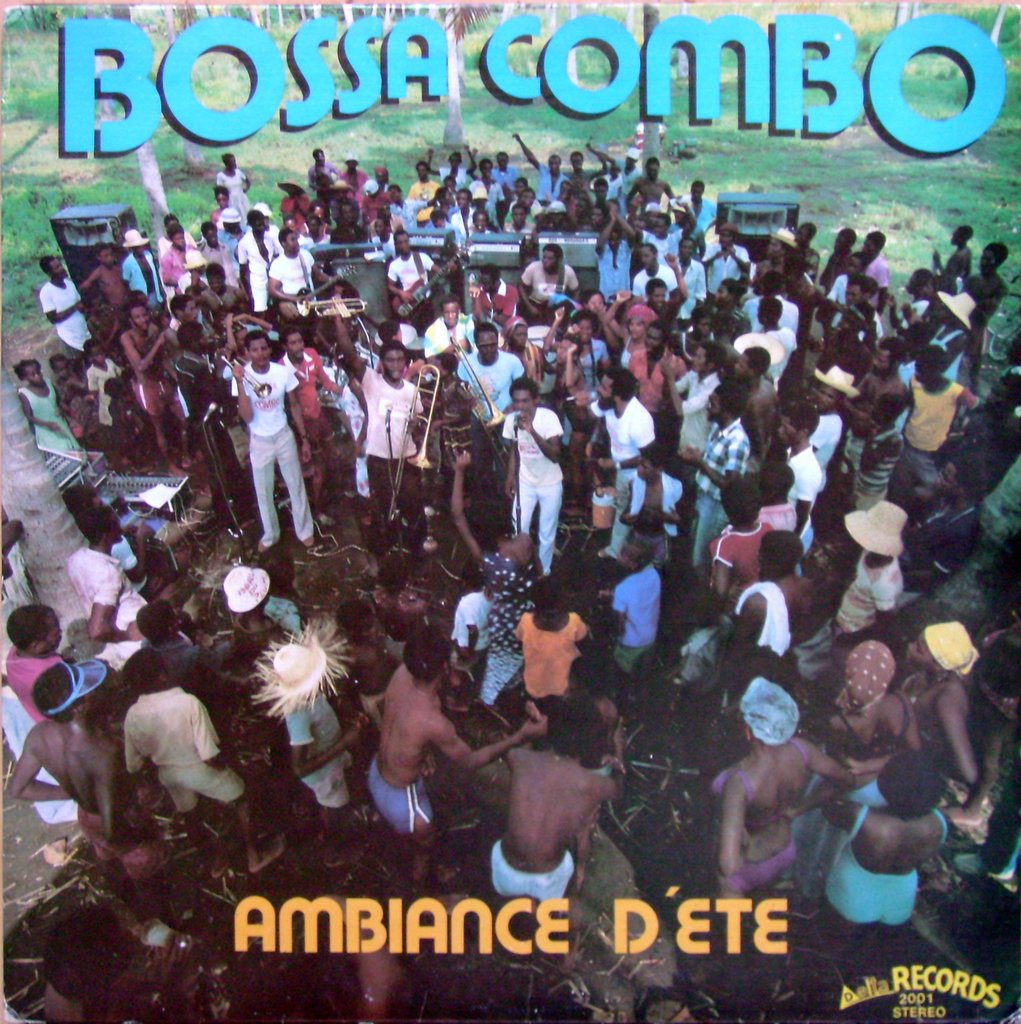
| 1981 | Ambiance d’Été with Notre-Dame, an timeless hymn |
| 1986–2003 | Prolific: a dozen albums recorded between 1986 and 2003 |
| 2014–2015 | Revival with singles Notre-Dame, Religions, Vanité |
Origins, Formation, and Identity
Founded on August 15, 1968[^1], the group brings together young people from Waney, Fontamara, and Carrefour-Feuilles. It passes through the provisional name Rex Stars before signing its definitive designation: Bossa Combo. As explained by HaitiDJ[^2], this name carries two ideas at once — the Brazilian bossa nova and the « combo » format that was transforming Haitian dance music at the time. But very quickly, the « combo » evolves into a big band: wide choruses, ensemble responses, guitars and keyboards support the melody, and the arrangements aim for a surprising scale for a neighborhood group.
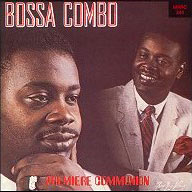
From its beginnings, the Bossa Combo distinguishes itself through its high standards — open auditions recruit the best talents. Adrien Jeanite, on keyboards and « Maestro » organ, is one of the founding pillars. Raymond Cajuste joins the formation in 1969[^3], after stints with Les Jeunes Loups, Les Aventuriers, and Les Shupa Shupa. He sings from the first recordings and becomes one of the group’s emblematic voices — HaitiDJ describes him as a school for musicians.
Revelation and Consecration
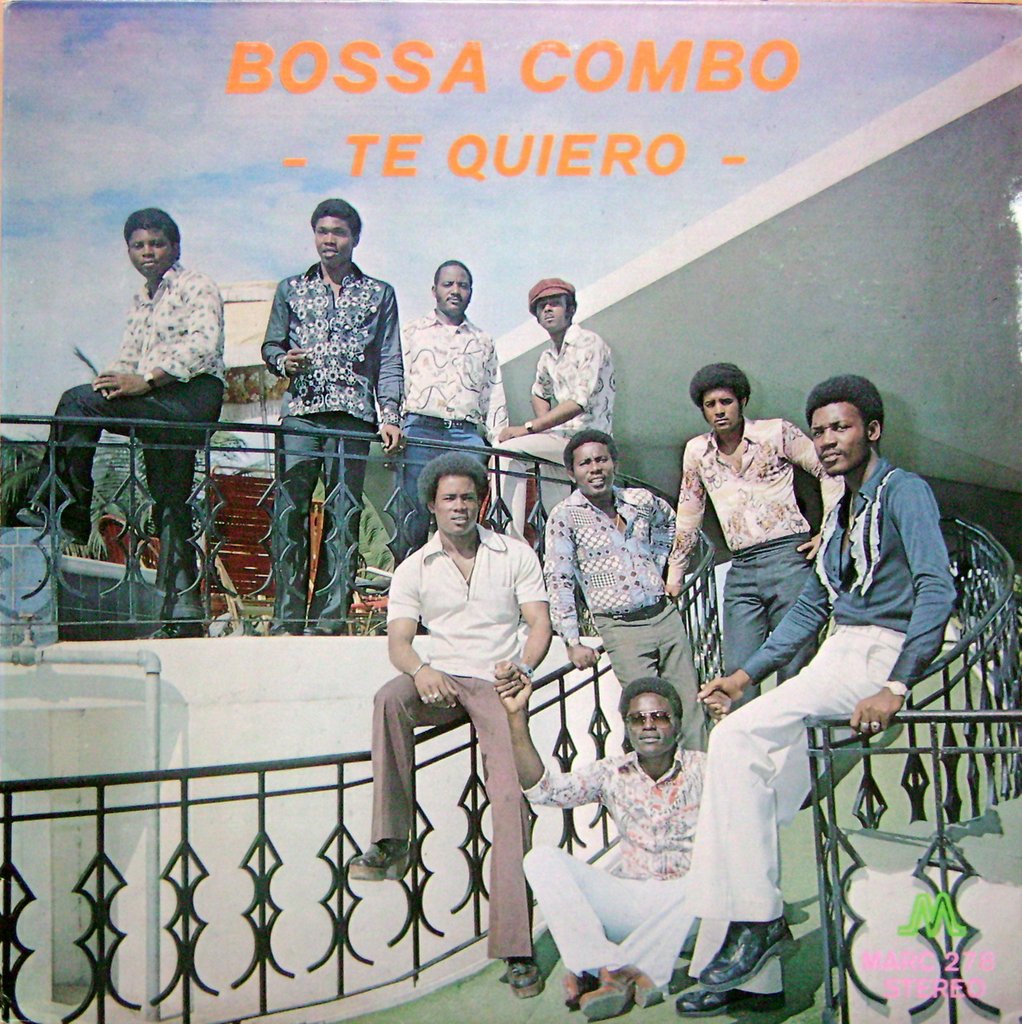
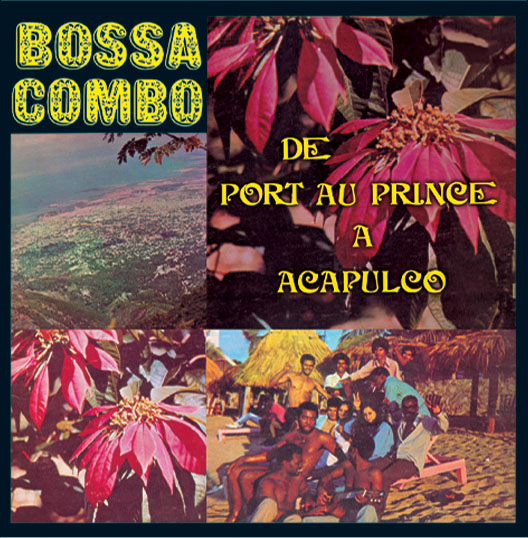
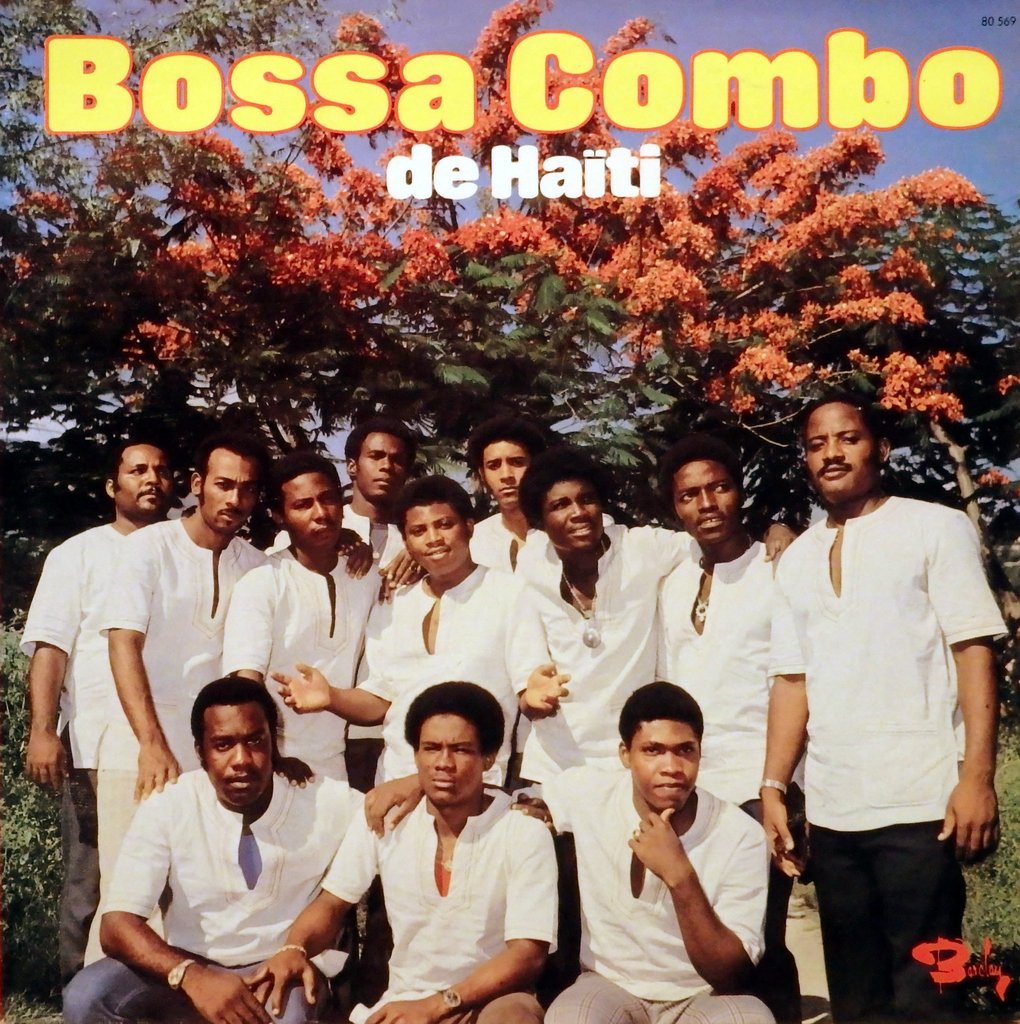
The early records, between 1970 and 1975, lay the foundations: Haïti que j’aime (Dato Records, 1970), De Port-au-Prince à Acapulco (Marc Records, 1972), Importance musiciens (1972), and Bossa Combo de Haïti (Barclay, 1975[^4]) — these albums place Bossa Combo at the heart of the Haitian mini-jazz movement, a style where a small group sounds like a large formation.
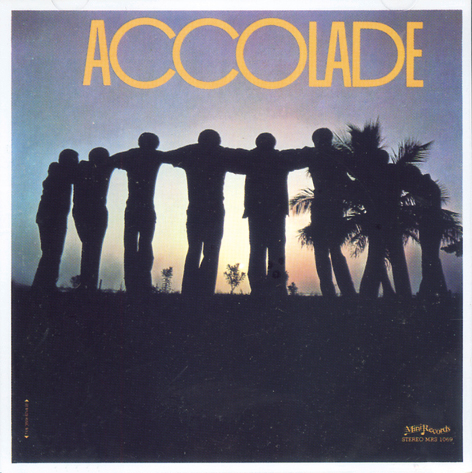
Raymond Cajuste leaves the group in 1975 to return in 1978[^3]. His return marks the shift toward the Big Band Bossa Combo era. The album Accolade (1978) gathers unparalleled carnival merengues[^3] — Chère Madame, Respectez Toto — which will remain classics. In 1979, Racines is released: the eponymous song recounts with poignant intensity the sufferings of slavery, the forced departure from Africa, and colonial trials. The title becomes a call to collective consciousness for the entire African diaspora[^5].
Evolutions, Revival, and Legacy
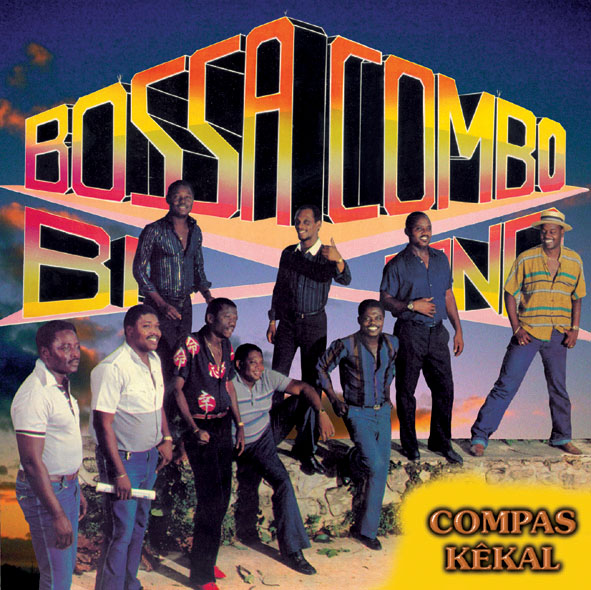
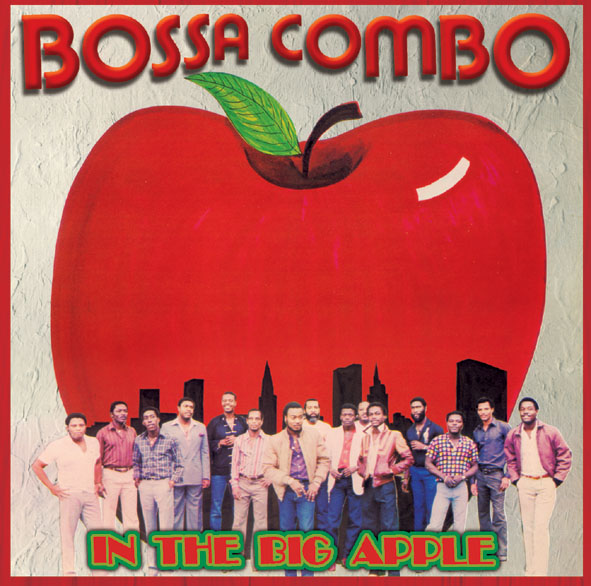
The years 1980–2003 see the group record a dozen albums (Ambiance d’Été in 1981 with the hymn Notre-Dame[^1], Compas Kékal, In the Big Apple in 1982, Religion in 1985, Deuxième indépendance, etc.). In January 2023, the loss of Raymond Cajuste, who died on the 24th at the age of 75, strikes the community[^3]. « An artist never dies » — as he liked to say.
Since 2014, revisited tracks appear on streaming: Notre-Dame (2014), Religions, Vanité, Courage (2015) — sounds that prove the Bossa Combo repertoire continues to nourish new generations of Haitian and foreign listeners.
Major Works
| Work | Year | Why It Is Essential |
|---|---|---|
| Haïti que j’aime | 1970 | First record; lays the foundations of the Bossa Combo sound |
| Importance musiciens | 1972 | Pioneering mini-jazz record; composition by Adrien Jeanite |
| Racines | 1979 | Emblematic album on slavery; call to collective consciousness |
| Accolade | 1978 | Unparalleled carnival merengues; Chère Madame, Respectez Toto |
Legacy and Influence
Bossa Combo is not just a group: it is a Haitian musical institution. Its repertoire — blending catchy rhythms, social observation, and humor[^1] — spans generations. Haitian mini-jazz, often reduced to an adolescent Port-au-Prince sound, finds with Bossa Combo proof that it could become a transnational machine[^2] — a small group heard in the Caribbean, Europe, South America, and the entire diaspora. More than twenty studio albums, thousands of hours in the studio and on stage, musicians who passed on and built their own careers — Bossa Combo remains one of the master branches of Haitian music history.
Sources and References
- « Notre-Dame du Big Band Bossa Combo, a song that transcends time », Le Nouvelliste, https://lenouvelliste.com/article/258898/notre-dame-du-big-band-bossa-combo-une-chanson-qui-transcende-le-temps, accessed November 7, 2025.
- « Bossa Combo biography », HaitiDJ, https://www.haitidj.com/en/artist/bossa-combo/, accessed on 7 November 2025.
- « Raymond Cajuste : l’artisan du Bossa Combo », Haiti Inter, https://www.haitiinter.com/raymond-cajuste-lartisan-du-bossa-combo/, accessed on 7 November 2025.
- « Bossa Combo de Haïti », Konpa.info, https://www.konpa.info/album/102171, accessed on 7 November 2025.
- « Racines du Bossa Combo : une leçon d’histoire », Haiti Inter, https://www.haitiinter.com/racines-du-bossa-combo-une-lecon-dhistoire/, accessed on 7 November 2025.
- « Bossa Combo discography », Discogs, https://www.discogs.com/artist/1875241-Bossa-Combo, accessed on 7 November 2025.