Biography
Carimi
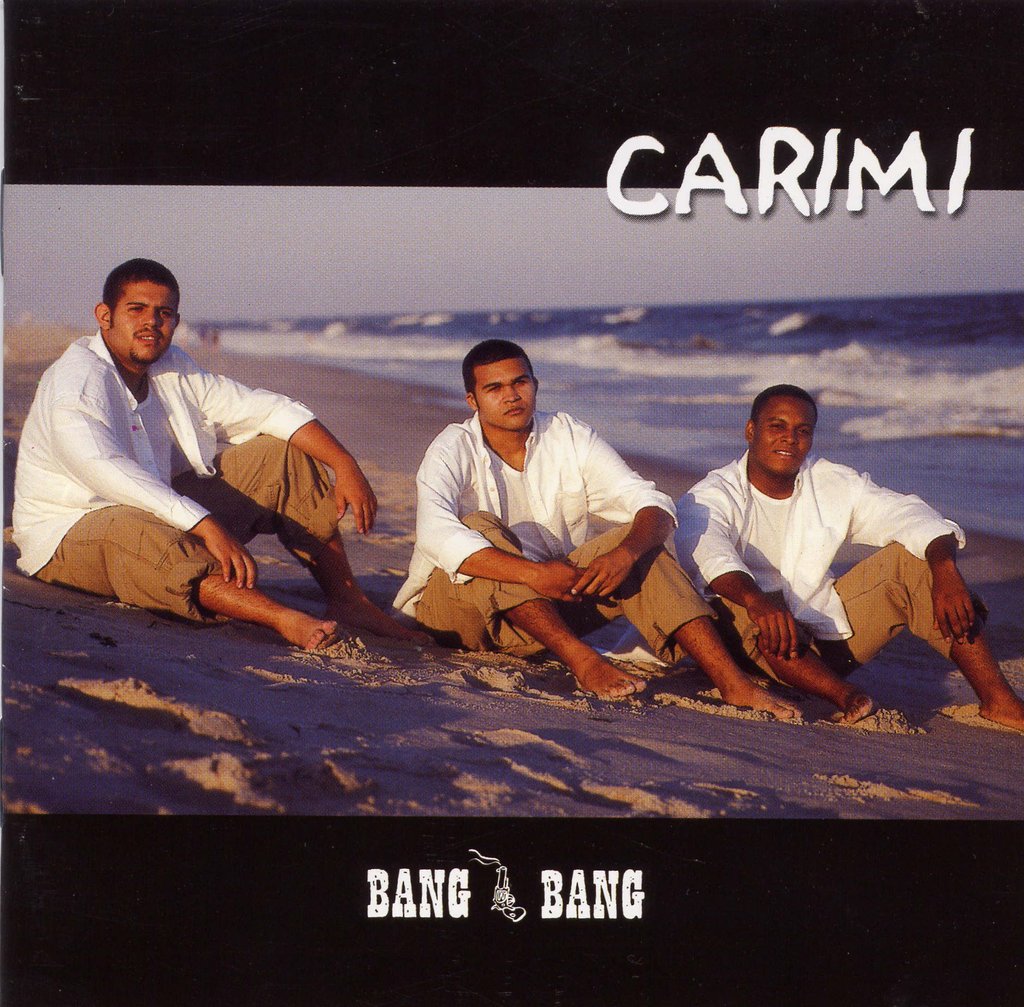
In the summer of 2001, three young Haitian musicians gathered in New York released an album that shook the diaspora: Ayiti Bang, Bang. The title and cover deliver a stark verdict on the country’s destiny. Within months, Carimi became the face of a generation refusing silence—and invented a new performance model for Haitian music.
At a glance
| Genre(s) | Kompa (Haitian compas), zouk, tropical rhythms |
| Origin | New York, United States |
| Founding members | Carlo Vieux (keyboards, vocals), Richard Cavé (keyboards, vocals), Mickael Guirand (vocals) |
| Active period | 2001–2016, concert return since 2022 |
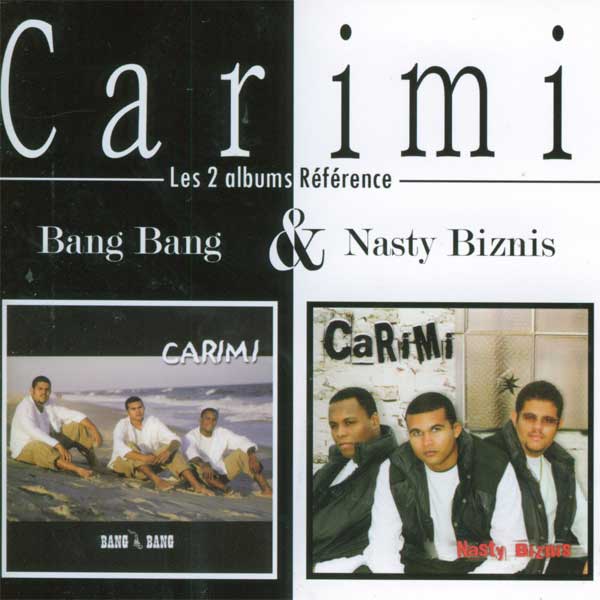
| Major albums | Ayiti Bang, Bang, Nasty Biznis, Buzz |
| Label | Antilles Mizik (first album) |
Key dates
| Year | Event |
|---|---|
| 2001 | Formation in New York; release of Ayiti Bang, Bang |
| Nov. 9, 2001 | First stage appearance at SOBs Night Club, New York (sold out) |
| 2002–2009 | Back-to-back successes: Poze Aki, Nasty Biznis, Buzz |
| 2013 | Invasion, ranked #2 on Billboard World Albums |
| 2016 | Departure of Mickael Guirand; end of the group |
| Dec. 27, 2024 | Historic concert at UBS Arena (Elmont, NY): 16,000 fans |
Origins and revelation
Carlo Vieux, Richard Cavé, and Mickael Guirand have known each other since childhood in Haiti. Driven by a passion for music, they moved in the same circles of young musicians in their country before political unrest pushed them to seek their future in the United States.
Carlo Vieux started very early: at thirteen, he played keyboards in the group Tic-Tac. His mother, an unconditional supporter of his talent, had him take piano lessons at a very young age. At sixteen, he joined the group K-Dans, where he stayed for four years—This period marked me a lot, wrote OPAMusic citing the group’s biography. Mickael Guirand sang in his school choir, briefly formed a first group called Bigay, and joined K-Dans on the invitation of percussionist Alex Thebaud. Like Carlo, he stayed there for four years before leaving to study in the United States. He would earn a bachelor’s degree in accounting from St. John’s University; Carlo would obtain a master’s degree in economics and political science from Rutgers University.
Richard Cavé, the third pillar of the trio, comes from a family of musicians and has been practicing music since childhood. He had already produced several artists and groups from the Haitian scene before finding himself in New York, like his accomplices.
It was by combining the first two letters of their given names—Ca for Carlo, Ri for Richard, Mi for Mickael—that the group was officially born in July 2001. Without having played on any stage, they plunged into recording and finished their first album after two years of intensive work.
When Ayiti Bang, Bang was released in the summer of 2001 on the Antilles Mizik label, the title track—a socially engaged piece that directly challenges Haitians about their country’s fate—became a phenomenon. The album placed Carimi among the flagship groups of the Haitian music industry without them having performed a single concert. The Haitian-American Music Archives would later note that no group from this generation had ever created such an impact at their debut.
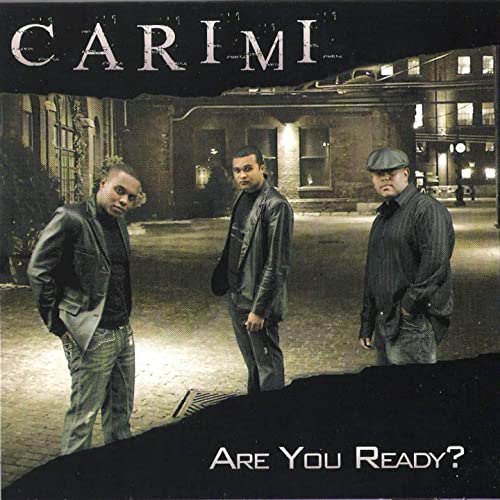
Their first stage appearance took place on November 9, 2001, at the SOBs Night Club in New York, before a sold-out audience. The three young men arrived with a new proposal: a show where kompa music marries an orchestrated stage presence, matching outfits, and careful staging. Fritz “Fito” Hyacinthe, their manager, described Haitian music of the 2000s as a traditional “big band”—musicians on stage while fans danced. Carimi, with an approach inspired by the American boy band model (New Kids on the Block, New Edition, NSYNC), changed the game. In an interview with World from PRX, the manager explained: “We came out with a style where people were actually looking at our performance. And nobody was doing it at the time”.
Their keyboard-based sound, innovative digital production, and engaged lyrics resonated with a uprooted Haitian diaspora. The group performed on all five continents—United States, Haiti, Caribbean, metropolitan France, Africa, Polynesia—and became one of the most acclaimed Creole groups of their generation. They received the award for best album of the year and climbed the charts in Haiti, Guadeloupe, Paris, French Guiana, and Canada. Carimi was also the first Haitian group to create a mobile app dedicated to kompa.
Major works
| Album | Year | Why it’s essential |
|---|---|---|
| Ayiti Bang, Bang | 2001 | First socially engaged album that exploded the group’s career |
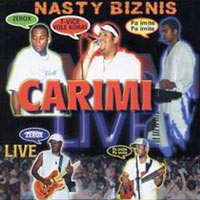
| Nasty Biznis | 2004 | Assertion of a modern digital kompa sound and polished stage presence |
| Buzz | 2009 | Flagship title illustrating the peak of Carimi’s style |
| Invasion | 2013 | Ranked #2 on Billboard World Albums; commercial and critical summit |
Legacy and influence
Carimi transformed the perception of kompa in the diaspora: a traditional genre infused with modern keyboards and a show aesthetic inspired by international show business. Their model influenced generations of young Haitian musicians who, after them, conceived kompa as a global spectacle. The group is regularly cited by specialized press as one of the main actors in the renaissance of kompa in the 2000s. More than a quarter-century after their first album, Carimi remains a cultural reference for millions of Haitians around the world—and a symbol of collective resilience.
Sources and references
- “Carimi”, Wikipedia, https://en.wikipedia.org/wiki/Carimi, accessed November 19, 2026.
- « CaRiMi — Haitian-American Music Archives », OPAMusic, https://opamusic.com/Bios/artist/carimi, accessed November 19, 2026.
- « Haiti’s ‘original boy band’ called it quits », The World from PRX, https://theworld.org/stories/2017/03/02/it-became-bigger-we-thought-it-would-be, accessed November 19, 2026.
- « Legendary Konpa Band CARIMI Reunites for Exclusive One-Night-Only Concert », UBS Arena, https://ubsarena.com/wp-content/uploads/2024/10/Carimi-Reunion-Live-UBS-Arena-Clean-FINAL.pdf, accessed November 19, 2026.
- « Carimi gives electrifying performance in New York », The Haitian Times, https://haitiantimes.com/2024/12/30/carimi-gives-electrifying-performance-in-new-york-and-hints-at-more-shows-in-2025-photos, accessed November 19, 2026.
- « New York’s UBS Arena’s Historic Run of Caribbean Shows », Billboard, https://www.billboard.com/music/features/new-york-ubs-arena-caribbean-headliners-buju-banton-reggae-1235977837/, accessed November 19, 2026.