Biography
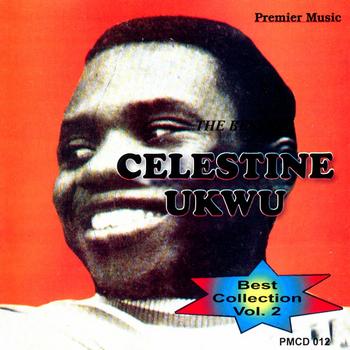
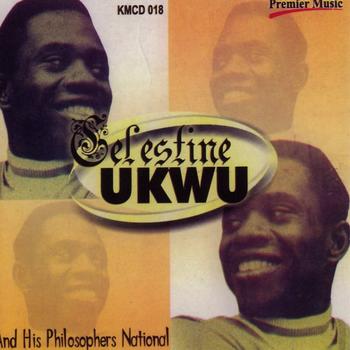
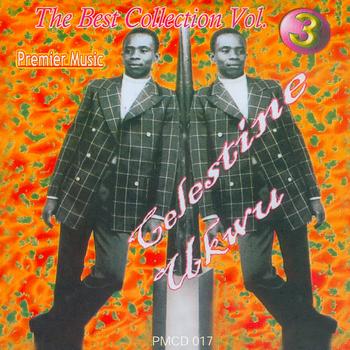
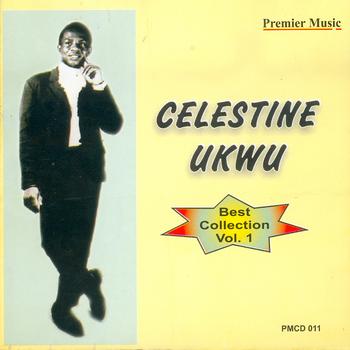
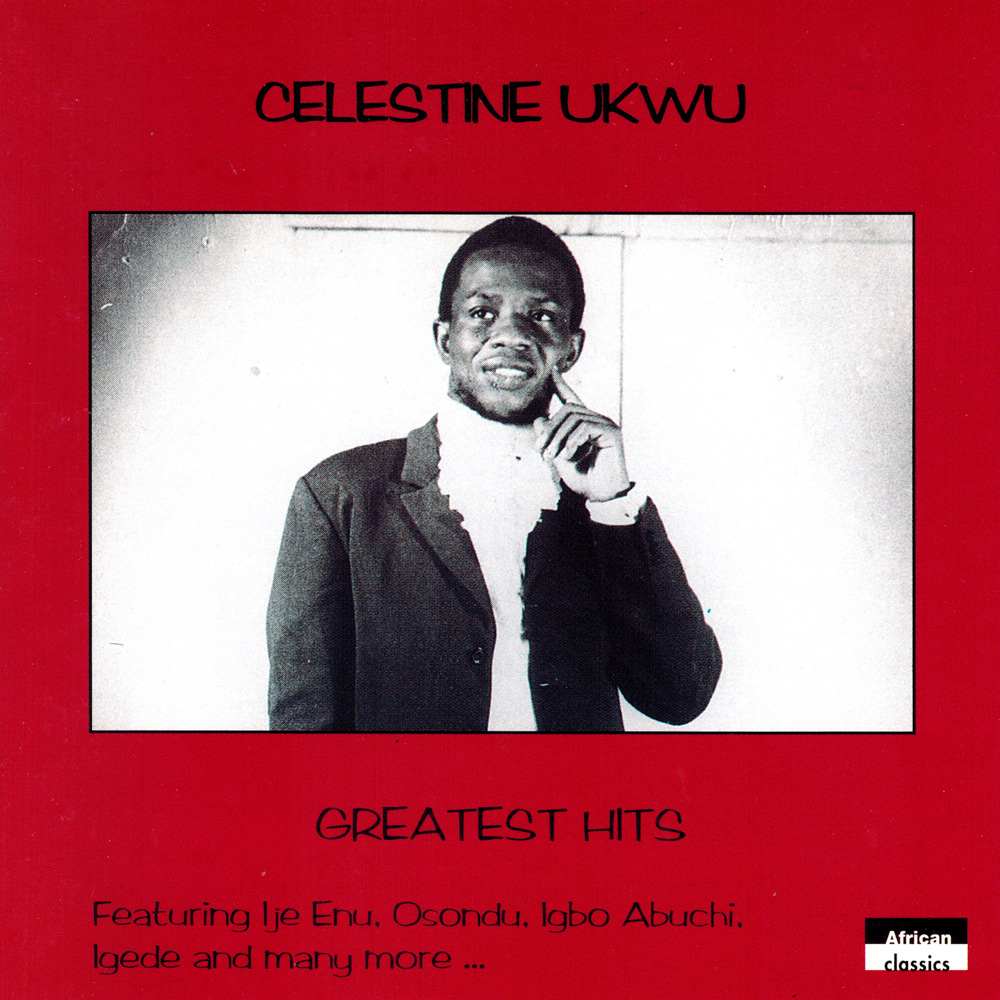
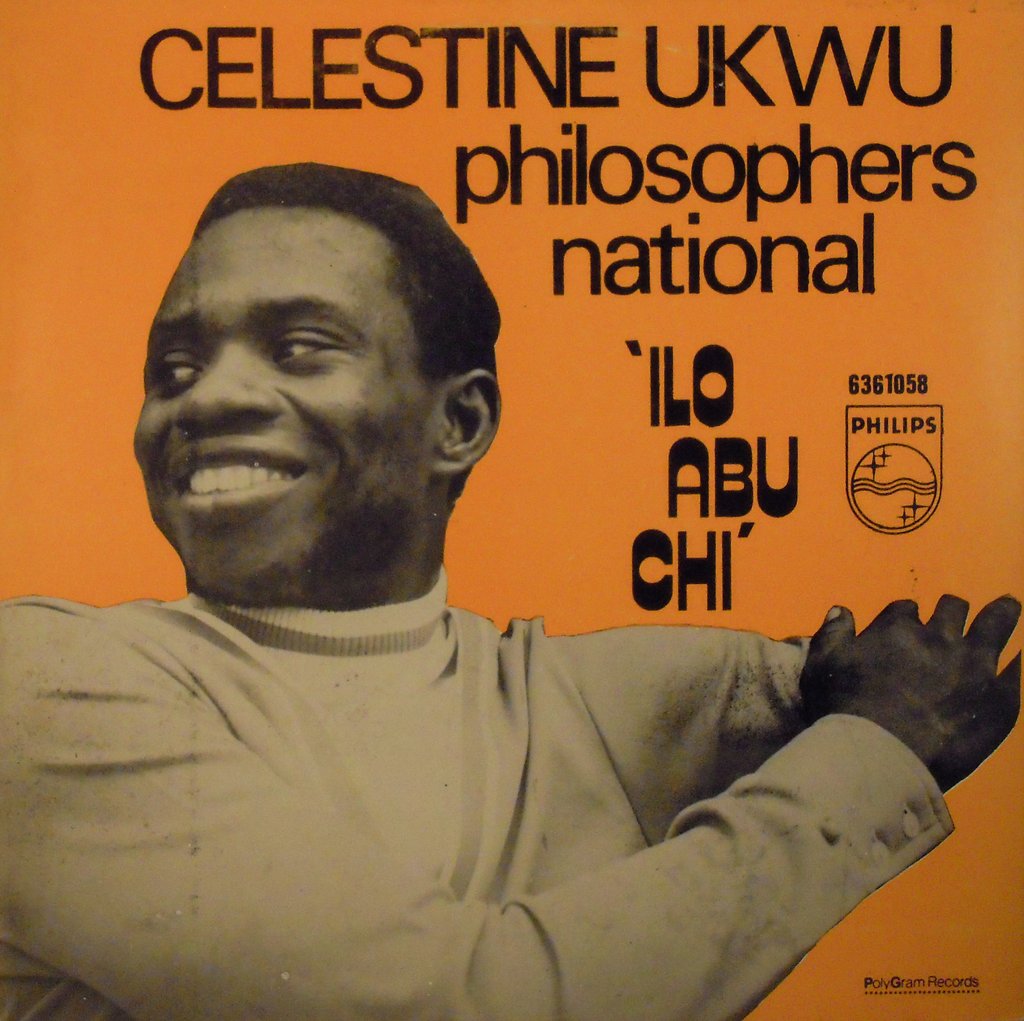
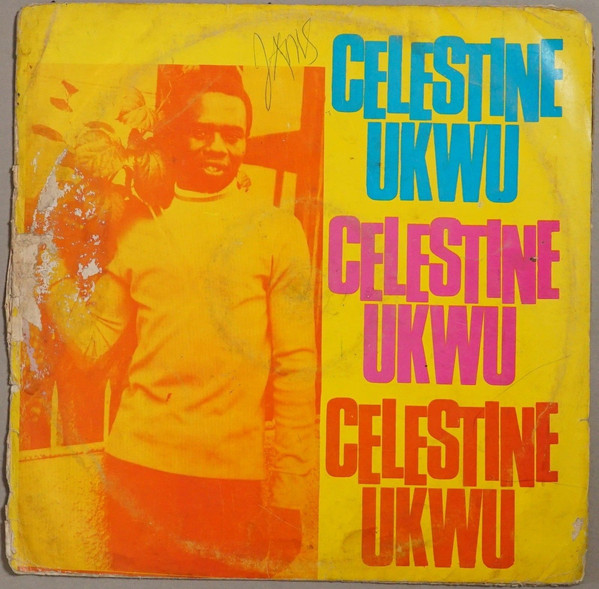
Celestine Ukwu
On May 7, 1977, a semi-trailer struck Celestine Ukwu’s car near Ogidi, on the road linking Owerri to Onitsha. The artist was thirty-seven years old. His friend Alexander Nwobodo perished with him. An international performance contract still awaited him in his luggage — travel documents already processed. On that day, Ivorian highlife lost one of its most original thinkers.
In Brief
| Full Name | Celestine Ukwu |
| Birth | 1940, Enugu, Nigeria Colony (today Enugu State) |
| Death | May 7, 1977 (36-37 years), Ogidi, Owerri-Onitsha Road, Nigeria |
| Origin | Abor, Udi Local Government Area, Enugu State |
| Genre | Highlife — a blend of traditional Igbo rhythms and Western influences, born in the 1940s-50s |
| Instruments | Vocals, harmonium, vibraphone, xylophone (odo), drums |
| Notable Works | “Ije Enu”, “Igede”, “Money Palava” |
| Awards | Albums compiled in The Rough Guide to Highlife and Rough Guide to Psychedelic Africa |
Key Dates
| Year | Event |
|---|---|
| 1940 | Birth in Enugu, in Eastern Nigeria |
| 1955 | End of primary schooling in Abor |
| 1958 | Obtaining teaching certificate; begins as a teacher in Zaria |
| 1962 | Abandonment of teaching; joins Mike Ejeagha’s Paradise Rhythm Orchestra |
| 1962-67 | Leader of Music Royals of Nigeria, residency at Frontline Hotel in Onitsha |
| 1967 | Group disbandment during the Biafran War; composition of “Hail Biafra!” |
| 1970-71 | Formation of Philosophers National; release of True Philosophy |
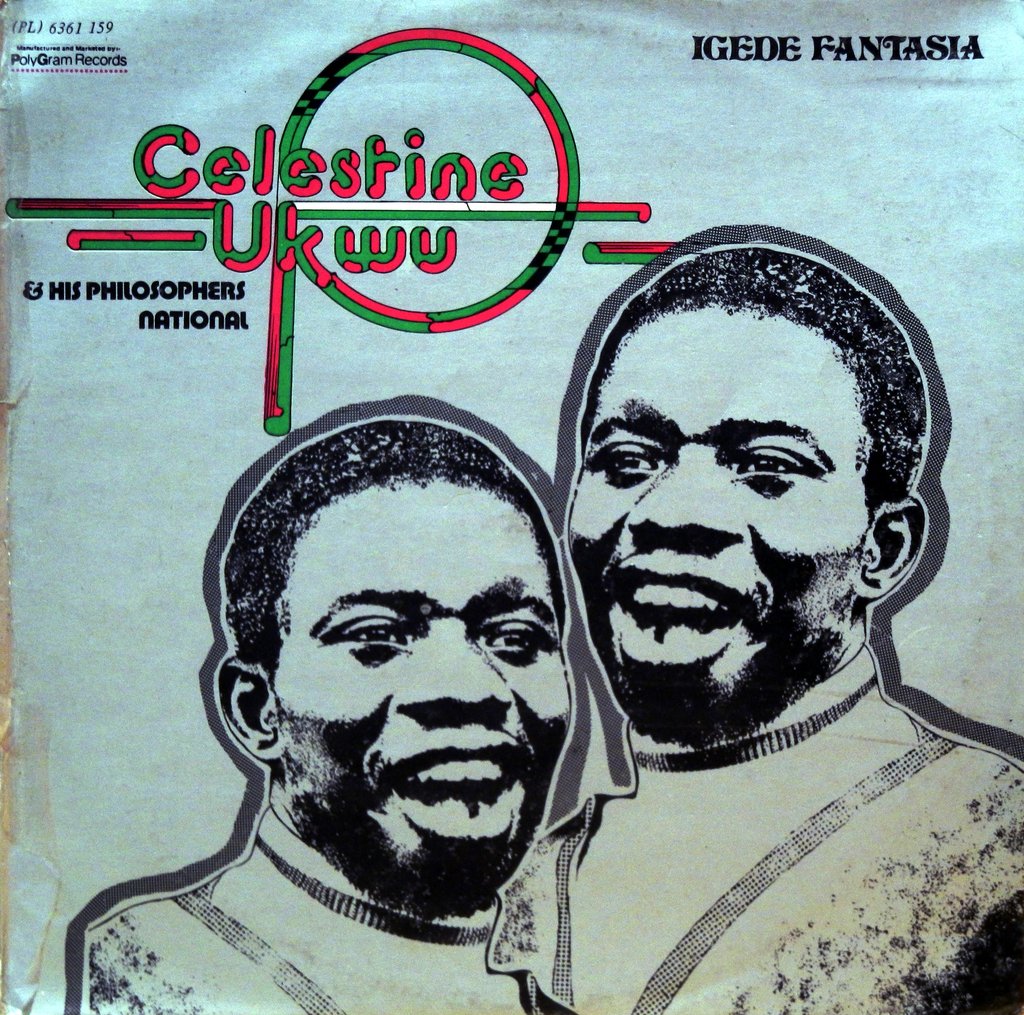
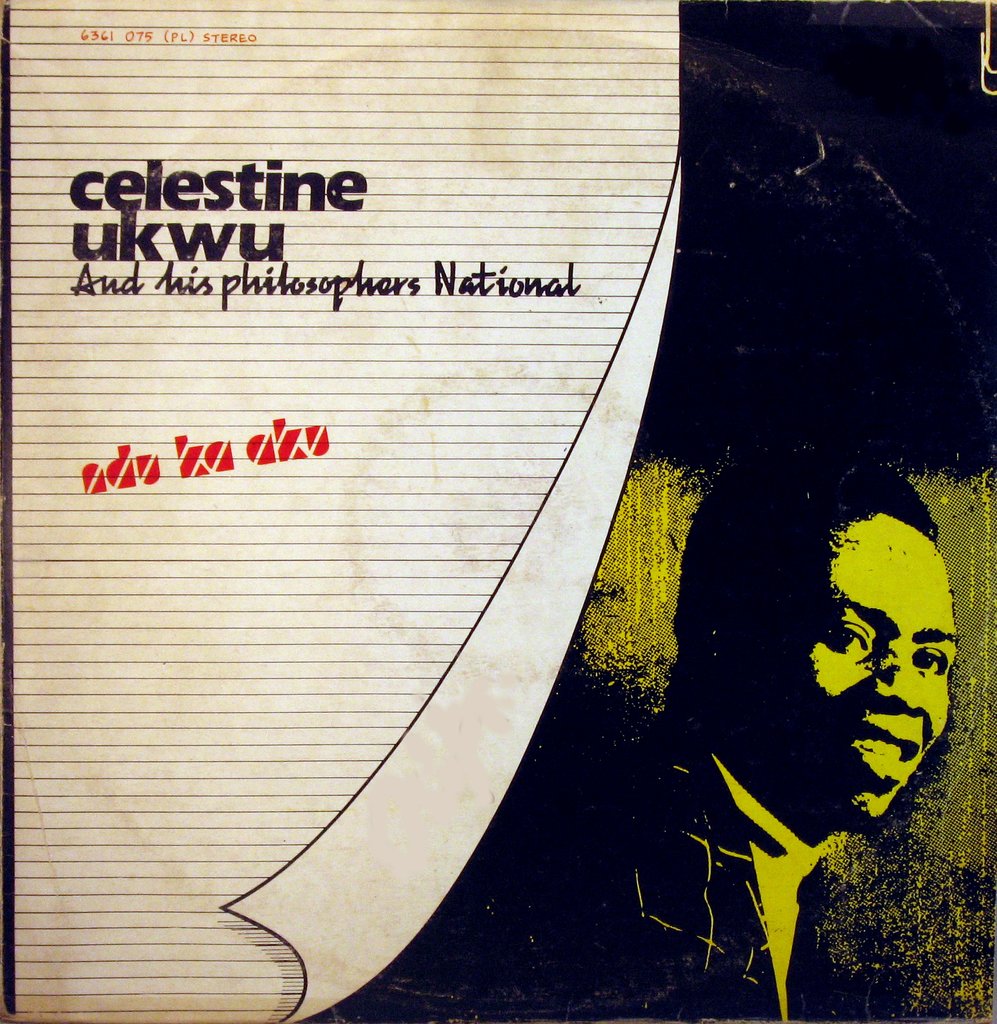
| 1974-76 | Intense creative period: Ilo Abu Chi, Ndu Ka Aku, Ejim Nk’onye, Igede Fantasia |
| 1976 | Marriage to Josephine Uzoyibo |
| 1977 | Death in a road accident in Ogidi; posthumous birth of his daughter Cynthia |
From Miner to Philosopher in Songs
Celestine Ukwu was born in 1940 in Enugu. His musical education comes from a family tree deeply rooted in tradition. His father, a coal miner but accomplished musician, practiced Igbo genres: the igede (storytelling music carried by a griot), the ikpa, and the ode. His mother was the lead singer of a female dance music group, his grandmother a folk musician and dancer. This family soil transmitted to him an instinctive understanding of music as a vehicle of wisdom.
Formal learning came from his uncle, a Catholic choir master who taught him music reading and the harmonium. After passing through several cities, he finished his schooling in Abor in 1955 and entered the Teacher Training College in Zaria, where he obtained his certificate in 1958. He began teaching, but music called him more strongly than public service. Around 1962, he left teaching and joined Mike Ejeagha’s Paradise Rhythm Orchestra as a singer and maracas player. He multiplied experiences — Mr Picolo on tour in Congo, Herbert Udemba’s African Baby Party — until founding the Niger City Starlighters in Onitsha, with whom he recorded his first local successes: “No Condition is Permanent”, “Artificial Beauty”, and the piece that revealed his talent: “Ije Enu”.
The Biafran War (1967-1970) forced his troupe to dissolve. He composed “Hail Biafra!” to boost the morale of fighters and testified to his civic commitment. At the end of the conflict, in 1970, he gathered his musicians under the name Philosophers National.
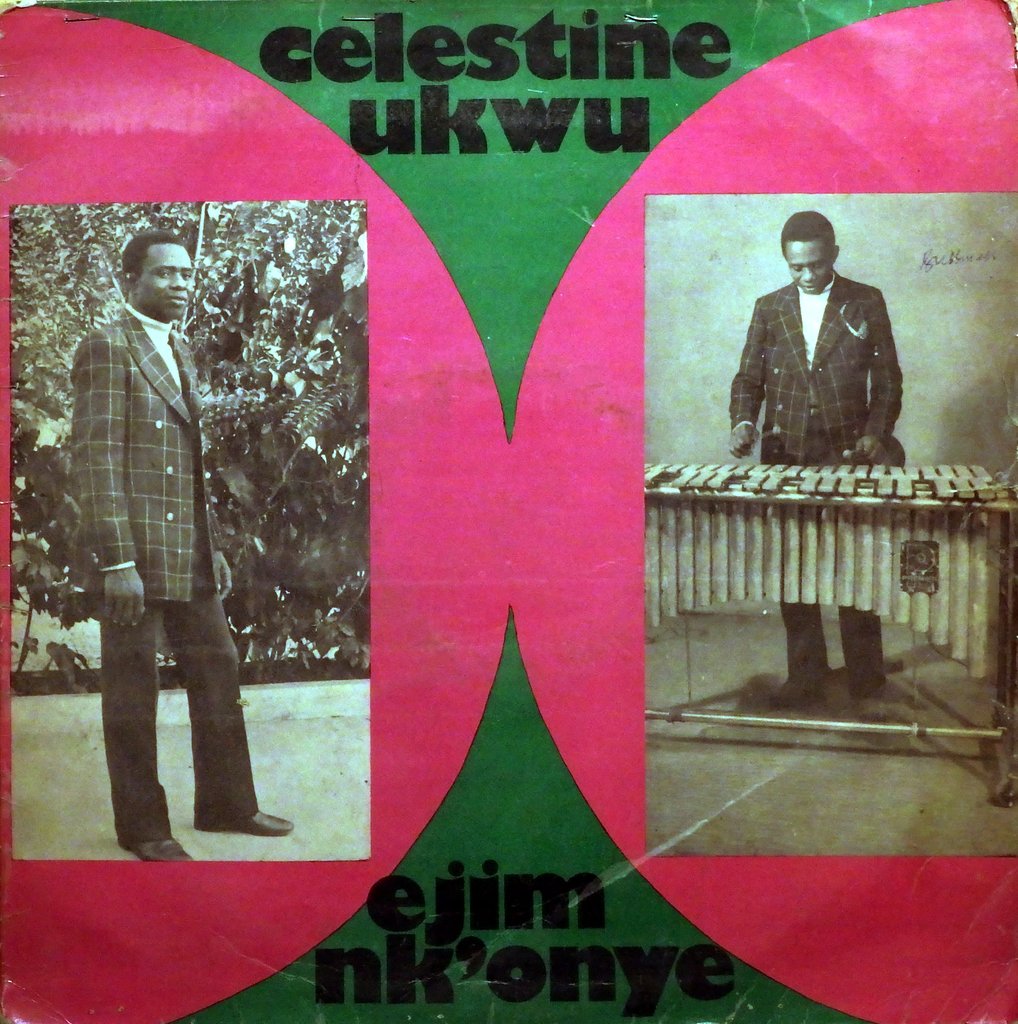
With them, Celestine reached artistic maturity. Where his contemporaries privileged frenetic dancing, he opted for relaxed and sensual music, where piano, vibraphone, xylophone (odo), and pedal guitar mingled without improvisation. His orchestration was thematic and sober, based on rigorous harmony — a choice that earned him to be described as innovative by Radio Nigeria Two critic Benson Idonije. His six albums between 1971 and 1976 form one of the most remarkable philosophical discographies of modern African music: True Philosophy (1971), Tomorrow Is So Uncertain (1973), Ilo Abu Chi (“Enmity is not a god”, 1974), Ndu Ka Aku (“Life is greater than wealth”, 1974), Ejim Nk’onye (“I do not hold property of anyone”, 1975), and Igede Fantasia (1976).
His themes aimed at reality. Grade by Grade, a piece from Igede Fantasia, celebrates the egalitarian Igbo spirit — everyone must climb through their own effort, no one is predestined to poverty. Ego Eju Aka (“Money does not fill the hand”), taken from Ndu Ka Aku, violently attacks the materialism that uprooted pre-war solidarity. Ije Enu, his greatest success with 200,000 copies sold in three months, sings the fundamental precariousness of existence — a melancholic and luminous hymn on the passage of time.
Legacy and Influence
The brutal death of Celestine Ukwu at thirty-seven left a void that persists. His musicians played for two more years under the name Celestine Ukwu Memorial Dance Band, led by singer Anthony Mogbo. His music is taken up in global compilations — The Rough Guide to Highlife (2003), Nigeria Special (Soundway, 2007), HighLife Time 2 (VampiSoul, 2011) — where each excerpt functions as a lesson in Igbo existentialism. The box set Nigerian Guitar Roots 1936-68 (El Sur Records, 2024) reissues his very first recordings with the Niger City Starlighters. In 2022, Global Voices dedicated a detailed portrait to him; in March 2024, his daughter Cynthia spoke to the Nigerian press Vanguard after seven decades without ever having known her father.
At seventy years’ distance, Celestine Ukwu’s music continues to question and console.
Major Works
| Work | Year | Why It’s Essential |
|---|---|---|
| “Ije Enu” | 1971 (on His Philosophies) | His biggest hit: 200,000 copies sold in three months, a philosophical meditation on the precariousness of existence |
| “Igede” (Grade by Grade) | 1975 (Igede Fantasia) | Hymn to Igbo equality: no one is predestined to poverty or wealth |
| “Ego Eju Aka” | 1974 (Ndu Ka Aku) | Virulent critique of materialism that replaced pre-war solidarity |
| True Philosophy | 1971 | First album by the Philosophers National: lays the stylistic foundations of his work — tenderness, thematic rigor, sober harmony |
| Ndu Ka Aku (“Life is greater than wealth”) | 1974 | Pivotal album where his reflection on money and community reaches its most mature form |
Sources and References
- “Celestine Ukwu”, Wikipedia, https://en.wikipedia.org/wiki/Celestine_Ukwu, accessed November 13, 2026.
- Nwachukwu Egbunike, “Celestine Ukwu: the Nigerian philosopher-musician who left his mark on Igbo highlife”, Global Voices, June 15, 2022, https://globalvoices.org/2022/06/15/celestine-ukwu-the-nigerian-philosopher-musician-who-left-his-mark-on-igbo-highlife/, accessed November 13, 2026.
- Ikenna Emmanuel Onwuegbuna, “Celestine Ukwu—the Music, the Message, the Man”, Nsukka Journal of the Humanities, vol. 31, no. 2, December 2023, https://doi.org/10.62250/nsuk.2023.31.2.42-60, accessed November 13, 2026.
- “Discography of Celestine Ukwu & His Philosophers National”, muzikifan.com, http://www.muzikifan.com/ukwu.html, accessed November 13, 2026.
- Emma Ikediashi, “43 years after, Celestine Ukwu’s guitarist opens up on him”, Vanguard, August 3, 2019, https://www.vanguardngr.com/2019/08/43-years-after-celestine-ukwus-guitarist-opens-up-on-him/, accessed November 13, 2026.
- “Celestine Ukwu”, Discogs, https://www.discogs.com/artist/1055120-Celestine-Ukwu-His-Philosophers-National, accessed November 13, 2026.
- The Rough Guide to Highlife (Compilation, World Music Network/Rough Guides, 2003), accessed November 13, 2026.
- Cynthia Chikwado Ada Ukwu, “Celestine Ukwu’s only child speaks on a father she never met”, Vanguard, March 5, 2024, https://www.vanguardngr.com/2024/03/celestine-ukwus-only-child-speaks-on-a-father-she-never-met/, accessed November 13, 2026.
- Benson Idonije, liner notes His Philosophies, accessed November 13, 2026.