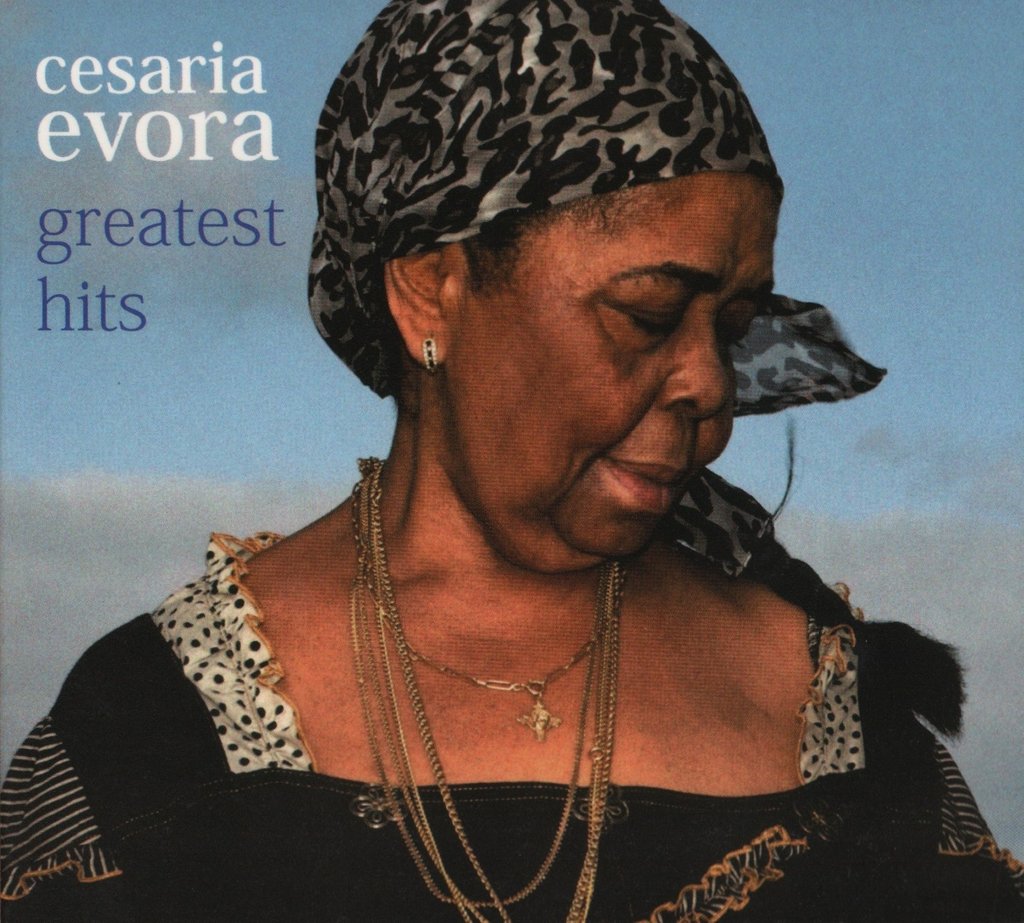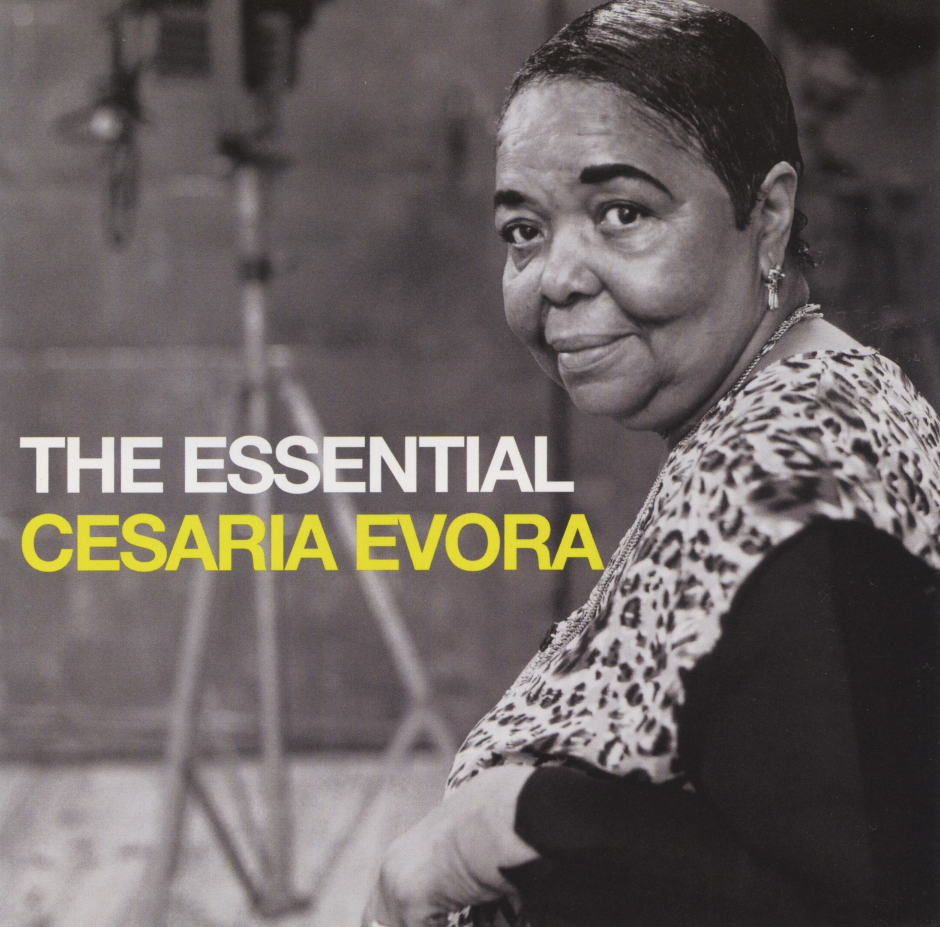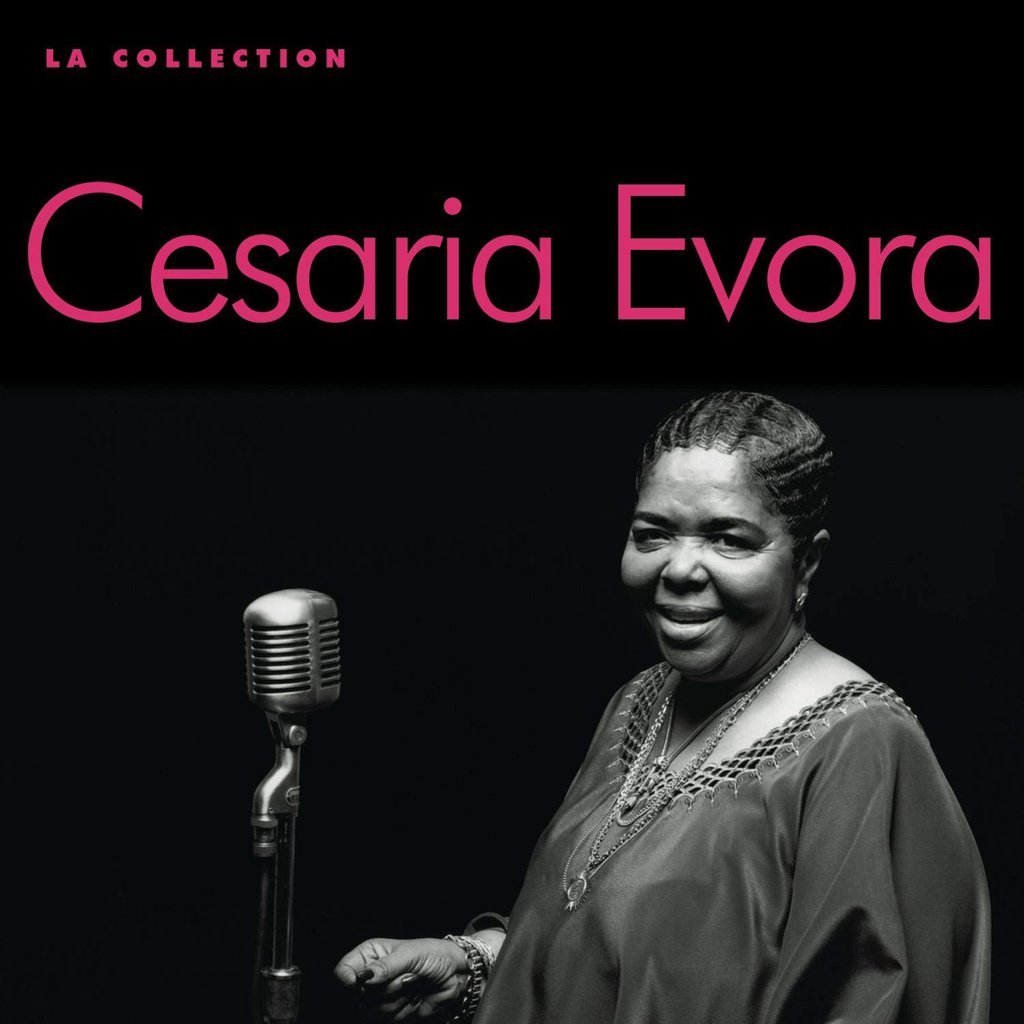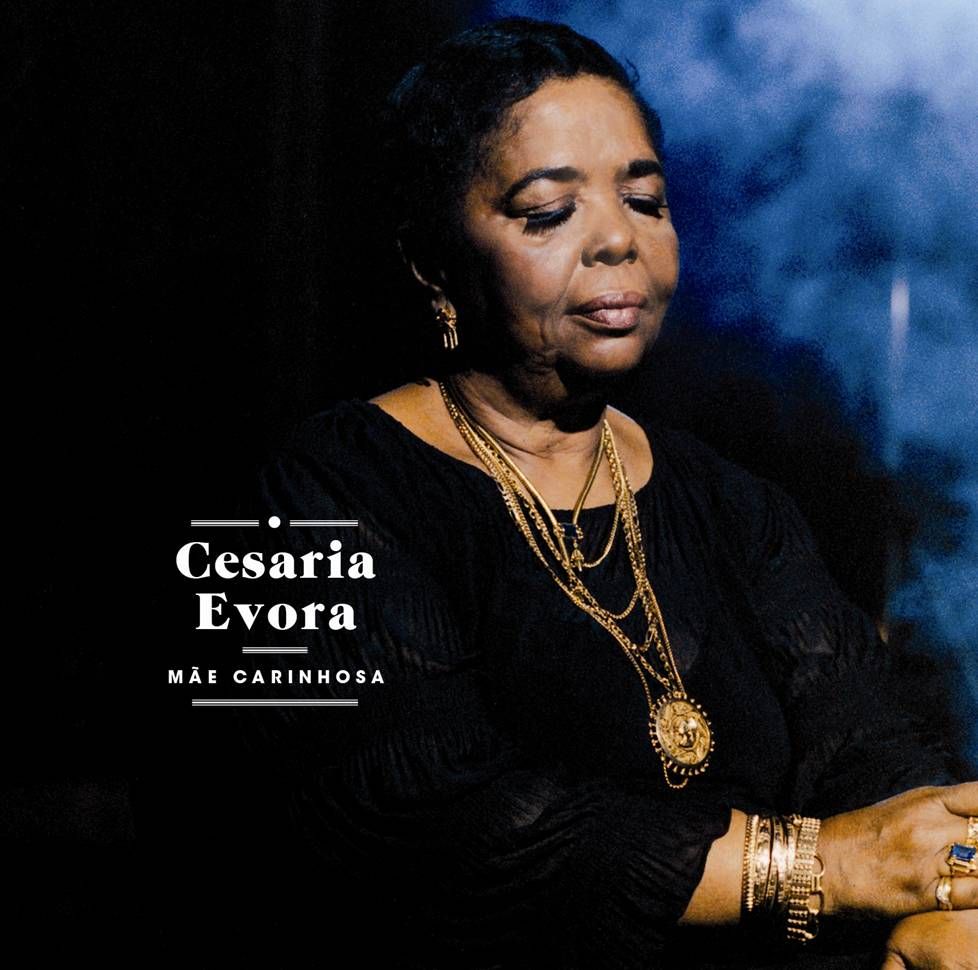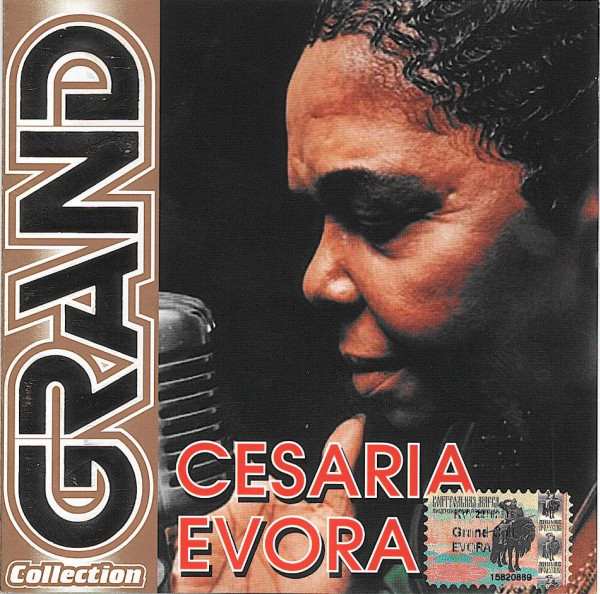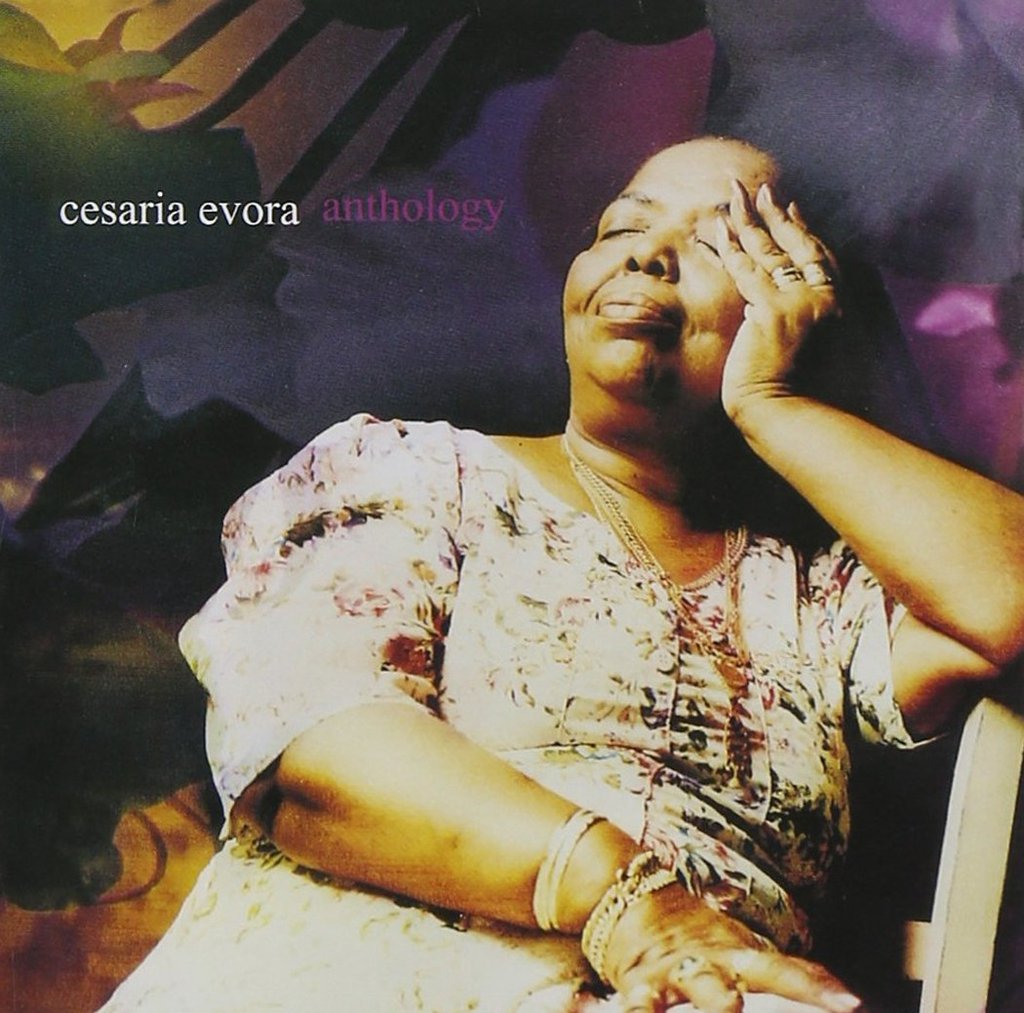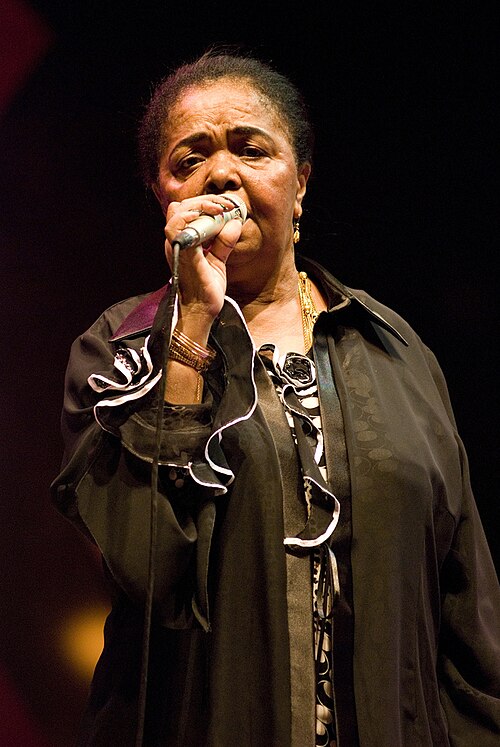
Biography
Cesária Évora: the morna, the Cape Verdean and barefoot
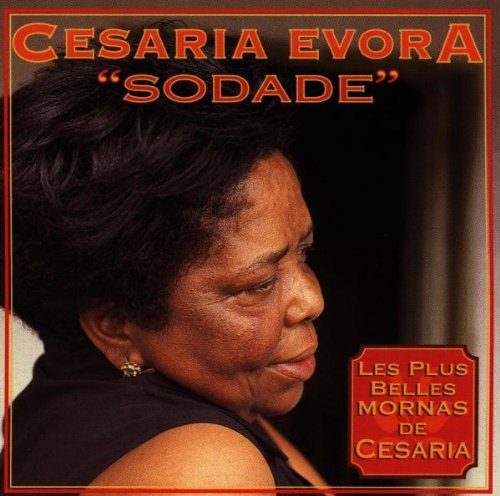
In 1992, a warmly deep voice glides over a slow, languid melody. Concert halls fall silent, even those that do not understand a word of Cape Verdean Creole. “Sodade” — this word that has no exact translation, blending nostalgia, longing for elsewhere and sweet melancholy — becomes the first act of worldwide recognition for a singer who, at fifty-one years old, discovers only that she has become a star.
In brief
| Full name | Cesária Évora |
| Birth | 27 August 1941, Mindelo, São Vicente (Portuguese Cape Verde) |
| Death | 17 December 2011 (age 70), Mindelo, Cape Verde |
| Field | Morna, coladeira — Cape Verdean music genres |
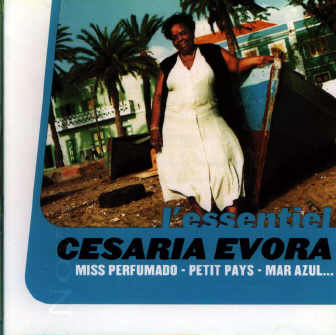
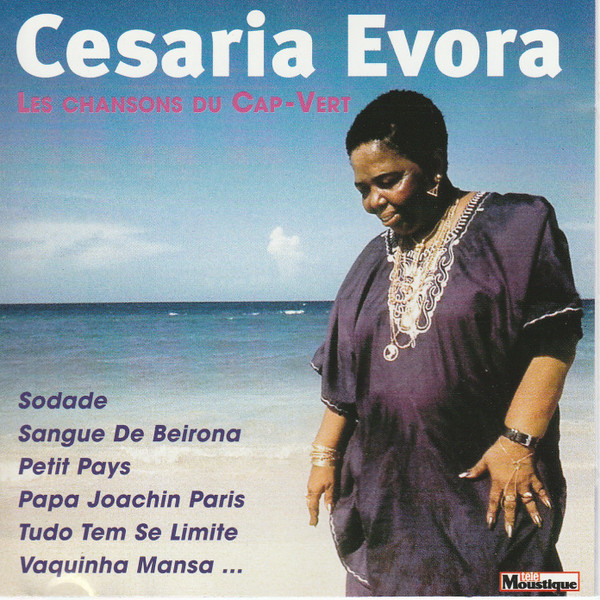
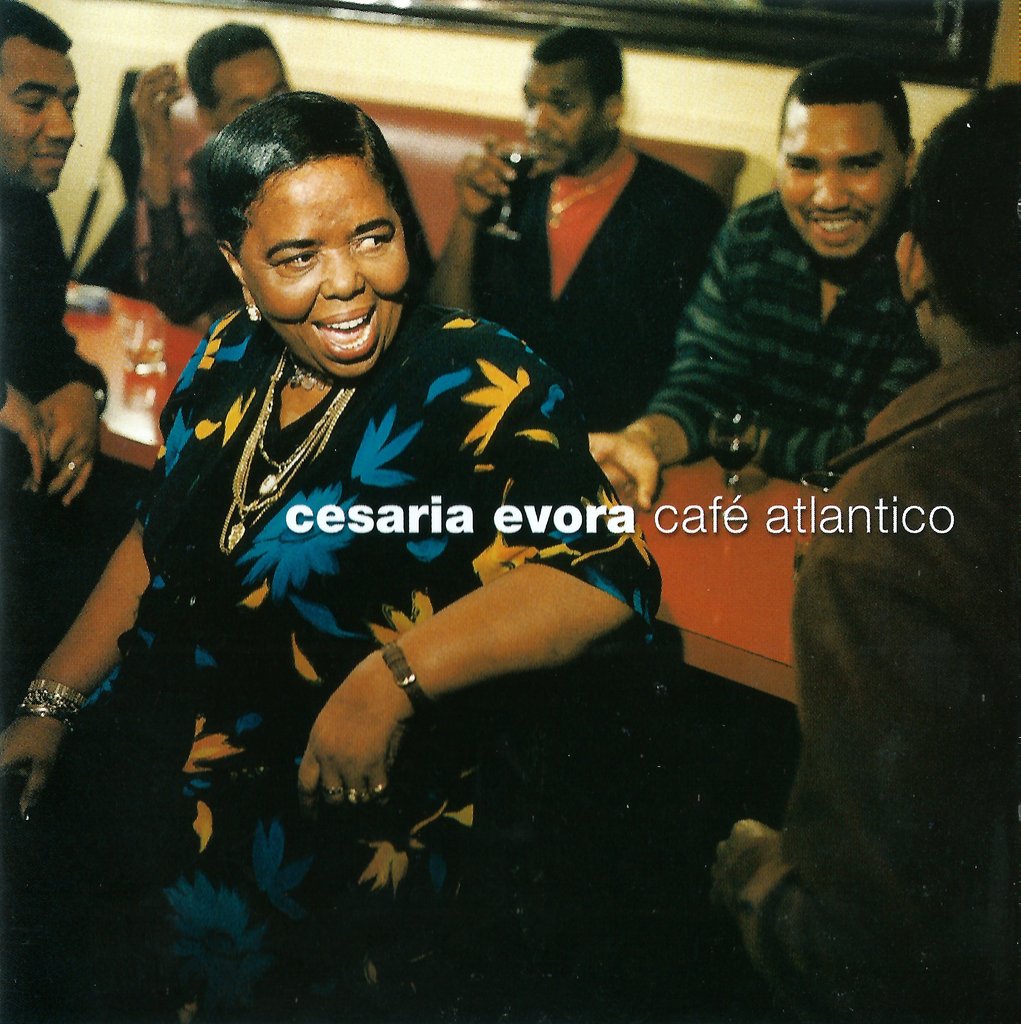
| Signature works | “Sodade”, Miss Perfumado, Café Atlantico |
| Awards | Grammy Award 2004, Legion of Honour 2009 |
Key dates
| Year | Event |
|---|---|
| 1941 | Birth in Mindelo, on the island of São Vicente |
| 1957 | Debut on stage in Mindelo bars, at sixteen years old |
| 1970 | Career interrupted by the independence of Cape Verde |
| 1985 | Return to music after an invitation to Lisbon |
| 1992 | Miss Perfumado and “Sodade”: international breakthrough |
| 2004 | Grammy Award for best world music album |
From the port of Mindelo to concert halls worldwide
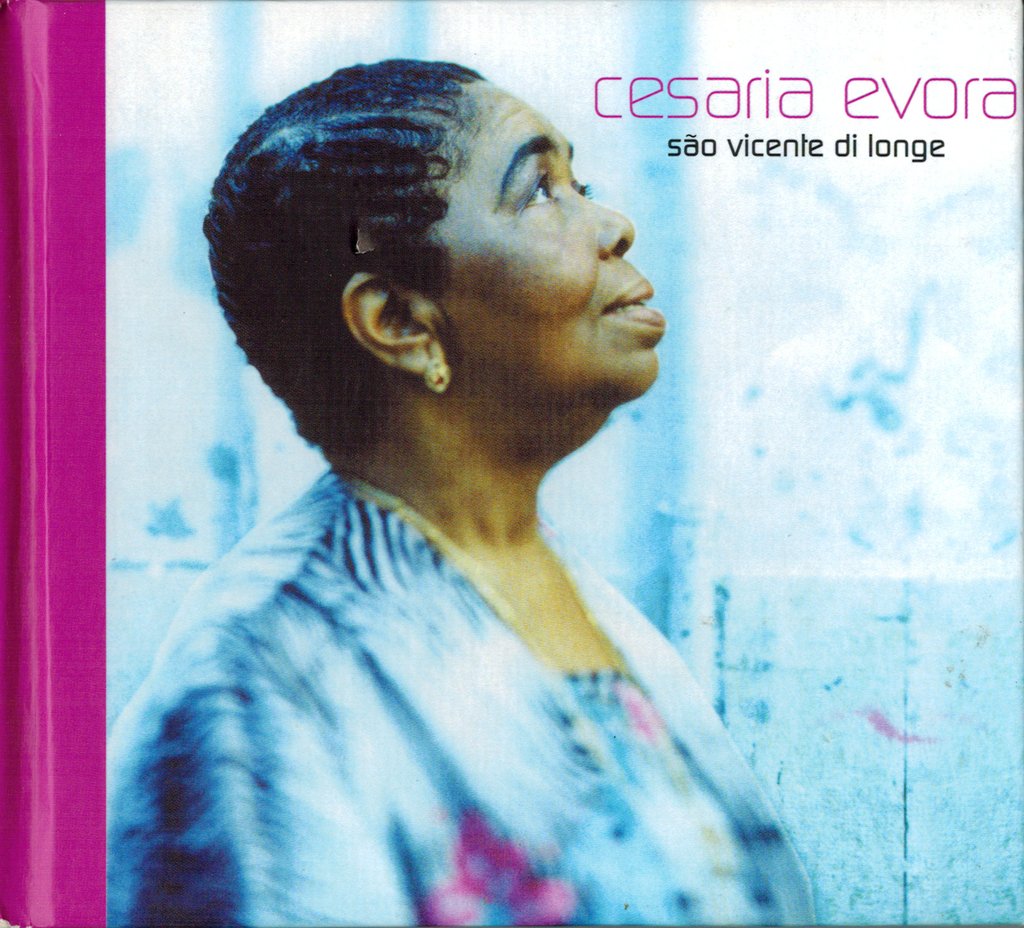
Cesária Évora was born on 27 August 1941 in the port city of Mindelo. Seven children grew up in poverty: her father, Justino, a guitarist and violinist, died when she was only seven, and the mother, a cook, entrusted young Cesária to an orphanage at ten. It was there, in the choir, that she discovered singing.
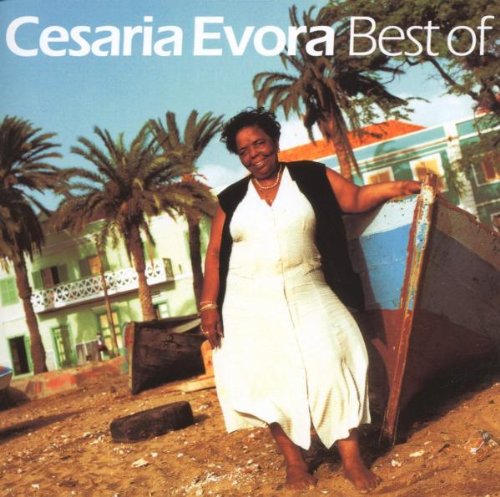
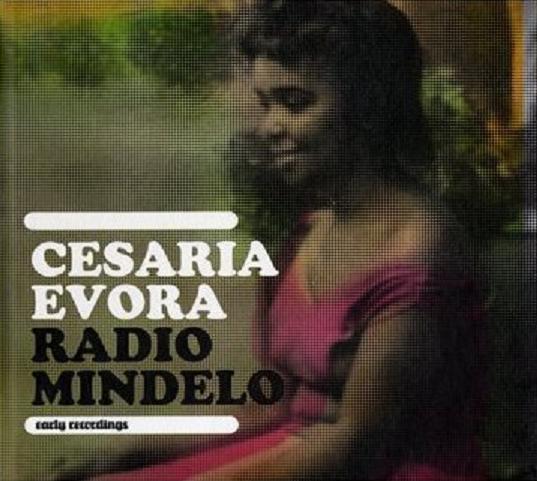
At sixteen, a guitarist named Eduardo introduced her to morna and encouraged her to sing in bars. Mindelo is a cosmopolitan crossroads where African, American, Asian and European sailors meet. Hired as a deckhand to sing on ships in port, paid in glasses of alcohol rather than money, she performed barefoot — a natural gesture, because at that time on the island, everyone walked thus out of poverty. Her career declined abruptly in the 1970s: the independence of Cape Verde and the closure of bars by the new government kept her away from stages for ten years. She worked as a seamstress.
In 1985, on the occasion of the tenth anniversary of independence, she was offered a performance in Lisbon. José “Djô” da Silva, a French railway worker whose maternal family is from Mindelo, heard her voice and convinced her to move to Paris. He became her producer.
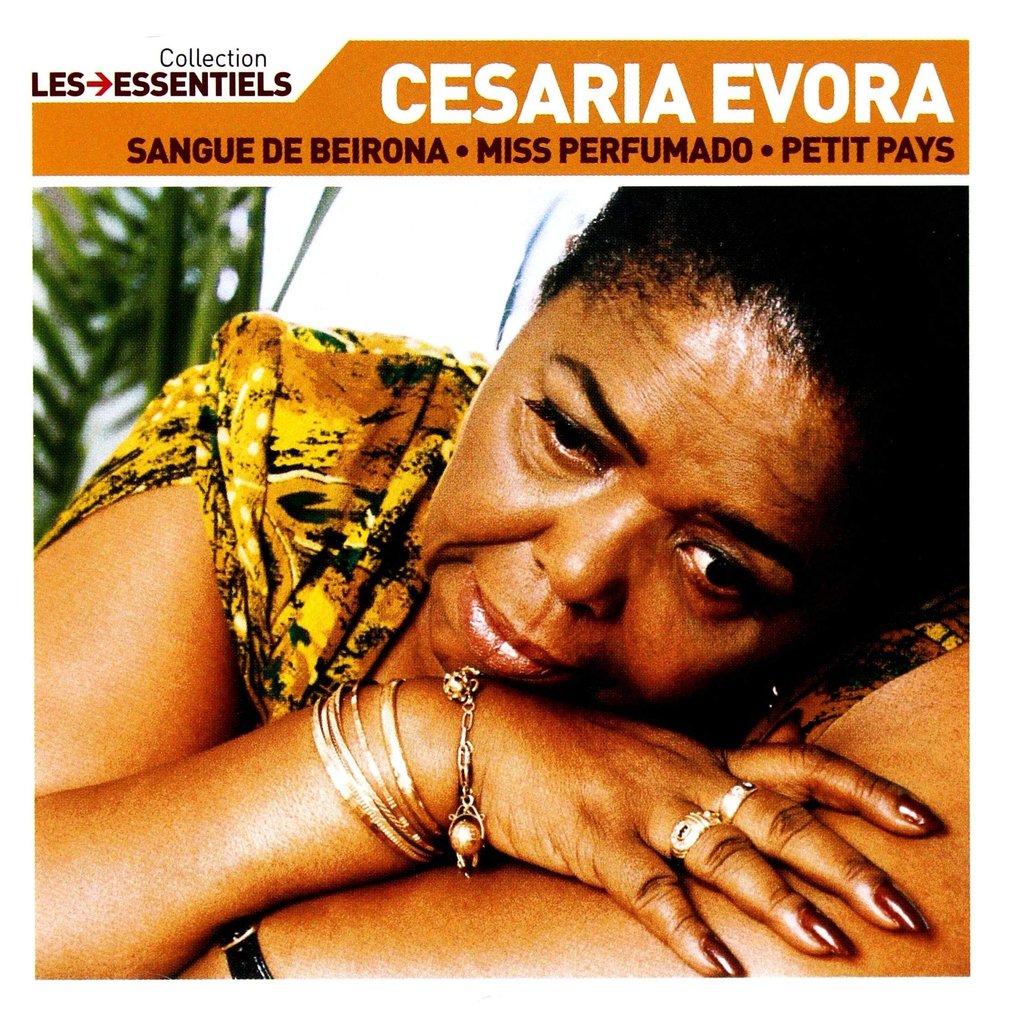
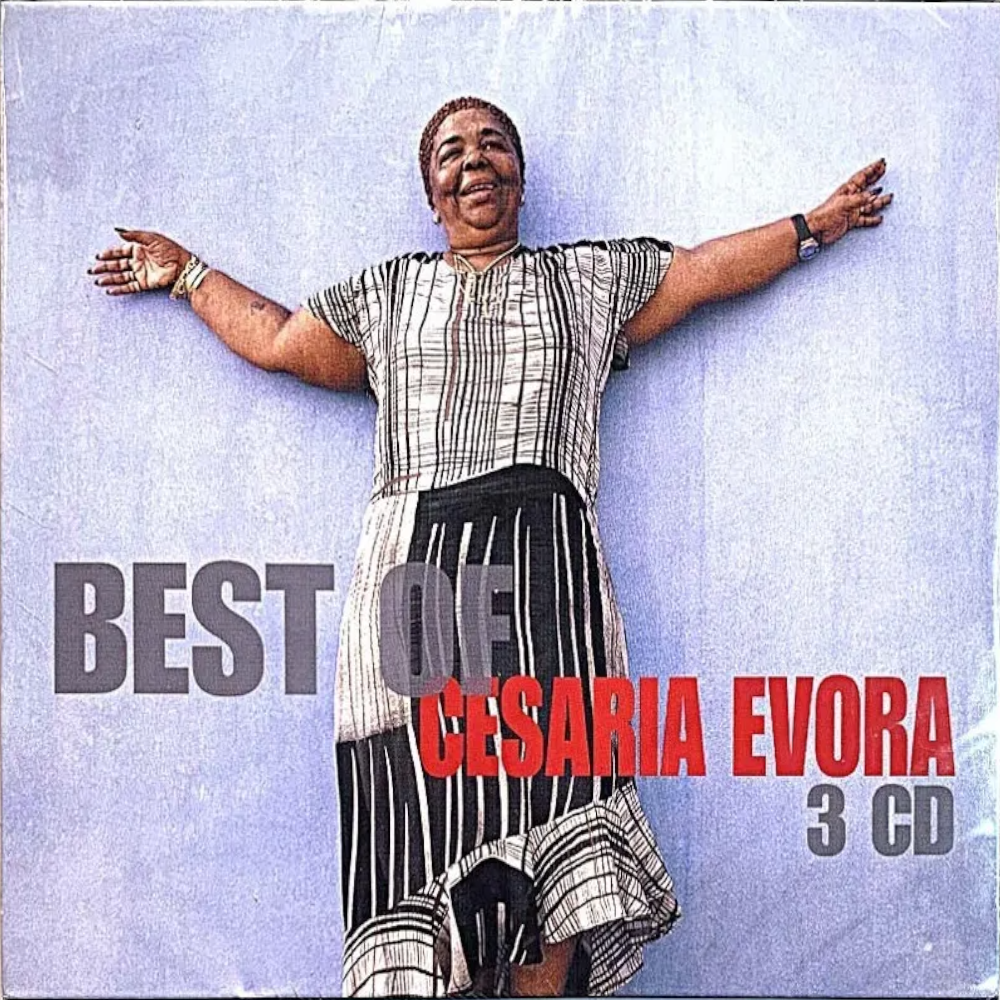
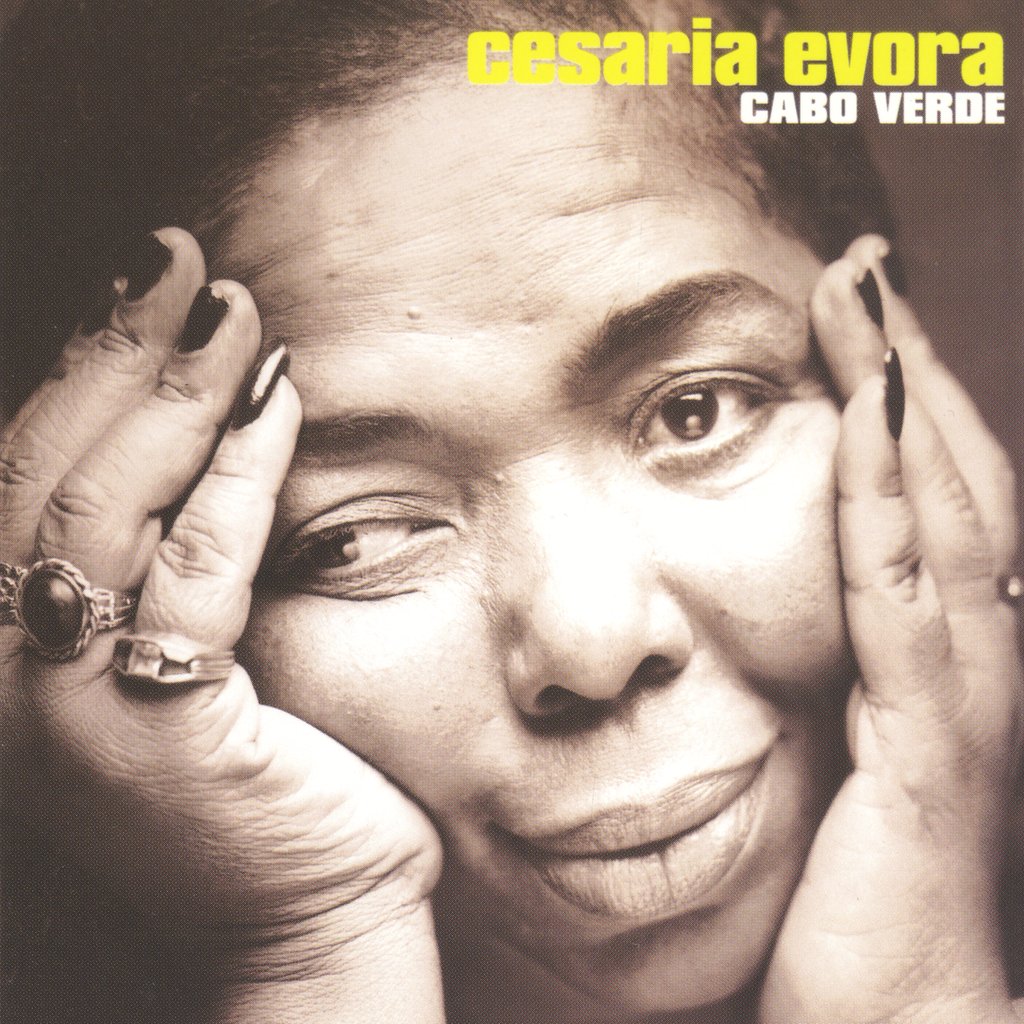
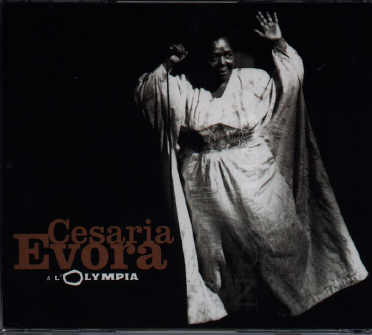
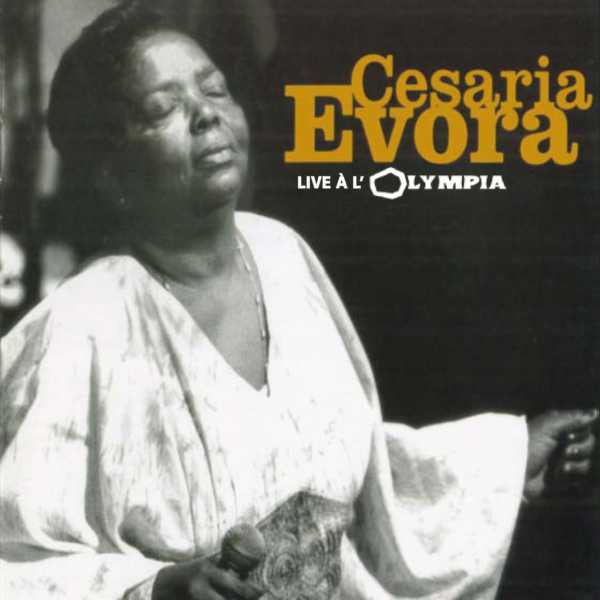
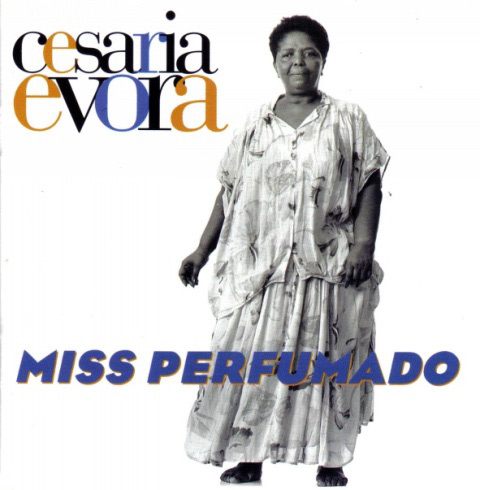
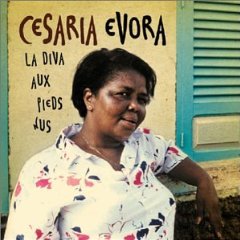
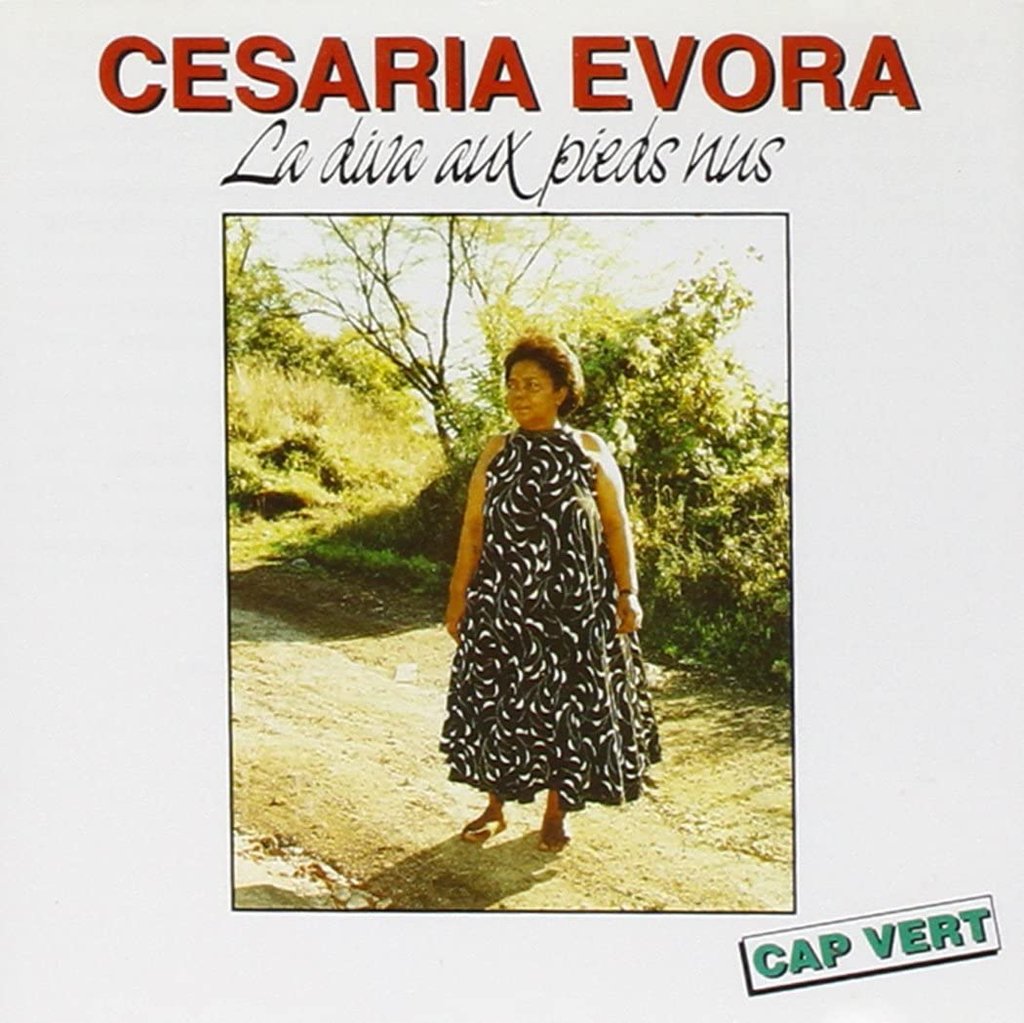
La Diva aux Pieds Nus was released in 1988. Miss Perfumado, in 1992, is the album that Changed Everything: over 300,000 copies sold in France (double gold record) and a track that crossed borders, “Sodade”. Written in the 1950s, this song tells of the forced labor of Cape Verdeans on the island of São Tomé, in Portuguese cacao plantations. Under Cesária’s voice, it became an timeless classic. The artist performed three times at the Olympia, which she would qualify as “her best memories”.
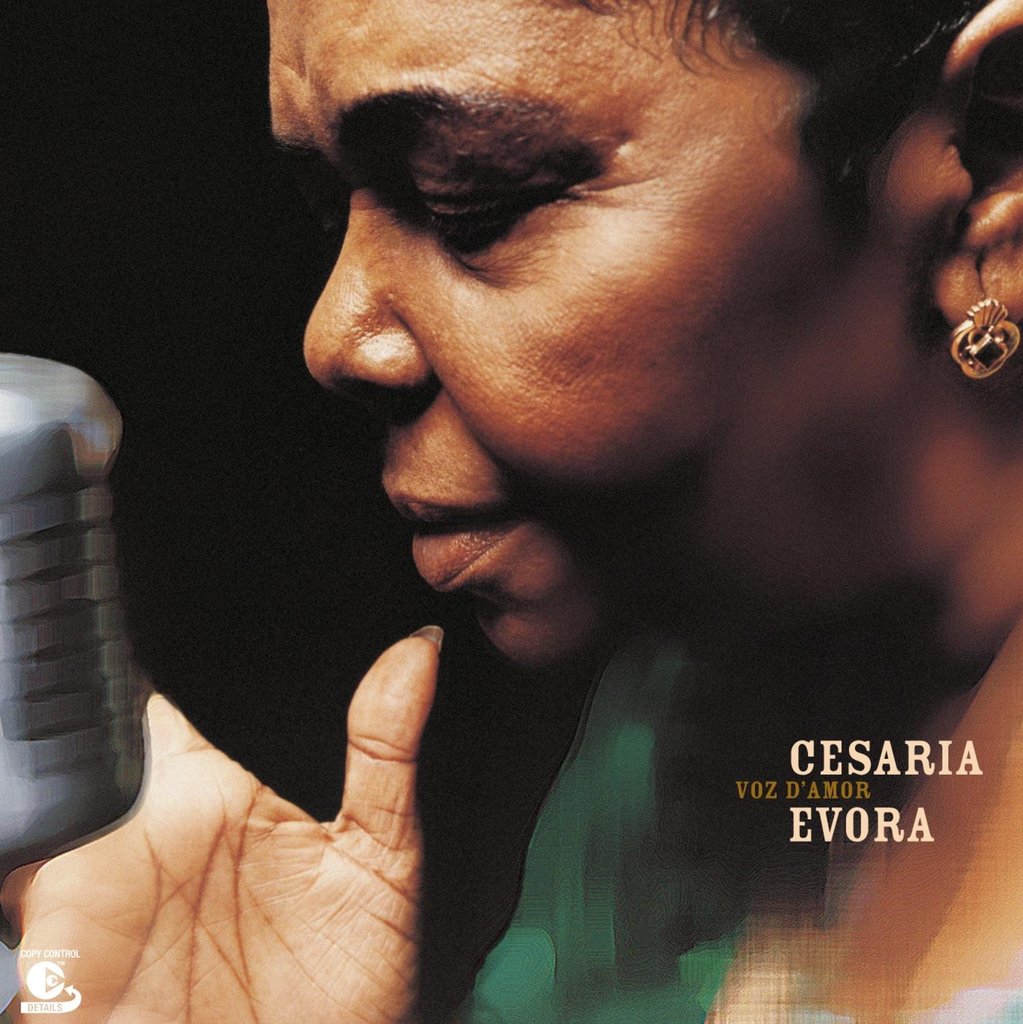
The consecration fell in 2004: the Grammy for best world music album for Voz d’Amor. She accumulated six nominations in total. In 1997, the KORA All African Music Awards awarded her three prizes. In 2009, she was made a knight of the Legion of Honour. As early as 1991, Le Monde wrote that “she belongs to the aristocracy of bistro singers”, with “a voice that melts the soul”.
Even in her latest records, her voice — thick, warm, incapable of feigning — retains its pure emotional power. She suffered from heart problems diagnosed in 2005, underwent two strokes in 2008 and 2011, and announced her retirement. She died on 17 December in Mindelo, surrounded by her loved ones.
She did not let herself be absorbed by glory: she rebuilt her childhood home in Mindelo, expanded it into a ten-room building where friends and family stayed, and returned to her island every Christmas. A simple life, matching the simplicity of her songs.
Major works
| Work | Year | Why it is essential |
|---|---|---|
| Miss Perfumado | 1992 | Revealing album, containing “Sodade”, signature hit |
| Voz d’Amor | 2003 | Winner of the 2004 Grammy Award for best world music album |
| Café Atlantico | 1999 | Opening to Latin-Cuban influences, Victoire des musiques traditionnelles |
Legacy and influence
Cesária Évora carried morna — slow, contemplative music, a maritime and African heritage of Cape Verde — from the anonymous bars of Mindelo to the world’s greatest concert halls, without ever distorting it. Her influence extends to Cape Verdean diaspora artists, but also to Madonna, who covered “Sodade” and credited Évora as inspiration. Dozens of international artists, from Mélissa Laveaux to Angélique Kidjo, salute her legacy. A Cape Verde airport was renamed in her honor in 2014, at the entrance to Mindelo itself, where she grew up barefoot on volcanic sand.
Sources and references
- “Cesária Évora”, Wikipedia (French version), https://fr.wikipedia.org/wiki/Ces%C3%A1ria_%C3%89vora, accessed 19 October 2026.
- “Cesária Évora”, Wikipedia (English), https://en.wikipedia.org/wiki/Ces%C3%A1ria_%C3%89vora, accessed 19 October 2026.
- Daoud Tyler-Ameen, “Cesária Évora, Grammy-Winning Cape Verdean Singer, Has Died”, NPR, https://www.npr.org/sections/therecord/2011/12/17/143893835, accessed 19 October 2026.
- “Cesaria Evora dies at 70; Grammy-winning singer known as the ‘Barefoot Diva’”, Los Angeles Times, https://www.latimes.com/entertainment/la-xpm-2011-dec-18-la-me-cesaria-evora-20111218-story.html, accessed 19 October 2026.
- “Legendary singer Cesaria Evora dies aged 70”, France 24, https://www.france24.com/en/20111217-legendary-cape-verdean-diva-cesaria-evora-dies-aged-70, accessed 19 October 2026.
- « Césaria Evora : la Diva aux pieds nus, saudade au Cap Vert », France Inter, https://www.radiofrance.fr/franceinter/podcasts/legendes-de-la-musique-africaine/cesaria-evora-8522842, consulté le 19 octobre 2026.