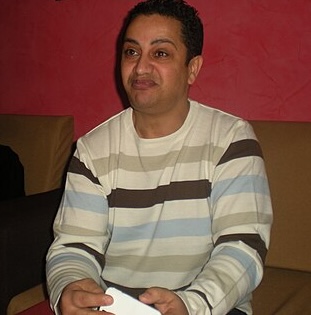
Biography
Cheb Kader: pioneer of fusion raï
In 1986, in a Paris studio, a young man of Moroccan origins recorded what critics would hail as a silent revolution: Oran raï meets reggae, funk, and rock. This marriage of genres defied musical and cultural boundaries, making him the undisputed precursor of the raï that would cross the Mediterranean to conquer international stages.
In brief
| Full name | Kouider Morabet, known as Cheb Kader |
| Birth | 1966 in Oran (Algeria) |
| Genre | Raï, funk, reggae, rock — world music |
| Landmark works | Reggae Raï, Cheb Kader, Mani |
Key dates
| Year | Event |
|---|---|
| 1966 | Birth in Oran to Moroccan parents |
| ~1975-1976 | Move to France at age 9; settled in Mulhouse with his father, a flutist |
| 1985 | Decisive meeting with producer Michel Levy |
| 1986-1988 | Reggae Raï and self-titled album; “Sel Dem Drai” becomes a classic; international tours |
| 2001-2002 | Return with album Mani and duo “Selou” with Sergent Garcia |
| 2014 | UNESCO Trophy and Moroccan Ministry’s Best Arab Singer award |
| 2019-2020 | Singles “Nadia” and “Liyem”, tribute to traditional raï pioneers |
From mechanical apprenticeship to world stage
Kouider Morabet was born in 1966 in Oran, in an Algeria in the midst of its independence war. His parents are Moroccan and were among the hundreds of thousands who left Oran in 1975. But while his family returned to Casablanca, nine-year-old Kouider headed east to France to join his father in Mulhouse. This family split would mark his entire life and inspire the melancholy of his songs later on.
In Mulhouse, young Kouider discovered Jamaican reggae, British rock, and American funk. His father, a flutist himself, recognized his passion: he gave him a guitar and encouraged him to take music theory lessons. Together, father and son formed a small group; the father’s piccolo resonated with the son’s percussion. Kouider earned a mechanical engineering apprenticeship certificate (CAP) in 1982, but, music never letting him go, he moved to Paris that year with his guitar over his shoulder. The meeting with Michel Levy, an independent producer, became the turning point of his life: Levy understood that Kouider possessed something unique — a Moroccan sensibility filtered through the prism of French and American music, capable of carrying raï melodies without being confined by tradition.
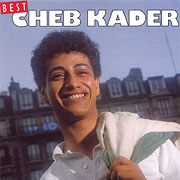
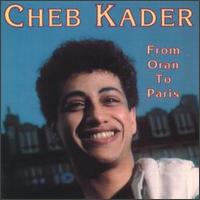
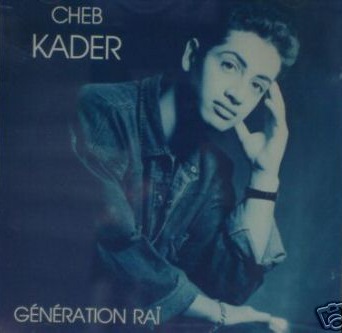
Reggae Raï (1986) is the first documented fusion between raï and Jamaican rhythms. Cheb Kader introduces funk, rock, and reggae into music born in the Algerian desert of the 1920s as a popular cry of revolt. Cheb Kader (1988), signed to Blue Silver, confirms this innovative approach: the tracks “Sel Dem Drai” and “Sid El Houari” become classics. This artist, 22 years old, a Beur — as noted by Mémoires des Trans in 1988. His group already included Algerian, Tunisian, and French musicians — “raï is an outstretched hand”. Tours in Europe, the Maghreb, Japan, and the United States followed one after another. Conflicts with his record label pushed him to retire in the early 1990s to found a family. Home studio and silent compositions awaited him.
Late triumph and lasting legacy
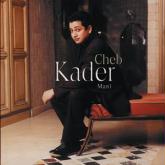
In 2001-2002, after eight years away, Cheb Kader signed with Polydor Universal and released Mani. The record caused a shock: “Majiti” rediscovered his style, the duo “Selou” with Sergent Garcia married raï and Latin rhythms, “Nsiti” explored gypsy sonorities, and “Atir” navigated between raï and rhythm & blues with singer Amel. The album integrated the Sofia Symphony Orchestra (Bulgaria), a sign of affirmed international ambition.
Institutional recognition arrived in 2014: UNESCO and the Moroccan Ministry awarded Cheb Kader the Best Arab Singer Trophy — consecration for a pioneer long remaining in the shadow of raï’s commercial glories. Cheb Kader continued: “Ma’nensek” recorded in Sofia in 2015, then “Nadia” (2019) and “Liyem” (2020), a vibrant tribute to pioneers Ahmed Wahbi and Balawi Al Hawari, blending expatriate melancholy and nostalgia for origins.
Major works
| Work | Year | Why it’s essential |
|---|---|---|
| Reggae Raï (album) | 1986 | First raï-reggae fusion; paved the way for international raï |
| Cheb Kader (album) | 1988 | Foundational work; “Sel Dem Drai” and “Sid El Houari” become classics |
| Mani (album) | 2002 | Comeback with duo “Selou”; Sofia Symphony Orchestra |
| “Liyem” (single) | 2020 | Tribute to traditional raï pioneers; expatriate melancholy |
Legacy and influence
Cheb Kader never reached the commercial heights of Cheb Khaled or Mami, but he remains an essential precursor whose heirs draw from the soil he enriched. His approach — raï as open soil to all influences, from Jamaican funk to Spanish chords — paved the way for generations of raï artists who, twenty years later, continue to blend this music with hip-hop and electro.
His trajectory — immigrant separated from his family, artist unknown to major platforms but recognized by UNESCO — tells a story that transcends music: that of a man who used raï as a vehicle to explore issues of immigration, women in modern society, and the sense of belonging of a generation between two shores.
Sources and references
- « Cheb Kader », Wikipedia, https://fr.wikipedia.org/wiki/Cheb_Kader, accessed November 2, 2025.
- « Cheb Kader — EverybodyWiki Bios & Wiki », https://everybodywiki.com/Cheb_Kader, accessed November 2, 2025.
- Cheb Kader, Discogs, https://www.discogs.com/artist/916702-Cheb-Kader, accessed November 2, 2025.
- Cheb Kader Biography, iHeart, https://www.iheart.com/artist/cheb-kader-64637/, accessed November 2, 2025.
- “Mémoires des Trans — Cheb Kader”, L’Estrans, https://histoires.lestrans.com/fiche-artiste/cheb-kader-1988/, accessed November 2, 2025.
- “« Liyem ». Cheb Kader rend hommage aux pionniers du raï traditionnel”, L’Observateur, https://lobservateur.info/article/19580/Culture/-liyem-cheb-kader-rend-hommage-aux-pionniers-du-rai-traditionnel, accessed November 2, 2025.