
Biography
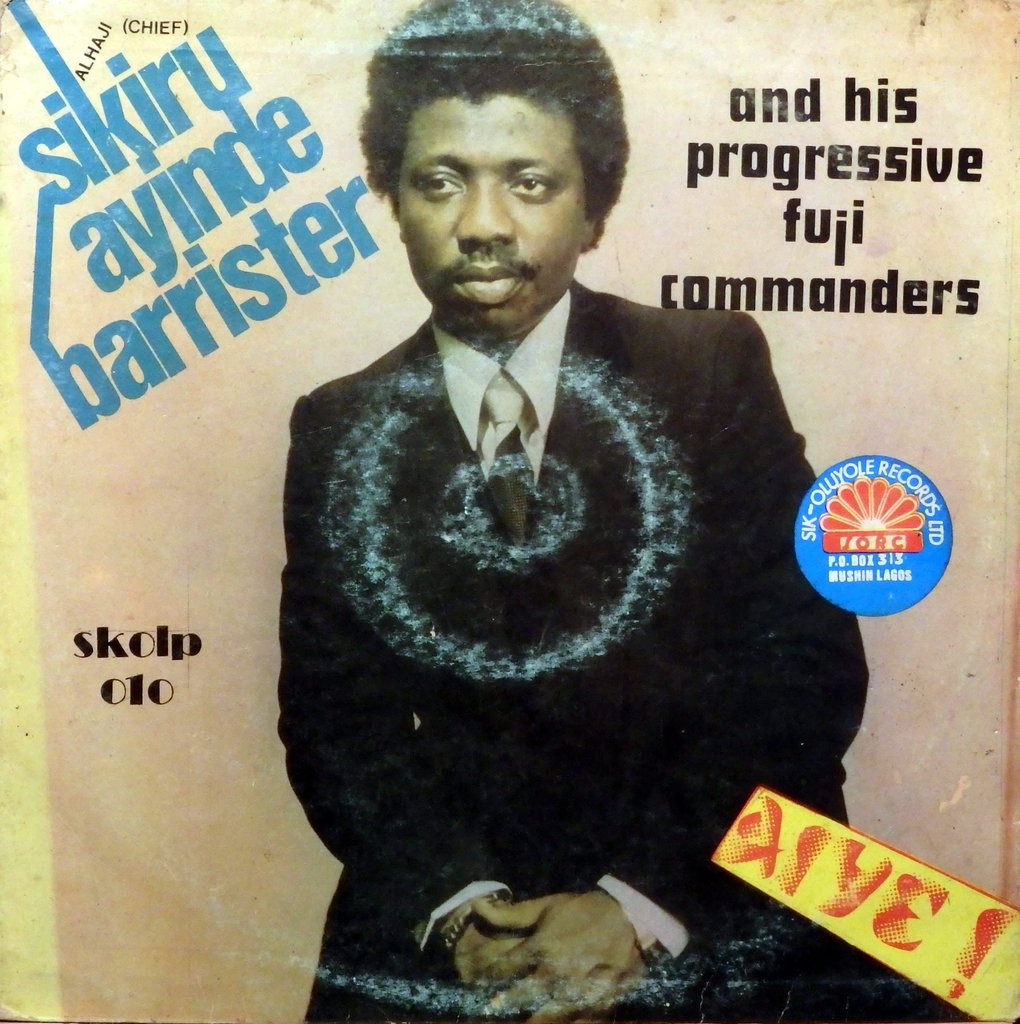
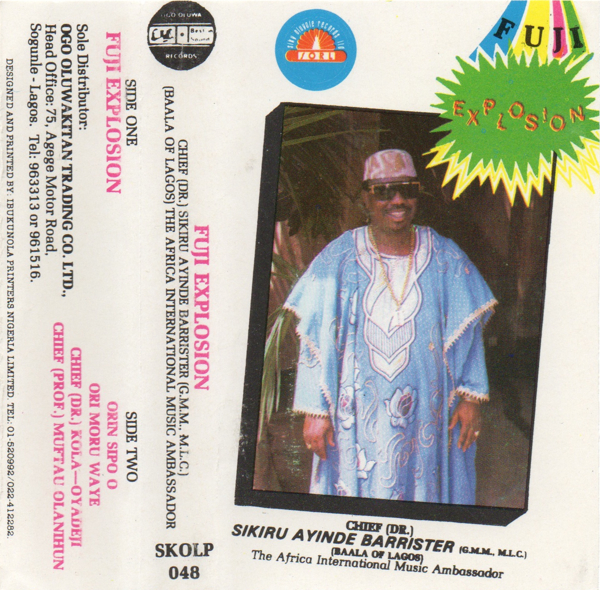
Ayinde Barrister
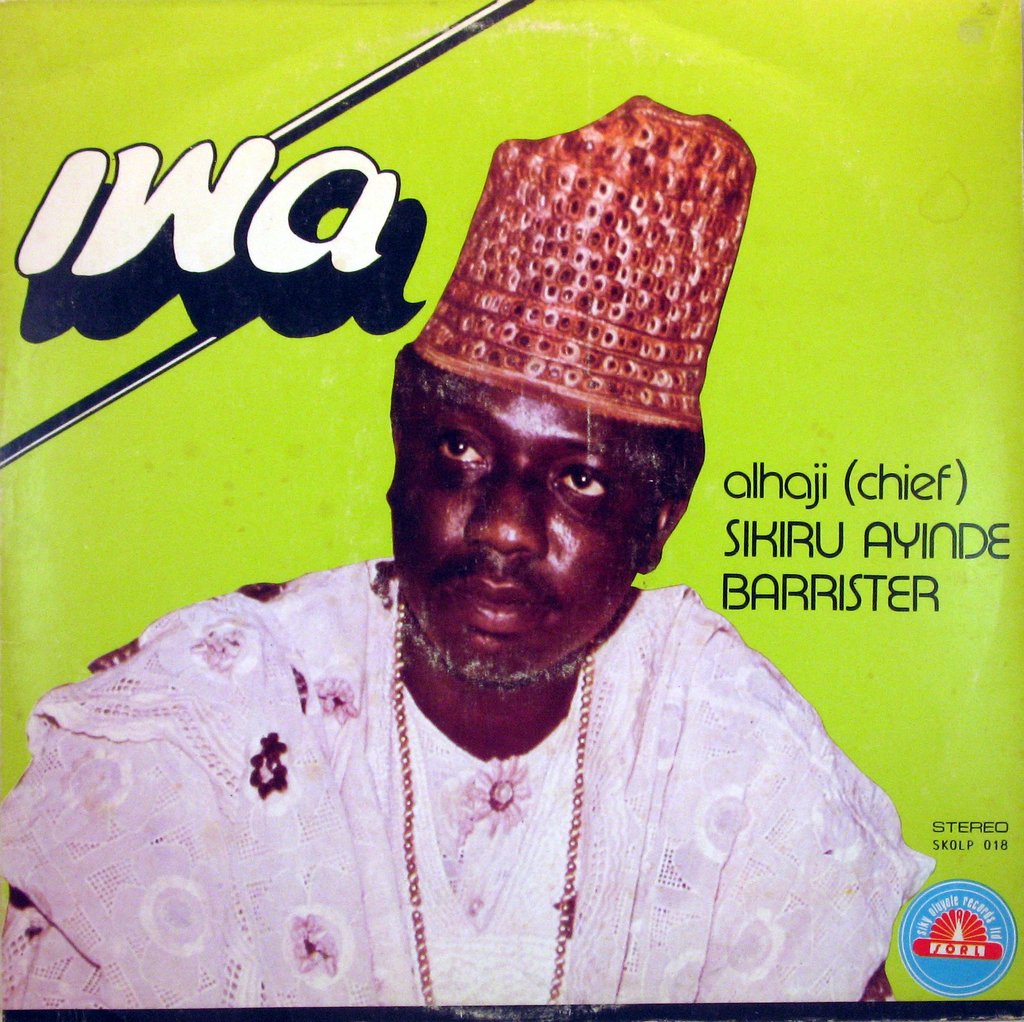
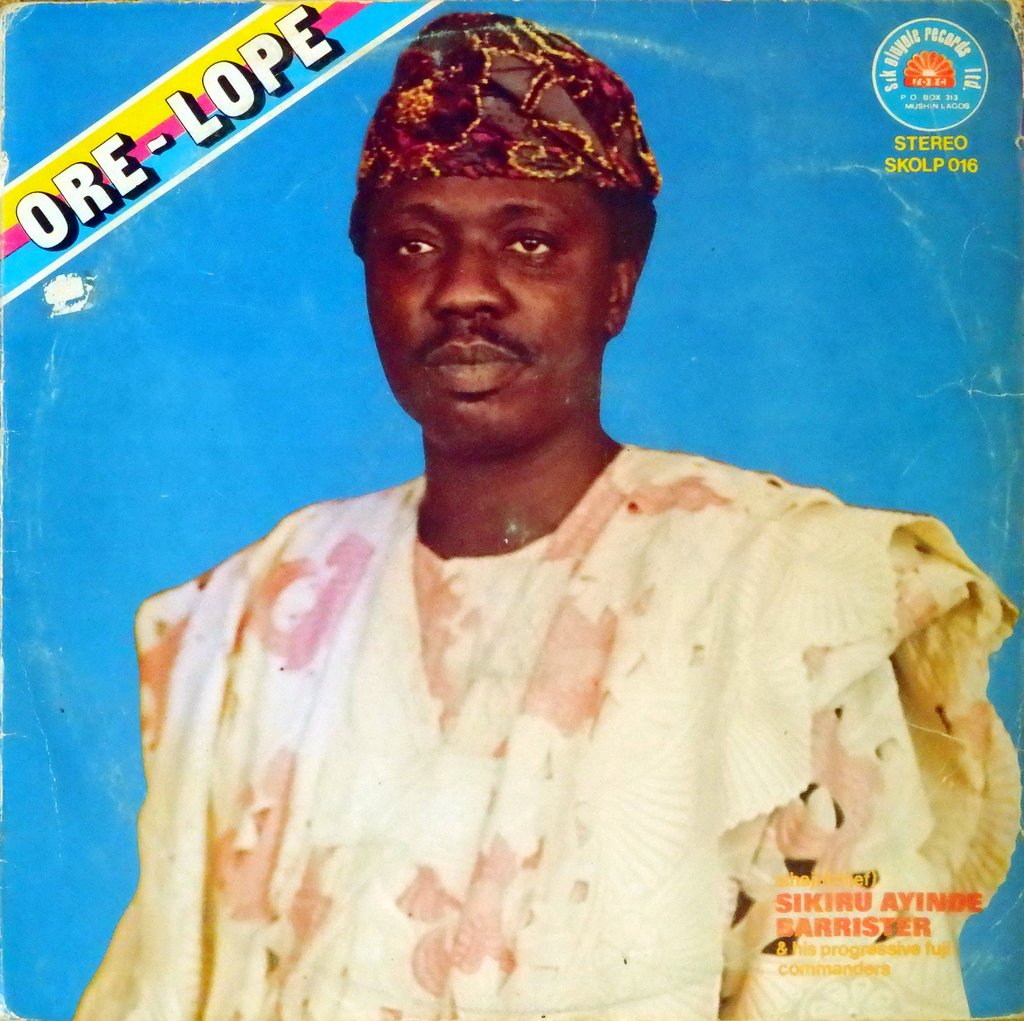
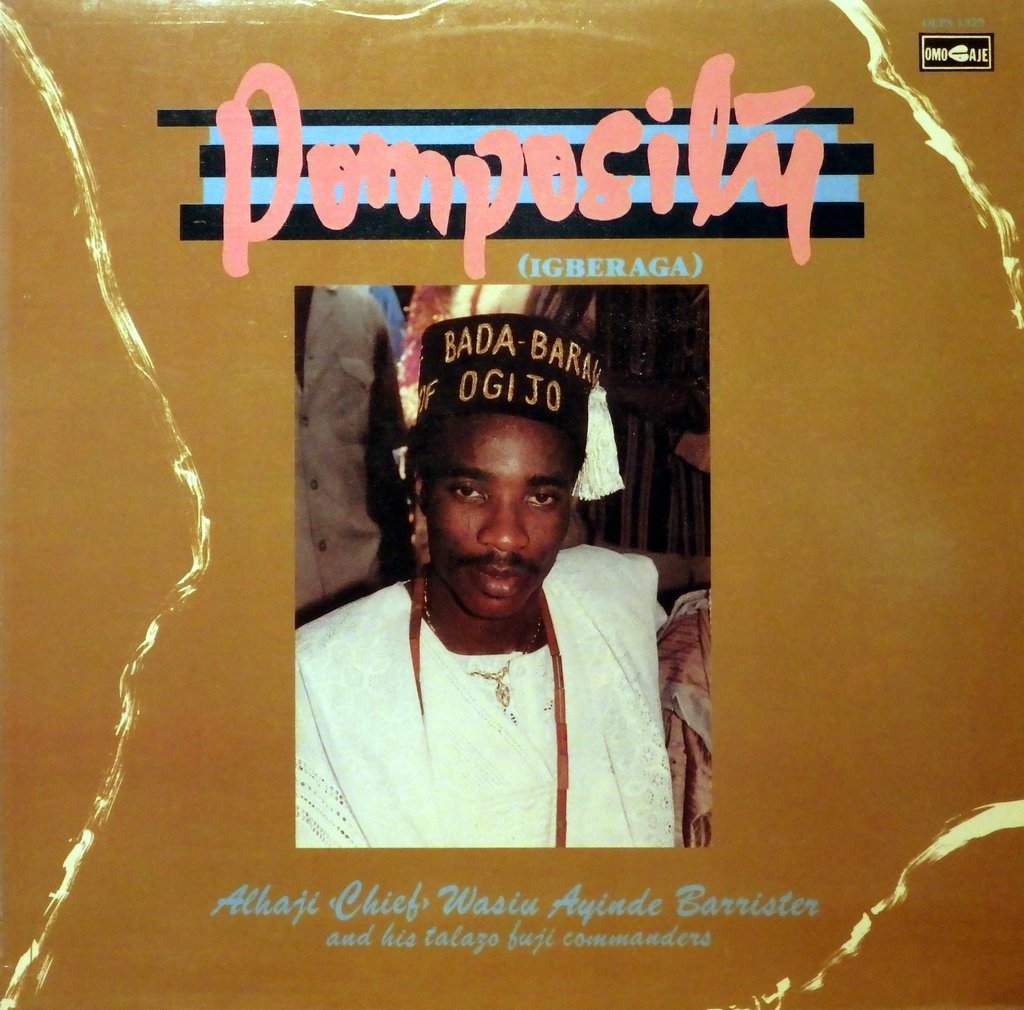
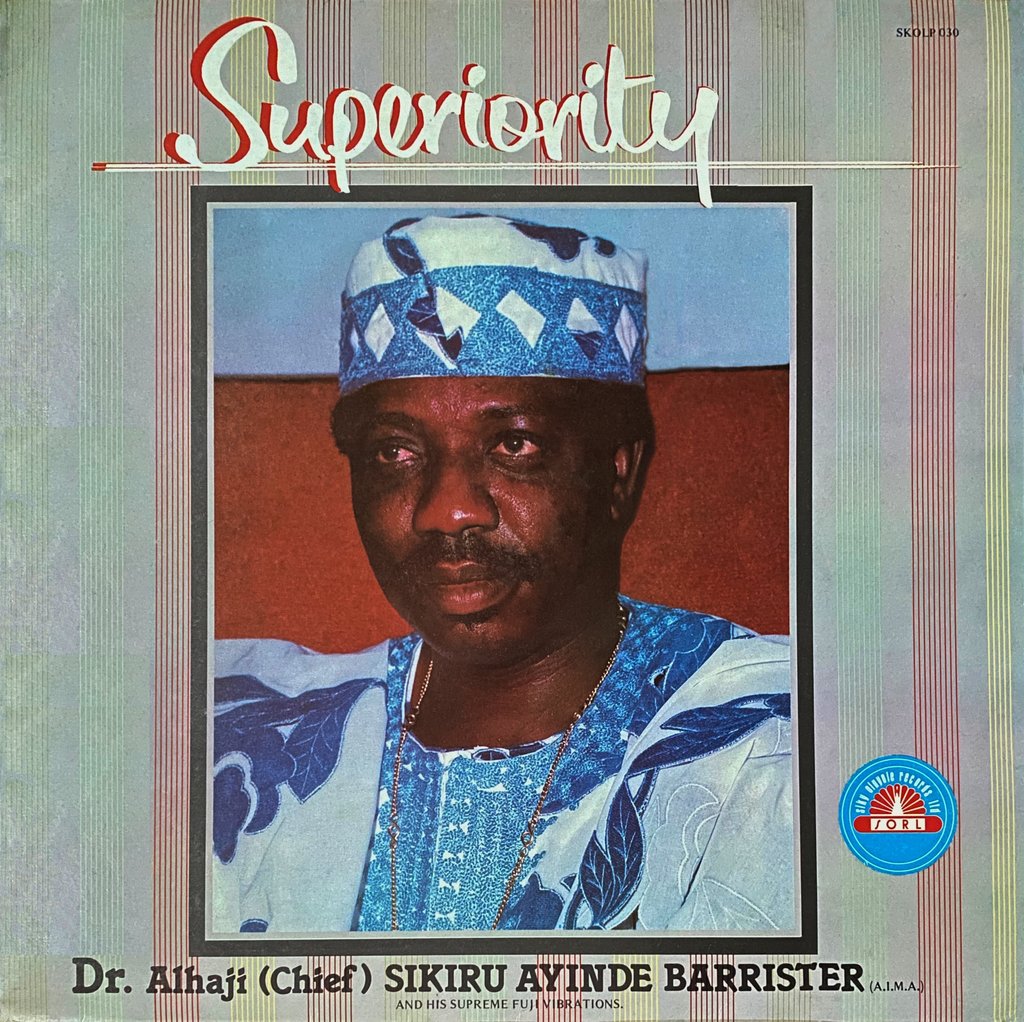
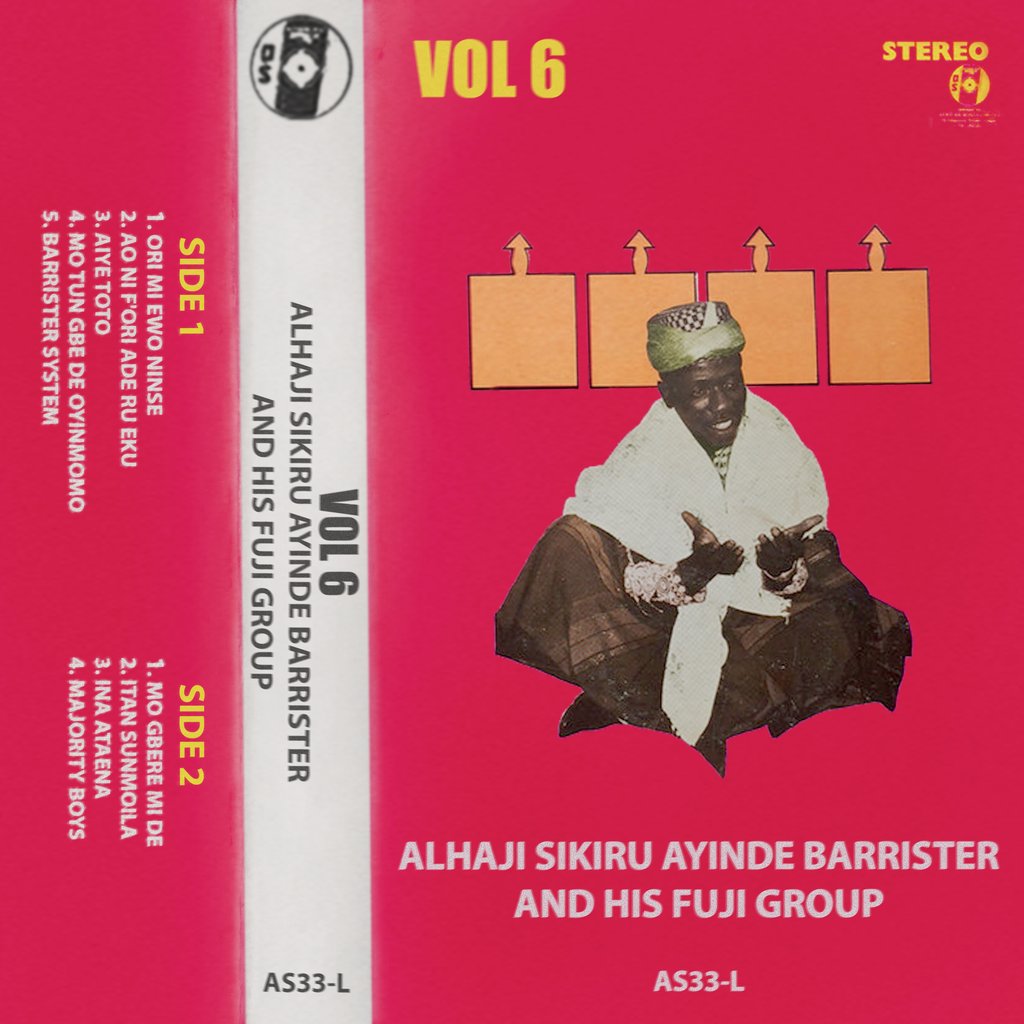
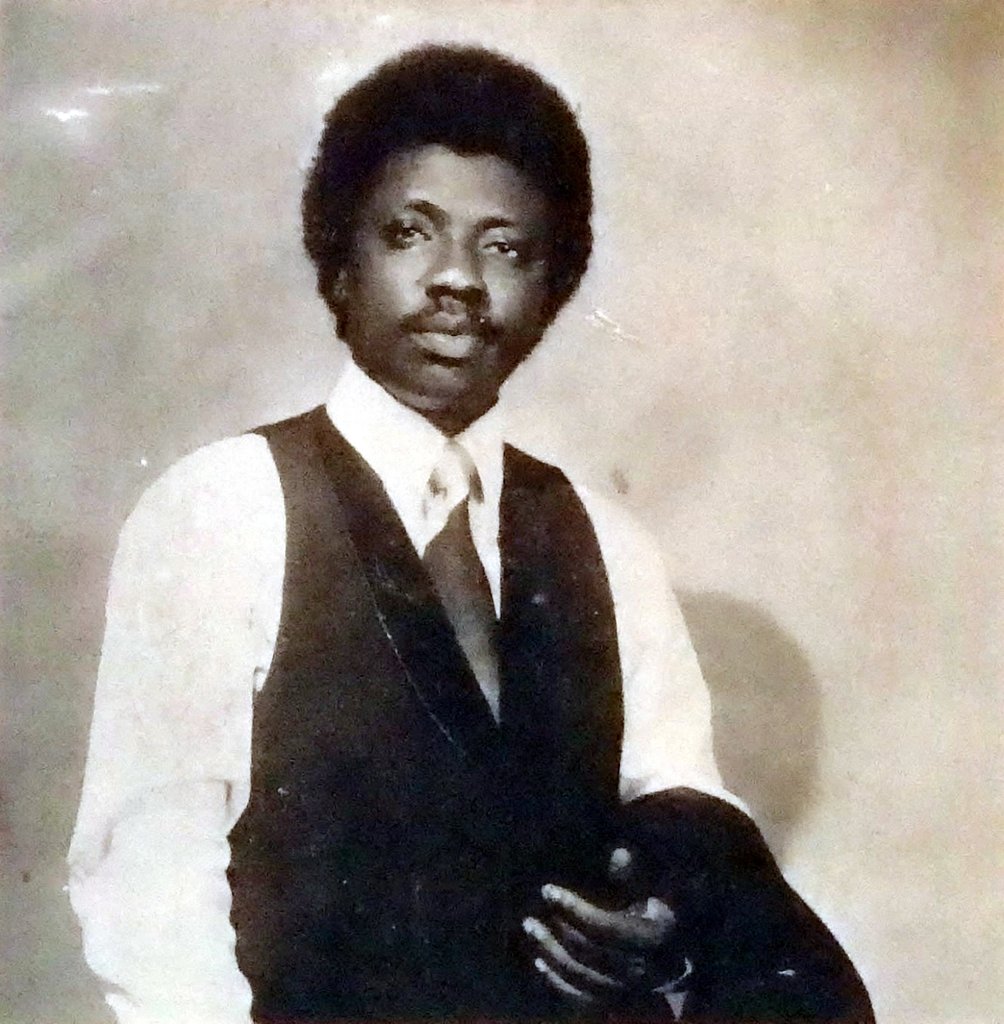
In London, in December 2010, Chief Sikiru Ayinde Barrister passed away at St Mary’s Hospital. He was 62 years old, with a career spanning more than forty years, and the nickname that millions of Africans gave him: Mr Fuji. This Yorùbá musician from Nigeria was not just a star — he is the one who invented an entire genre, fuji, by blending sacred Ramadan chants with frenzied percussion and Hawaiian guitars. A legacy that lives on in popular Nigeria, from wedding ceremonies to Owambe nights.
In brief
| Full name | Sikiru Ololade Ayinde Balogun, MFR |
| Stage name | Ayinde Barrister, Barry Wonder |
| Birth | 9 February 1948, Ibadan, Nigeria |
| Death | 16 December 2010 (aged 62), St Mary’s Hospital, London |
| Genre(s) | Fuji and Were music |
| Roles | Singer-songwriter, producer |
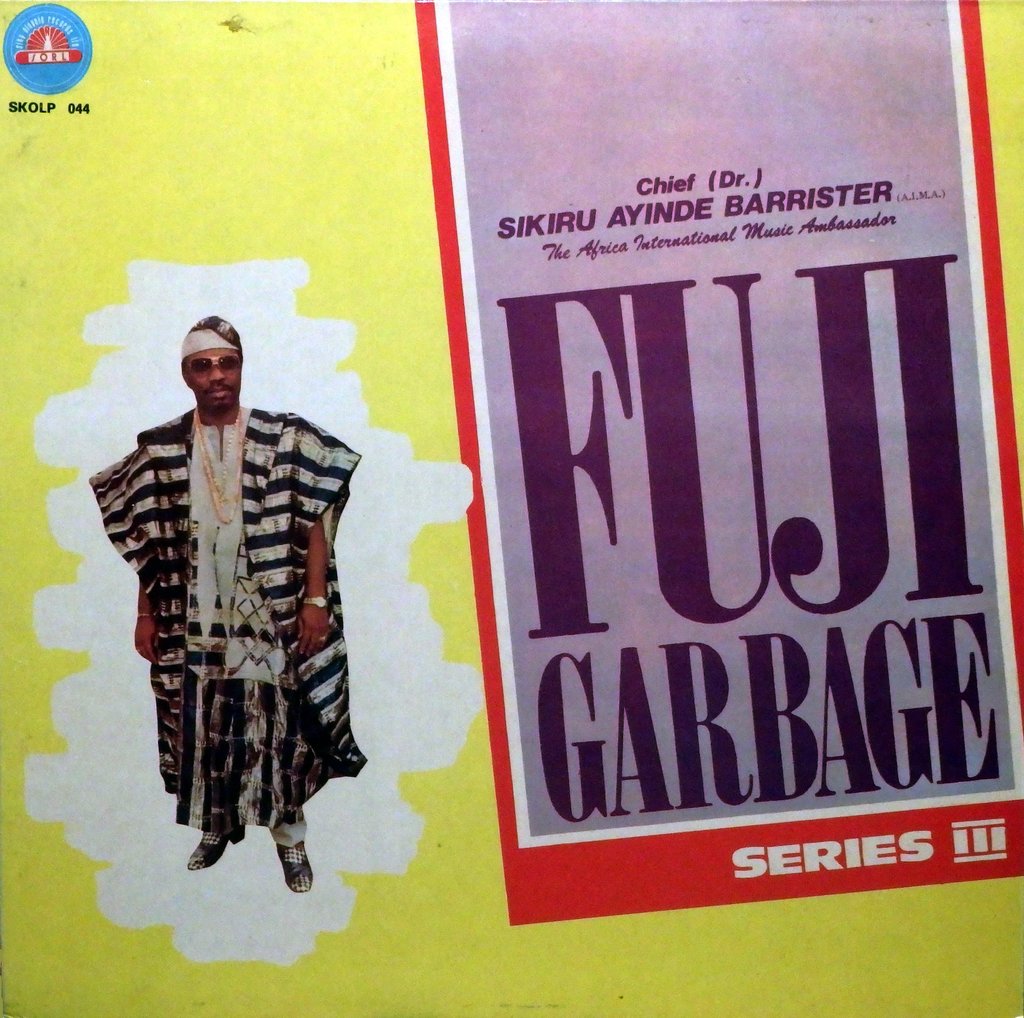
| Notable works | Nigeria (1983), Fuji Garbage (1988), The Truth (1994) |
| Honours | Honorary Doctor of Medicine (1985), MFR (2006) |
Key dates
| Year | Event |
|---|---|
| 1948 | Birth of Sikiru Ayinde Balogun in Ibadan, son of a butcher |
| 1960-65 | Studies at Muslim Mission School and Model School in Mushin, Lagos; learning dajiwere (Ramadan chants) |
| 1965-66 | Recording of his first record; debut on the Lagos stage |
| 1967-70 | Military service during the Nigerian civil war (clerk in the army, combatant at Awka, Abagana, Onitsha) |
| ~1972-75 | Emergence of fuji: he fuses were, apala and sakara into a new style |
| 1983 | Album Nigeria; awarded honorary doctorate in music by the University of Los Angeles |
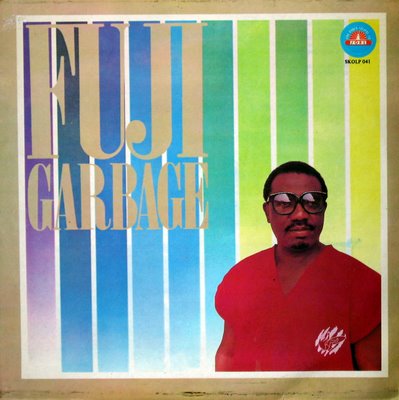
| 1988 | Release of Fuji Garbage, album marking the mature style |
| 2006 | Awarded national decoration MFR by President Obasanjo |
| 2010 | Death in London after a long illness; buried in Isolo, Lagos |
From Ibadan to the Fuji stage
Sikiru Ololade Ayinde Balogun was born in 1948 in Ibadan, into the family of a butcher[^1]. From childhood, he became passionate about music and was introduced to dajiwere — traditional Yorùbá chants performed during Ramadan to wake the faithful at dawn[^5]. At fifteen, he left Ibadan for Lagos, where he studied at Muslim Mission School and Model School in Mushin[^1]. Financially precarious, he interrupted his studies at Yaba Polytechnic to work as a typist at Nigerian Breweries[^5].
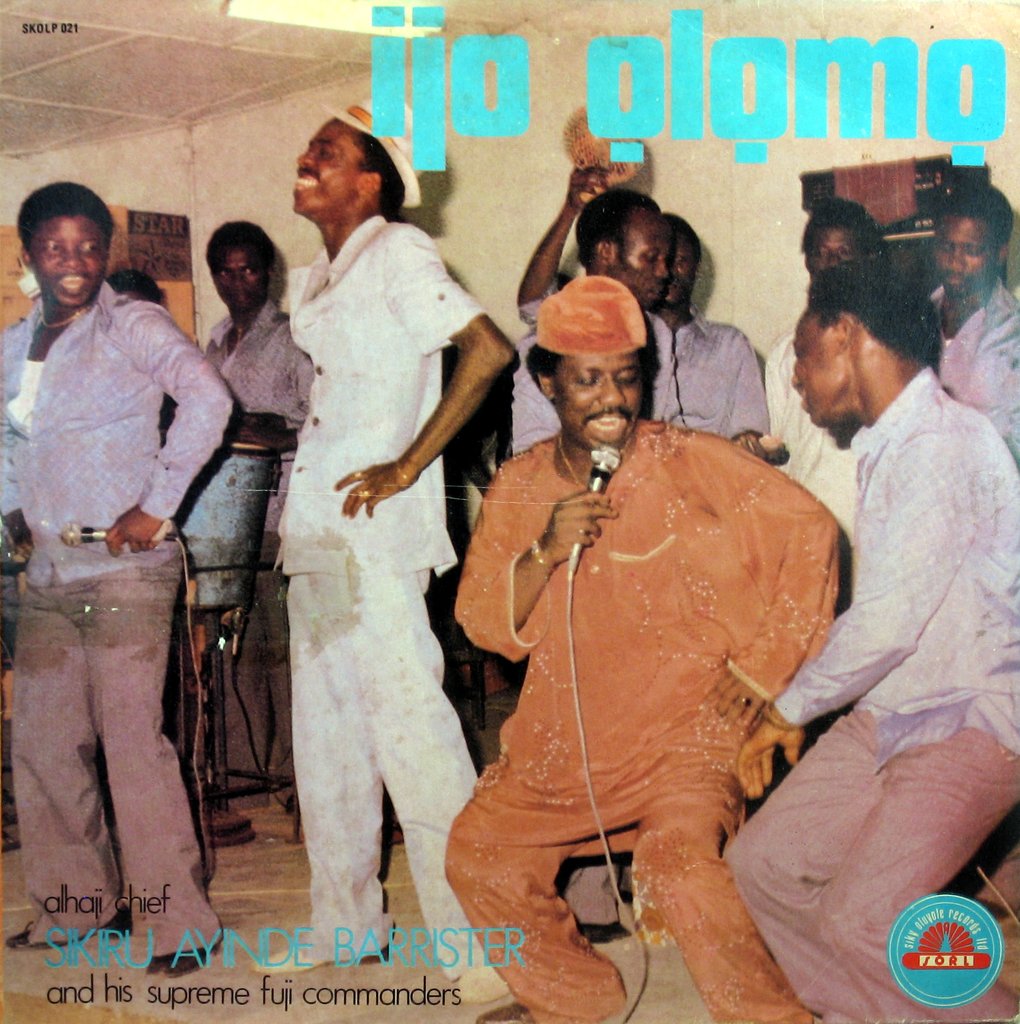
The civil war that tore Nigeria apart (1967-1970) led him into uniform: he served as a clerk in the 10th Brigade, fought at Awka, Abagana and Onitsha[^1]. At the end of the conflict, he resigned from the army and devoted himself full-time to music[^1]. He then founded the Supreme Fuji Commanders, an orchestra of 34 percussionists and vocalists[^5]. This group, which accompanied him for more than forty years, became the cornerstone of his music[^1].
Fuji was born from this ambition: to transform were, a seasonal religious chant, into secular music throughout the year[^6]. Barrister blended the percussion of were with the syncopated rhythms of apala, bluesy sakara and Hawaiian guitar[^5]. The result was a rhythmic conversation[^4], a style dubbed juju without guitars that would conquer all of Nigeria[^4].
Musician and political commentator: fuji as a platform
Barrister quickly positioned his music as a mirror held up to Nigerian society[^6]. From Nigeria (1983), he analyzed the country’s challenges under military dictatorship; Military (1984), The Truth (1994) and Precaution (1995) continued this nuanced analysis, crossing political theory with popular chants[^3]. He was not an activist: he was an artist who chose the microphone as a sounding board[^5].
This choice did not come without conflict. In 1982, Barrister engaged in a public dispute with his rival Ayinla Kollington[^5]. Barrister responded with these words — in the manner of a father speaking to his son[^5] — and the affair made headlines, reminding everyone that fuji is above all a space for verbal confrontation.
Barrister also took care to open his music beyond the Yorùbá world: he sang in haoussa, igbo, English and even Arabic[^2]. He gave concerts in London (1990, 1993), the United States and Japan[^5]. And while he chose the name fuji — in homage to Mount Fuji, the Japanese mountain of love[^4] — it was also to inscribe his music in a transcultural dialogue.
Major works
| Work | Year | Why it is essential |
|---|---|---|
| Nigeria | 1983 | First major political album: analysis of the country’s challenges under military dictatorship |
| Fuji Garbage | 1988 | Masterpiece consolidating Barrister’s mature style and popularizing fuji in the West |
| The Truth | 1994 | Artistic response to the cancellation of the June 1993 elections in Nigeria |
| Precaution | 1995 | In-depth analysis of Nigerian problems; the album that earned him the MFR |
Legacy and influence
Chief Dr Sikiru Ayinde Barrister has been resting since 16 December 2010, but his imprint is indelible[^4]. Fuji is today one of the most listened-to genres in Nigeria, and Barrister remains its tutelary figure[^3]. His son Barry Jhay, also a Fuji artist, perpetuates this lineage[^5]. In 2024, the documentary Mr. Fuji: Barry Wonder by Prof. Saheed Aderinto offers the public an in-depth portrait of his life, confirming that fuji is far more than a sound: it is a language through which millions of Africans decode the world[^3]. Barrister’s fuji remains, after all, a conversation — but what a conversation.
Sources and references
- “Ayinde Barrister”, Wikipedia (detailed biography with discography and key dates), https://en.wikipedia.org/wiki/Ayinde_Barrister, accessed 10 November 2026.
- « Sikiru Ayinde », Yoruba Encyclopedia (online community encyclopedia), https://encyclopedia.ac/people-2/sikiru-ayinde, accessed 10 November 2026.
- Saheed Aderinto, « Fuji music in Nigeria: new documentary shines light on a popular African culture », The Conversation / FIU News, academic article on the documentary Mr. Fuji: Barry Wonder, 1 April 2024, https://news.fiu.edu/2024/fuji-music-in-nigeria-new-documentary-shines-light-on-a-popular-african-culture, accessed 10 November 2026.
- « Fuji Musician, Sikiru Ayinde ‘Barrister’, Is Dead », Sahara Reporters, 16 December 2010, https://saharareporters.com/2010/12/16/fuji-musician-sikiru-ayinde-barrister-dead, accessed 10 November 2026.
- « Alhaji Sikiru Ayinde Barrister », Afromix (detailed portrait with biography and discography), https://www.afromix.org/en/musique/artistes/alhaji-sikiru-ayinde-barrister/, accessed 10 November 2026.
- « Secretary of the Fuji Musician Sikiru Ayinde Barrister », The Cable (detailed posthumous portrait detailing his life and legacy), 16 December 2016, https://lifestyle.thecable.ng/sikiru-ayinde-barrister-fuji-legend/, accessed 10 November 2026.