Biography
Clinton Fearon
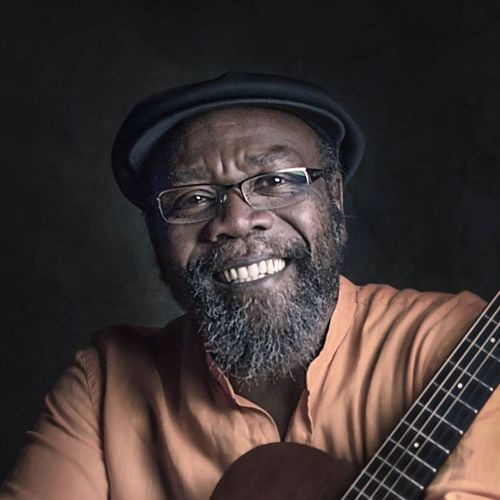
In September 1976, at London’s 100 Club, three spectators collapsed under the heat of The Gladiators’ concert. Among them was a shy 25-year-old bassist from a hamlet in Saint Andrew, Jamaica. Clinton Fearon did not take himself as a warrior — the name of his group, The Gladiators, was ironic. A man of peace and reconciliation, he crafted melodies where silence carried as much weight as the notes.
In brief
| Full name | Clinton Anthony Fearon |
| Birth | 13 January 1951, Essex Hall (Saint Andrew), Jamaica |
| Field | Reggae roots — singer, bassist and songwriter |
| Signature works | Proverbial Reggae (1977), Disturb the Devil (1994) |
| Honours | No 20 on World Music Charts Europe (Heart And Soul, 2012) |
Key dates
| Year | Event |
|---|---|
| 1951 | Birth at Essex Hall, Saint Andrew; childhood in the countryside of Saint Catherine |
| 1967 | Move to Kingston; formation of the first group, The Brothers |
| 1969 | Joined Albert Griffiths’ The Gladiators as singer, then bassist |
| 1976-1978 | International period: albums Trenchtown Mix Up, Proverbial Reggae and Naturality sell out in Europe |
| 1987 | Leaves The Gladiators after eighteen years; moves to Seattle |
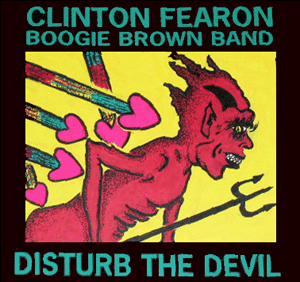
| 1994 | Formation of the Boogie Brown Band; first solo album Disturb the Devil (Boogie Brown Productions) |
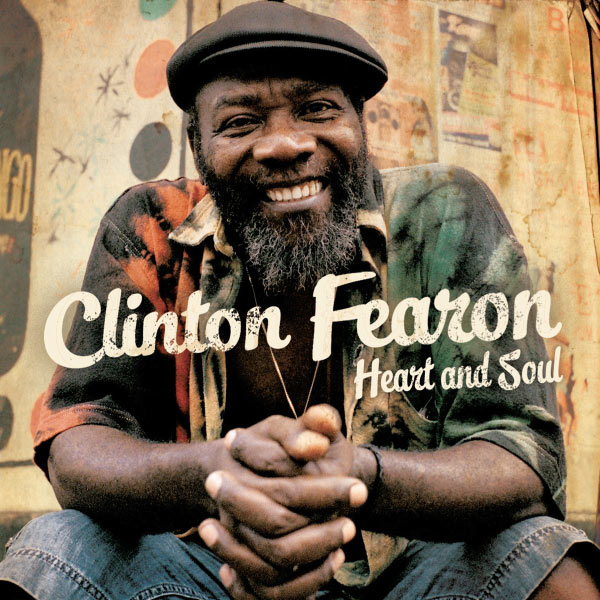
| 2012 | Heart And Soul reaches 20th place on World Music Charts Europe |
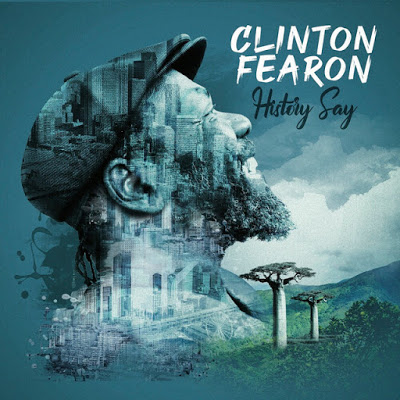
| 2019-2025 | Recent albums: History Say, Survival Vibration and Jah Is Love |
Career: from Jamaican countryside to the world
Clinton Fearon was born in a hamlet five kilometres from Kingston. A rebellious teenager, he hung around the sound systems of Saint Catherine1. At sixteen, he moved to Kingston and formed The Brothers. The discovery journey was tough: they were turned away six times by Coxsone Dodd and several times by Duke Reid without success1. Luck smiled when Errol Grandison, a member of The Gladiators, heard them singing and introduced them to Albert Griffiths1. After two tracks on Matador, the group secured a contract with Coxsone Dodd and recorded the album Bongo Red, with Fearon on bass1.
Learning the bass was painful. At Studio One, engineer Sylvan Morris corrected him for three hours over a thousandth of a second delay1. Fearon drew a philosophy that became his signature: the discipline of the space between notes. From 1972 to 1987, he was the backbone of The Gladiators. The group recorded at Studio One, at Randy’s and at Lee Perry’s Black Ark2. The international turning point came in 1976-78: producer Prince Tony Robinson signed The Gladiators with Virgin Front Line. Proverbial Reggae sold 80,000 copies in Nigeria1. Fearon sang and co-wrote on these records, including tracks “Chatty Chatty Mouth” and “Rich Man Poor Man”.
Yet, after eighteen years on the road with the same group, studio life began to weigh heavily. As The Gladiators grew, egos inflated. As the group’s peacemaker, he left when the artistic direction changed1.
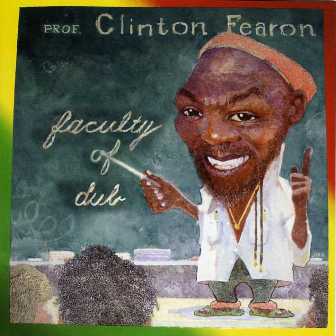
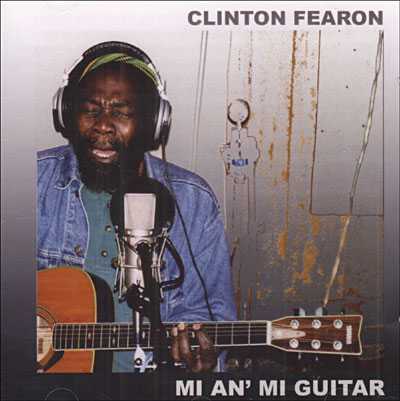
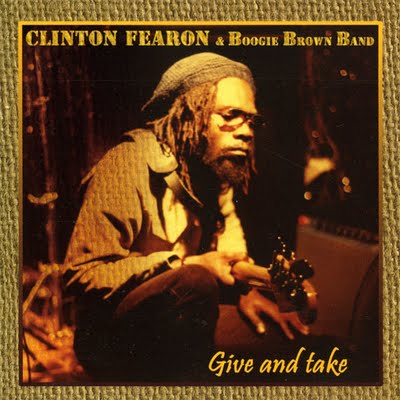
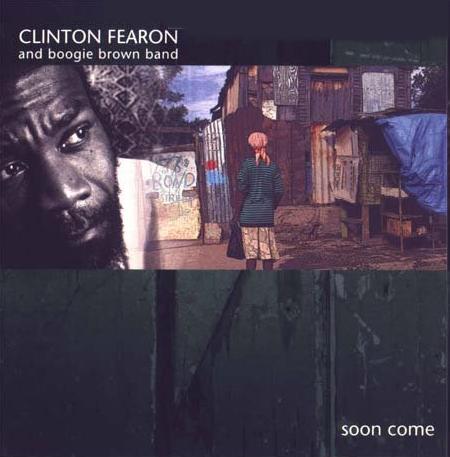
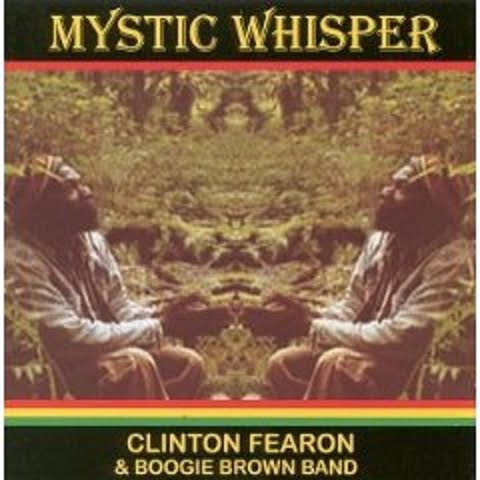
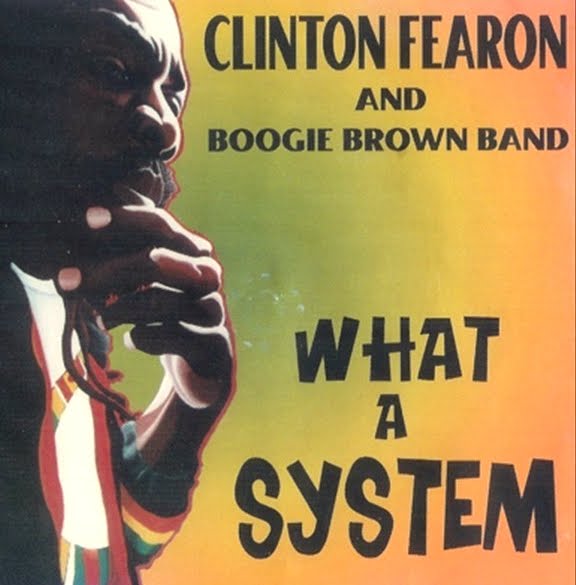
Late 1987, Clinton Fearon settled in Seattle. The Defenders released an EP in 1989 before dissolving3. In 1994, the Boogie Brown Band was formed and Disturb the Devil launched a prolific solo career. The catalogue spans more than fifteen albums: Mystic Whisper (1997), What a System / Dub Wise (1999), Soon Come (2002), Give & Take (2004)1. In 2005, Mi An’ Mi Guitar offered a stripped acoustic version of The Gladiators’ classics2. Faculty Of Dub (2008) returned to entirely instrumental music3. His lyrics advocate peaceful engagement: you raise the issue but do not throw hate at it, for hate breeds hate. He believes music is like love; it sees no colour. Today, Clinton Fearon splits his life between Seattle and France, continuing to tour with the Boogie Brown Band2.
Major works
| Work | Year | Why it is essential |
|---|---|---|
| Proverbial Reggae (The Gladiators) | 1977 | Hymn of conscience and hope; Let Jah Be Praised is a genre classic |
| Naturality (The Gladiators) | 1978 | Final peak of the Virgin trio; iconic vocal harmonies and bass lines |
| Disturb the Devil (Clinton Fearon) | 1994 | First solo record; authentic renaissance after The Gladiators |
| Mi An’ Mi Guitar (Clinton Fearon) | 2005 | Stripped acoustic version of classics; raw intimacy |
| Heart And Soul (Clinton Fearon) | 2012 | Ranked 20th on World Music Charts Europe; fully matured |
Legacy and influence
Clinton Fearon is an underappreciated architect of international reggae roots. Without being a media star, he built over forty years a coherent catalogue where conscious reggae never betrayed its spiritual grounding. Today’s bassists — in the UK, the US or France — cite The Gladiators’ minimalist lines as a reference. His approach to the space between notes continues to influence sound engineers who preserve analog warmth. And his pacifist lyrics, nourished by deep Rastafari faith, remain models of engagement without hate.
Sources and references
-
Angus Taylor, « Interview: Clinton Fearon (2016, Part 1) », United Reggae, December 9, 2016,
https://unitedreggae.com/articles/n2151/120916/interview-clinton-fearon-2016-part-1
Accessed on November 9, 2026. ↩︎ ↩︎ ↩︎ ↩︎ ↩︎ ↩︎ ↩︎ ↩︎ -
« Clinton Fearon », World of Jamaican Music,
https://worldofjamaicanmusic.com/clinton-fearon
Accessed on November 9, 2026. ↩︎ ↩︎ ↩︎ -
« Clinton Fearon », Wikipedia (en),
https://en.wikipedia.org/wiki/Clinton_Fearon
Accessed on November 9, 2026. ↩︎ ↩︎