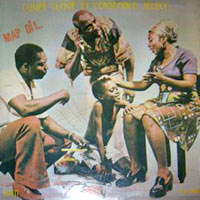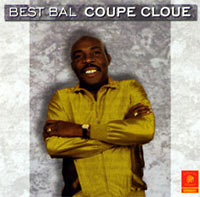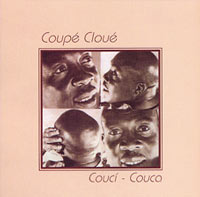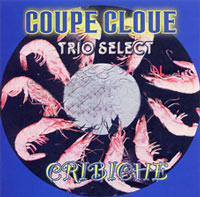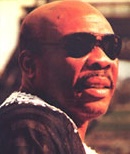
Biography
Coupé Cloué: the king of konpa manba, between rumba and satire
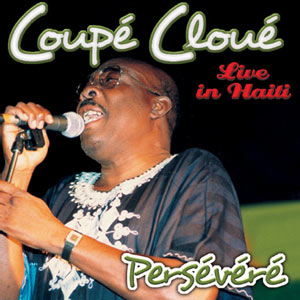
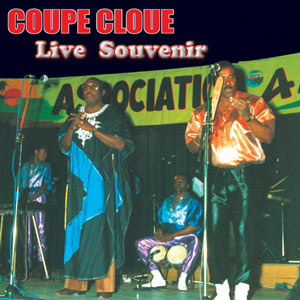
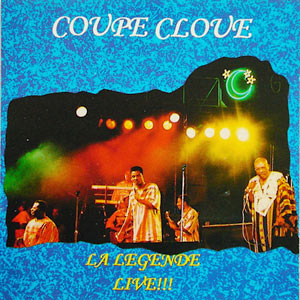
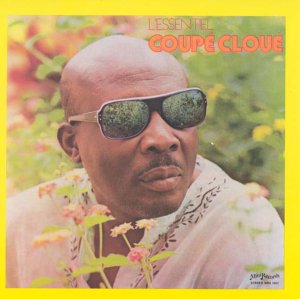
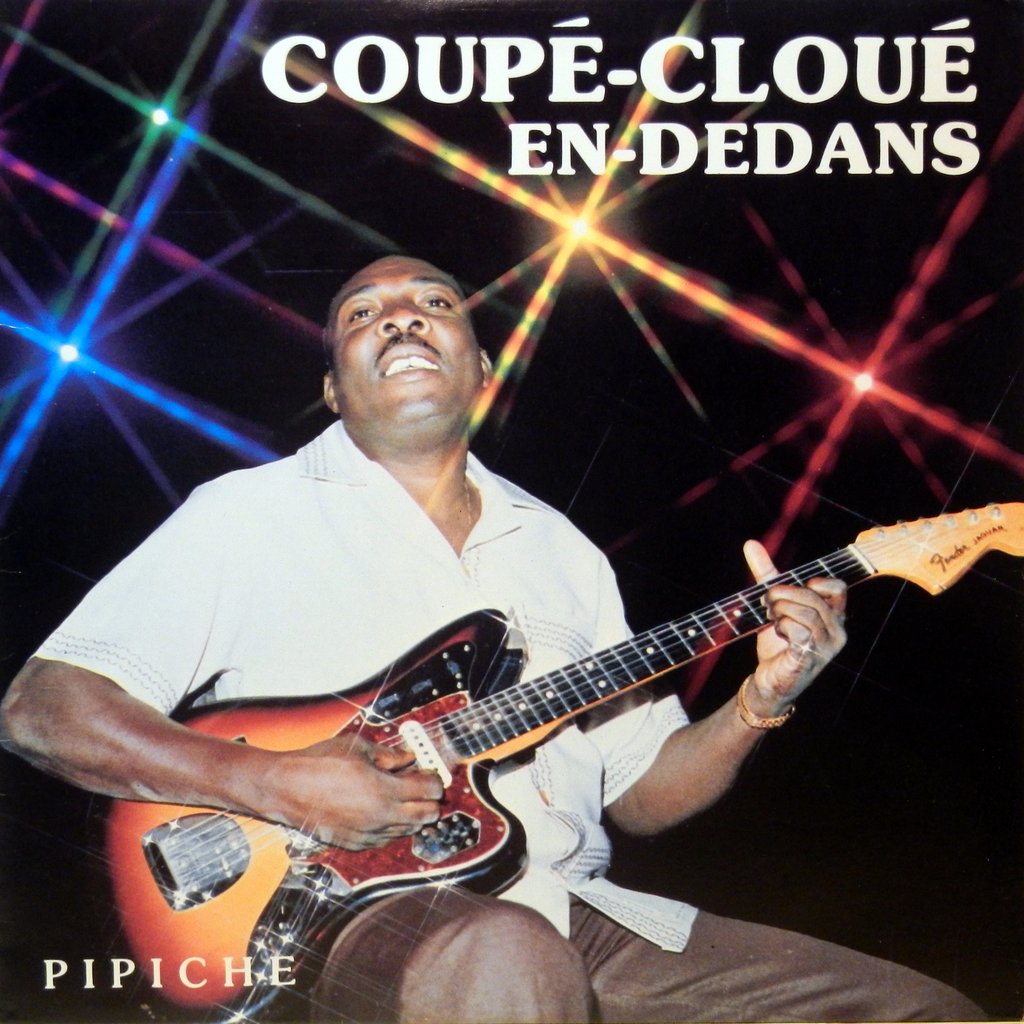
On December 29, 1997, at the Club International in Port-au-Prince, Jean Gesner Henry, known as Coupé Cloué, took the microphone for the last time. Calmed by diabetes, his gaze wavered, but the crowd cheered “the king” for hours. A month later, on January 29, 1998, he passed away. The crowd celebrated his outdoor funeral with the participation of the interim Minister of Culture.
In brief
| Full name | Jean Gesner Henry |
| Nickname | Coupé Cloué, “Roi Coupé” |
| Birth | May 10, 1925, Fondwa, Léogâne, Haiti |
| Death | January 29, 1998 (at age 72), Port-au-Prince, Haiti |
| Genre | Kompa (konpa), twoubadou |
| Instruments | Guitar, vocals |
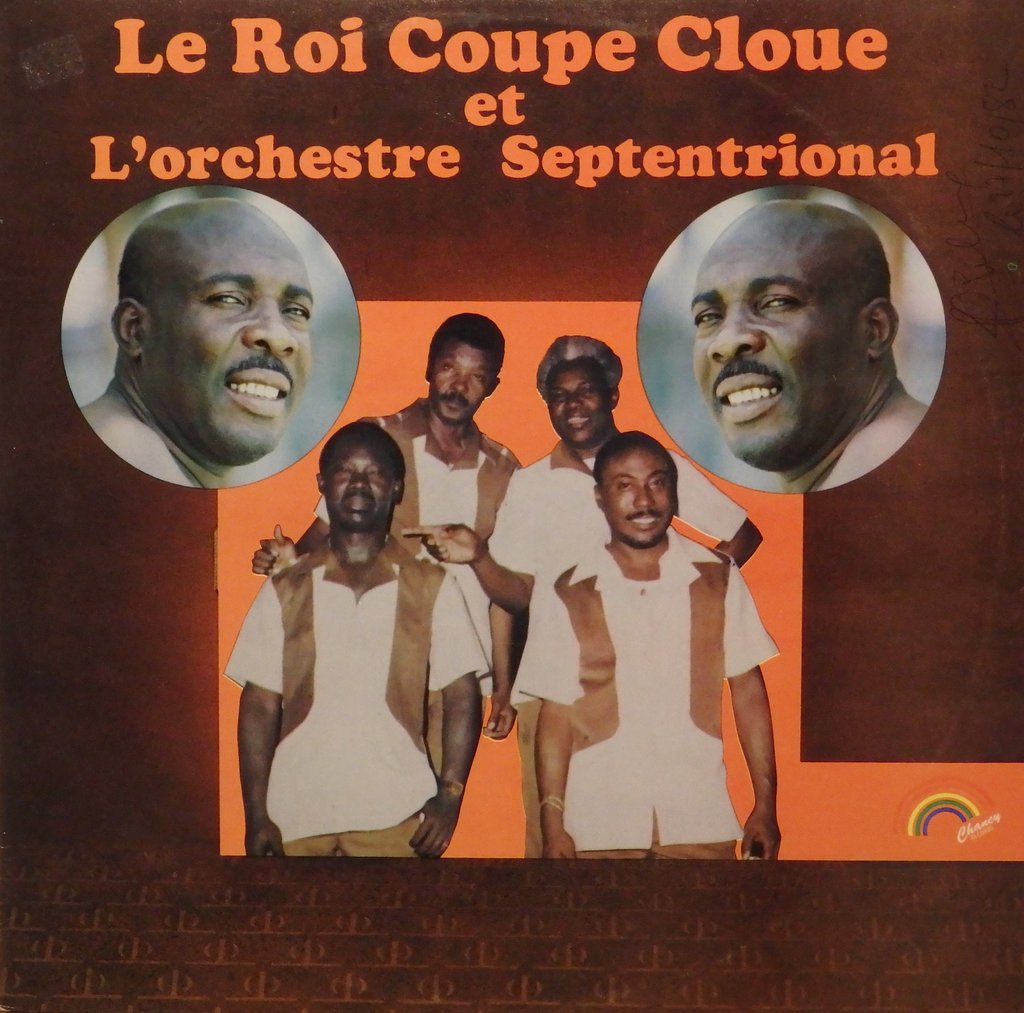
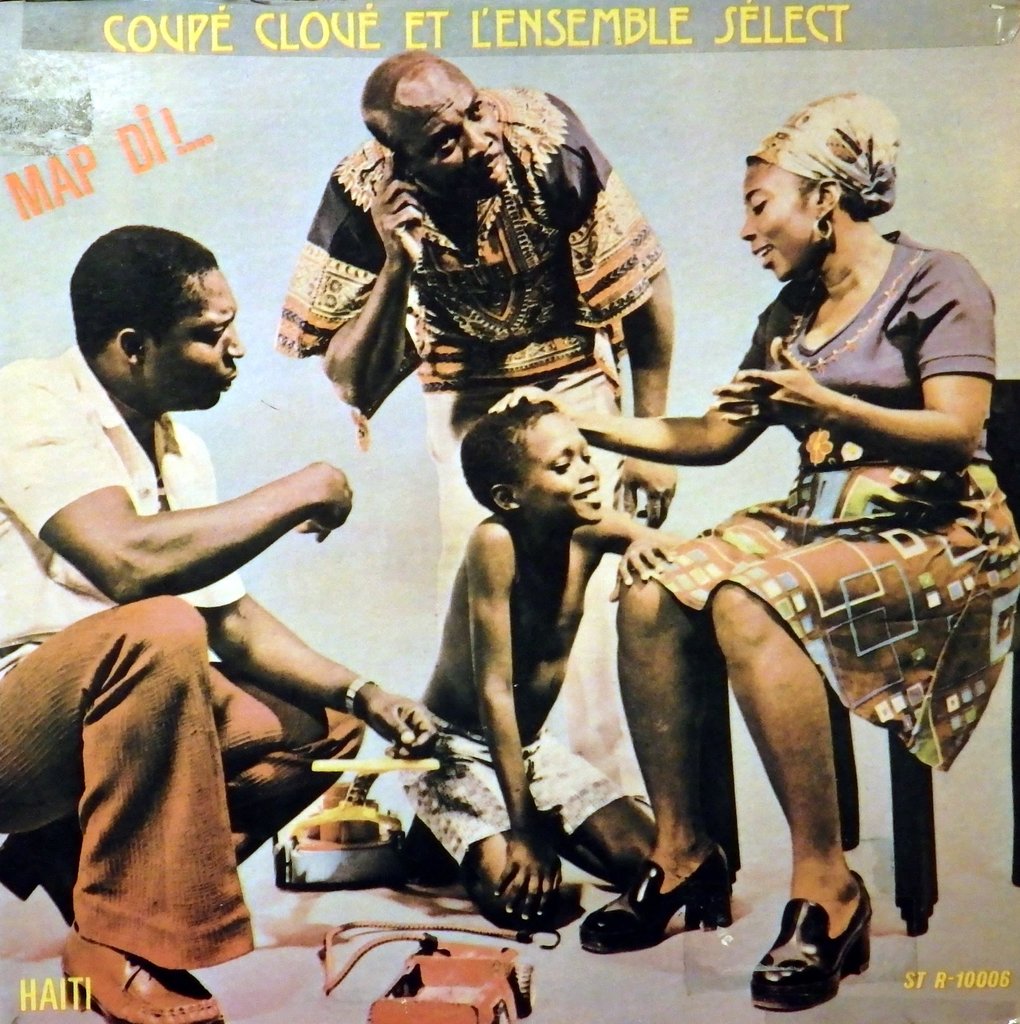
| Groups | Trio Select, Ensemble Select |
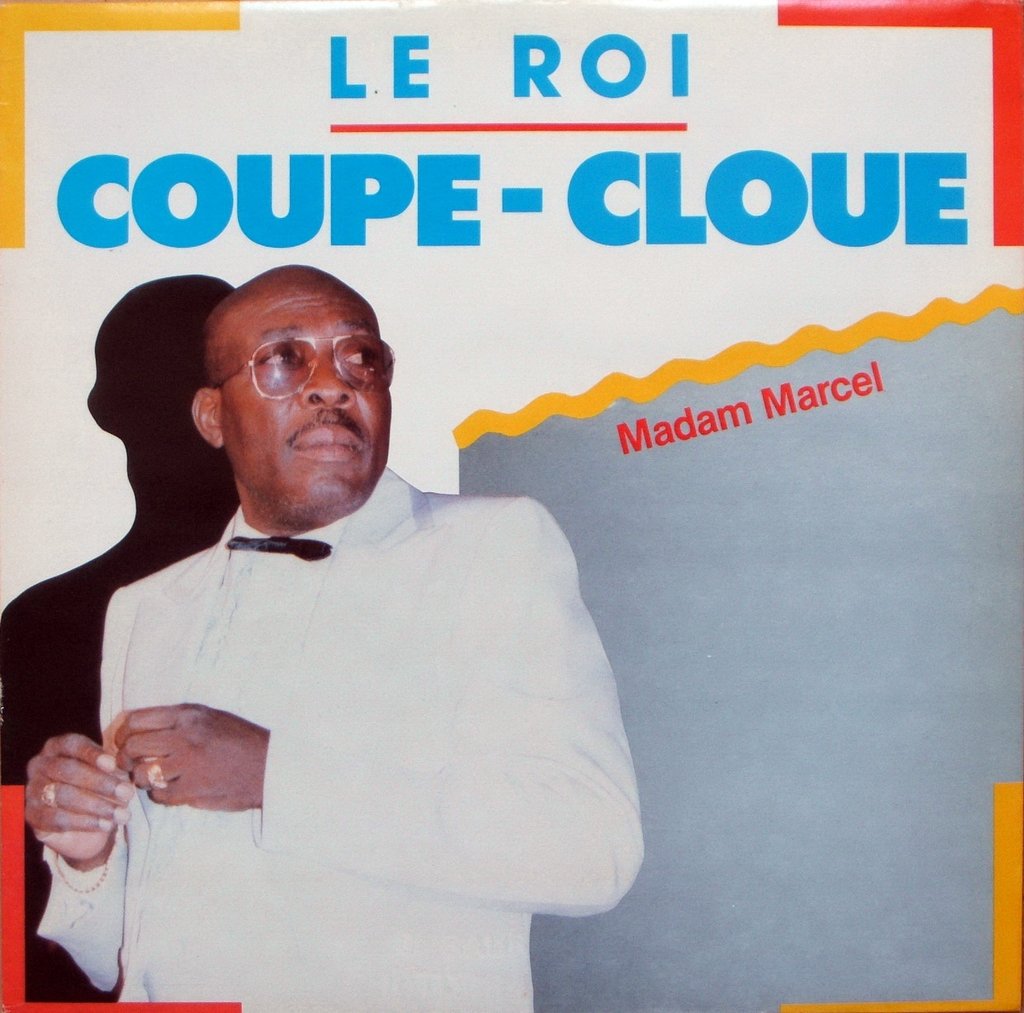
| Signature works | Roi Coupé, Madame Marcel, Myan Myan |
| Honors | “Roi Coupé” (African nickname), Lifetime Achievement Award (Brooklyn Academy of Music, 1997) |
Key dates
| Year | Event |
|---|---|
| 1925 | Birth in Fondwa, commune of Léogâne |
| 1951 | Start of musical career and integration into Aigle Noir AC (football) |
| 1957 | Formation of Trio Select; first performance at Théâtre de Verdure |
| 1960 | Release of the first Trio Select album |
| 1973 | The trio becomes Ensemble Select; first tour of the United States |
| 1975 | Tour in Africa; nickname “Roi Coupé” in Côte d’Ivoire |
| 1978 | Tour in Africa, consecration in the Congo |
| 1988 | Madame Marcel and Papa Loco in the film The Serpent and the Rainbow |
| 1993 | Release of Sa ki pou ou; unique music video with Donki |
| 1997 | Lifetime Achievement Award at the Brooklyn Academy of Music |
| 1998 | Death on January 29 |
From the ground to the microphone: a lasting nickname
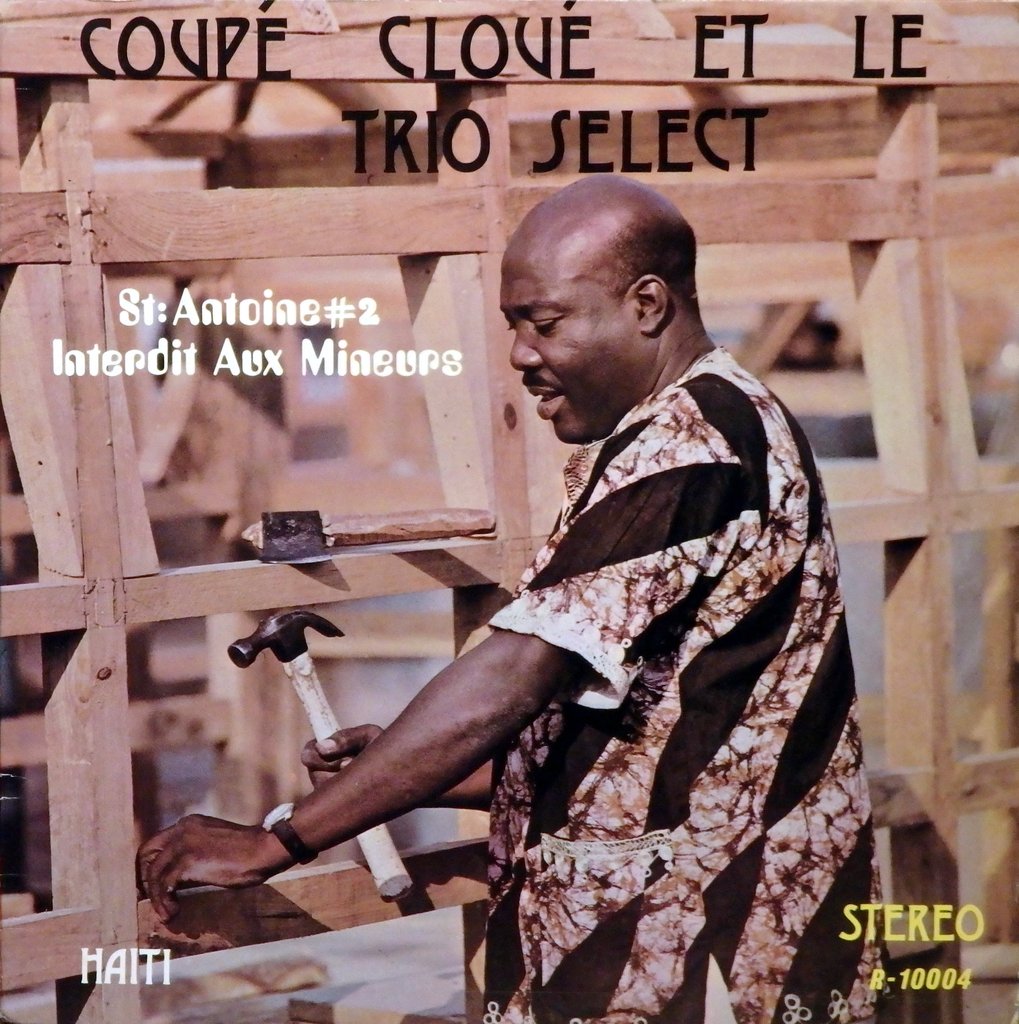
Born into a modest family in Fondwa, Jean Gesner Henry moved to Port-au-Prince at the age of nine. He enrolled in the Centre des Arts et Métiers, where he learned carpentry and music—first the trumpet, then the guitar which would become his fatal weapon. In the Bel-Air neighborhood, he perfected his playing with other musicians, as required by the tradition of the Haitian serenade.
Meanwhile, the young man practiced football with determination. In 1951, he was among the founders of Aigle Noir AC. On the field, a formidable defender, he developed a signature style: he would “cut” the ball’s trajectory mid-sprint to “nail” it with a kick toward the other side. His teammates immediately baptized him “Coupé Cloué”—a reference to carpenter slang and a masterful goal. The nickname would pursue him throughout his life.
From twoubadou to konpa manba: a unique style
In 1957, Gesner Henry founded the Trio Crystal, renamed Trio Select, with two guitarists and a maracas player. Their style, rooted in twoubadou—this musical genre inherited from Haitian cane cutters who went to work in Cuba, blending acoustic guitar and popular storytelling—made a sensation from their first scene at Théâtre de Verdure. The public and radios went wild. The group became one of the first to make the guitar a central instrument on the Haitian stage.
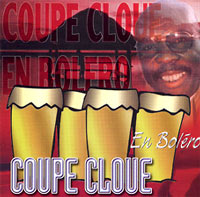
In the 1970s, the trio expanded and took the name Ensemble Select. Coupé Cloué refined a kompa manba—the Haitian compas adapted to his own sauce, rhythmically driven by bongos and congas that recall African soukous. Spoken sections, called “prêches,” punctuated the tracks: ironic narratives, double meanings and satires in Creole, forty years before these forms became common in Caribbean music.
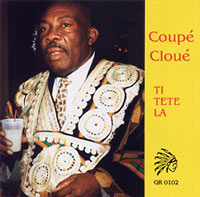
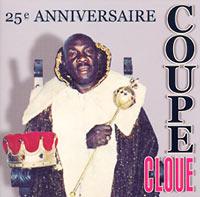
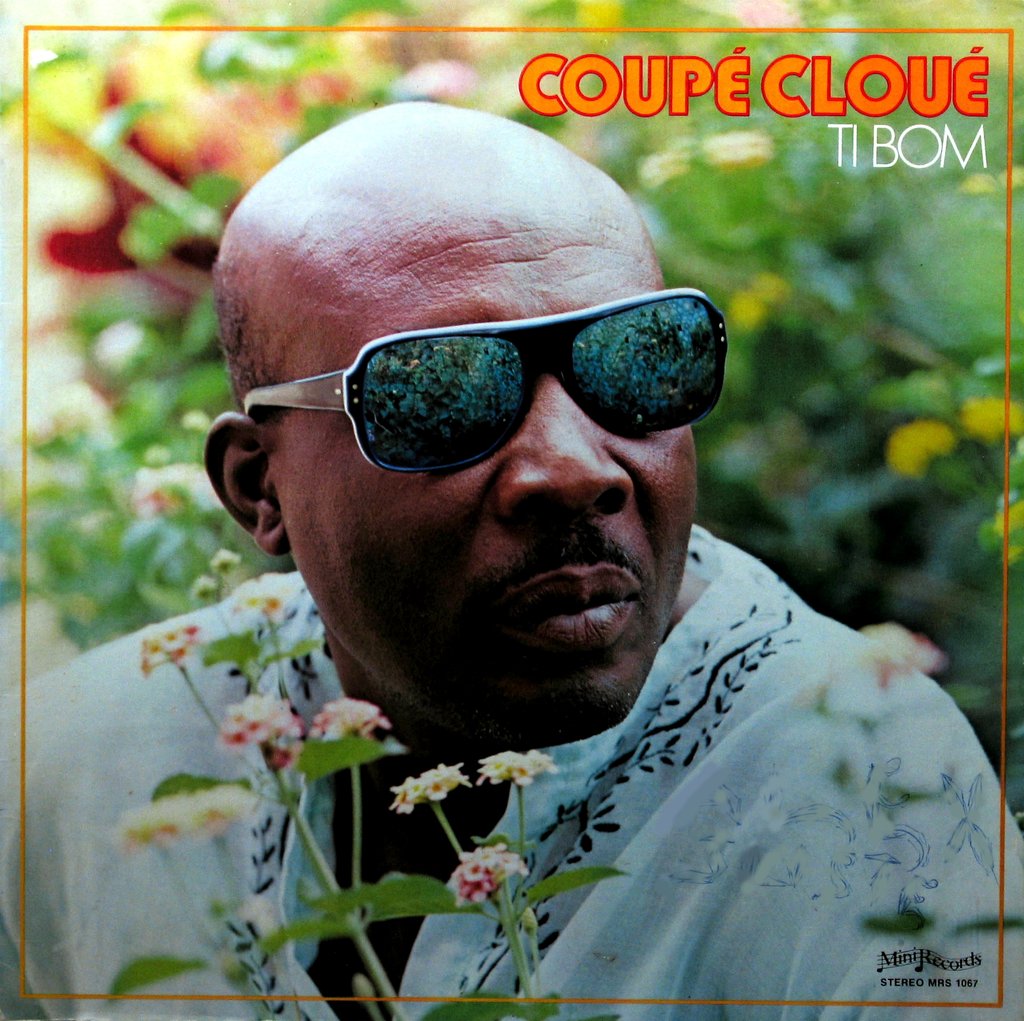
The year 1975 marked a turning point. The group embarked on a tour of Africa. In the Republic of Congo and then Côte d’Ivoire, listeners recognized kinship with local soukous in his kompa. They crowned the bald singer, always dressed in African style, as “Roi Coupé.” Tours subsequently multiplied throughout West Africa, Europe and North America.
A popular storyteller between derision and lucidity
Coupé Cloué excelled in observing reality. His texts, nourished by Creole slang, played with double meanings and insinuations. Some reproached him for a libertine view of women; he replied, according to an interview granted to journalist Fritz Gérald Calixte in 1994: “I am not misogynistic, I like women. Very often it is the women themselves who come to find me and tell me stories. I do not campaign against women.”
His repertoire far exceeded the sentimental theme: spirituality (Ogou Feray, Papa Loco), social satire (Shada, Café), poetry of daily life (Lavi vye nèg, Espoir). While Haitian music engaged with mini-jazz, brass and synthesizers, Coupé Cloué kept his signature and refused to flee the country in the face of insecurity.
Major works
| Work | Year | Why it is essential |
|---|---|---|
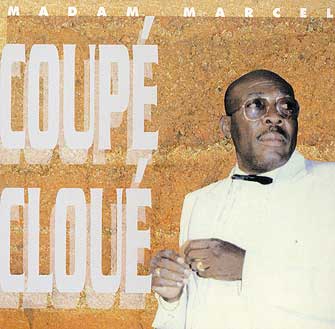
| Madame Marcel | 1978 | Signature spoken section, in The Serpent and the Rainbow |
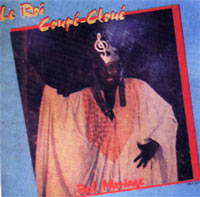
| Roi Coupé | 1980 | Title that sealed his status as monarch of kompa |
| Myan Myan | 1981 | Festive hymn signed by Assade Francoeur |
| Donki | 1993 | Last great hit, first music video |
Legacy and influence
Twenty-five years after his death, no attempt has succeeded in capturing the secret of konpa manba. Formations named Sweet Sélect, Sweet Coupé, and Coupé Plus tried, but none contained the legend. The universality of Coupé Cloué resides in this singularity: a Haitian musician who became, in Africa, one of the continent’s sonic faces. His music, between twoubadou and soukous, remains an indispensable bridge between the islands and the continent.
Sources and references
-
“Coupé Cloué”, Wikipedia (FR), https://fr.wikipedia.org/wiki/Coup%C3%A9_Clou%C3%A9, accessed October 19, 2025.
-
“Coupé Cloué”, Wikipedia (EN), https://en.wikipedia.org/wiki/Coup%C3%A9_Clou%C3%A9, accessed October 19, 2025.
-
« Coupé Cloué, le Roi du konpa manba », Haiti Inter, https://www.haitiinter.com/coupe-cloue-le-maitre-du-konpa-manba/, consulté le 19 octobre 2025.
-
« Coupé Cloué », Kreyol Mizik, http://kreyolmusic.com/project/coupe-cloue/, consulté le 19 octobre 2025.
-
« Haïti : Coupé Cloué, la légende centenaire (1925-2025) », Karibinfo, https://www.karibinfo.com/news/haiti-musique-coupe-cloue-la-legende-centenaire-1925-2025/, consulté le 19 octobre 2025.
-
Robert Leaver, « Coupé Cloué — Biography & History », AllMusic, https://www.allmusic.com/artist/coup%C3%A9-clou%C3%A9-mn0000130528, consulté le 19 octobre 2025.
-
« 3 — Twoubadou et gwenn siwèl », Médiathèque Caraïbe (Laméca), http://www.lameca.org/publications-numeriques/dossiers-et-articles/konpa-la-musique-populaire-en-haiti/3-twoubadou-et-gwenn-siwel/, consulté le 19 octobre 2025.
-
Chanel, Ives Marie (1998), « Crowds pay homage to music stars », Inter Press Service, 6 février, consulté le 19 octobre 2025.