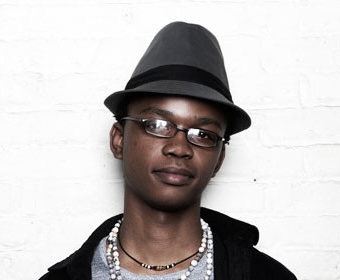
Biography
Culoe De Song
In brief
| Full name | Culolethu Zulu |
| Birth | August 20, 1990, Eshowe (KwaZulu-Natal), South Africa |
| Genre | House, afro house, afrotech — producer and DJ |
| Notable works | A Giant Leap, Exodus, “The Bright Forest” |
| Awards | Best Male Artist Metro FM Awards 2014, SAMA nominee 2010 |
In 2007, at sixteen years old, a young man from South Africa’s east coast set up his mixing software and launched into house music. Four years later, his music echoed in Ibiza within Europe’s most selective circuit. Culoe De Song — meaning “the song” in Zulu, hence his nickname — has never ceased since then to build a bridge between African traditional rhythms and dancefloors around the world.
Key dates
| Year | Event |
|---|---|
| 1990 | Birth in Eshowe, KwaZulu-Natal |
| 2007 | First steps in production, collaboration with Black Coffee on “100 Zulu Warriors” |
| 2008 | Selection at the Red Bull Music Academy in Barcelona, youngest participant in history |
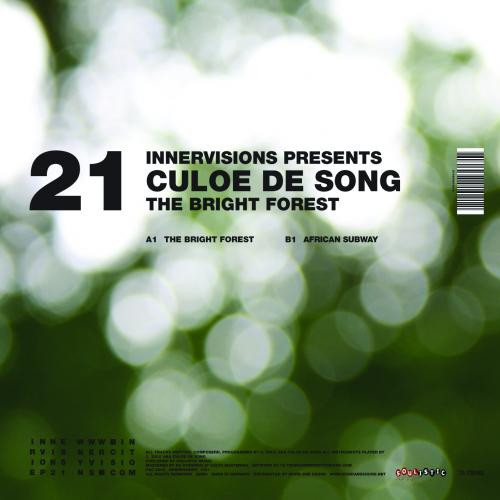
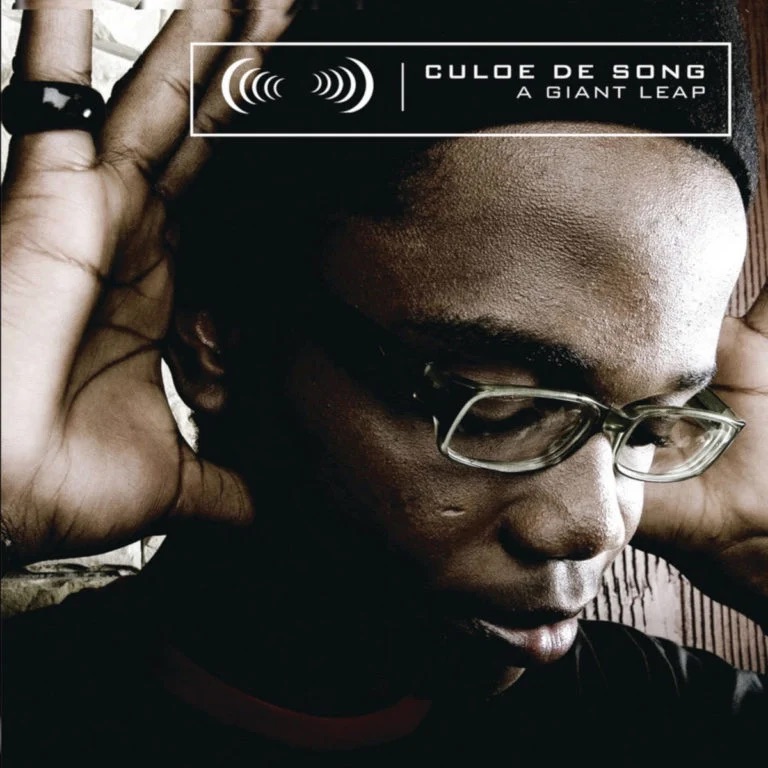
| 2009 | Release of A Giant Leap (debut album, certified gold) and EP “The Bright Forest” on Innervisions |
| 2010 | Nominated for South African Music Awards (Best New Artist) and Metro FM Awards |
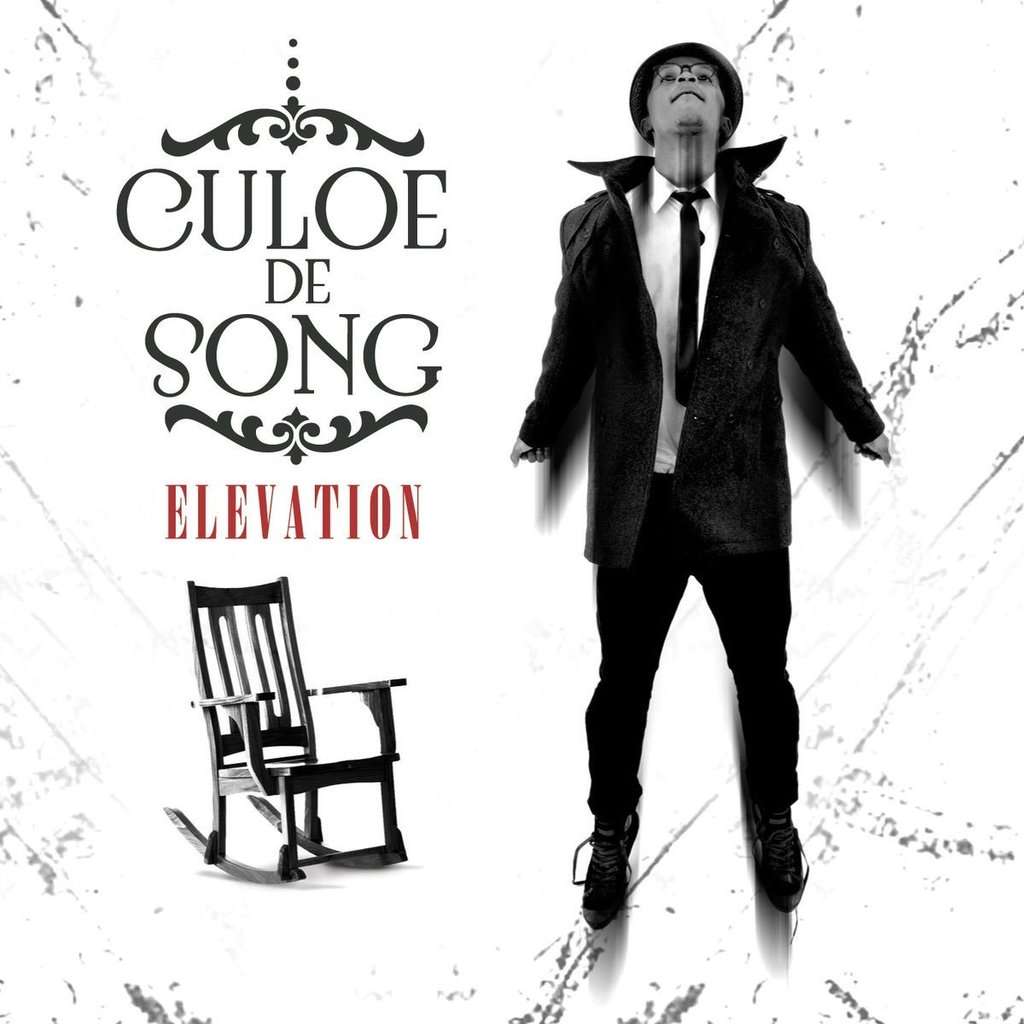
| 2011 | Release of Elevation, collaboration with French artist Rocco, Goldfish and 340ml |
| 2013 | Exodus released, featured in Rolling Stone SA Top 500 Albums of 2013 |
| 2014 | Victory at the Metro FM Music Awards (Best Male Artist) for Exodus |
| 2015 | Debut at Ibiza’s Circo Loco, alongside his mentors Dixon, Âme and Black Coffee |
| 2018 | Release of EP Medicine |
From the east coast to global dancefloors
Culolethu Zulu grew up in Eshowe, a small town in the KwaZulu-Natal province. The name given to him — Culolethu — means “our song” in Zulu. The young man listened to the radio, discovered Durban and its emerging club scene. He told Voice of America that he is grateful to have grown up with a love for music, and recounted how the city led him to connect with the world of music. A certain DJ Kabila taught him about vinyl and the ropes of the trade, then it was Black Coffee (Nathi Maphumulo) who approached him in 2007 to collaborate on the track “100 Zulu Warriors”. This piece, released on Black Coffee’s album Have Another One, became a gateway to the Soulistic Music label founded by his mentor.
In 2008, at eighteen years old, Black Coffee himself recommended Culoe for the Red Bull Music Academy in Barcelona. He was the youngest participant in the program’s entire history. The Barcelona period was decisive: there he composed “The Bright Forest”, a track that would reveal him to Europe. Released on the Berlin-based label Innervisions in 2009, the EP was acclaimed by the press as hypnotic and formidable on dancefloors, according to Resident Advisor. At the same time, he released his first album, A Giant Leap, on Soulistic Music. The opus became a gold record and earned him three nominations that same year — SAMAs, Metro FM Awards and South African Museke Awards.
Revelations: consecration and bridges
With Innervisions, the German label became a second home: in 2010 came out the EP “Webaba”, a powerful reinterpretation of the late Busi Mhlongo’s track — in this remix, he describes a feeling of pure emotion before the sound. Between 2009 and 2015, singles accumulated (Ambush, Stig Boardersman, Y.O.U.D.) and remixes became cult classics (Glenn Lewis, Reggie Dokes). Culoe De Song forged a recognizable sound: deep vocal chants, earthy percussion, enveloping basses, African choir samples and tribal percussion. Electronic house and African roots merge into one, never falling into the picturesque.
In 2011, Elevation confirmed this approach: South African funk-dub quartet 340ml, the group Goldfish and French artist Rocco joined his compositions. But it is Exodus (2013) that brought his vision to its peak. Published by the Japanese label Mule Musiq, the album was received as a statement of intent — a musical pilgrimage between jazz, afro beat and house. Rolling Stone Africa ranked it among the Top 500 albums of 2013, and in 2014 the Metro FM Music Awards crowned Culoe De Song Best Male Artist — his only major victory, in contrast with multiple nominations.
Evolutions: from healing to the world stage
Beyond dancefloors, Culoe De Song has a more intimate project. As he explained to TimesLIVE, he is a sangoma — traditional healer of southern Africa. TimesLIVE reports that he says everything is about healing rather than trends. Music is for him a tool of collective healing. In this logic, the EP Medicine (2018) carries his boldest project: a curative album, as he phrases it himself.
The tour intensified: Ibiza (Circo Loco, 2015), Sonar Festival in Barcelona, the Oslo World Music Festival (2013), dates in North America and Asia. In 2024, he returned with Rambo, a cheerful and youthful single whose narrative cover is a story of victory over captivity — a return to the world, once again.
Major works
| Work | Year | Why it’s essential |
|---|---|---|
| A Giant Leap | 2009 | Gold album that revealed him to the world, nominated for SAMAs 2010 |
| “The Bright Forest” (EP) | 2009 | European breakthrough, released on Innervisions — nicknamed hypnotic by VOA |
| Exodus | 2013 | Rolling Stone SA Top 500, Metro FM Award Best Male 2014 — the gateway to maturity |
| “Webaba” (EP) | 2010 | Masterful remix of Busi Mhlongo, where African sound meets the dance floor |
| Elevation | 2011 | Rocco, Goldfish, 340ml: the collaboration that refined his signature |
Heritage and influence
Culoe De Song is part of the second wave of South African artists who propelled afro house onto the global stage — alongside Black Coffee, Black Motion and Goldfish. His unique approach to the sangoma-healer as a creative source, rather than as exhibitionist folklore, has paved an original path for producers emerging from tradition. The European labels that support him — Innervisions, Circo Loco (Dixon/Âme), Mule Musiq — bear witness to his ability to resonate African rhythms on demanding international platforms. The Southern scene continues to draw from this vision: music as healing, not merely entertainment.
Sources and references
- « Culoe De Song », Wikipedia, https://en.wikipedia.org/wiki/Culoe_De_Song, accessed 11 November 2026.
- Darren Taylor, « South African Music Prodigy Takes Giant Leap Forward », Voice of America, 3 October 2010, https://voanews.com/a/south-african-music-prodigy-takes-giant-leap-forward---104265203/155972.html, accessed 11 November 2026.
- « CULOE DE SONG », Hello Ambassador, https://helloambassador.co.za/culoe-de-song, accessed 11 November 2026.
- « Culoe De Song », HDS Entertainment, https://hdsentertainment.co.za/culoe-de-song, accessed 11 November 2026.
- « CULOE DE SONG Releases the Much Anticipated Hit Rambo », Yule Dark, https://yuledark.co.za/culoe-de-song-releases-rambo, accessed 11 November 2026.
- « GQ South Africa — 10 Essentials: Culoe De Song », GQ, https://www.gq.co.za, accessed 11 November 2026.
- « Rolling Stone SA — Top 500 Albums of 2013 » (Metro FM Awards selection key), Rolling Stone South Africa, accessed 11 November 2026.
- « Culoe De Song becomes a sangoma — says it’s all about healing, not trending », TimesLIVE (archive), accessed 11 November 2026.