Biography
Daddy Nuttea
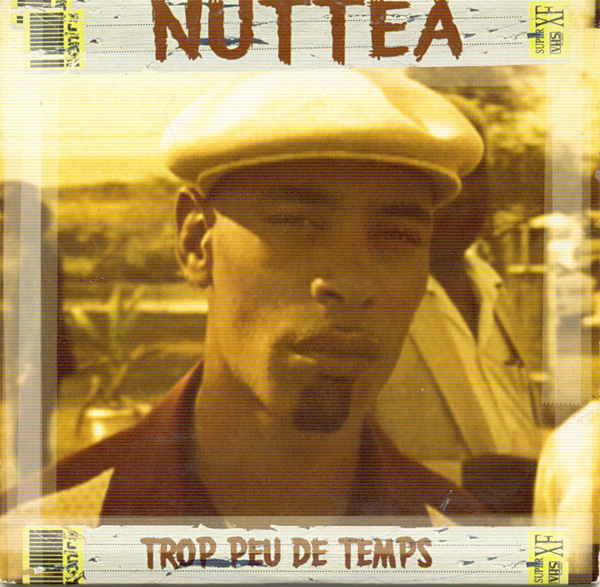
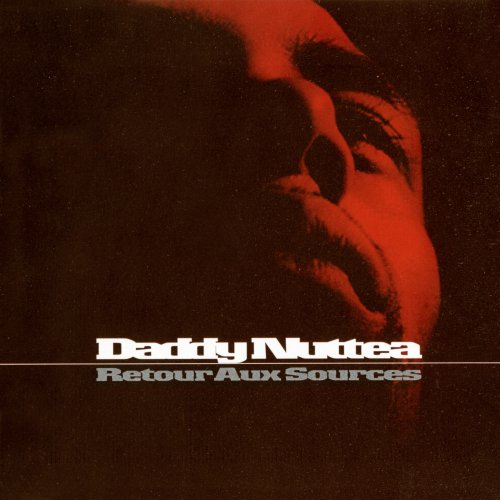
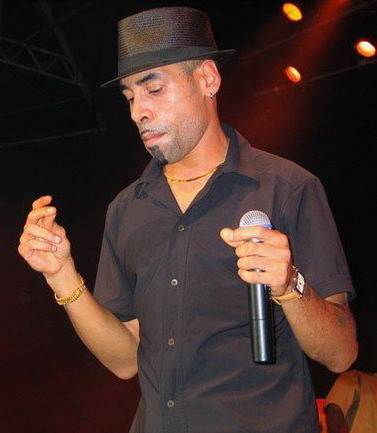
He was far from the glitter when he made the Parisian scene vibrate, and that is perhaps why he understood dancehall like no one else. Born into the reggae atmosphere of the late 80s, Olivier Lara — nicknamed Nuttea or Daddy Nuttea — went from underground sound systems to national hits without ever betraying his music. Since the beginning of the millennium, he has popularized reggae and ragga in France.
In brief
| Full name | Olivier Lara (stage name: Nuttea, Daddy Nuttea) |
| Birth | December 26, 1968, France (originally from Guadeloupe) |
| Field | Reggae and ragga singer, toaster (vocal DJ) |
| Groups / collectives | High Fight International, Stand Tall, One Shot |
| Emblematic works | Un signe du temps (2000), Mister Reggae Music (2013) |
| Distinctions | Album Un signe du temps sold approximately 700,000 copies |
Key dates
| Year | Event |
|---|---|
| 1968 | Born in Paris; parents return to live in Guadeloupe, then settle definitively in Paris in 1974 |
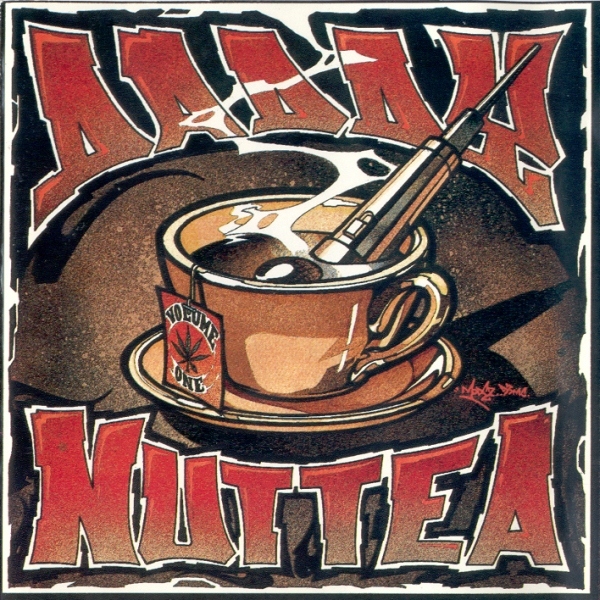
| late 80s | Debut with the sound system High Fight International (with Polino, Tonton David, Don Lickshot) |
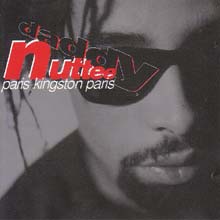
| 1992–93 | Paris-Kingston-Paris, first album (1993) |
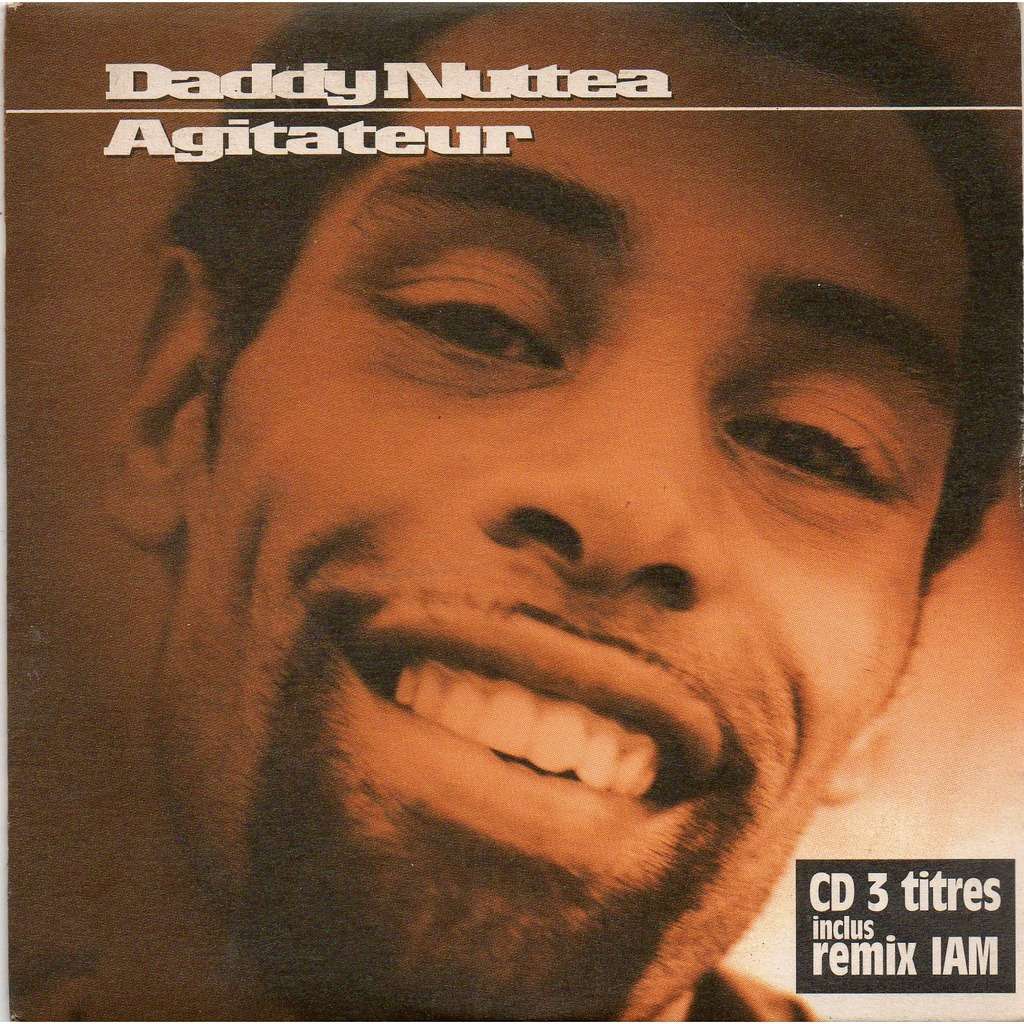
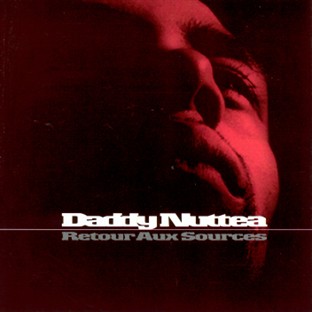
| 1997 | Return to roots; success with Pierpoljak (“Agitateur”) and cover of “Natural Mystic” |
| 2000 | Un signe du temps; Taxi 2 (collective One Shot) |
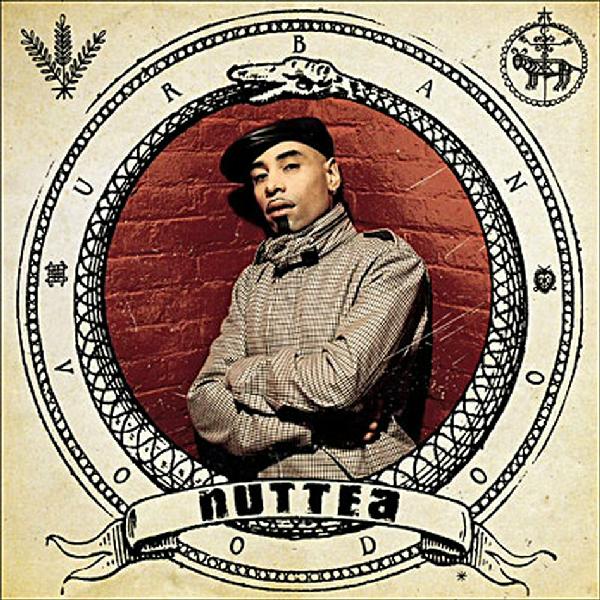
| 2004 | Urban Voodoo, an album ignored by the public |
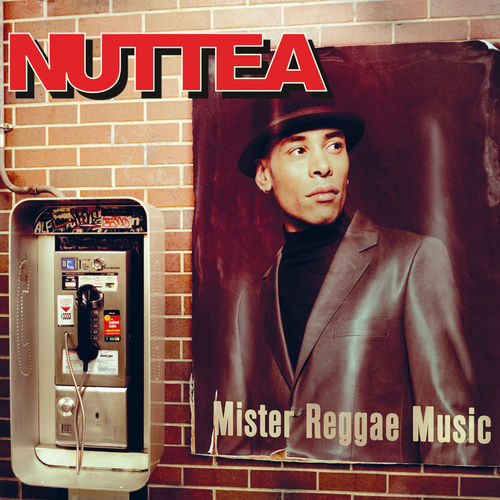
| 2013 | Mister Reggae Music, after nearly ten years of absence |
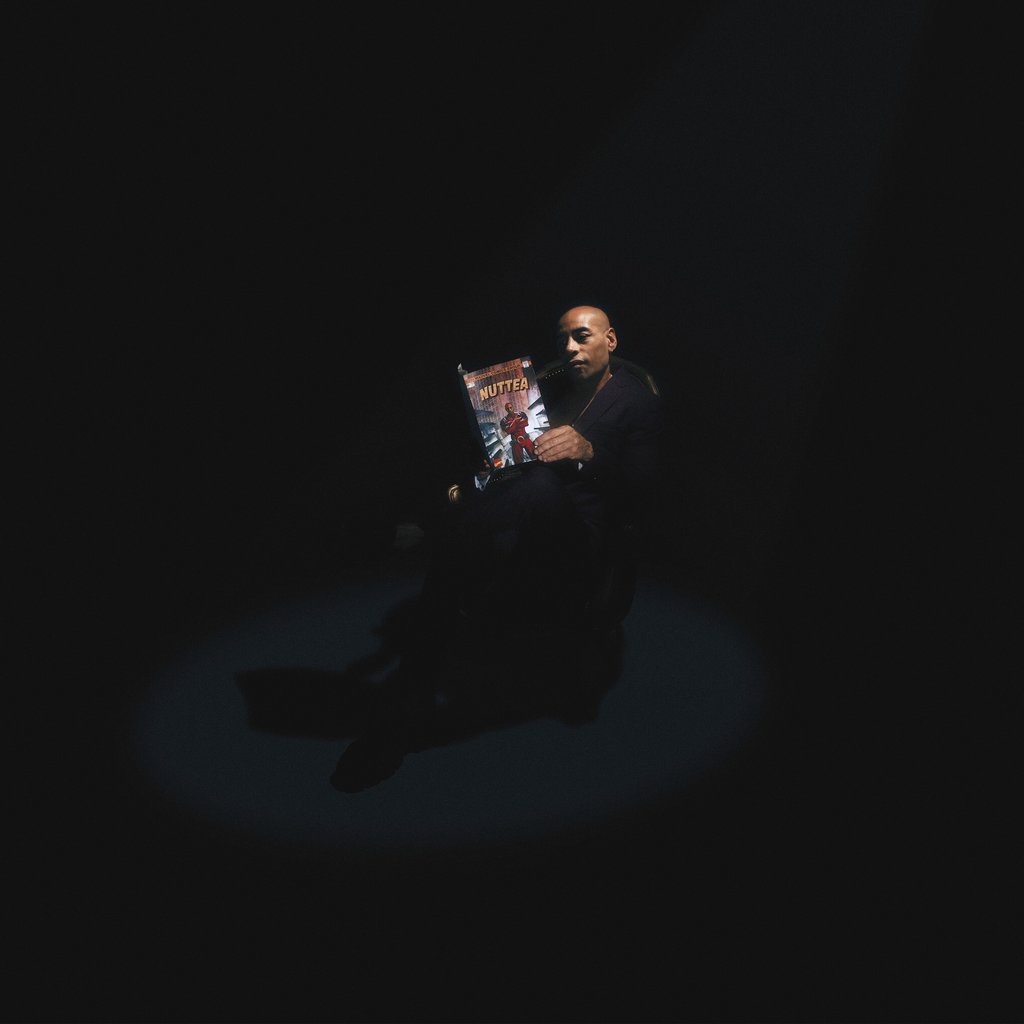
| 2024 | Tribulations |
From Guadeloupean origins to Paris
Olivier Lara was born on December 26, 1968 in France. His parents returned to live in Guadeloupe and then settled definitively in Paris, in the 13th arrondissement, in 1974. He discovered reggae at the beginning of the 80s and committed himself to the Parisian scene at the end of that decade, when “whites were more record collectors and blacks were musicians.” At home, music held an important place: his mother collected Hendrix and Santana, Bob Marley, Peter Tosh or Louis Armstrong. He founded High Fight International in 1989 with Tonton David, Don Lickshot and Polino. It was at that time that he began toasting, a vocal style more conversational than sung, in French and English. He was nicknamed “Speed DJ” and imitated Papa San with his rapid delivery.
Success, cross-over and returns
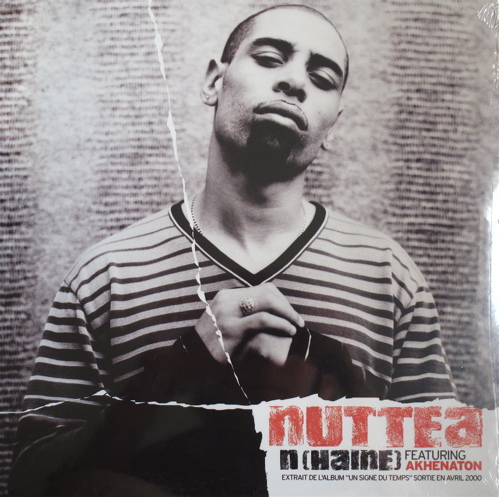
In 1992, alerted by the buzz, people from Virgin attended a sound system. Nuttea insisted: “I told them I would sign on condition of going to work in Jamaica.” Wish granted: he stayed there for his first album, Paris-Kingston-Paris. He met General Degree, Buju Banton and Steely & Cleevy, who produced the album. Three years later, Return to Roots earned him critical acclaim and a cover of “Natural Mystic” (video directed by JoeyStarr), as well as the emblematic “Agitateur” with Pierpoljak. He also collaborated with Marseilles rap: “La 25e image” for La Haine (with Akhenaton) and participation in the soundtrack of Taxi 2 in March 2000, in the collective One Shot (Disiz la peste, Faf Larage, Jalane, Taïro and Vasquez).
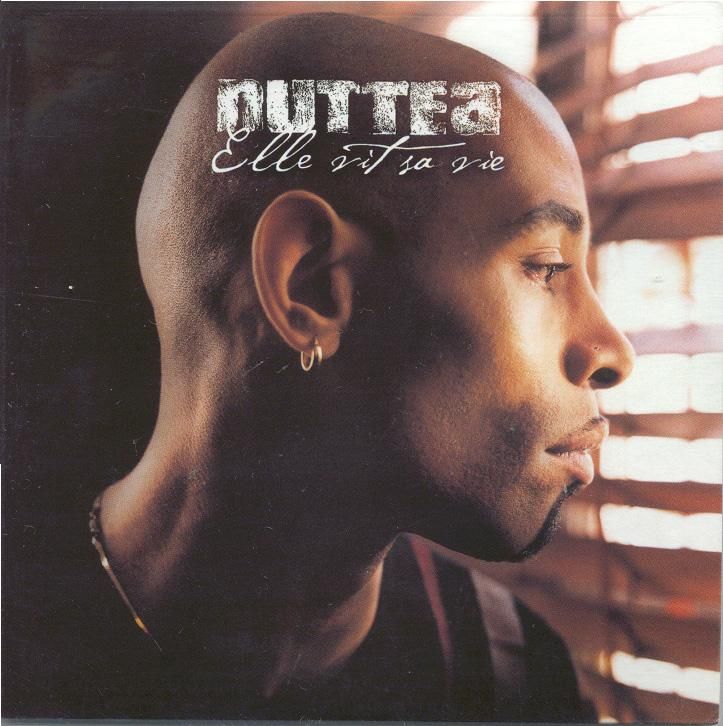
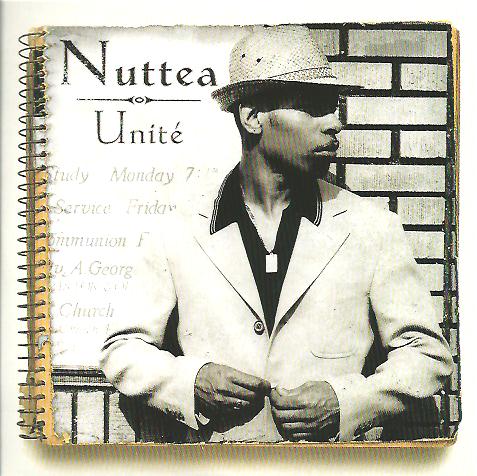
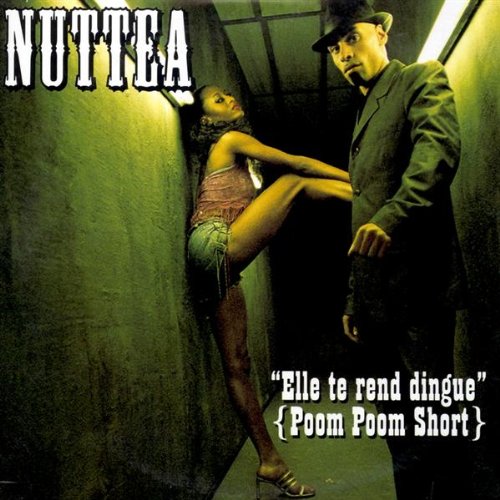
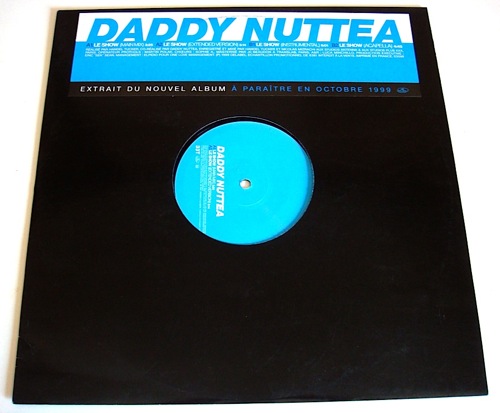
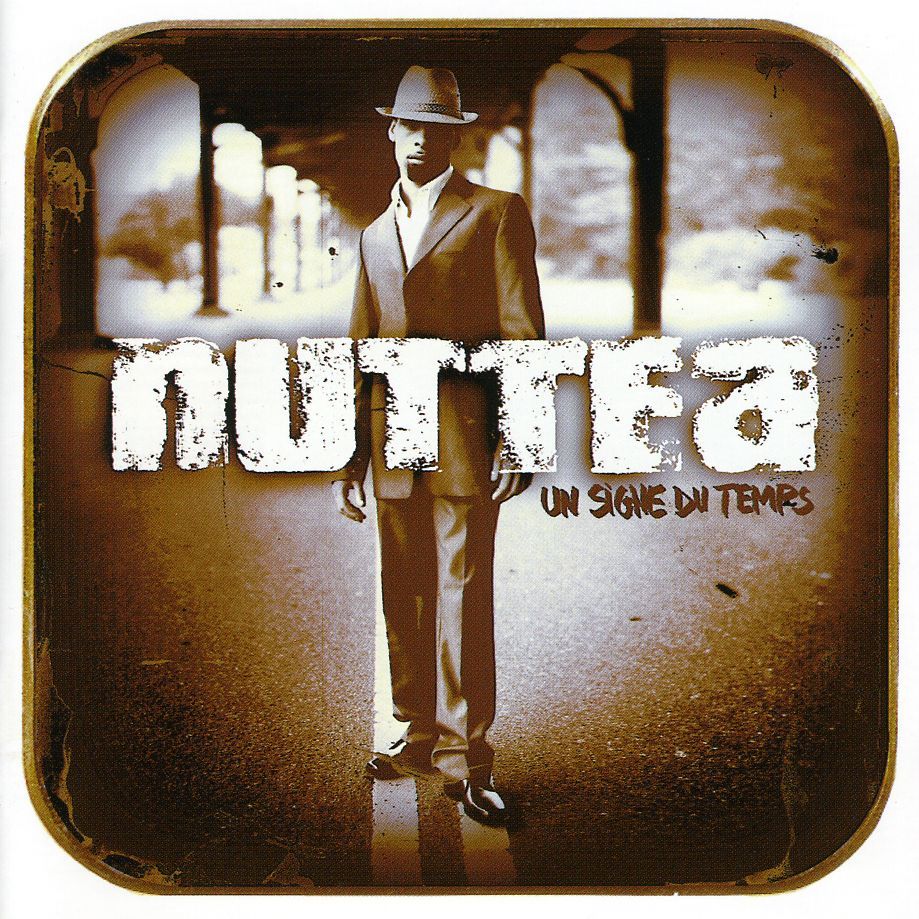
In August 2000, Un signe du temps was released, recorded between Philadelphia and Paris and produced by Haendel Tucker. The single “Elle te rend dingue” reached fourth place in sales and spent twenty-three weeks in the Top 50, an unexpected turnaround for an underground artist. The record label didn’t believe in it, but the track became a hit. Nuttea claims this originality: “The only way out was to release something original, that didn’t resemble the commercial genre of the time.” The album sold 700,000 copies and appeared on radio, in concerts and on television. He reaffirmed his belief in God (“Chacun sa vérité”) while criticizing the world (“Le Monde part en c…”) and unity (“Unité”). He also declared himself faithful to his spirituality: in true reggae, music and spirituality meet.
The following year, Urban Voodoo (2004) was released, an ambitious album between rap and reggae produced by Handel Tucker — praised by critics but ignored by the public. Nuttea then took a break, left his record label and returned to underground sound systems. In 2013, he came back with Mister Reggae Music: produced and mixed by himself, recorded in New York, this album blends reggae and R. Kelly (“Je Prie”) or a tribute to Bob Marley (“Redemption Song”). He declared himself convinced of his authenticity: “I couldn’t see myself trying to stick to what is done right now. I played the card of authenticity, I did what I knew how to do.” (quote from reggae.fr). In 2024, he released Tribulations and made his return to the public known with concerts.
Major works
| Work | Year | Why it’s essential |
|---|---|---|
| Paris-Kingston-Paris | 1993 | First album, recorded in Jamaica; launch of an underground career |
| Return to Roots | 1997 | Covers “Natural Mystic” and blends ragga and hip-hop; triggers commercial success |
| Un signe du temps | 2000 | Crossed album between dancehall and melody; 700,000 copies, national hits |
| Urban Voodoo | 2004 | Ambitious but ignored album; marks the break and underground return |
| Mister Reggae Music | 2013 | 100% self-produced album, authentic and stylistically assumed; redraws the career |
| Tribulations | 2024 | Assumed return and affirmation of the artist in the 2020s |
Heritage and influence
Nuttea is a figure of French reggae: he brought dancehall and ragga from underground parties to the national charts, while maintaining the rigor of his craft. His collaboration with IAM and Marseille hip-hop — La Haine, Taxi 2 — opened the door to a cross-over between genres. After his break, his return with Mister Reggae Music proved to a flailing industry that French reggae could still reach a wide audience. In France, he remains a reference for reggae enthusiasts and the underground sound system, a role he assumes without ever succumbing to glamour.
Sources and references
- “Nuttea : Daddy qui ?”, RFI Musique, 2 October 2000. https://musique.rfi.fr/musique/20001002-nuttea-daddy.html, accessed 23 November 2026.
- “Nuttea — Biographie”, Reggae.fr (Olivier Cachin). https://reggae.fr/artiste-biographie/197_Nuttea.html, accessed 23 November 2026.
- “Star des années 2000, Nuttea nous raconte l’histoire d’Elle te rend dingue”, Nice-Matin, 10 July 2022. https://www.nicematin.com/culture/musique/star-des-annees-2000-nuttea-nous-raconte-l-histoire-d-elle-te-rend-dingue-poom-poom-short-780322, accessed 23 November 2026.
- “Nuttea — Biographie”, Wikipédia (FR). https://fr.wikipedia.org/wiki/Nuttea, accessed 23 November 2026.
- “Entretien Nuttea — Radioactu, septembre 2001”. https://www.radioactu.com/nuttea-2/, accessed 23 November 2026.