Biography
Daddy Yod
In 1987, in the dimly lit halls of Paris’s first reggae nights, a man took the microphone and launched a voice that would make history: that of a guy from Gwada who came to Paris with his mother at nine years old, and who transformed Jamaican rhythms into an entirely French style. Thus begins the story of Daddy Yod, a pioneer of raggamuffin in metropolitan France.
In brief
| Full name | Saint-Félix Sténard (stage name: Daddy Yod, King Daddy Yod) |
| Birth | 1964, Petit-Canal, Guadeloupe |
| Genre | Raggamuffin, dancehall, French rap |
| Iconic works | « Faut pas taper la doudou », « Rock en zonzon », « Delbor » |
| Awards | Album Rapattitude certified gold record (1990); iconic figure of French raggamuffin |
Key dates
| Year | Event |
|---|---|
| 1964 | Birth in Petit-Canal, Guadeloupe |
| ~1973 | Arrival in metropolitan France with his mother, in the 93 (Seine-Saint-Denis) |
| Early 1980s | Discovery of reggae and rasta philosophy; first Parisian clubs |
| 1983-1987 | Integration of the Youthman Unity Academy sound system in Paris |
| 1987 | First single « Elle n’est pas prête »; participation in the compilation France Connection |
| 1987-1990 | Cult compilation Rapattitude with « Rock en zonzon »; album certified gold record |
| 1992 | Second album King with the cult title « Delbor »; Antilles tour |
| 1993-1995 | L’Incorruptible (producer Gussie P); Mercury/Sony signing |
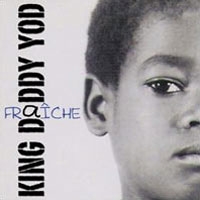
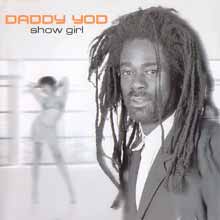
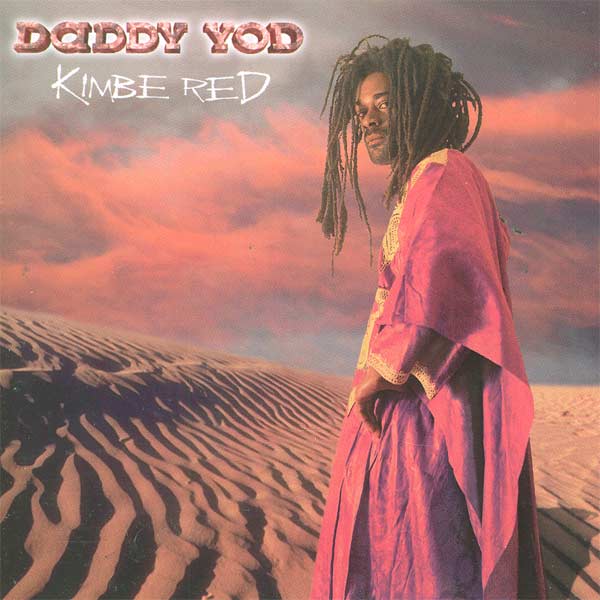
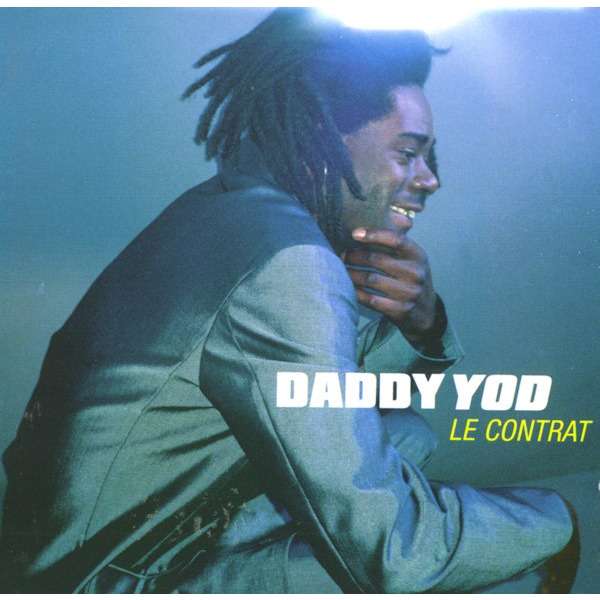
| 1997-2006 | Albums Le Contrat, Kimbé Red, Show Girls, Fraîche |
| 2013-2016 | Return with Président de la Rue Publique and An ba feil (2016) |
From Guadeloupe to French raggamuffin: a pioneer’s journey
Born Saint-Félix Sténard in Petit-Canal, Guadeloupe, Daddy Yod arrived in metropolitan France around the age of nine with his mother to join his father. The family settled in Seine-Saint-Denis, the « 93 », as he would proudly recall in a 2004 interview: « At the time, we were housed in the 93. In 2004, you see, we’re still in the 93. » It was in the Cité des Hauts-de-Seine that the discovery occurred: one day, while watching television with his older brother Patrick, he came across Bob Marley and Peter Tosh. A little later, his father brought home a batch of records including one by Ibo Simon titled « Pli bèl ki yo ». That spark, he would remember for his entire life.
What drew him into music was a meeting: Yellowman. The most prolific Jamaican of the dancehall generation introduced him to rub-a-dub, and suddenly he decided to « chat on the mic », as he himself puts it. In the early 1980s, Parisian reggae nights exploded. The most legendary were those at Quai de la Gare, where Daddy Yod crossed paths with Pablo Master and Supa John. Together, they founded the Youthman Unity Academy, one of the very first Parisian sound systems.
1987 marked a decisive turning point: his first 45 rpm single, « Elle n’est pas prête », was released by Jimmy’s Production / Mélodie. But it was with the compilation France Connection that he gained attention beyond the underground scene. Three years later, it was a shock: Rapattitude, the cult compilation that introduced rap and ragga to a very wide audience, included his track « Rock en zonzon ». The album went gold. France discovered an artist who spoke with a Gwada accent over Jamaican rhythms, without losing his cool.
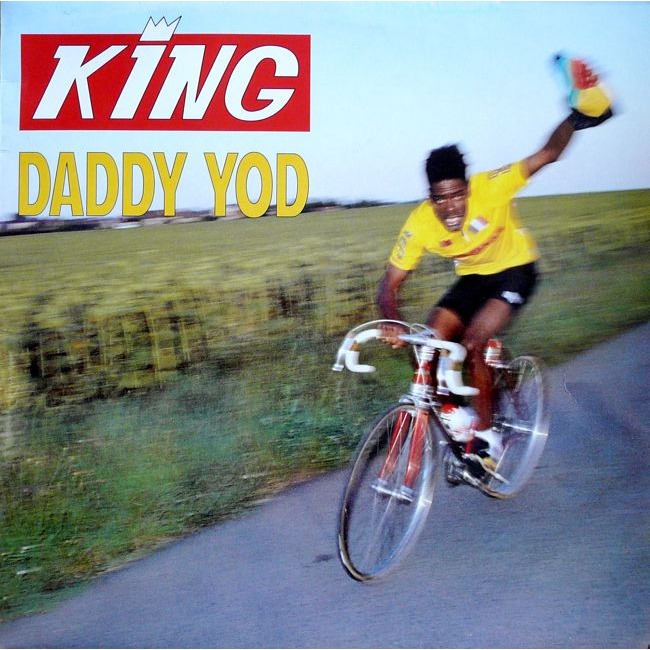
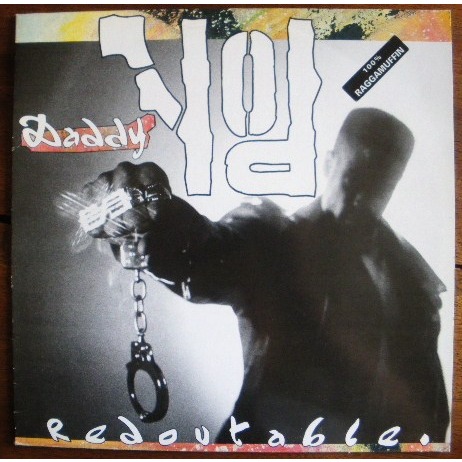
Redoutable, his first studio album (1990-1991), was a revelation. « Faut pas taper la doudou » became a hit in all dancehall nights across France and the DOM-TOM. Tracks like « Doubout », « Je ne veux pas aller à l’armée » or « Ca chauffe pour lui » mixed humor, punch, and a phrasing never heard before. The public and the underground bestowed upon him his title of « King Daddy Yod ». The album King (1992), with the timeless title « Delbor » and gems like « Professionnel ou amateur », confirmed his success: he embarked on a tour in the Antilles, hailed as a « Yodzilla ».
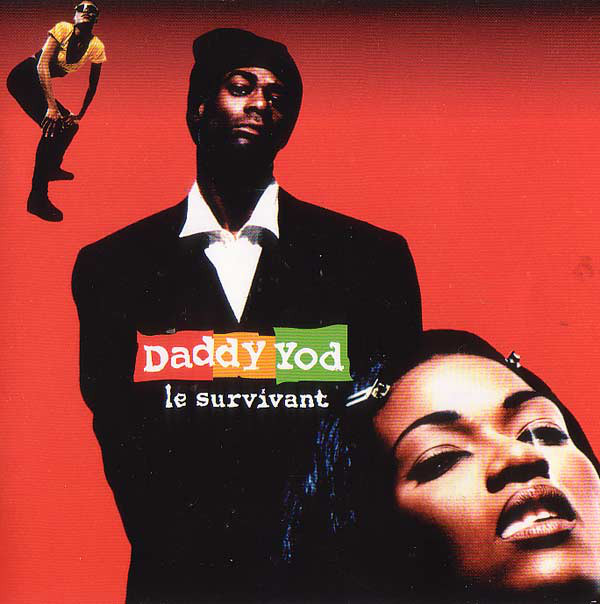
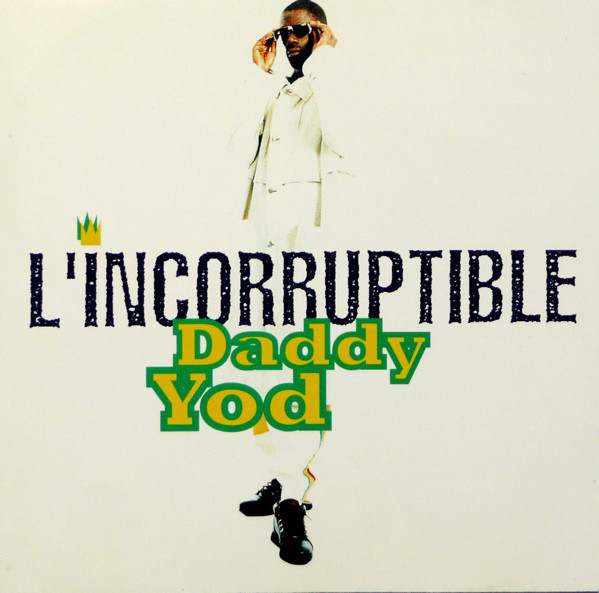
Professional consecration arrived in 1993 with L’Incorruptible, an album produced under the direction of the famous Jamaican producer Gussie P, in the pure tradition of Anglo-Saxon production. In 1995, his signing with Mercury (record label) and Sony Publishing (publishing) established him within the major labels’ matrix. The album Le Survivant that followed was associated with a tour with reggae prince Dennis Brown. But it was precisely at this peak that Daddy Yod took a step back: he put his activity on stand-by to reflect.
Major works
| Work | Year | Why it’s essential |
|---|---|---|
| « Elle n’est pas prête » (single) | 1987 | First track, launch into the Parisian underground scene |
| « Rock en zonzon » (Rapattitude) | 1987-1990 | Discovery by the general public; album certified gold record |
| « Faut pas taper la doudou » (Redoutable) | 1990-1991 | Foundational hit that defines French raggamuffin |
| « Delbor » (King) | 1992 | Timeless track; cult song of French dancehall nights |
| L’Incorruptible | 1993 | Collaboration with Gussie P; entry into Anglo-Saxon production |
Heritage and influence
Daddy Yod is not just an artist: he is an institution. The sound system Youthman Unity Academy, which he led in the 1980s, paved the way for an entire generation of francophone toasters and DJs, including Pablo Master and Supa John. His style — a blend of Antillean verbal punchlines, humorous lyrics, and Jamaican dancehall beats — laid the foundations for French raggamuffin, a genre that dozens of younger artists today claim as their own.
Above all, Daddy Yod remained faithful to his roots and the way sound systems operate, far from the institutional circuit. « We are not waiting for a record company to do something with us, » he explained in 2004. « If we want to introduce such an artist, there are mixtapes, the internet. There are 10,000 ways to keep dancehall and raggamuffin alive without going through those guys who manufacture things. » It is this independence that gives him his charm and credibility.
His investment in the community — radio (P2MRadio), documentary, self-curated mixtapes — confirms his role as a mentor as much as an artist. He shares the stage with Princess Erika, Tiwony, or NTM. As l’Or des Îles summarized in 2016: « It was during all these years that King Daddy Yod became undeniably one of the founding fathers, if not the founding father of French Raggamuffin. » And as he himself said: « If in this profession the hardest part is making a name for yourself, it was during all these years that I could prove what we planted in 1983 has become a tree. »
Sources and references
- « Daddy Yod », Discogs, https://discogs.com/artist/157021-Daddy-Yod, accessed November 10, 2025.
- « Daddy Yod », KRIBBEAN, https://www.kribbean.com/en/artists/daddy-yod, accessed November 10, 2025.
- « Daddy Yod », Reggaefrance, https://www.reggaefrance.com/artiste-en-212-daddy-yod.html, accessed November 10, 2025.
- « A Made In France Selection By King Daddy Yod », WhatTheFrance, https://whatthefrance.org/playlists/a-made-in-france-selection-by-king-dadd-yod, accessed November 10, 2025.
- « King Daddy Yod, le père du raggamuffin français », l’Or des Îles, https://ordesiles.com/2016/03/king-daddy-yod, accessed November 10, 2025.
- « Daddy Yod », Wikipédia, https://fr.wikipedia.org/wiki/Daddy_Yod, accessed November 10, 2025.
- « Daddy Yod, interview (June 2004) », Reggaefrance, https://www.reggaefrance.com/interview-en-43-daddy-yod.html, interview by Benoit Georges, June 15, 2004.
- « King Daddy Yod », WhatTheFrance, https://whatthefrance.org/fr/playlists/a-made-in-france-selection-by-king-dadd-yod-2/, accessed November 10, 2025.