Biography
DK (Daniel Kamau): The Architect of Kenyan Benga
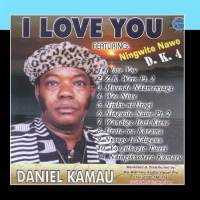
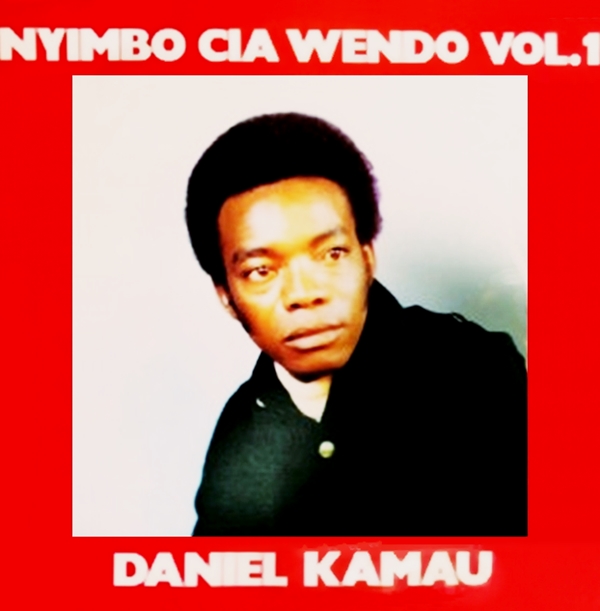
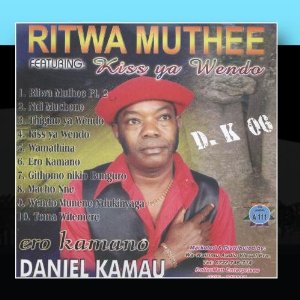
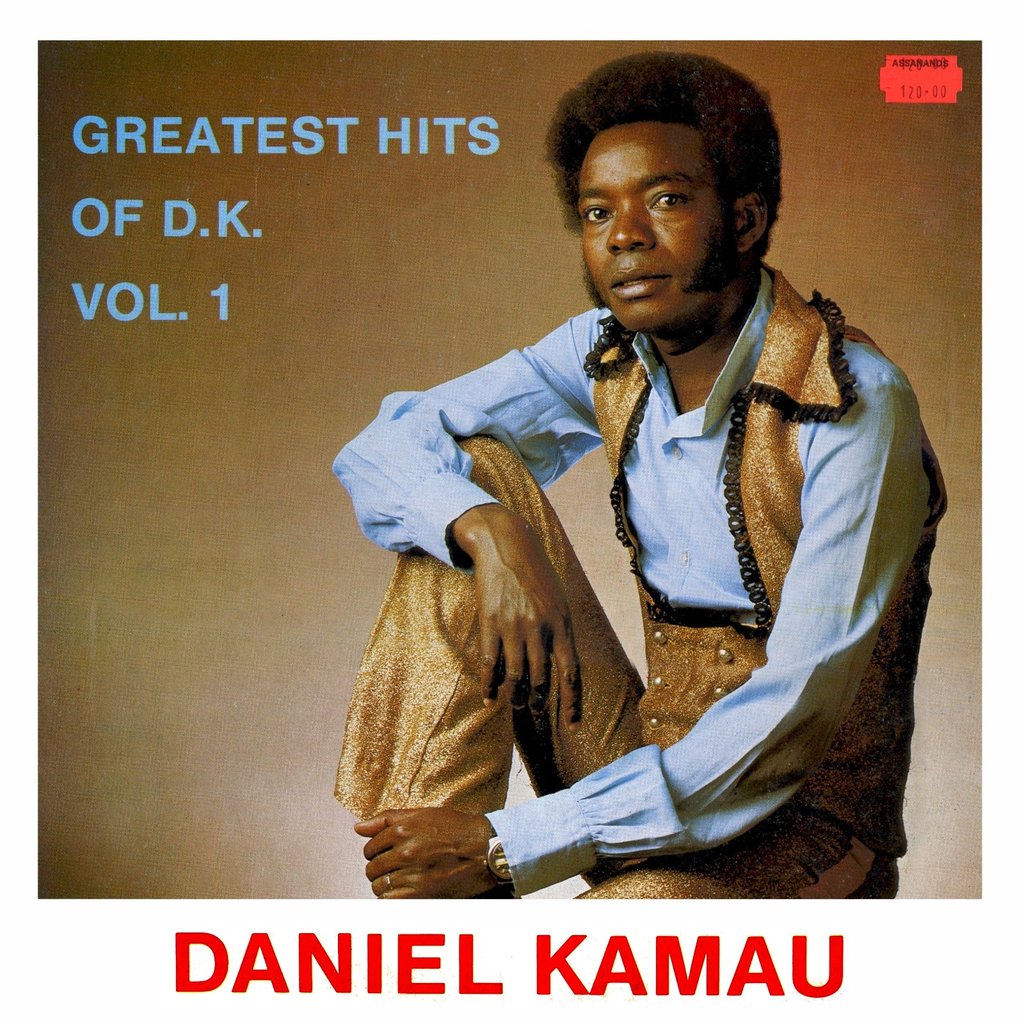
In 1970, in Nairobi, a twenty-one-year-old guitarist launched “Murata/I Love You,” a track that fused the glissando notes of the electric guitar with the syncopated rhythm of benga — this blend of Cuban rumba and traditional Kenyan rhythms. The song exploded: for the first time, a music in the Kikuyu language conquered the entire country. This self-taught guitarist, Daniel Kamau Mwai, nicknamed DK, had just paved the way for a genre that would become one of Kenya’s musical signatures.
In Brief
| Full Name | Daniel Kamau Mwai |
| Nicknames | DK, D.K. Wa Maria |
| Birth | February 1949, Gatanga, Murang’a District (Kenya) |
| Nationality | Kenyan — Kikuyu ethnicity |
| Field | Benga — Kenyan guitar music |
| Notable Works | “Murata/I Love You”, Ajilina, Ningwite Nawe |
| Distinctions | The equivalent, for DK’s generation: being identified as one of the fathers of benga |
Key Dates
| Year | Event |
|---|---|
| 1949 | Birth in Mabanda, Gatanga (Murang’a District) |
| 1960s | Learning guitar from his older brothers |
| 1967 | Leaving Karatina High School to pursue music |
| 1968 | First commercial recording in Nairobi |
| 1970 | National success with “Murata/I Love You” |
| 1975–76 | Most prolific period: three albums in two years, on RCA and Playa Sound |
| 1979–92 | Term as Gatanga neighborhood councilor |
| 1977 | Banning of “Nana” and “Mwithua” by state radio (KBC) |
| 1990 | Creation of Lulus Band and relaunch under the DK Undugu Sound label |
| 2009+ | Over 1,000 compositions recorded and still active |
From Village Guitar to Nairobi Studio
Daniel Kamau Mwai grew up in the village of Mabanda, in Gatanga, at the heart of the Murang’a District — this central region of Kenya, populated by the Kikuyu ethnicity, where festivals and gatherings have always been marked by music. He learned to play the guitar as an adolescent, imitating his older brothers: there was no music school or recognized teacher, just the ear and patience. His first big moment arrived at a village Christmas party: while his brothers quarreled on stage and left the premises, DK remained alone with his instrument. He played piece after piece before an audience that — according to the often-repeated account — left impressed, leaving him alone in the night. “DK Wa Maria”: there was already a figure there who promised to survive his own troubles.
In 1967, school was lacking: he left Karatina High School because he couldn’t pay the tuition and headed to Nairobi, where the nights were teeming with groups playing rumba, soukous, and local rhythms amplified by the electric guitar. It was in this crucible that DK signed his first record in 1968 and soon after set up his own production structure. The studio DK Nguvu Sounds — which later became DK Undugu Sound (from Swahili undugu, “brotherhood”) — functioned as a welcoming platform for young musicians such as Kakai Kilonzo, the future benga guitar star. “DK” understood very early that music does not live only on stage: one also needs a place to record it, copy it, and distribute it.
Murata, the Sound That Went Around Kenya
In 1970, “Murata/I Love You” was released, a track that would mark the history of benga for a long time. The song fused the scales of Cuban rumba — very popular in Nairobi — with a strummed chord rhythm that recalled the nyatiti, the eight-stringed Luo harp-lute. The result gave fast, interlaced chords, as if the two guitarists were chasing each other in a loop. “Murata” became the first Kikuyu piece to reach a broad national audience: city youth adopted it, and DK’s style established itself as a standard of Kikuyu benga.
The success also brought controversies. In 1977, the Kenya Broadcasting Corporation (KBC), the monopolistic national radio, banned two of DK’s tracks — “Nana” and “Mwithua” — for alleged obscenity. Censoring these pieces meant touching a repertoire where the lyrics often speak of life as it is lived — desires, conflicts, social realities — without diplomatic filter. This affair illustrates the permanent tension between benga creators and a state radio chain that wished to control messages as well as sounds.
For more than forty years, DK wrote and recorded tirelessly — today we count nearly a thousand published titles, which places him among the most prolific Kenyan authors. He enjoys integrating varied influences — from Congolese rumba to Western funk rhythms — within the rigorous framework of benga, thus expanding the boundaries of a genre that remains deeply rooted in Kikuyu culture.
Major Works
| Work | Year | Why It Is Essential |
|---|---|---|
| “Murata/I Love You” | 1970 | First national hit that brought Kikuyu benga into every home |
| Ningwite Nawe (“I Chose You”) | 1976 | First album on RCA, one of the greatest international labels; a benga guitar summit |
| Ajilina | 1976/2016 | Reissue by Universal Music, which introduced the DK catalog to the contemporary African market |
| Kenya Dance Mania (compilation, as first artist) | 1991 | Major introduction of benga into Kenyan anthologies sold internationally |
Heritage and influence
DK is not merely a musician: he is a founding figure of the Kenyan musical landscape. Recent compilations of East African rumba and benga — such as Guitar Paradise of East Africa or the projects by the Parisian label FLEE on benga — consistently place his name among the pioneers of the genre. His longevity is in itself a testament: from his first RCA recording to the music videos released a few years ago, he has spanned a period that saw Kenya transition from colonialism to independence, from one-party dictatorship to years of democratisation. The Lulus Band, formed in 1990, perpetuates this guitar tradition in a configuration where DK leads and handles arrangements. More than sixty years after his first fingerpicked chords, DK remains one of the few living architects of benga — a genre that, from Cuban rumba to East African rhythms, has never ceased to evolve while remaining profoundly Kenyan.
Sources and references
- « DK: A thousand songs down and still going », The Standard, https://www.standardmedia.co.ke/article/1144021638/dk-a-thousand-songs-down-and-still-going, accessed 5 November 2026.
- Wikipedia EN, « Daniel Kamau », https://en.wikipedia.org/wiki/Daniel_Kamau, accessed 5 November 2026.
- AllMusic, « Daniel Kamau — Biography, Discography », https://www.allmusic.com/artist/daniel-kamau-mn0000955543, accessed 5 November 2026.
- Discogs, « Daniel Kamau — Artist page », https://www.discogs.com/artist/1953696-Daniel-Kamau, accessed 5 November 2026.
- Jabulani Radio, « Daniel Kamau Mwai (DK) », https://www.jabulaniradio.com/artists/daniel-kamau-mwai-dk-171, accessed 5 November 2026.
- Red Bull Music Academy Daily, « Tracing the Roots of Kenyan Benga » (Emmanuel Mwendwa), https://daily.redbullmusicacademy.com/2018/02/tracing-the-roots-of-kenyan-benga, accessed 5 November 2026.
- Rate Your Music, « Daniel Kamau discography », https://rateyourmusic.com/artist/daniel-kamau, accessed 5 November 2026.