Biography
De Mogul SA
In April 2017, a house track launched on South African radio waves exploded in Joburg clubs, bounced back onto radio stations across the country, and eventually resonated in churches. “Oe Batla Kae” is not just a hit: it’s the signal that producer Tshepo Rangaka, known as De Mogul SA, has just offered to a music culture in full effervescence.
In Brief
| Full Name | Tshepo Vincent Rangaka |
| Stage Name | De Mogul SA |
| Birth | Early 1990s, Mahikeng (North West, South Africa) |
| Genre | House music / Amapiano |
| Notable Works | “Oe Batla Kae”, “Ungowam”, album Lessons |
| Label | Ganyani Entertainment (since 2013) |
Key Dates
| Year | Event |
|---|---|
| 2004 | Discovers Motswako and develops a passion for music |
| 2007-2008 | Begins DJing with friends in Mahikeng |
| 2009-2012 | Studies communications at North-West University; quits for financial reasons |
| 2013 | Joins Ganyani Entertainment as a studio producer, mentored by DJ Ganyani |
| 2014-2016 | Behind-the-scenes productions for DJ Ganyani (tracks Emazulwini, Fading) |
| 2017 | Release of “Oe Batla Kae”, national No. 1 hit |
| 2018 | Collaboration with Tiwa Savage and Aloe Blacc (remix of “Dangerous Love” / “Wherever You Go”) |
| 2019-2020 | First solo tracks “Ungowam”, album Lessons (February 14, 2020) |
| 2020-2021 | “Amanyan-nyan”, contribution to the emerging Amapiano movement |
| 2023-present | “Undefined”, “Thongalami”; renowned as a pioneering figure in Amapiano |
From Mahikeng to the Studios: Self-Taught Learning
Tshepo Vincent Rangaka grew up in Mahikeng, a town in the North West province, immersed in the vibrant sounds of Motswako, this South African current that blends house and local languages. Around 2004, he began listening to this music as a curious teenager, and then, from 2007-2008, he joined a group of friends who had a sound system but lacked a DJ to animate it. He took the decks, learning by practicing on borrowed equipment.
His move to North-West University for a communications degree marked a turning point: it was during his second year that he developed a thirst for music production. But financial precariousness led him to abandon his diploma. He then decided to dedicate himself entirely to music, self-taught. In an interview recorded online, he confessed: “I taught myself music production watching YouTube videos, and I started to produce sounds that were influenced by Da Capo and Culoe De Song”.
One of his beats ended up in the hands of DJ Ganyani, one of the most respected names on the South African house scene. The mentor accepted the young producer, invited him to Johannesburg, and opened the doors of Ganyani Entertainment in 2013.
The Turning Point: “Oe Batla Kae” and the National Explosion
It was at this time that De Mogul SA, as he chose to rename himself to mark his transition from simple animator to true producer, forged his identity. The name was meticulously chosen to reflect his new direction: De Mogul, in Sesotho, means a respected man in the community, and SA completes the South African identity.
His luck arrived with “Oe Batla Kae”. Inspired by an anecdote experienced in a Soweto club, where he heard people shouting out this title, De Mogul SA looked up its meaning: in Sesotho, the expression asks where one wants to feel the sound—a provocative question that the singer answers with humor: on the back. The track, released in 2017 and performed with the voices of Ms Mo and Makhensa, transformed into a hymn of South African dancefloors. The song climbed the charts, broadcast on all radio stations in the country, and even seeped into the national lexicon.
But the echo of “Oe Batla Kae” crossed South African borders. Remixes signed by De Mogul SA for Nigerian artist Tiwa Savage (“Dangerous Love”) and American musician Aloe Blacc (“Wherever You Go”) were released in 2018, opening international doors.
Lessons and Artistic Maturity
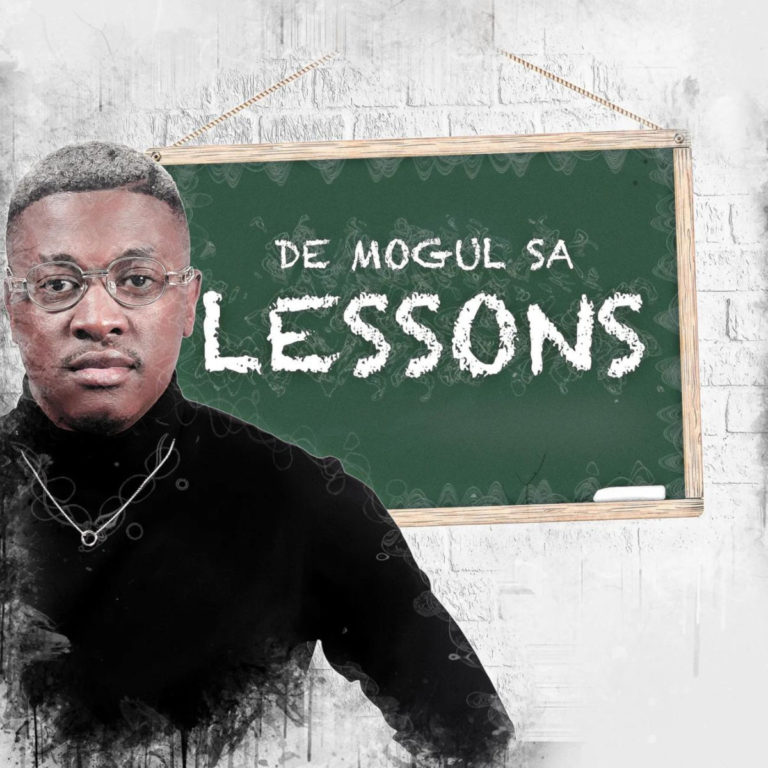
On February 14, 2020—his birthday and Valentine’s Day combined—De Mogul SA launched his first studio album, Lessons. Thoroughly matured over two to three years, the project aimed to show his sonic diversity: it traverses house, emerging Amapiano, and collaborations with Ami Faku on “Ungowam”, Sino Msolo on “Amanyan-nyan” or Nomfundo Moh on “Vula Amasango”. The album reached No. 10 on the iTunes South Africa chart in its first week.
After Lessons, De Mogul SA continued to produce and collaborate, gradually becoming a recognized figure of the Amapiano movement. His recent singles—“Undefined” (2023), “Thongalami” (2024)—confirm his ability to evolve with the scene without ever betraying his house roots.
Major Works
| Work | Year | Why It’s Essential |
|---|---|---|
| “Oe Batla Kae” (ft Ms Mo, Makhensa) | 2017 | House hymn that brought De Mogul SA onto the national stage; the Sesotho expression became a South African linguistic tic |
| Remix “Dangerous Love” — Tiwa Savage | 2018 | First international remix signed; paved the way for transcontinental collaborations |
| Remix “Wherever You Go” — Aloe Blacc | 2018 | Collaboration with an American artist; signifies production maturity beyond the South African market |
| Album Lessons | 2020 | First studio album, No. 10 iTunes SA: synthesis of house and Amapiano, with 8 tracks highlighting his versatility |
| “Ungowam” (ft Ami Faku) | 2019 | Duo that marries deep house and the melancholic voice of Ami Faku; a turning point toward more intimate textures |
Heritage and Influence
De Mogul SA is part of the first wave of South African producers who helped shape the contours of Amapiano, a darker and more rhythmic house genre that has become Africa’s most exported musical instrument since 2019. His journey—from the self-taught neighborhood DJ of Mahikeng to international remixer for Tiwa Savage and Aloe Blacc—embodies a generation of South African artists who built their careers on passion, adaptability, and an acute awareness of their surroundings. His story also reminds us that the biggest hit can be born from a conversation in a nightclub: it is often there that South African music finds its inspiration.
Sources and References
- “Meet the Latest Addition to the Mdundo Mzansi Family: DJ De Mogul SA”, Mdundo, March 3, 2025, https://mdundo.com/news/52188
- “De Mogul SA”, Music in Africa, https://musicinafrica.net/node/378320
- “‘I taught myself music production’ says Oe Batla Kae Hitmaker”, SA Music Magazine, July 2017, https://samusicmag.co.za/2017/07/taught-music-production-says-oe-batla-kae-hitmaker/
- “De Mogul SA on Friday Music Club”, Algoa FM, https://www.algoafm.co.za/blogarticle/friday-music-club/de-mogul-sa-ft-nomfundo-moh-vula-amasango
- “Exclusive Launch For De Mogul SA’s ‘Lessons’ Album”, Zkhiphani, March 4, 2020, https://www.zkhiphani.co.za/de-mogul-sa-on-his-debut-album-lessons/
- “‘Oe Batla Kae’ hitmaker rides crest of the wave”, Sowetan Live, July 2017, https://sowetan.co.za/entertainment/2017-07-12-oe-batla-kae-hitmaker-rides-crest-of-the-wave-report-
- “DeMogul SA”, Spotify, https://open.spotify.com/artist/0QkYGHzYrh3PM5EjcvHfqC
- “De Mogul SA Lyrics, Songs, and Albums”, Genius, https://genius.com/artists/De-mogul-sa