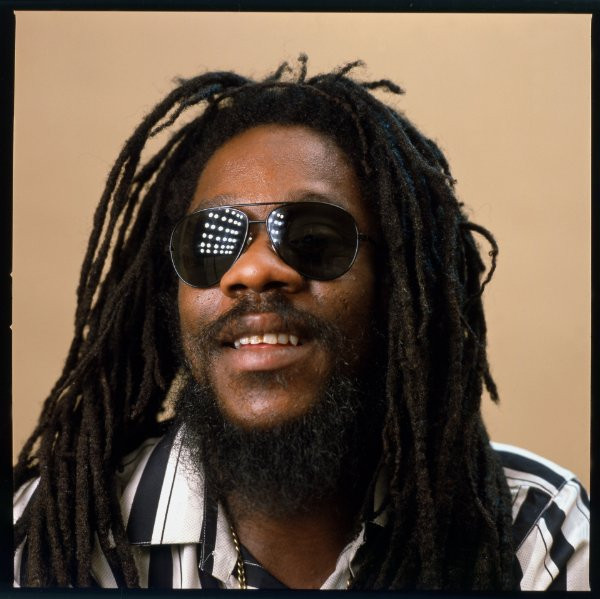
Biography
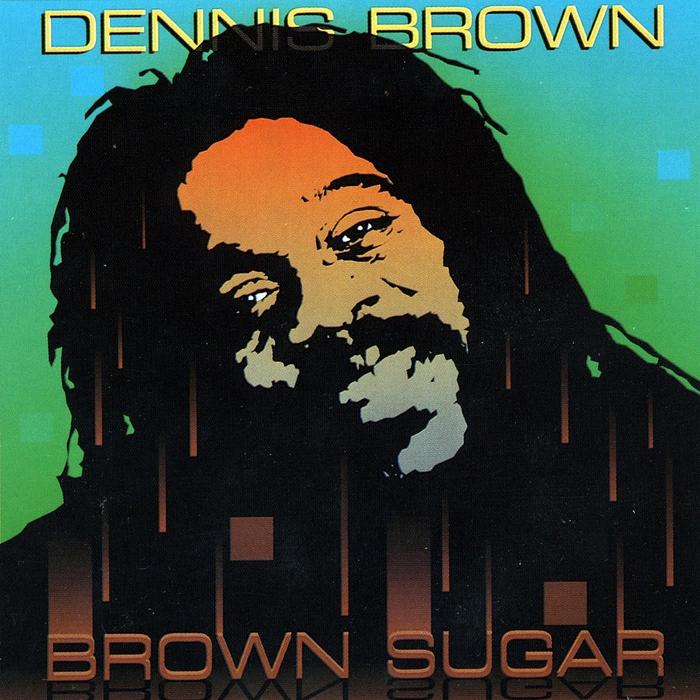
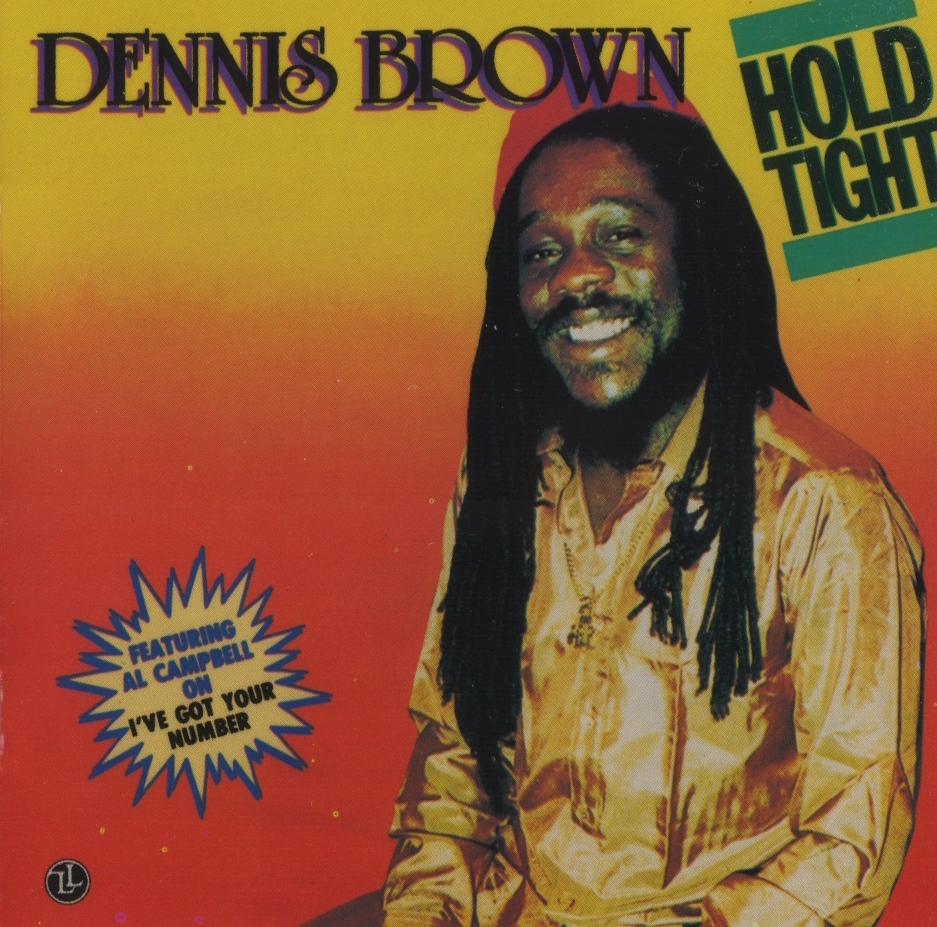
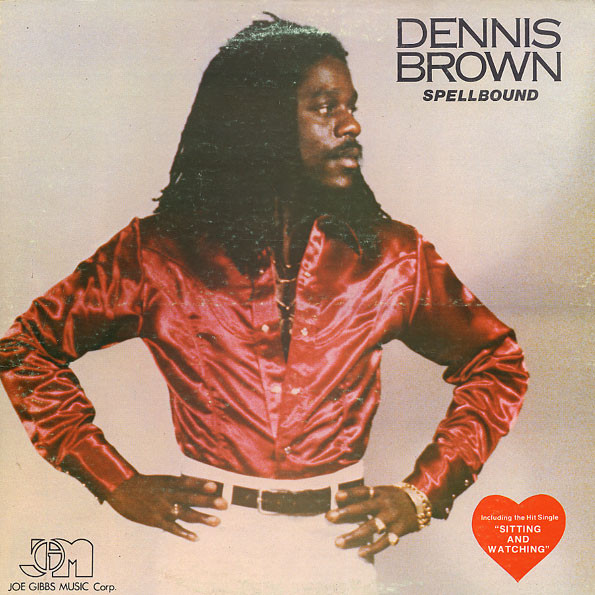
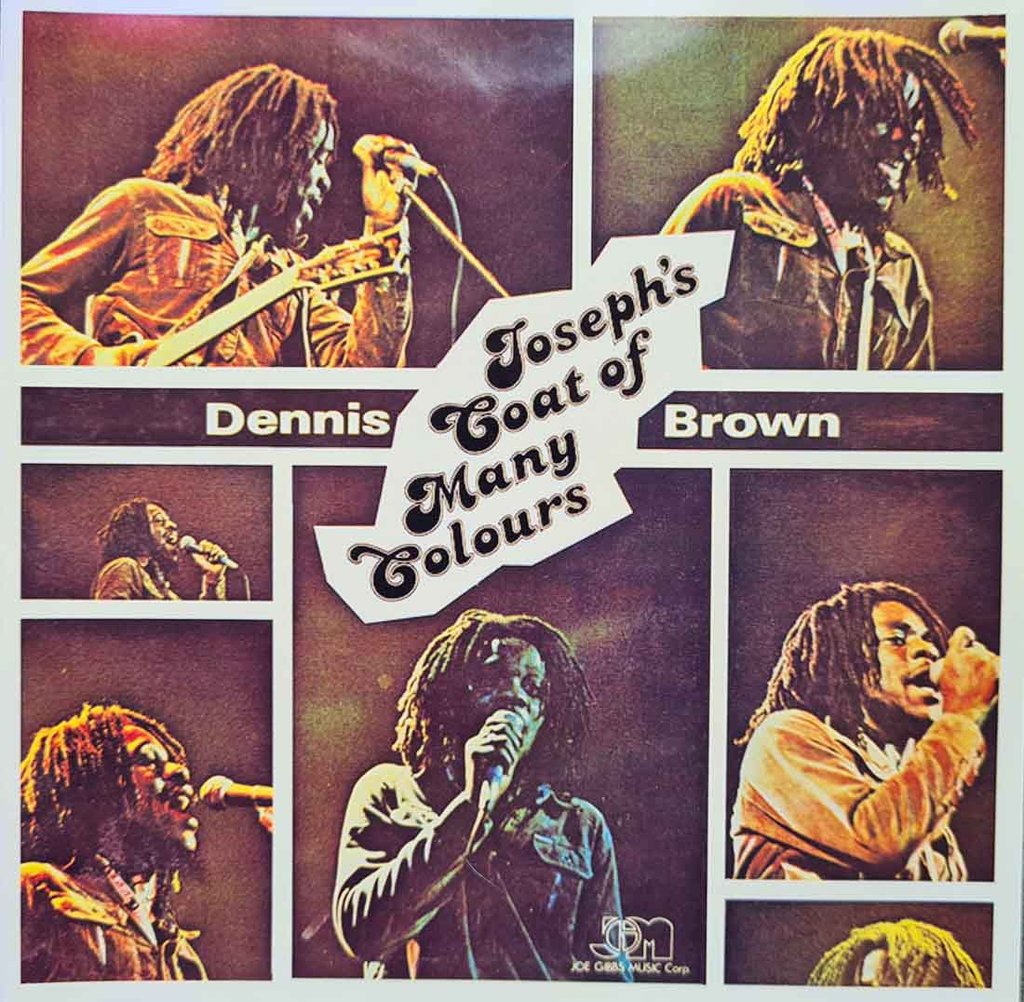
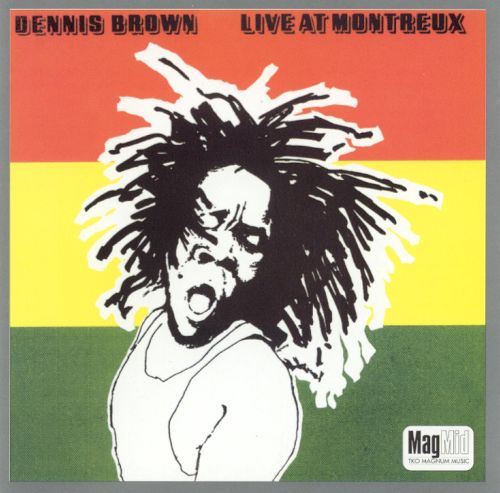
Dennis Brown
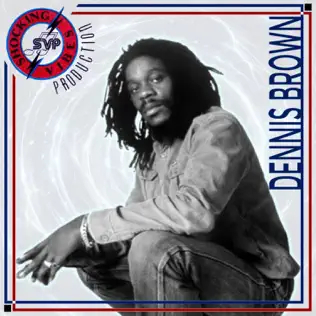
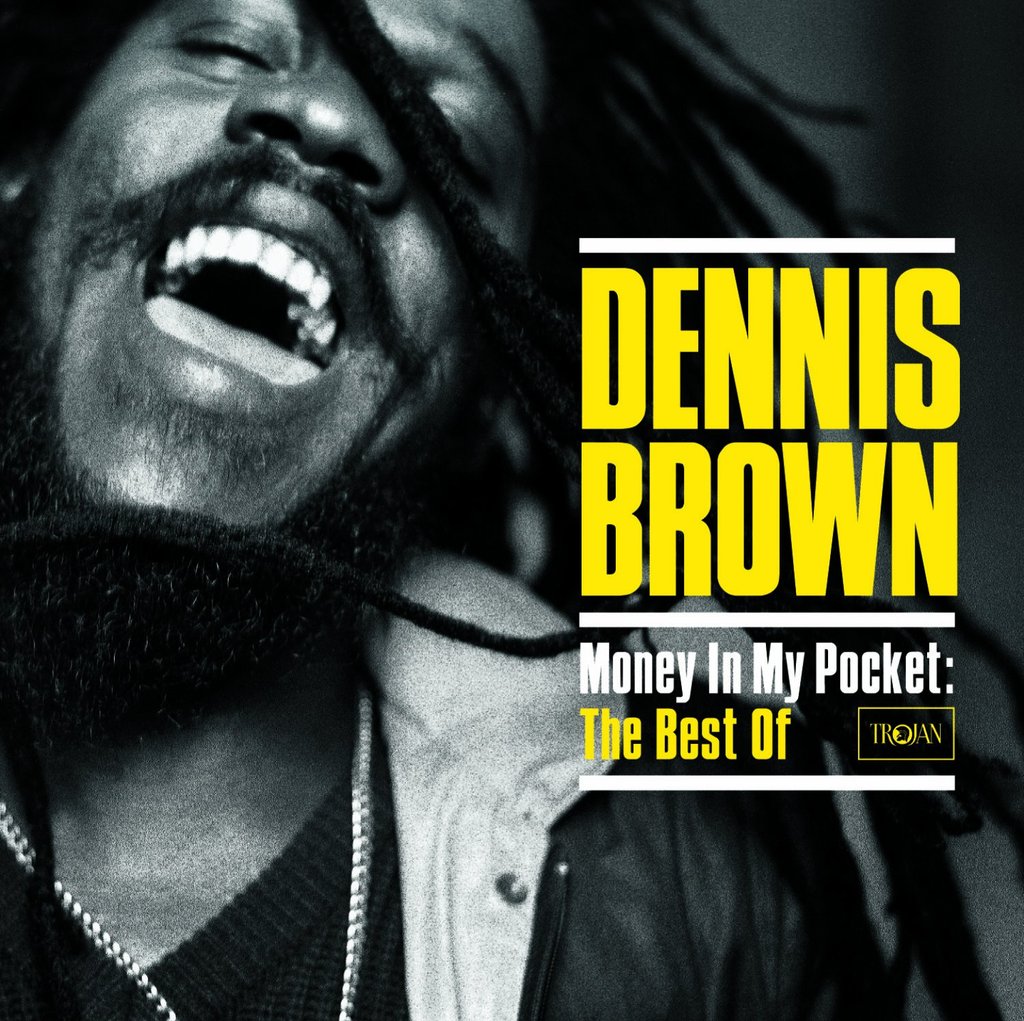
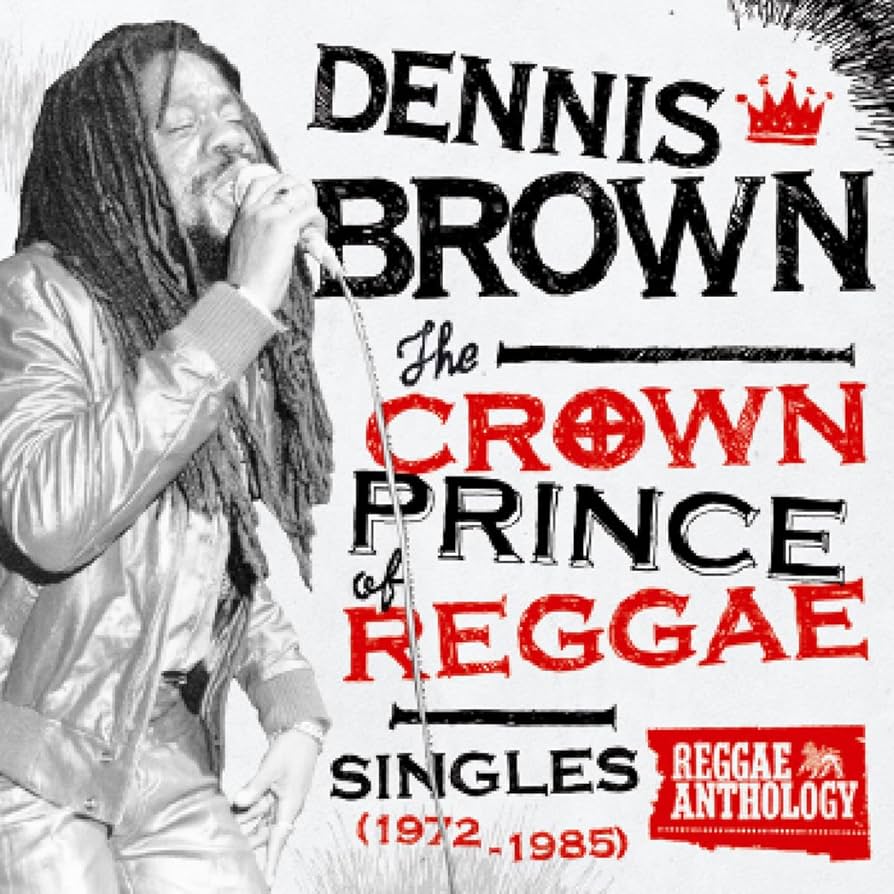
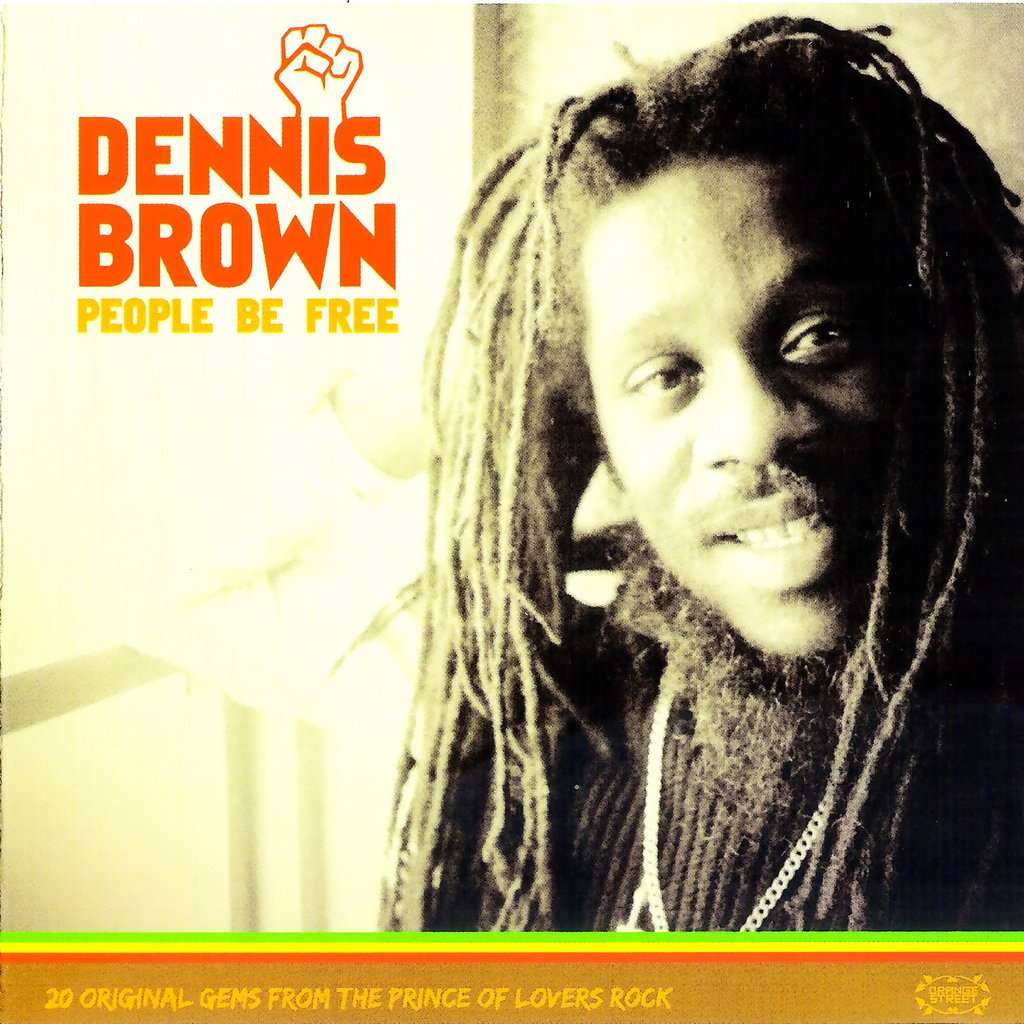
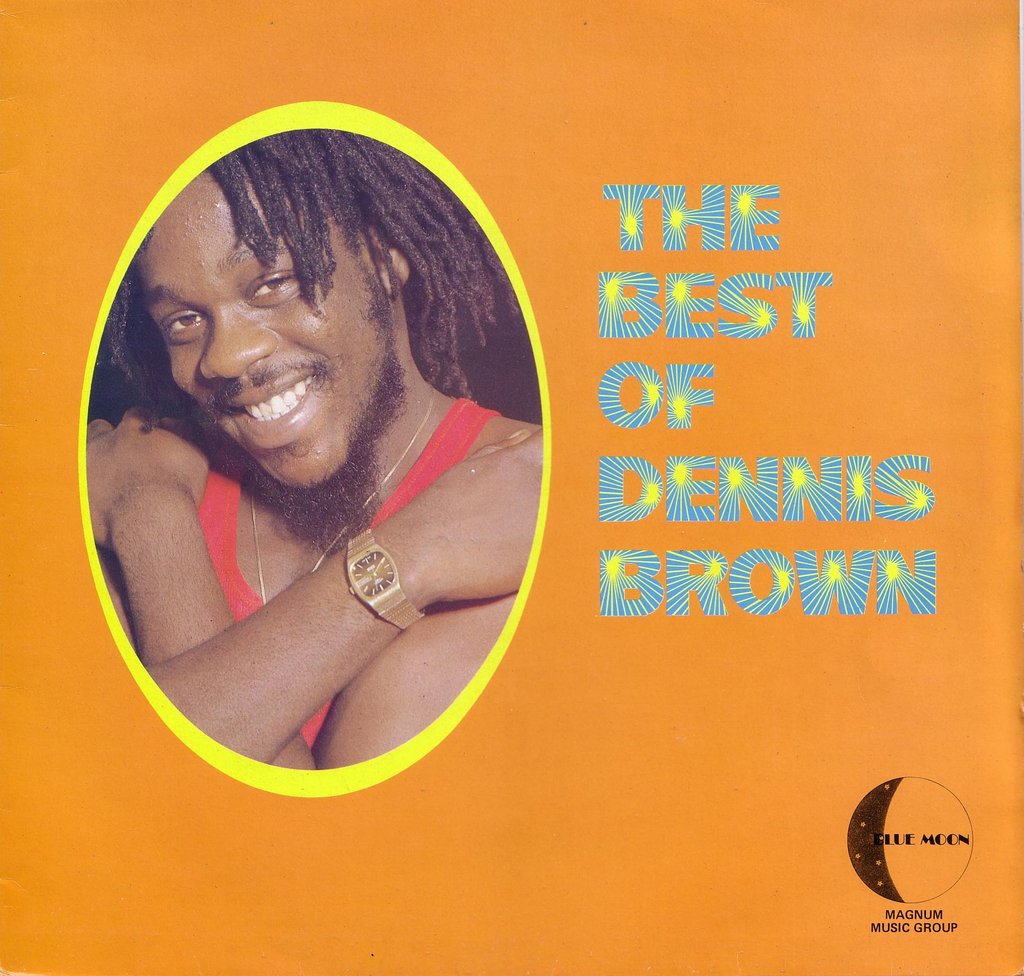
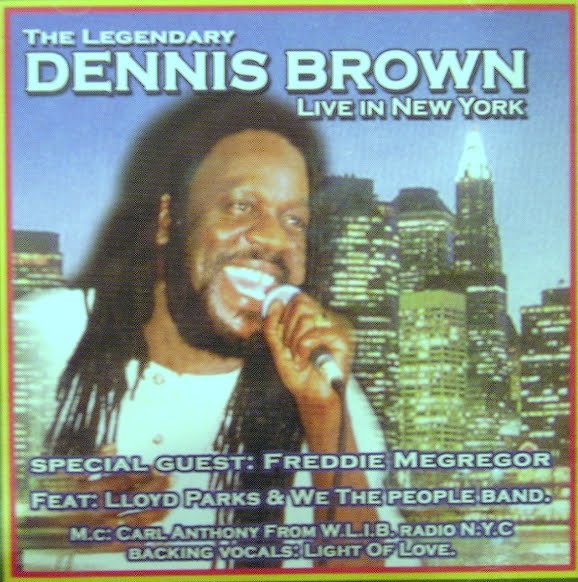
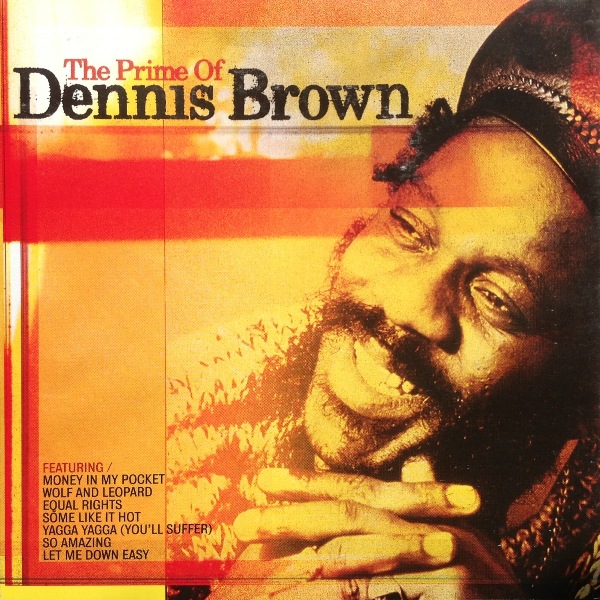
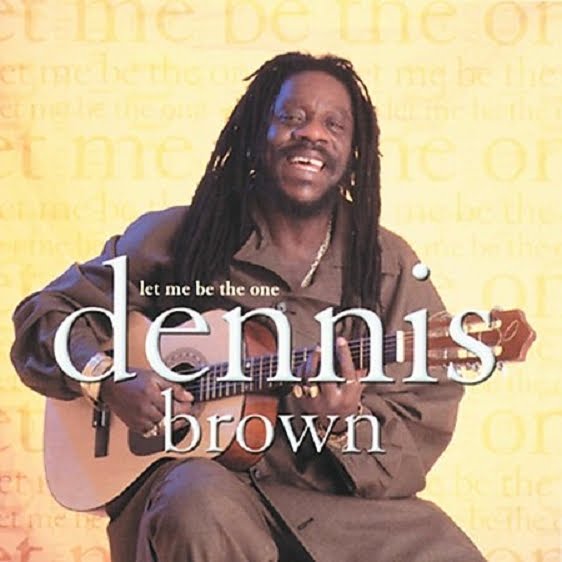
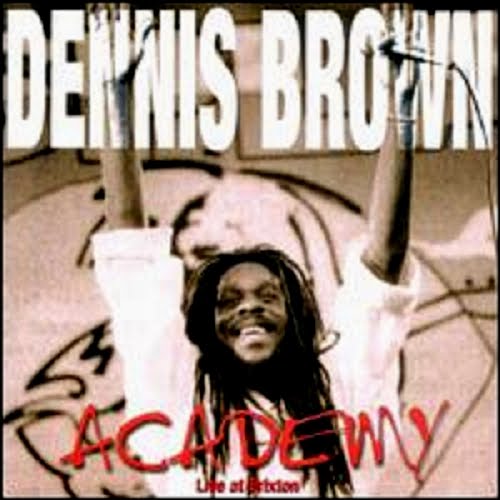
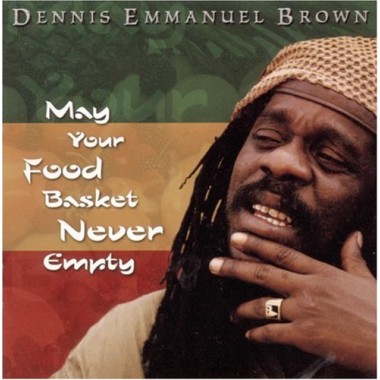
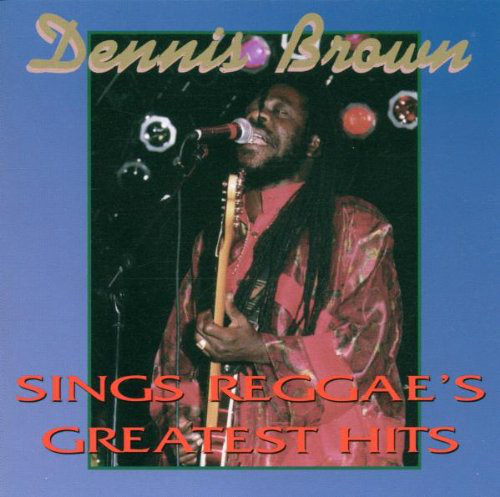
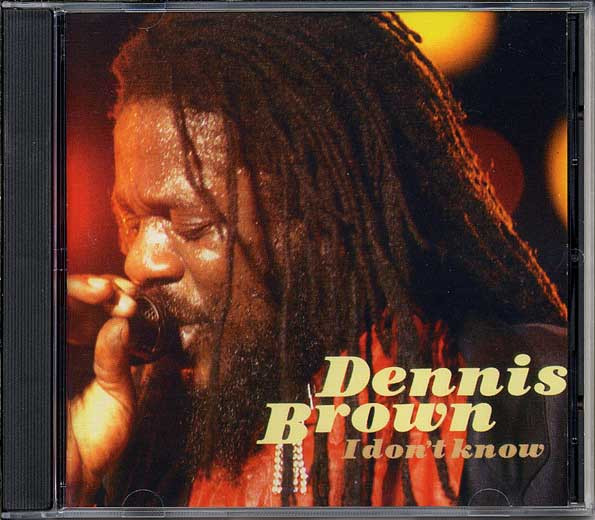
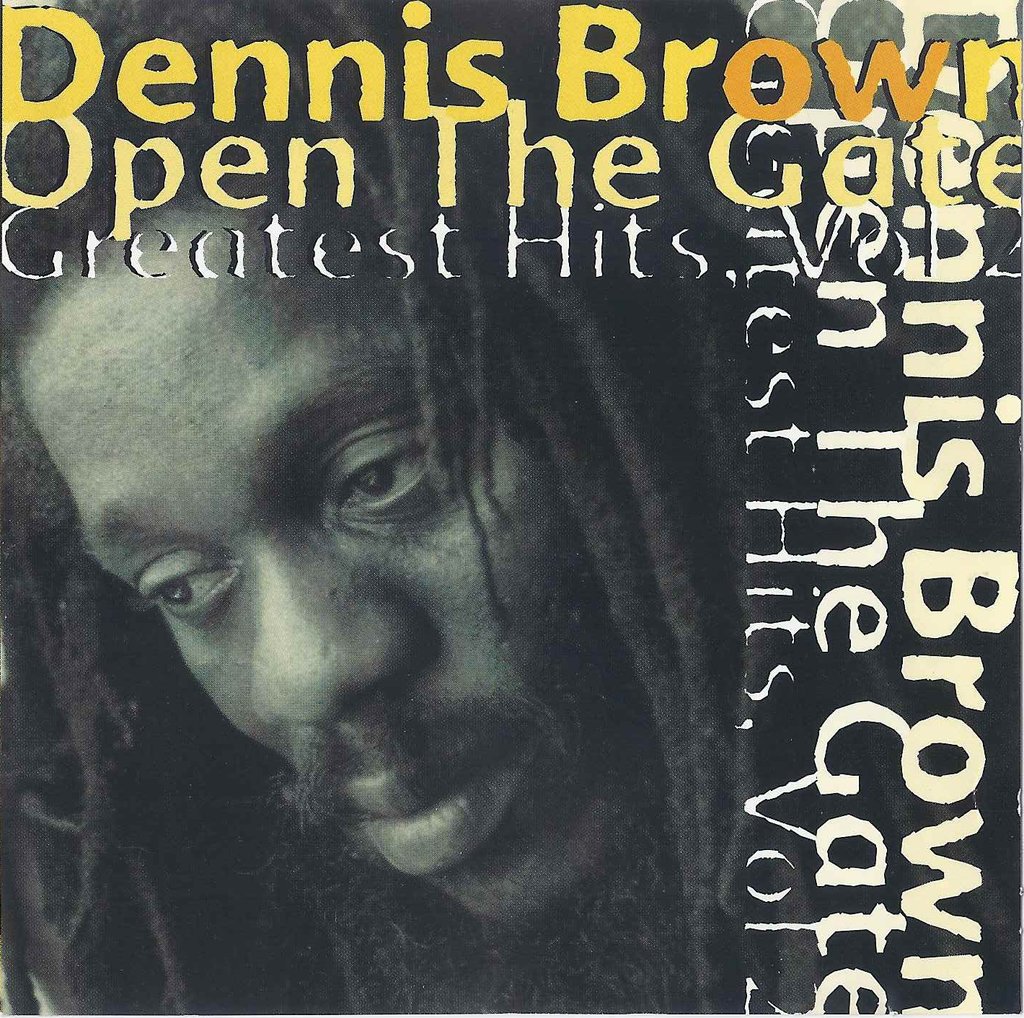
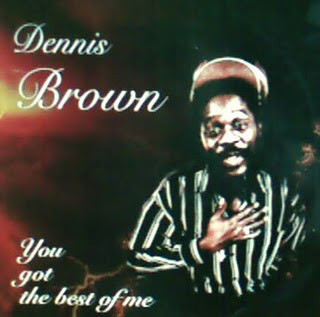
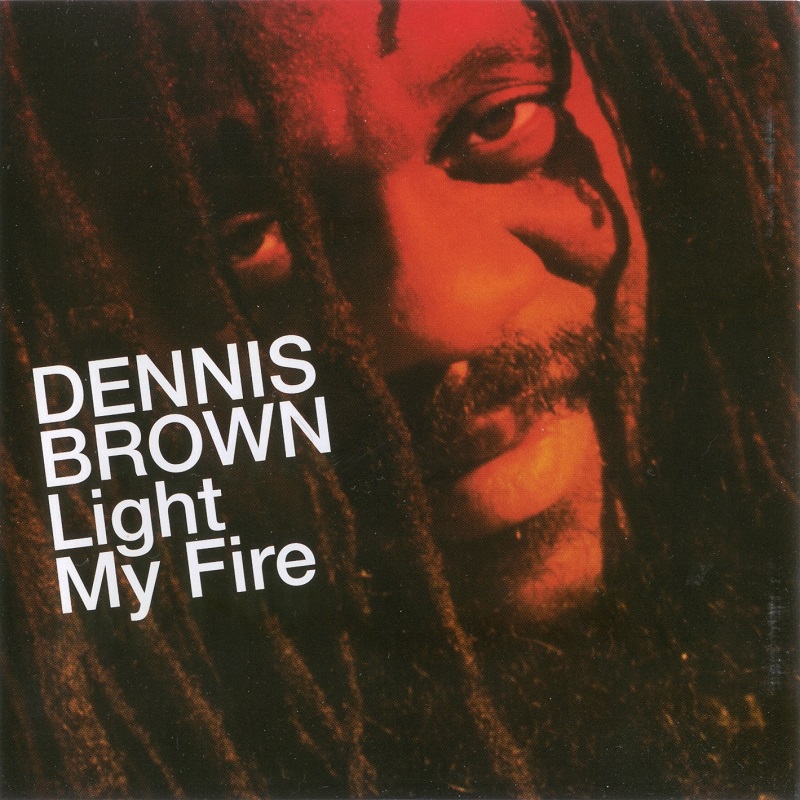
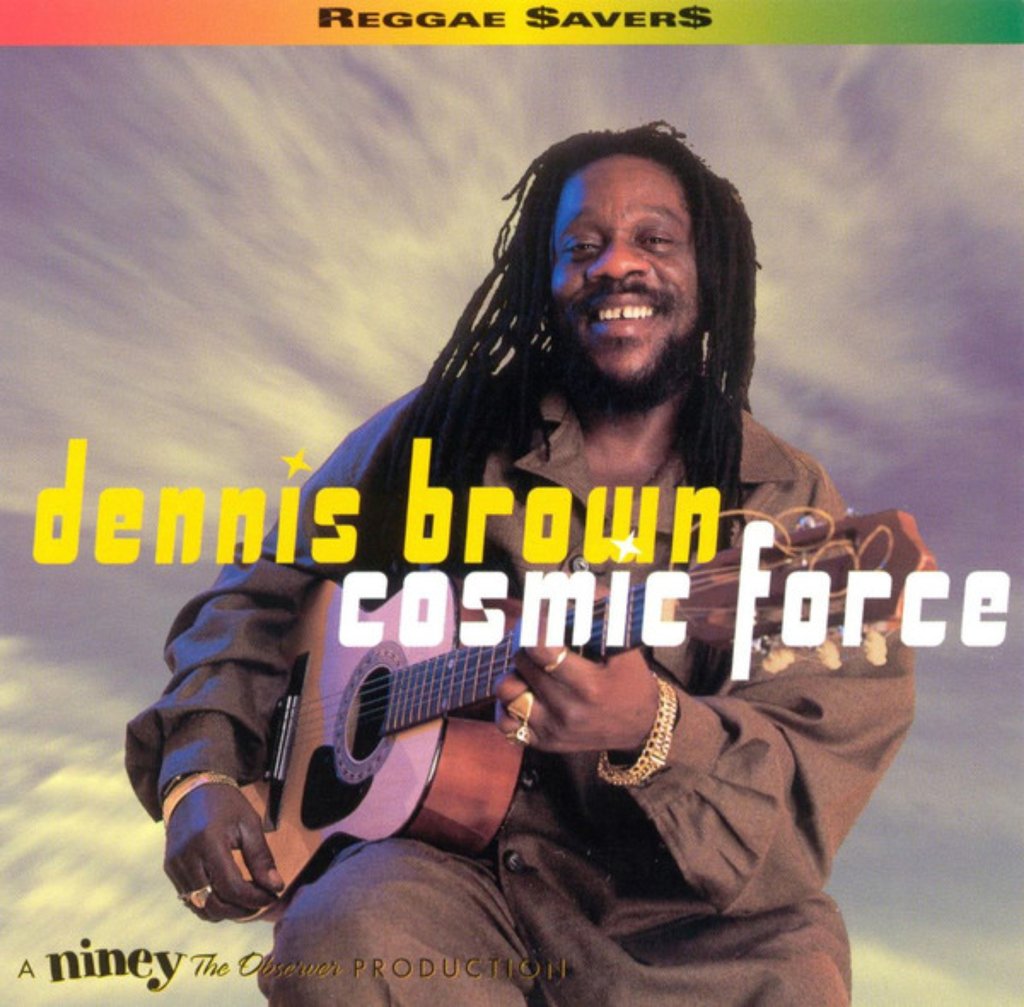
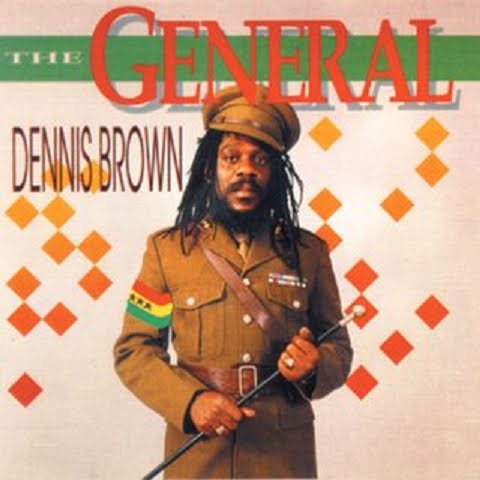
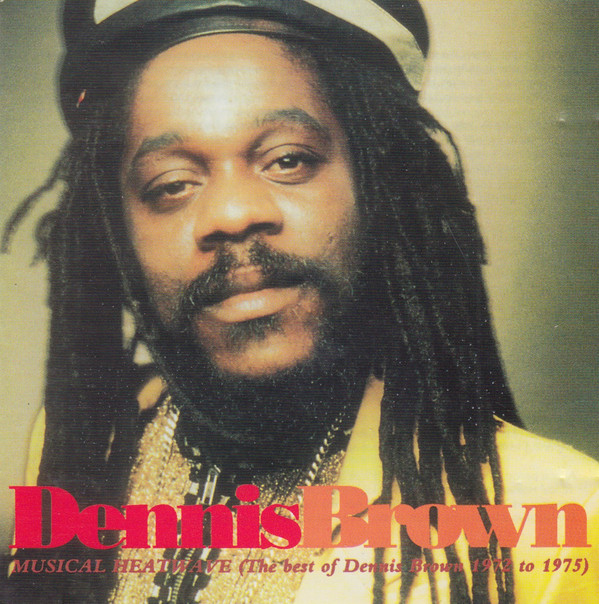
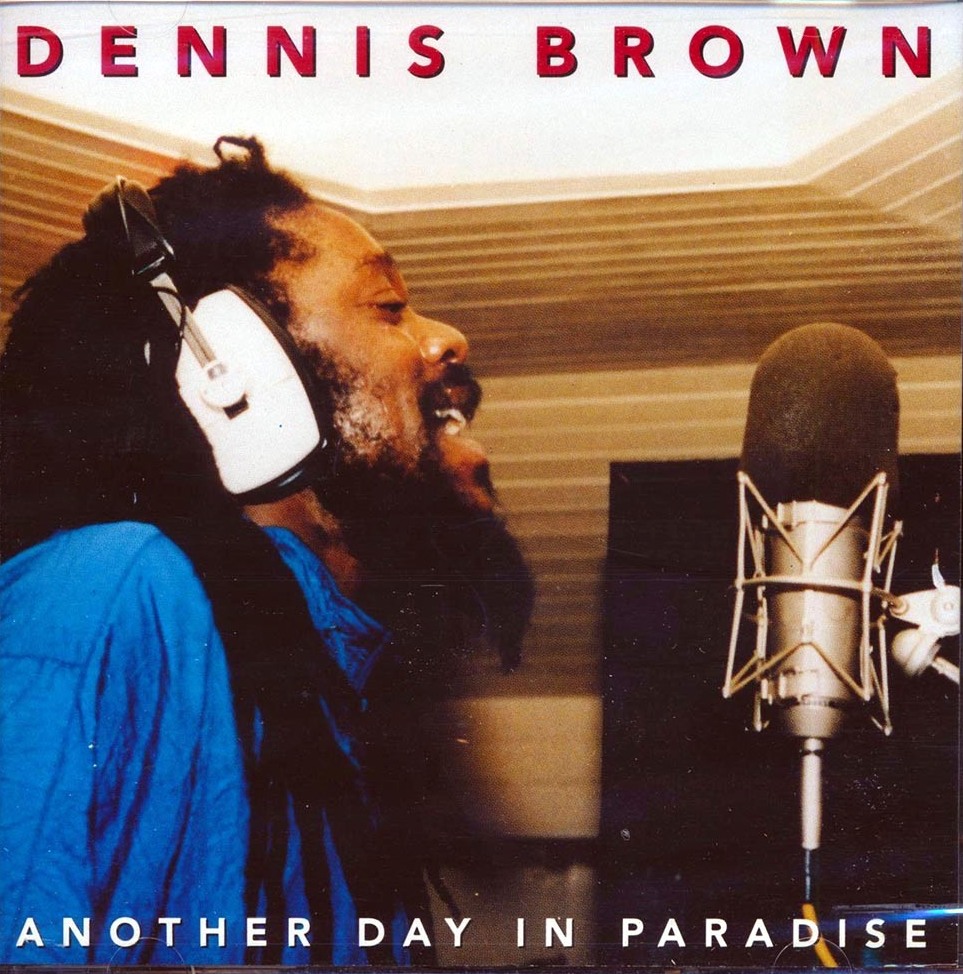
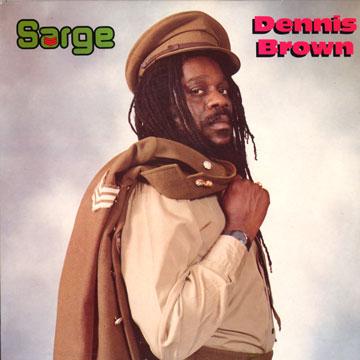
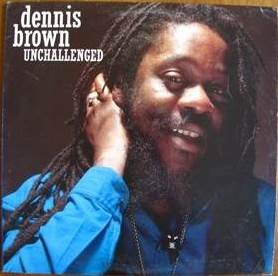
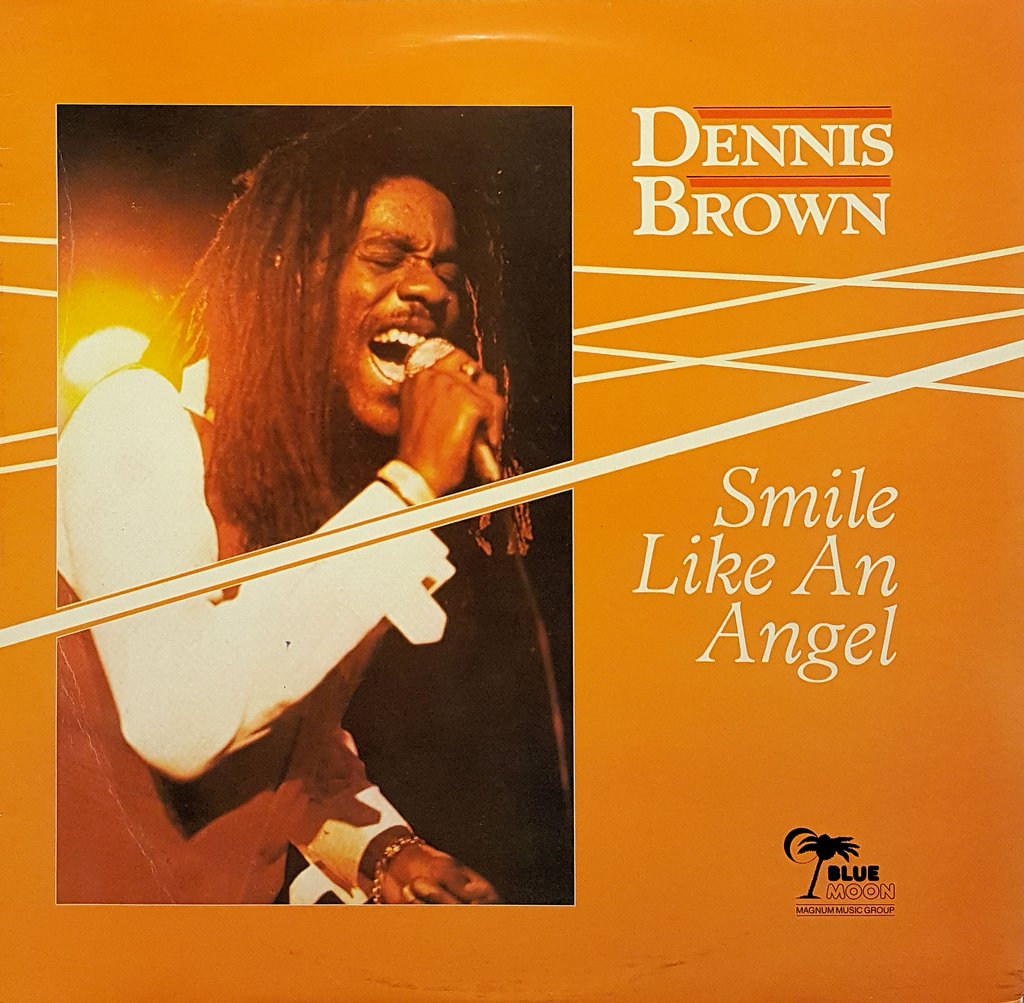
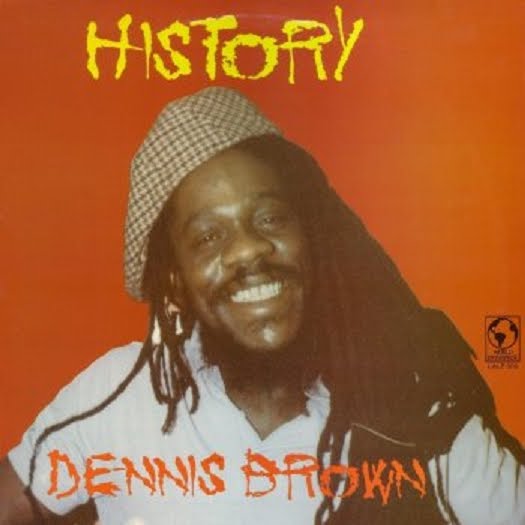
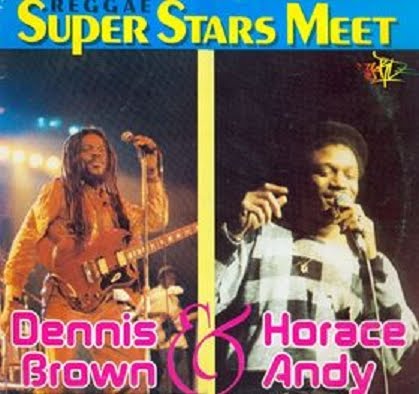
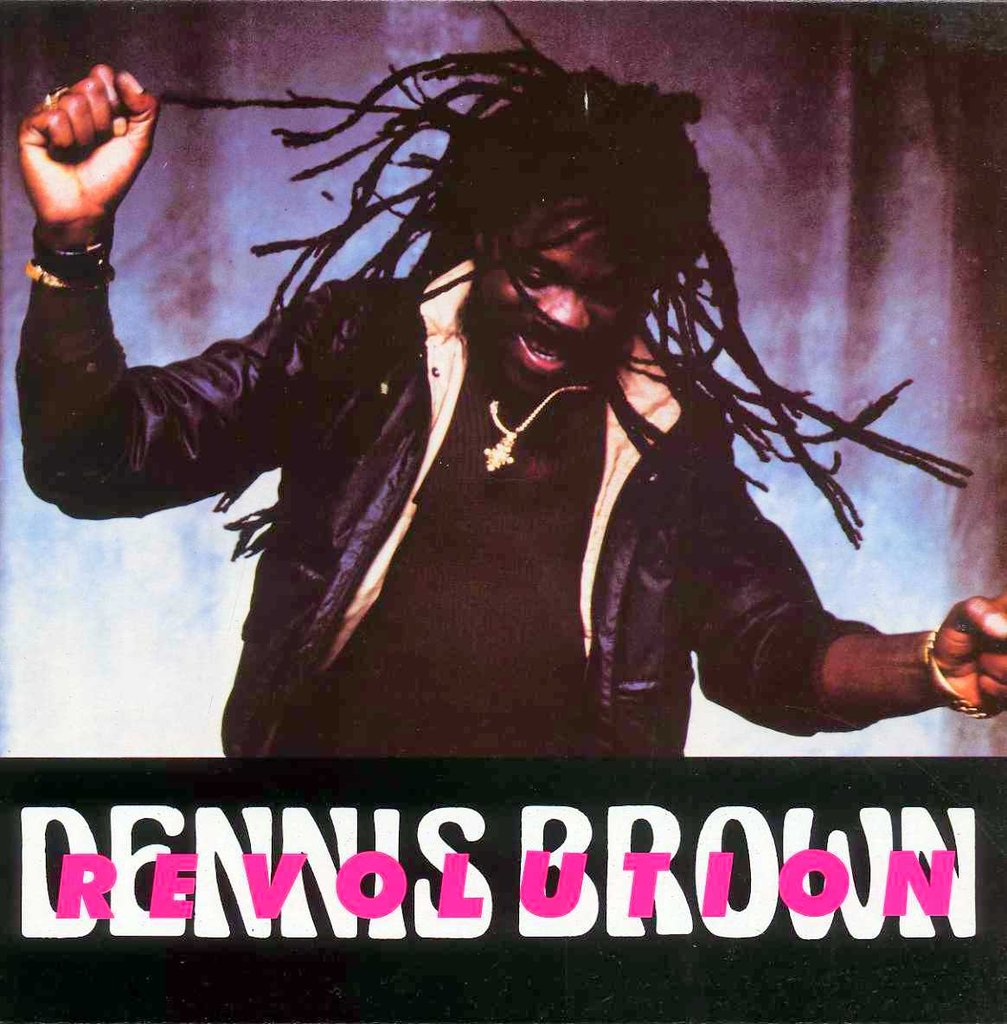
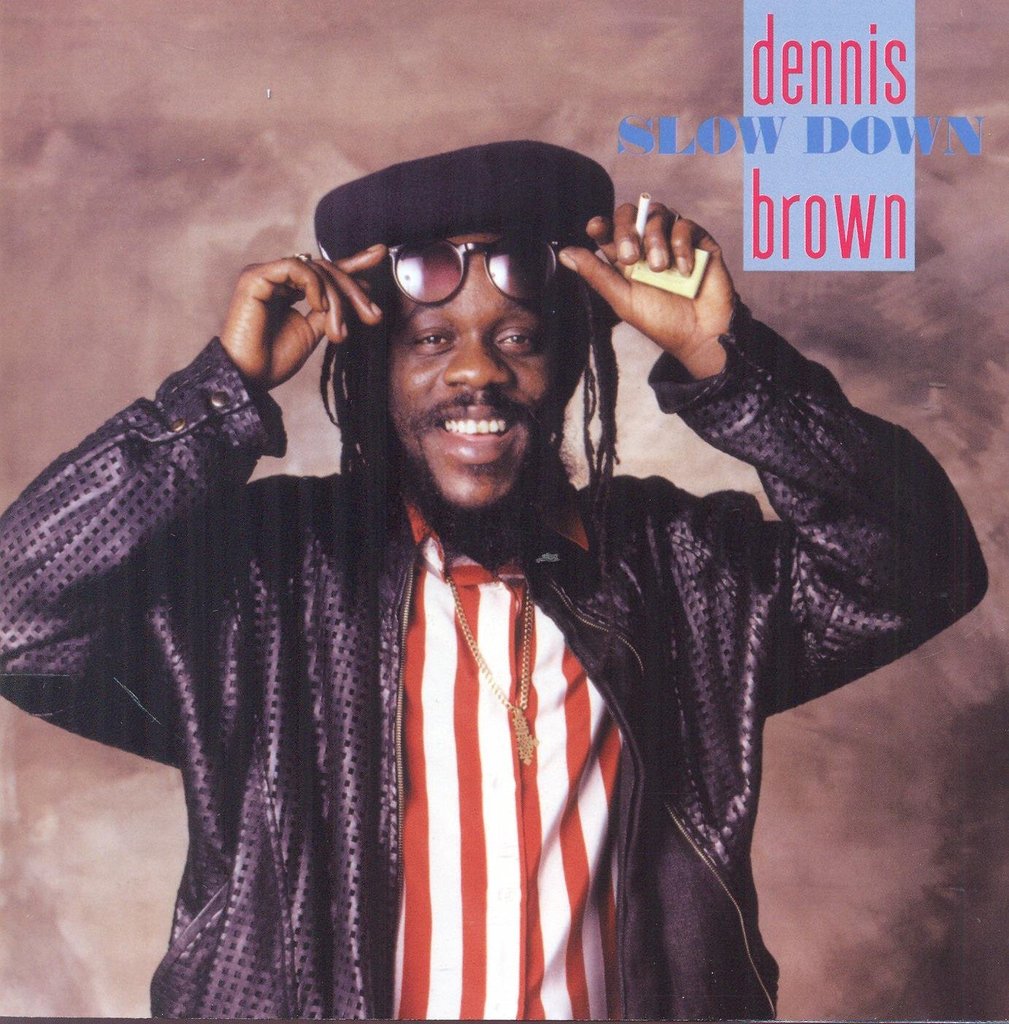
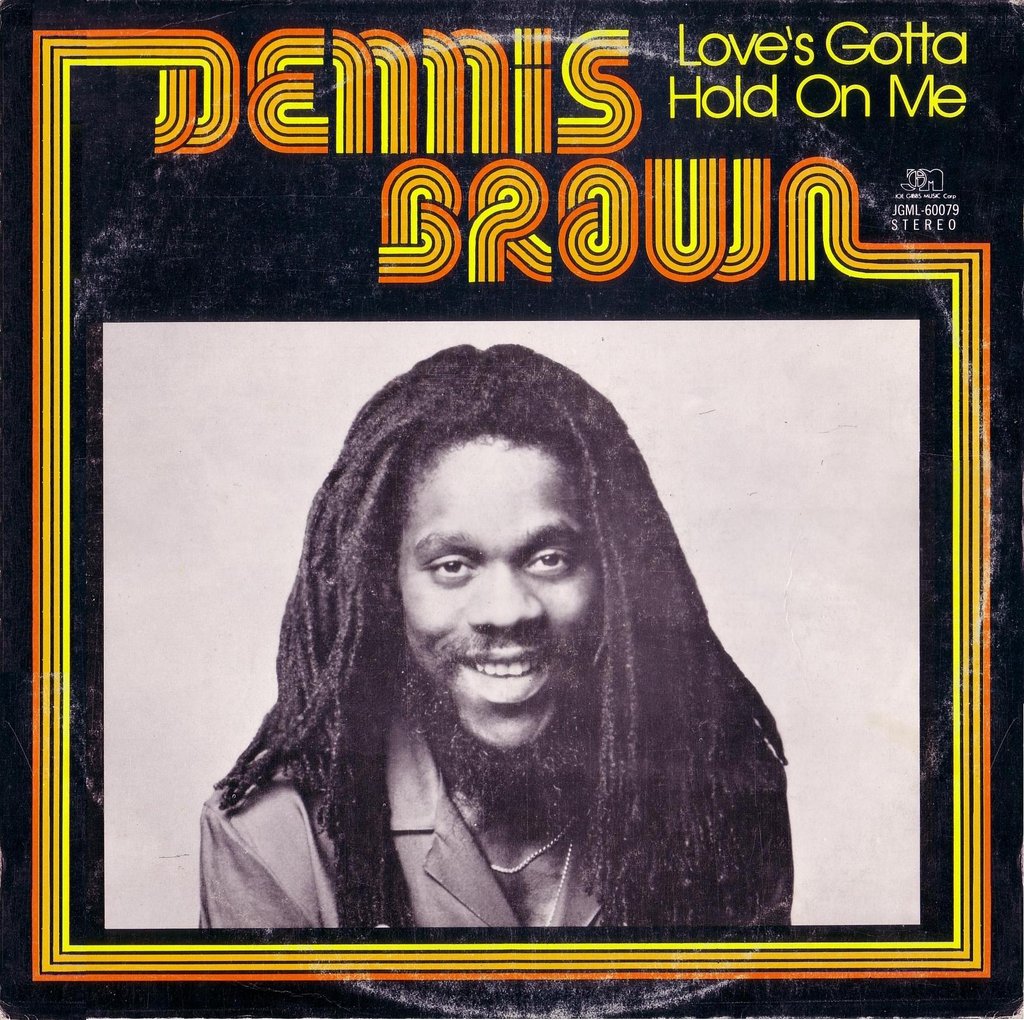
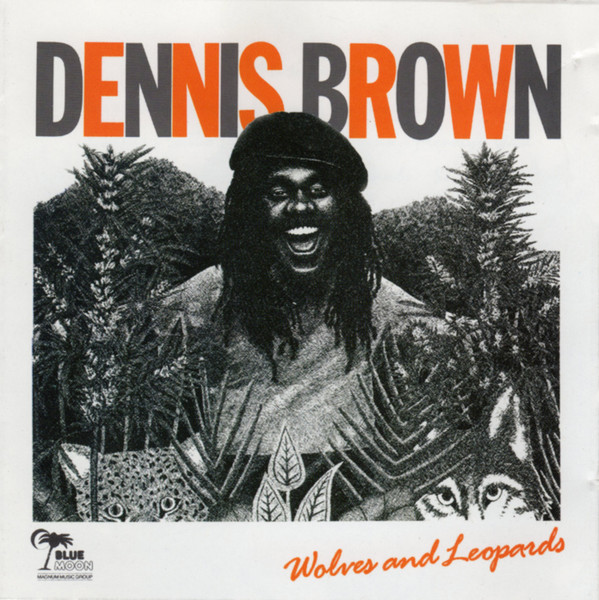
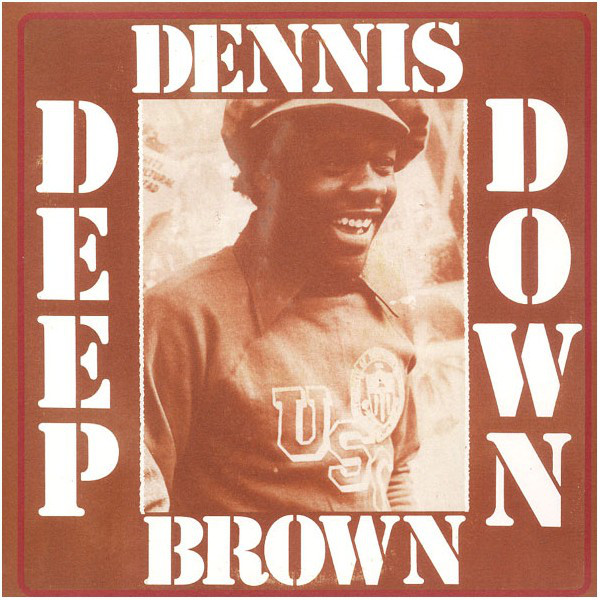
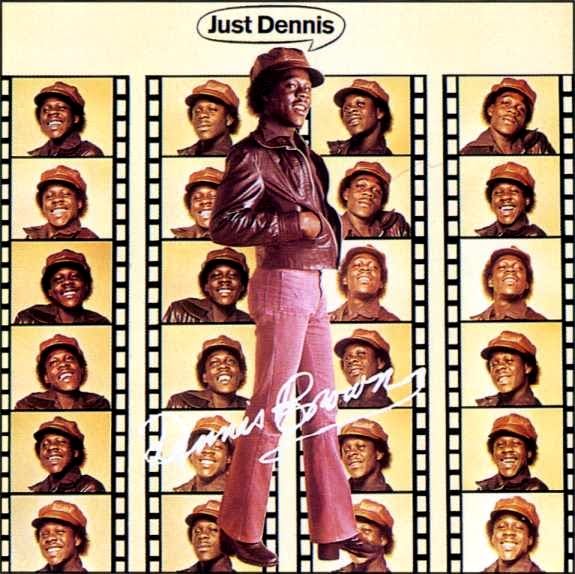
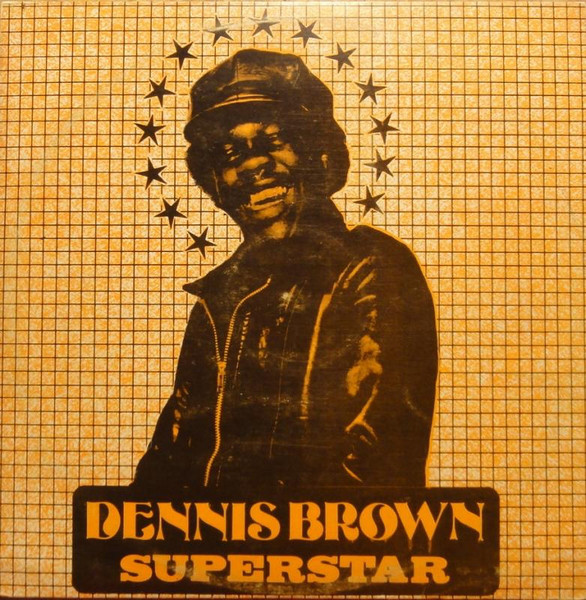
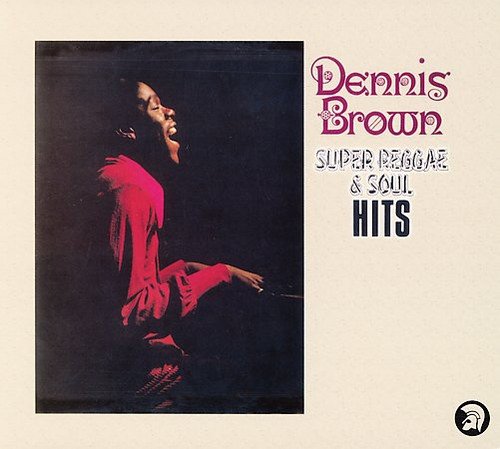
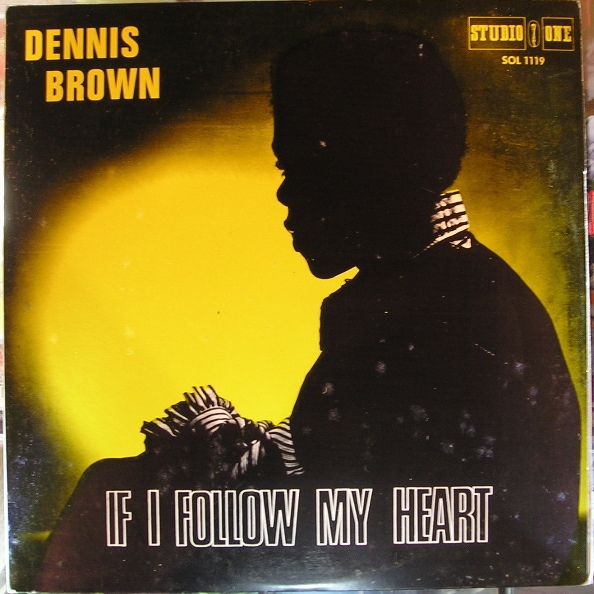
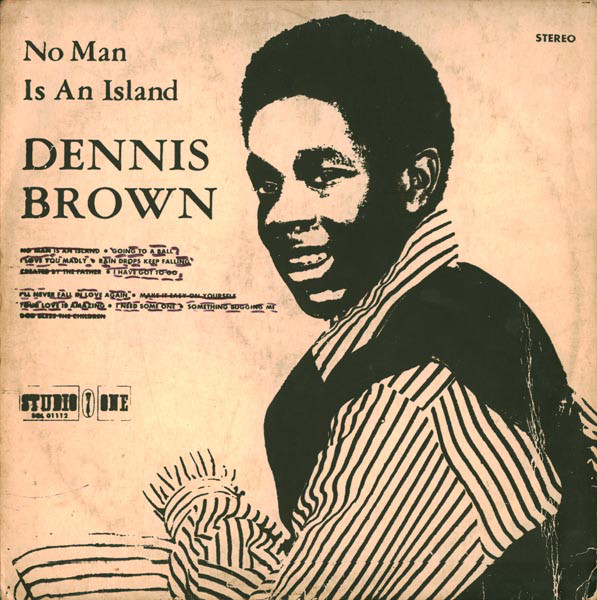
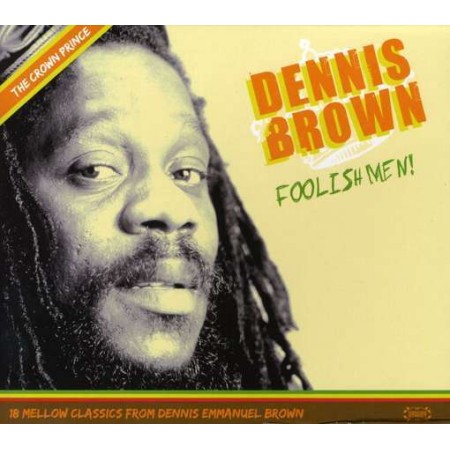
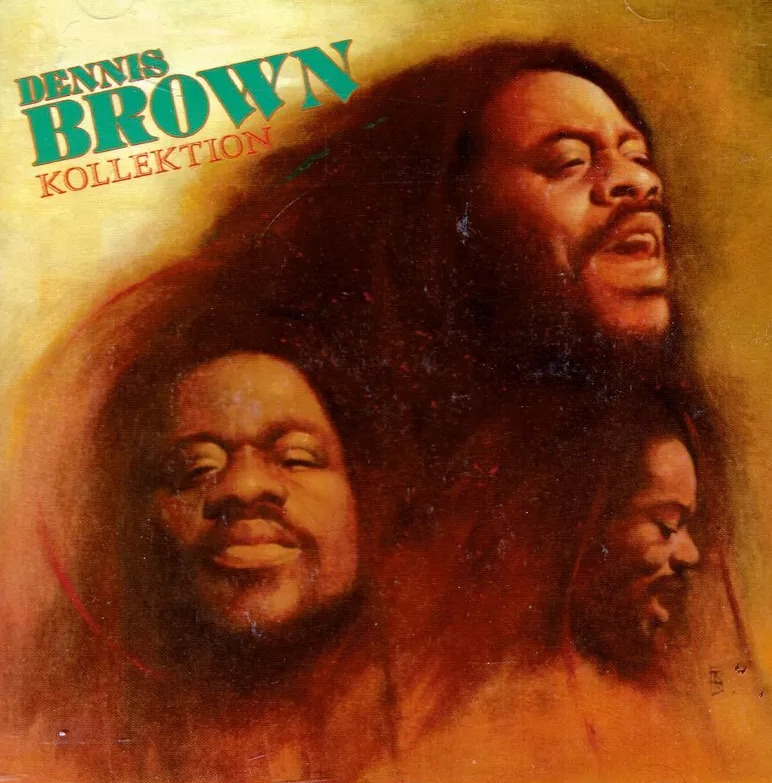
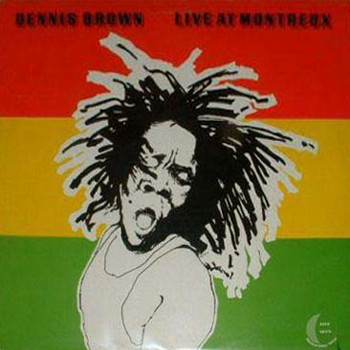
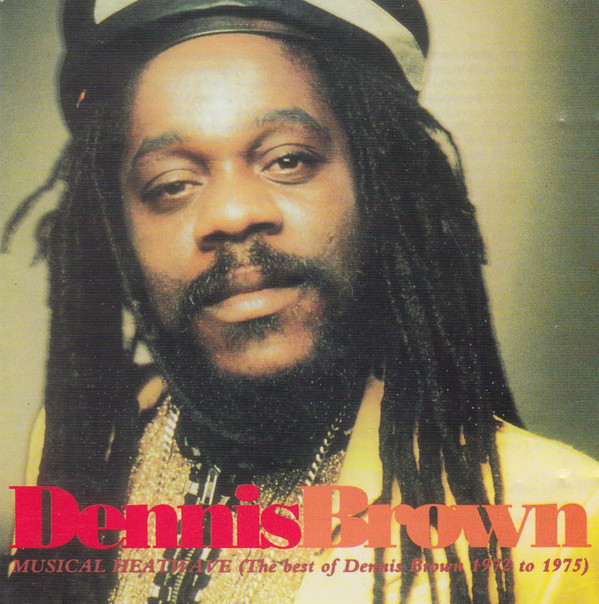
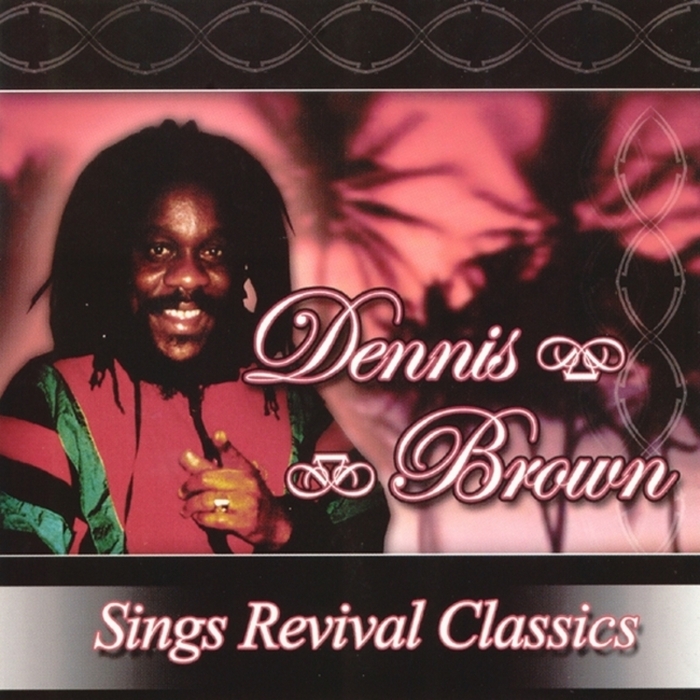
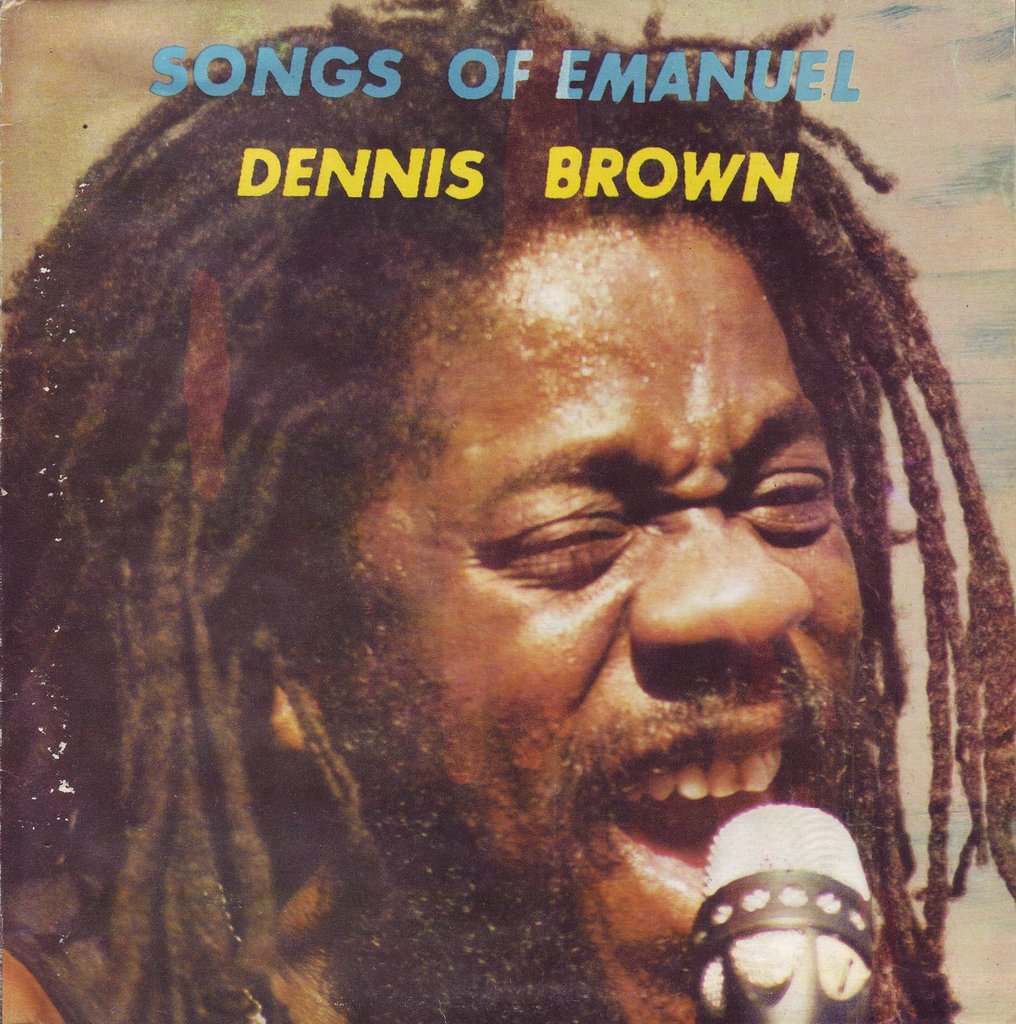
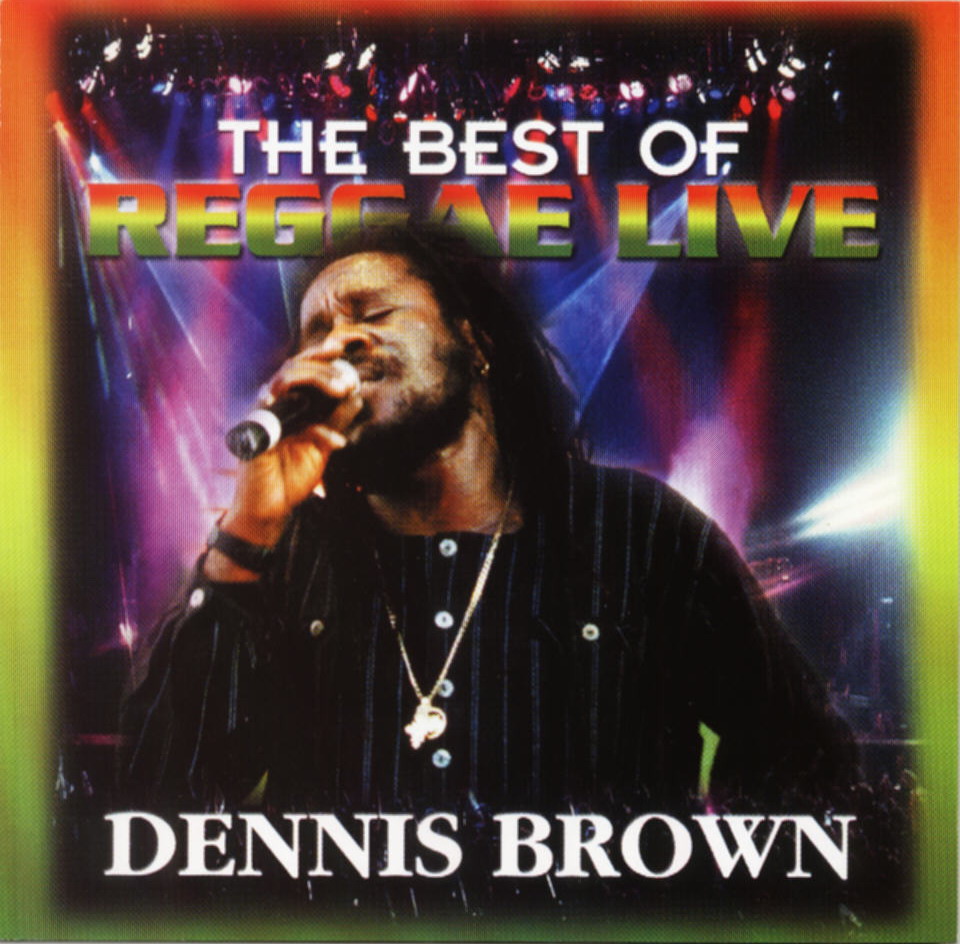
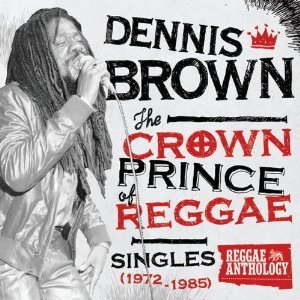
In 1968, at Studio One on Brentford Road in Kingston, a twelve-year-old boy recorded two albums over the course of two days, emerging as a remarkable prodigy. His name: Dennis Brown. His first albums, No Man Is an Island and If I Follow My Heart, were not released — Dennis was too young to collect the rights. But the legend began: once he turned sixteen, he would become the Crown Prince of reggae, the one whom Bob Marley himself called the best reggae singer in the world.
In Brief
| Full Name | Dennis Emmanuel Brown |
| Birth | February 1, 1957, Kingston, Jamaica |
| Death | July 1, 1999 (42 years), Kingston, Jamaica |
| Field | Singer and songwriter — reggae, lovers rock |
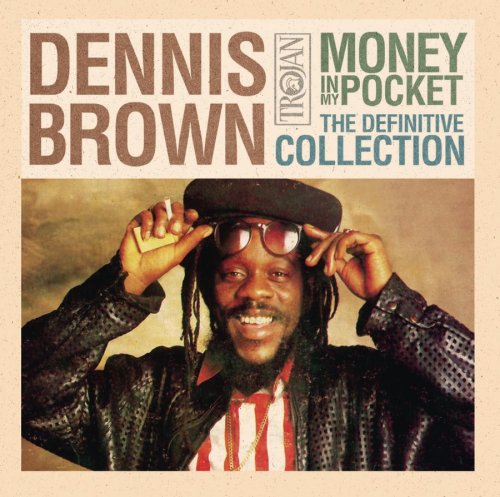
| Notable Works | “Money in My Pocket”, Visions of Dennis Brown, “Here I Come” |
| Honours | Order of Distinction (Commander Class, posthumous); first British Top 40 reggae act |
Key Dates
| Year | Event |
|---|---|
| 1968 | At age twelve, recorded No Man Is an Island and If I Follow My Heart at Studio One |
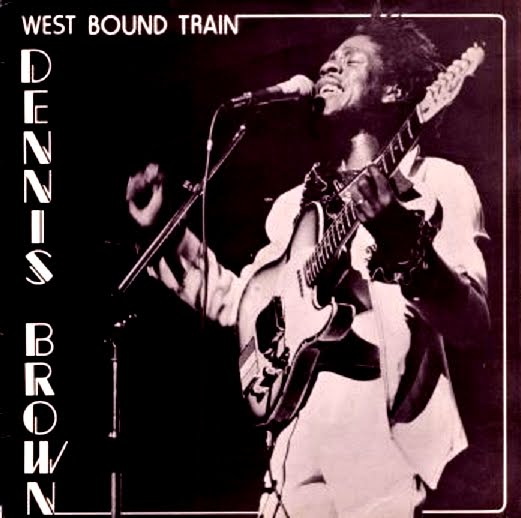
| 1973 | “Westbound Train”, biggest summer hit in Jamaica; voted best male vocalist by Swing magazine |
| 1977-1978 | Visions of Dennis Brown, album of the year by Melody Maker and Black Echoes; “Here I Come” becomes his anthem |
| 1978-1979 | “Money in My Pocket” reaches number 14 on the British chart; featured on NME cover |
| 1978 | First reggae act to reach British Top 40; performed at the One Love Peace Concert in Kingston |
From Studio One to Crown Prince of Reggae
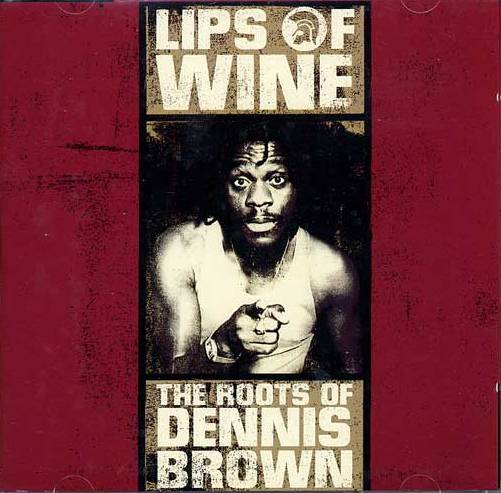
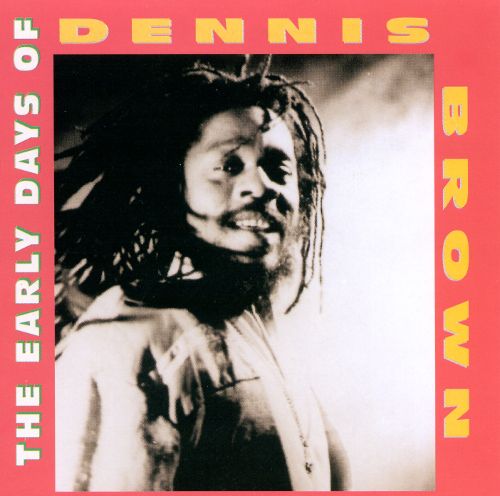
Dennis Emmanuel Brown was born on February 1, 1957, at the Victoria Jubilee Hospital in Kingston. His father Arthur was a screenwriter, actor, and journalist; he grew up in a large courtyard between North Street and King Street with his three older brothers and one sister. His mother died in the 1960s. By age nine, he sang at a year-end concert — his earliest influences were American balladeers Sam Cooke, Frank Sinatra, and Dean Martin. At eleven, he made his first professional appearance at the Tit for Tat club in West Kingston, singing with the resident band of the Fabulous Falcons. Drummer Byron Lee was so impressed that he booked him on the same billboards as American artists, where Dennis was billed as the “Boy Wonder”.
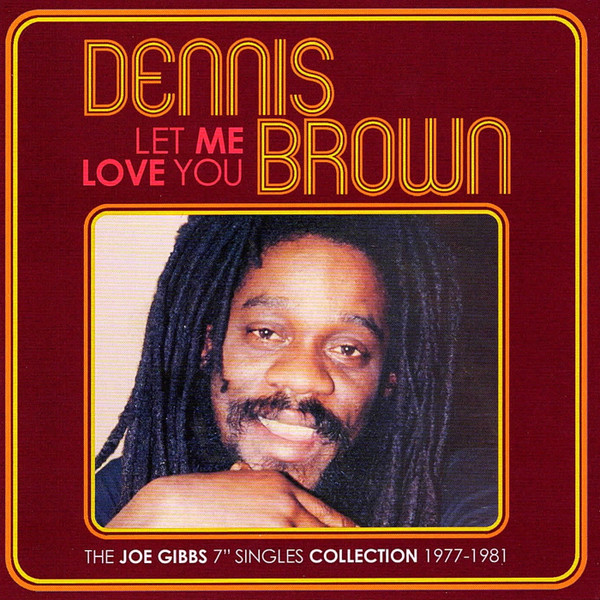
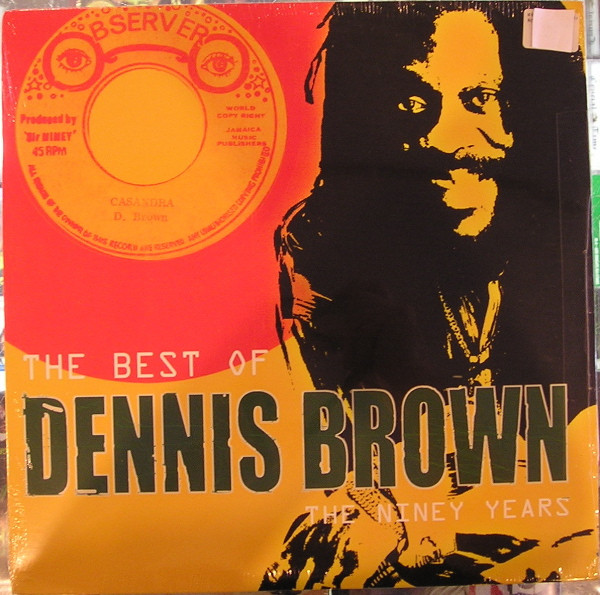
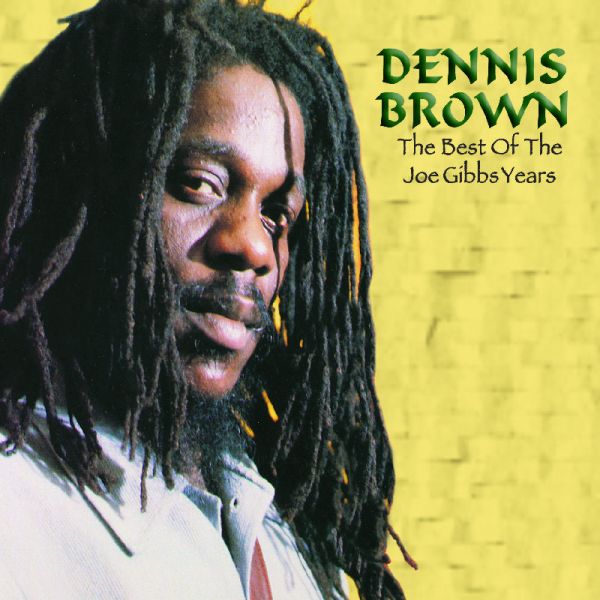
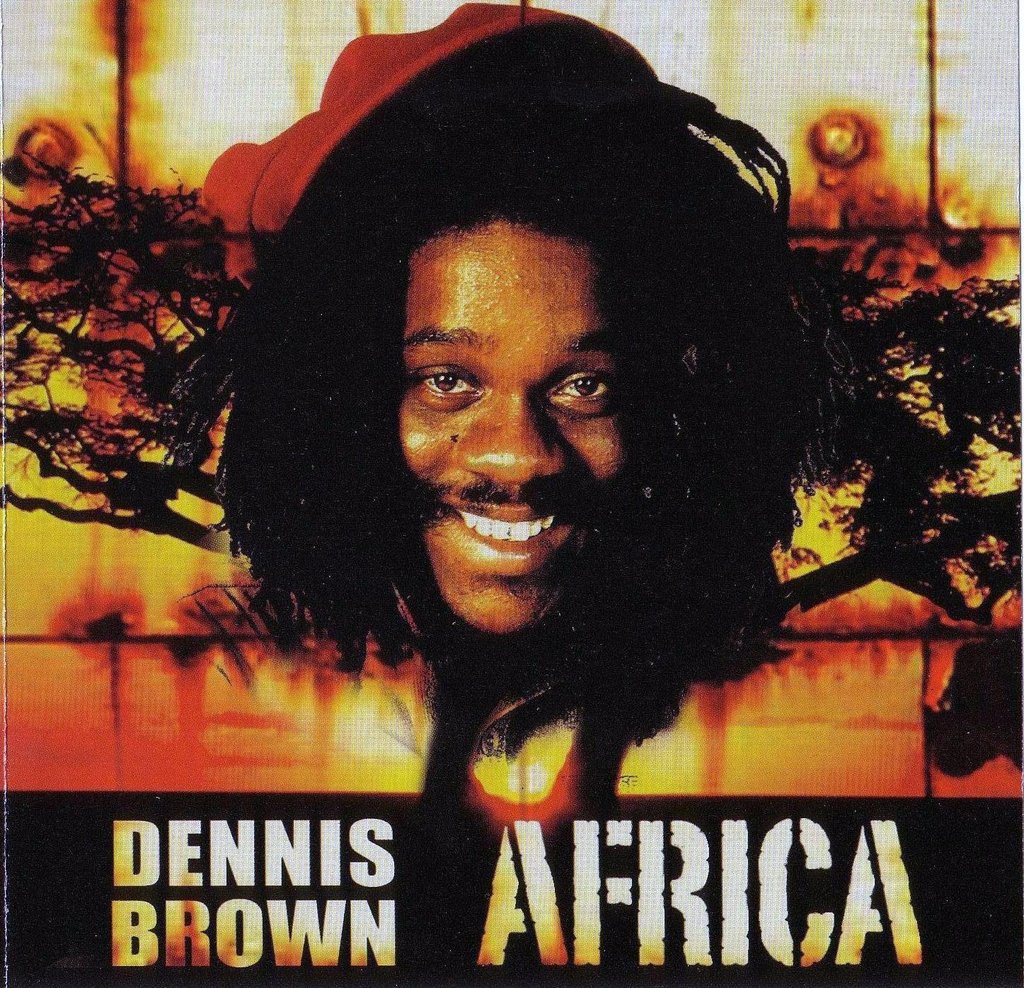
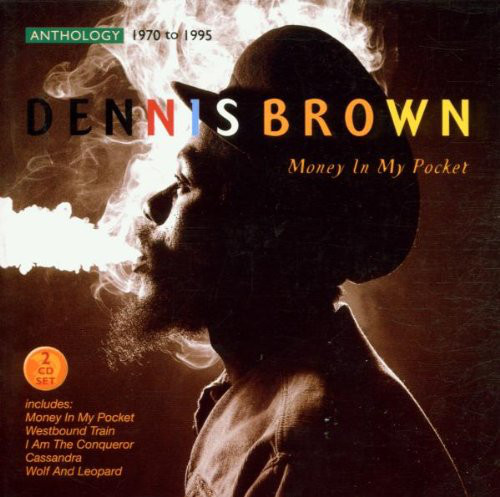
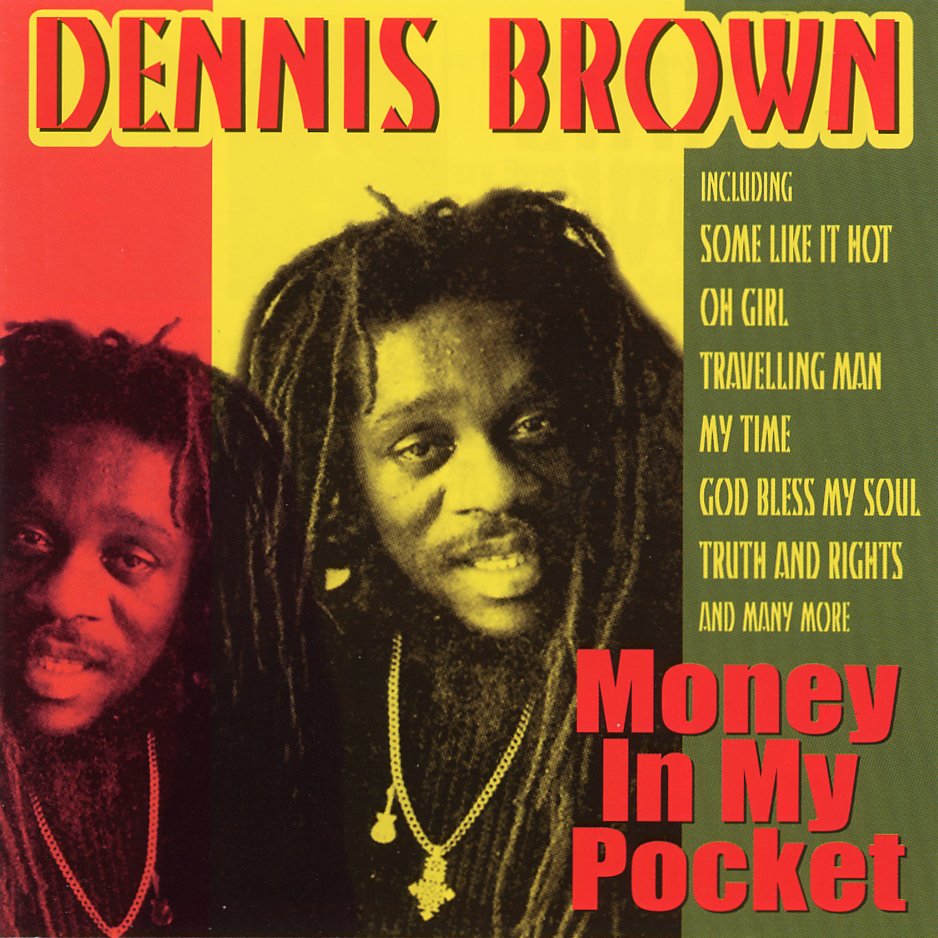
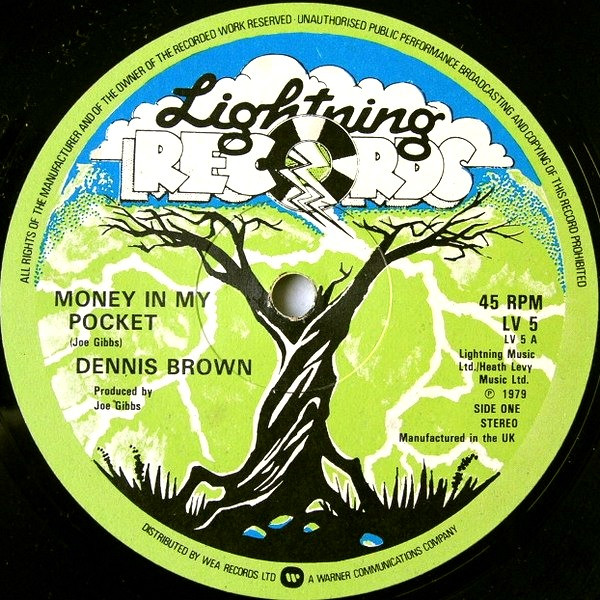
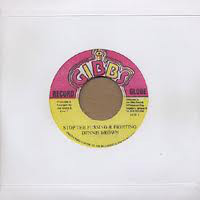
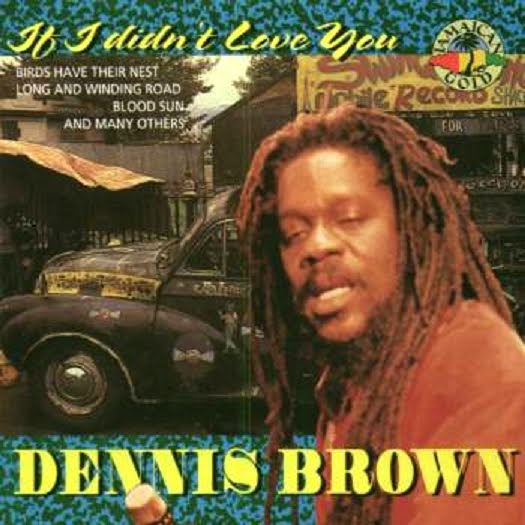
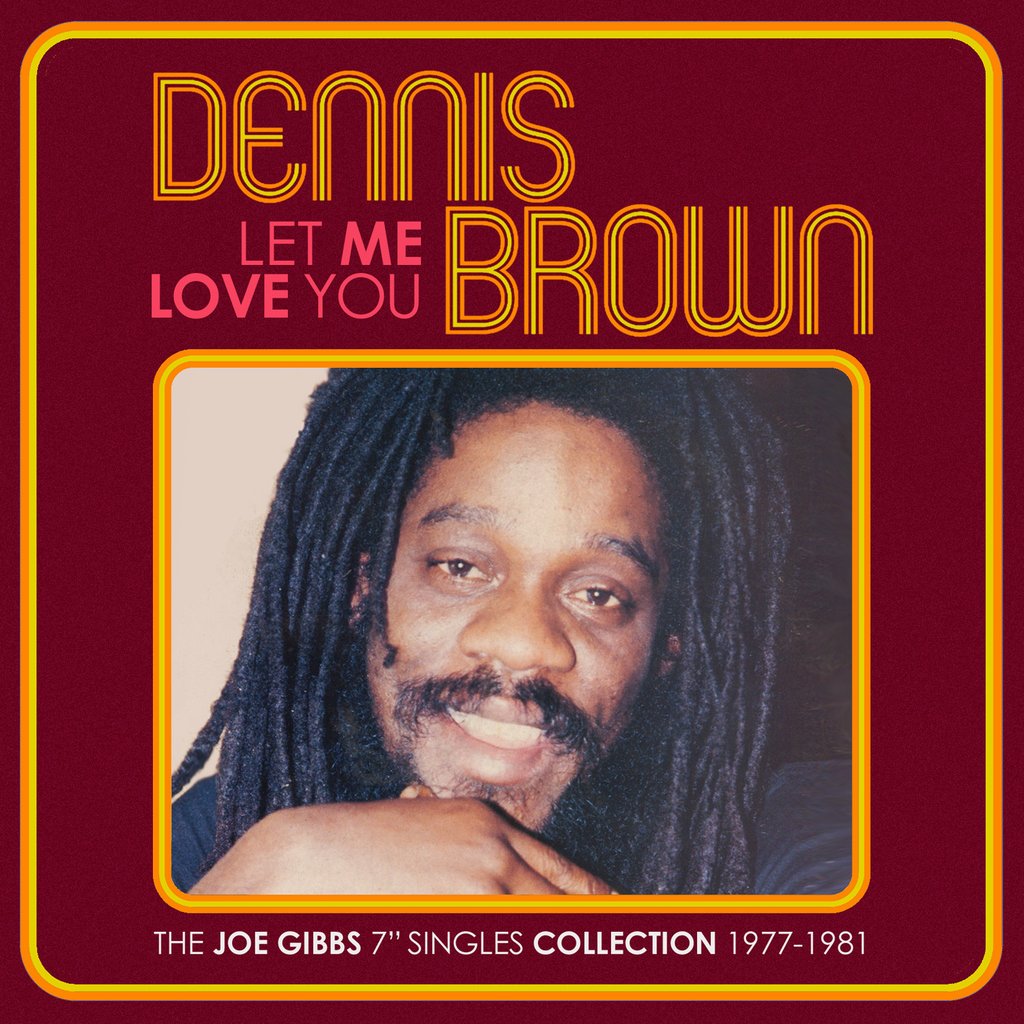
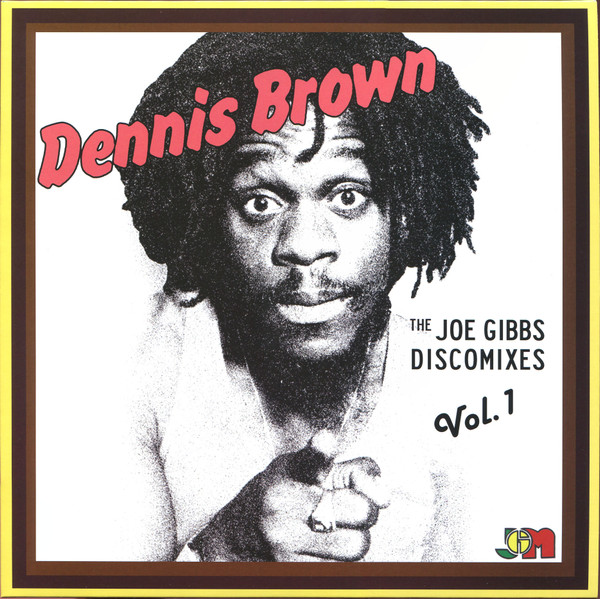
His first session at Coxsone Dodd’s Studio One resulted in two full albums, but Dennis had to wait until his voice matured before he could establish himself. In 1972, he took the next step when Joe Gibbs asked him to record an album. “Money in My Pocket”, produced by Winston “Niney” Holness, became a hit in the UK and a concert staple. He followed it with “Westbound Train”, Jamaica’s biggest summer hit of 1973, then “Cassandra” and “No More Will I Roam”. His Rastafarian tracks — Africa, Love Jah — entered the repertoire of London sound systems. The year 1973 also saw his first hospitalization, caused by overwork; rumors of a collapsed lung circulated in the press. He took a six-month break, focusing on his secondary education.
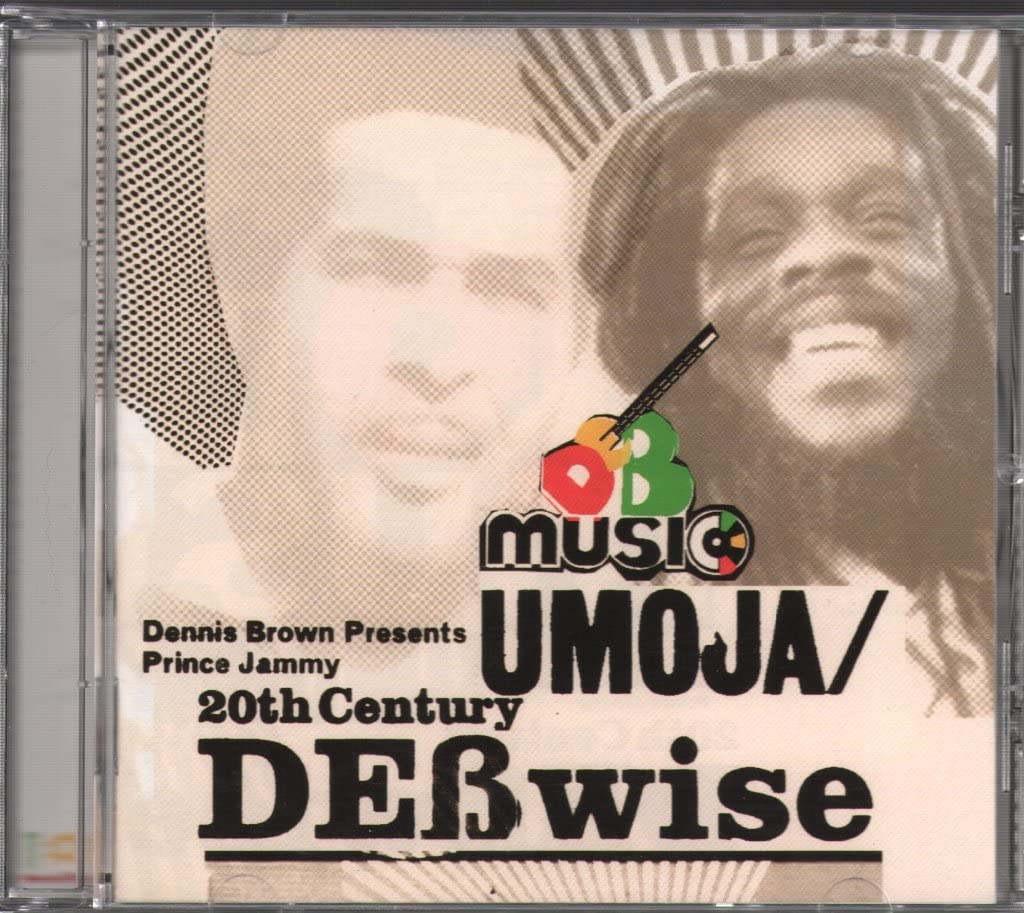
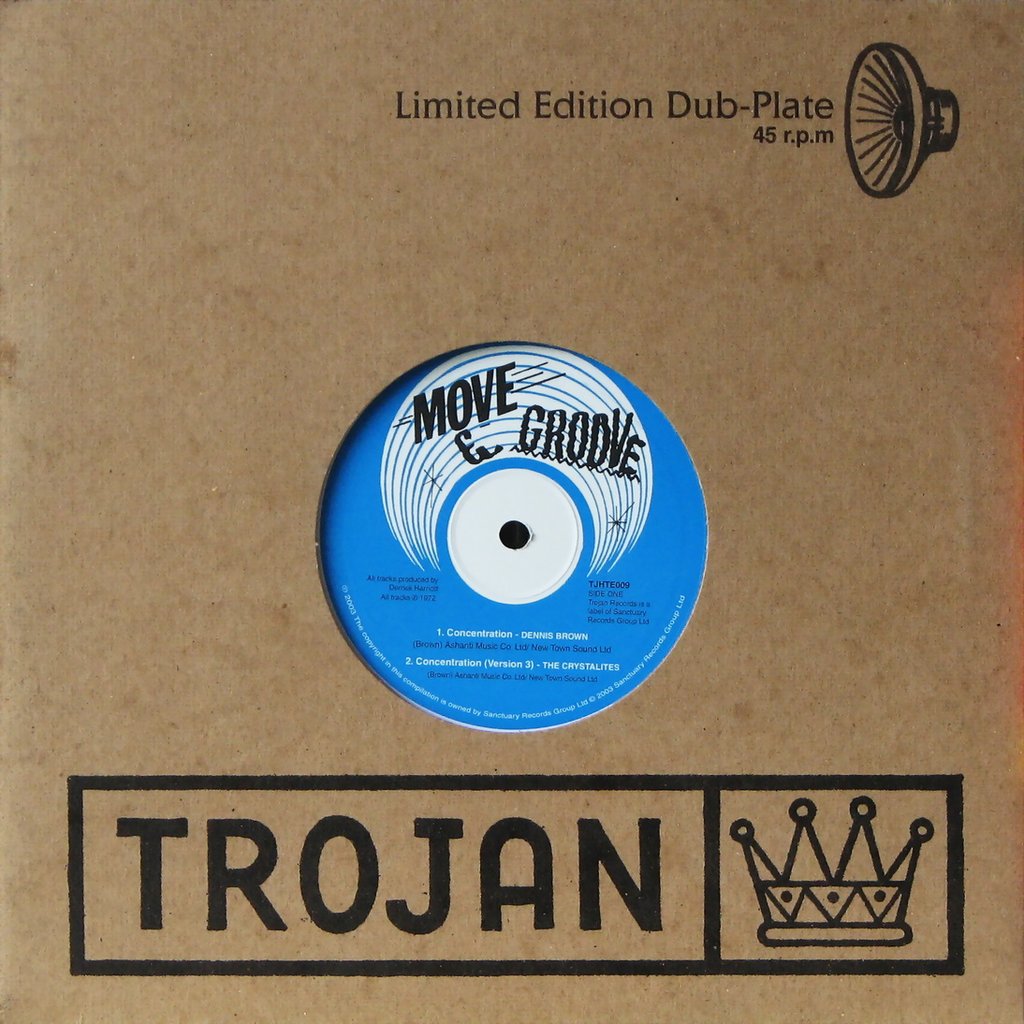
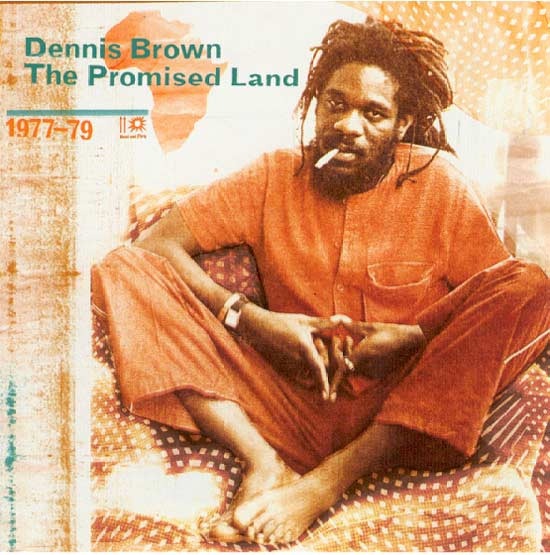
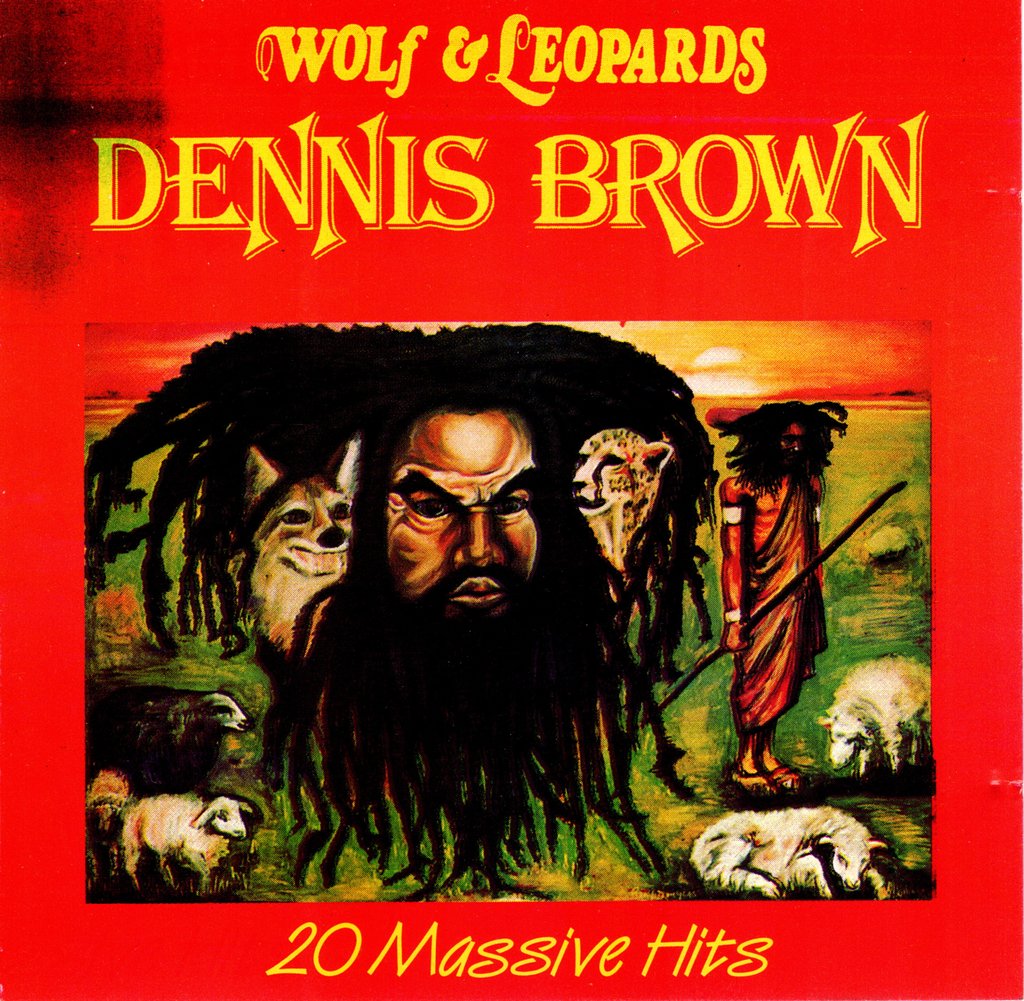
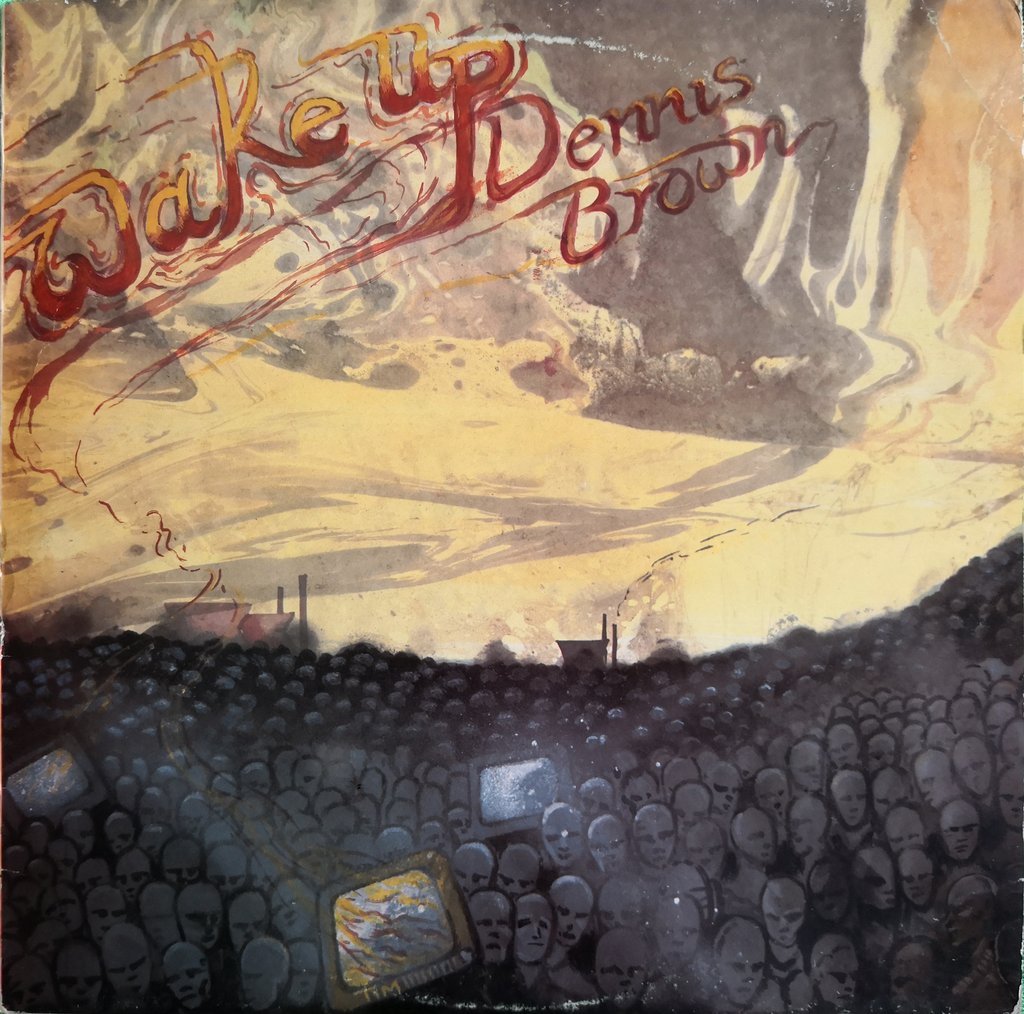
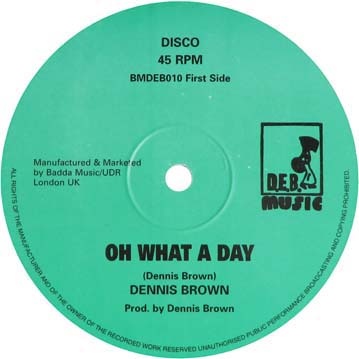
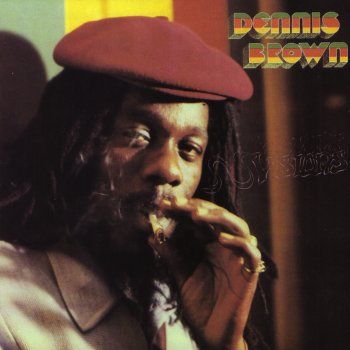
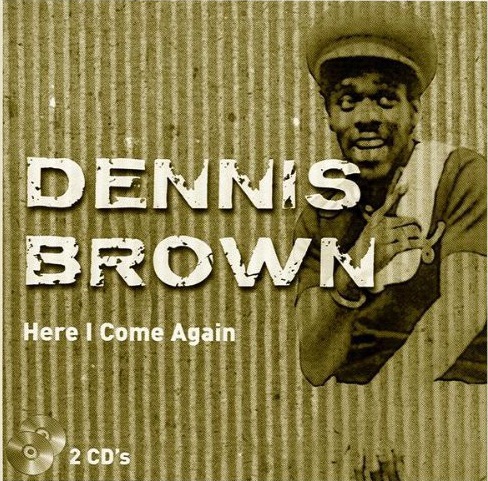
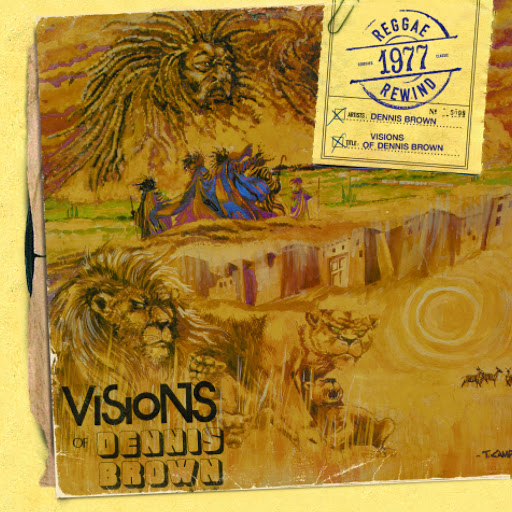
Returning in 1974, he toured the UK for the first time as a headliner and signed with Trojan Records. After the label’s bankruptcy, he founded his own company, DEB Music, and moved to London in 1978, where he launched lovers rock on the international stage. The following year, Visions of Dennis Brown — a blend of conscious themes and love songs on a biblical-style cover — won album of the year at Melody Maker and Black Echoes. “Here I Come (With Love And Not Hatred)” became his signature anthem. In 1978–1979, “Money in My Pocket” reached number 14 on the British chart and earned him an NME cover — the first reggae top 10 in Britain.
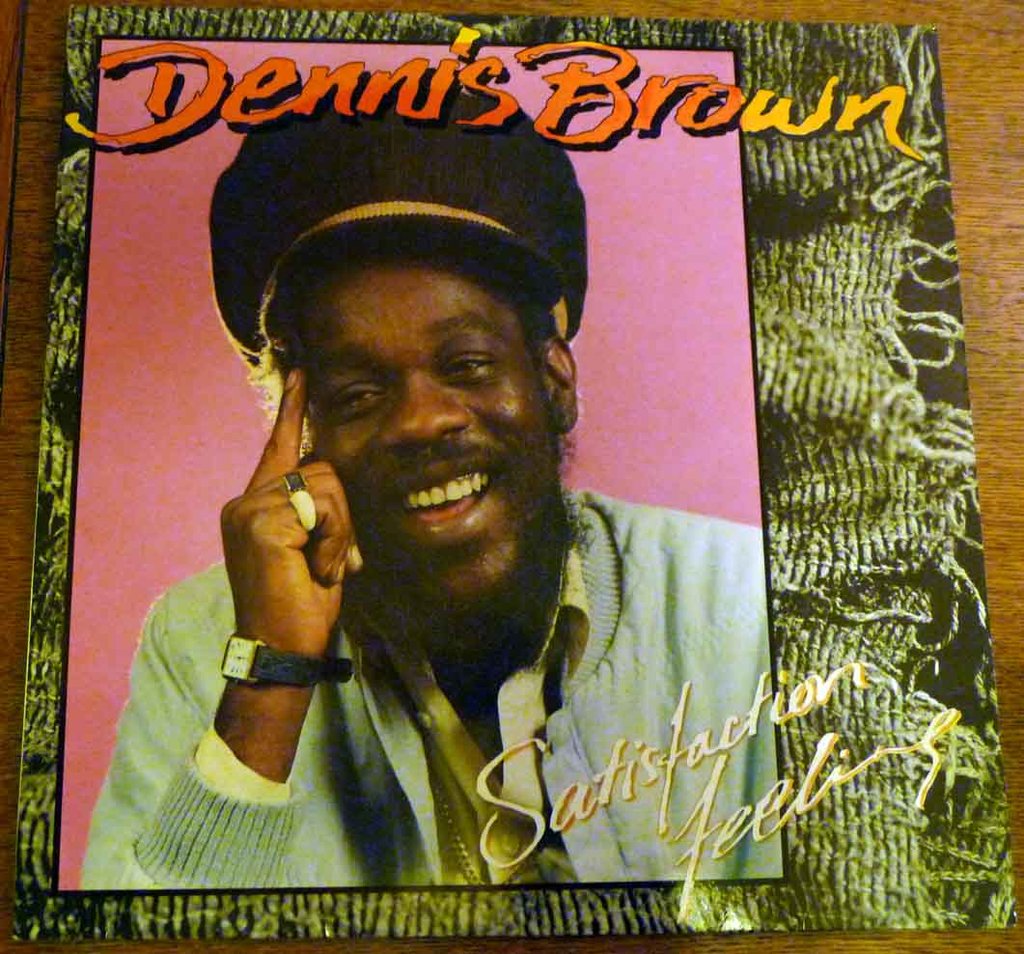
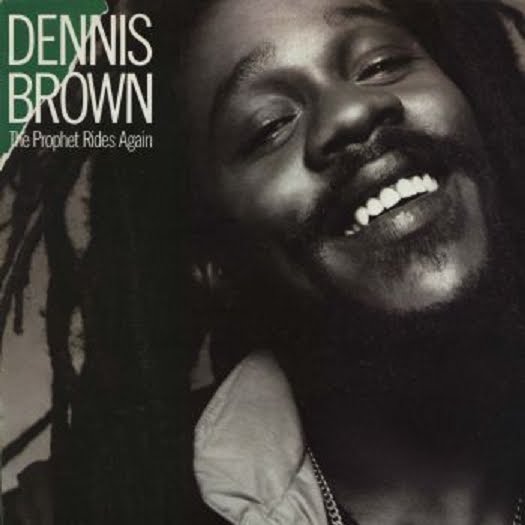
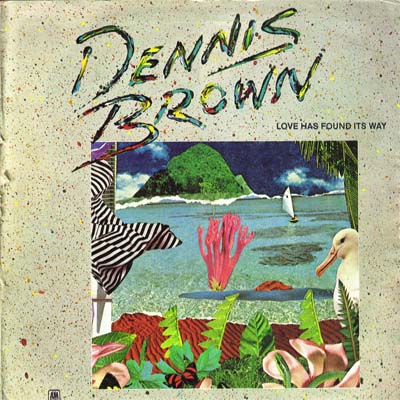
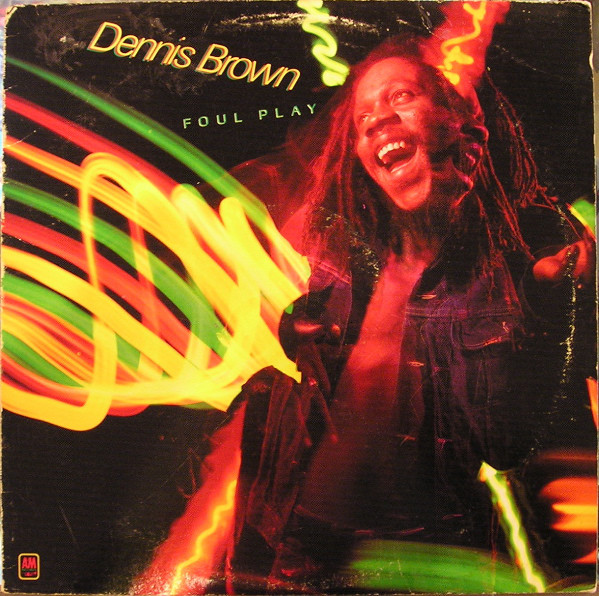
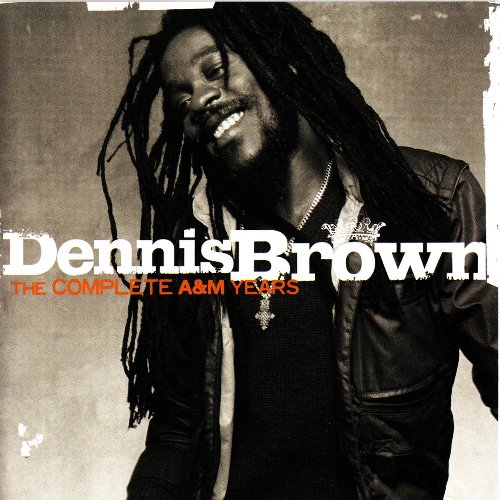
That same year, Sly and Robbie invited him to perform at the One Love Peace Concert in Kingston. His next tour led to a contract with A&M Records, but the three pop albums that followed — Foul Play, Love Has Found Its Way and The Prophet Rides Again (1982–1984) — were mediocre and failed to connect with international audiences. Returning to the Jamaican stage, he once again focused on roots reggae.
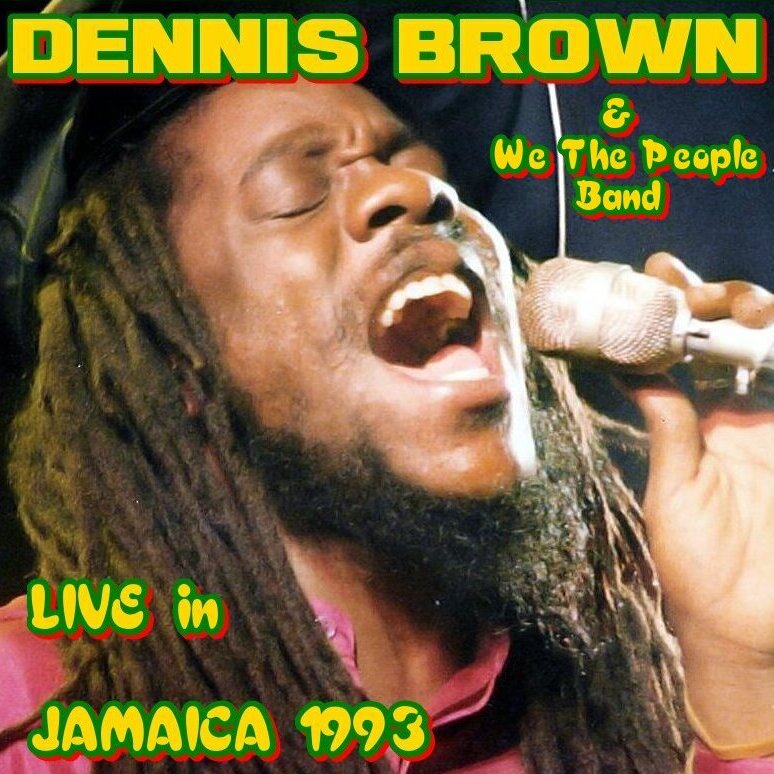
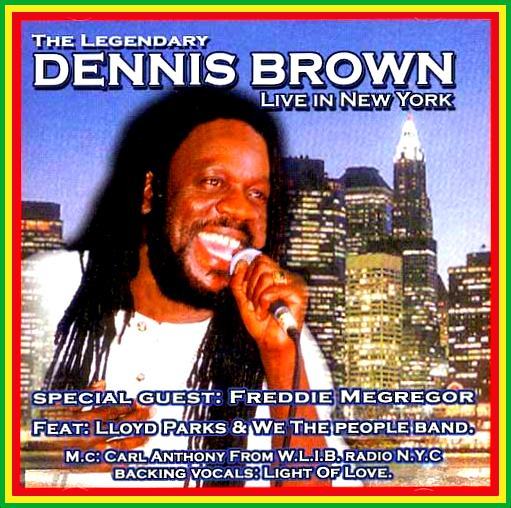
The 1980s and 1990s saw him continue to record six or seven albums per year, but his health began to decline. A cocaine addiction plagued him for years, and in May 1995 he was arrested in Brazil on drug possession charges. He died on July 1, 1999, at the University of the West Indies Hospital in Kingston, without an autopsy. He is survived by his wife Yvonne and thirteen children.
Major Works
| Work | Year | Why It’s Essential |
|---|---|---|
| “Money in My Pocket” | 1972 (Joe Gibbs) | First British Top 40 (#14, 1978), remains an international reggae classic |
| Visions of Dennis Brown | 1977 (Joe Gibbs) | Album of the year by Melody Maker and Black Echoes, mix of conscious themes and lovers rock |
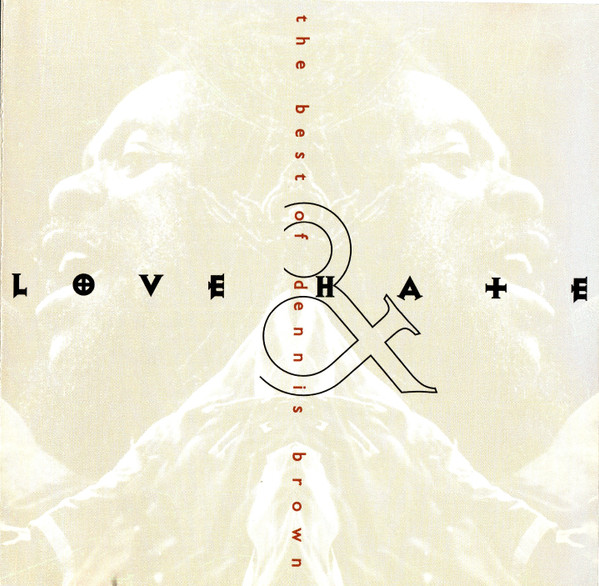
| “Here I Come (With Love And Not Hatred)” | 1978 (DEB Music) | Signature anthem, his spiritual manifesto |
Legacy and Influence
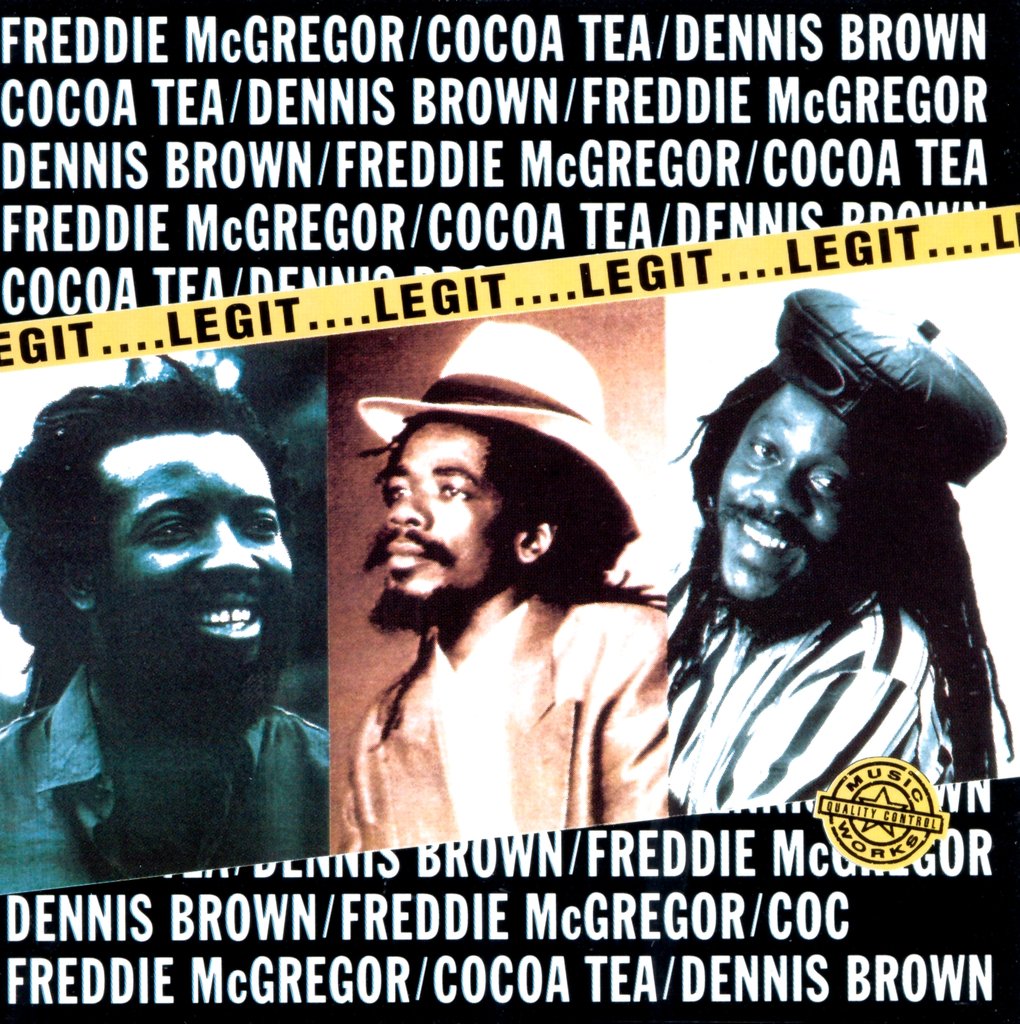
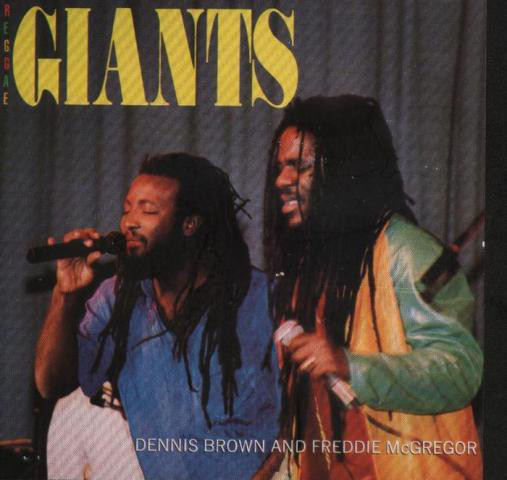
Bob Marley regarded Dennis Brown as the best reggae singer in the world, naming him Crown Prince — a title his widow and thirteen children continue to uphold. His vibrant voice, described as tremolo by Freddie McGregor, influenced generations of reggae singers, from lovers rock to dancehall.
After his death, institutional recognition followed. Marley’s son Damian recalled that Bob Marley considered him the prince of reggae. His voice continues to resonate through covers by Maxi Priest, Aswad and many others. His legacy — joyful, romantic, resolutely Jamaican — survives every time a reggae singer brings forth that unique tremolando, that vibrato that infuses each chorus with pure soul.
Sources and references
- “Dennis Brown”, English Wikipedia, https://en.wikipedia.org/wiki/Dennis_Brown, accessed 20 November 2026.
- “Dennis Brown”, The Guardian (obituary), https://www.theguardian.com/news/1999/jul/03/guardianobituaries1, accessed 20 November 2026.
- Christopher Johnson, “Dennis Brown: The Crown Prince of Reggae”, NPR, https://www.npr.org/2010/04/26/126218893/dennis-brown-the-crown-prince-of-reggae, accessed 20 November 2026.
- “Dennis Brown”, VP Records, https://www.vprecords.com/artist/dennis-brown/, accessed 20 November 2026.