Biography
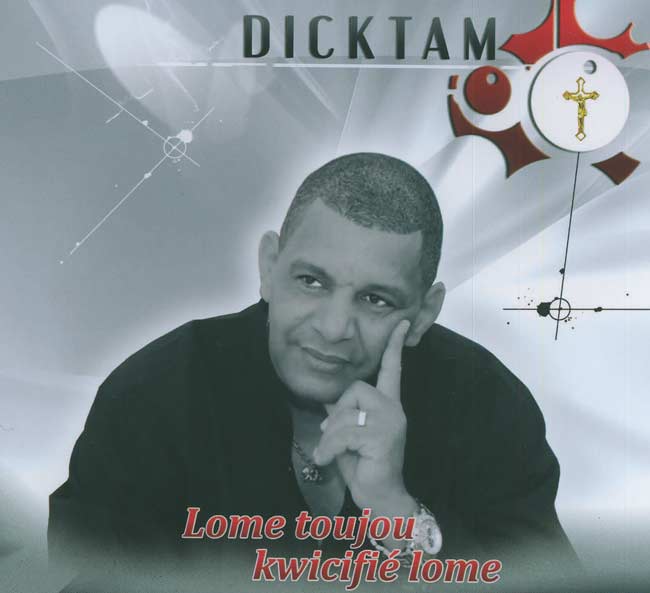
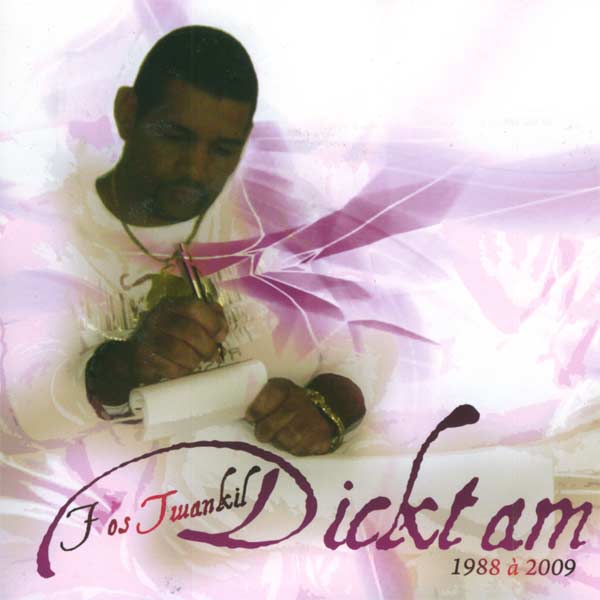
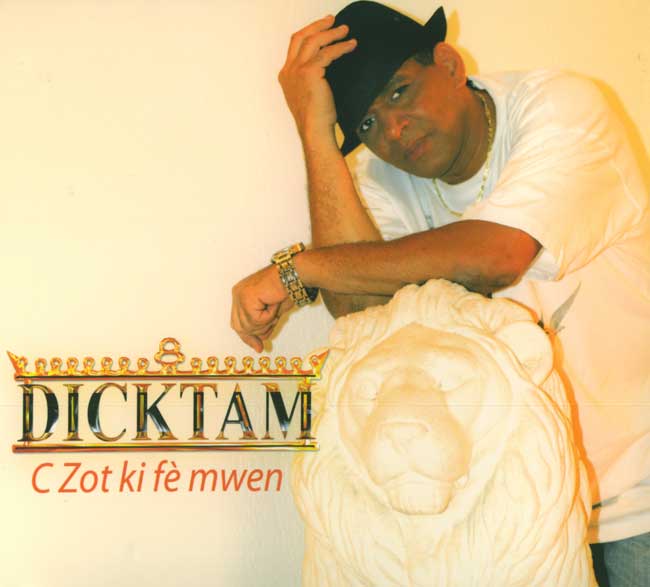
Dicktam
Guadeloupe, 1988. In a studio in the Gosier that Jean-Claude François furnished himself, the sound of an electric keyboard traced the contours of a rhythm that would mark the entire island. His audience already nicknamed him « Dicktam » — a moniker that stuck more than his real name. That night, like so many others, he produced not just for himself but perhaps for others as well: Guadeloupean zouk would find one of its most tireless architects, the one who remains in the shadows of the studios while making the islands dance.
In Brief
| Full Name | Jean-Claude François |
| Stage Name | Dicktam |
| Birth | Unknown (first publication in 1987) |
| Origin | Guadeloupe, French Antilles |
| Genre | Zouk, zouk love, kompa-zouk |
| Role | Singer, producer, composer, keyboardist |
| Notable Works | Pa joué épi l’anmou, “Tchiki”, Vent vérité |
| Main Label | DEBS Music / Sonodisc |
Key Dates
| Year | Event |
|---|---|
| 1987 | First release: A+B (Sonodisc) |
| 1988 | Dicktam c’ L’anmitié — local consecration |
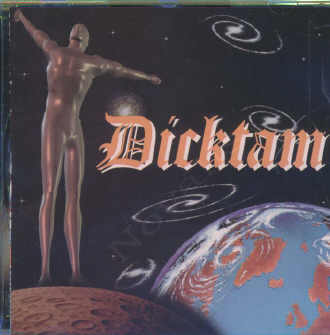
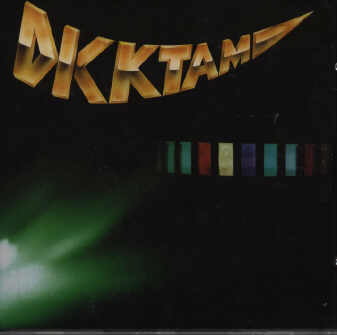
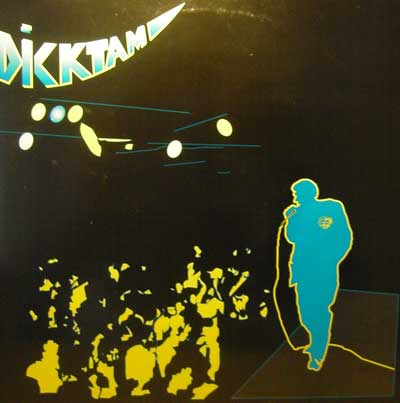
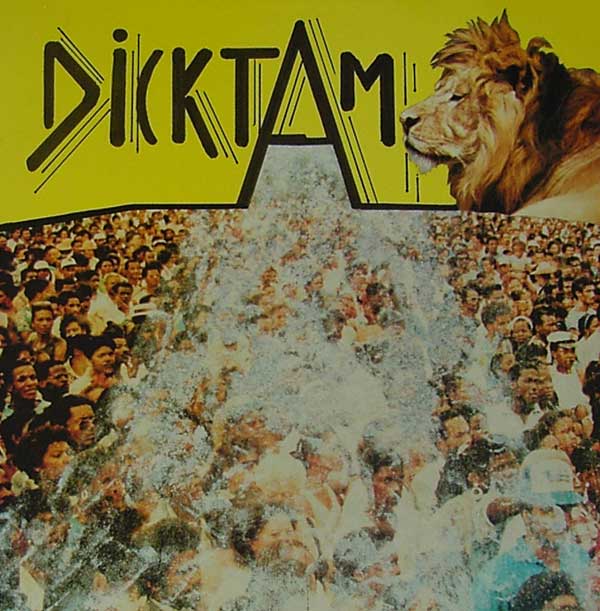
| 1989 | Eponymous album Dicktam, with Franck Curier in artistic direction |
| 1990 | Pa joué épi l’anmou on Sonodisc — critical and popular success |
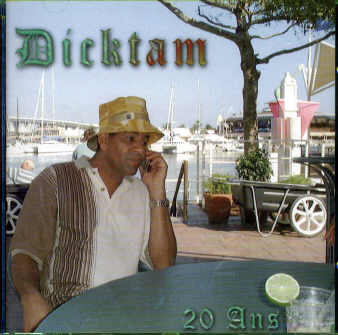
| 1993–2008 | Prolific period: about fifteen albums on DEBS Music and other labels |
| 2012 | Palé Douvan, fifteenth solo album — return to the light after several years of absence |
Origins and Discovery of Zouk
Jean-Claude François grew up in Guadeloupe, a land of rhythms where Creole compas crosses Haitian and Jamaican influences. Like many musicians of the 1980s, he was swept up by the zouk wave that crossed the French Antilles after the success of Kassav’. But while others embraced the stage career, he preferred the backstage: studio, keyboard, mixing. He surrounded himself with competent musicians — Franck Curier in artistic direction, Christian Yéyé on keyboard, Frédéric Caracas on bass — and built around him a loyal troupe capable of translating his vision into sounds.
The nickname « Dicktam » was stuck to him by his audience, even before he adopted it. It is through this pseudonym that Guadeloupeans recognize his work: meticulous producer, prolific keyboardist, and author of a style that blends zouk romance and zouk ritual.
The Carrying Shadow: Producer Between Two Lights
Dicktam never contented himself with a single posture. In 1989, his eponymous album illustrates this duality: side A dances in the Kassav’ spirit, catchy and rhythmic, while side B accelerates further on tracks like “Nou Inmey” and “C’ Blablabla”, driven by an implacable rhythm. Dicktam’s zouk is that of Saturday nights — pure collective impulse, no concessions.
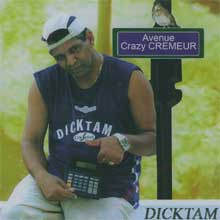
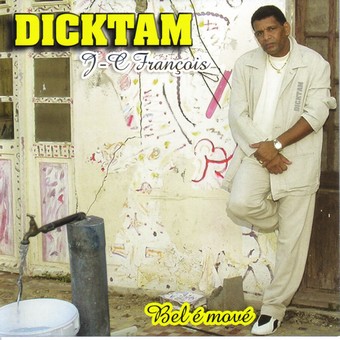
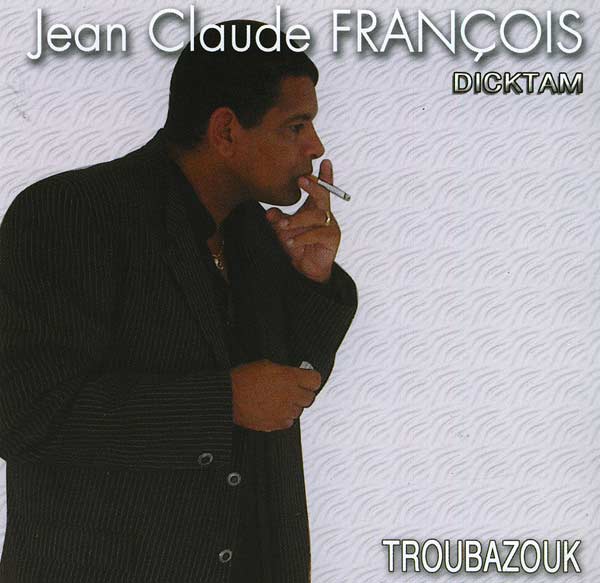
In doing so, he became a pillar of the Guadeloupean zombie scene. His preferred label, DEBS Music (founded by Philippe Debs), released most of his works: Bel é mové (2003), Troubazouk (2002), Avenue Crazy Cremeur (2005). Each album is a new incursion into this mix of zouk, kompa, and Antillean rhythms that he masters like no other.
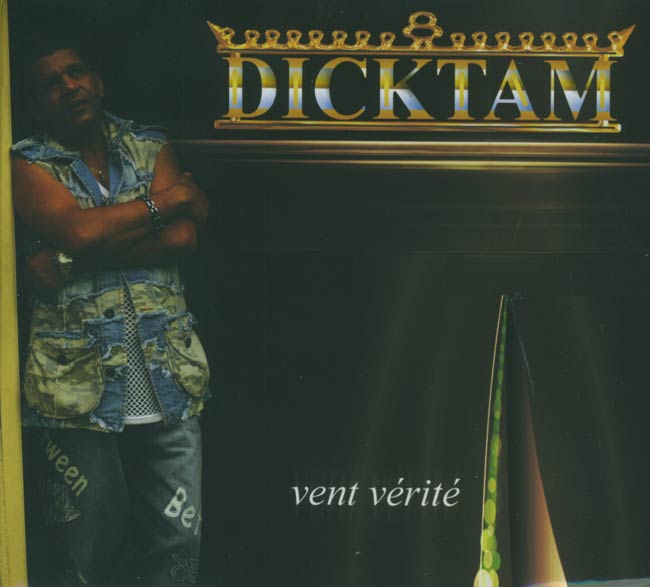
In 2008, Vent vérité, his ninth release, marked a milestone. “Tchiki” had done very well in 2004, as well as Débouklé sinti, he recounts in France-Antilles: « Normally, I release an album every two or three years. But as soon as I feel good in the interval, I release one. » His logic is not that of the industrial calendar but that of creative urgency — when the sound is ready, it comes out.
In 2012, Palé Douvan, his fifteenth solo album, was a return. « Dicktam comes out of the shadows », headlined France-Guyane: after several relatively discreet years, he put his feet back on stage at the Cric-Crac in Pointe-à-Pitre. The audience was waiting for him.
Major Works
| Work | Year | Why It Is Essential |
|---|---|---|
| Pa joué épi l’anmou | 1990 | His first real success, a gateway to authentic Guadeloupean zouk |
| Dicktam c’ L’anmitié | 1988 | The record that forged his reputation in the island |
| “Tchiki” | 2004 | The track that made a whole generation dance and confirmed his comeback |
| Vent vérité | 2008 | Pivot album where his producer art reaches its fullness — nine tracks, zero filler |
Legacy and Influence
Dicktam remains a craftsman of zouk, the one who produces without seeking the spotlight. His influence is read less in interviews than in the studios: generations of Guadeloupean composers learned by listening to his rhythmic arrangements, his use of the keyboard as the backbone of a piece. His work at DEBS Music contributed to making zouk a viable local industry, with his network of artists, technicians, and labels engaging like an orchestra. Forty years after his first recordings, his catalog remains a resource for anyone seeking to understand the zouk of the islands — the one that makes you dance, period.
Sources and References
- « It is the kompas that made me what I am », France-Antilles Guadeloupe, https://www.guadeloupe.franceantilles.fr/divers/cest-le-kompas-qui-a-fait-de-moi-ce-que-je-suis-549982.php, accessed November 7, 2026.
- « Dicktam comes out of the shadows », France-Guyane, https://www.franceguyane.fr/actualite/culture-et-patrimoine/dicktam-sort-de-lombre-591306.php, accessed November 7, 2026.
- « Dicktam – 1989 », Afro Caribbean Beats, https://afrocaribbeanbeats.com/en/dicktam-1989/, accessed November 7, 2026.
- « Dicktam », AllMusic, https://allmusic.com/artist/dicktam-mn0001638555, accessed November 7, 2026.
- Discogs, Dicktam discography, https://www.discogs.com/artist/1003455-Dicktam, accessed November 7, 2026.
- « Dicktam (Jean-Claude Francois) : discography », Afromix.org, https://www.afromix.org/html/musique/artistes/dicktam/index.pt.html, accessed November 7, 2026.