Biography
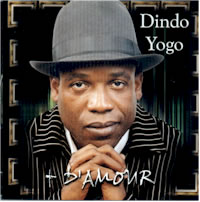
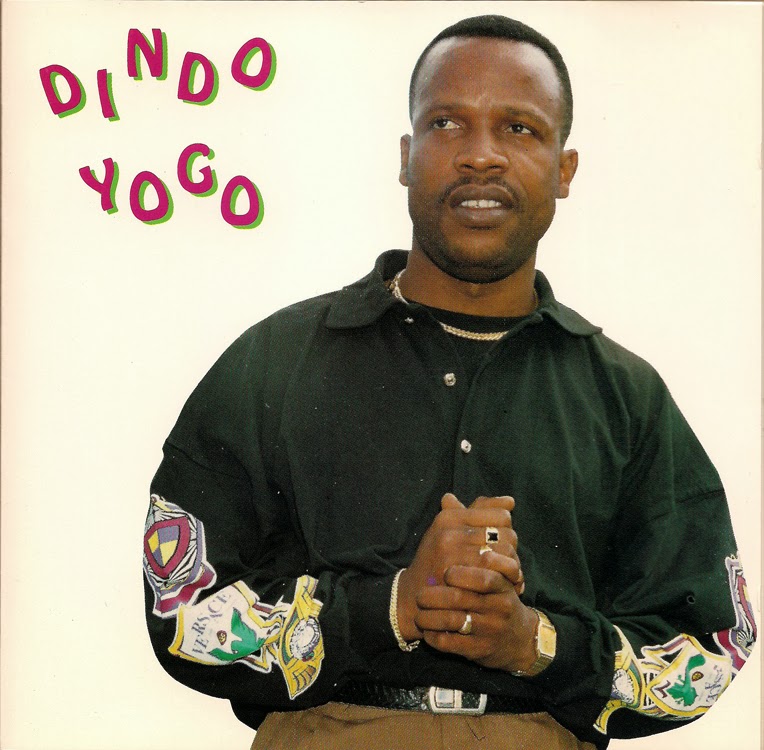
Dindo Yogo
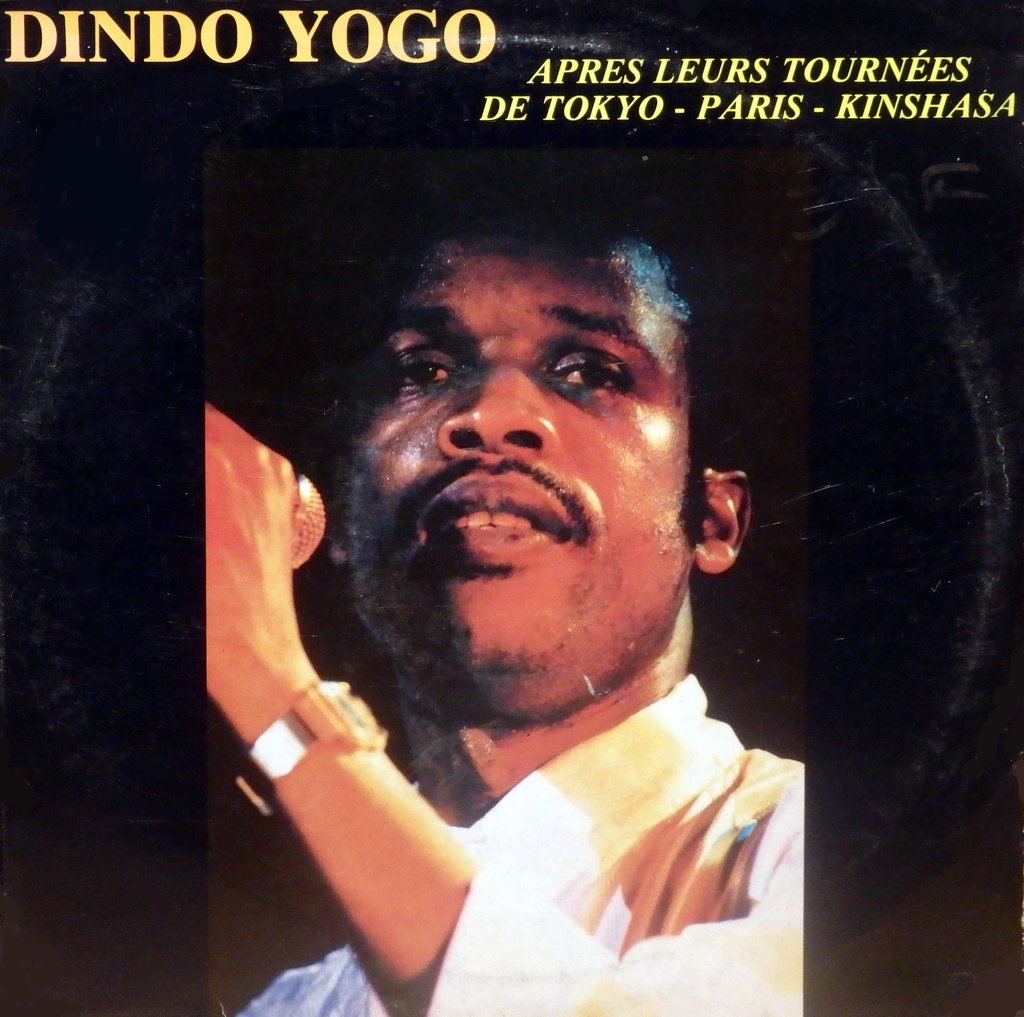
In 1985, during a concert in Kinshasa, Dindo Yogo launched a track dedicated to his missing wife, and thousands of voices broke with his. This pure emotion made him the most moved singer of Congolese rumba in the 1980s and 1990s.
In brief
| Birth name | Théodore Dindo Mabeli (also spelled Théodore Djangi) |
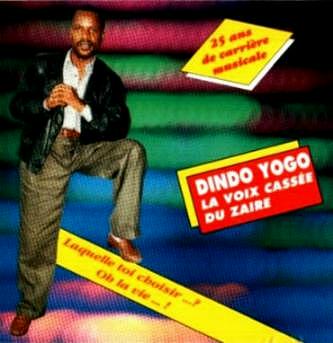
| Stage name | Dindo Yogo, nicknamed La Voix Cassée (the broken voice) |
| Birth | 30 December 1955, Lokutu, Équateur (Belgian Congo) |
| Death | 23 August 2000, Kinshasa (Democratic Republic of the Congo), at 44 years old |
| Fields | Congolese rumba, soukous — styles stemming from Congolese rumba, a genre where guitars interlace on dancing rhythms carried by the voice |
| Iconic works | “Mokili Echanger”, Luzolo (1987), La Vie est heureuse (1990) |
| Awards | Praised by The Guardian; “king of the Nzong-zing” (improvised session) |
Key dates
| Year | Event |
|---|---|
| 1955 | Birth in Lokutu, Équateur province (Belgian Congo) |
| 1970 | Debut with Orchestre Macchi; first hit “Beyuna” |
| 1974 | Composition of “Lola Muana”, song dedicated to his son |
| 1978 | Integration into Viva La Musica, Papa Wemba’s group |
| 1981 | Co-founding of Langa Langa Stars under the sponsorship of Verckys |
| 1984 | Joining Zaïko Langa Langa, the peak of Zairian music |
| 1985 | “Mokili Echanger” and “Liwa ya Moyibi”, two anthems of rumba |
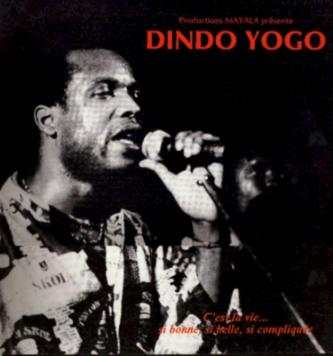
| 1987–1990 | Fertile period: albums Luzolo, C’est la Vie, and La Vie est heureuse |
| 1991 | Departure from Zaïko; creation of the group Nguaka Ayé and solo career |
| 2000 | Death in Kinshasa after a cardiac episode, at the age of 44 |
Origins and revelation: from the river to the big stages
Théodore Dindo Mabeli was born on 30 December 1955 in Lokutu, a small town in the Congolese Équateur. His childhood unfolded on the islets of the Congo River, where his family had taken refuge during the Mulelist rebellion of the 1960s. As an adolescent, he discovered his vocation in Kinshasa, then the musical capital of Africa. The natural intelligence of the young man would have led him to studies; however, he preferred music, leaving the school benches for rehearsal rooms.
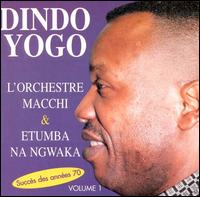
In 1970, he co-founded Orchestre Macchi with his guitarist friend Huit Kilos and recorded “Beyuna”, his first hit. Two years later, he formed Etumba Na Ngwaka (the warrior quality of our people, drawn from the cultural heritage originating in Lisala). It was there that he composed “Lola Muana”, a song dedicated to his son born in 1974, which would become an timeless classic of Congolese rumba.
In 1978, the invitation came from Lubumbashi: Papa Wemba wanted Dindo in Viva La Musica, then at the zenith of the Zairian scene. The artist imposed his trembling voice — a plaintive timbre, unique in its kind. He was one of those singers who shook crowds of all ages, social classes, and ethnic affiliations, wrote The Guardian in its obituary. The experience was short but formative, exposing him to the most demanding singing techniques and the emerging international audience.
In 1981, Dindo co-founded the Langa Langa Stars with three colleagues from Viva La Musica and three musicians from Zaïko. This flagship group, according to Ronnie Graham, recorded seven albums under the sponsorship of the great Verckys. The formula proved fragile, and in 1984 Dindo reached a new milestone by joining Zaïko Langa Langa, considered the flagship group of Zairian music.
Major works
| Work | Year | Why it is essential |
|---|---|---|
| “Mokili Echanger” (Zaïko Langa Langa) | 1985 | Anthem on the upheavals of Congolese life, through the prism of personal destiny |
| “Liwa ya Moyibi” (Zaïko Langa Langa) | 1985 | Elegy on the death of his wife, dedicated to his son Lola — raw emotion danced |
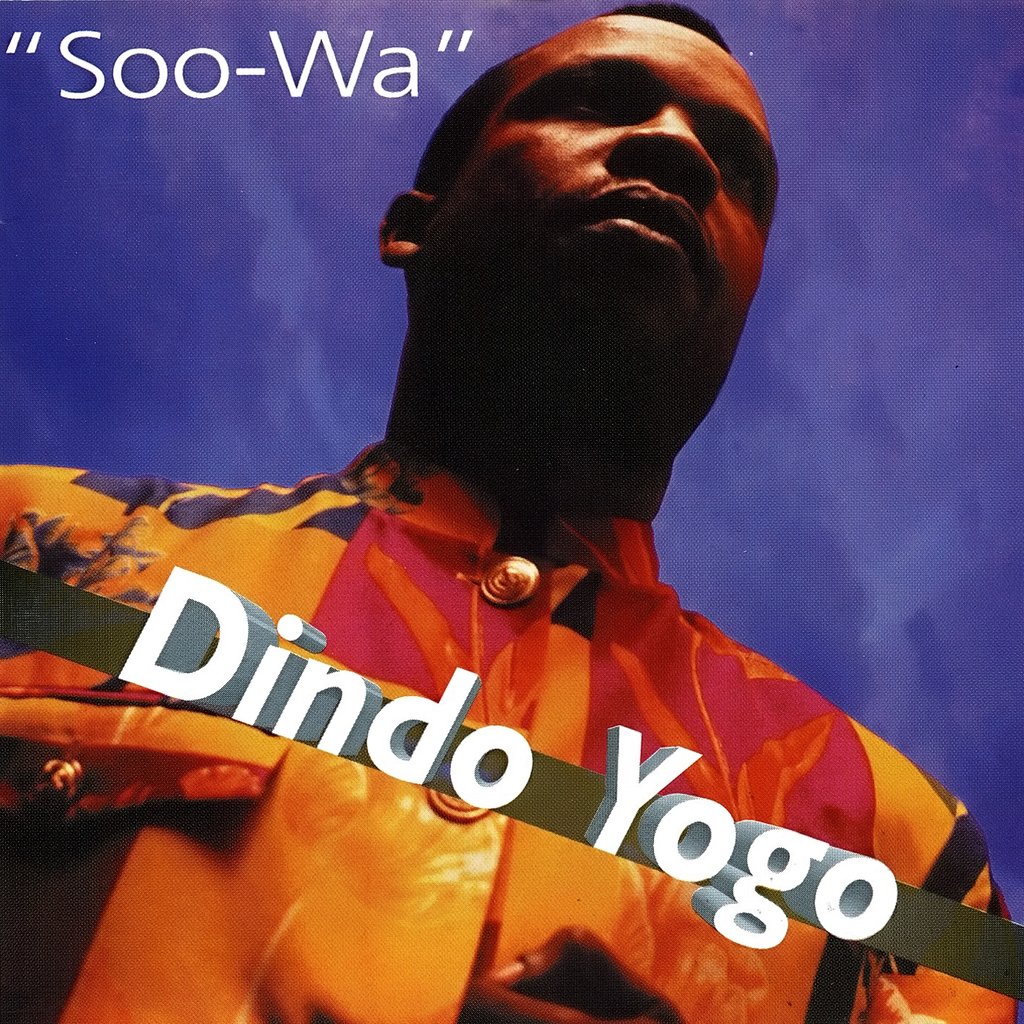
| Luzolo (solo album) | 1987 | Landmark first album, affirmation of a style that is both melancholic and dancing |
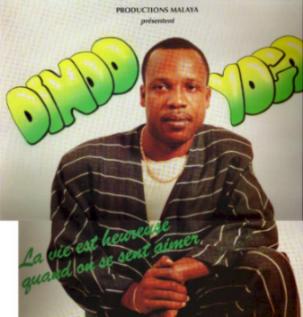
| La Vie est heureuse (solo album) | 1990 | Masterpieces recorded in France, blending soul and soukous — his last great success |
Legacy and final years
In 1991, Dindo left Zaïko to found Nguaka Ayé and devote himself to a solo career he would carry until his death. The decision arose from tensions with other members regarding his solo recordings. The first major solo success is La Vie est heureuse (1990), recorded in France but driven by his Congolese inspiration.
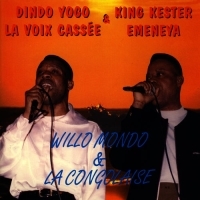
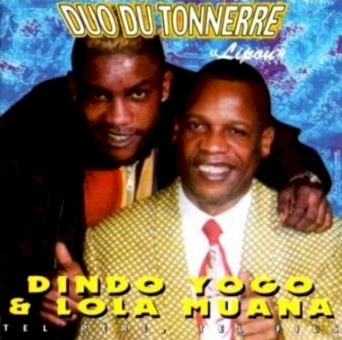
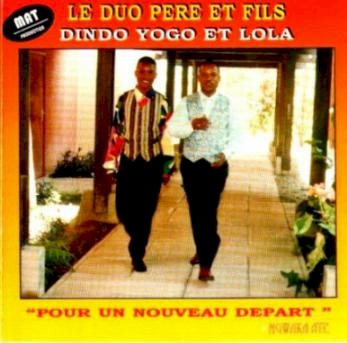
During the 1990s, he produced between one and three albums per year. He became a “king of the Nzong-zing”, these improvised musical sessions where singers take turns on tracks recorded on the spot — a practice that sometimes earned him criticism, but which he accepted as a means of existence and creation. He also recorded with his son Lola Mwana, who took on exactly the same timbre as him, in tender duets like Duo du Tonnerre (1998).
One day in 2000, returning from a trip to the United States where he was preparing a tour, Dindo collapsed in a Kinshasa taxi. He died on 23 August 2000 at the age of 44, leaving behind his wife, children, and a discography that remains among the most beautiful moments of soukous in the 1980s–1990s.
“Mokili Echanger” has survived the decades, taken up and remixed by generations of Congolese DJs. His son Lola Mwana, who became a singer in his turn, perpetuates the flame of La Voix Cassée. In 2015, an article noted that 60% of young Kinshasans did not know Dindo Yogo — a finding that reminds us that the greatest are sometimes forgotten by the new generation. A tribute DVD, Hommage à Dindo Yogo, was released in 2010.
Sources and references
- Graeme Ewens, « Obituary: Dindo Yogo », The Guardian, https://www.theguardian.com/news/2000/sep/05/guardianobituaries, accessed 8 November 2026.
- Martin Sinnock, « Dindo Yogo — La Voix Cassée: Part 4 (1984-91) », AfricaSounds (archive), https://web.archive.org/web/20141113082916/http://www.africasounds.com/Dindo84_91.htm, accessed 8 November 2026.
- Martin Sinnock, « Dindo Yogo — La Voix Cassée: Part 5 (1991-2000) », AfricaSounds (archive), https://web.archive.org/web/20141217121131/http://www.africasounds.com/Dindo91_2000.htm, accessed 8 November 2026.
- « Dindo Yogo », Wikipedia (English), https://en.wikipedia.org/wiki/Dindo_Yogo, accessed 8 November 2026.
- « Dindo Yogo », Wikipedia (French), https://fr.wikipedia.org/wiki/Dindo_Yogo, accessed 8 November 2026.
- « Djangi Théodore alias Dindo Yogo », L’Univers de la Rumba Congolaise, https://www.universrumbacongolaise.com/artistes/dindo-yogo/, accessed 8 November 2026.
- « Dindo Yogo — Fiche Personne », Africultures, https://africultures.com/personnes/?no=3682, accessed 8 November 2026.