Biography
Djo Dézormo
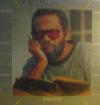
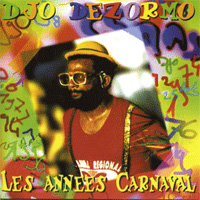
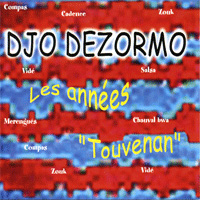
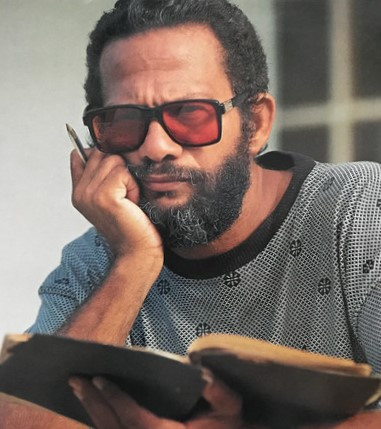
Born in February 1945 in Rivière-Pilote, Djo Dézormo — whose real name is Joseph Gros-Désormeaux — is a central figure in Martinican Creole music. Singer and lyricist, he frequently parodied power and the shortcomings of Antillean society, making carnival a tool for education and national consciousness. His death on October 10, 2021, was perceived as the loss of a cultural monument.
In Brief
| Full Name | Joseph Gros-Désormeaux |
| Nickname | Djo Dézormo (stage name) |
| Birth | February 28, 1945, Rivière-Pilote (Martinique) |
| Death | October 10, 2021, Rivière-Pilote (Martinique) |
| Field | Creole music: biguine, vidé, carnival |
| Notable Works | “Voici le loup”, “Blé pal, blé fonssé”, “22 mai” |
| Awards | SACEM Traditional Prize (1989), SACEM Song of the Year Prize (1990) |
Key Dates
| Year | Event |
|---|---|
| 1960 | First prize in a song contest in Rivière-Pilote (1st prize ex æquo) |
| 1973 | Creole song contest: “Lapen mwen” and “Manot”, FR3 encouragement prize |
| 1974 | First biguine prize (biguine oscar) with “jiri-a za bay” |
| 1975 | Vidé “Blé pal, blé fonssé”; engaged title “22 mai” |
| 1976 | Biguine oscar with “Sa nou ka acheté lokal la” |
| 1978 | Music for the film L’autre bord (Jérôme Kanapa); Joséphine du Morne Rouge |
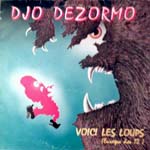
| 1989 | SACEM Traditional Prize; hit “Voici les loups-Europe des 12” |
| 1990 | SACEM Song of the Year Prize for “Voici le loup” (carnival) |
| 2018 | Last public appearance: Guy Méthalie’s show in Fort-de-France |
| 2021 | Died on October 10; buried on October 13 in Rivière-Pilote |
A worker who rises to the carnival stage
Born into a family of seven children (4 boys and 3 girls) in a merchant family in Rivière-Pilote, he grew up in the working world and agricultural land. Often ill, he completed his studies with a BEPC and an elementary certificate. He worked in banana or sugarcane plantations, served his military duty in Tarascon (Bouches-du-Rhône), then managed a bookstore in Pointe-à-Pitre in Guadeloupe belonging to his brother, before returning to Martinique. Very young, he became known through radio-crochets: in 1960 he won the first ex æquo prize in a song contest in his commune.
1973 marked a turning point: he entered the Creole song contest and submitted two titles, a biguine “Lapen mwen” and a vidé “Manot”, which appealed to the public but not the jury. His only reward was the FR3 chain’s encouragement trophy, which broadcasted the event. Without apparent frustration, he returned in 1974 and won the first biguine prize (the biguine oscar) with “jiri-a za bay”. The following year, he produced the vidé “Blé pal, blé fonssé”, still covered today. He won the biguine oscar in 1976 with “Sa nou ka acheté lokal la”. He also composed the music for Jérôme Kanapa’s film L’autre bord (1978), a film where the protagonist is a young Martinican alone in Paris experiencing racism. The song “Le loup”, co-written in this context and presented during the film Joséphine du Morne Rouge (music co-written with Bernard Loubat), internationalized Djo Dézormo.
A cultural and nationalist activist
Djo Dézormo claimed a national consciousness very early on, that of belonging to a people. He believed music should bring him knowledge. In this identity context, he created in 1975 the title “22 mai” celebrating May 22, 1848, a day that historian and politician Armand Nicolas had revived in the 1960s. In 1979, “Sé lé 22 Mai” and “Pli bel dat” were ignored by the media but became the hymn of trade unions, who fought for this day to become a holiday. It is an activist parody as much as a political hymn: he was close to the anti-colonialist and independence movement, mentored by Alfred Marie-Jeanne. In 1990, “Voci le loup” (reprise of the same idea) was an undisputed carnival success: it is a parody denouncing Martinique’s integration into Europe with the future Maastricht Treaty — a hit released in 1989 under the title “Voici les loups-Europe des 12”, which won the SACEM Song of the Year Prize in 1990.
He also made his mark through associative commitments: he originated the Rivière-Pilote Creole song contest and contributed to creating the Gri-Gri Pilotin sports association. He was close to his commune’s youth and led an activist life in that capacity. His public activity ended in 2018, during Guy Méthalie’s show at the Camille Darsières cultural center in Fort-de-France, where Yvon Pacquit presented him with the city’s trophy. He passed away in Rivière-Pilote on Sunday, October 10, 2021, aged 76, and was buried on October 13 in his birth commune.
Jocelyn Jonaz, director who dedicated a documentary Drapo Matinik to him in 2009, described him thus: “Djo was a normal and true artist”. His friend Jean Louis Fonsat qualified him as “an engaged cultural activist in cultural life and youth aid”. Guy Méthalie, who paid tribute to him at the Fort-de-France cultural center in 2018, retained of him the figure of a visionary: “He was a visionary who fought for the people to think”.
Major Works
| Work | Year | Why It’s Essential |
|---|---|---|
| “Voici le loup” | 1990 (original title 1989) | Committed parody on Europe and the Maastricht Treaty; SACEM Song of the Year award |
| “Blé pal, blé fonssé” | 1975 | Committed video on police repression; still covered today |
| “22 mai” / “Sé lé 22 Mai” | 1975/1979 | Militant title celebrating May 22, 1848; union anthem |
| “Lapen mwen” and “Manot” | 1973 | First public successes, covered by the La Perfecta orchestra |
| “Le loup” (music from Joséphine du Morne Rouge) | 1978 | Song co-written with Bernard Loubat, international hit |
| “jiri-a za bay” | 1974 | Oscar for biguine, first major public prize |
Legacy and Influence
Martinique has lost a cultural monument. About sixty works are attributed to him, including “Joséphine mon roug la”, “Viagra”, “Chlordécone”, “L’esclave romain”, “Fot le media” and “Léopold Lubin”. His commitment inspired the generation of committed singers from the island; he remains an example for those who make carnival a political and cultural platform. His titles are still covered today, notably “Blé pal, blé fonssé”. He leaves a lasting legacy: the transmission of Creole carnival, the defense of cultural values and associative commitment.
Sources and References
- « Djo Dézormo: a Martinican cultural monument leaves the stage », Outre-mer La 1ère (Franceinfo), URL, accessed November 25, 2026.
- « The popular singer Djo Dézormo has passed away », France-Antilles Martinique, URL, accessed November 25, 2026.
- « The singer Djo Dézormo died at the age of 76 », RCI Martinique, URL, accessed November 25, 2026.
- « Djo Dézormo, king of carnival, died at 76 », KaribInfo, URL, accessed November 25, 2026.
- « Joseph Gros-Désormeaux — Martinican Artist », Martinique A Nu, URL, accessed November 25, 2026.
- « The popular music singer Djo Dézormo has passed away », Outre-mer La 1ère (Franceinfo), URL, accessed November 25, 2026.