Biography
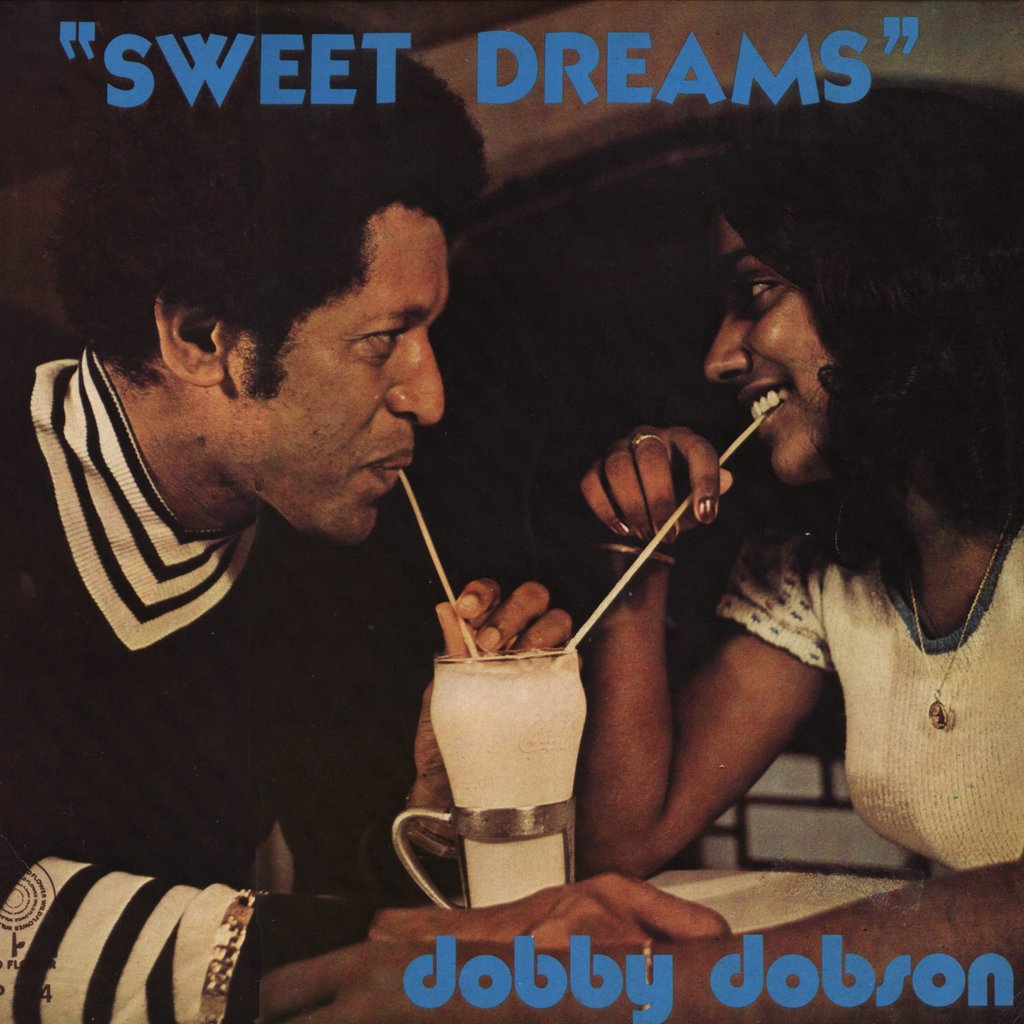
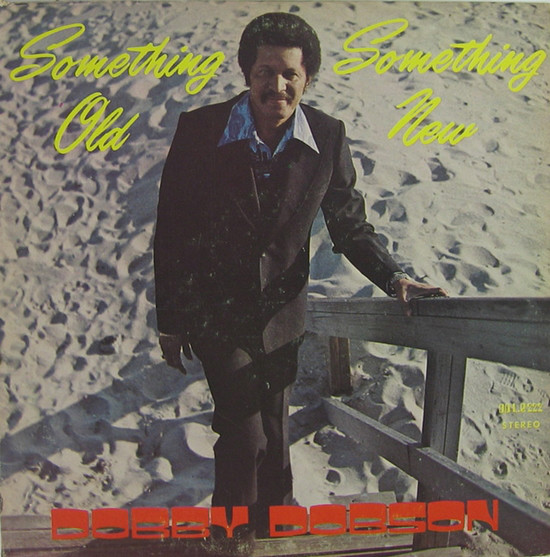
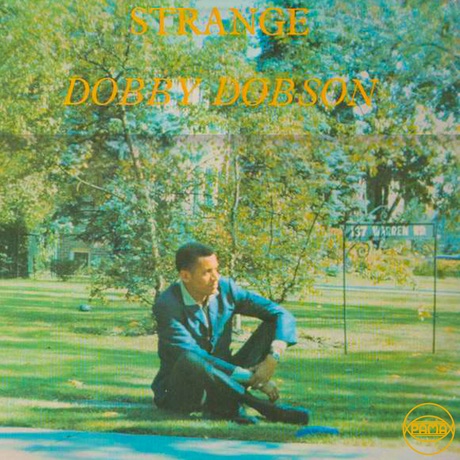
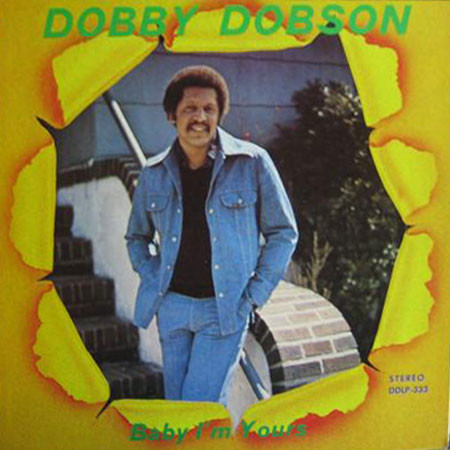
Dobby Dobson
In 1967, as the rising Jamaican rocksteady scene sought its own identity between frenetic ska and nascent reggae, a singer with a soft yet unforgettable voice laid his voice on a melody he had composed himself. “I’m a Loving Pauper” was destined to become more than just a hit: it was the cry of a generation of poor but proud Jamaicans, and the definitive nickname for an artist that everyone would recognize for the next fifty years.
In Brief
| Full Name | Highland Ralph Dobson OD |
| Birth | July 5, 1942, Kingston (Jamaica) |
| Death | July 21, 2020 (78 years), Coral Springs, Florida (United States) |
| Genre(s) | Rocksteady, reggae |
| Roles | Singer, songwriter, record producer |
| Notable Works | “I’m a Loving Pauper”, “That Wonderful Sound”, “Cry a Little Cry” |
| Honors | Order of Distinction (Officer, OD), 2011 |
Key Dates
| Year | Event |
|---|---|
| 1959 | First recording under the name Dobby Dobson and the Deltas; “Cry a Little Cry” #1 on RJR charts |
| 1960 | Formation of the duo Chuck & Dobby with Charles Josephs; first singles for Duke Reid and Coxsone Dodd |
| 1963-1964 | Solo debut; recordings for the Pottingers (Tip-Top) |
| 1965-1967 | Member of the Sheiks and The Virtues; “I’m a Loving Pauper” (signature tune) |
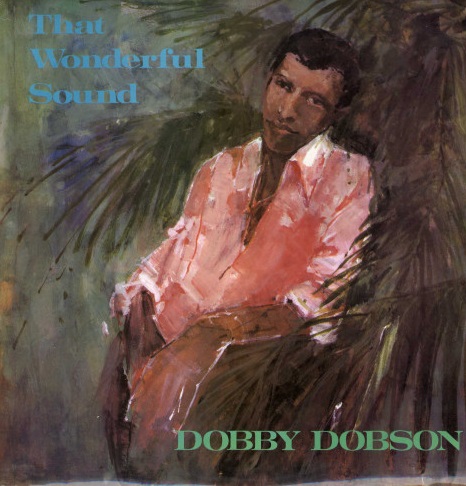
| 1971-1972 | “That Wonderful Sound” — Best-Selling Single of the Year, 40,000 copies sold in the Caribbean |
| 1977-1982 | First album Wonderful Sound; self-production under the label Double-D Records |
| 1978 | Production of the Meditations (Message From The Meditations and Wake Up) |
| 1979 | Emigration to the United States, settlement in New York |
| 2011 | Order of Distinction (OD) by the Governor General of Jamaica |
| 2020 | Death in Coral Springs, Florida |
From Musical Origins to First Victories
Highland Ralph Dobson was born on July 5, 1942, in Kingston, Jamaica. From a very young age, music marked him: he sang in the choir of the Kingston College chapel and joined the Twilights, a group that performed at the Opportunity Hour hosted by the famous presenter Vere Johns — the Jamaican equivalent of those popular talent shows that revealed the future stars of reggae.
His first recording took place during his university years: the song “Cry a Little Cry”, a doo-wop piece he composed in homage to his biology teacher. He gathered Delta classmates to form the Dobby Dobson and the Deltas, a group that notably included Howard Barrett — future founder of the Paragons. The record was released in 1959 on the Tip-Top label of Lyndon and Sonia Pottinger, and #1 on the RJR charts that year.
The Rocksteady Coronation and Meeting with Duke Reid
After university, Dobson entered the profession full-time. In 1960, he formed the duo Chuck & Dobby with Charles Josephs, and together they recorded a series of hits for Duke Reid (Tresure Isle) and Coxsone Dodd (Studio One). The duo delivered “Do Du Wap” and “Till the End of Time”, which blended American rhythm-and-blues influence, doo-wop, and Jamaican ska in full emergence. It was here that Dobson forged his signature style: sentimental ballads with a soft voice, carried by a syncopated rhythm typical of rocksteady.
Upon the dissolution of the duo in 1962, he continued as a solo artist and enrolled in the College of Arts, Science and Technology. In parallel with his musical career, he kept a daily job — salesman and proofreader at the Jamaica Gleaner, one of Jamaica’s largest newspapers — a rigor that never left him throughout his life.
His signature arrived in 1967 with “I’m a Loving Pauper”, a song he composed himself. With its relaxed tempo and tender lyrics, this piece perfectly illustrates the rocksteady spirit — a precursor sound to reggae that resonated deeply with the Jamaican public. The title became Dobson’s first solo success and earned him his definitive nickname, “The Loving Pauper”. The song was covered by many artists including Gregory Isaacs, UB40, and Dillinger.
The Producer Era and International Career
At the beginning of the 1970s, Dobson stringed together hits. “That Wonderful Sound” — a cover of Tom Jones — became in 1972 the best-selling record in the Caribbean (40,000 copies). “Endlessly” also met with success in the United Kingdom. He also sang with the group The Virtues, formed with Rupie Edwards and Junior Menz.
Despite this success in singles, album sales remained disappointing. It was an opportunity he seized by turning to music production: he worked at Federal Studio in the mid-1970s, discovered the Meditations (whom he produced starting from their first album in 1978), and helped the young Barrington Levy record his first singles around 1977.
In 1979, he emigrated to the United States and settled in New York (Brooklyn and Bronx). He worked in real estate but continued to visit recording studios, appeared at the Reggae Sunsplash and Sumfest festivals in Jamaica, and performed in Toronto and London. He became an iconic figure of the scene, even embarking on a cruise, Motion on the Ocean, departing from Queens.
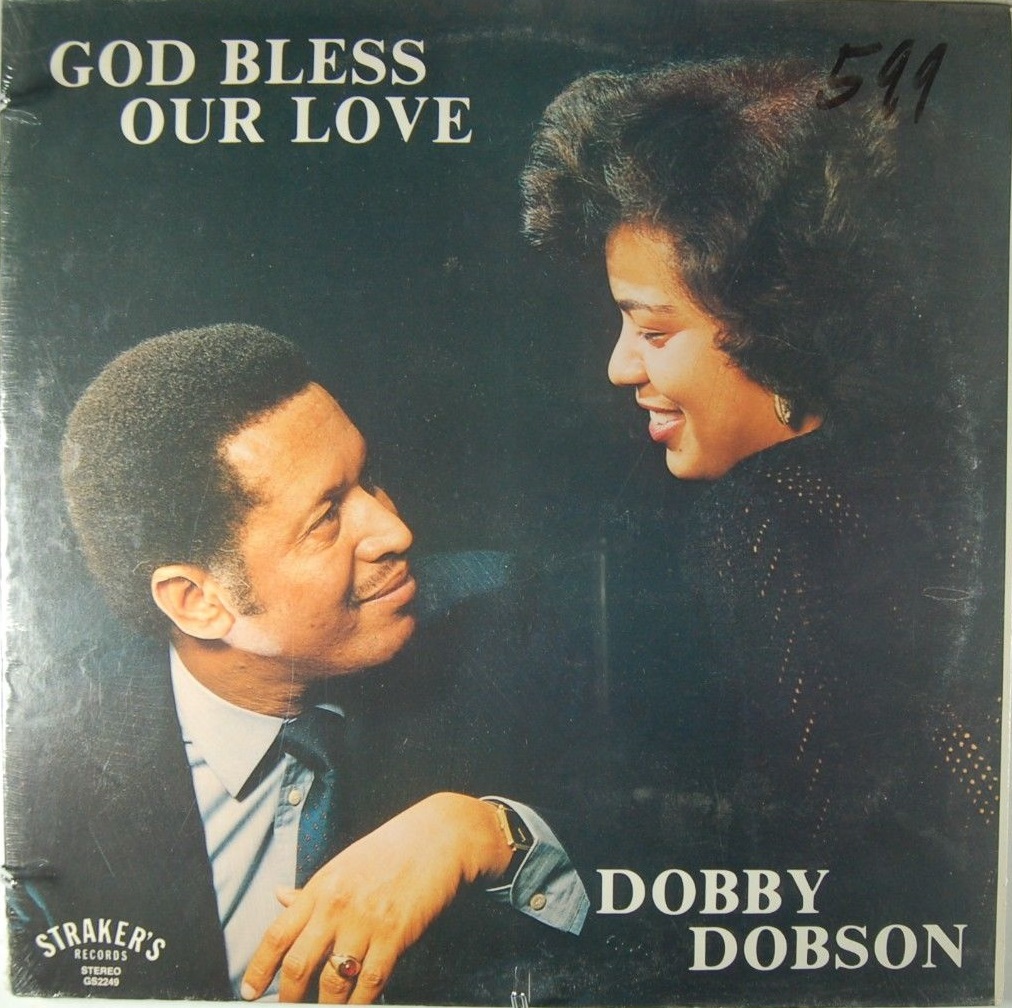
It was also a spiritual turning point: in 2000, his mother’s death led him to a crisis of faith; he converted and recorded several gospel albums, including Love Songs for Jesus (2008) and Songs for Everyone (2011).
Major Works
| Work | Year | Why It’s Essential |
|---|---|---|
| “Cry a Little Cry” (single) | 1959 | First #1 hit at age 17, pre-rocksteady Jamaican doo-wop |
| “I’m a Loving Pauper” (single) | 1967 | Iconic hit, signature tune, covered by UB40 and Gregory Isaacs |
| “That Wonderful Sound” (single) | 1972 | Best-Selling Single of the Year in the Caribbean, 40,000 copies |
| Wonderful Sound (album) | 1977 | First solo album, produced by Double-D Records |
| Message From The Meditations (album) | 1978 | First Meditations album produced by Dobson, described by AllMusic as “one of the most stunning debuts in Jamaican history” |
Legacy and Influence
Dobby Dobson is one of the most iconic singers of the transition from ska to reggae. His style — sentimental ballads with a warm tone, written in his own hand — profoundly influenced Jamaican rocksteady. “I’m a Loving Pauper” is now part of the Caribbean repertoire standards and continues to be covered by subsequent generations. Considered one of the greatest Jamaican artists of all time, he leaves a lasting mark on Caribbean music history.
Sources and References
- « Highland Ralph Dobson OD (5 July 1942 – 21 July 2020) was a Jamaican reggae singer and record producer », Wikipedia, https://en.wikipedia.org/wiki/Dobby_Dobson, accessed November 3, 2026.
- « Dobby Dobson — Biography », AllMusic, https://www.allmusic.com/artist/dobson-mn0000138432, accessed November 3, 2026.
- « Dobby Dobson: Versatile Jamaican Singer and Songwriter, Dies at 78 », The New York Times, https://www.nytimes.com/2020/07/31/obituaries/dobby-dobson-dead-coronavirus.html, accessed November 3, 2026.
- « Dobby Dobson Discography », Discogs, https://www.discogs.com/artist/346296-Dobby-Dobson, accessed November 3, 2026.
- « Dobby Dobson for KC fund-raiser », Jamaica Observer, July 20, 2012, cited in Wikipedia.
- « Dobby Dobson OD – Official Award », Dancehall.mobi, https://web.archive.org/web/20111004142527/http://www.dancehall.mobi/2011/08/06/dennis-brown-millie-small-dobby-dobson-get-national-awards/, accessed November 3, 2026.
- « Dobby Dobson », Roots Archives, https://www.roots-archives.com/artist/495, accessed November 3, 2026.