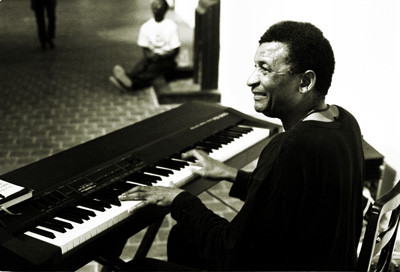
Biography
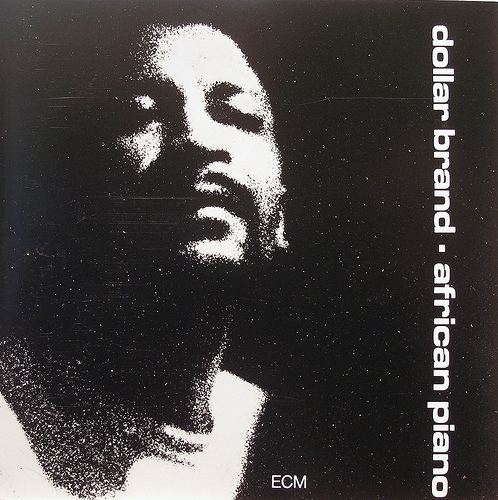
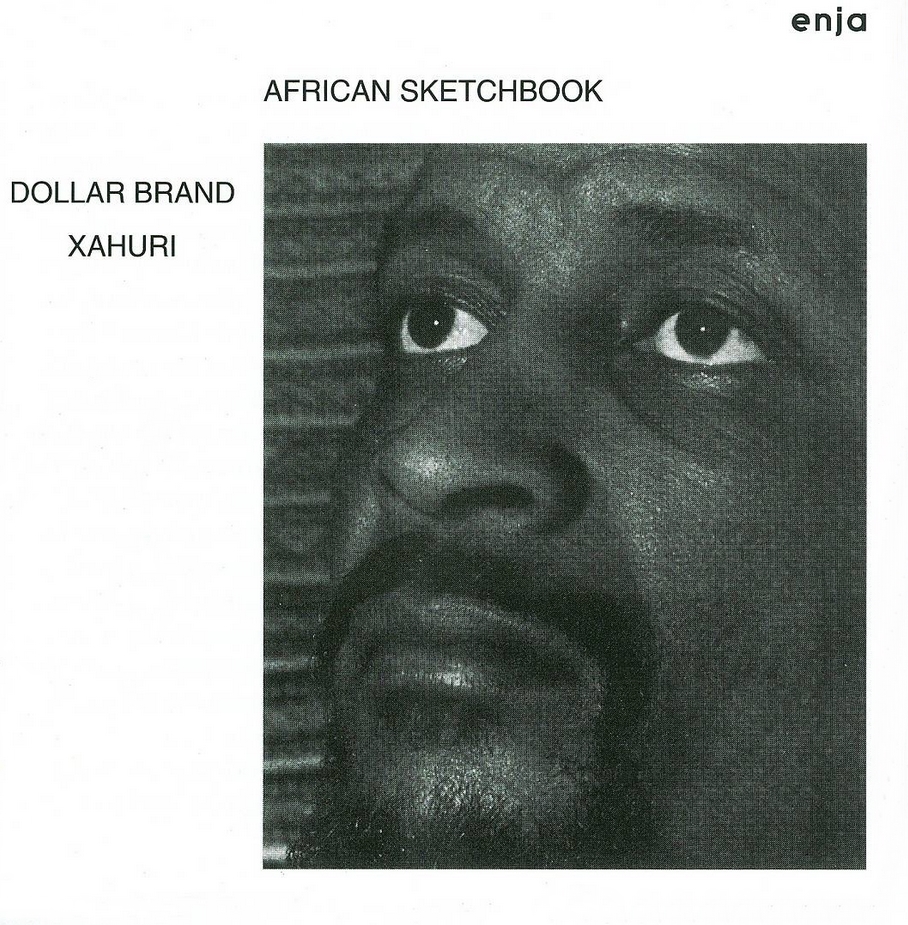
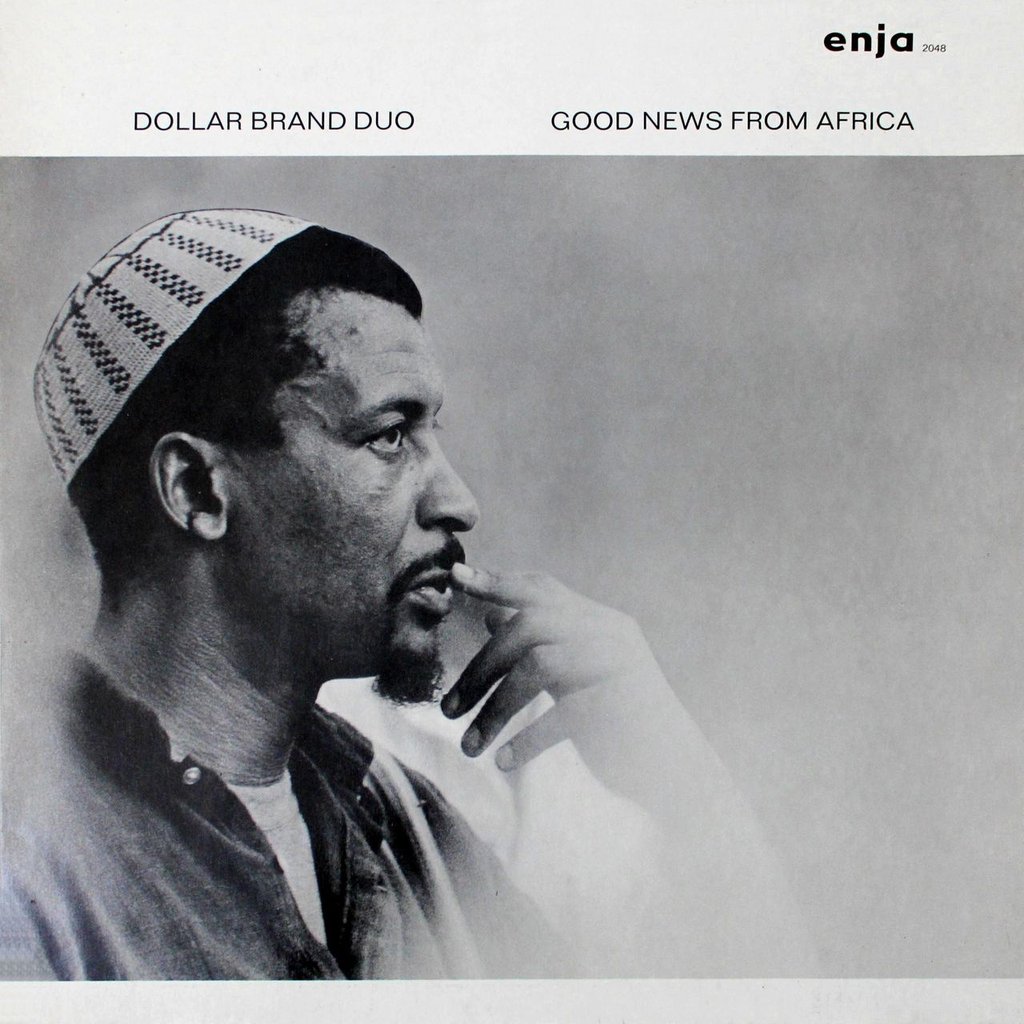
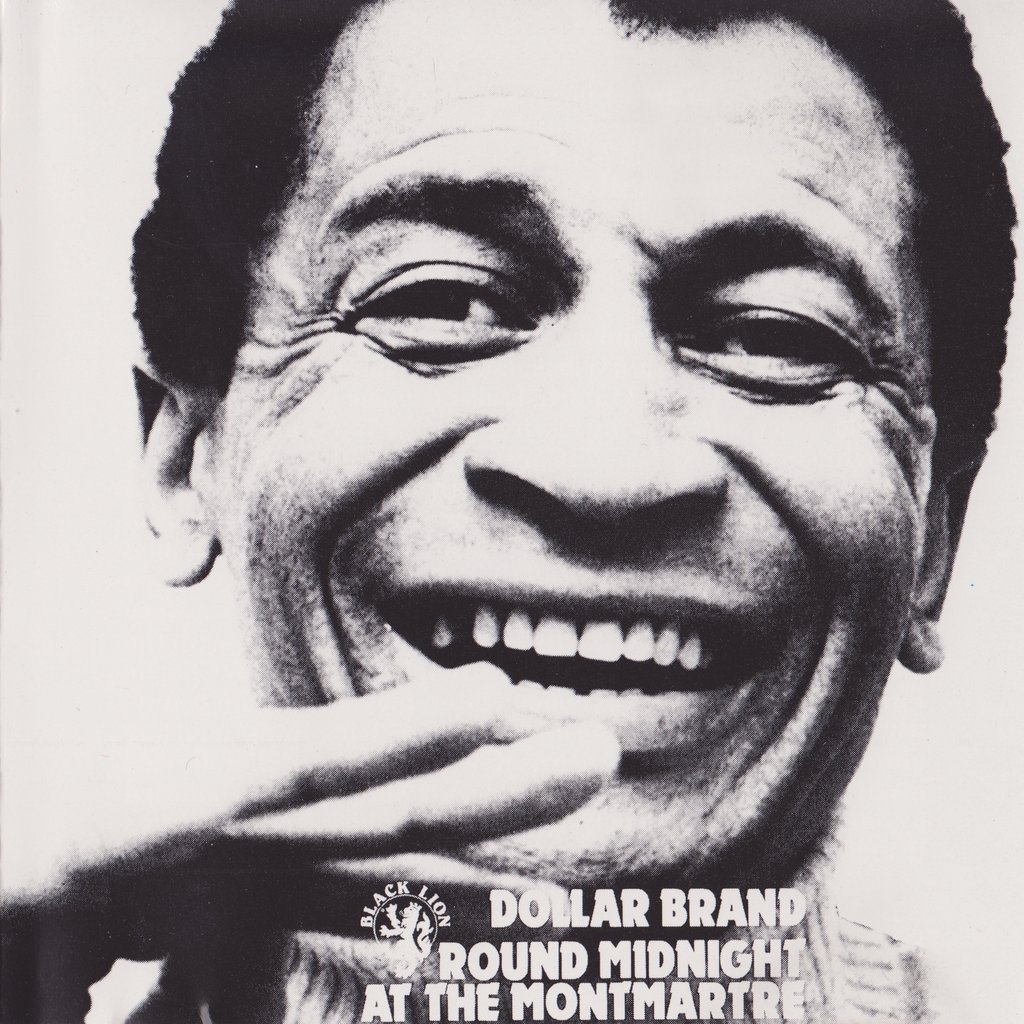
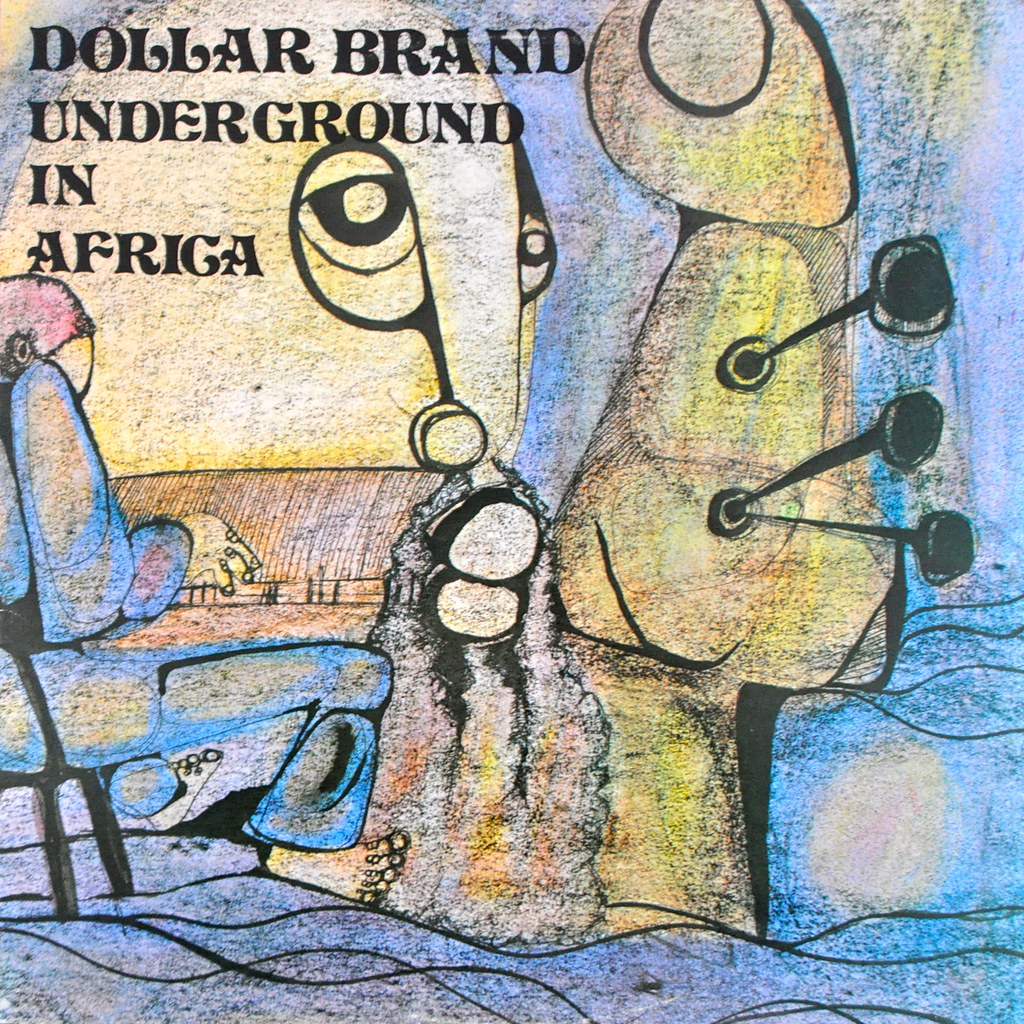
Dollar Brand
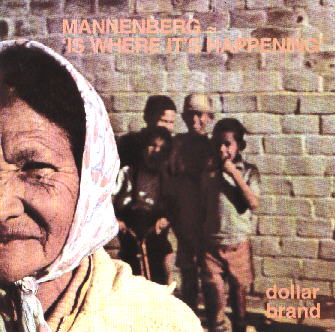
In June 1974, in Cape Town, Ibrahim sat at the piano and improvised. The saxophonist Basil Coetzee heard this motif, picked up his tenor sax, and played an unforgettable solo. In fourteen minutes, “Mannenberg” was born — a piece that would become the unofficial anthem of the struggle against apartheid and the foundation of Cape jazz.
In brief
| Full name | Adolph Johannes Brand |
| Birth | 9 October 1934, Cape Town (District Six), South Africa |
| Death | 15 June 2026, Prien am Chiemsee, Bavaria, Germany |
| Field | South African jazz (Cape jazz), bebop, post-bop, folk |
| Notable works | “Mannenberg”, African Sunrise, Matsidiso |
| Awards | NEA Jazz Master (2019), honorary doctorate, numerous international prizes |
Key dates
| Year | Event |
|---|---|
| 1934 | Birth of Adolph Johannes Brand in District Six, Cape Town |
| 1958 | Formation of the Dollar Brand Trio |
| 1959 | Creation of the Jazz Epistles, first black South African jazz album |
| 1962 | Exile in Europe after the Sharpeville massacre |
| 1963 | Duke Ellington hears the trio in Zürich and arranges a recording session in Paris |
| 1965 | Marriage to Sathima Bea Benjamin; move to New York |
| 1968 | Conversion to Islam, adoption of the name Abdullah Ibrahim; return to Cape Town |
| 1974 | Recording of “Mannenberg”, which became an anti-apartheid anthem |
| 1976 | Support for the ANC after the Soweto uprising; return to New York |
| 1987 | Award-winning soundtrack for Chocolat by Claire Denis |
| 1990 | Invitation from Mandela to return to South Africa after his release |
| 1994 | Concert at Nelson Mandela’s presidential inauguration |
| 2019 | Named NEA Jazz Master by the National Endowment for the Arts |
Origins and revelation: from District Six to Manhattan
Adolph Johannes Brand grew up in District Six, a multicultural port quarter of Cape Town. With his grandmother, a pianist at the AME church, and his mother leading the choir, he was immersed from childhood in a crucible of Khoi-San chants, hymns, and gospel. He began playing the piano at seven, discovered bebop, township jive, and Cape Malay music. Professional debut at fifteen with the Tuxedo Slickers; a personal style was forged there, between the influence of Thelonious Monk and that of Duke Ellington.
In 1958, he formed the Dollar Brand Trio (nickname taken from his father’s first name). In 1959, he founded the Jazz Epistles with Kippie Moeketsi (alto sax), Hugh Masekela (trumpet), Jonas Gwangwa (trombone), Johnny Gertze (bass), and Makaya Ntshoko (drums). This mixed sextet recorded Jazz Epistle Verse One — the first jazz album ever produced by black South African musicians. That same year, he met the singer Sathima Bea Benjamin; they would marry six years later.
Exile, discovery, and international consecration
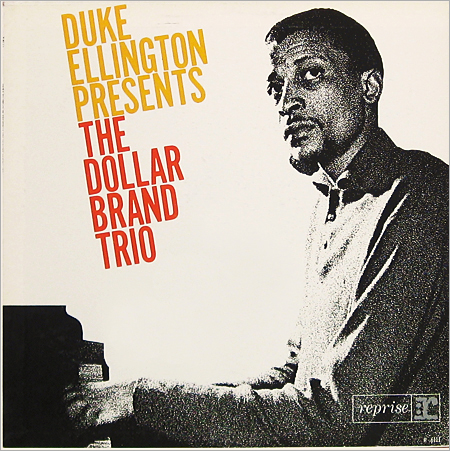
After the Sharpeville massacre in March 1960, repression fell upon mixed clubs. The Jazz Epistles broke up: some members left for London with the musical King Kong. In 1962, Dollar Brand joined Sathima Bea Benjamin in Switzerland for a contract at the Club Africana in Zürich. It was there that Sathima convinced Duke Ellington to attend their performance. The jazz giant immediately organized a recording session in Paris: Duke Ellington Presents the Dollar Brand Trio marked the pianist’s entry onto the international stage.
In 1965, the couple moved to New York. Ibrahim performed at the Newport Jazz Festival and Carnegie Hall. In 1966, he replaced Duke Ellington at the head of his orchestra for five concerts. He then toured with Elvin Jones’s quartet and received in 1967 a Rockefeller Foundation fellowship to enter the Juilliard School of Music. In New York, he rubbed shoulders with the greatest: Don Cherry, Ornette Coleman, John Coltrane, Pharaoh Sanders.
1968 was the pivotal year. In search of spiritual harmony, he returned to Cape Town and converted to Islam, taking the name Abdullah Ibrahim. A pilgrimage to Mecca followed in 1970.
The return and legacy: Mannenberg, Cape jazz, and recognition
From 1970 to 1972, he settled his family in eSwatini and founded a music school there. He returned to Cape Town in 1973. In June 1974, the session that would give birth to “Mannenberg” was recorded in one take: Ibrahim improvised at the piano, the band followed. The piece drew inspiration from marabi rhythms mixed with local dances (tickety-tack, ghoema) — and took the name of the township where District Six populations were forced to relocate. The album Mannenberg – Is Where It’s Happening became an instant success. “Mannenberg” resonated as a declaration of identity and freedom; after the Soweto uprising in 1976, it became one of the most powerful resistance songs of the anti-apartheid movement.
In 1981, Ibrahim and Sathima founded the Ekapa label. He composed the award-winning soundtrack for Chocolat (Claire Denis, 1987), the opera Kalahari Liberation Opera (1982), and the ballet Prelude (1981). In 1990, freed Mandela invited him to return: Ibrahim responded with Mantra Modes (1991), his first recording with South African musicians since 1976. He played at Mandela’s presidential inauguration in 1994; the latter nicknamed him “our Mozart”.
Beyond music, he shaped generations through the M7 academy (1999) and the Cape Town Jazz Orchestra (2006). More than a hundred albums mark his career. The double album 3 (January 2024), his last recording, was released as he approached his 90th birthday. He passed away on 15 June 2026 in Bavaria.
Major Works
| Work | Year | Why It’s Essential |
|---|---|---|
| “Mannenberg” / Mannenberg – Is Where It’s Happening | 1974 | Anti-apartheid anthem, creation of Cape jazz in a single take |
| Jazz Epistle Verse One (The Jazz Epistles) | 1960 | First black South African jazz album, launch of Cape bebop |
| Duke Ellington Presents the Dollar Brand Trio | 1963 | First international recording, Ellington’s endorsement |
| Matsidiso (solo piano) | 1980 | Pianistic masterpiece: introspective improvisation on Cape tradition |
| Chocolat (soundtrack, Claire Denis) | 1988 | Recognition of European auteur cinema; award for best original score |
Legacy and Influence
Abdullah Ibrahim forged Cape jazz as a unique musical form, at the crossroads of New York bebop, African religious rituals, and the rhythms of the Cape port. Pianists like Abdullah around the world, post-Kwad Phila composers in Kenya, and even European diaspora artists pay homage to his harmonic architecture. The Cape Town International Jazz Festival dedicated a stage in recognition of their collaboration. His music remains taught in South African conservatories, and every new generation discovers in “Mannenberg” a bridge between resistance and beauty—proof that an improvised piece recorded in a single take can defy decades of tyranny.
Sources and References
-
« Abdullah Ibrahim Biography », abdullahibrahim.co.za, URL, accessed November 12, 2026. Artist’s official site—complete biography, exact chronology, verified institutional facts.
-
« Abdullah Ibrahim », Wikipedia, URL, November 10, 2026. Complete discography, release dates, legacy.
-
« Abdullah Ibrahim | Jazz, Songs, Death », Britannica, URL, 2026. Institutional biography, official awards and distinctions.
-
« Abdullah Ibrahim — Biography, Discography », AllMusic, URL, November 10, 2026. Thom Jurek, verified discographic data (Discogs/AllMusic).
-
« Pianist Abdullah Ibrahim crafted a magnificent new culture for South Africa », The Conversation, URL, 2024. Academic analysis of Ibrahim’s role in South African culture, Mannenberg, and legacy.
-
BBC Radio 3 Jazz Profiles — « Abdullah Ibrahim », URL. Established jazz portrait, influences, and career path.
-
NEA Jazz Master 2019 — National Endowment for the Arts, « Abdullah Ibrahim », URL. Official fact of American institutional recognition.
-
« International jazz icon Abdullah Ibrahim dies aged 91 », IOL (South Africa), June 15, 2026. Official death announcement, verified by IOL and Africawood (two independent sources).
-
« Landmarks in SA Jazz - Mannenberg », South African History Online (PDF), URL. Historical analysis of Mannenberg and Cape jazz context.