Biography
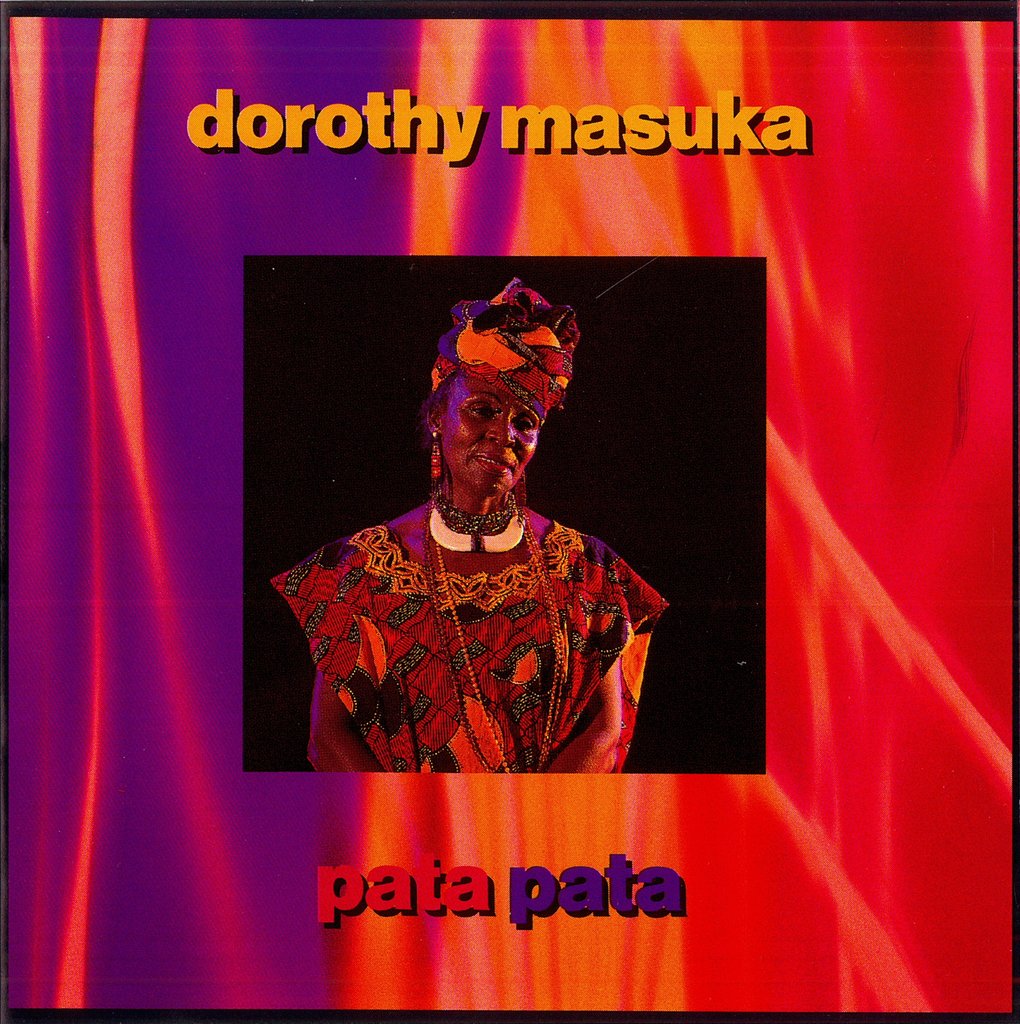
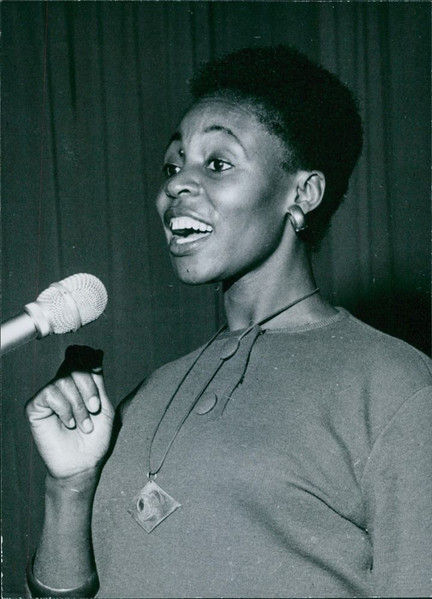
Dorothy Masuka
The day that, at sixteen, Dorothy Masuka sang “Hamba Nontsokolo” on the Sophiatown stage, the public discovered an artist-composer who turned jazz into a political instrument. More than sixty years later, this voice still resists.
In Brief
| Full Name | Dorothy Masuka (stage name; civil name: Dorothy Masuku) |
| Birth | 3 September 1935, Bulawayo (then Southern Rhodesia), now Zimbabwe |
| Death | 23 February 2019, Johannesburg (South Africa), at age 83 from complications following a stroke |
| Field | Afro-jazz, kofifi; singer and composer |
| Signature Works | “Hamba Nontsokolo”, “Dr Malan”, “Lumumba” |
| Honours | Pioneer of liberation music in Southern Africa; nicknamed « Auntie Dot » by the crowds |
Key Dates
| Year | Event |
|---|---|
| 1935 | Birth in Bulawayo, daughter of a Zambian cook and a Zulu mother (Liza Mafuyani) |
| 1947 | Moves to Johannesburg with her aunt; joins the choir of Saint-Thomas boarding school |
| ~1951 | Signs with Troubadour Records; composes “Hamba Nontsokolo” on a train |
| ~1954-1957 | Period of glory: about thirty singles, second best-selling artist after Bing Crosby in South Africa |
| 1957 | “Dr Malan”, first South African song to name an apartheid minister; “Zono Zam” anti-pass |
| 1960-61 | Masters of “Lumumba” destroyed by the Special Branch; Dorothy flees South Africa |
| 1961-77 | Sixteen years of exile in Zambia; works as a flight attendant |
| 1978-80 | London: London Palladium, BBC, circles of John Dankworth and Cleo Laine |
| 1980 | Return to independent Zimbabwe; resumption of professional career |
| 1992-2019 | Settlement in Johannesburg; post-exile recordings; concert with Abdullah Ibrahim in New York (2017) |
| 2019 | Death on 23 February in Johannesburg; Africa salutes an icon |
From Stage to Activism: A Life in Music
Dorothy Masuku was born on 3 September 1935 in Bulawayo, stronghold of Southern Rhodesia. Her father was a cook of Zambian origin; her mother, Liza Mafuyani, was a Zulu from KwaZulu-Natal. Her maternal grandmother, a sangoma (traditional healer), passed on to Dorothy a spiritual heritage that nourished her creativity: her melodies came to her in dreams, and she sang them immediately around her so that the evasive memory could be captured.
In 1947, at twelve years old, Dorothy moved to live with her aunt in Johannesburg. Asthma drove her toward the less humid climate, but Saint-Thomas convent school offered a choir in which she quickly found her vocation. The obvious attraction of Troubadour Records signed her within a few years, and Dorothy, after several absences, gave up snacking on lessons to board a train where she composed “Hamba Nontsokolo”, a title that would make her a professional star. In the wake of this, she kept booking engagements: African Inkspots, Harlem Swingsters and Alfred Herbert’s African Jazz and Varieties orchestra, with whom she toured until Mozambique.
At eighteen, the magazine Zonk placed her alone ahead of Bing Crosby in South Africa. Between sixteen and twenty years old, she wrote and recorded nearly thirty singles; two of them became hits. But commercial recognition was slow to come: no contract, no salary, no royalties — Dorothy received a dress and some bills. It was during this period that her pen became radical. “Zono Zam” (1957), born during the anti-pass campaign, demanded: it is so hard in this world, Lord, help us to be free. The same year, “Dr Malan” named Prime Minister Daniel François Malan and his power; first South African song to publicly attack a minister by name, and by a young girl who was not yet twenty. In 1960-61, the Special Branch seized and destroyed the masters of “Lumumba”, a song that questioned the assassination of Congolese leader Patrice Lumumba. No copy survived. The singer did not let herself be cooled: Dorothy left South Africa in 1961 and plunged into thirty-one years of exile. In Zambia, she worked sixteen years as a flight attendant for one of the first independent African airlines, and raised a family. Her music circulated: Miriam Makeba, also in exile, took up some of her titles.
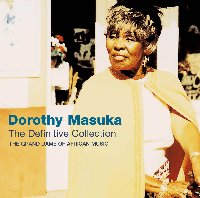
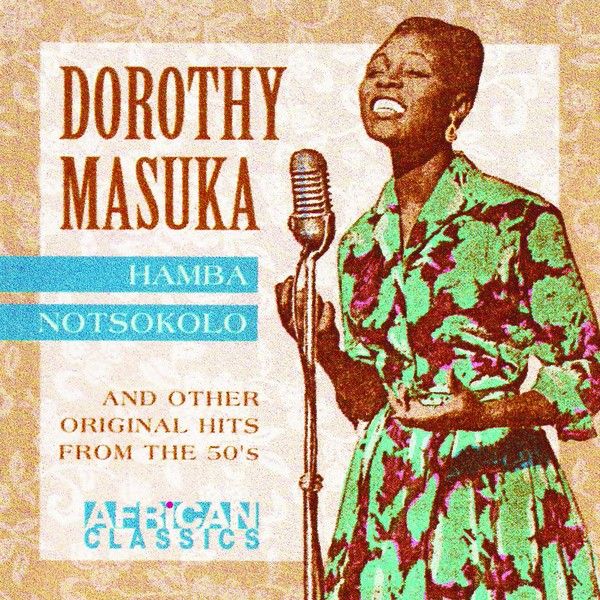
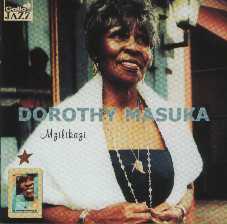
In 1978, Dorothy joined London. She sang at the Palladium, in Wimbledon, for the BBC and alongside Cleo Laine. Finally, a British public, she could breathe. But her return to Rhodesia ran into the secret services of Ian Smith: she fled again toward Zambia. On 18 April 1980, the independence of Zimbabwe sounded. Dorothy returned and resumed a life as a professional singer. Twelve years later, in 1992, Nelson Mandela free, she settled in Yeoville, Johannesburg. Four post-exile albums were born from this renaissance: Mzilikazi and Lendaba (both 2017), accompanied by the compilation Hamba Nontsokolo and Other Original Hits from the 50’s — which omits “Dr Malan” and “Lumumba”, eternal victims of censorship. In 2017, Abdullah Ibrahim’s Jazz Epistles called her to New York City Hall: Dorothy opened the concert and warmed up the crowds on the spot. Until the end, she recorded new titles and animatedly conversed with journalists about buying a tree-covered plot to compose again. Music, she said to SABC, is like breathing — it is her life. A stroke took her away from the spotlights in 2018; on 23 February 2019, she passed away in Johannesburg.
Major Works
| Work | Year | Why It’s Essential |
|---|---|---|
| “Hamba Nontsokolo” | ~1951 | First professional hit, anthem of South African jazz composed on a train. |
| “Dr Malan” | 1957 | Border attack against an apartheid minister: a revolutionary act by a teenager. |
| “Lumumba” | 1960-61 | Tribute to the assassinated Congolese leader: masters confiscated, the song remains a myth. |
| “Zono Zam” | 1957 | Anti-pass rally cry, voice of the townships: it’s so hard in this world. |
| Mzilikazi | 2017 | Last studio album born from the post-exile renaissance. |
Legacy and Influence
Dorothy Masuka is often hailed as the founding mother of liberation music in Southern Africa. As a songwriter-composer, she was also an architect of pan-Africanist discourse and a pioneer of political jazz on the continent. More than one hundred compositions are suspected — no complete discography exists. Her work, broadcast on pan-African waves, nourished an entire generation; it continues to influence afro-jazz and soul artists. Her stage presence remains legendary: crowds affectionately nicknamed her “Auntie Dot,” and musicians recall that this woman transformed every moment into performance.
Sources and References
- Gwen Ansell, « Dorothy Masuku: Africa has lost a singer, composer and a hero of the struggle », The Conversation / News24, February 25, 2019, https://www.news24.com/opinions/analysis/dorothy-masuku-africa-has-lost-a-singer-composer-and-a-hero-of-the-struggle-20190226, accessed November 5, 2026.
- « Dorothy Masuka », South African History Online, https://sahistory.org.za/people/dorothy-masuka, accessed November 5, 2026.
- « Dorothy Masuka | South African Jazz Legend Dorothy Masuka Has Died », OkayAfrica, February 23, 2019, https://www.okayafrica.com/south-african-jazz-legend-dorothy-masuka-has-died/113678, accessed November 5, 2026.
- « Dorothy Masuka », Wikipedia (English), https://en.wikipedia.org/wiki/Dorothy_Masuka, accessed November 5, 2026.
- « Dorothy Masuku 1935-2019 », SisGwenJazz (South African jazz blog), February 24, 2019, https://sisgwenjazz.wordpress.com/2019/02/24/dorothy-masuku-1935-2019/, accessed November 5, 2026.
- « Dorothy Masuka », Apple Music, https://music.apple.com/us/artist/dorothy-masuka/919350, accessed November 5, 2026.
- « Dorothy Masuka discography », Rate Your Music, https://rateyourmusic.com/artist/dorothy-masuka, accessed November 5, 2026.