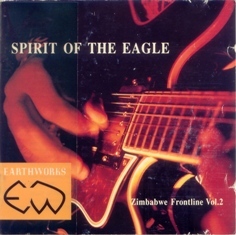
The cradle of the mbira: a millennial tradition
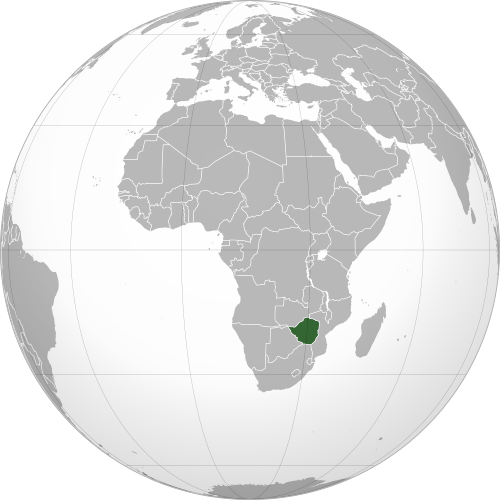
Zimbabwe, in southeastern Africa bordered by Mozambique and the Great Lakes, possesses a globally recognized music stemming from Shona (majority) and Ndebele traditions. The country is world-famous for the mbira (or sansi), a lamellophone/finger piano inscribed on UNESCO’s Intangible Cultural Heritage list in 2021, and for its authentic African polyrhythm.
The Shona tradition: mbira, sansi and dzimi — the sacred lamellophone
The Shonas of central-eastern Zimbabwe maintain a musical tradition centered on the mbira dzimi (or sansi), the sacred lamellophone/finger piano, considered the instrument that allows communication with ancestor spirits during initiation ceremonies ( bira). The Shona mbira is composed of 21 to 30 metal keys fixed on a wooden board ( chishaurremo) and accompanied by metal rattles (shaker, sekele) that produce hypnotically complex sounds. The mbira dzimi has been inscribed on UNESCO’s Intangible Cultural Heritage list since 2021, along with Malawi and Zimbabwe.
Shonas also play the timbila (traditional xylophone used in community ceremonies), tam-tams (ngoma) and shake pierced gourd rattles (marima). Mbira ceremonies often last several hours, featuring spiritual dances and polyphonic singing.
The Ndebele tradition: war drums and choral songs
The Ndebiles of the northwest maintain a musical tradition centered on choral songs and war drums. Ndebeles play the cylindrical drum used in royal ceremonies and community gatherings. Ndebele songs are characterized by their complex polyphonies and ability to accompany war dances.
The mbira in the world: from Black Angels to global albums
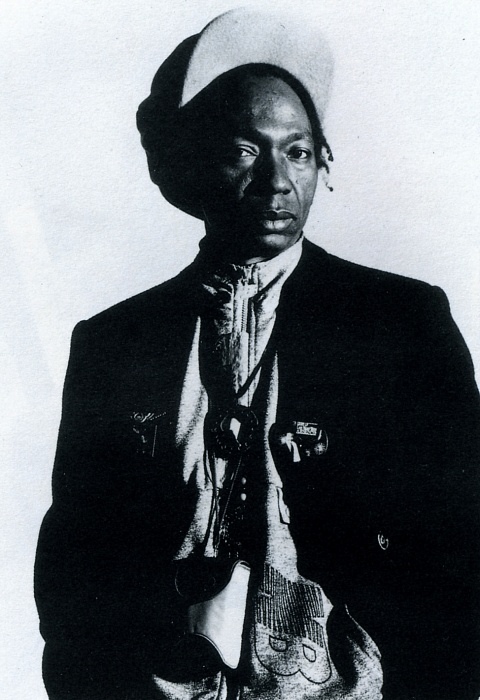
The mbira shona has conquered the world thanks to artists like Thomas Mapfumo (the “Lion of Zimbabwe”), Charlie Musaya, and the global album by Paul Bohlander “Voices of the Zimbabwe Mbira”. The Black Angels, a group founded by Thomas Mapfumo, were the first to popularize mbira shona on the international stage. The group Sticky Fingers and musician Makwaza Mhlanga continue to shine the mbira shona around the world.
The contemporary Zimbabwean scene
Modern Zimbabwean music integrates South African influences (kwaito, gospel) while preserving Shona and Ndebele traditions. Artists like Miriam Makeba (although South African, she collaborated with Zimbabwean musicians) and the group Sticky Fingers continue to fuse Zimbabwean musical traditions with modern sounds. The maskandi (Zulu folk) is also popular in Zimbabwe.
Traditional instruments of Zimbabwe
- Mbira dzimi / Sansi — Shona lamellophone/finger piano, UNESCO heritage
- Chishaurremo — wooden board on which mbira keys are fixed
- Shaker / Sekele — metal rattles accompanying the mbira dzimi
- Marima / Timbila — traditional Shona xylophone used in community ceremonies
- Ngoma — Ndebele cylindrical drum used in royal ceremonies
- Dzumburu / Marimba — Shona pierced gourd drum
References
[1] “Music of Zimbabwe”, Wikipedia, https://en.wikipedia.org/wiki/Music_of_Zimbabwe. [2] “Mbira UNESCO Heritage”, https://ich.unesco.org/en/RL/art-of-crafting-and-playing-mbira-sansi-the-finger-plucking-traditional-musical-instrument-in-malawi-and-zimbabwe-01541. [3] “Zimbabwe Music”, Afropop, http://www.afropop.org/explore/style_info/ID/51/Zimbabwe/.