Biography
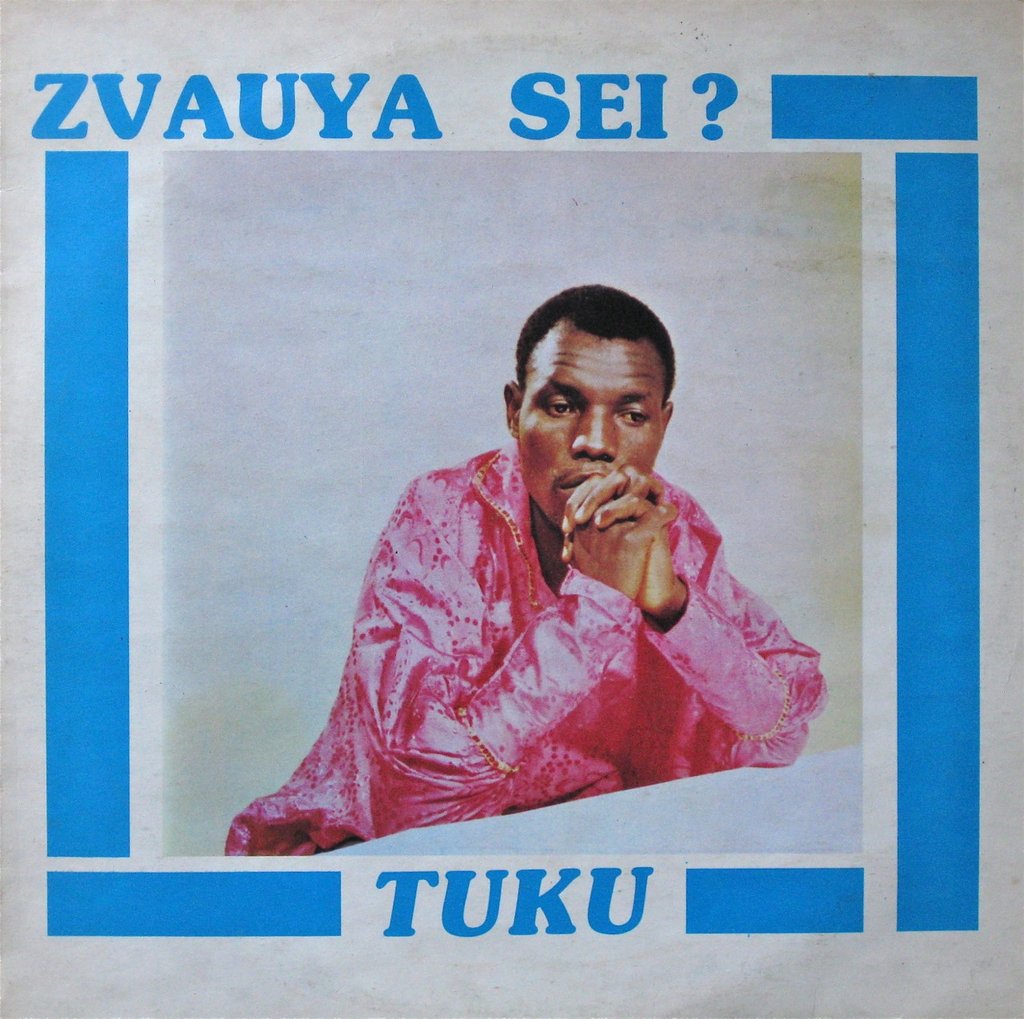
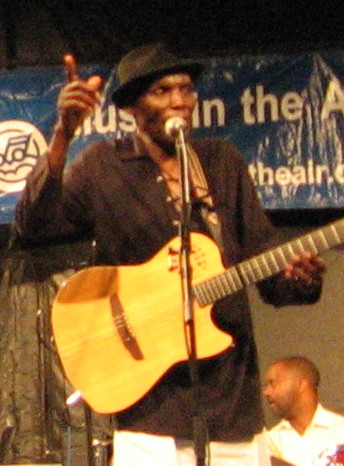
Oliver « Tuku » Mtukudzi: the guitarist who spoke to Zimbabwe’s heart
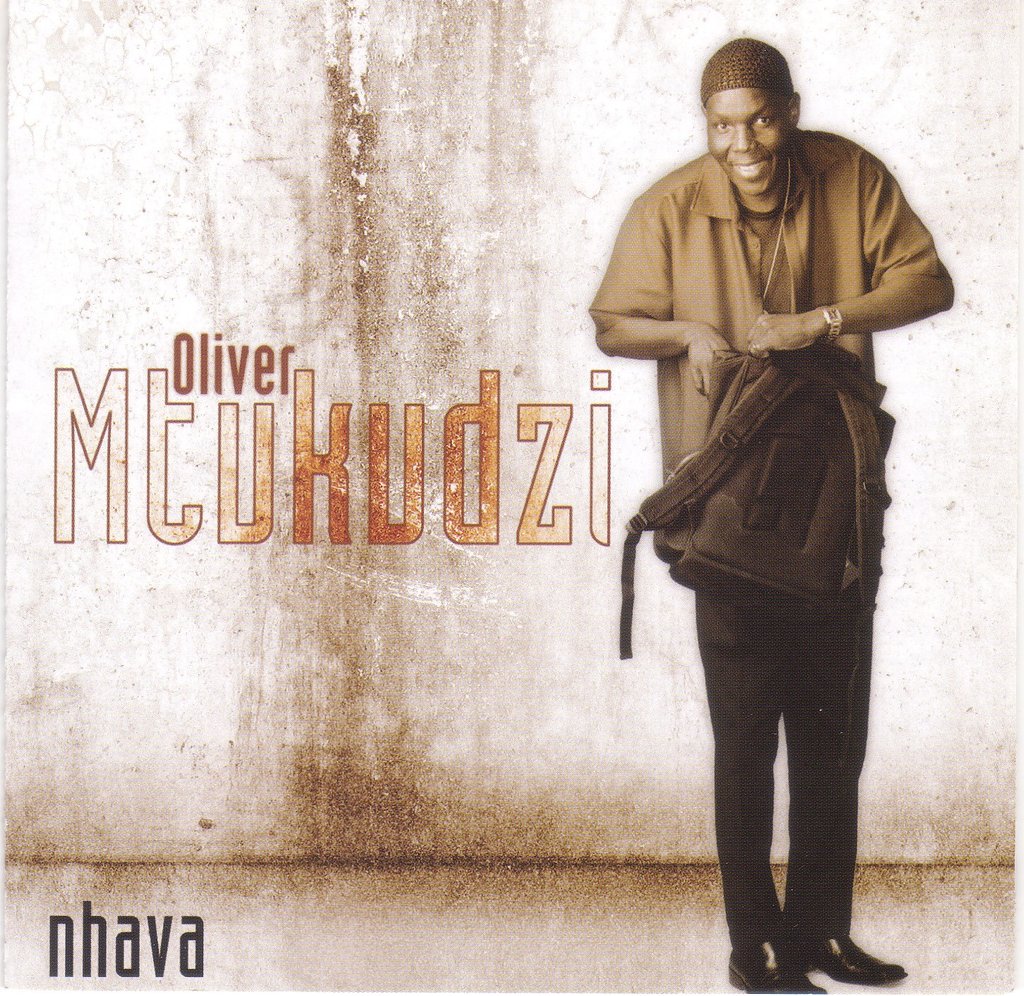
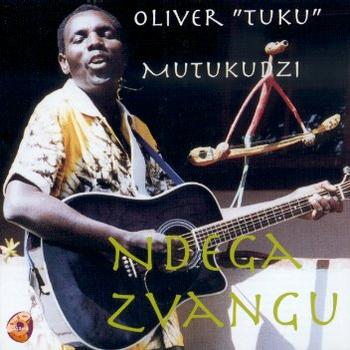
In 1999, in San Francisco, Oliver Mtukudzi discovered an international audience. His guitar, deep and caressing, resonated like a mbira — this instrument with metal tines, a kind of Shona thumb piano whose sparkling melody permeates Zimbabwean music. The style he invented became Tuku Music, and his name, that of a unique voice.
In brief
| Full name | Oliver Mtukudzi |
| Nickname | « Tuku » (who enriches) |
| Birth | 22 September 1952, Highfield, Salisbury (Harare), Southern Rhodesia |
| Death | 23 January 2019 (66 years), Harare, Zimbabwe, from complications of diabetes |
| Field | Guitarist, singer, composer; Afro Jazz and Tuku Music |
| Emblematic works | Africa, Tuku Music, Neria (soundtrack), Sarawoga |
| Distinctions | UNICEF Goodwill Ambassador (2012), M-Net Award (1992), KORA Awards Lifetime Achievement (2003), three honorary doctorates |
Key dates
| Year | Event |
|---|---|
| 1952 | Birth in Highfield, popular suburb of Harare, eldest of seven children |
| 1975 | First single, Stop After Orange; self-taught guitar learning |
| 1977 | Joined the group Wagon Wheels, with Thomas Mapfumo; Dzandimomotera number one for eleven weeks |
| 1979 | Left Wagon Wheels and founded the Black Spirits; solo career begins |
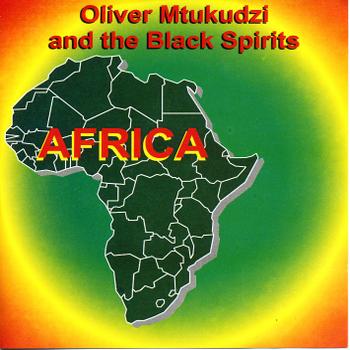
| 1980 | Release of Africa, soundtrack for Zimbabwe’s independence |
| 1992 | Soundtrack for Neria, film about dispossessed widows, awarded M-Net |
| 1999 | Tuku Music propels Tuku onto international circuits; 11 weeks at the top of CMJ charts |
| 2003 | Lifetime Achievement at KORA Awards; opening of the Pakare Paye Arts Centre in Norton |
| 2012 | UNICEF Goodwill Ambassador for Southern Africa |
| 2019 | Death at age 66 |
An exceptional guitarist
Oliver Mtukudzi was born in the Highfield township, Salisbury, capital of Southern Rhodesia. His two parents sang in choir at church, but when he showed his passion for music, his mother feared he would remain single and broke his first guitar, built by his own hands. Oliver did not back down. He taught himself, copying the sounds of the mbira — this instrument with metal tines whose sparkling melody permeates Zimbabwean music — onto his guitar strings. According to him, professional guitarists of the time mocked him because he was seeking sounds that a guitar could not produce.
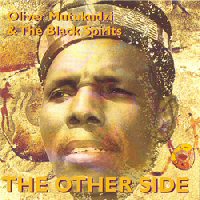
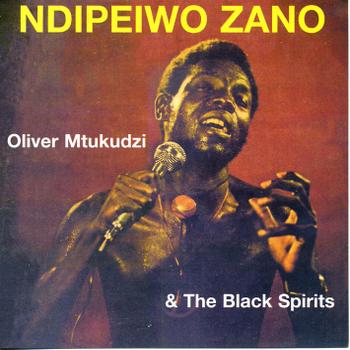
At twenty-three, he recorded Stop After Orange. Failure. He applied for a job, got nothing. “After school, I didn’t find work, so I started writing about it,” he would later confess to The Guardian. It was with the Wagon Wheels, which housed Thomas Mapfumo, that he achieved his first success: Dzandimomotera remained number one for eleven weeks. He formed the Black Spirits in 1979 and released Ndipeiwo Zano, produced by the South African West Nkosi, who introduced mbaqanga — a South African township style — into his mix.
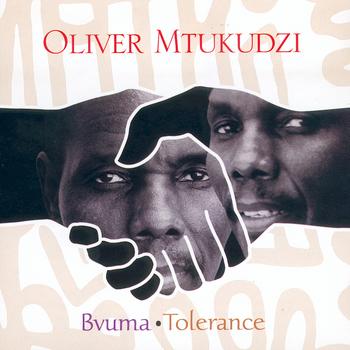
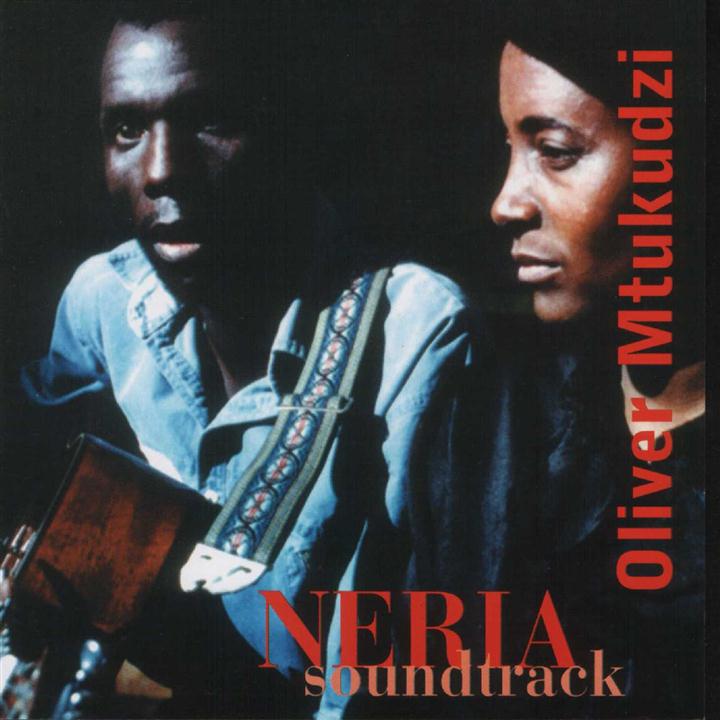
When Zimbabwe became independent in 1980, Africa was the soundtrack of victory. His music became a mirror of the country: Todii (What to do?) sang compassionately about the scourge of HIV/AIDS, and Neria (1992) imposed the taboo subject of widows dispossessed by customary law. Was My Child, his show on street children in 1995, also made him an engaged director. He refused to be a political opponent. “My music is not for the government, my music is for the people,” he affirmed in The Guardian of 2019. His album Bvuma (Tolerance, 2001), with the song Wasakara (You are old), shook Robert Mugabe’s regime.
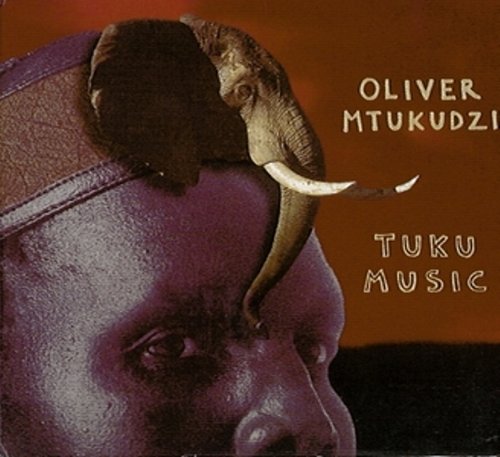
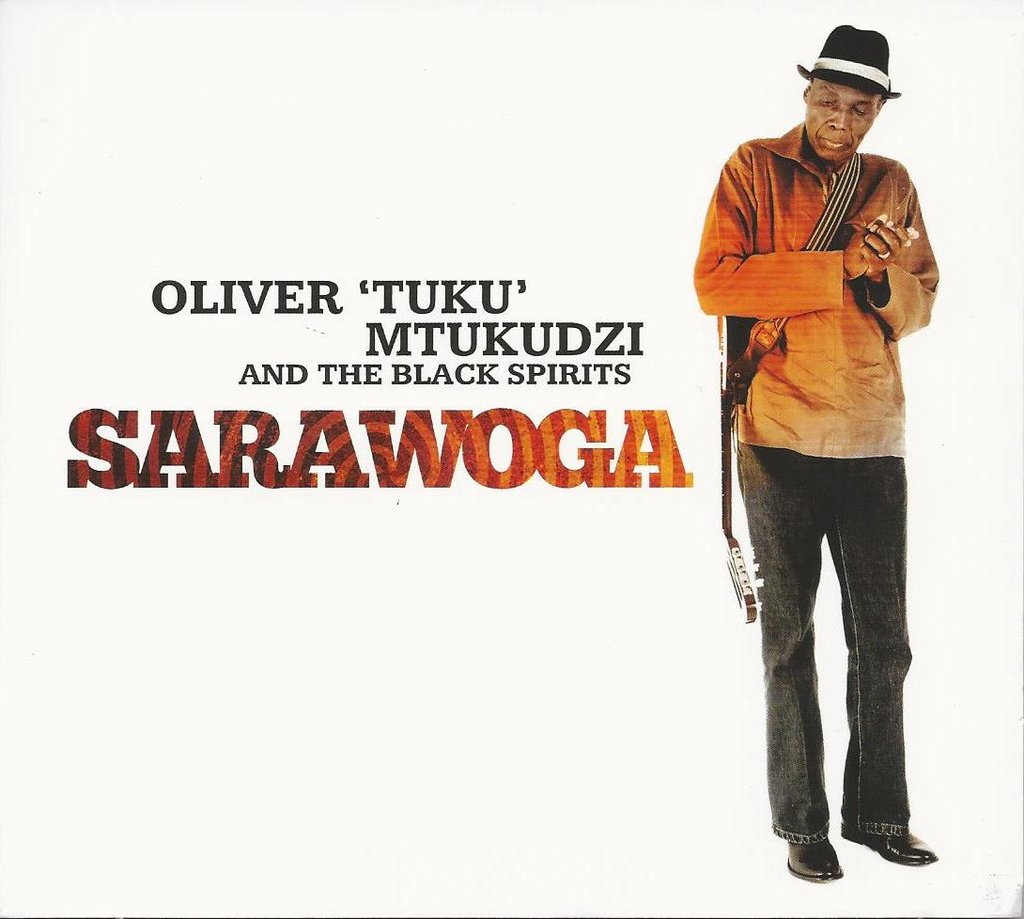
In the 2000s, Tuku Music (1999) on the Putumayo label was a shock: eleven weeks at the top of CMJ charts. Bonnie Raitt covered Hear Me Lord on Silver Lining (2002), he played at London’s Royal Festival Hall and WOMAD. He collaborated with Hugh Masekela on the album No Borders (2017). He accumulated honorary doctorates, founded the Pakare Paye Arts Centre, and UNICEF named him a goodwill ambassador in 2012. After the death of his son Sam in an accident in 2010, Sarawoga (2013) became a paternal farewell. His last album, Hanya’Ga (Worry, 2018), expressed his anxiety for Zimbabwe. He died in Harare on 23 January 2019.
Major works
| Work | Year | Why it is essential |
|---|---|---|
| Africa | 1980 | The soundtrack of independence; tracks like Zimbabwe and Madzongonyedze achieved unanimity. |
| Neria (soundtrack) | 1992 | The struggle of a widow against customary law; awarded M-Net by South African cinema. |
| Tuku Music | 1999 | The album that crossed the Atlantic; 11 weeks at number one on CMJ New World charts. |
| Sarawoga | 2013 | Paternal tribute to his son Sam, who died in a car accident in 2010. |
Legacy and influence
Tuku was not just a musician; he was a humanist who used music as a message. His style — a blend of mbira, mbaqanga, jit and traditional Korekore percussion — inspired generations of artists. More than 67 albums, world tours and the Pakare Paye Arts Centre which still trains young Zimbabweans. His music now circulates globally, and his legacy, which he called hunhu — shared humanity — continues to resonate well beyond Zimbabwe.
Sources and references
- « Oliver Mtukudzi », Wikipedia, https://en.wikipedia.org/wiki/Oliver_Mtukudzi, accessed 19 October 2025.
- « Oliver Mtukudzi biography », AllMusic, https://allmusic.com/artist/oliver-mutukudzi-mn0000471887, accessed 19 October 2025.
- « Oliver Mtukudzi obituary », The Guardian, https://www.theguardian.com/music/2019/feb/05/oliver-mtukudzi-obituary, accessed 19 October 2025.
- « Tributes pour in for Zimbabwean Afro-jazz legend Oliver Mtukudzi », Al Jazeera, https://www.aljazeera.com/features/2019/1/24/tributes-pour-in-for-zimbabwean-afro-jazz-legend-oliver-mtukudzi, consulté le 19 octobre 2025.
- « Tribute to Oliver Mtukudzi – Zimbabwe’s ‘man with the talking guitar’ », The Conversation, https://theconversation.com/tribute-to-oliver-mtukudzi-zimbabwes-man-with-the-talking-guitar-110443, consulté le 19 octobre 2025.
- « In memoriam: Dr Oliver ‘Tuku’ Mtukudzi (1952–2019) », African Music Journal, Taylor & Francis, https://www.tandfonline.com/doi/pdf/10.2989/18121004.2019.1698171, consulté le 19 octobre 2025.
- Jennifer Kyker, « Tribute to Oliver Mtukudzi », Zimfest, https://zimfest.org/blog/2019/tribute-to-oliver-mtukudzi/, consulté le 19 octobre 2025.