Biography
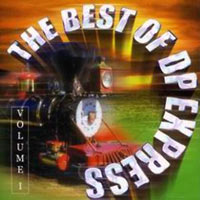
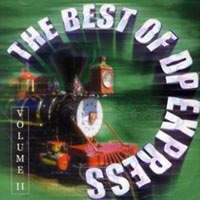
D.P. Express: the engine of Haitian compas music
In August 1979, in Dominica, the musicians of D.P. Express woke up flooded. Hurricane David, category 5, ravaged the island during their tour. Trapped in a bungalow with submerged synthesizers and a bottle of Barbancourt rum, they mentally wrote an anthem that would cross decades. Forty years later, David remains a fundamental piece of Haitian compas music.
In brief
| Name | D.P. Express (pronounced di-pi) |
| Origin | Pétion-Ville, Haiti |
| Genre | Compas / Haitian Konpa |
| Active period | 1974 – today (last documented album: 2014) |
| Main label | Superstar Records (Nassim “Papite” Halloun) |
| Emblematic works | David, “M’pa Pren Contac”, “Corigé”, “É,É,É,É” |
| Lineage link | Les Difficiles de Pétion-Ville (1966) → D.P. Express |
Key dates
| Year | Event |
|---|---|
| 1966 | Foundation of Les Difficiles de Pétion-Ville by Henry Célestin and Robert Martino, direct ancestors of the group |
| 1974–1975 | Creation of D.P. Express in Pétion-Ville; first recording to come |
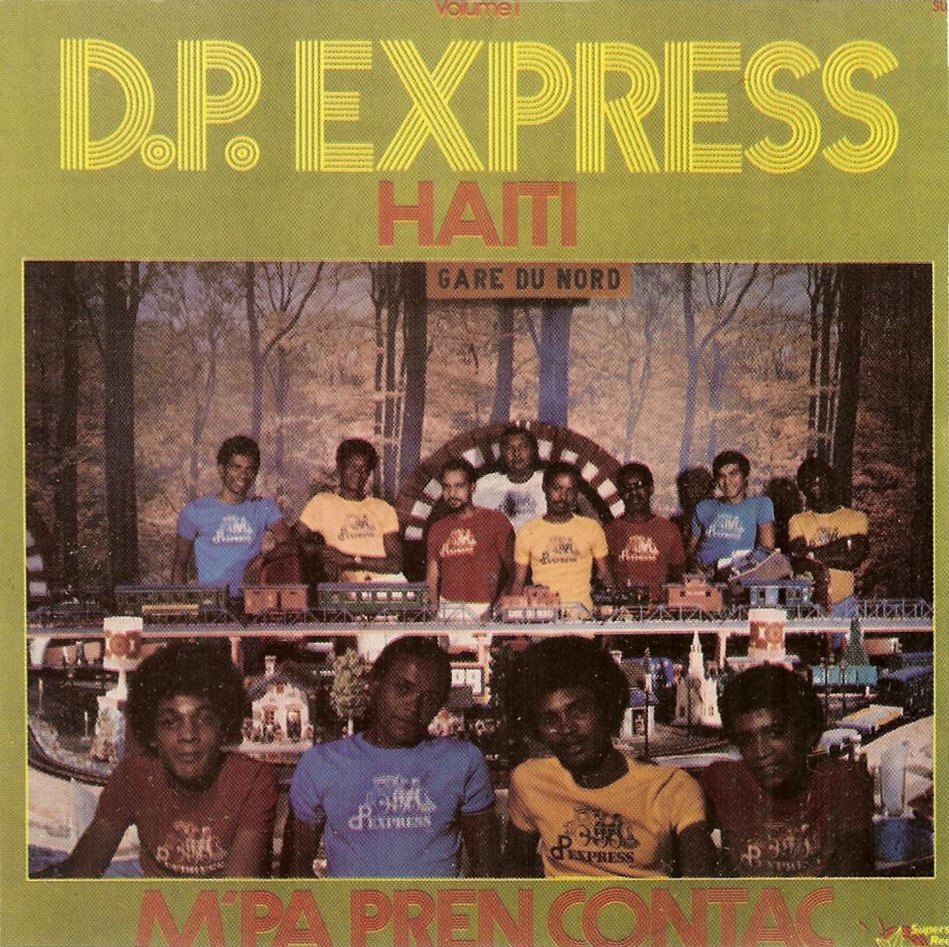
| 1976 | Release of M’pa Pren Contac (Volume 1), on Superstar Records |
| 1976–1978 | Release of the first three albums; the group establishes itself as a full-time professional ensemble |
| 1978 | Arrival of Ti Manno (Emmanuel Jean-Baptiste) as lead singer |
| 1979–1980 | Recording of the album David, marked by the passage of the hurricane that ravaged the Caribbean |
| 1980 | Release of David (Vol.5) — the most acclaimed album by the group |
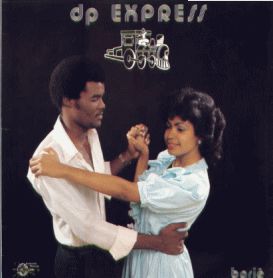
| 1981–1986 | Continuation of production: Réfléchi (1981), Bariè (1983), Tête Calé (1984) |
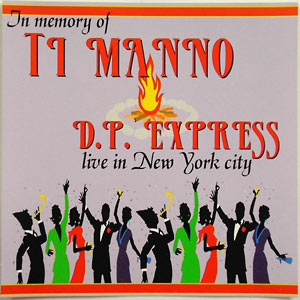
| 1985 | Death of Ti Manno in New York — an emotional turning point for the group and the Haitian scene |
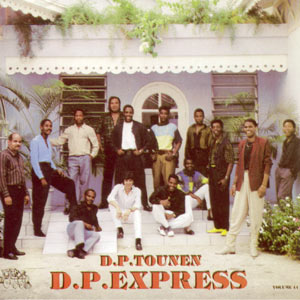
| 1991 | D.P. Tounen — return of the group with Jean-Robert Herissé on vocals and bass |
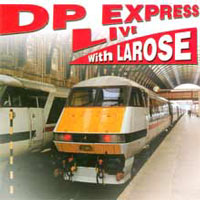
| 2009–2014 | Last documented albums (Se-Li, Religion, Live With Larose) |
From mini-jazz to locomotive: the origins of the D.P. sound
D.P. Express fits into the legacy of Les Difficiles de Pétion-Ville, a group founded in 1966 by maestro Henry Célestin and guitarist Robert Martino. These young musicians, around fifteen years old, paved the way for a new era of Haitian compas music, moving from amateur ensembles to full-time professional orchestras. When the group transformed into D.P. Express around 1974–1975, it retained this DNA of rigor and ambition.
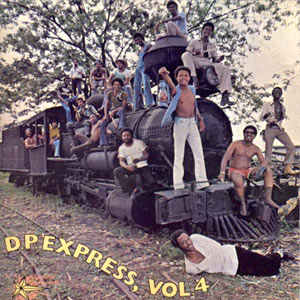
The group’s name itself is a tribute: D.P. stands for the abbreviation inspired by B.T. Express, an Afro-American funk-disco-soul group from the late 1970s. Express evokes this inexorable movement: fans quickly nicknamed the ensemble “The Train,” since the rhythm seemed propelled by mechanical, almost industrial energy. On stage, the machine comprised fourteen members: brass instruments, two keyboard-synths, two guitars, drums, gong and tambour. The sound was deliberately heavier and faster than traditional compas — a heavy konpa that makes an impression.
The original lineup brought together musicians found in most of the albums: Jean-Robert “Porky” Herissé on bass and vocals, Eddy Woolley on solo guitar and musical direction (maestro), Claude Marcelin on rhythm guitar, Almando Keslin on drums, Philippe Denis on percussion (gong, bell), and Claudy Fremont on keyboards. All under the supervision of producer Nassim “Papite” Halloun, who distributed both in Port-au-Prince and New York via his company Rotel Import-Export.
Ti Manno and the peak: David and engaged compas
In 1978, Ti Manno — Emmanuel Jean-Baptiste (1953–1985), native of Gonaïves — joined D.P. Express as lead singer. This veteran of several formations (Volo Volo from Boston, Les Astros de New York) brought a clear voice and a distinctive vibrato that immediately captivated the Haitian public. His presence transformed the group into a true social voice: Ti Manno was not just a ballad singer, but a poet of daily life who denounced sexual harassment at work in “Corigé,” misery, exile, and abuse of power.
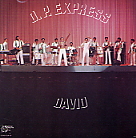
The album David (1980), recorded at the Audiotek studios in Delmas by Robert Denis, is the summum of this alchemy. Born from the lived experience during a tour in Dominica in August 1979, when the category 5 hurricane struck the musicians late at night, the eponymous title is a patriotic anthem of rare power. The lyrics — “Nan peyi m, m’ap tounen” (I return to my country) — resonate as a visceral reminder of the duty to belong. The album includes four other concrete titles: “É,É,É,É” opens with raw and punchy energy; “Ensem’, Ensem’” pot-pourri brings people together; and “Cèso”, a sexually explicit carnival theme.
Ti Manno left D.P. Express in 1981 to found the Gemini All Stars, where he developed an angaje konpa — a militant music that questions poverty, exile, corruption, and social injustices. Suffering from a colon ulcer (rumors about AIDS circulated at the time, but official sources mention an ulcer), he died in New York on May 13, 1985. His funeral attracted thousands of people to Brooklyn, and collections called “Opération Men Kontre” gathered more than $15,000 to try to treat him. His legacy, both musical and civic, crosses generations.
Major Works
| Work | Year | Why It’s Essential |
|---|---|---|
| M’pa Pren Contac (Volume 1) | 1976 | First album: heavy compas, massive brass, absolute professionalism |
| David (Vol. 5) | 1980 | Masterpiece; the hurricane becomes a patriotic hymn |
| “É, É, É, É” (album David) | 1980 | Percussive opening track, raw and impactful energy |
| “Corigé” (album David) | 1980 | Social denunciation: sexual harassment at work, set in the context of a popular dance party |
| Bariè (Volume 8) | 1983 | Mature sound post-Ti Manno; tight production, powerful brass section |
| D.P. Tounen (Volume 11) | 1991 | Jean-Robert Herissé returns to vocals; the group reinvents itself without its mythical singer |
Legacy and Influence
D.P. Express remains one of the most important ensembles in the history of Haitian compas, with 20 albums and over 68 credited musicians. The group served as a launchpad for major talents (Ti Manno, Eddy Woolley, Jean-Robert Herissé) and influenced the next generation of compas musicians who exported Haitian sound to the diaspora.
The music of D.P. Express, with this unique blend of danceable energy and social engagement, paved the way for a compas that can make people dance and think at the same time. Thirty years after David, tens of thousands of Haitians, from the country to the diaspora, continue to sing “Nan ti peyi m sa a” in unison — proof that an album born from a storm has become a monument of Haitian identity.
Sources and References
- “D.P. Express — Archives · Archives de la musique haïtienne”, LegalMenBagay, https://legalmenbagay.com/archives/groupes/d-p-express, accessed November 10, 2026.
- “D.P. Express on HaitiDJ — Songs, Bio, Haitian Music”, HaitiDJ / Haitian-American Music Archives, https://www.haitidj.com/en/artist/dp-express/, accessed November 10, 2026.
- “Difficiles / D.P. Express, les locomotives du compas”, Le Nouvelliste, July 30, 2025, https://lenouvelliste.com/article/258557/difficiles-dp-express-the-locomotives-of-compas, accessed November 10, 2026.
- “1-DP EXPRESS – David | Anthologie du konpa (top 15)”, Médiathèque Caraïbe Laméca, http://www.lameca.org/publications-numeriques/dossiers-et-articles/anthologie-du-konpa-top-15/1-dp-express-david/, accessed November 10, 2026.
- “DP Express — Biography, Discography, Albums & Expert Reviews”, AllMusic, https://allmusic.com/artist/dp-express-mn0000949222, accessed November 10, 2026.
- “Ti Manno”, Wikipedia, https://en.wikipedia.org/wiki/Ti_Manno, accessed November 10, 2026.
- “Haïti/Culture : Ti Manno, prophète du konpa engagé”, Radio Internationale d’Haïti, May 2025, https://www.radiointernationaledhaiti.com/2025/05/haiticulture-ti-manno-prophete-du-konpa.html, accessed November 10, 2026.
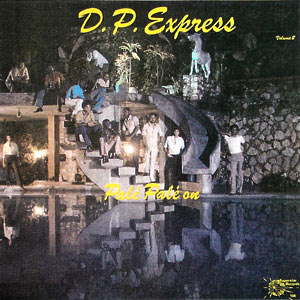
- “D.P. Express — Volume 2: Palé Palé Ou”, Discogs, https://discogs.com/master/1304325-DP-Express-Volume-2-Pal%C3%A9-Pal%C3%A9-Ou, accessed November 10, 2026.