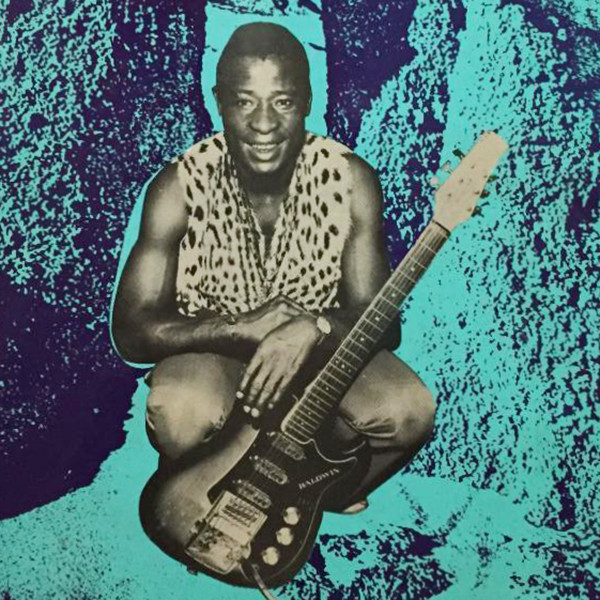

Biography
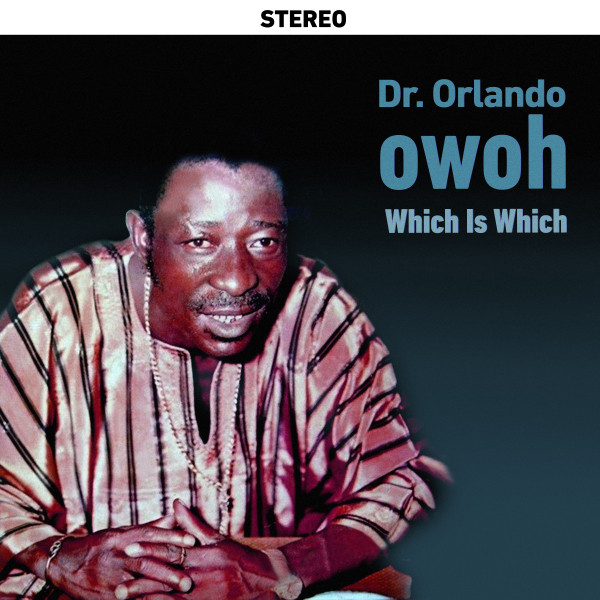
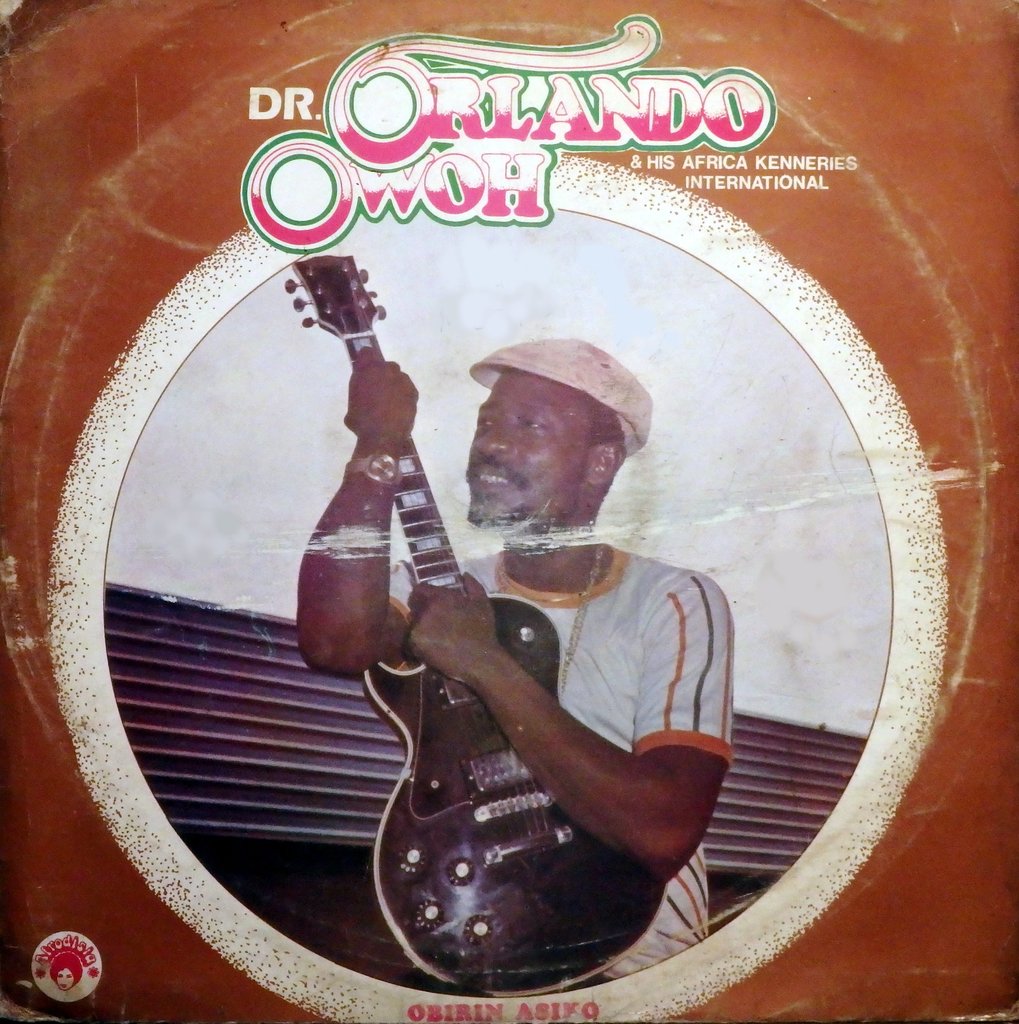
Orlando Owoh
The day he heard his record playing out of a Mushin shop, Orlando Owoh ran across the road to listen and nearly got run over. The driver, furious, calmed down upon learning it was the artist himself. This anecdote too has since become part of Nigerian musical folklore: the man who claimed to survive only on his music.
In brief
| Full name | Stephen Oladipupo Olaore Owomoyela (stage name: Chief Dr. Orlando Owoh) |
| Birth | 14 February 1932, Osogbo (Oyo State), present-day Nigeria |
| Death | 4 November 2008, Lagos (Nigeria), aged 76 |
| Genre | Yoruba Highlife, palm-wine (« toye »); singer and guitarist |
| Notable works | “Oluwa, lo ran Mi”, “Oriki Ilu Oke”, “Money for Hand Back for Ground” |
| Honours | Titled « Dr. » in 1972; nicknamed « King of Toye » |
Key dates
| Year | Event |
|---|---|
| 1932 | Born in Osogbo; father a carpenter, mother a tailor, Yoruba family |
| ~1950 | Intensive training in carpentry, mastering the trade in six months instead of the planned four to eight |
| 1956 | Hired by Kola Ogunmola Theatre Group; plays drums during Queen Elizabeth II’s visit to Ibadan |
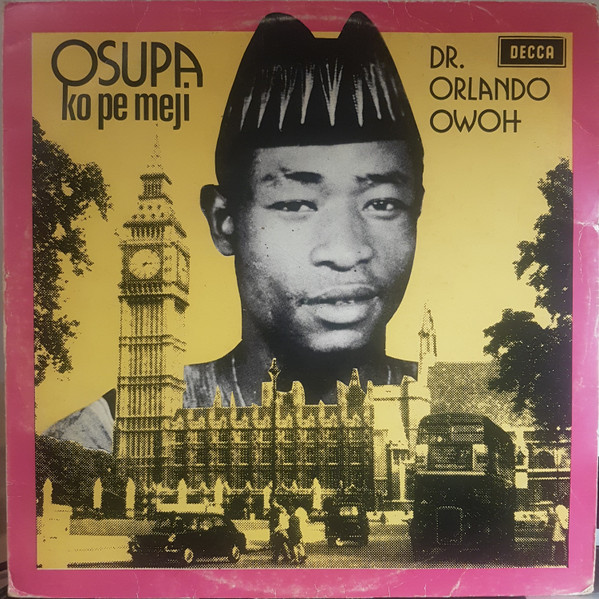
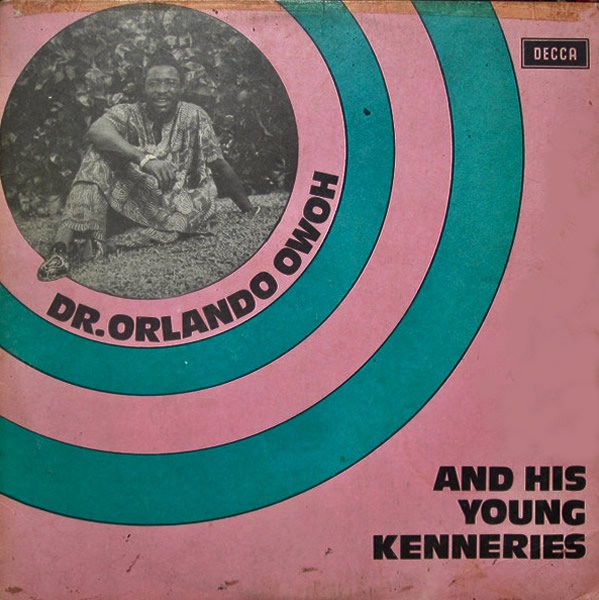
| ~1960 | Forms « Orlando Owoh and His Omimah Band »; first Decca Nigeria single |
| 1967-70 | Nigerian Civil War; fight for the federal government against Biafran rebels |
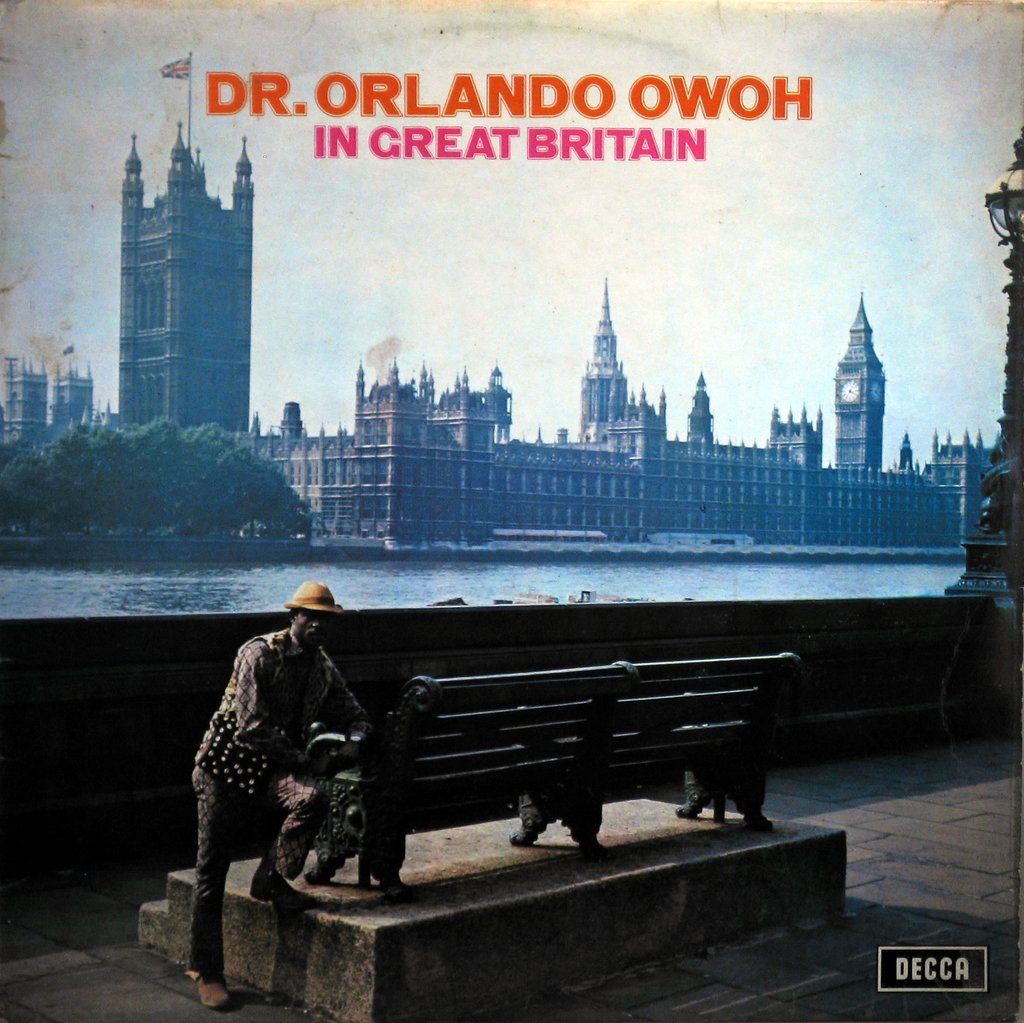
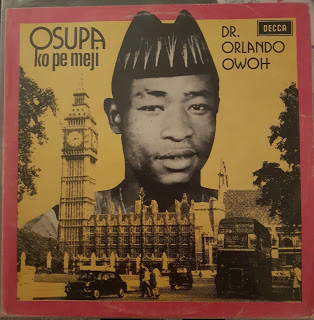
| 1972 | Concert in London; awarded a « music doctorate » from a London African centre |
| 1975 | Renames his group « His Young Kenneries »; artist’s nickname: « King of Toye » |
| ~1982-83 | Involved in a drug case; imprisoned for six months, an accusation he still rejects |
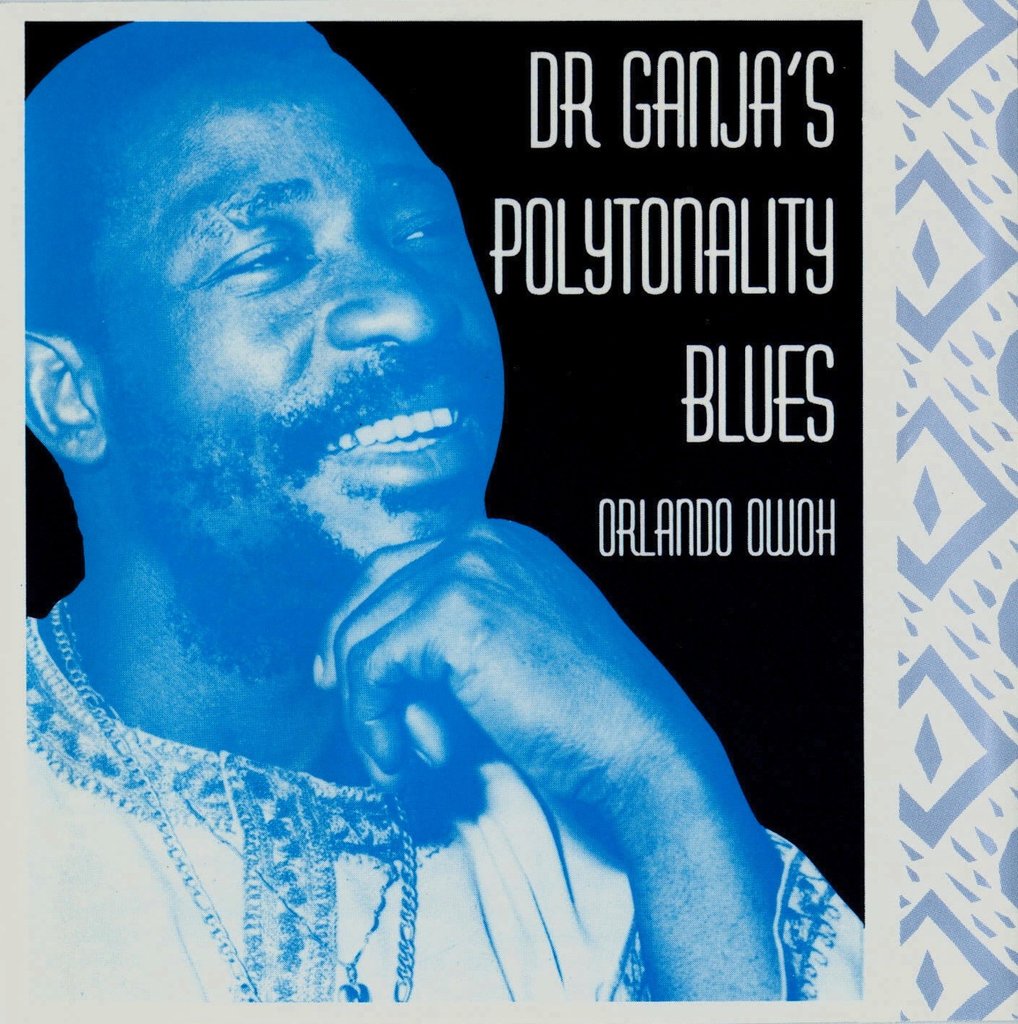
| 1995 | US reissue: Dr. Ganja’s Polytonality Blues on Shanachie |
| 2000-05 | Lawsuit against Decca for royalties; albums on Shanu-Olu and Gasola |
| 2008 | Died on 4 November in Lagos; leaves behind +45 albums and a 50-year career |
Musician carpenter, rebel healer, posthumous glory
Born on 14 February 1932 in Osogbo (real name Stephen Oladipupo Olaore Owomoyela), Orlando Owoh grew up in a Yoruba family where his father, an amateur musician and carpenter, initially insisted on commercial training for him. « I learned very quickly », he would later recount: what would take four or eight years for my contemporaries, I mastered in six months. Satisfied, his father then accepted his vocation. His first major opportunity came in 1956: he was hired by the Kola Ogunmola Theatre Group to play drums and sing, notably performing during Queen Elizabeth II’s visit to Ibadan. He then played with several groups — Akindele, Fakunle Major Band — and realized that West African music was evolving, taking electric guitar lessons from Fatai Rolling Dollar.
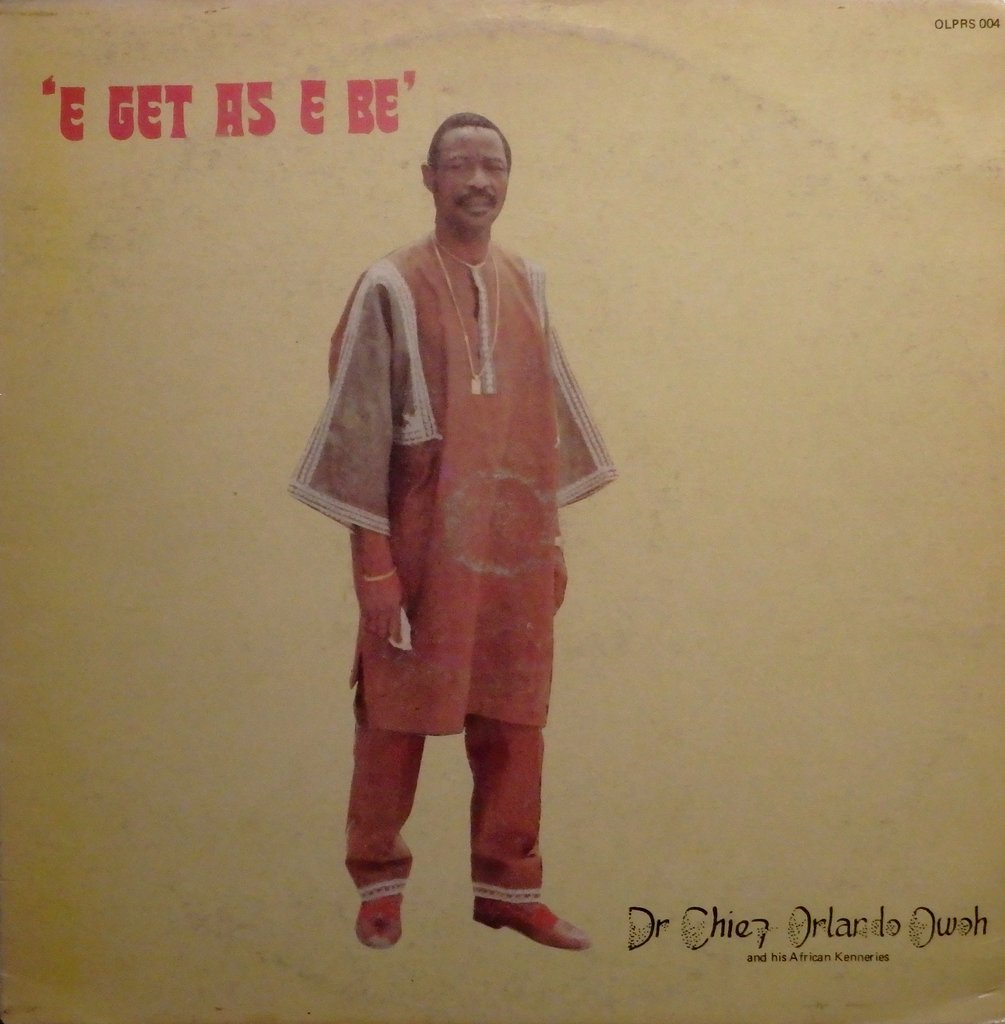
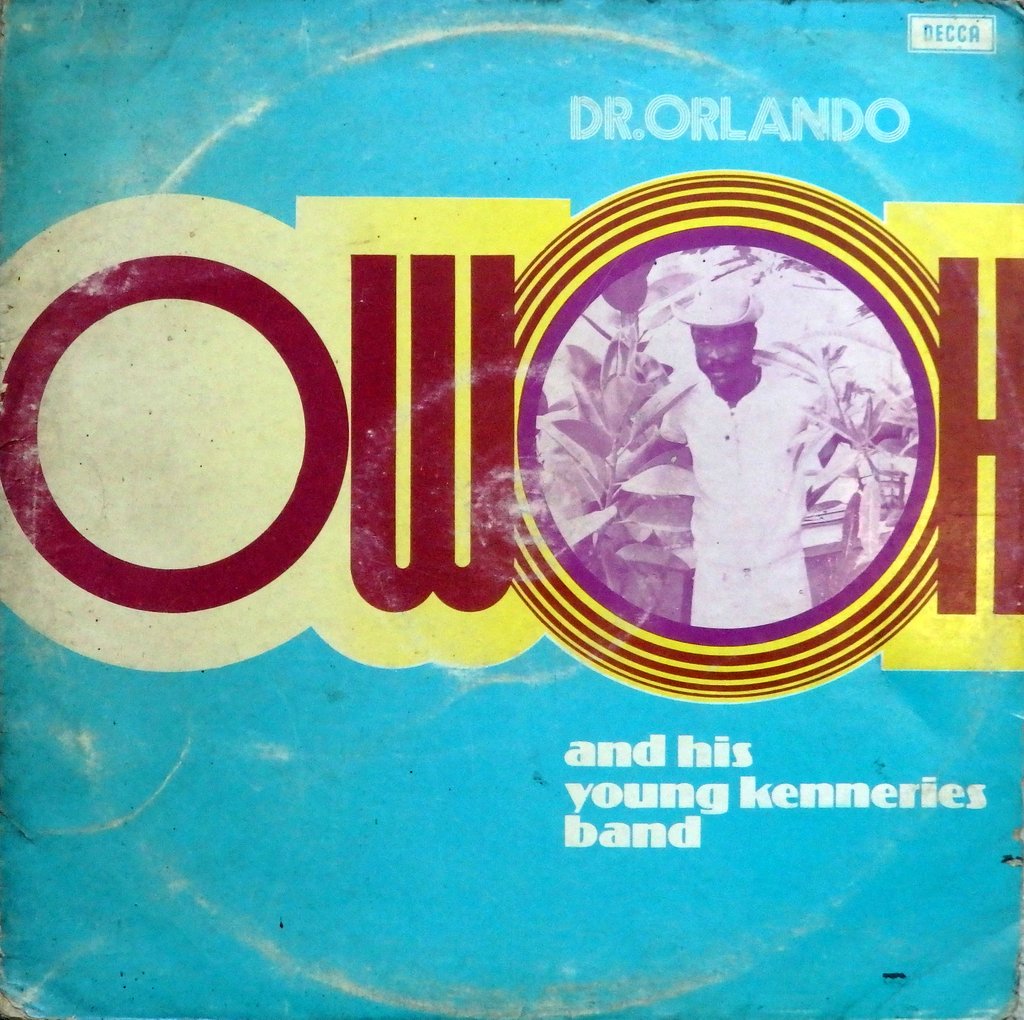
In 1960, Owoh formed the Orlando Owoh and His Omimah Band. His approach diverged from the brass-heavy Caribbean highlife arrangements: he prioritized his guttural voice, an acoustic guitar, percussion, and everyday lyrics. His first single — « Oluwa, lo ran Mi » (« God sent me ») — was released on Decca Nigeria. During the civil war (1967-70), he fought for the federal government against Biafran rebels; « Oriki Ilu Oke », a post-war title, became a huge hit. In London in 1972, he shared the bill with Miriam Makeba and received a « music doctorate » from an African cultural centre — he became Dr. Orlando Owoh from then on.
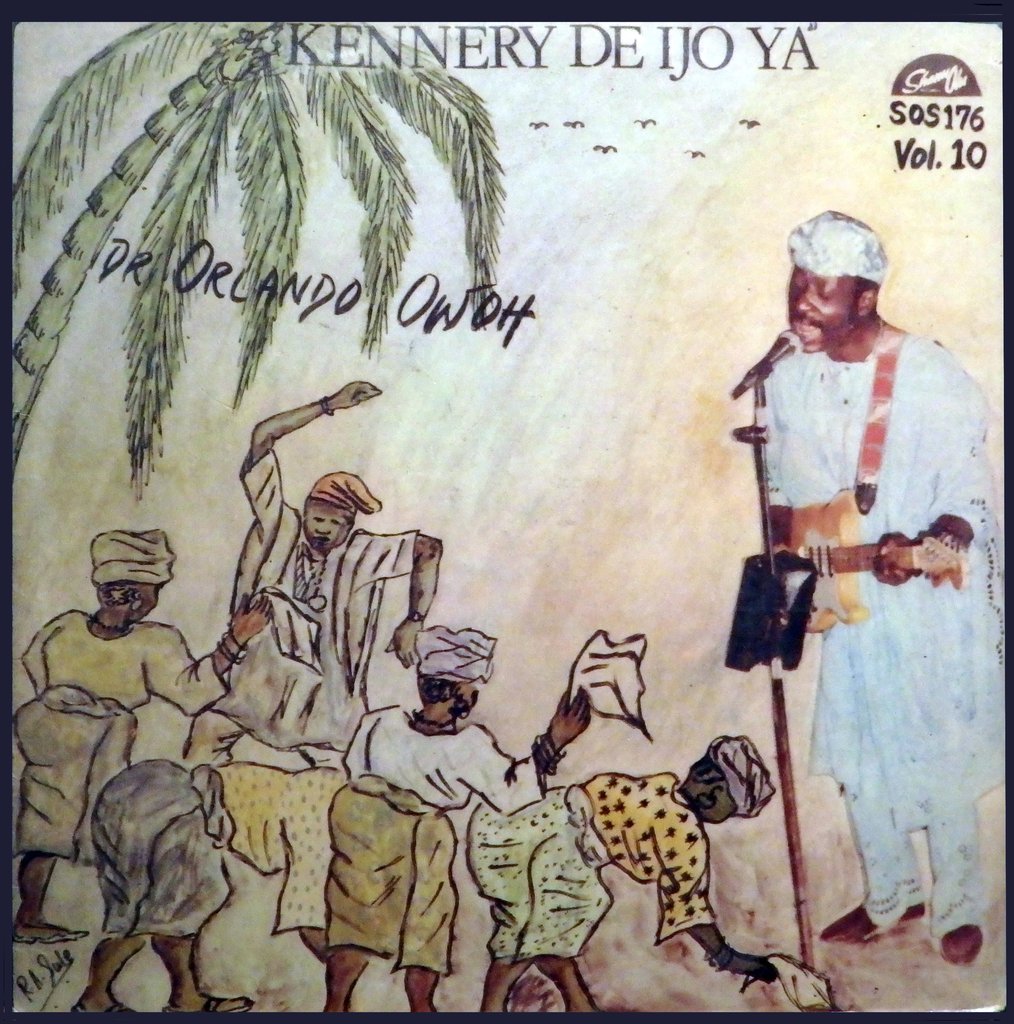
On tour in the UK, Netherlands and Italy, Owoh scrupulously maintained the compact guitar-band format specific to highlife, refusing to assemble giant formations like the emerging juju. His music sounded resolutely « roots »: acoustic guitar, traditional percussion and vocals. He nicknamed his group « Young Kenneries », referring to the Cannery bird (canary) whose voice « has rainbow colours and several tones ». From the 1980s onwards, his lyrics became bold: Ronnie Graham described his style as having « bold and provocative lyrics ». He was involved in a drug case, served six months in prison, and still firmly rejects the accusation: they say I snorted cocaine, that’s a lie… What I smoke is Ajuwa — our local herbs. His popularity remained intact.
Major works
| Work | Year | Why it’s essential |
|---|---|---|
| “Oluwa, lo ran Mi” | ~1960 | First Decca single; founding title of the « Kennery sound ». |
| “Oriki Ilu Oke” | ~1970 | Post-civil war; title that propelled Owoh’s international fame. |
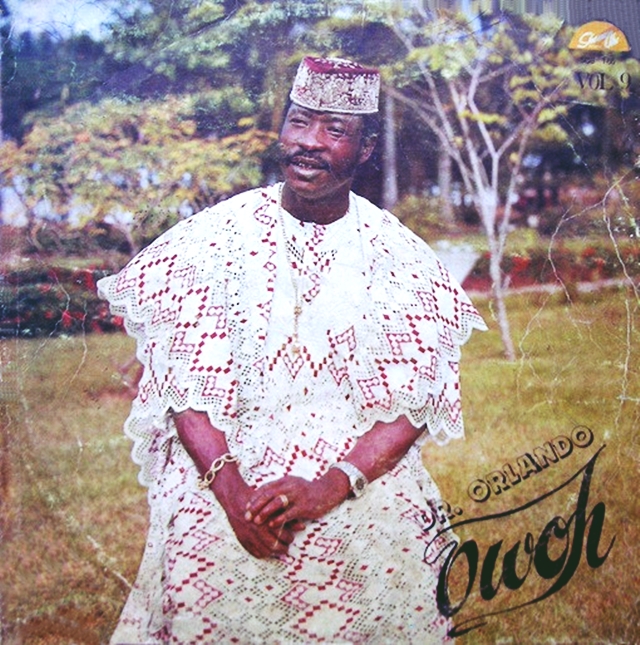
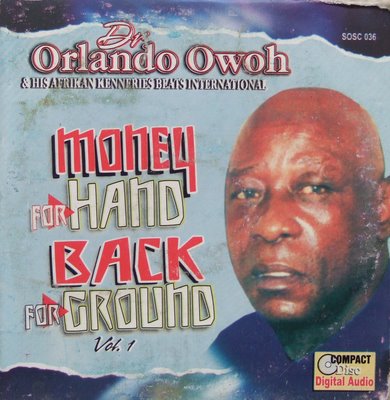
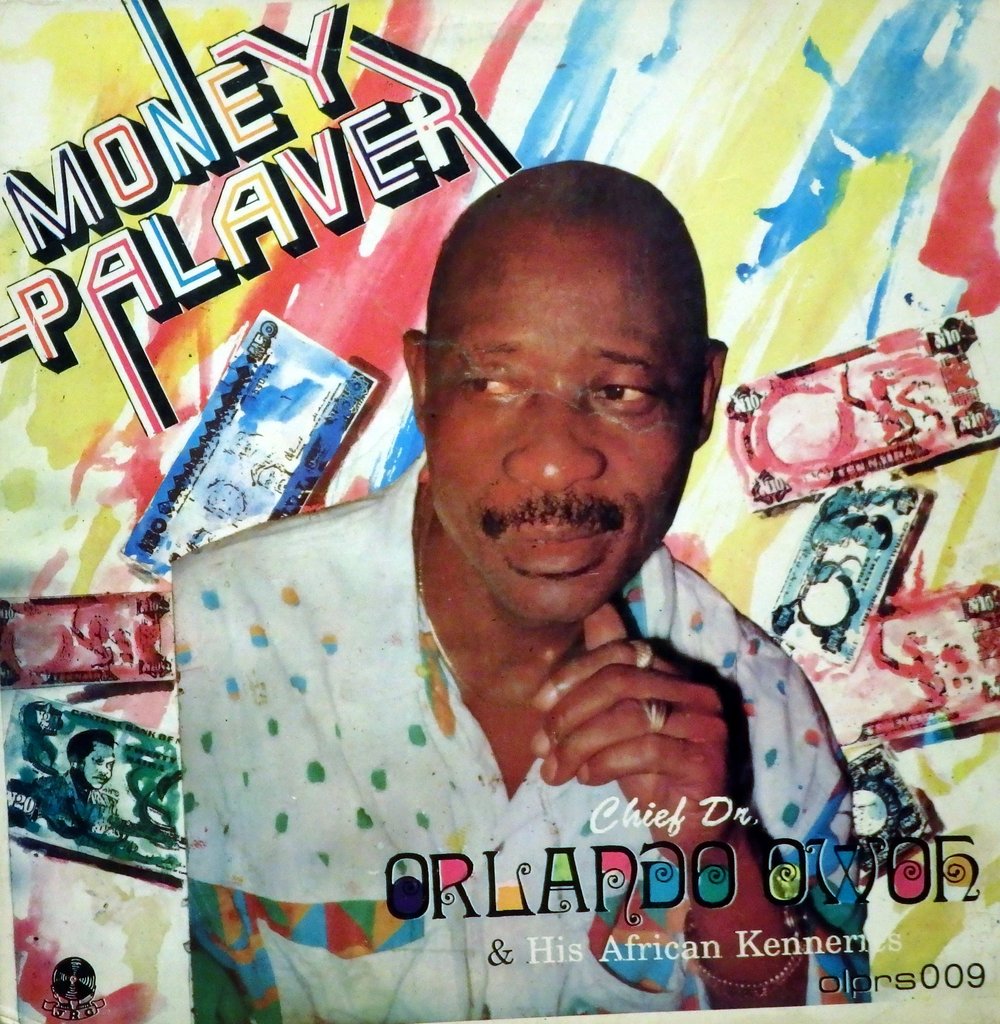
| “Money for Hand Back for Ground” | 1979 | Shanu-Olu album; peak of 1970s Yoruba Highlife. |
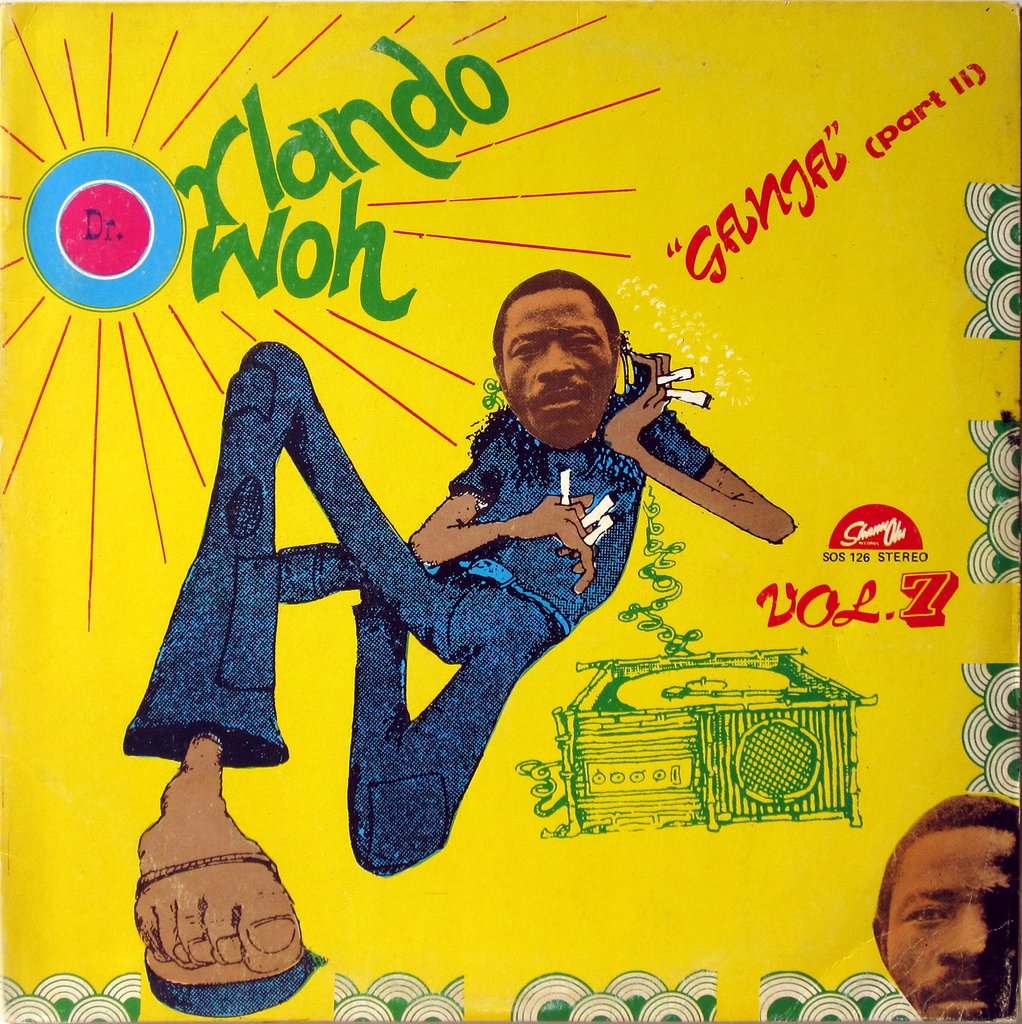
| Dr. Ganja’s Polytonality Blues | 1995 | US reissue on Shanachie; first official US release. |
| “Thanksgiving” | 2004 | Last Gasola recording; late music still firmly rooted in tradition. |
Legacy and influence
Dr. Orlando Owoh remains a tutelary figure of Nigerian Highlife, a staunch defender of Yoruba palm-wine against modern trends in juju and fuji. His low-tech approach — acoustic guitar, percussion only — makes him today a reference for the origins. The Orlando Owoh Music Festival, launched in 2019 by his family, perpetuates his work within the living Nigerian scene. Rappers still recognize Owoh as a mentor: young Dele Bravo invented the category « Ju-Fuji-Makosa with Kennery touch », a retrospective homage to an unclassifiable yet deeply rooted style.
Sources and references
- « Orlando Owoh », Wikipedia (English), https://en.wikipedia.org/wiki/Orlando_Owoh, accessed 6 November 2026.
- Dr. Orlando Owoh, Blue Pie Records, https://www.bluepierecords.com/artist/dr-orlando-owoh/, accessed 6 November 2026.
- « Owoh, Orlando », Encyclopedia.com / Contemporary Musicians, https://www.encyclopedia.com/education/news-wires-white-papers-and-books/owoh-orlando, accessed 6 November 2026.
- « Orlando Owoh », AllMusic, https://www.allmusic.com/artist/orlando-owoh-mn0000406877, accessed 6 November 2026.
- Ronnie Graham, Stern’s Guide to Contemporary African Music, Chapter 2 Nigeria (p. 58), 1988.
- « Orlando Owoh Music Festival », Facebook / Nigeria, https://www.facebook.com/solomon.sanusi/, accessed 6 November 2026.