Biography
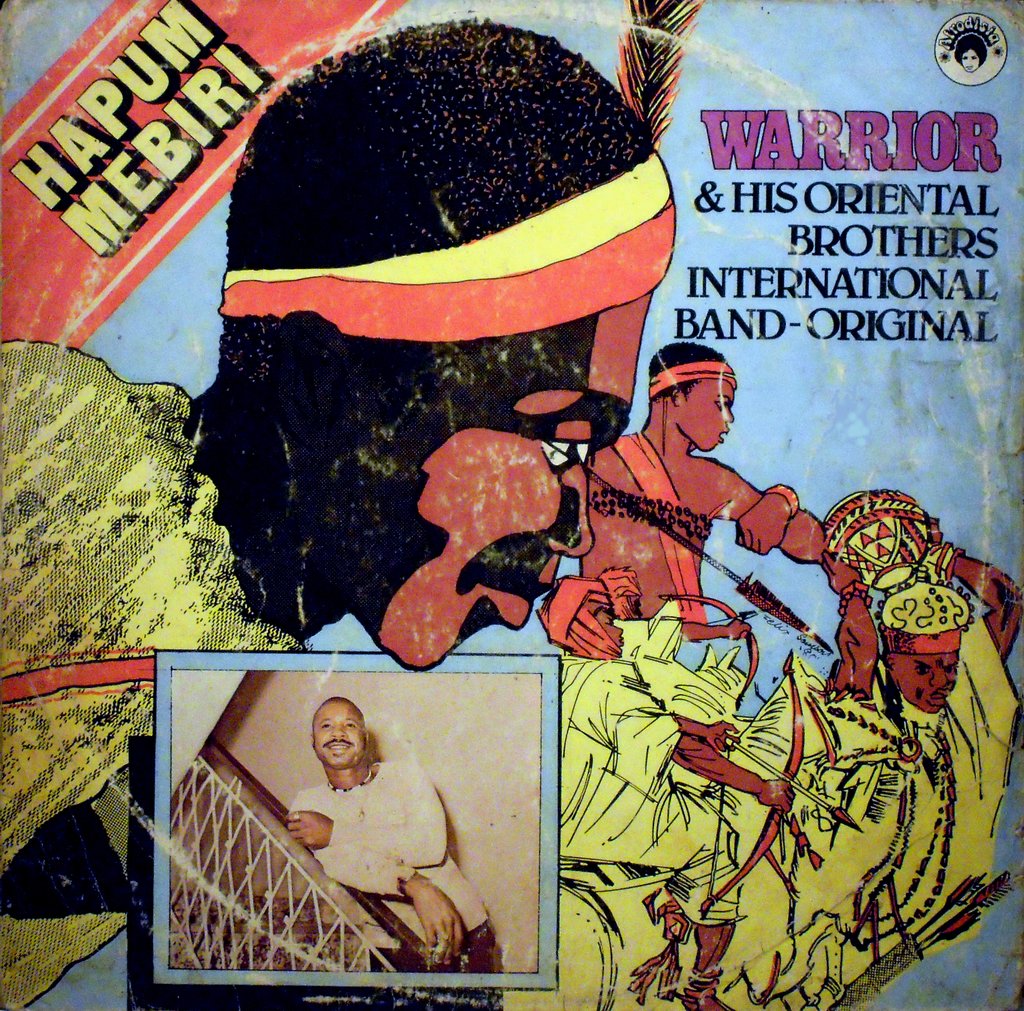
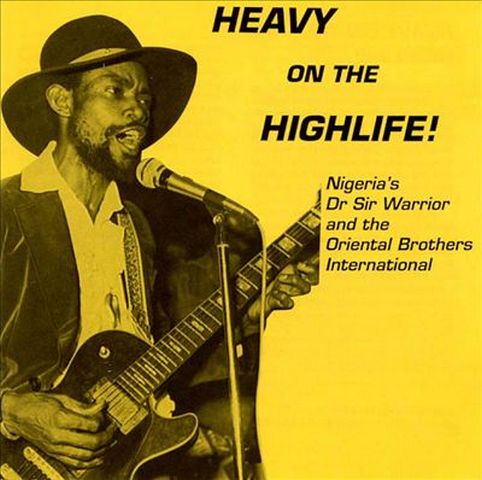
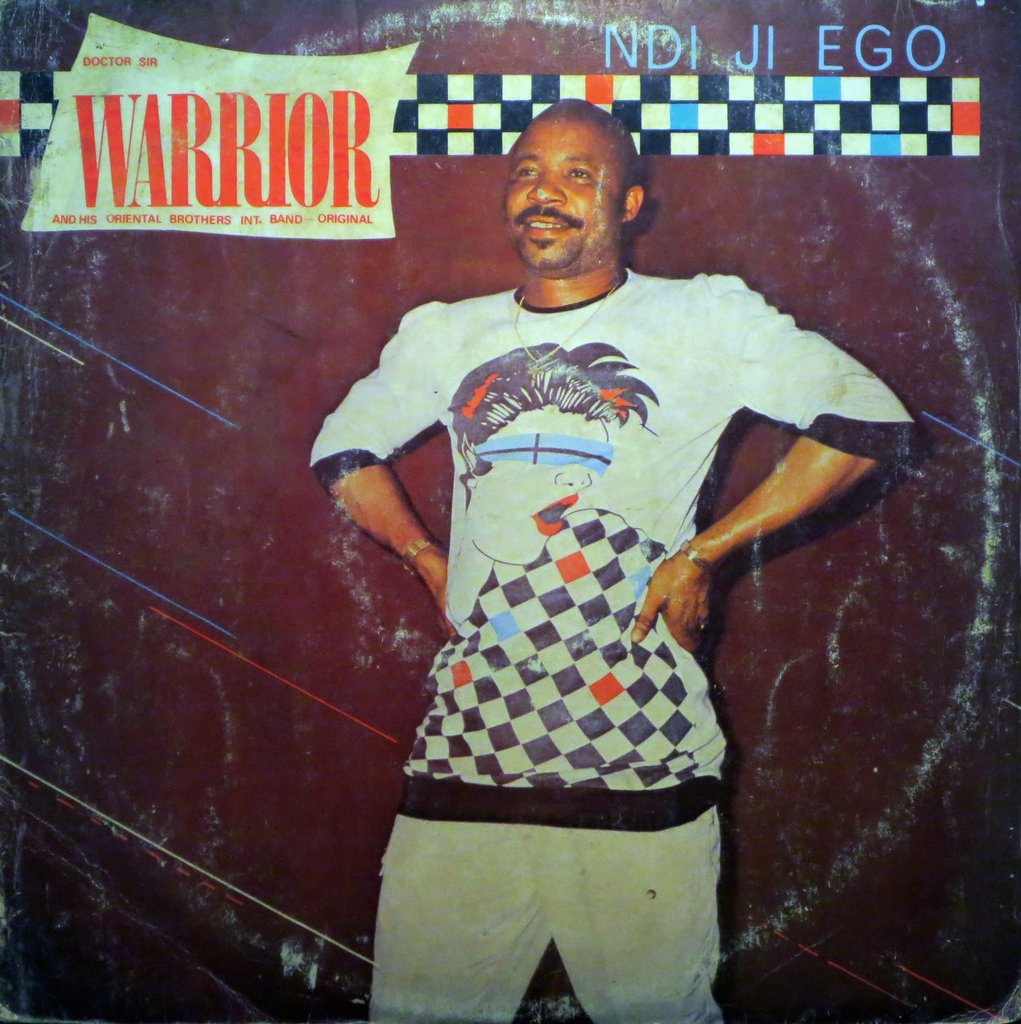
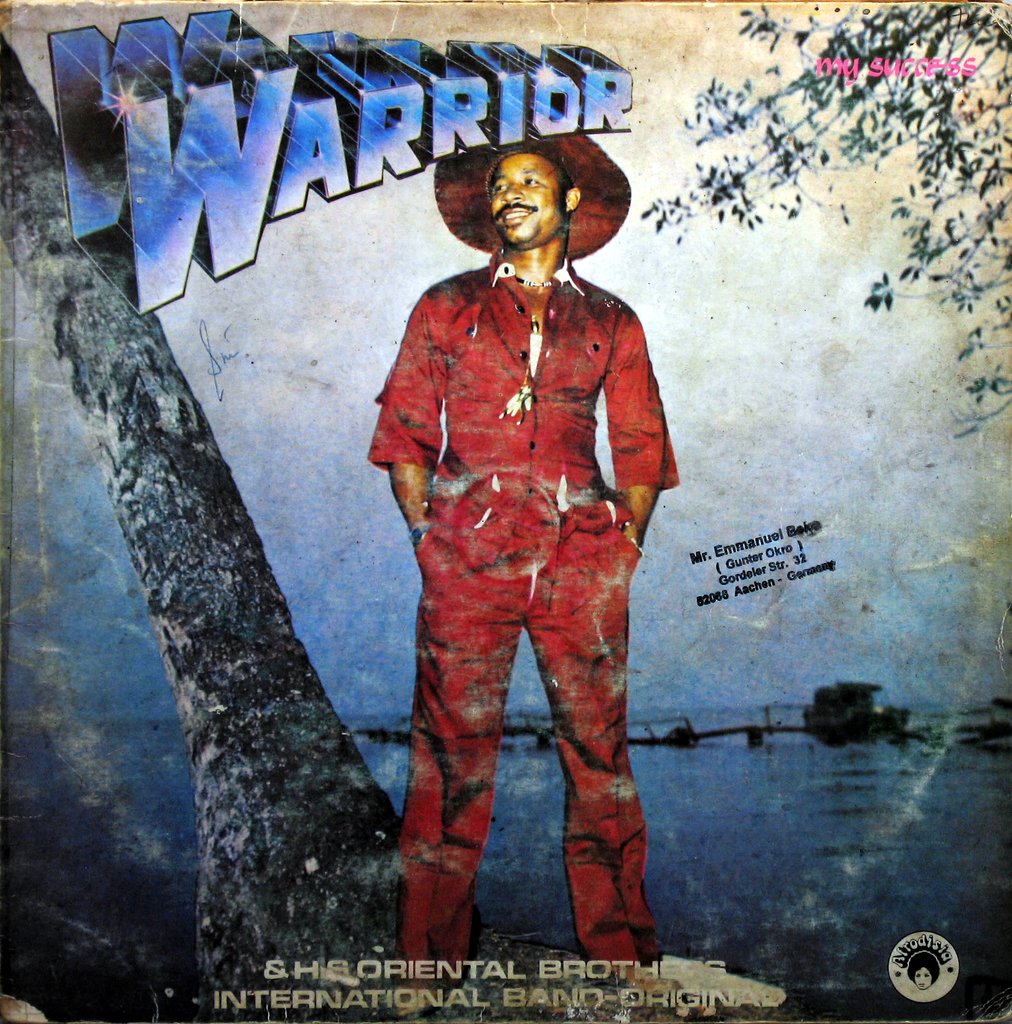
Dr Sir Warrior
In 1978, in Owerri, club speakers broadcast a record that did not go unnoticed. Nwanne Awu Enyi — this brother who died in combat during the Biafra war (1967-1970) — resonated like a cry of memory. Dr Sir Warrior, on guitar and vocals, sang of grief without ever sinking: the melody danced, the lyrics wept. What began as a song became a phenomenon of several million copies and laid the foundations for the post-war Igbo highlife renaissance.
In brief
| Full name | Christogonus Ezebuiro Obinna |
| Stage name | Dr Sir Warrior (also known as Ultimate Dr. Sir Warrior) |
| Birth | 1947, Imo State (then Colony and Protectorate of Nigeria) |
| Death | 2 June 1999 (aged about 52 years) |
| Field | Igbo highlife — guitarist, singer, bandleader |
| Notable works | Onye Oma Nmanu, Nwanne Awu Enyi, Warrior in London |
| Awards | 12 platinum albums, 10 gold (according to Discogs); Nwanne Awu Enyi certified gold record |
Key dates
| Year | Event |
|---|---|
| ~1958 | Began playing guitar at age 11, in eastern Nigeria |
| Early 1970s | Co-founded Oriental Brothers International with Dan Satch, Kabaka, and others |
| 1972 | The group adopted its definitive name and recorded its first album for Afrodisia/Decca West Africa |
| 1978 | Release of Nwanne Awu Enyi: one million copies sold, a cultural phenomenon |
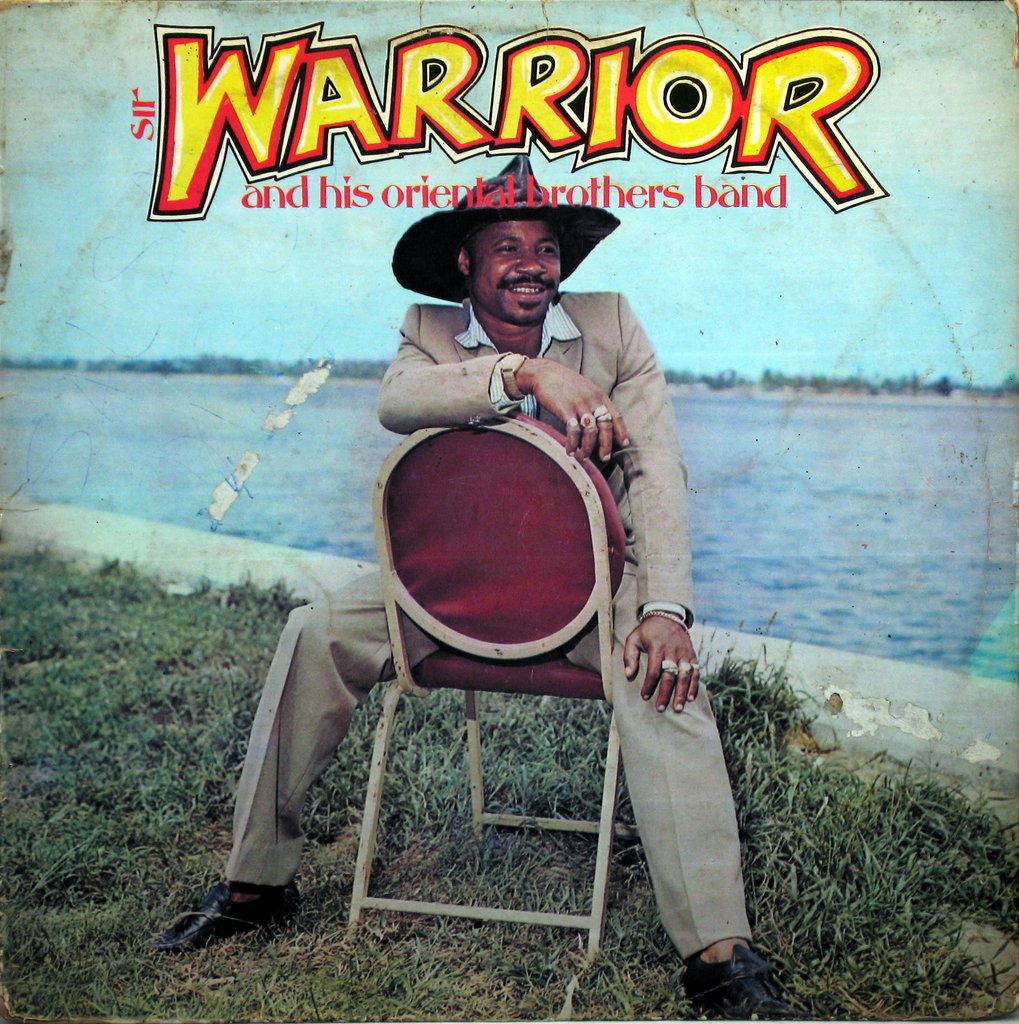
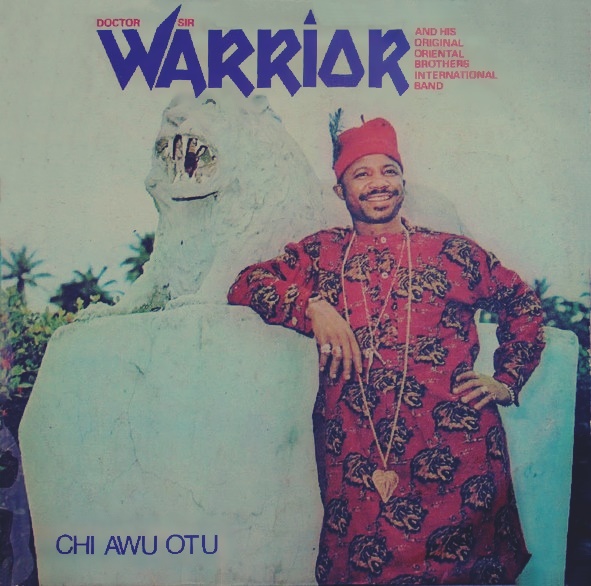
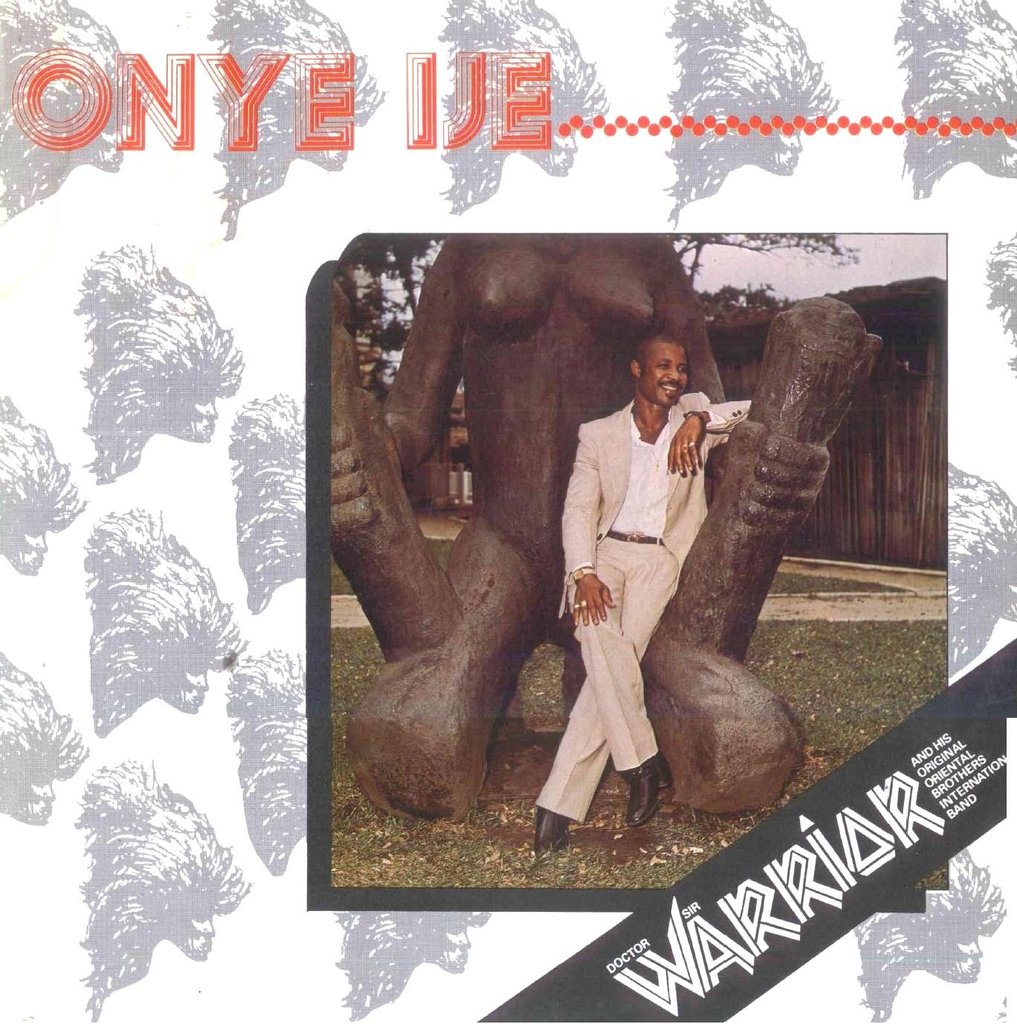
| 1980 | Separation from Dan Satch; founded Dr Sir Warrior and His Oriental Brothers International |
| 1984 | Recording of Warrior in London, tours in England and the United States |
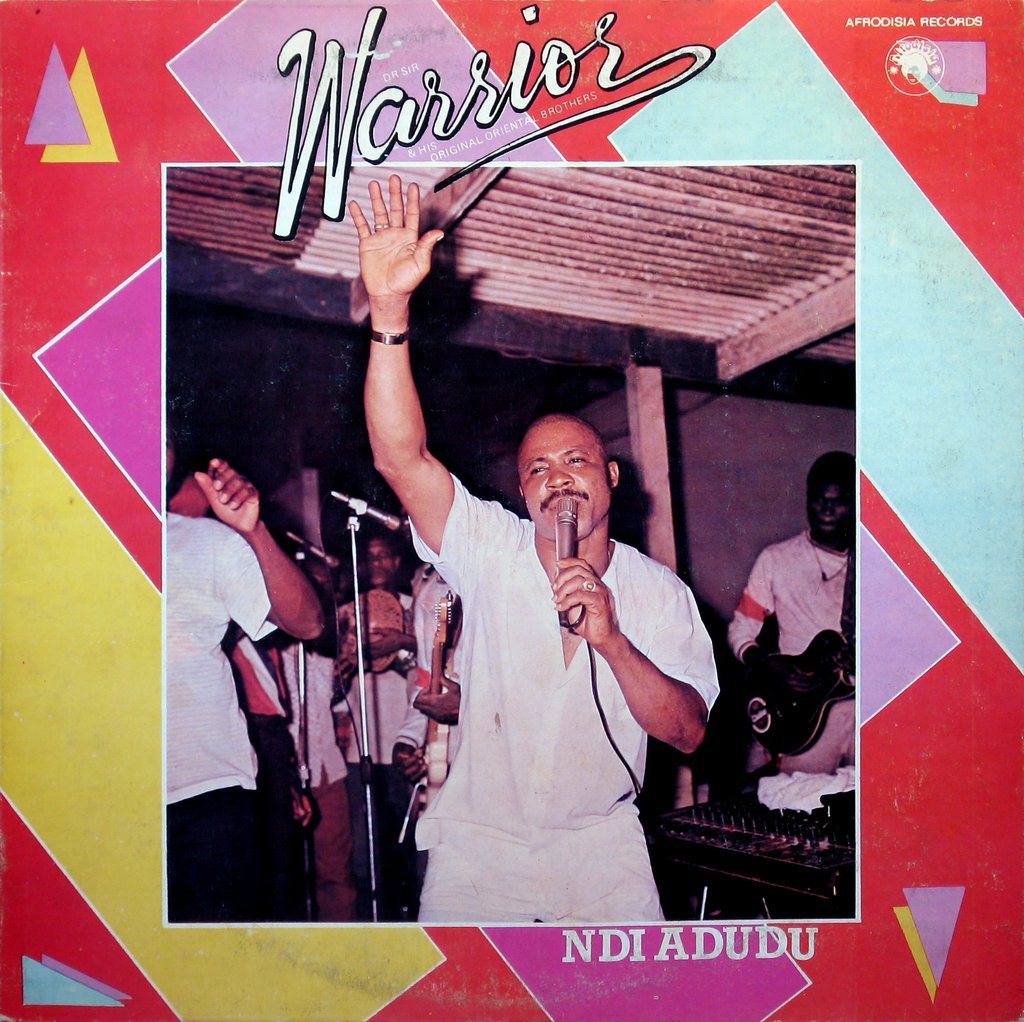
| 1986-1988 | Prolific period with Ndi Adudu, Udo Ndi Oma, Na Kwa Echeki |
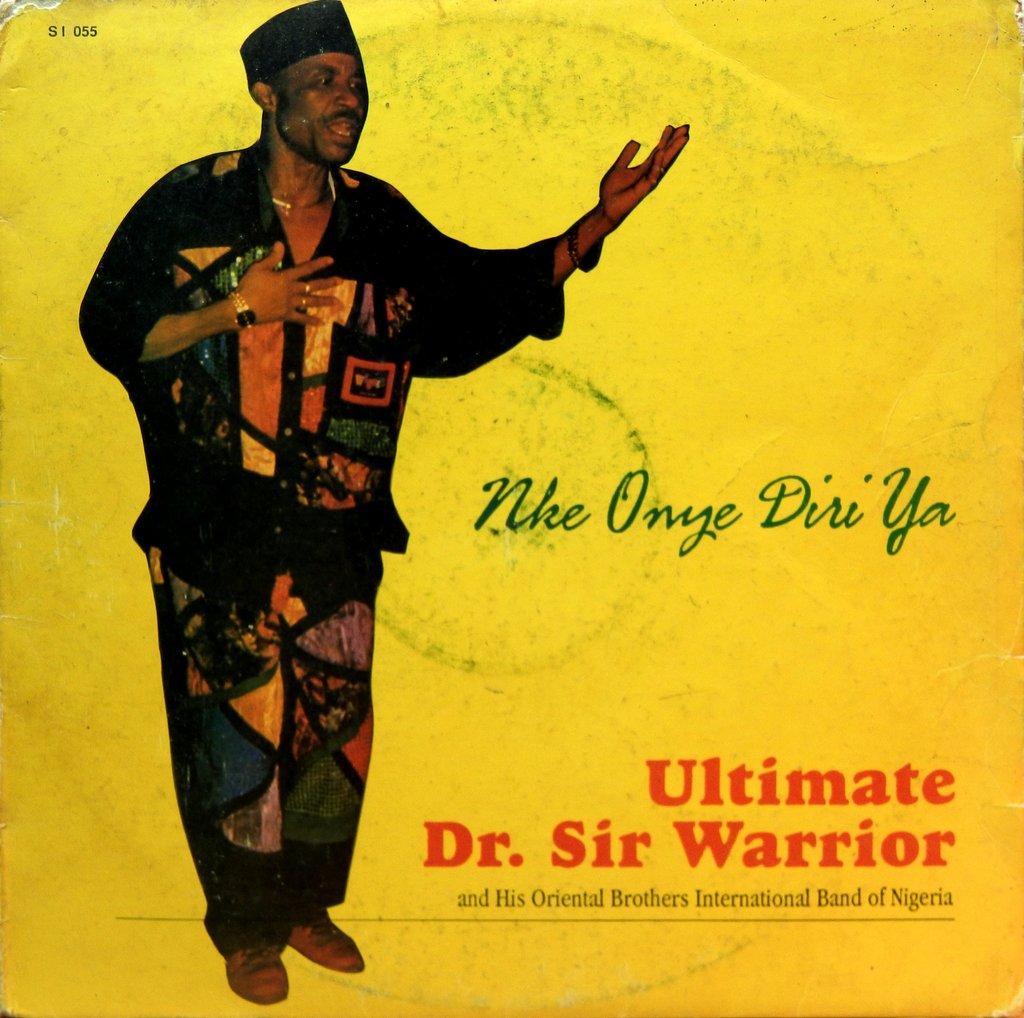
| 1993-1996 | Final recording years under the Super International label, from Nke Onye Diri Ya to Who Goes There |
| 1999 | Death on 2 June; buried in Umuhu Enyiogugu, Aboh Mbaise |
| 2014+ | His sons Uchenna and Ajuzieogu perpetuate the repertoire at ceremonies and performances |
Origins and revelation: guitar, then glory
Christogonus Ezebuiro Obinna was born in 1947 in the locality of Umuhu Enyiogugu, now in Imo State in southeastern Nigeria. From adolescence, he showed early talent on the guitar and joined a few years later the musicians who would form the core of a new group: after the Biafra war (1967-1970), southeastern Nigeria had to rebuild its cultural identity as much as its buildings. Igbo highlife became the musical compass of a generation seeking resilience.
At the initiative of guitarist Ferdinand Dan Satch Opara, musicians gathered. With Kabaka (rhythm guitar), Aquila (congas), Prince Ichita, and Obinna himself, the group adopted the name Oriental Brothers International Band in 1972. Their sound, a blend of Congolese rumba and traditional Igbo rhythms, relied on a chorus of five interlaced guitars — an instantly recognizable sound. Warrior was the lead vocalist, a powerful voice capable of blending praise, proverb, and social reflection in rhythmic arrangements intended for dance. From the very first recording on the Afrodisia label (a subsidiary of Decca West Africa), the group achieved success that crossed Nigerian borders: their music was broadcast from West Africa to Colombia, where it later inspired the champeta movement.
Kabaka’s departure in 1977, followed by Warrior’s in 1980, marked a painful turning point. Their artistic dispute — divergent styles and directions — tore apart the group they had built themselves. Warrior founded Dr Sir Warrior and His Oriental Brothers International, the formation that would become the most publicized of the successors. His alliance with Dan Satch, though broken, remained a pillar of Igbo highlife. The two men reunited in the studio only twice, in 1987 and 1996, before Warrior’s death.
Major works
| Work | Year | Why it is essential |
|---|---|---|
| Onye Oma Nmanu | 1980 | First solo album; laid the foundations of Warrior’s vocal signature |
| Nwanne Awu Enyi | 1978 | Certified gold record, over seven million copies; post-Biafra anthem |
| Warrior in London | 1984 | International tour, showcase of Igbo highlife in Europe and the United States |
| Ndi Adudu | 1986 | Creative peak: proverbs, social satire, and dance in a single movement |
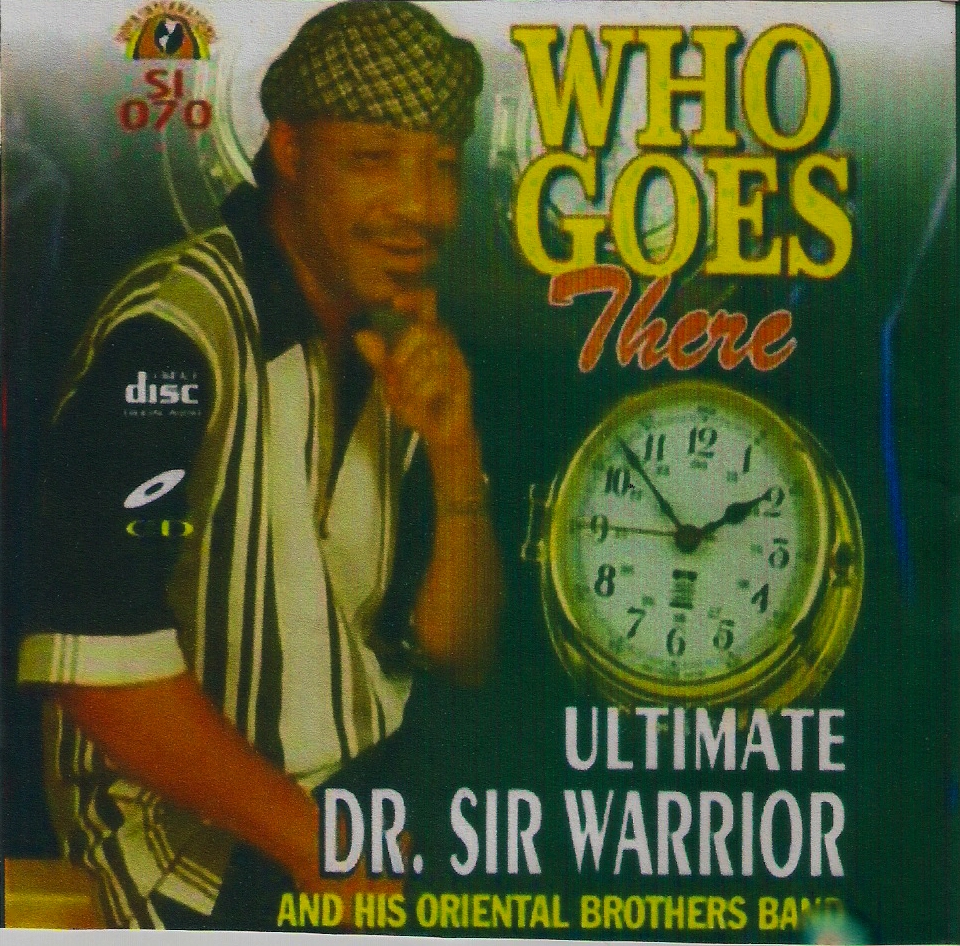
| Who Goes There | 1996 | Last album before his death, testimony of maturity and continuity |
Legacy and influence
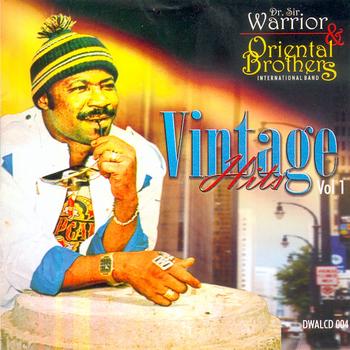
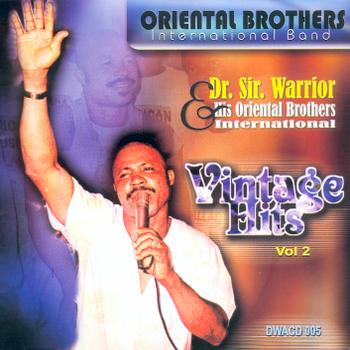
The sudden death of Dr Sir Warrior on 2 June 1999, just days after his two final performances, left a deep void. Oliver De Coque, another giant of Congolese-Nigerian highlife, paid this tribute: He was a very good and kind man. We lost such a genius in highlife. His formation, Dr Sir Warrior and His Oriental Brothers International, remains today the most famous of the branches resulting from the original split. Warrior’s repertoire — a mix of highlife, Congolese rumba, and traditional Igbo forms — continues to influence young guitarists in southeastern Nigeria. His sons, Uchenna, nicknamed Warrior, and Ajuzieogu Obinna, perpetuate the family style through live performances. Reissues and compilations, including Vintage Hits Vol. 1 and Vol. 2 (Afrodisia, 2001), maintain his presence among new generations of African music lovers.
Sources and references
- “Dr Sir Warrior”, Wikipedia (https://en.wikipedia.org/wiki/Dr_Sir_Warrior), accessed 11 November 2025.
- Emmanuel Okafor, “Sir Warrior”, Nigerian Dictionary of National Biography, 16 October 2026 (https://ndnb.ng/biography/sir-warrior).
- “Oriental Brothers International”, Wikipedia (https://en.wikipedia.org/wiki/Oriental_Brothers_International), accessed 11 November 2025.
- Discogs, “Dr. Sir Warrior” (https://www.discogs.com/artist/1536368-Dr-Sir-Warrior).
- Lucas Silva, “Oriental Brothers: celebrating 50 years with a new record!”, Pan African Music (https://pan-african-music.com/en/oriental-brothers).
- Ben Duru, “Musicians, Others Remember Sir Warrior”, Post Express, 2 July 1999.
- Garba Alabi, “Sir Warrior Sings Again Through Sons”, The Guardian (Nigeria), 6 October 1999.
- “Whither Nigerian Music?”, nigeriaWorld.com, 27 February 2005.
- Chuk Ehirim (with Dan-Satch), “The story of Oriental Brothers band, by Dan-Satch”, The Niche / Throwback Times Nigeria (https://thenicheng.com/the-story-of-oriental-brothers-band-by-dan-satch).