Biography
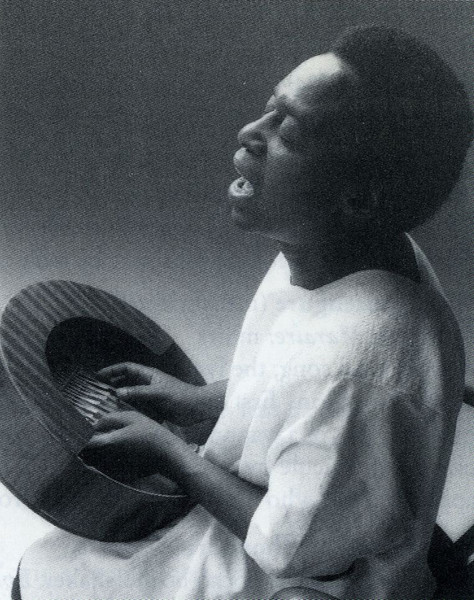
Dumisani Maraire
In 1967, a twenty-three-year-old adolescent plays at the Christmas concert of a Rhodesian high school; American ethnomusicologist Laurence Parris hears him, recognizes on the mbira — a traditional lamellophone of the Shona — an unprecedented virtuosity, and hands him a plane ticket. This fortuitous encounter opens two worlds: that of international recognition for an instrument then despised by colonial missionaries, and a life’s journey between Southern Africa and the North-West Pacific.
In brief
| Full name | Abraham Dumisani Maraire, known as Dumi |
| Birth | December 27, 1944, Mutare (Southern Rhodesia) |
| Death | November 25, 1999, Zimbabwe (stroke) |
| Fields | Mbira nyunga-nyunga, Zimbabwean marimba |
| Notable works | Mbira Music of Rhodesia (1972), Tichazomuona (1986) |
| Honors | Composer for the Kronos Quartet; Pieces of Africa in the National Recording Registry (2024) |
Key dates
| Year | Event |
|---|---|
| 1944 | Birth in Mutare, Southern Rhodesia |
| 1967 | Discovered by ethnomusicologist Laurence Parris; departure to the United States |
| 1968–1972 | Teaching at the University of Washington (Seattle); founded marimba groups |
| 1972 | Publication of Mbira Music of Rhodesia (UW Press) — first solo album on nyunga-nyunga mbira |
| 1982 | Return to Zimbabwe to create an ethnomusicology program at the University of Harare |
| 1986 | Recording of Tichazomuona with his wife and daughter Chiwoniso (10 years old) |
| 1992 | Pieces of Africa by the Kronos Quartet – two compositions signed by Maraire |
| 1997 | Let Your Voice Be Heard! – co-author of Ghanaian and Zimbabwean songs |
| 1991–present | His students founded Zimfest, an annual Zimbabwean music festival in the North-West Pacific |
Genesis, revelation, and double life between two continents — from a Shona village to American auditoriums
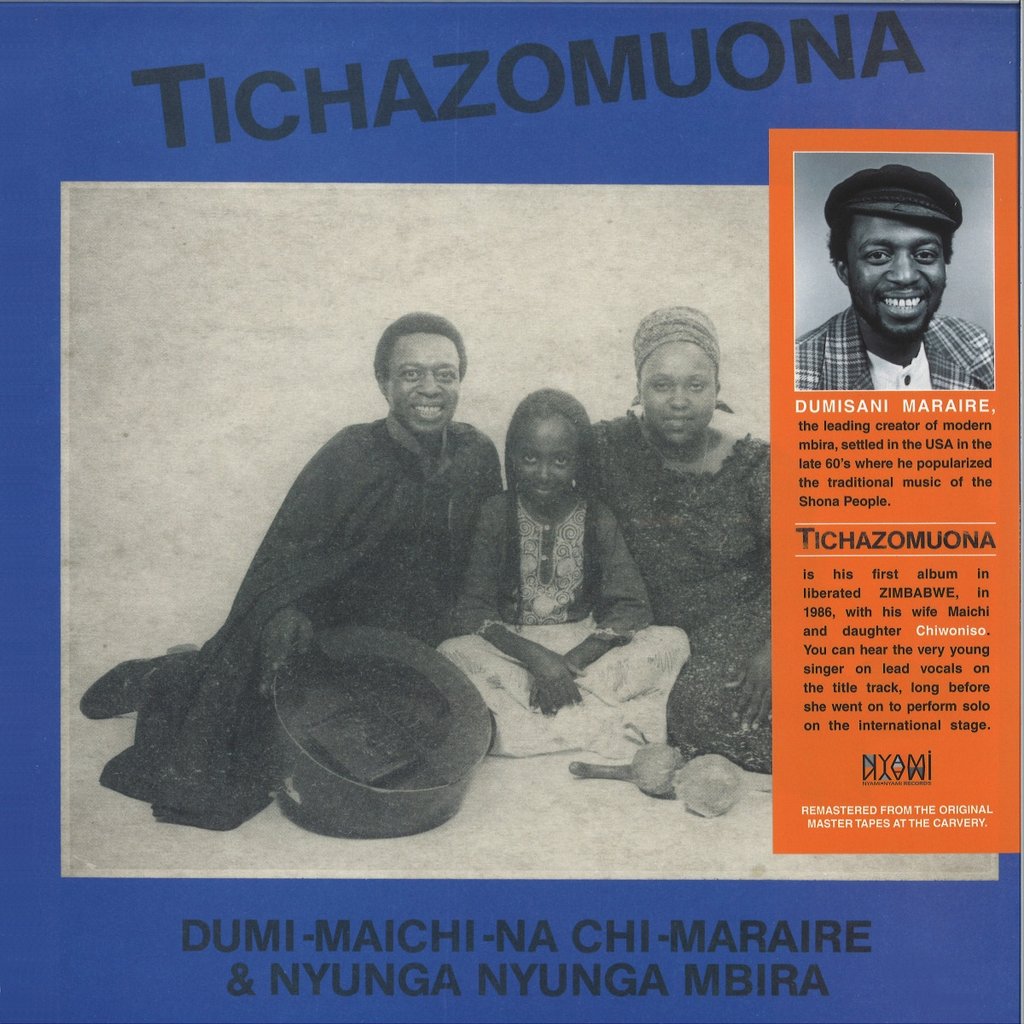
Dumisani Maraire was born on December 27, 1944, in Mutare, then in Southern Rhodesia. He grew up in a country where the mbira — a lamellophone instrument with metal blades fixed on a wooden board — occupies a central place in Shona spiritual life, but is simultaneously despised by colonial Christian missionaries who associate it with evil spirits of a pagan religion. This contradiction shaped Dumi’s childhood and, later, his vocation: to carry a sacred instrument out of the village into American auditoriums. He was first trained within his family, then at the Kwanongoma College of Music in Bulawayo where he rubbed shoulders with peers who became famous, Thomas Mapfumo and Stella Chiweshe. In 1967, a high school concert attracted the attention of Laurence Parris, American ethnomusicologist; Dumi went to Seattle. There, he taught at the University of Washington, founded marimba groups, recorded African Story-Songs (1969) and the first commercial solo album on nyunga-nyunga mbira (Mbira Music of Rhodesia, 1972). In parallel, he invented a numbered notation system on 15 degrees, still used by learners worldwide, and notated the learning piece “Chemutengure”. Then he returned to Zimbabwe to create an ethnomusicology program in Harare: according to his son Tendai, he removed classical music to teach children their own culture. In 1986, he and his wife Mai Chi, accompanied by their daughter Chiwoniso (10 years old), recorded Tichazomuona, an iconic family album. Then he returned to Seattle, earned his doctorate in ethnomusicology, collaborated with the Kronos Quartet for the album Pieces of Africa (1992, two compositions signed by him), and alternated between continents until his death.
Major works
| Work | Year | Why it is essential |
|---|---|---|
| African Story-Songs Told and Sung… | 1969 | First sung Shona tales preserved by UW Press; ethnographic reference |
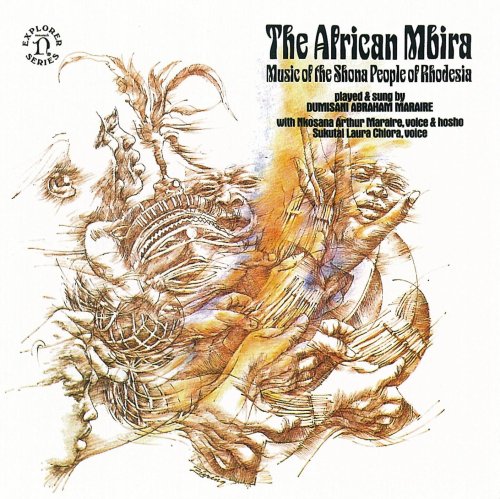
| Mbira Music of Rhodesia (nyunga-nyunga) | 1972 | First commercial solo recording on mbira; educational booklet by the artist |
| Tichazomuona (Dumi, Mai Chi & Chi) | 1986 | Post-independence family album; reissued in 2017 by Nyami Nyami Records |
| Pieces of Africa (with Kronos Quartet) | 1992 | First album to combine Billboard classical & world charts; in the National Recording Registry in 2024 |
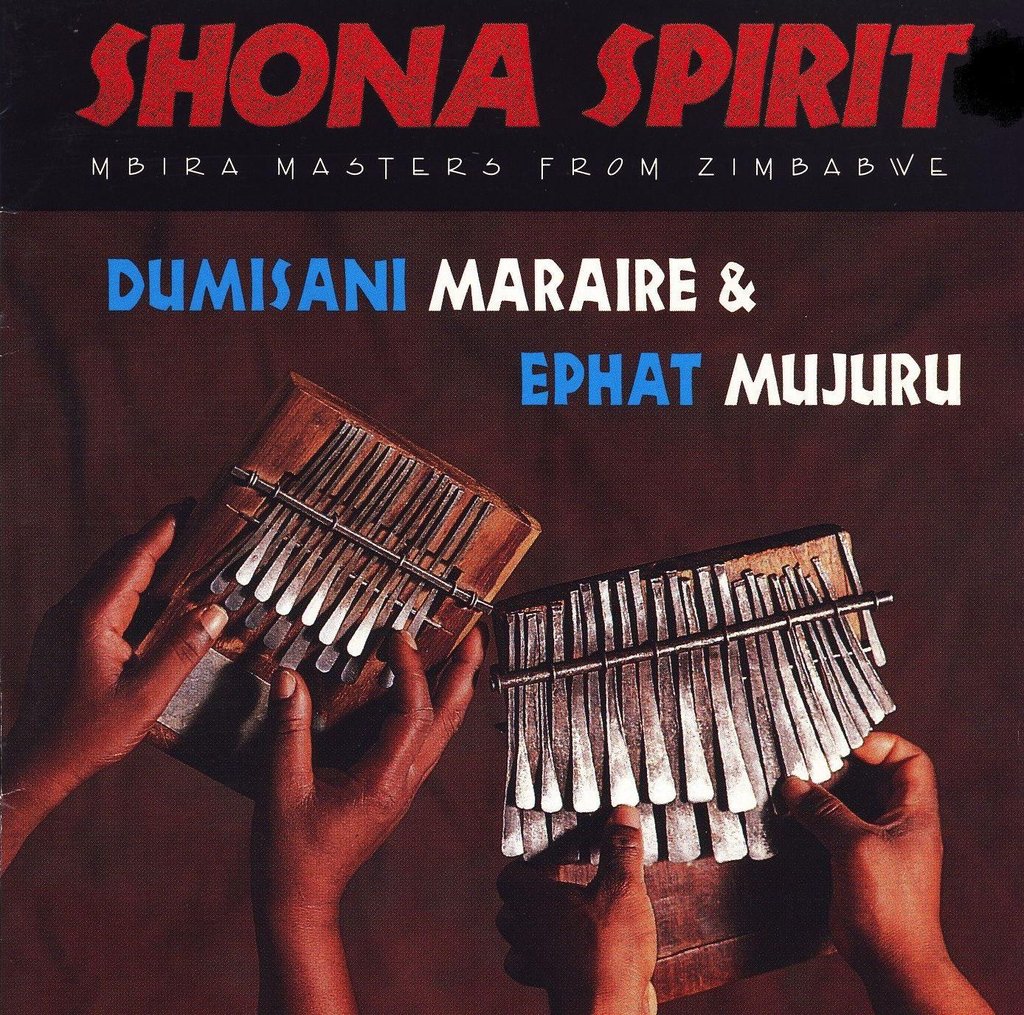
| Shona Spirit (with Ephat Mujuru) | 1995 | Major collaboration with another master mbira player |
Legacy and influence
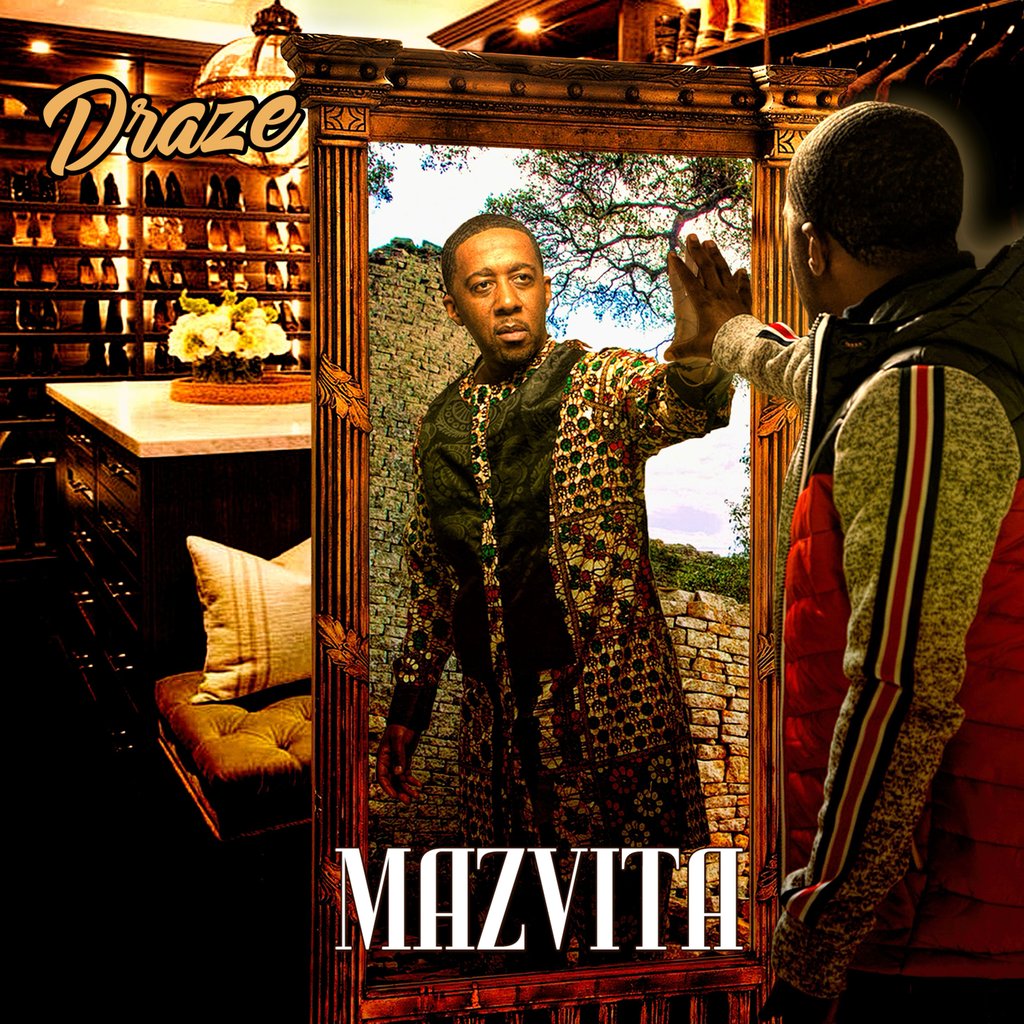
Dumisani Maraire did not merely popularize the mbira — he made it playable everywhere. His numbered notation on 15 notes allows musicians worldwide to learn traditional pieces today without oral family instruction. His American students founded Zimfest (1991), an annual festival still active. His son Tendai — Baba Maraire, member of Shabazz Palaces and Chimurenga Renaissance — incorporates the mbira into experimental hip-hop contexts; his other son, Dumisani Jr., performs under the name Draze. His daughter Chiwoniso — the queen of the mbira according to Zimbabwean media — extended her voice with Ancient Voices (1998). Between the Shona village and the auditoriums of Seattle, Dumi Maraire never stopped playing: When a mbira player plays his instrument, he does not do it for the world, it is to converse with a friend. Fifty-five years after his death in 1999, this echo still resonates — in the hands of his children and on the records that his wife Mai Chi continues to publish.
Sources and references
- “Dumisani Maraire”, Wikipedia, https://en.wikipedia.org/wiki/Dumisani_Maraire, accessed November 5, 2025.
- “Dumisani Maraire recordings: African Story-Songs, 1969”, University of Washington Ethnomusicology Archives (Archives West), https://archiveswest.orbiscascade.org/ark:80444/xv35095, accessed November 5, 2025.
- “Zimbabwean mbira ambassador Dumisani Maraire returns with Tichazomuona”, Pan African Music, https://pan-african-music.com/en/mbira-dumisani-maraire/, accessed November 5, 2025.
- « Secondary vibrations of Dumi and the Maraire family, mbira included », Pan African Music, https://pan-african-music.com/en/dumi-maraire-tichazomuona/, accessed 5 November 2025.
- « Pieces of Africa », Kronos Quartet, https://kronosquartet.org/recordings/detail/pieces-of-africa/, accessed 5 November 2025.
- « Dumisani Maraire (composer) », Presto Music, https://www.prestomusic.com/classical/composers/6708--maraire, accessed 5 November 2025.