Biography
Éric Virgal: the crooner of Martinique
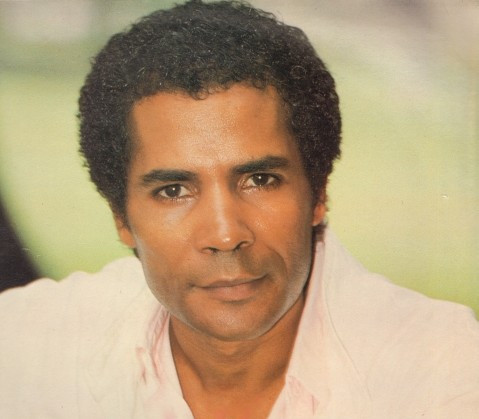
In 1971, an eighteen-year-old teenager put his voice into the microphone at Disques Debs in Fort-de-France and launched a career that would make him one of the most recognizable faces of Antillean zouk. Forty-five years later, Éric Virgal’s gentle voice continues to resonate from the Antilles to Haiti, carried by a sentimental repertoire where Creole and French intertwine.
In brief
| Stage name | Éric Virgal |
| Birth | 28 June 1953, Fort-de-France, Martinique (France) |
| Field | Antillean zouk; singer-songwriter-performer |
| Notable works | “Pa fe mwen la penn”, “Coupable”, “An jou béni” (with Orlane) |
| Honors | Plaque d’honneur du gouvernement haïtien (2014) |
Key dates
| Year | Event |
|---|---|
| 1971 | First single “Stanislas” at age 18 on the label Disques Debs International |
| 70s-80s | Multiple recordings on Hit Parade, Disques Aigle, Disque Biabi; first titles with Les Faucons Martiniquais |
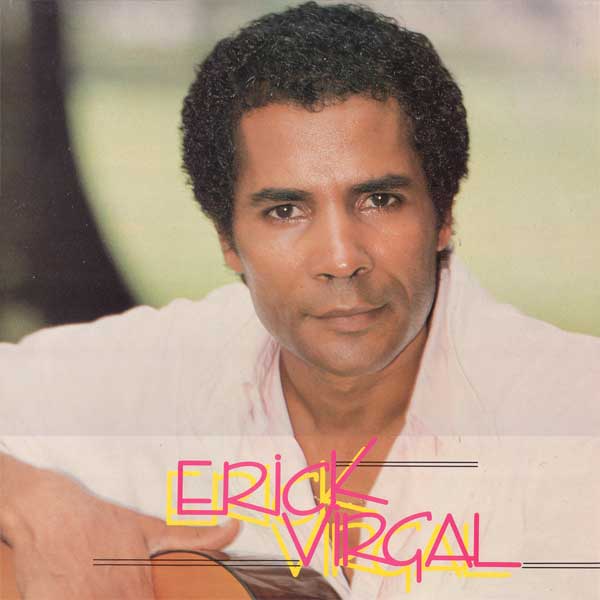
| 1987 | Self-titled album Erick Virgal: major commercial launch on Karakos/Sonodisc |
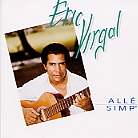
| 1988 | Release of Allé simp’ and the hit “Pa fe mwen la penn” |
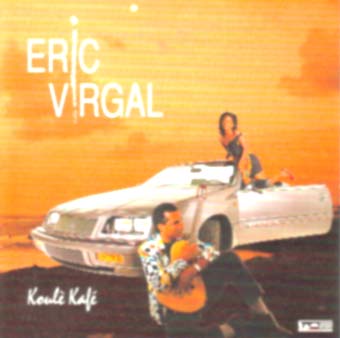
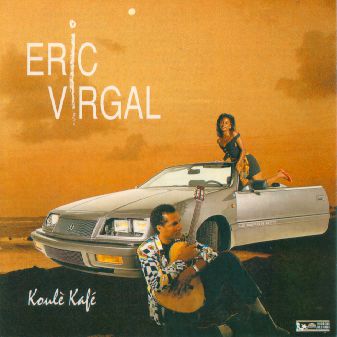
| 1990 | Album Koulè Kafé; single “Coupable” becomes a Caribbean hit |
| 1995 | Release of Tendre et rebelle on Hibiscus Records |
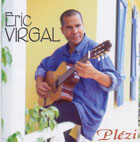
| 2001 | Album Plézi with Leo Prod' |
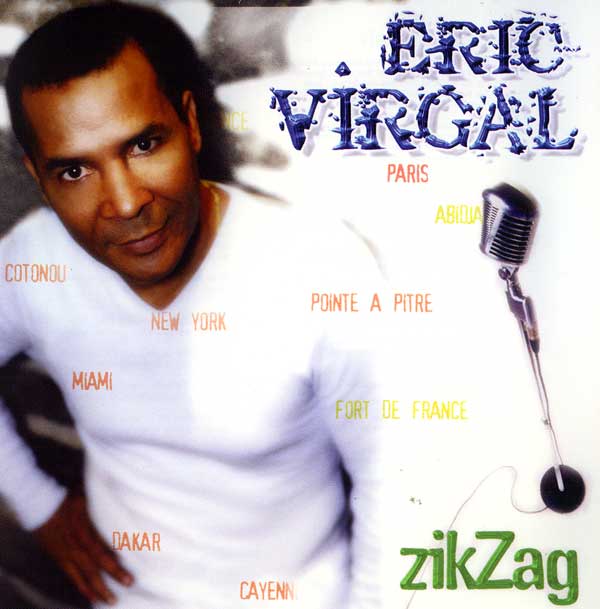
| 2002 | Album ZikZag, including a tribute to poet Aimé Césaire |
| 2012 | Collaboration “Lady chérie” with Ivorian star Meiway (zoblazo + zouk) |
| 2014 | Awarded by the Haitian government (President Michel Martelly) for his commitment to Haiti |
| 2019 | Single “Doudou manuela”; discreet studio return after the 2010s |
Origins and learning the trade
Born in Fort-de-France on 28 June 1953, Éric Virgal grew up in a Martinique undergoing profound cultural transformation. By the end of the 1960s, zouk was born from the crossroads of gwoka, Congolese rumba, and Latin rhythms. Virgal seized the opportunity: at eighteen, he recorded his first single, “Stanislas,” with Henri Debs. The following years saw the young musician multiply experiences—Hit Parade, Disques Aigle, Disque Biabi—and rub shoulders with other artists like Les Faucons Martiniquais. Those years were hours in the studio, writing sessions, and trade apprenticeship that forged his dual skill: singer and guitarist.
Towards the end of the 1980s, zouk entered its golden period. Kassav’ toured the world; Zouk Machine, Expérience 7, and Gilles Floro imposed their vision. Virgal caught this movement and published in 1987 his first major album, a self-titled record Erick Virgal with Karakos Productions and Sonodisc. The voice revealed itself immediately—gentle, warm, capable of shifting from tender to rebellious.
Creole revelation and consecration
1988 marked a turning point with Allé simp’, an album that propelled “Pa fe mwen la penn,” a song whose title means in Creole “don’t make me sad,” into the top of Antillean airwaves. Virgal developed a sentimental style, carried by a light baritone voice that earned him the nickname “crooner of Martinique” in local media. His duets with female singers became his signature: “Plézi lanmou” with Danielle René-Corail, “Viv’ épiw,” and “An jou béni” with Orlane. He also participated in launching the careers of emerging singers, working as a producer behind the scenes.
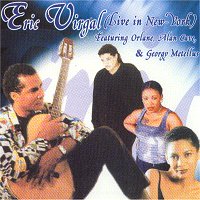
Success did not waver: Koulè Kafé in 1990 (with the hit “Coupable”), Gold in 1992, the live album recorded in New York in 1995, and Tendre et rebelle (Hibiscus Records) consolidated his place in the zouk landscape. His songs circulated well beyond French overseas territories—Metropole, Antilles, and Haiti listened to Virgal. The singer also engaged in television projects, producing shows for Martinique, Canada, and the United States.
Haitian commitment and later years
Éric Virgal’s attachment to Haiti goes beyond mere commercial success. In the 2000s, he sang for Haiti through several of his titles. During the floods of 2004 in Gonaïves, he dedicated songs to Haitian communities. On ZikZag (2002), he composed a track dedicated to poet Aimé Césaire, cementing the link between Martinique and Haiti in music. On December 2, 2014, this commitment was officially recognized: Haitian President Michel Martelly and Prime Minister Laurent Lamothe presented an honor plaque to Virgal at the National Palace in Port-au-Prince, alongside musicians Fabrice Rouzier and Clément Bélizaire. Martelly described the Martinican as a messenger of the world who does not sing only what happens at home but sings feelings, situations, and Haiti. “He is someone who, in our difficult moments, associates himself with the cause of Haiti to remedy certain situations,” he said.
After the turning point of the 2010s, Virgal became more discreet on the front stage. He still signed “Lady chérie” in 2012 with Meiway, the great name of Ivorian zoblazo—a blend of zouk and zoblazo. The single “Doudou manuela” arrived in 2019. On the studio side, he also continued producing for other artists—Jean-Luc Guanel (the title “Pa Fè Bétiz’” on A La Dous’, 2000), Axell, N’Jie, or Pierrette Adams.
Major Works
| Work | Year | Why It’s Essential |
|---|---|---|
| Erick Virgal | 1987 | First major album that launched his commercial career and revealed an atypical voice in zouk |
| “Pa fe mwen la penn” | 1988 | Absolute hit of sentimental zouk, still played in Antilles and Caribbean karaoke venues |
| Koulè Kafé (album) | 1990 | Second discographic pillar; “Coupable” anchors Virgal as a figure of Antillean romanticism |
| Tendre et rebelle | 1995 | Mature album showing an artist in full creative control, between zouk and sentimental balladry |
| ZikZag | 2002 | Last major album before relative withdrawal; tribute to Aimé Césaire anchoring his Caribbean commitment |
| “Lady chérie” (with Meiway) | 2012 | Zoblazo-zouk collage proving that his creativity transcends Antillean borders |
Legacy and Influence
Éric Virgal is among those artists who carried sentimental zouk beyond French Antilles without ever succumbing to conformity. His Caribbean crooner voice paved the way for a generation of softer, less dance-oriented but equally memorable Creole interpreters. Haiti, which honored him in 2014, is undoubtedly the country where he dug deepest — far beyond a mundane career, his work tells a cultural story that crosses the sea between Martinique and Haiti. His duets, productions, and commitment make him a figure of Antillean music both on stage and behind the studio.
Sources and References
- « Eric Virgal », AZ Martinique, http://azmartinique.com/index.php/en/all-to-know/celebrities/eric-virgal, accessed November 16, 2025.
- « Eric Virgal — Zouk Artist, Songs & Story », BouyonSoca, https://bouyonsoca.com/artists/eric-virgal/, accessed November 16, 2025.
- « Haïti récompense Éric Virgal le chanteur romantique qui ne va qu’au cœur », Bondamanjak, https://www.bondamanjak.com/article/haiti-recompense-eric-virgal-le-chanteur-romantique-qui-ne-va-quau-coeur, December 4, 2014.
- « Eric Virgal », Deezer, https://deezer.com/en/artist/12732, accessed November 16, 2025.
- « Eric Virgal », AllMusic, https://www.allmusic.com/artist/eric-virgal-mn0000161201, accessed November 16, 2025.
- « Eric Virgal », Discogs, https://www.discogs.com/artist/1347081, accessed November 16, 2025.