Biography
Érick Cosaque
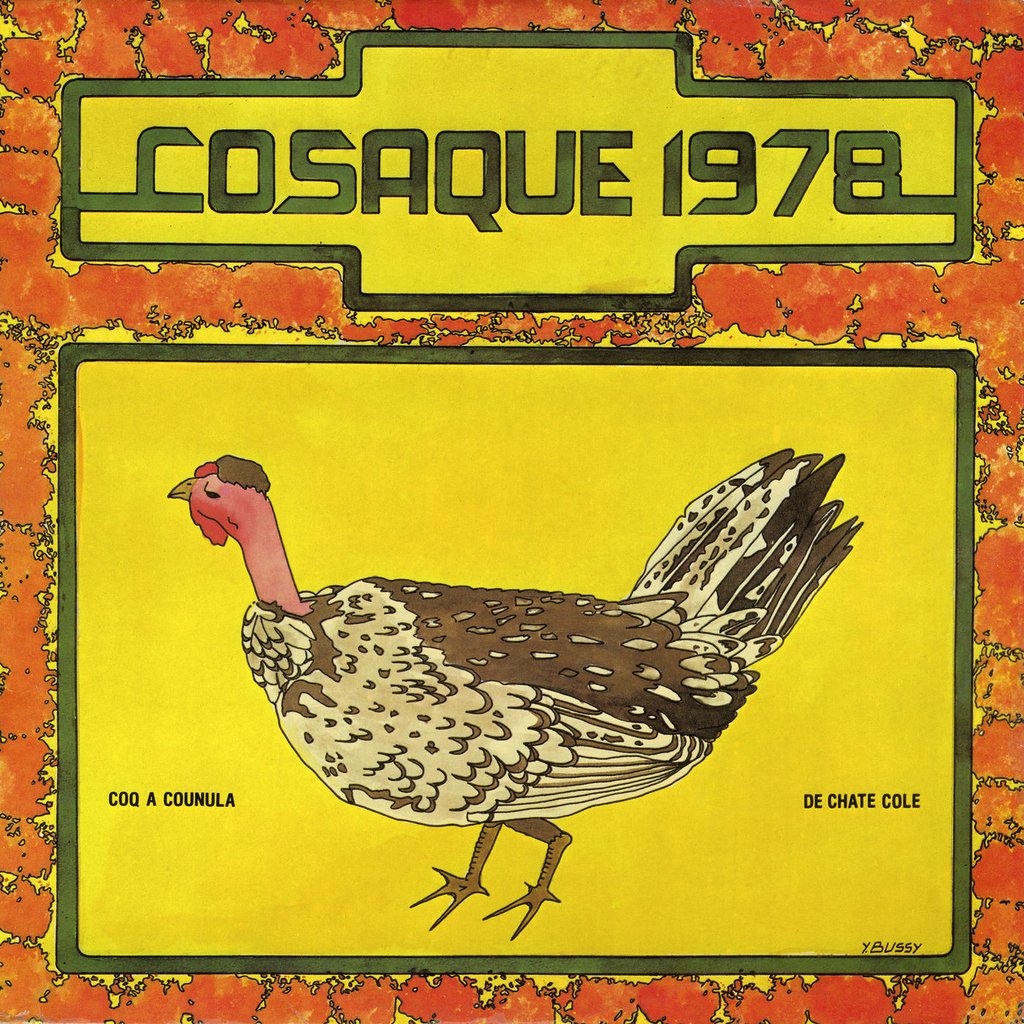
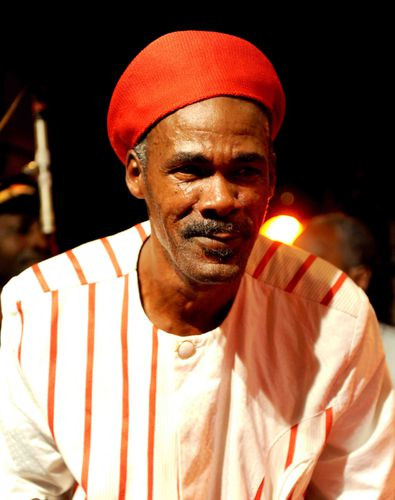
In 1978, facing the microphone of a Parisian studio, Érick Cosaque established a unique sound. At the heart of boula and makè, jazz saxophones, electric keyboards, and soul guitars weave in. This singer-percussionist, born in 1952 in Pointe-à-Pitre, does not seek institutional consecration: he wants the drum of America to be heard.
In brief
| Full name | Érick Cosaque |
| Birth | 1952, Pointe-à-Pitre, Guadeloupe |
| Death | 2020, France |
| Domain | Gwo ka — traditional Guadeloupean music |
| Emblematic works | Gros-Ka l’Arme de défense du peuple guadeloupéen, “Guadeloupe, île de mes amours”, Chinal Ka 1973-1995 |
| Distinctions | Pioneering role in the inscription of gwo ka on the UNESCO Intangible Cultural Heritage list (2014) |
Key dates
| Year | Event |
|---|---|
| ~1957 | Beginning of drum lessons in Pointe-à-Pitre, under the watch of his docker father |
| 1967-1968 | Participation in folkloric groups from Capesterre and Pointe-à-Pitre |
| 1969 | Arrival in metropolitan France via BUMIDOM |
| 1973 | Definitive return to France and start of professional career in Paris |
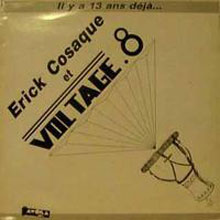
| 1972-1980 | Creation of Voltages 8, first album Spécial Groska; recording of Chéne A Kunta-Kinté (1978) |
| 1977-1980 | Recordings with Cadence Gilles and X7 Nouvelles Dimensions |
| 1983 | Tabou Combo takes up his title Yien ki sa |
| 1992 | Recording in Guadeloupe of Rasin péyi, his only album recorded on the island |
| 2014 | Gwo ka is inscribed on the UNESCO Intangible Cultural Heritage list — Cosaque sings on it |
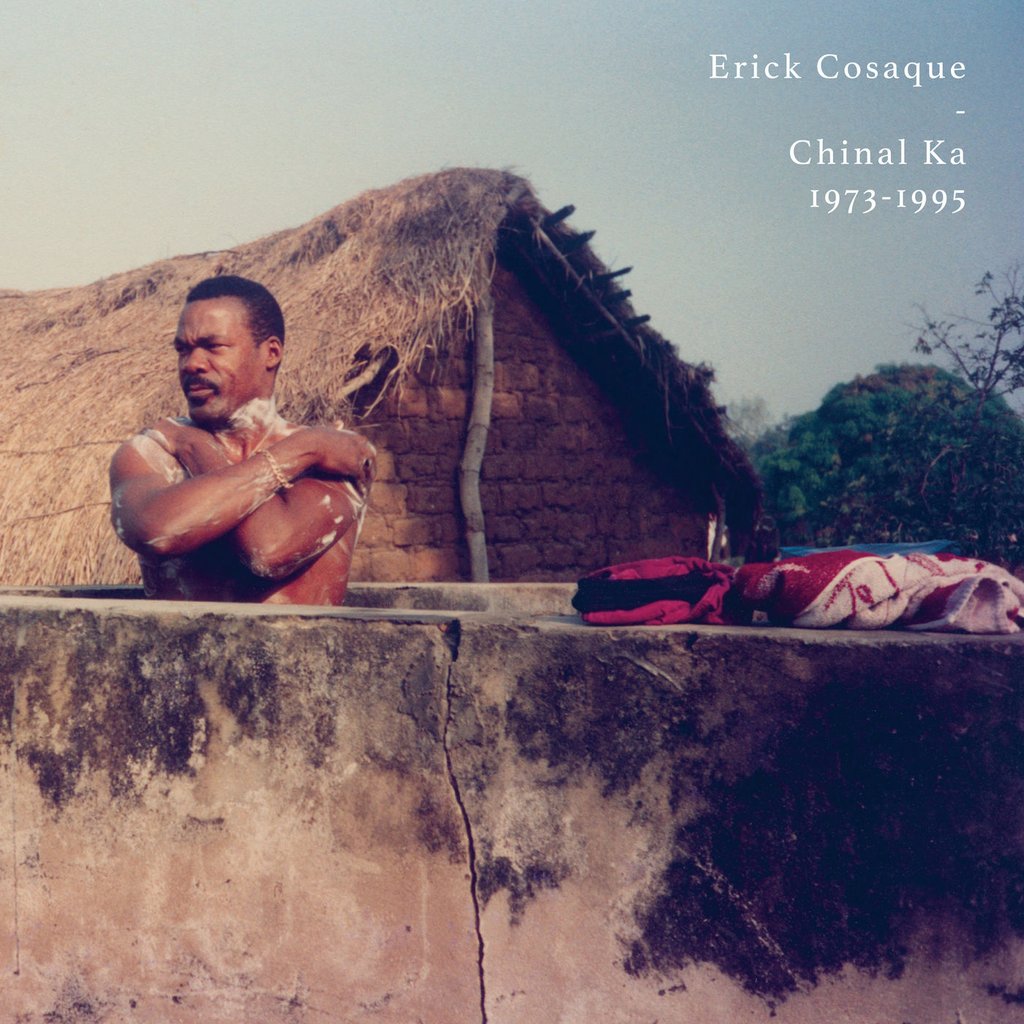
| 2019 | Release of Chinal Ka 1973-1995, anthology on Heavenly Sweetness |
Origins, training, and rebellion: the forging of the tambouyè
Érick Cosaque was born in 1952 in Pointe-à-Pitre. His docker father, not a musician but an amateur dice player, took him very early to communal festivals. From the age of five, Érick spent hours facing the drums — Alfred Labasse, Vélo, and other masters made the rhythms resound around the square at Charbon. In Capesterre-Belle-Eau, he discovered the congo drum and the nèg gwo siwo of the carnival, with a thick rhythm that struck him deep.
At fourteen, he cut the cane at Jabrun (Baie-Mahault) and met Guy Conquête, a key figure in the evolving gwo ka. His titles on the Antillean condition resonated like drum beats. Cosaque joined his voice in the léwòz, these nocturnal community sessions. He mastered drum, percussion, and singing — his art surpassed the codes.
In 1969, he boarded for France via BUMIDOM. After his military service again in Paris, he put his bags down in the “third island” — this continent of concrete between Garges and Sarcelles where the diaspora concentrated. It was there that his destiny as a musician took shape: he would not be the conservator, but the renovator.
From Négro Ka to universal recognition
Back in the hexagon, Érick Cosaque founded Négro Ka — a group to which he still acknowledges a certain immaturity. With Les Voltages 8, eight musicians shared his vision; they recorded in 1972 Spécial Groska. Cadence Gilles blended gwo ka and kadans rampa; X7 Nouvelles Dimensions — whose name symbolizes the unknown and the seven traditional rhythms — introduced saxophones, synths, and electric guitars. Cosaque was among the first to dare this blending: jazz, funk, Haitian kompa, Dominican cadence traverse his compositions.
But Cosaque is not an ordinary musician. He forbade himself any label, any federation, no subsidy would pass through his hands. He produced under his own label, Erick Cosaque Productions, and negotiated every contract like a sand merchant facing a stingy client. He did not want a producer to dictate his artistic choices. “I like to escape,” he readily said, and it is this independence he kept as a weapon.
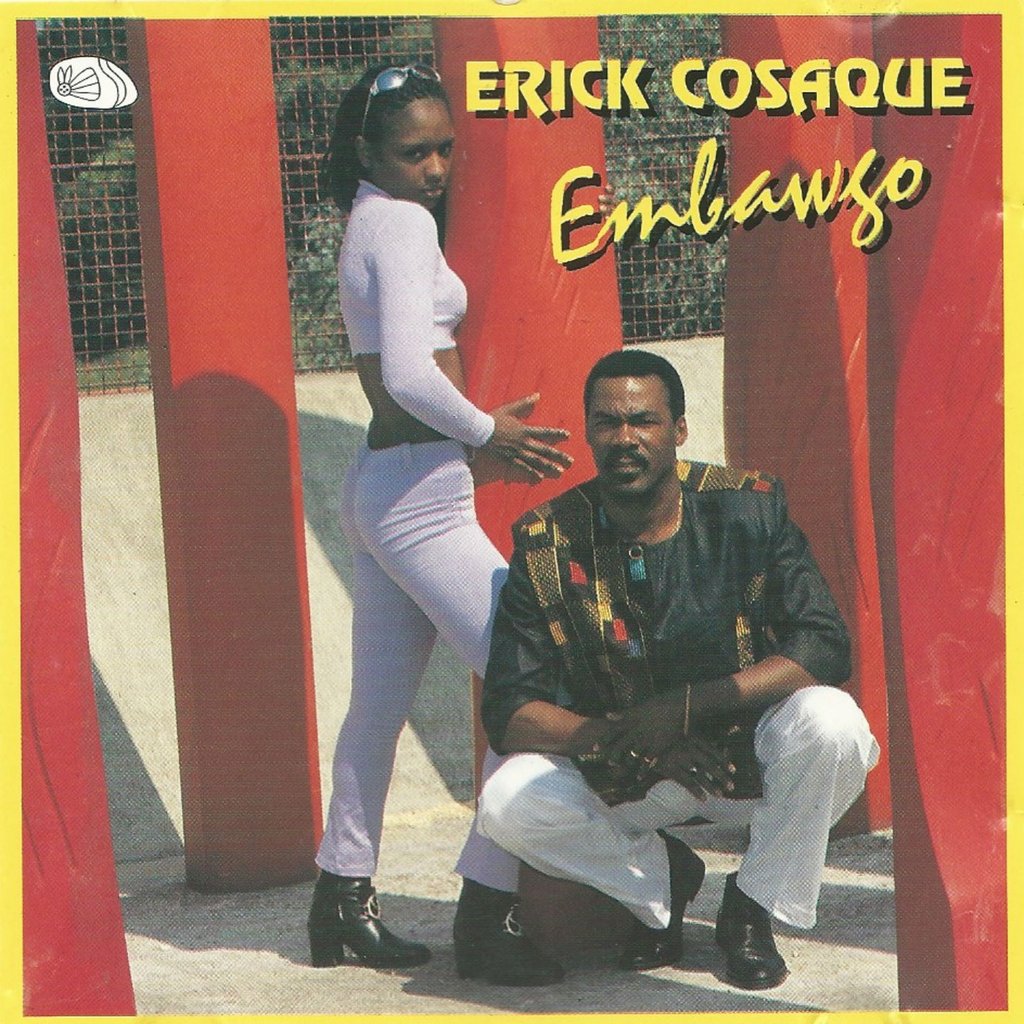
In 1983, Tabou Combo recorded his Yien ki sa — a cover that the emblematic Biguine group recognized as a standard of Creole civilization. He recorded in 1992 Rasin péyi, his only album recorded at home, facing the sea of Fort-de-France. His texts are calls: “Guadeloupe, île de mes amours”, the title of the Voltages 8, is not a sentimental ode but a reminder to pride; Zombie Dance (1991) anticipated hip-hop; “Embawgo” denounces embargoes that strike peoples without touching their leaders.
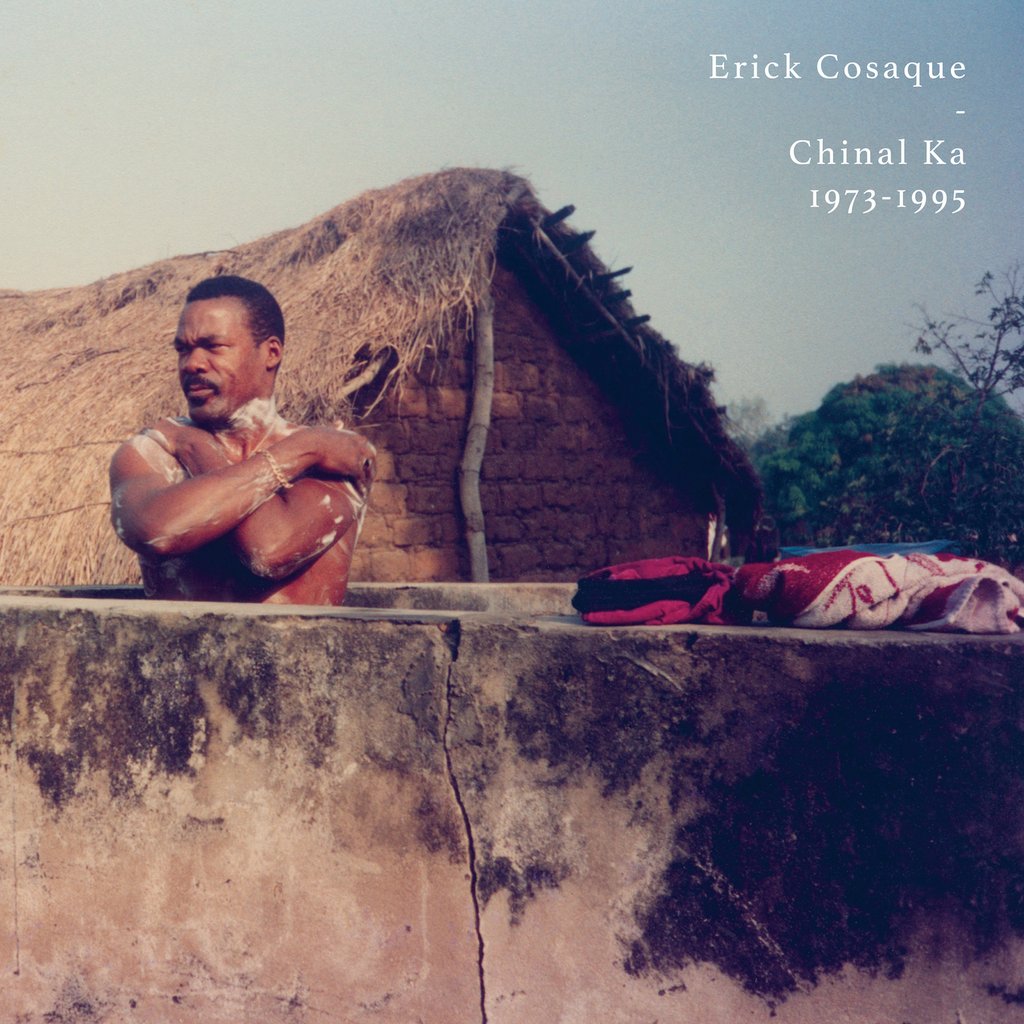
After a road accident that confined him for nine months in the hospital, he returned to the studio in 1992. Forty-five years of career: twenty solo albums, eighty participations — from vinyl to the first digitalized formats. In November 2014, it was his voice singing in Paris when UNESCO inscribed gwo ka. In 2019, Heavenly Sweetness published Chinal Ka 1973-1995, a two-disc anthology revealing to the world an artist long remained in the shadows.
Major works
| Work | Year | Why it is essential |
|---|---|---|
| Gros-Ka l’Arme de défense du peuple guadeloupéen (with Les Voltages 8) | 1981 | First record where jazz and gwo ka fuse without compromise — a manifesto |
| “Guadeloupe, île de mes amours” (Les Voltages 8) | ~1978 | Melancholic hymn on the Antillean diaspora in France, with deep saxophones |
| Chéne A Kunta-Kinté (Cosaque and Les Voltages 8) | 1978 | Mythical title blending drums, keyboards, and powerful African references |
| Yien ki sa (cover by Tabou Combo) | 1982 | Became the standard of Creole biguine — a hymn to Antillean culture |
| Chinal Ka 1973-1995 | 2019 | Posthumous anthology on Heavenly Sweetness: the gateway to discover the Cosaque universe |
Heritage and influence
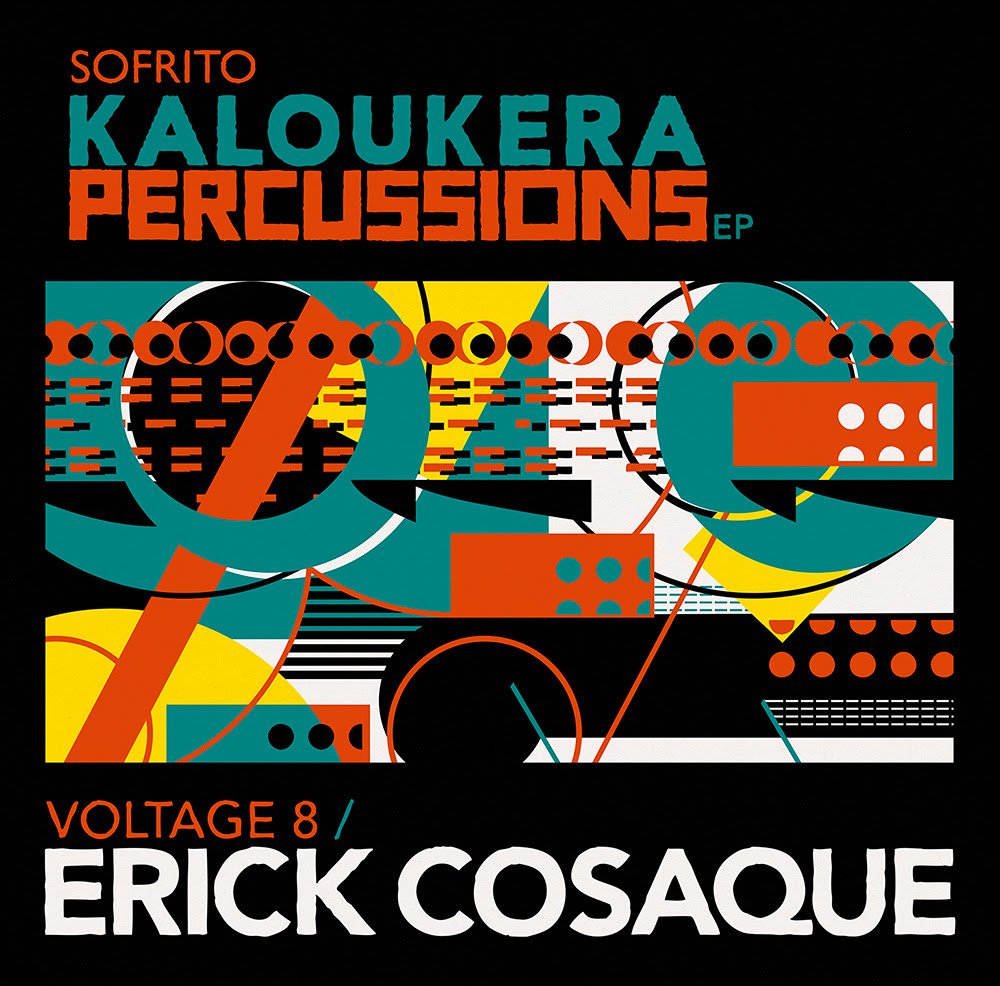
Érick Cosaque shapes modern gwo ka — jazz, funk, soul, hip-hop — without ever renouncing his drum. His refusal to belong to a label makes him the anti-music industry: a fully self-produced artist, like a fisherman who does not give his catch to anyone. The gwo ka recognized by UNESCO in 2014 bears his signature. Artists like Dowdelin or Kaloukera Percussions cite his heritage as a reference. The documentary Lespwi Sanvann (2021), by Raymond Philogène, explores his posthumous universe: no gwo ka without Érick Cosaque.
Sources and references
- Bertrand Dicale, « Biography », Accent-Presse, https://www.accent-presse.com/artiste/erick-cosaque/, accessed 9 November 2025.
- « Erick Cosaque », Discogs, https://discogs.com/artist/1343000-Erick-Cosaque, accessed 9 November 2025.
- « Dowdelin, Erick Cosaque », HKW Haus der Kulturen der Welt, https://www.hkw.de/en/programme/congorama/dowdelin-erick-cosaque, accessed 9 November 2025.
- Guillaume Schnee, « Erick Cosaque, the passionate voice of Gwo Ka », FIP - Radio France, https://www.radiofrance.fr/fip/erick-cosaque-la-voix-passion-du-gwo-ka-7363111, 31 October 2019.
- « Érick COSAQUE: Complete Bibliography », Délégation Guadeloupe – encouragement-public.org, https://encouragement-public.org/delegation-guadeloupe/erick-cosaque/, accessed 9 November 2025.
- François Renoncourt, « Heavenly Sweetness highlights the golden era of Guadeloupean singer Erick Cosaque », Pan-African Music Magazine, https://pan-african-music.com/en/heavenly-sweetness-highlights-the-golden-era-of-guadeloupean-singer-erick-cosaque, 10 October 2019.