Biography
E.T. Mensah
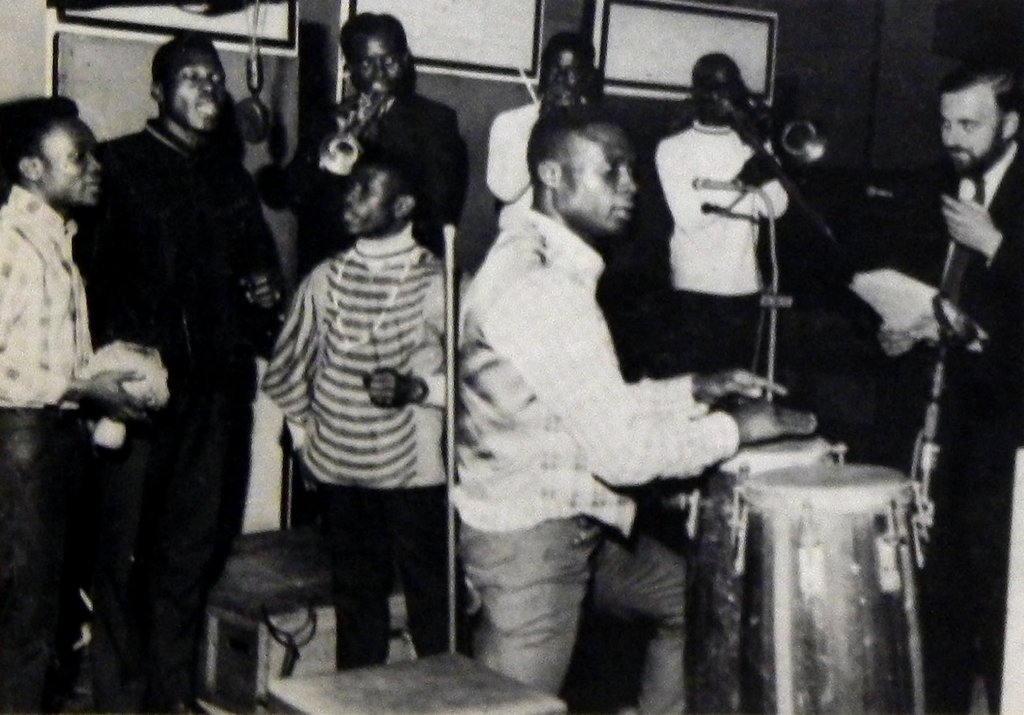
On the evening of March 6, 1957, on the Accra polo ground, Emmanuel Tettey Mensah launched the final notes of “Ghana Freedom Highlife”. The dancing crowd celebrated that evening Ghana’s hundred days of freedom, driven by a rhythm that surpassed colonialism: highlife became the music of hope. Emmanuel Tettey Mensah, revered as the “King of Highlife”, built his life on a conviction — African dance could no longer imitate European steps.
In Brief
| Full Name | Emmanuel Tettey Mensah |
| Birth | May 31, 1919, Ussher Town (Jamestown), Accra, British Gold Coast |
| Death | July 19, 1996 (77 years), Mamprobi, Accra |
| Genre | Highlife — a Ghanaian and Nigerian genre blending African rhythm, jazz, and calypso |
| Instruments | Trumpet, alto saxophone, vocals |
| Group | The Tempos (founded in 1950) |
Key Dates
| Year | Event |
|---|---|
| 1919 | Born in Ussher Town, Accra |
| 1932 | Joined Joe Lamptey’s Accra Orchestra as piccolo and flute player |
| 1936-1942 | Alto saxophone in several orchestras (Accra High School, Accra Rhythmic Orchestra) |
| 1943 | Pharmacist diploma from Korle-Bu Teaching Hospital |
| 1947 | Joined Joe Kelly and Guy Warren’s Tempos (Kofi Ghanaba) |
| 1950 | Founded E.T. Mensah and the Tempos with his pharmacist savings |
| 1953 | Tour of Great Britain; signed with Decca |
| 1956-1957 | Jam session with Louis Armstrong in Accra |
| 1957 | Composed “Ghana Freedom Highlife” for Ghana’s independence |
| 1975 | Received a royal stool at the Ghana National Arts Festival |
| 1980 | First president of the Musicians Union of Ghana (MUSIGA) |
| 1989 | Official distinction “Okunini” from the Ghanaian government |
| 1996 | Died on July 19 in Mamprobi, Accra |
Origins and the Path to Highlife
Emmanuel Tettey Mensah was born on May 31, 1919, in Ussher Town (Jamestown), a neighborhood of Accra then capital of the British Gold Coast. His father was an amateur guitarist; from childhood, E.T. encountered music as if breathing it. At 12, he joined the Accra Orchestra, a school orchestra founded by Joe Lamptey — teacher and former member of the Jazz Kings, Ghana’s first dance orchestra since the 1920s. There he learned concert flute and piccolo, then discovered the alto saxophone.
Around 1936, Mensah bonded with Guy Warren (future Kofi Ghanaba), a drummer who brought Afro-Cuban rhythms and calypso back from London. Together, E.T. and his older brother Yebuah founded the Accra Rhythmic Orchestra, a five-saxophone formation that triumphed at the Lambeth Walk competition in 1939 at the King George Memorial Hall (now Parliament). During World War II, Allied troops imported swing and jazz; Mensah joined the Black and White Spots orchestra, led by Scottish trumpeter Jack Leopard, who taught him intonation and vibrato. In 1943, he earned his pharmacist diploma at Korle-Bu — a profession that ensured him stable income while nurturing his passion.
From Tempos to “King of Highlife”
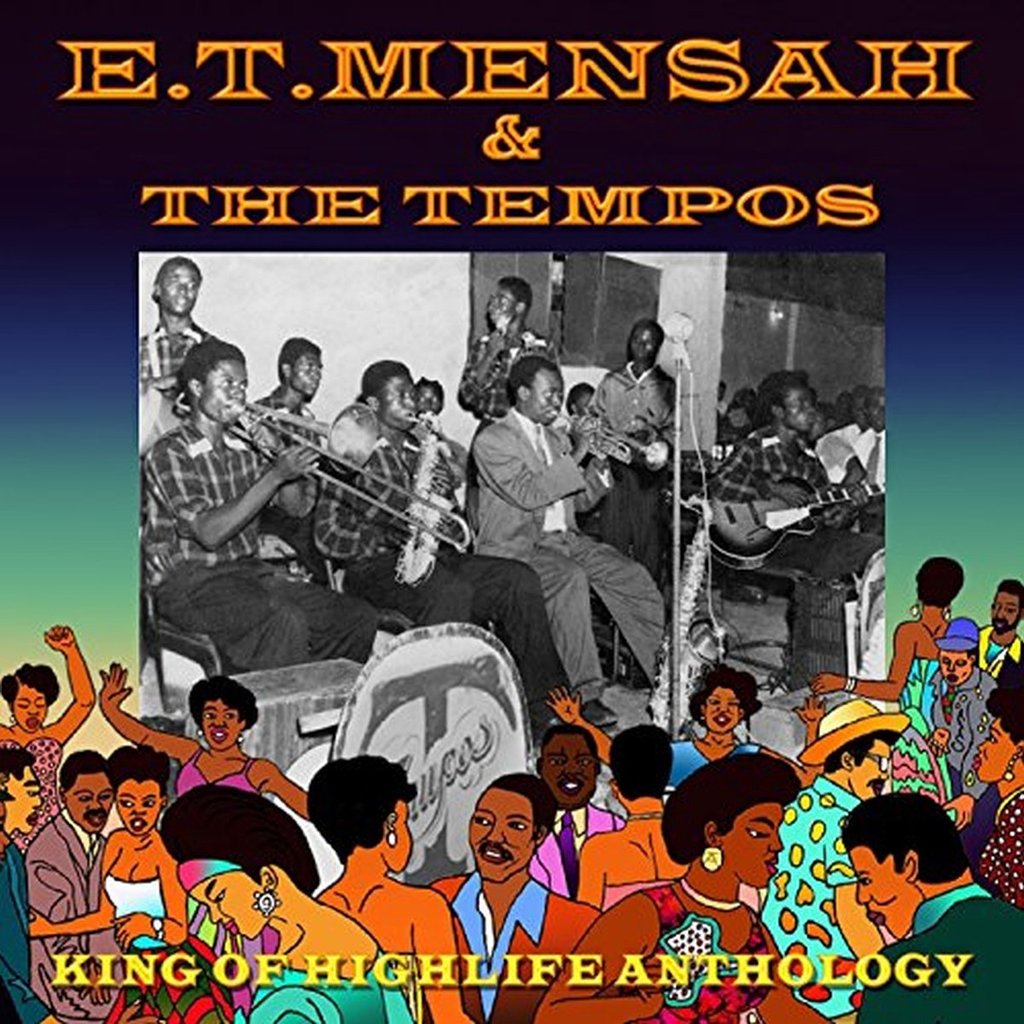
In 1947, Mensah joined the Tempos, an informal group formed after the war by European soldiers and quickly Africanized. Joe Kelly was leader, then Guy Warren, and Mensah from 1948 onward. When the Tempos exploded in 1950, Mensah invested his pharmacist savings and relaunched the group: E.T. Mensah and the Tempos, a twelve-musician orchestra that invented dance highlife — African rhythms, jazz brass, and Cuban percussion in a modern blend.
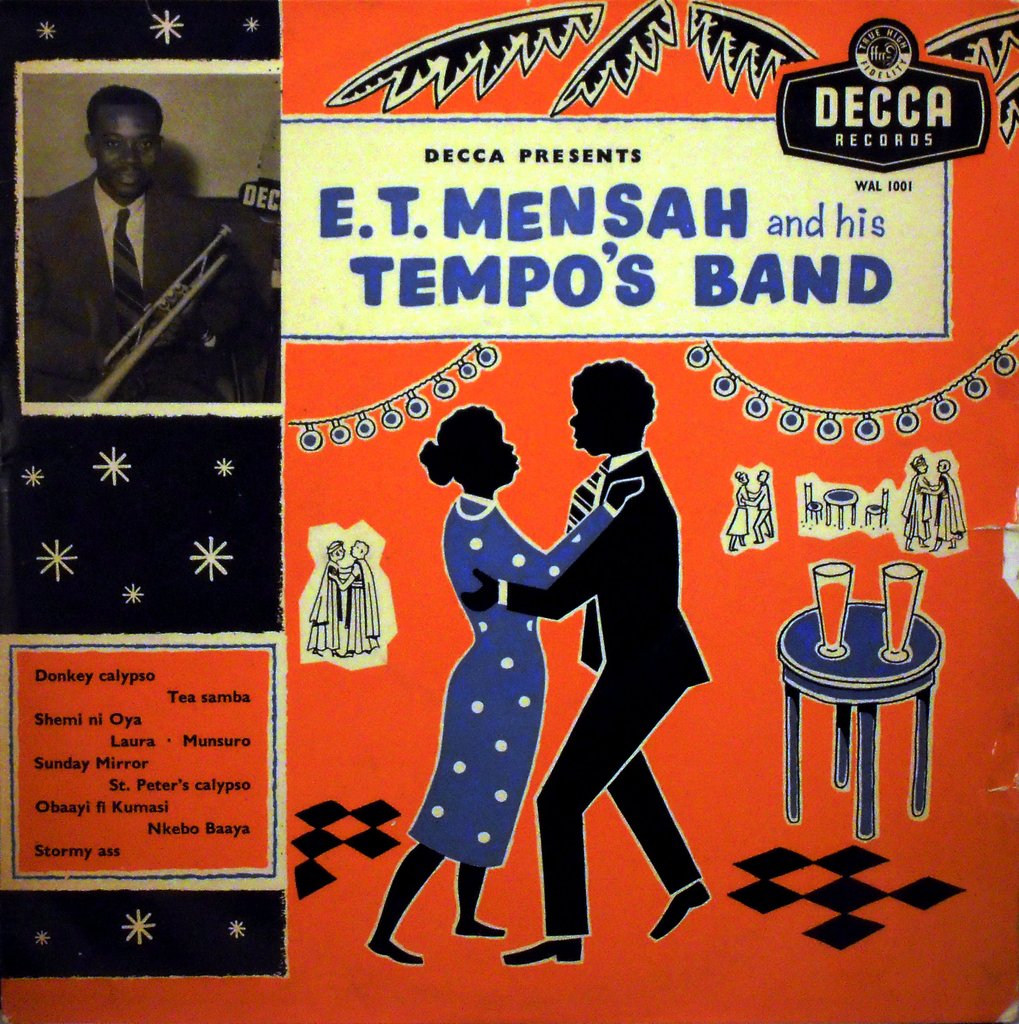
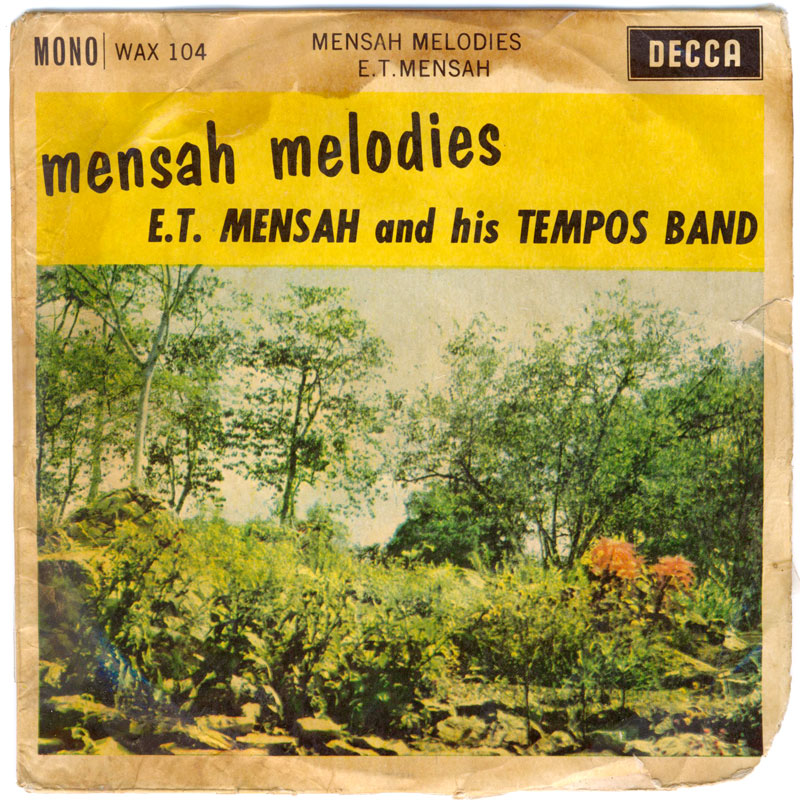
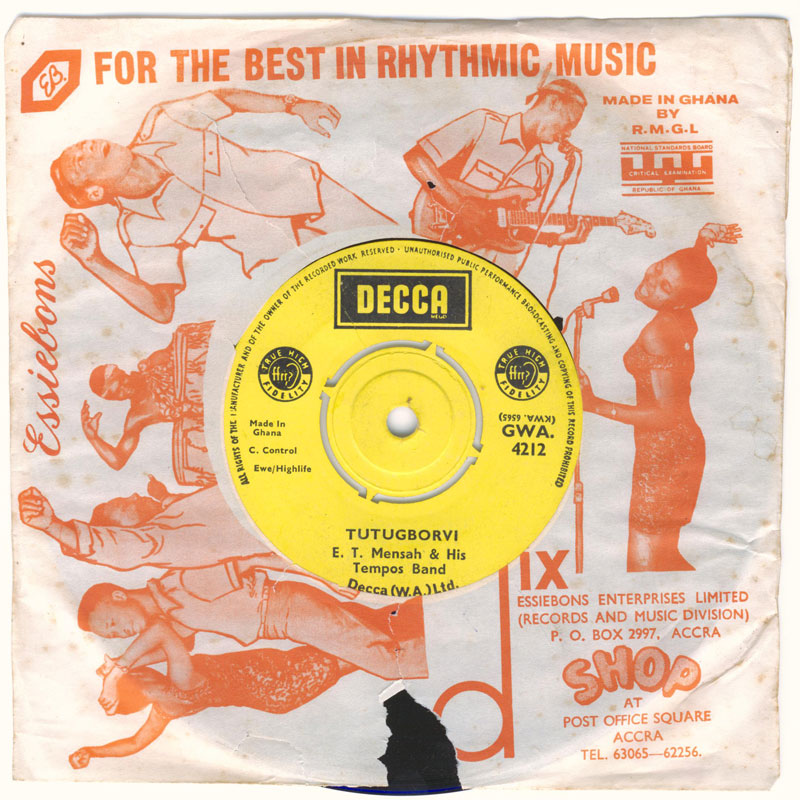
The Tempos became Ghana’s reference formation. From 1950, they multiplied tours in Nigeria, then lacking major dance orchestras, importing a jazzy highlife that influenced Victor Olaiya and, as a young teenager, Fela Kuti. The group recorded for Decca from 1952 and launched hits: “Donkey Calypso”, “School Girl” and “Sunday Mirror”. In 1953, a British tour sealed their international notoriety.
Mensah sang in ga, twi, fanté, pidgin and English — each record accessible to all West Africa. His nickname “King of Highlife” was recognized at the National Arts Festival in 1975, with the awarding of a stool, symbol of Akan royalty.
Final Years and Legacy
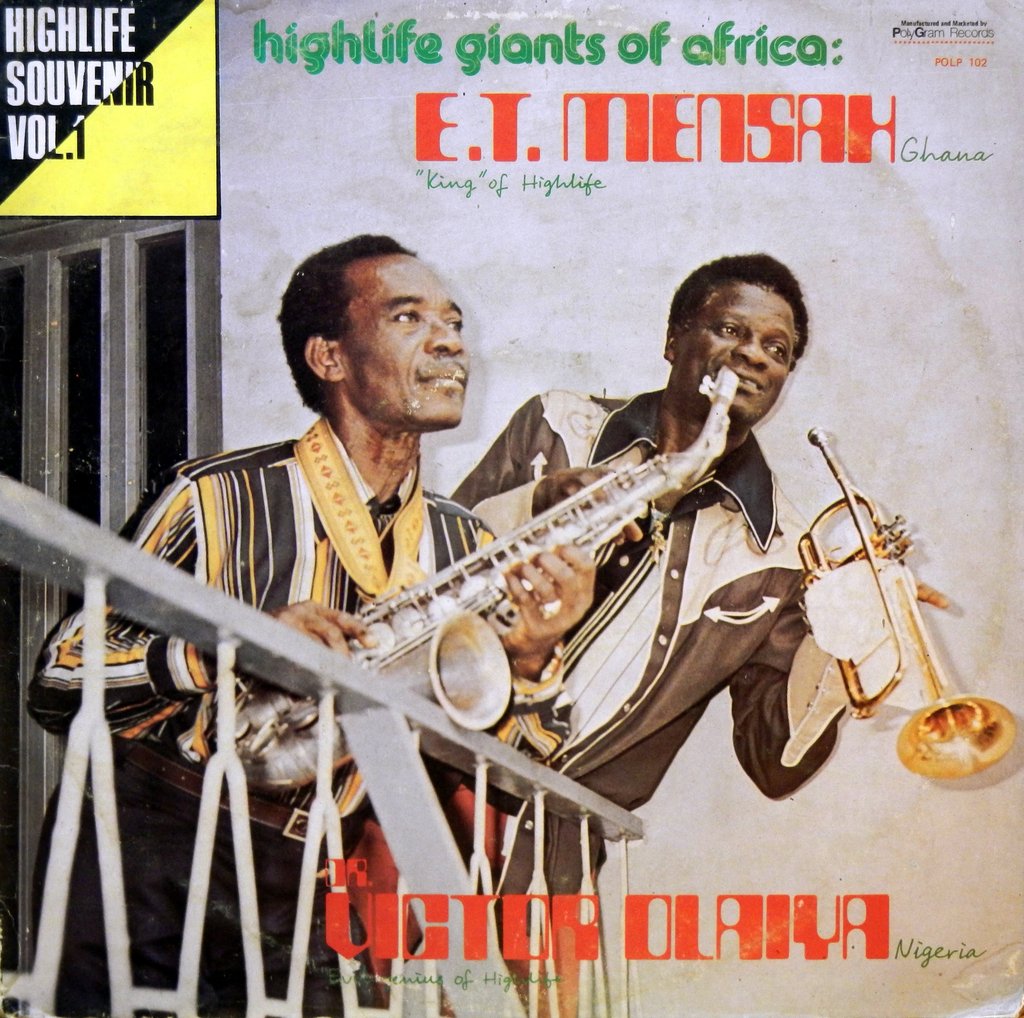
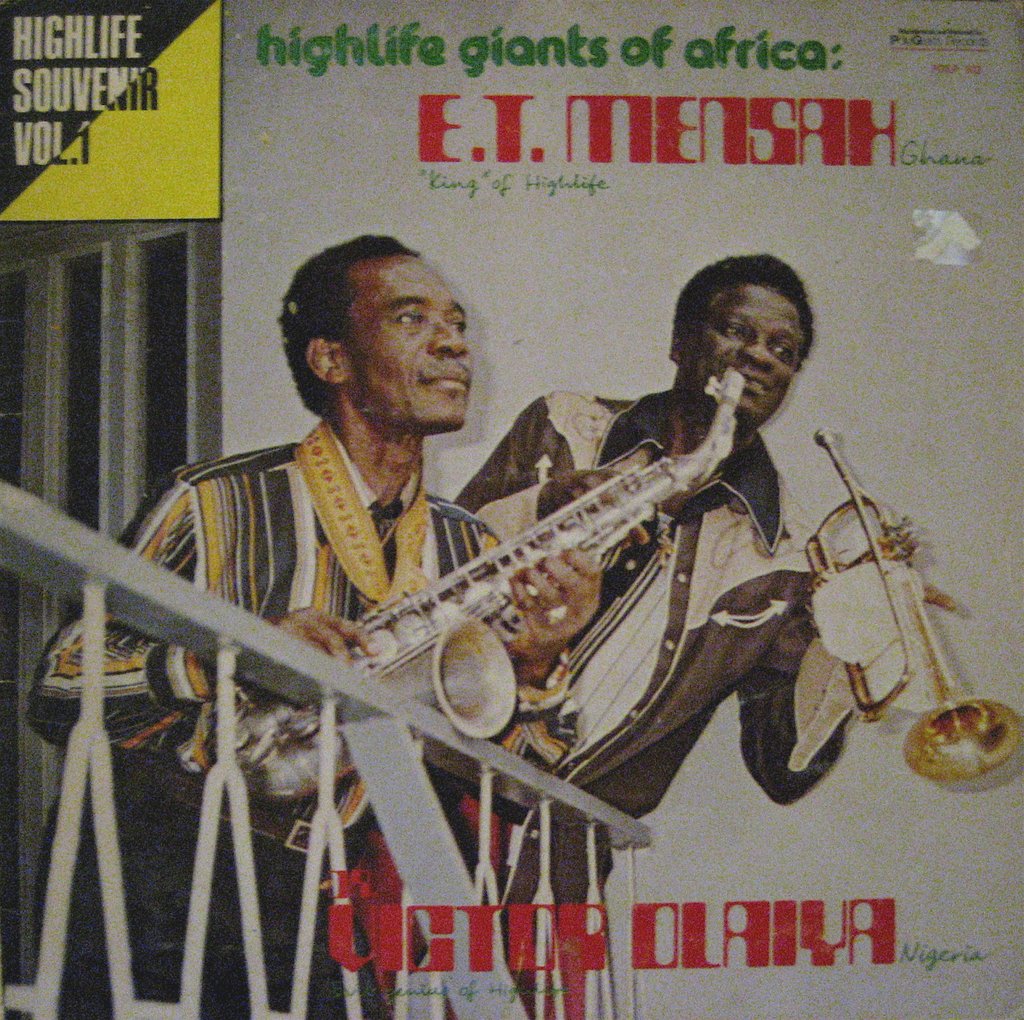
The 1960s saw the decline of dance highlife, but Mensah remained active. He composed “Ghana Freedom Highlife” in 1957 to celebrate independence, traveled with Nkrumah and shared the stage with Louis Armstrong in 1956. The album Highlife Giants of Africa Vol. 1 (1983) with Nigerian trumpeter Victor Olaiya remains a genre reference.
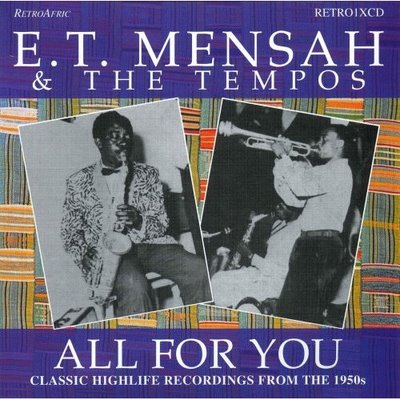
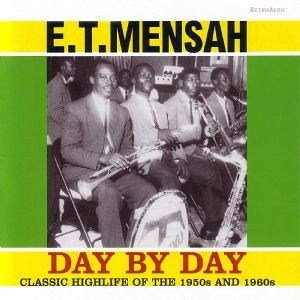
Retired in the 1970s, he returned to stage in the 1980s in a wheelchair: London-Amsterdam tour 1986, tribute to Lagos. RetroAfric published All for You (1986) and Day by Day (1987). First president of MUSIGA in 1980, he received the honorary title “Okunini” (very great man) from the Ghanaian government in 1989.
Mensah died on July 19, 1996, in Mamprobi. The King of Highlife Anthology (4 CD, RetroAfrica 2015) reminds us that this day-time pharmacist and night-time musician gave Africa a defining rhythm of the 20th century.
Major Works
| Work | Year | Why It’s Essential |
|---|---|---|
| “Ghana Freedom Highlife” (single) | 1957 | Independence anthem, melody carrying hope |
| “Donkey Calypso” (single) | 1953 | Hit that introduced highlife on Decca waves |
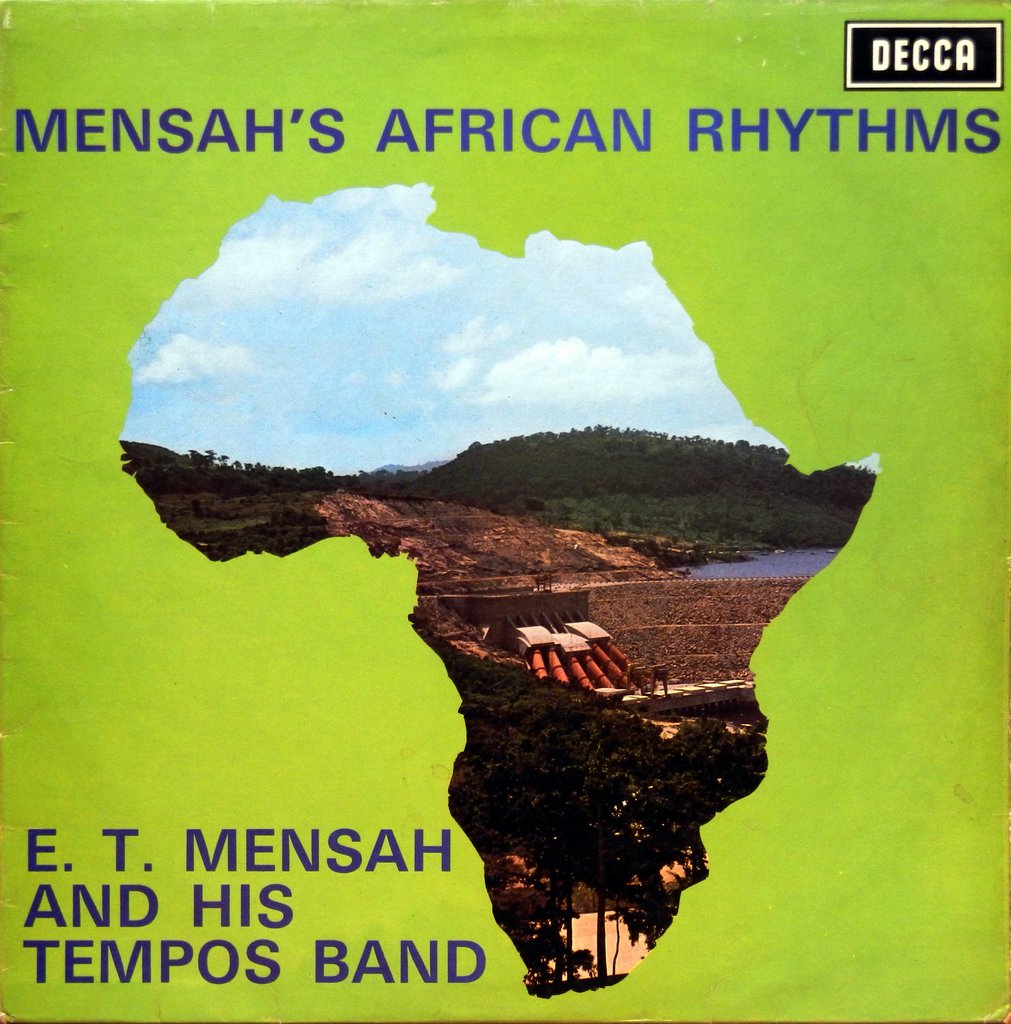
| Menah’s African Rhythms (album) | 1969 | Last major album of the golden age, blending highlife and calypso |
| Highlife Giants of Africa Vol. 1 (with Victor Olaiya) | 1983 | Collaboration between two highlife titans of West Africa |
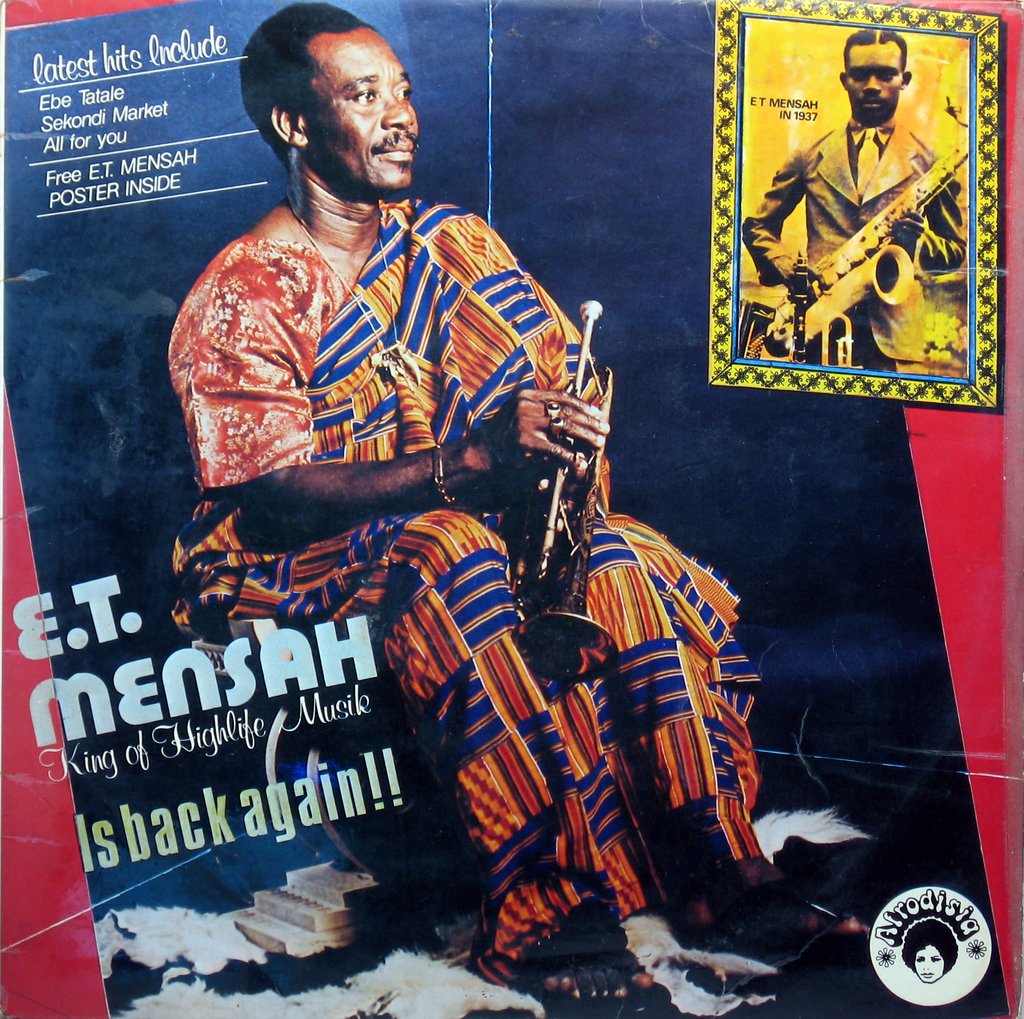
| All for You (album) | 1986 | Comeback recorded by RetroAfric, return to dance highlife roots |
Heritage and influence
Mensah’s brass and percussion arrangements became the standard for dance highlife. Hundreds of musicians who passed through the Tempos — Tommy Gripman, Saka Acquaye, Spike Anyankor — spread this Ghanaian sound to Nigeria and Liberia. He also helped found MUSIGA, the union of Ghanaian musicians. His Decca records still circulate in DJ sets and retro compilations, proof that an orchestra can transform political aspiration into universal dance.
Sources and references
- John Collins, “E.T. Mensah Profile”, GhanaWeb, https://www.ghanaweb.com/GhanaHomePage/people/person.php?ID=144, accessed 15 November 2026.
- Craig Harris, “E.T. Mensah Biography”, AllMusic, https://www.allmusic.com/artist/et-mensah-mn0000163663/biography, accessed 15 November 2026.
- Fondation Langlois, “Ghana’s Highlife Music Collection: E.T. Mensah”, https://www.fondation-langlois.org/html/e/page.php?NumPage=2278, accessed 15 November 2026.
- “E.T. Mensah”, Wikipedia, https://en.wikipedia.org/wiki/E._T._Mensah, accessed 15 November 2026.
- Ghana-Net, “E.T. Mensah: The King of Highlife”, https://ghana-net.com/e-t-mensah-the-king-of-highlife, accessed 15 November 2026.
- Afrodisc / RetroAfric, “E.T. Mensah and his Tempos Band — Original Releases”, http://afrodisc.com/artists/artists-e-t-mensah-his-tempos-band/, accessed 15 November 2026.
- Donald Clarke, “MENSAH, E.T.”, Encyclopedia of Popular Music, http://donaldclarkemusicbox.com/encyclopedia/detail.php?s=2335, accessed 15 November 2026.
- Joshua Ofoe Asigbey, “Meet Ghanaian Highlife Music Legend, the great E.T Mensah”, GhanaWeb, https://mobile.ghanaweb.com/blogs/historicaccount/Meet-Ghanaian-Highlife-Music-Legend-the-great-E-T-Mensah-12204, accessed 15 November 2026.
- “E.T. Mensah, The King of Dance Band Highlife”, Afropop Worldwide, https://web.archive.org/web/20090709192646/http:/www.afropop.org/multi/feature/ID/4, accessed 15 November 2026.