Biography
Étienne Mbappé
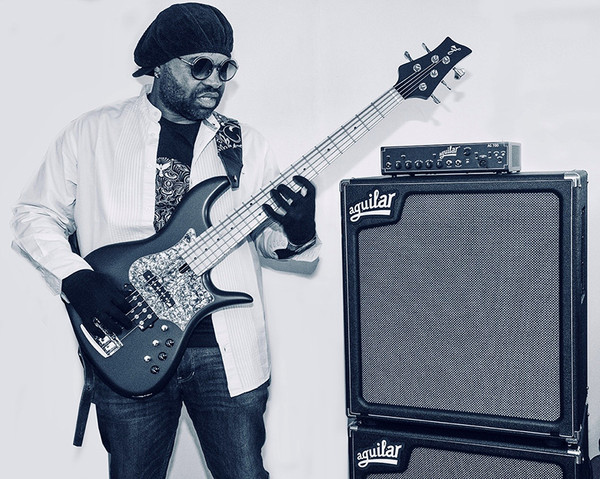
In 1984, in the Parisian clubs pulsating to the rhythm of world music, a young Cameroonian bassist stood out with a unique touch: he plays with black silk gloves. Étienne Mbappé, 20 years old, traded the self-taught guitar of his Douala village for the double bass strings of the conservatory, forging a sound no one would imagine possible on this instrument — a thick, singing, almost vocal tone. Thirty-five years later, the same musician is part of jazz-fusion history, invited by John McLaughlin and Joe Zawinul.
In brief
| Full name | Étienne Mbappé |
| Birth | 1964, Douala, Cameroon |
| Field | Jazz fusion, afro-jazz, afro-fusion |
| Main instrument | Electric bass (and double bass) |
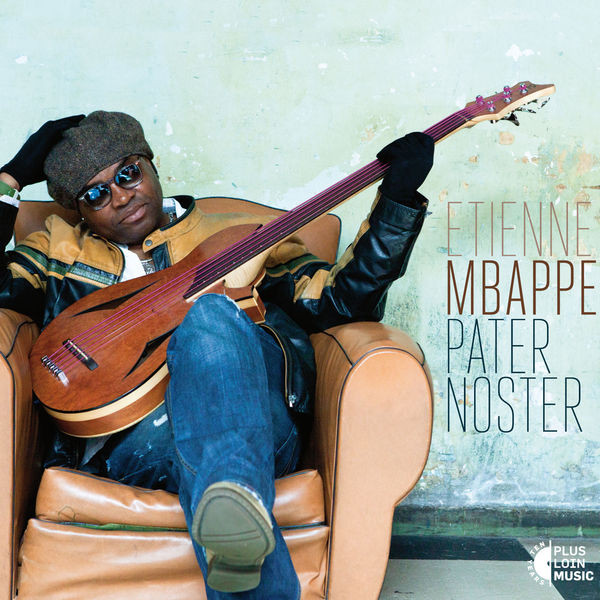
| Signature works | Misiya, Pater Noster, To the One (McLaughlin & The 4th Dimension) |
| Distinction | Plays bass with black silk gloves — an unmistakable sonic signature |
Key dates
| Year | Event |
|---|---|
| 1964 | Born in Douala, Cameroon (Bonendale village) |
| 1978 | Arrives in France at age 14; begins self-taught classical guitar studies |
| 1981-1983 | Studies classical double bass at the Chevilly-Larue conservatory |
| 1985-1992 | Bassist for Rido Bayonne, Ultramarine, and the Orchestre national de jazz |
| 1989-1992 | Albums De and E Si Mala with Ultramarine |
| 1990-2003 | Eclectic scene: Salif Keïta, Jacques Higelin, Catherine Lara, Michel Jonasz |
| 2004-2016 | Solo albums (Misiya, Su La Také, Pater Noster); joins John McLaughlin & The 4th Dimension |
| 2016-present | Etienne Mbappé & The Prophets; Time Will Tell (2021) |
From Cameroon to international jazz-fusion: an extraordinary journey
Étienne Mbappé was born in 1964 in Douala, Cameroon, in the Bonendale village. “Culture was very present in our education,” he summarizes — a phrase that contains all his heritage. He discovered the self-taught guitar, nourished by local sounds — makossa and traditional Cameroonian music. In 1978, at fourteen, he left Cameroon for France where his sick father needed dialysis. In Paris, he discovered another sonic world: French rockers (Trust, Téléphone) and the conservatory. He first studied classical guitar, then switched to double bass from 1981 to 1983. It was Vicky Edimo, the Cameroonian “king of slap,” who inspired him to switch to electric bass around age 17. He never received a bass lesson: “I studied classical guitar and double bass at the Conservatory but I am totally self-taught on electric bass,” he wrote.
His entry into the professional scene was made through the natural connections of the Parisian African scene. In 1985, he joined Rido Bayonne’s grand orchestra and stayed for two years. The following year, he joined Ultramarine — the revolutionary world music collective founded by Mario Canonge, Mokhtar Samba and Nguyên Lê — with whom he recorded two important albums (De, 1989; E Si Mala, 1992). His reputation as a versatile bassist began to spread. From 1987 to 1990, he held the bassist position in the Orchestre national de jazz under Antoine Hervé’s direction, touring Europe, Africa and the United States. Simultaneously, he multiplied experiences: Salif Keïta (bassist and musical director, 1990-1992), Jacques Higelin (60 concerts in five years), Liane Foly, Catherine Lara. He also created the Chic Hot quartet with Mario Canonge and accompanied Michel Jonasz on record and in concert, at the Casino de Paris in 1997.
In the year 2000, a call from Joe Zawinul changed Étienne Mbappé’s trajectory. The legendary Weather Report keyboardist recruited the Cameroonian bassist for his Zawinul Syndicate, a group blending jazz, funk and African sounds. “Joe was a great story teller… a kid in Africa listening to his grandfather tell stories,” Mbappé recounts with emotion. He also recorded on Ray Charles’ last album in 2001, then joined John McLaughlin & The 4th Dimension in 2010. The Mahavishnu Orchestra guitarist called him after eight years of silent waiting: “How about joining my band?” Two albums emerged from this collaboration: To the One (2010) and Now Here This (2012).
The silk gloves signature
What strikes first is the gesture: Étienne Mbappé plays bass with black silk gloves, a rarissime feature in the world of string instruments. This idea from his wife was enough to transform a constraint into a sonic signature. “They keep my strings bright, and I really like the bigger and smoother sound they provide.” The gloves preserve the strings and ensure a thick, warm, almost vocal sound. Today, he is one of only musicians in the world to have a sponsorship deal with a silk glove manufacturer.
Major works
| Work | Year | Why it’s essential |
|---|---|---|
| Misiya | 2004 | First solo album: afro-jazz, makossa and Cameroonian groove crystallized — Étienne Mbappé’s voice reveals itself |
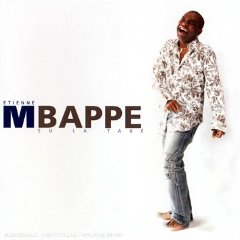
| Su La Také | 2008 | Second solo opus, denser and more introspective: accomplished afro-jazz fusion |
| To the One (with John McLaughlin & The 4th Dimension) | 2010 | The meeting of silk bass and Mahavishnu Orchestra — two masterpieces in less than a year |
| Pater Noster | 2013 | Album on incurable diseases: a secular prayer where makossa meets Sahelian music |
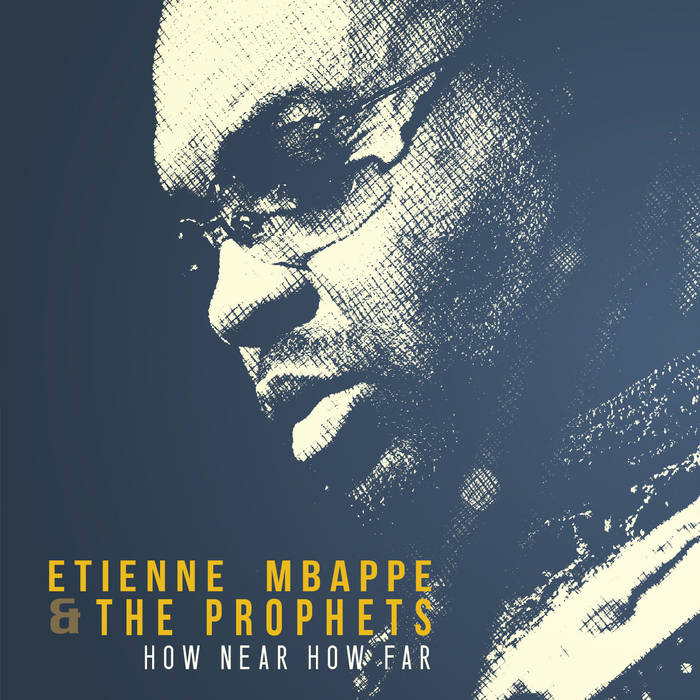
| How Near How Far | 2016/2017 | The first record by Etienne Mbappé & The Prophets: eleven original compositions between tradition and improvisation |
Heritage and influence
Étienne Mbappé is a musician’s musician — the one whose peers speak of with unflinching admiration. His silky technique has influenced generations of African and French bassists, carriers of an afro-jazz that Touré Kunda and Manu Dibango opened. In 2016, How Near How Far reveals his new formation, The Prophets, and his son Swaéli, born in 1993, now follows the same path — he too is a bassist. Mbappé remains rooted in France while remaining deeply Cameroonian: a posture that nourishes a musical dialogue between two shores.
Sources and references
- « Étienne Mbappé », Wikipédia, https://fr.wikipedia.org/wiki/%C3%89tienne_Mbapp%C3%A9, consulted on November 16, 2025.
- « Etienne Mbappé, l’enfant prodigue de la basse camerounaise », Le Monde Afrique, December 27, 2016, https://www.lemonde.fr/afrique/article/2016/12/27/etienne-mbappe-l-enfant-prodigue-de-la-basse-camerounaise_5054471_3212.html, consulted on November 16, 2025.
- « Etienne Mbappé », Afrisson, https://www.afrisson.com/etienne-mbappe-726, consulted on November 16, 2025.
- « Etienne Mbappé: Silky Master of the 4th Dimension », interview by Alan Bryson, All About Jazz, https://www.allaboutjazz.com/etienne-mbappe-and-151-silky-master-of-the-4th-dimension-etienne-mbappe-by-alan-bryson, consulted on November 16, 2025.
- « Etienne Mbappé Biography », AllMusic, https://allmusic.com/artist/etienne-mbapp%C3%A9-mn0000174876, consulted on November 16, 2025.
- « Etienne Mbappé Official Website », https://etiennembappe.com/, consulted on November 16, 2025.
- « Interview with Etienne M’Bappé », Bass Musician Magazine, September 2017, https://bassmusicianmagazine.com/2017/09/interview-etienne-mbappe-upcoming-john-mclaughlin-tour-cd-release/, consulted on November 16, 2025.