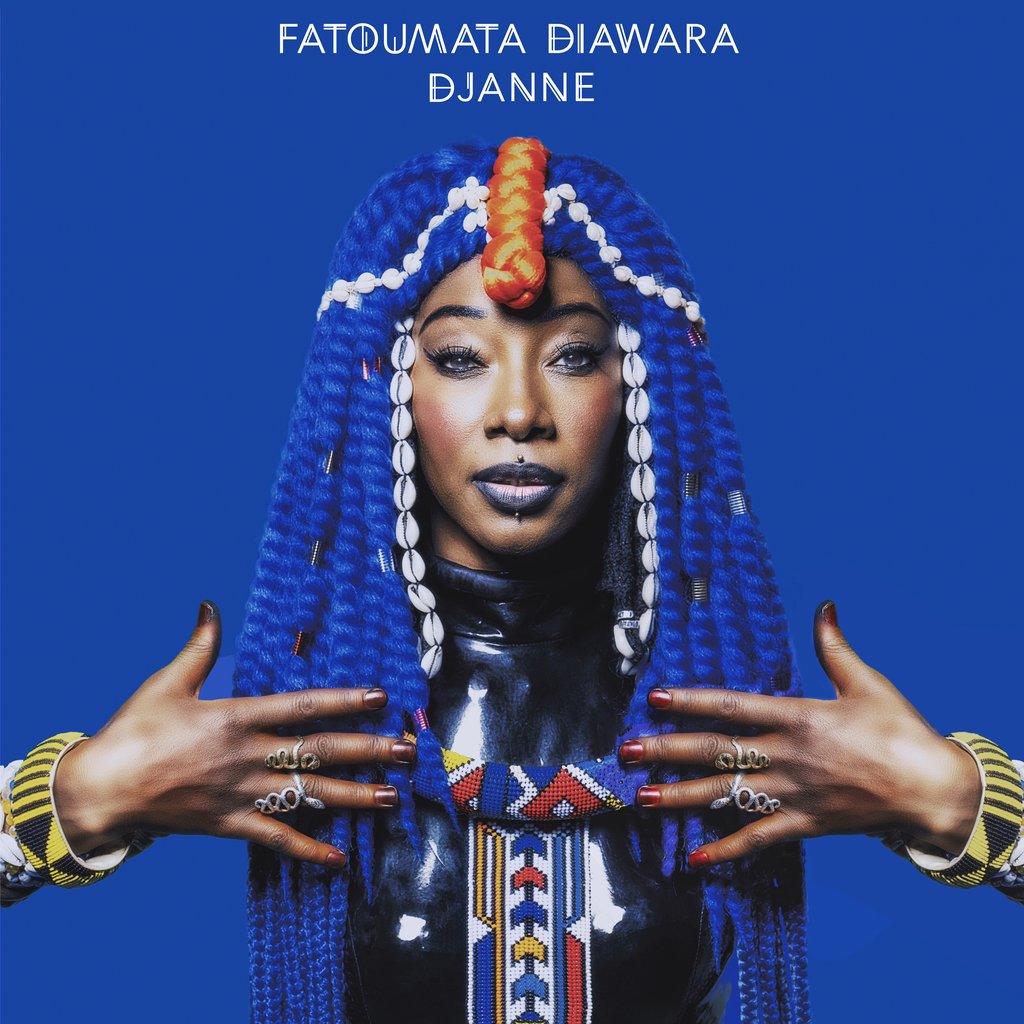
Biography
Fatoumata Diawara: the voice of Mali that cannot remain silent
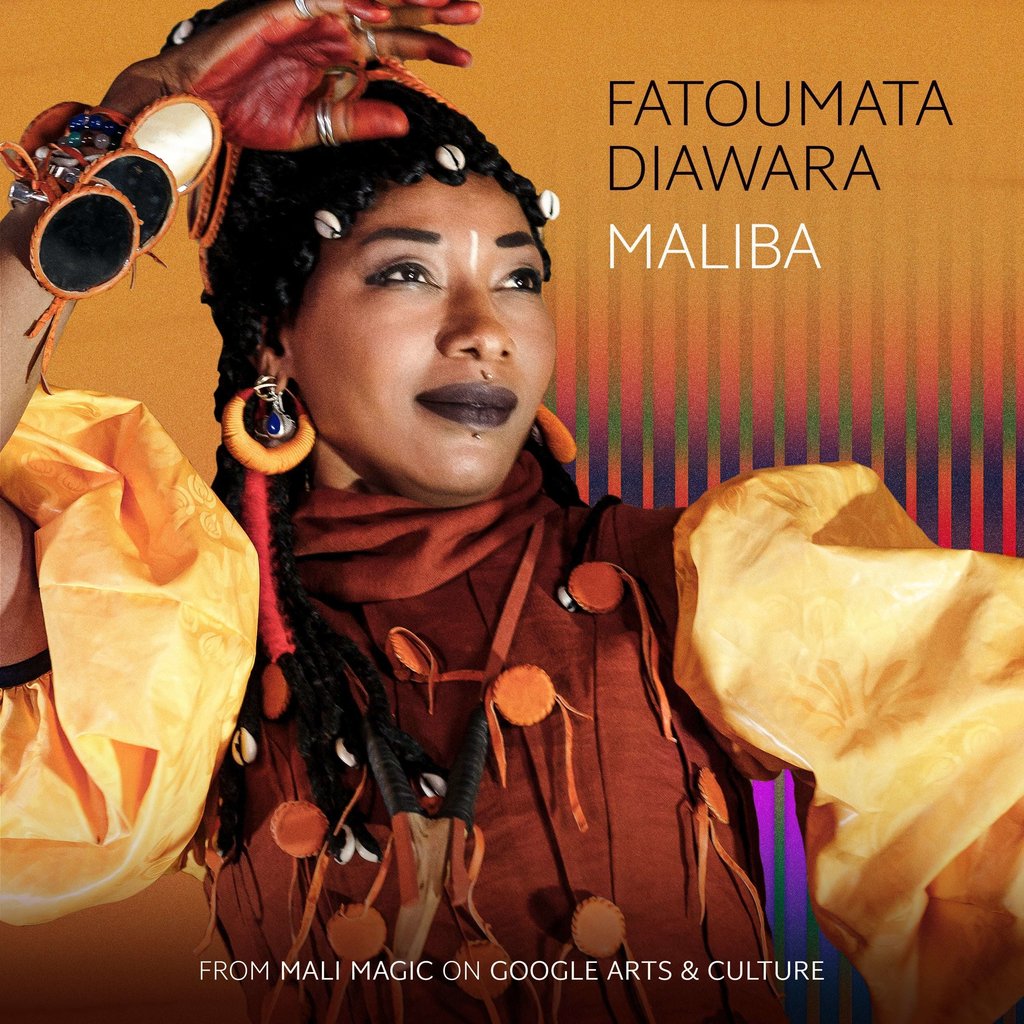
Born in 1982 in Abidjan to Malian parents, Fatoumata Diawara grew up between two shores and two languages. Destiny handed her tragedies that she transformed into melodies, then into anthems. At sixteen, she fled a forced marriage; at twenty-nine, her texts on migration and African identity earned a Grammy Award nomination. Between ancestral Wassoulou and modern funk, “Fatou,” as those who know her call her, sings what she lives 1.
In brief
| Full name | Fatoumata Diawara |
| Birth | February 21, 1982, Abidjan, Côte d’Ivoire |
| Nationality | Malian |
| Activities | Singer, guitarist, singer-songwriter, actress |
| Genre(s) | Wassoulou, Afro-pop, jazz, blues |
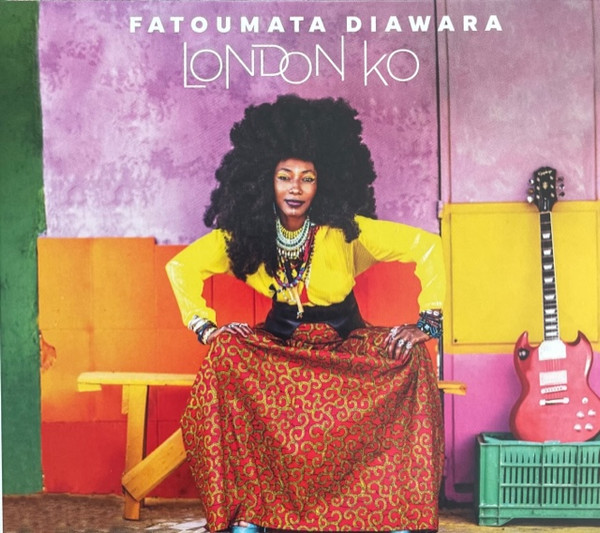
| Notable works | Fatou (2011), Fenfo (2018), London Ko (2023) |
| Awards | Grammy Award and Victoires de la Musique nominations (2019) |
Key dates
| Year | Event |
|---|---|
| 1982 | Born in Abidjan to Malian parents |
| 1990 | Moved to Côte d’Ivoire, lived with her aunt in Bamako |
| 2002 | Escaped a forced marriage, joined the Royal de luxe troupe |
| 2006 | First role at the Opéra du Sahel in Bamako |
| 2007 | Role as Karaba in the musical Kirikou |
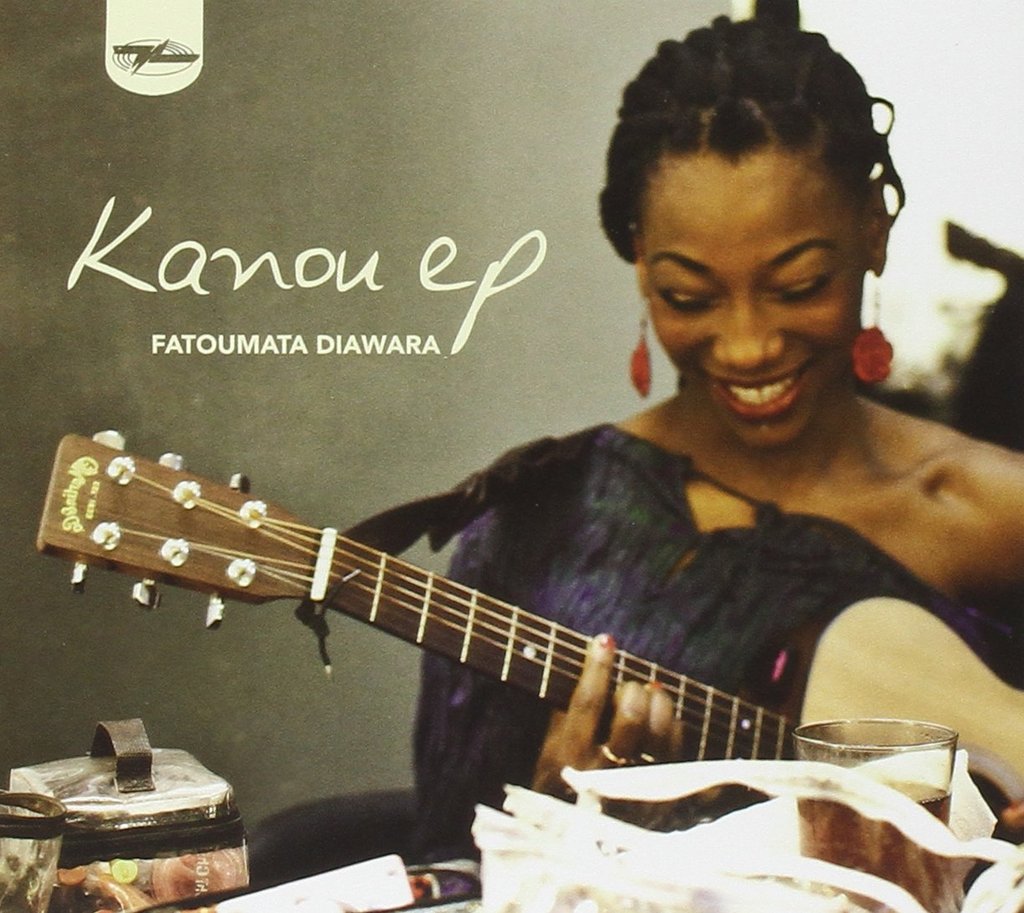
| 2011 | Release of album Fatou, first solo album (World Circuit) |
| 2013 | Collective Mali-Ko: 40 Malian artists for peace |
| 2018 | Release of Fenfo, nominated for Grammy Awards and Victoires de la Musique |
| 2023 | Release of London Ko |
Origins and discovery of theater
Fatoumata Diawara spent her early years in Abidjan within a large family. Her mother is a dancer; her father directed an association of traditional shows and introduced her to dance and guitar. At eleven, she lost her father. The following year, she left Abidjan to join her aunt in Bamako, Mali. “I was beaten for ten or eleven years, beaten until I ran away” 1.
At sixteen, theater saved her. She secured roles in cinema and at the Opéra du Sahel in Bamako. It was on stage that she discovered music: the director of the Royal de luxe troupe, whose company she joined in 2002, told her: “She could sing a little, she didn’t play well, but I was looking for a temperament, something else.” Guitarist Cheick Tidiane Seck invited her to sing on his album Sabaly 2.
Revelation and international recognition
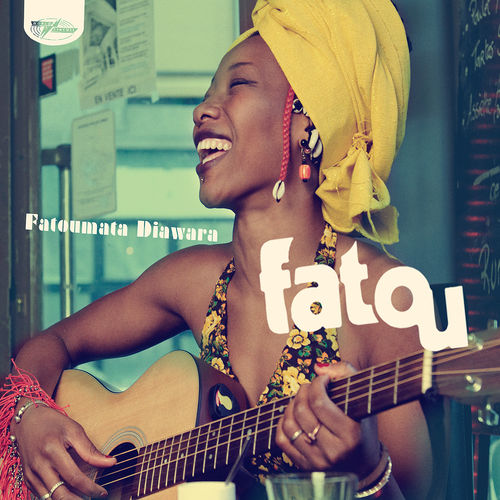
In 2011, Fatoumata released Fatou on the World Circuit label. The album, entirely written by her, revealed a powerful voice and a unique style where Wassoulou sound — a vocal tradition from western Mali, an inheritance of Afro-American music — meets jazz and blues. In 2013, in the face of war in Mali, she gathered forty Malian artists, including Oumou Sangaré and Toumani Diabaté, on the track Mali-Ko (“Peace”) — a cry for a ceasefire 3.
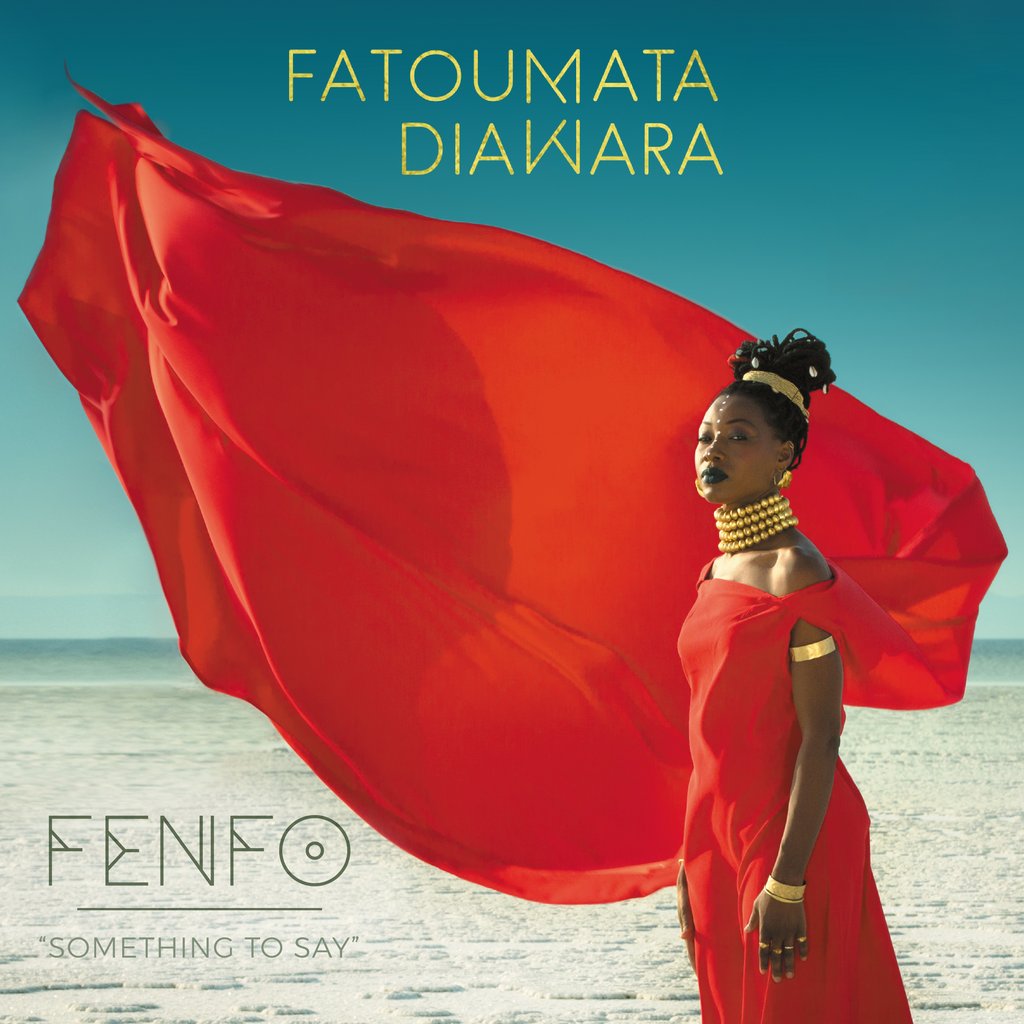
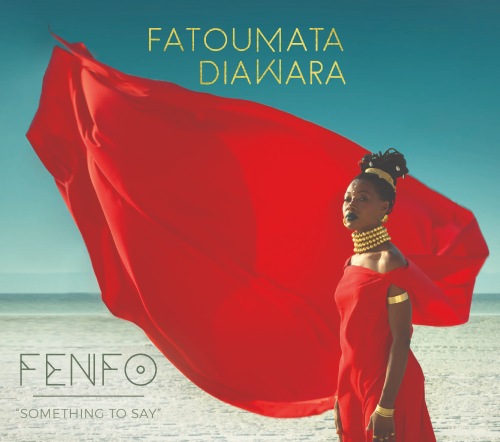
In 2018, she released Fenfo, a Mandinka word meaning “I have something to say.” Produced by Mathieu Cheddid, the album addresses migration, cultural assimilation, and restrictions imposed on women. “For me, an album is not rushed. I don’t make an album just to earn money. It’s about exposing myself, speaking of my story, my opinion as a woman, a child of Africa. It’s my freedom.” Fenfo was nominated for Grammy Awards and Victoires de la Musique in 2019 4.
Commitments and contemporary resonance
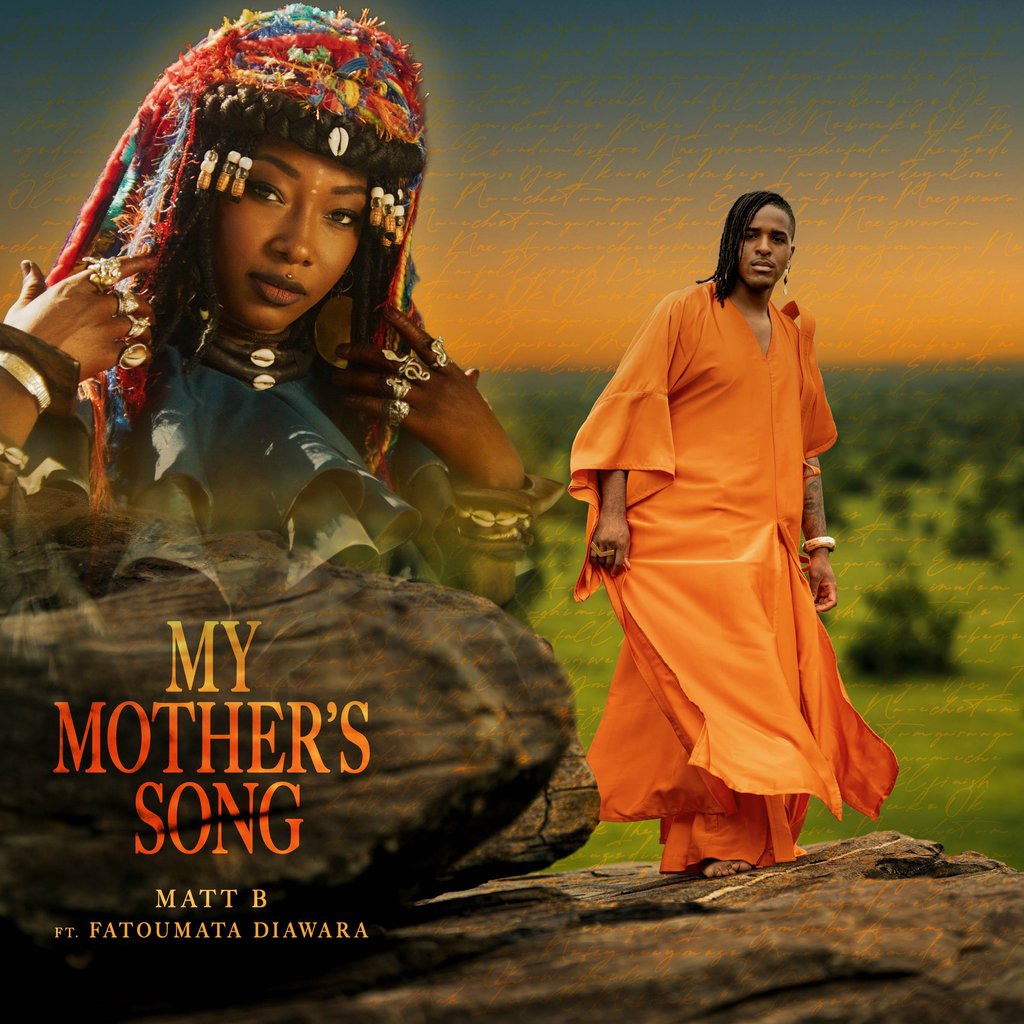
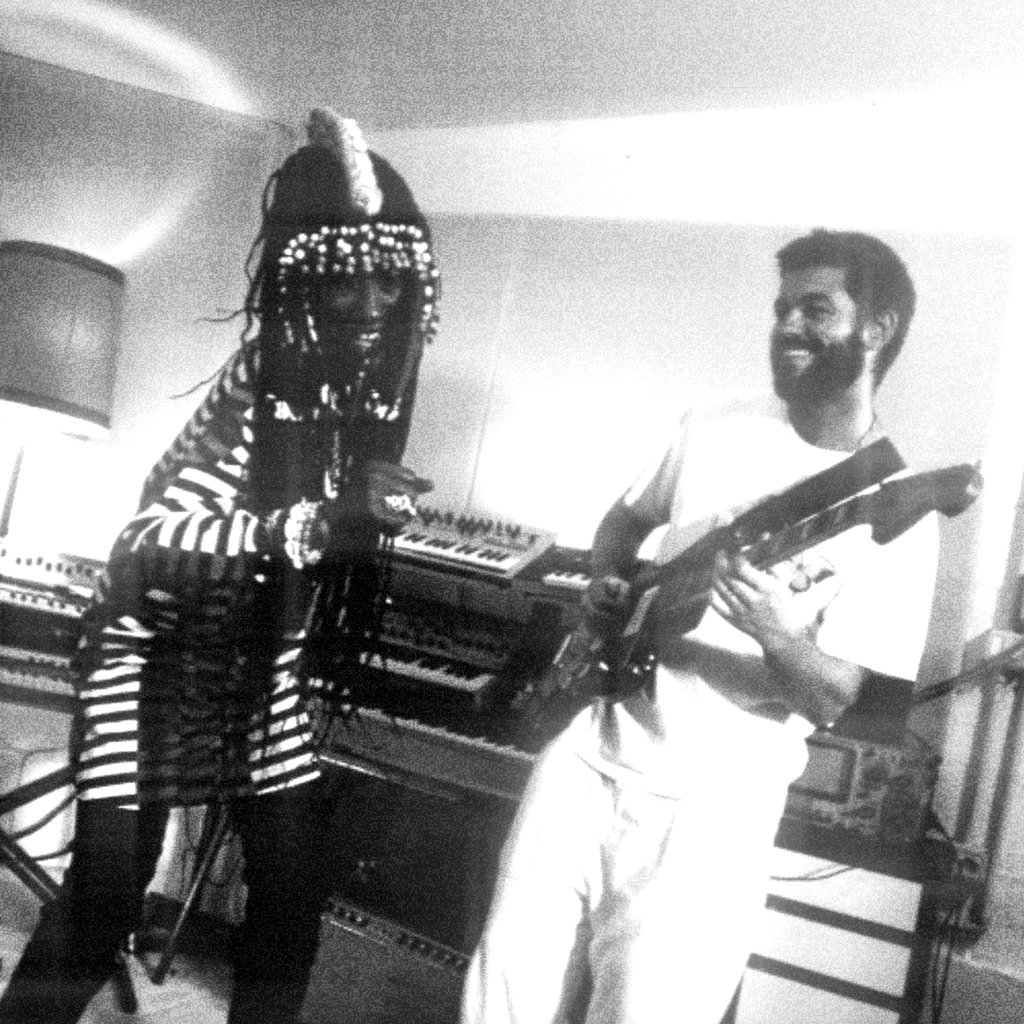
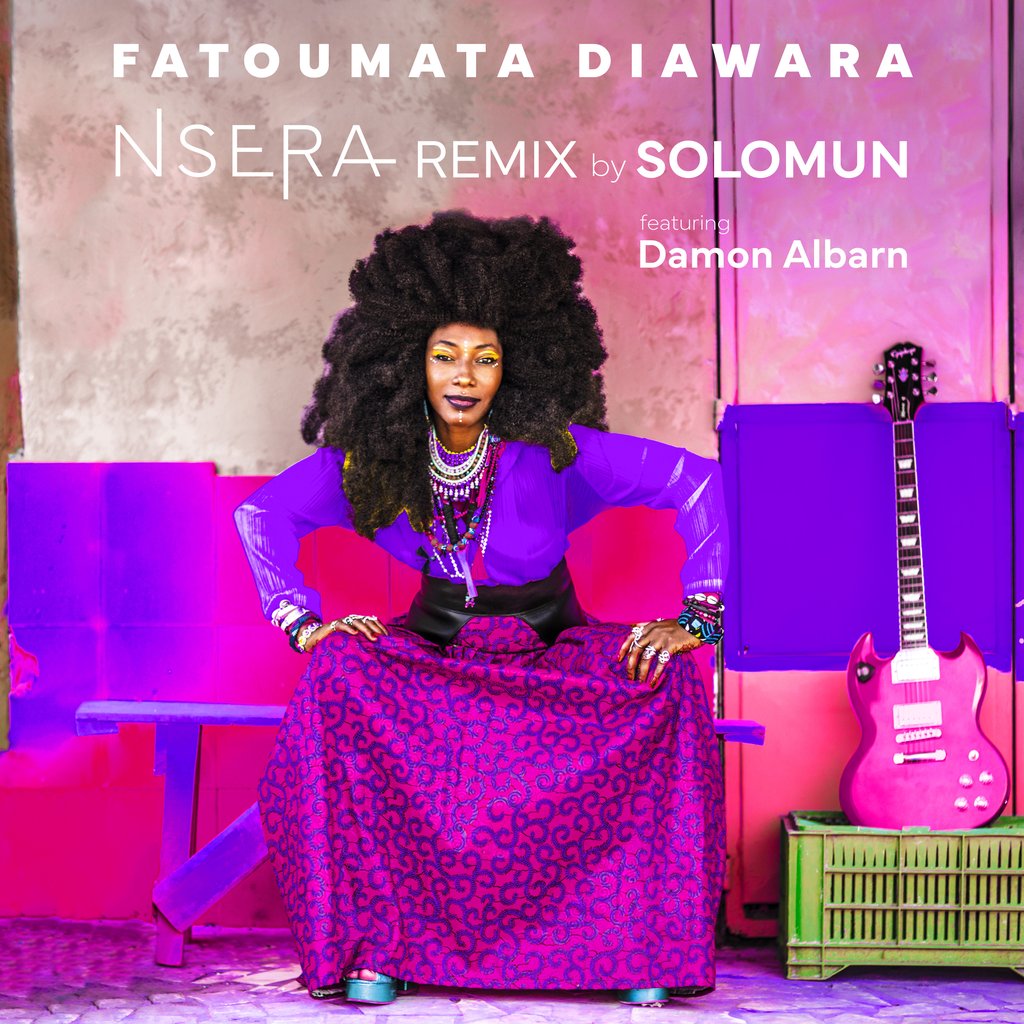
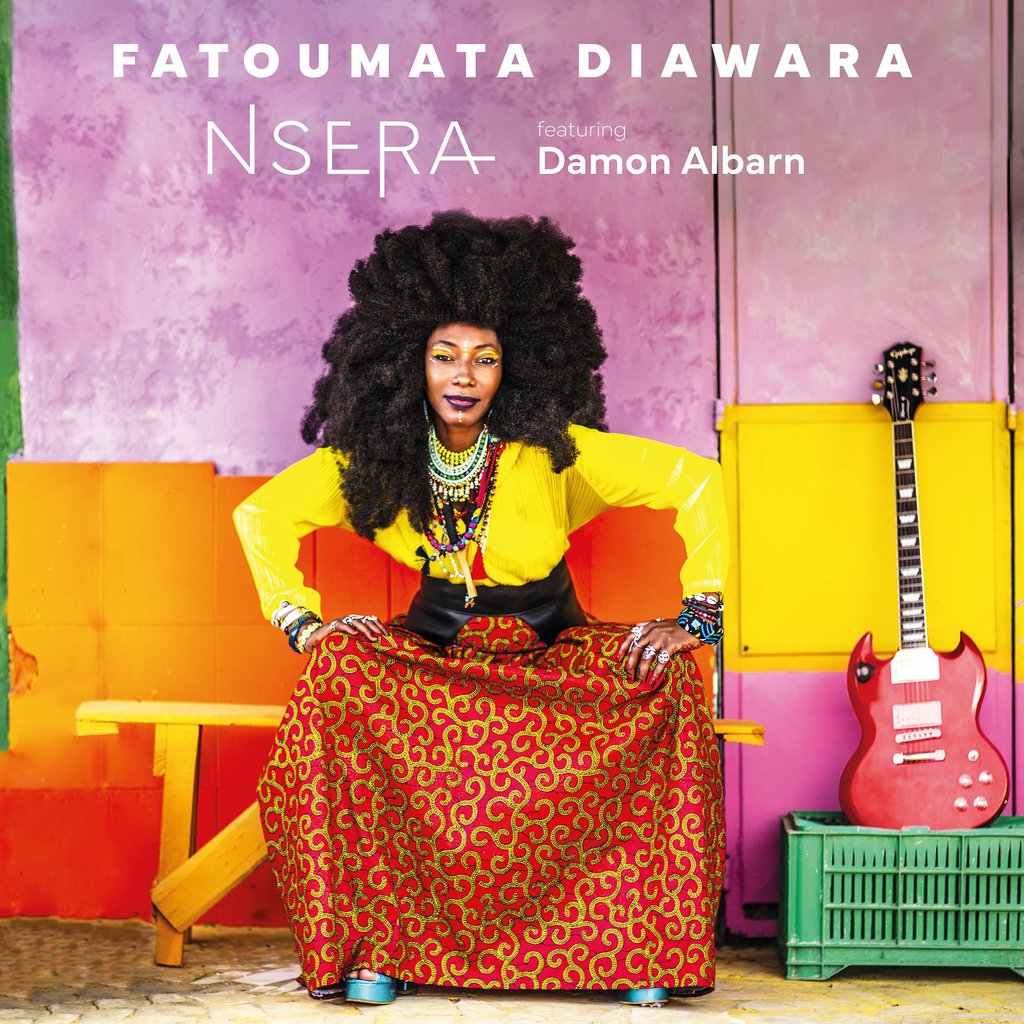
Fatoumata Diawara did not wait to sing of commitment. “I cannot sing love songs. I cannot sing lightly. My experience is too heavy; I do not come from a flower.” Her collaborations cross borders and genres: Rocket Juice & the Moon with Damon Albarn and Flea (2012), Désolé by Gorillaz (2020), Black Woman alongside Lauryn Hill for the soundtrack of The Harder They Fall (2021), and a contribution to Lamomali’s second album, Totem (2025) 5.
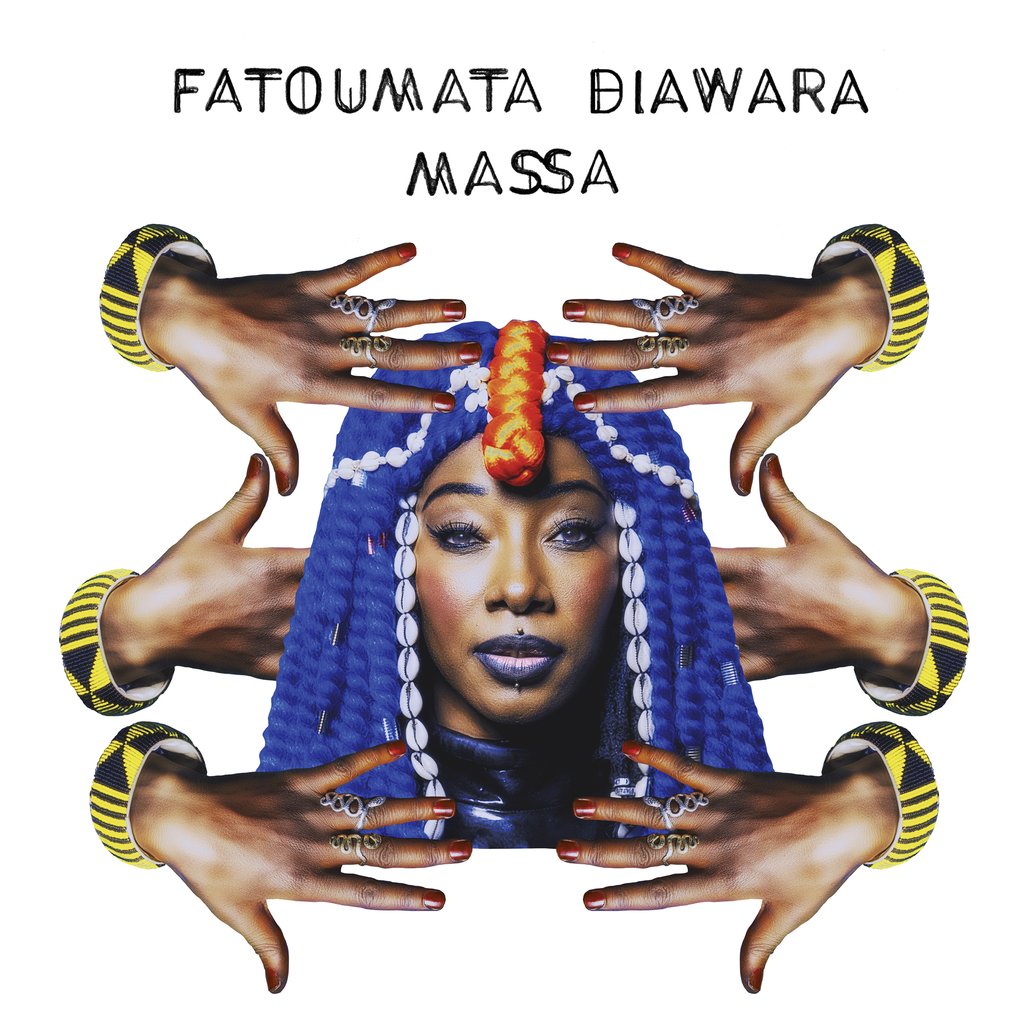
She also shone in cinema: leading role in Timbuktu by Abderrahmane Sissako (2014), for which she composed Timbuktu Fasso, and in Morbayassa by Cheick Fantamady Camara. Her album Massa, released in 2026, confirms her ability to renew her sound. Now established in Italy with her husband and son, she continues to travel the world, guitar on her shoulder 6.
Legacy
Fatoumata Diawara embodies an African generation that refuses the posture of victim. She is a guitarist, not just a singer: “One can have 100% freedom only when one masters an instrument.” Her repertoire is a dialogue between Mandingo tradition and modernity, never bowing to codes. She defends the condition of women in an industry dominated by men and reminds through her texts that music can be a language of resistance 1.
Major works
| Work | Year | Why it is essential |
|---|---|---|
| Fatou | 2011 | First solo album; fusion of Wassoulou-jazz-blues |
| Mali-Ko | 2013 | 40 artists for peace in Mali; collective manifesto |
| Fenfo | 2018 | Texts on migration and women’s rights; Grammy nomination |
| London Ko | 2023 | Futuristic vision, co-produced by Damon Albarn |
Sources and references
-
Banning Eyre (2018), Afropop, accessed October 27, 2026 ↩︎ ↩︎ ↩︎
-
Josephine McRobbie (2019), IndyWeek, accessed October 27, 2026 ↩︎
-
Democracy Now! (2018), “Malian Singer Fatoumata Diawara Performs in the Democracy Now! Studio”, democracynow.org, accessed October 27, 2026 ↩︎
-
Grammy Awards (2019), grammy.com/artists/fatoumata-diawara, accessed October 27, 2026 ↩︎
-
Music In Africa (2019), musicinafrica.net, accessed October 27, 2026 ↩︎
-
fr.wikipedia.org/wiki/Fatoumata_Diawara, accessed October 27, 2026 ↩︎