Mali: From the Niger River to the World, Three Centuries of Music
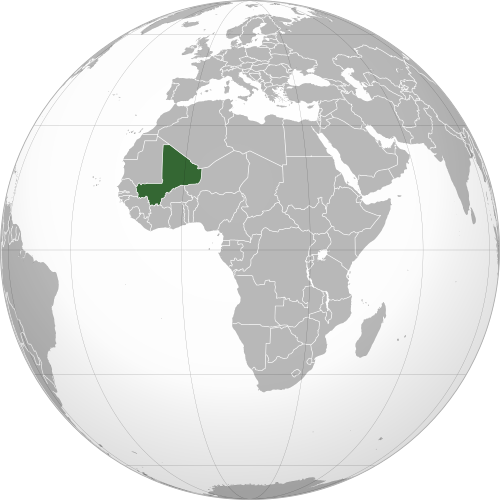
For a long time, Mali has been a musical beacon for sub-Saharan Africa and beyond: the Malian kora, this 21-string instrument played by jalis (griots heirs to an oral tradition dating back to the 12th century), has influenced Mississippi Delta blues 1. From Rail Band of Bamako to Tinariwen in the Sahara, passing through Ali Farka Touré, Salif Keita, Toumani Diabaté and Oumou Sangaré, this country has spawned a large part of the major figures of modern African music. Yet, while legends continue to shine on world stages, local reality is shaken: political crises, power outages, diplomatic ruptures with France — the Malian scene faces turbulence that threatens its renewal.
A millennial heritage: the school of kora and balafon
The musical history of Mali is rooted in the Mali Empire (13th–15th century), whose founder Sundiata Keïta was himself a griot before becoming emperor. The network of trans-Saharan routes, exchanges with the Islamic world and ethnic diversity — Mandingues, Songhaï, Peuls, Dogons, Soninkés — have forged a unique musical ground in Africa 2.
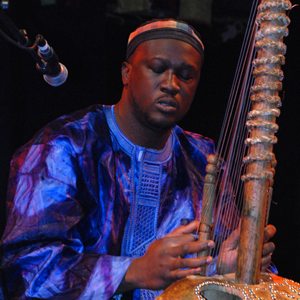
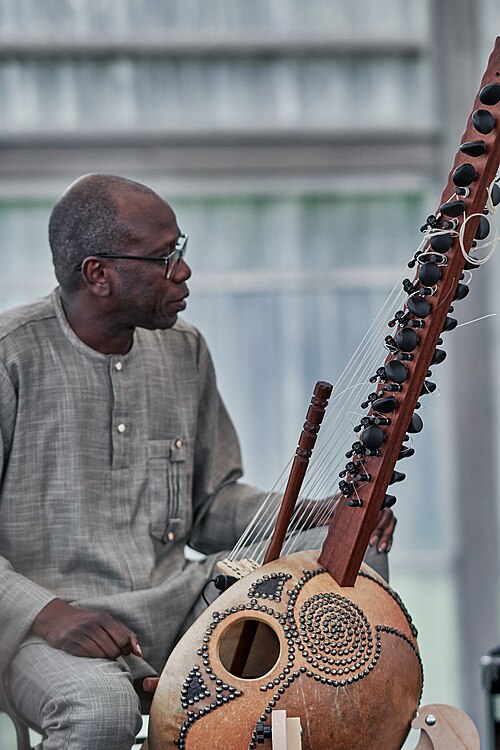
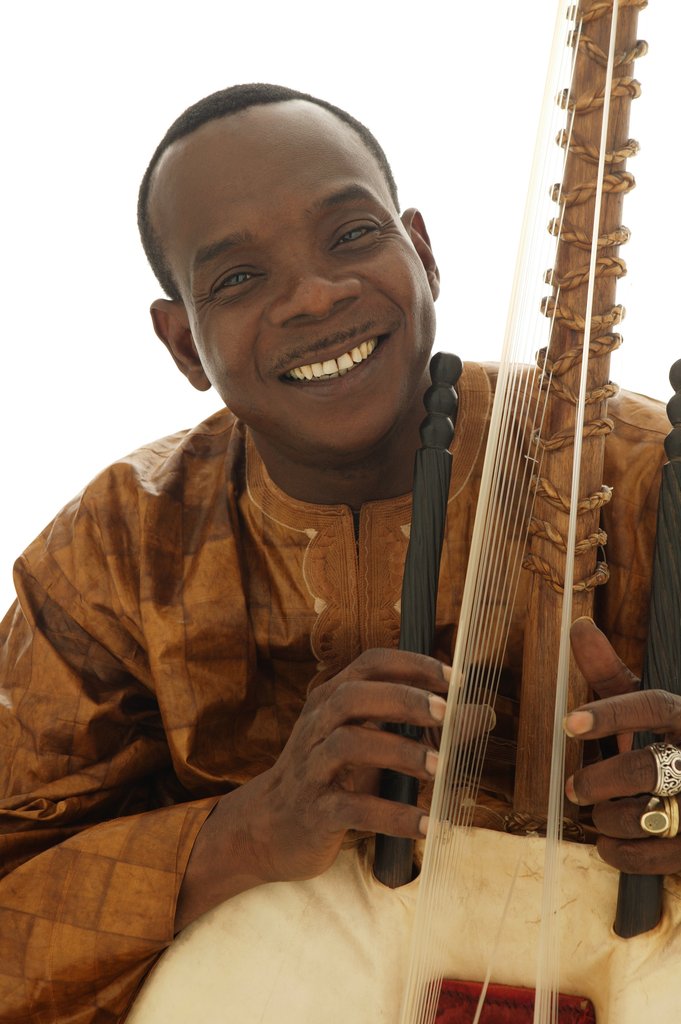
At the heart of this heritage lies the system of jalis (or jeliw), these professional musicians from griot castes who transmit history, genealogies and praises through song and music. Their two emblematic instruments are the kora — a 21-string wooden harp-lute with gut strings, whose soundbox is a gourd split and covered with skin 3 — and the balafon, xylophone with gourd resonators. The ngoni, small round-bodied lute, completes this instrumental trio in the north, where Songhaï and Tuareg traditions dominate.
The hunters (nyamans) played an equally fundamental role: these initiation societies sang of warrior exploits and epic tales, a repertoire that would directly nourish contemporary Wassoulou music, born in southern Mali in the 1970s 4.
Did you know? Researchers estimate that Malian music is one of the main sources of American blues: griots taken as slaves to the Caribbean and southern United States brought with them — pentatonic scales, slide techniques, throat-level vocal melody — the foundations of what is today called Delta blues 5.
Rail Band and the pioneers: Malian music conquers Africa (1960–1985)
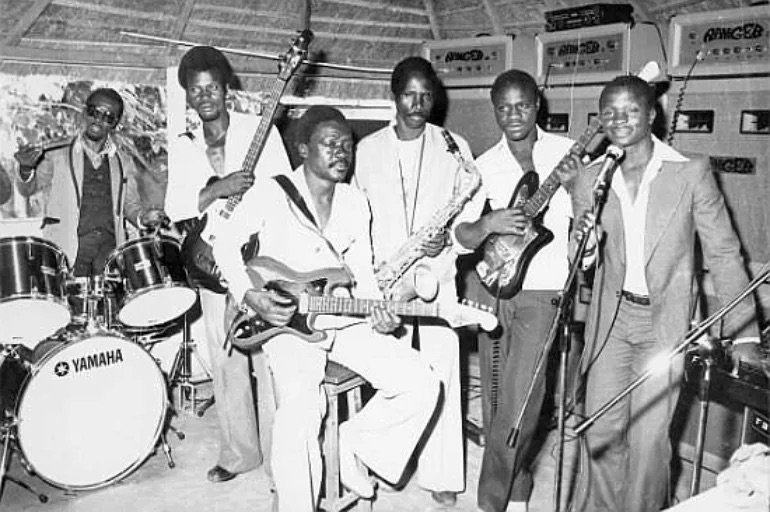
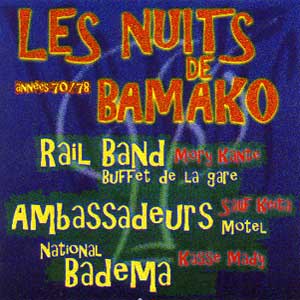
Mali’s independence in 1960, under Modibo Keïta, was accompanied by an ambitious cultural policy: the State funded orchestras and events to promote national traditions. Rail Band of Bamako was born in 1970, sponsored by the Ministry of Information and the Railway Company. Installed at the buffet of the main station hotel, it first blended Congolese rumba and Latin jazz with Manding music, adding traditional instruments and Bambara singing 6.
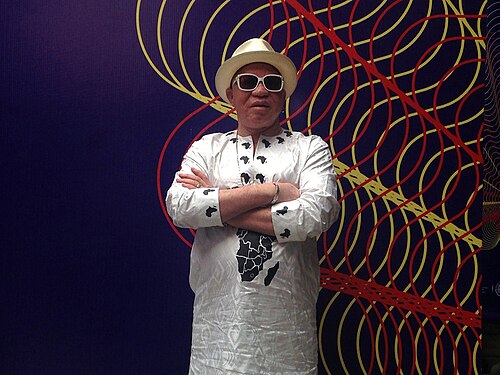
It was in this nursery that Salif Keita, a young albino singer from a noble family where music was forbidden to non-griots, took his first steps. His departure from Rail Band in 1973 to join Les Ambassadeurs Internationaux in Abidjan, and his solo career starting from 1982, made him an international figure: nicknamed “the Domingo of Malian song”, he recorded about fifteen albums and toured world stages 7.
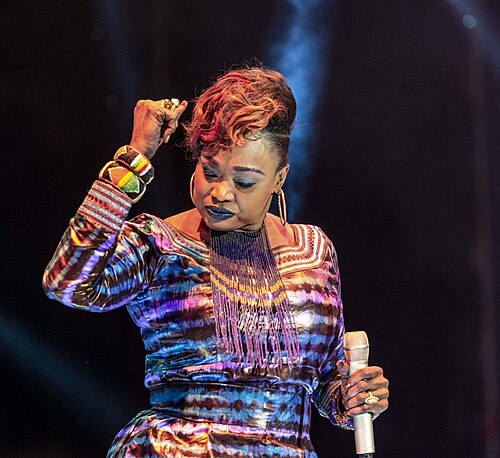
On the female side, two voices deeply marked the era. Oumou Sangaré, born in 1968 in the Wassoulou region, imposed her 1989 album Moussoulou, which denounced forced marriage and polygamy — taboo subjects that resonated like a social bomb 8. Her music, carried by the kamalengoni (a harp invented in the 1950s), established itself as a new style: Wassoulou, a dance pop with roots in the dance rhythms of hunter chants, whose majority of singers are women 9.
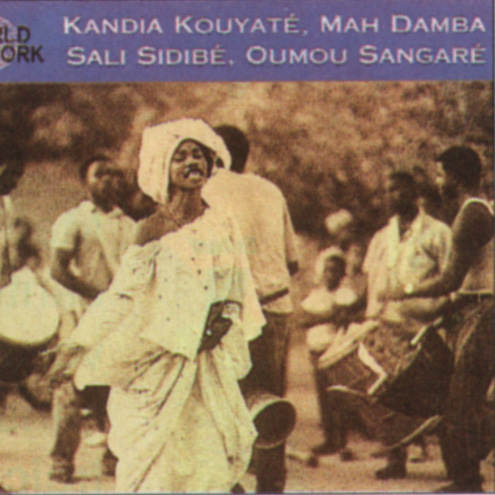
The Rail Band era also saw emerge figures like Mory Kanté, whose hit Yeke yeke (1986) dominated in France and introduced the term “Manding rock”; or Kandia Kouyaté, a griotte and member of the Ballets Africains, whose epic L’Épopée du Mandingue remains an absolute reference.
Ali Farka Touré, Toumani Diabaté, Amadou et Mariam: the world’s ambassadors
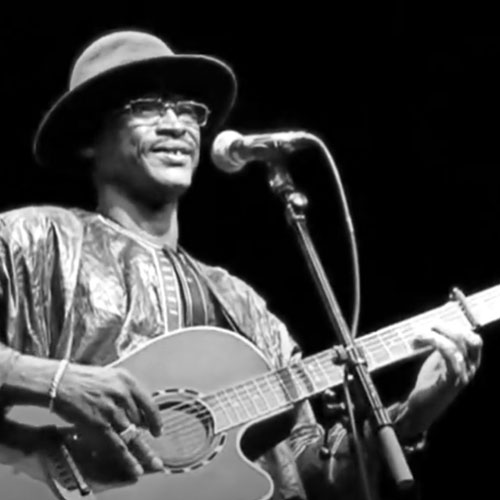
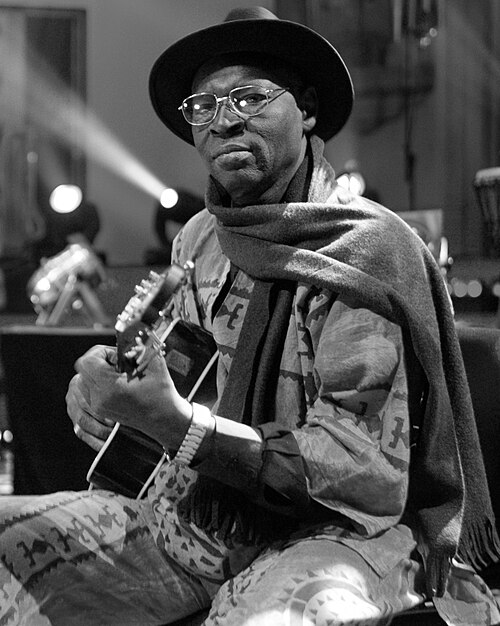
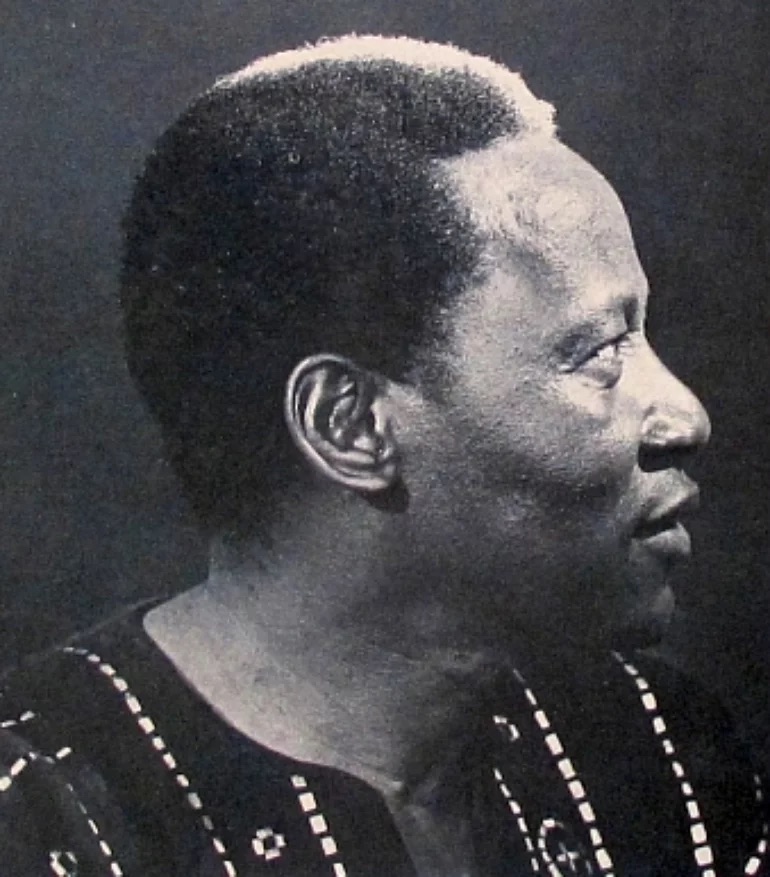
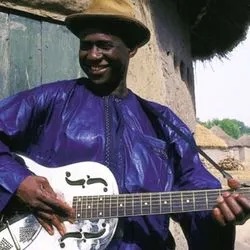
It was in the 1990s that Mali truly conquered the global market for world music. Ali Farka Touré, a guitarist born in 1939 in Niafunke (near Timbuktu), embodies this wave. Nicknamed “the bluesman of Africa” by Western press, he acknowledged this lineage only reluctantly, stating: “We do not play blues. We play our own music, and American blues is inspired by it” 10. His collaborations with producer Nick Gold (World Circuit), American guitarist Ry Cooder (Talking Timbuktu, 1994 — Grammy Award), and Toumani Diabaté (In the Heart of the Moon, 2006 — Grammy) make him an undisputed icon. He received three Grammy Awards in total and died in 2006 from cancer, triggering a national mourning 11.
Toumani Diabaté (1965–2024), heir to a lineage of 22 kora-playing jali dating back to the period of Sundiata Keita 12, brought the kora to the summit of world art. After a triumphant collaboration with Ali Farka Touré, he founded his own Symmetric Orchestra, collaborated with artists ranging from Béla Fleck to the London Symphony Orchestra, and formed a duo of kora players with his son Sidiki — both nominated for Grammys in 2014 13. His passing in July 2024 at the age of 58 was hailed by The Guardian as “the greatest visitor to African art in the 21st century” 14.
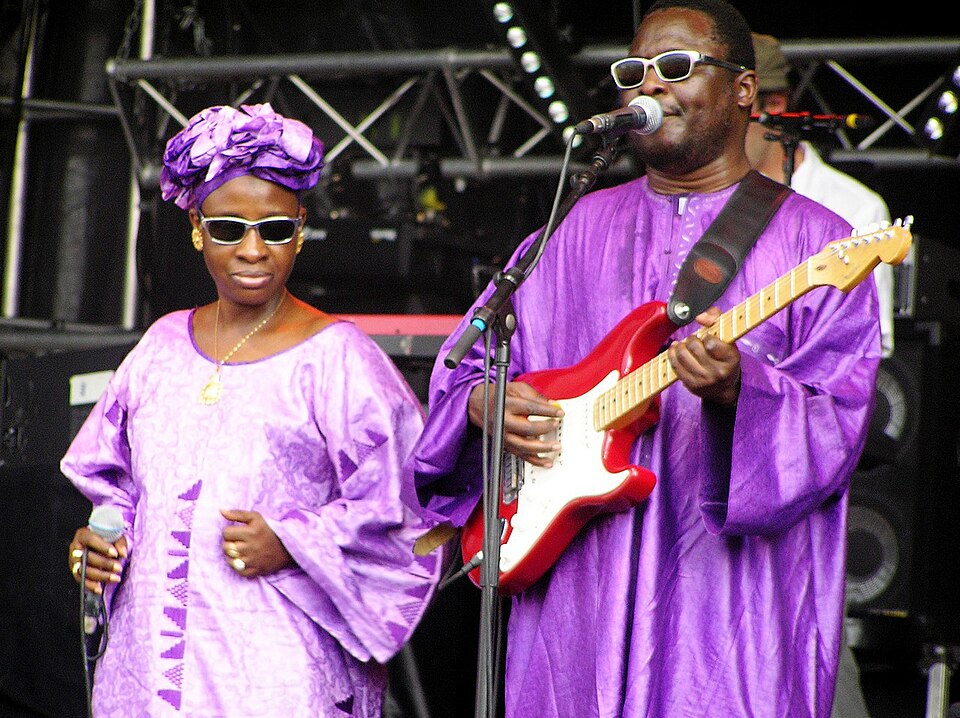
In parallel, Amadou Bagayoko and Mariam Doumbia — both blind — met at the Conservatoire de Bamako, were sent to study in Cuba at the end of the 1970s, and then founded a duo that conquered world festivals. Their upbeat pop, blending blues, soul, and Manding traditions, achieved lasting global success 15.
The Inflamed Sahel: Tinariwen, Bombino, Songhoy Blues
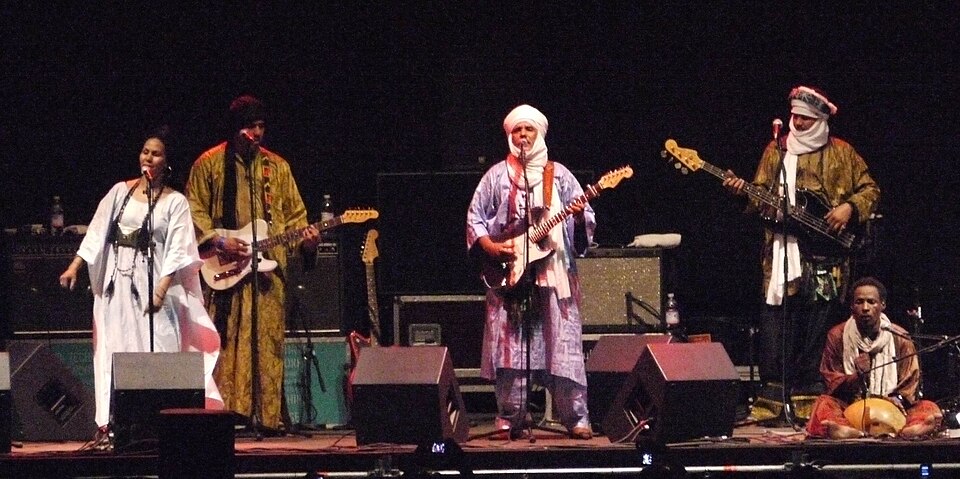
Where the Niger River merges into the Sahara, another music emerged in the 1980s. Tinariwen, a Tuareg group from Agadez, is one of the first electric Tuareg groups. Their “desert blues,” nourished by distorted guitars, drum rhythms, and texts in Tachelhit, gradually spread: Amoimossan (2001), The Radio Taoudent Tapes (2007), Emmaar (2007), Touman (2009), Amatssou (2023). The group performed at Live 8 in 2005, the Coachella Festival in 2012, and averaged one hundred concerts per year. Their latest album, Amatssou (“beyond fear”), recorded in the Algerian national park of Tassili n’Ajjer with portable equipment, also opens up to country rock while remaining anchored in Tuareg rebellion 16.
The Nigerien Bombino, for his part, became known around the turn of the 2000s. A virtuosic Tuareg guitarist, he blends blues and rock with Sahelian sounds and recorded several albums praised by critics — The Orchestral Album (2018), Abezaynou (2021) — while remaining committed to the defense of Tuareg rights 17.
On the Bamako side, groups like Songhoy Blues — formed in 2012 by musicians fleeing the occupation of the North by armed groups — imposed an energetic and optimistic rock, blending North American rock influences, Malian rhythms, and singing in Songhai 18. Fatoumata Diawara, born in 1985, combines Wassoulou tradition with touches of blues, soul, and pop, and collaborates with renowned artists: Tony Allen, Toumani Diabaté, and then Damon Albarn on the album London Ko (2023) 19.
Between crises and resilience: the future of a scene at the end of the world
Since the 2020 coup d’état, the situation in Mali has been profoundly shaken. The junta of Assimi Goïta, the expulsion of French and American forces, the arrival of the Russian Wagner group, and the suspension of visas between France and Mali have deeply affected the music scene 20.
The rupture with France — which hosts nearly three million Malians and whose labels (World Circuit, No Format) and producers helped make these artists known — has direct consequences: tours are now counted on the fingers of one hand, Bamako studios suffer from massive power outages, and young musicians no longer have access to international castings 21. BlonBa, the prestigious cultural center in Bamako, closed its doors in May 2024 due to lack of electricity 22. Songhoy Blues denounces: “There is no longer a new Malian scene, and it will close in even more” 23.
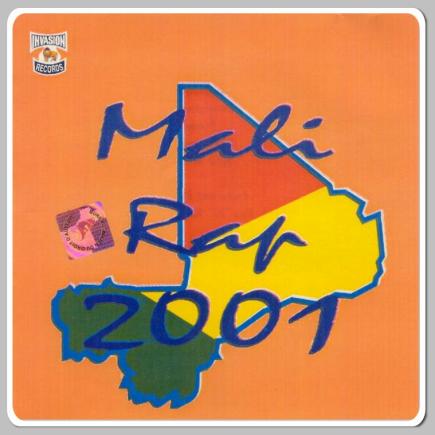
Yet creativity persists. Malian rap, qualified as “korès hip hop,” multiplies in the regions: Ségou, San, Kayes, Bamako. Collectives like the group Festei hip-hop rapou dokokoun or initiatives by Ami Yèrèwolo (singer-songwriter-rapper) shine voices that denounce the ills of society 24. The festival “Spot On Mali,” created in 2014 and for which Oumou Sangaré has been godmother on several occasions, attempts to bring forth young talents in the face of international labels and festival directors 25.
Salif Keita remains a controversial but inseparable figure: appointed special advisor on cultural affairs by the junta in 2023, he also made headlines with his album Madan (2024) 26. On her side, Oumou Sangaré, still active, recorded her ninth album Timbuktu (2022) and continues to defy conventions in southern Mali 27. Vieux Farka Touré, son of the late Ali, keeps the torch lit by touring as much as possible while financing local musicians in Bamako 28.
Malian music, like the Niger River, has learned to make its way through meanders. Its future may well depend on its ability to reinvent itself in the new geopolitical context — or to keep its memory alive, as long as the jali continue to play 29.
Sources
-
Eric Charry, « Kora: in search of the origins of west Africa’s famed stringed musical instrument », Wesleyan University, 2023. https://www.theconversation.com/topics/mali-music-87345 ↩︎
-
Cherif Keita, « Along the Gold Road: Medieval Africa, Global Power, and Mali’s Enduring Cultural Legacy », Afropop Worldwide, 2025. https://africa.com/afropop-worldwide/along-the-gold-road-medieval-africa-global-power-and-malis-enduring-cultural-legacy ↩︎
-
« Glossary — Kora », Sweet Mother: Modern African Music (Wolfgang Bender), 1991, p. 20. ↩︎
-
« Music of Mali », Wikipedia. https://en.wikipedia.org/wiki/Music_of_Mali ↩︎
-
BBC Radio 3, « World Routes: Mali Guide », BBC, accessed 2024. https://bbc.com/radio3/world/guidemali.shtml ↩︎
-
« Rail Band », Wikipedia. https://en.wikipedia.org/wiki/Rail_Band; Frank Bessem, « Super Rail Band », Musiques d’Afrique. https://musiques-afrique.net/mali/art_railband.html ↩︎
-
AllMusic, « Salif Keïta — Biography, Discography, Albums & Expert Reviews ». https://allmusic.com/artist/salif-keita-mn0000832281 ↩︎
-
« Why singer Oumou Sangaré is still speaking out for women », The Toronto Star, April 18, 2024. https://www.thestar.com/entertainment/music/all-women-suffer-from-injustice-mali-singer-oumou-sangar-on-why-shes-still-speaking-out/article_18941f3c-fb39-11ee-acd9-23c88924e0d7.html ↩︎
-
« Music of Mali », Wikipedia. https://en.wikipedia.org/wiki/Music_of_Mali ↩︎
-
Banning Eyre, « Ali Farka Toure, Savane », Afropop Worldwide, 2006. https://www.afropop.org/articles/7180 ↩︎
-
Robin Denselow, « Ali Farka Toure obituary », The Guardian, March 7, 2006. http://news.bbc.co.uk/2/hi/africa/4782506.stm; Grammy.com, « Ali Farka Toure Awards and Nominations ». https://www.grammy.com/artists/ali-farka-toure/6452 ↩︎
-
« Toumani Diabaté », Wikipedia. https://en.wikipedia.org/wiki/Toumani_Diabat%C3%A9 ↩︎
-
The Conversation, « Toumani Diabaté: the famed musician from Mali who took the kora to the world », Roderic Knight, July 25, 2024. https://www.theconversation.com/topics/mali-music-87345 ↩︎
-
Robin Denselow, « Toumani Diabaté obituary », The Guardian, July 21, 2024. https://www.theguardian.com/music/2024/jul/21/toumani-diabate-obituary ↩︎
-
Lucy Durán, « Amadou Bagayoko: the blind Malian musician whose joyful songs changed west African music », The Conversation, August 7, 2025. https://www.theconversation.com/topics/mali-music-87345 ↩︎
-
Harry Edwards, « Tinariwen Continue To Hypnotise With Their Experimental Blues », SceneStr, May 3, 2024. https://scenestr.com.au/music/tinariwen-continue-to-hypnotise-with-their-experimental-blues-20240503 ↩︎
-
Afropop Worldwide, « Bombino », Afropop Worldwide, accessed 2024. https://afropop.org ↩︎
-
PopMatters, « Songhoy Blues », accessed 2024. https://www.popmatters.com/tag/mali ↩︎
-
« Fatoumata Diawara — Biography, Discography », AllMusic. https://allmusic.com/artist/mn0001068819; Rolling Stone India, « Fatoumata Diawara Talks India Return, ‘London Ko’ Album and Damon Albarn ». https://rollingstoneindia.com/fatoumata-diawara-lollapalooza-india-london-ko-damon-albarn-interview ↩︎
-
BBC News, « Salif Keïta: ‘Golden Voice of Africa’ supports Mali’s coup leaders », BBC News, 2023. https://www.bbc.com/news/world-africa-66568081 ↩︎
-
« The blues of Bamako musicians », France Inter (La BO du Monde), August 28, 2023. https://www.radiofrance.fr/franceinter/podcasts/la-bo-du-monde/la-bo-du-monde-du-lundi-28-aout-2023-2495129 ↩︎
-
« In Mali, power cuts extinguish culture », RFI, May 12, 2024. https://www.rfi.fr/fr/afrique/20240512-au-mali-les-coupures-d-%C3%A9lectricit%C3%A9-%C3%A9teignent-la-culture ↩︎
-
« The blues of Bamako musicians », France Inter. https://www.radiofrance.fr/franceinter/podcasts/la-bo-du-monde/la-bo-du-monde-du-lundi-28-aout-2023-2495129 ↩︎
-
« Malian music: Rap takes flight », L’Essor, September 21, 2024. https://www.maliweb.net/musique/special-22-septembre-2024-mali-musique-malienne-le-rap-prend-son-envol-3078002.html ↩︎
-
« 10th edition of the festival “Spot On Mali” », MaliWeb, January 25, 2024. https://www.maliweb.net/musique/10e-edition-du-festival-spot-on-mali-une-opportunite-de-carriere-internationale-pour-les-jeunes-artistes-maliens-3051061.html ↩︎
-
« Salif Keïta: ‘Golden Voice of Africa’ supports Mali’s coup leaders », BBC. https://www.bbc.com/news/world-africa-66568081 ↩︎
-
« No politics with Oumou Sangaré », Le Devoir, April 20, 2024. https://www.ledevoir.com/culture/musique/811205/musique-pas-politique-oumou-sangare ↩︎
-
« The Desert and the River », The Believer, accessed 2024. https://www.thebeliever.net/the-desert-and-the-river/ ↩︎
-
Afropop Worldwide, « Following the Gold Road & Mali Gold playlist ». https://afropop.org/articles/the-african-america-institutes-following-the-gold-road-and-afropops-mali-gold-playlist ↩︎