Biography
Mamadou Doumbia
In 1993, the first notes of an acoustic album where a Malian guitar responds with a Japanese koto can be heard in Tokyo clubs. The man behind this sound, Mamadou Doumbia, has just built an unexpected bridge between two worlds. Born in the Koulikoro region of Mali, he first learned guitar by reproducing note for note the solos of Jimi Hendrix and Carlos Santana, before becoming one of the most-listened-to guitarists in West Africa. His journey—from Bamako to Paris, then Tokyo—tells the story of a musician who managed to transform his exile into invention.
In Brief
| Full Name | Mamadou Doumbia |
| Birth | 12 January 1965, Koulikoro, Mali |
| Domain | Electric guitar, kora, ngoni |
| Genres | Mandingue, world music, afro-pop |
| Iconic Works | Sobe, Independence, Yafa, Man Mousso |
| Groups | Rail Band, Mandinka, Orchestre de l’Entente |
Key Dates
| Year | Event |
|---|---|
| 1965 | Birth in Koulikoro, Bamako region, Mali |
| 1976 | Start of guitar at age eleven, self-taught |
| 1980 | Studies at EN.SUP in Bamako; plays in the Bamasaba Band |
| 1982 | Joins the Rail Band of Bamako |
| 1986 | Moves to Paris; collaborates with Kasse Mady Diabaté, Sory Bamaba and Nahawa Doumbia |
| 1988 | Joins Salif Keita as lead guitarist; tours in America and Japan |
| 1990 | Moves to Tokyo after Salif Keita’s Asian tour |
| 1993 | Founding of the group Mandinka with Japanese musicians |
| 1996 | Release of album Independence under JVC |
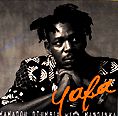
| 1997 | Release of Yafa |
| 2017 | Release of Man Mousso with the Orchestre de l’Entente |
The Origins: Guitar and First Steps in Bamako
Mamadou Doumbia grew up in the Koulikoro region, south of Bamako. From the age of eleven, he took hold of a guitar and copied note for note his idols: Jimi Hendrix, Eric Clapton, Santana. Inspired also by Malian guitarists Djelimady Tounkara and Mama Sissoko, and by the Guinean Ousmane Kouyaté, he forged a style that marries American rock riffs with Mandingue melodies. At EN.SUP, the École Normale Supérieure of Bamako where he studied English, he began his musical life by playing in the Bamasaba Band1. In 1982, when he was sixteen, he was offered the chance to join the Rail Band.
The Rail Band (also nicknamed the Super Rail Band) is an institution of Malian music. Founded in 1970 at the Bamako train station hotel, it trained the greatest names of the West African scene: Salif Keïta, Mory Kanté, Djelimady Tounkara2. Playing in the Rail Band is a sign of recognition. Doumbia learned there the Mandingue repertoire, orchestral rhythms and professional stage vocabulary.
From Paris to Salif Keïta: The Academy of African Rock
In 1986, Mamadou Doumbia left Mali for Paris. He worked there with Kasse Mady Diabaté, Sory Bamaba, and Nahawa Doumbia. In 1988, he joined Salif Keïta’s group as lead guitarist3. Salif Keïta, the “Golden Voice of Africa”, is a monster of Malian musical world: descendant of the founder of the Mali Empire, he left the Rail Band in 1973 to launch an international solo career. His style fuses Mandingue traditionalism with rock, salsa and funk.
In 1990, during Keïta’s American tour, Doumbia played in Los Angeles alongside Carlos Santana, one of his childhood heroes. The concert in Japan from the same tour deeply marked him. At the end of the tour, he decided to settle in Tokyo.
Mandinka: A Bridge Between Mali and Japan
The beginnings in Japan were difficult. Few African musicians had settled there, but Doumbia managed to rebuild a network. In September 1993, he founded the group Mandinka, composed of Japanese musicians — Sakurai Yoshiki on guitar, Kaseda Masato on bass, Karasawa Toshiyuki on trumpet3. With this hybrid line-up, he explored the terrain of Maliano-Japanese fusion.
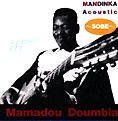
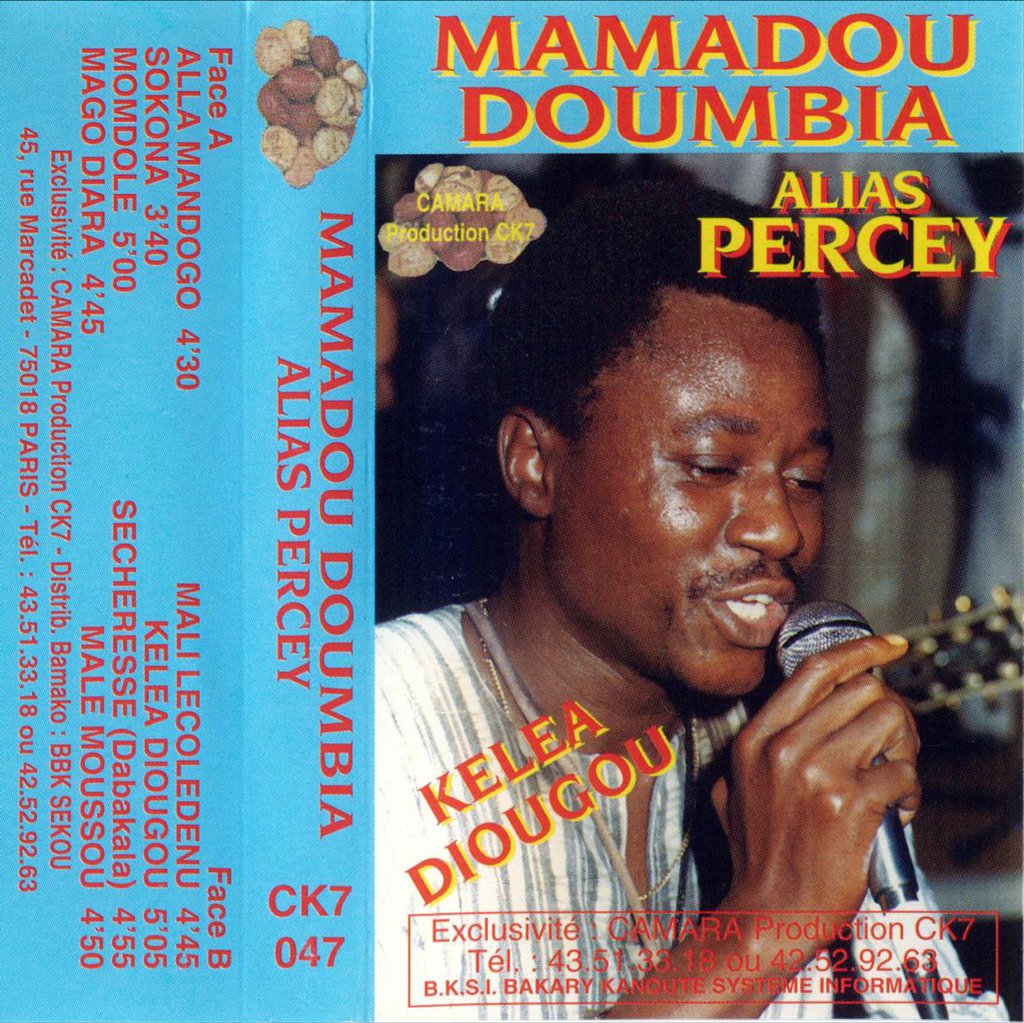
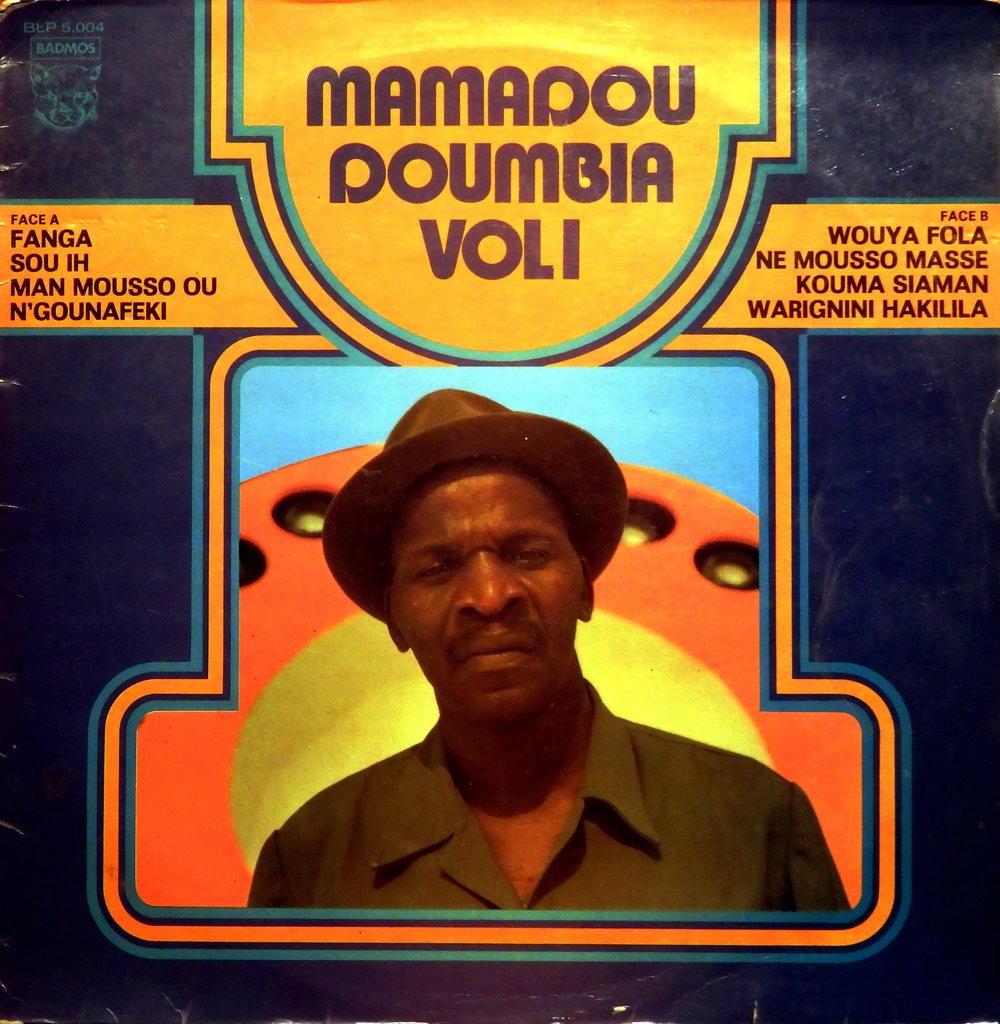
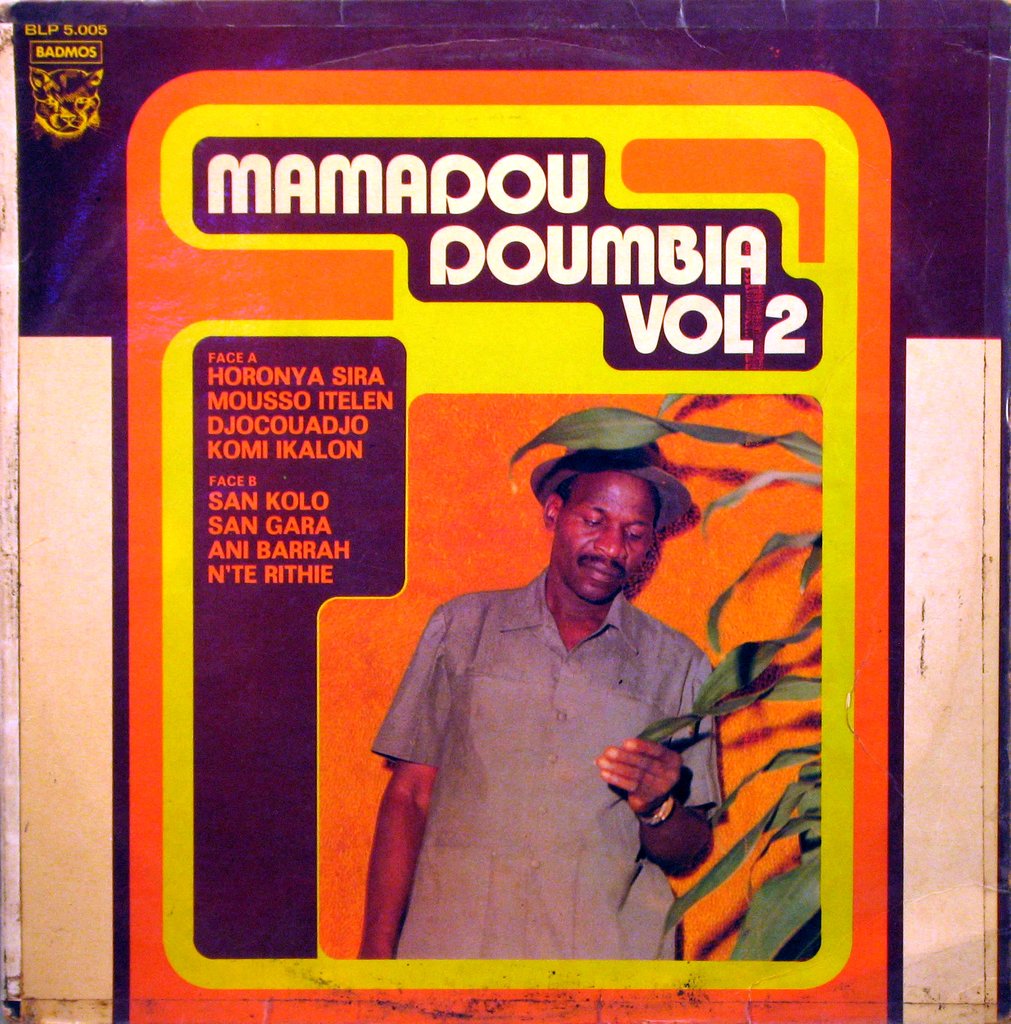
The first album, Sobe, released in 1994 with Bad News Records, is acoustic. Malian traditional instruments (kora, ngoni) dialogue with Japanese instruments (koto, sanshin). This album, today collected outside Japan, shows an intimate side of the musician. The following album, Independence (1996, JVC), is more electric. Yafa follows in 1997. The group becomes one of the most popular live attractions in Tokyo. Doumbia also publishes two solo albums — Vol. 1 and Vol. 2 — with Badmos International, around 1986-87. In 2017, he returns with Man Mousso, alongside the Orchestre de l’Entente4.
Major Works
| Work | Year | Why It Is Essential |
|---|---|---|
| Independence | 1996 | Electric Malian-Japanese fusion, worldwide distribution via JVC3 |
| Yafa | 1997 | Follow-up to Independence, exploration of Mandinka in orchestral form |
| Sobe (Mandinka Acoustic) | 1994 | Dialogues between kora, ngoni and Japanese instruments; today a collector’s album |
| Vol. 1 / Vol. 2 | 1986–87 | First solo recordings, Malian afro-pop produced by Badmos International4 |
| Man Mousso | 2017 | Return with the Orchestre de l’Entente, continuation of the Mandinka style |
Legacy
Mamadou Doumbia has crossed three capitals of African music — Bamako, Paris, Tokyo — and brought a unique experience to each. Mandinka remains a rare example of a successful Maliano-Japanese collaboration, a sonic bridge between the banks of the Niger and those of the Japanese archipelago1. His legacy is that of a musician who has never stopped playing new cards.