Biography
Aya Nakamura: the voice of the suburbs who conquered the world
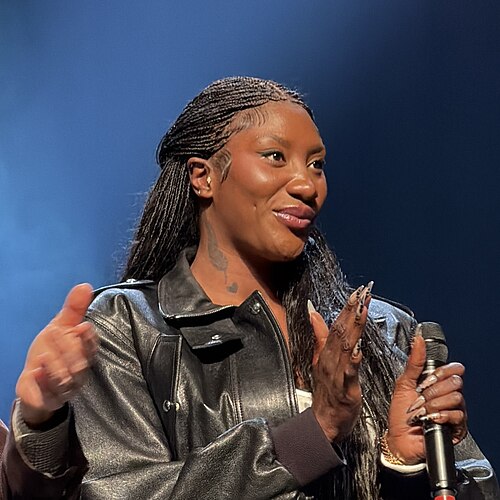
On July 26, 2024, on the Pont des Arts in golden metallic attire, Aya Nakamura sang before 31.4 million viewers at the opening ceremony of the Paris Olympics, accompanied by the Garde républicaine. A record viewership for French television, signed by an artist born in Bamako1. In four years of a blazing career, she has become the most-listened-to Francophone artist in the world, with six number ones in France and billions of streams.
Did you know? In 2020, more than one billion people listened to Aya Nakamura, making her the 4th most-streamed Francophone artist in the world, behind Ed Sheeran, Dua Lipa and Billie Eilish1.
In brief
| Full name | Aya Coco Danioko |
| Birth | May 10, 1995, Bamako, Mali |
| Nationality | Malian, naturalized French in 2021 |
| Genre | Urban pop, R&B, afro-pop, zouk |
| Signature works | Nakamura, Aya, DNK, Destinée |
| Awards | Victoires de la musique 2024, NRJ Music Award 2020 |
Key dates
| Year | Event |
|---|---|
| 1995 | Birth in Bamako, Mali, into a family of griots |
| 1995 | Family emigration to Aulnay-sous-Bois |
| 2014 | First online track, Karma, on Facebook |
| 2016 | Signing with Warner Music / Parlophone |
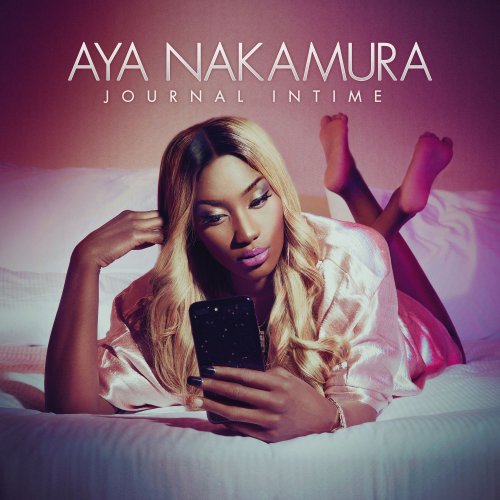
| 2017 | Release of Journal intime, first album |
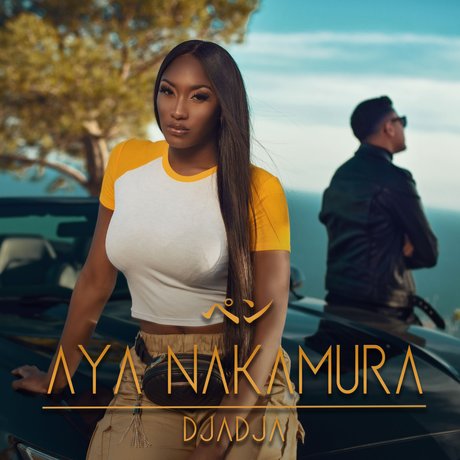
| 2018 | “Djadja” number one in France, certified diamond |
| 2018 | Album Nakamura, seven tracks in the top 10 |
| 2020 | Album Aya, Victoires de la musique 2021 |
| 2020 | French naturalization |
| 2023 | Album DNK number one for two weeks |
| 2024 | Paris Olympics opening ceremony |
| 2025 | Album Destinée number one in France |
| 2026 | Three consecutive nights at Stade de France |
Origins: from Bamako to the Parisian suburbs
Aya Coco Danioko was born on May 10, 1995 in Bamako, Mali, eldest of a sibling group of five children, from a lineage of griots — these storytellers, singers and poets of West African oral tradition2. Her family settled in France a few months later in Aulnay-sous-Bois, in the northern suburb of Paris. Her father worked as a bartender at Roissy airport, her mother is a singer and traditional storyteller.
Young, Aya attended a youth center for a time and maintained a complicated relationship with her father. She studied fashion in La Courneuve, wrote her first lyrics at thirteen years old and, in 2014, published Karma on Facebook as a tribute to Hiro Nakamura, character from the series Heroes3.
Breakthrough: Djadja and global explosion
After early tracks like J’ai mal and Brisé, on April 6, 2018, Aya Nakamura released “Djadja”. The track stayed at the top of the French chart for two weeks and became a global summer hit4.
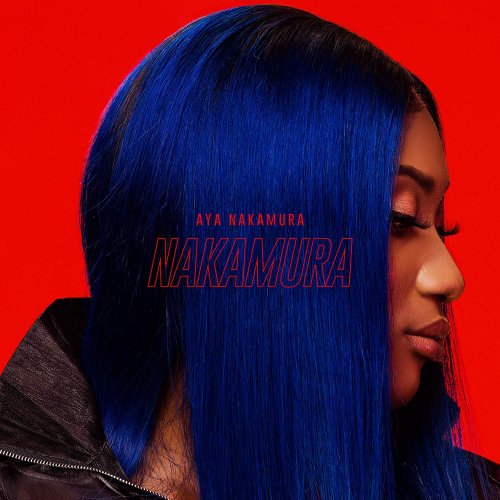
Her second album, Nakamura, was released on November 2, 2018 and brought seven of her tracks into the French top 10 simultaneously — a record for a female artist5. The album was certified diamond in France and double diamond on export, with more than one million sales abroad.
Art and language: a French that shakes the codes
Aya Nakamura writes her own lyrics, in an elastic and inventive French, nourished by slang from the suburbs and expressions from English, Arabic and Bambara. Her style mixes pop, R&B, zouk and afrobeats — a blend that critics describe as courageously transversal6. She refuses to conform to existing existential norms and sings female autonomy without ever justifying herself.
Her language sparked debates in France: some see degradation, others creative vitality. Linguists support that it fits within the tradition of French popular poetry. In 2020, deputy Rémy Rebeyrotte cited her work to defend a law against discrimination based on accent7.
Major works
| Work | Year | Why it’s essential |
|---|---|---|
| “Djadja” | 2018 | First global hit, one billion views on YouTube, feminist anthem |
| Nakamura | 2018 | Diamond album, seven tracks in top 10, international consecration |
| “Jolie nana” | 2020 | Third number one in France, diamond certification |
| Aya | 2020 | Victoires de la musique, duos with Stormzy and Ms Banks |
| DNK | 2023 | Number one for two weeks, triumphant tour |
| Destinée | 2025 | Fifth album, sixth number one, three nights at Stade de France |
Legacy
Aya Nakamura transformed the Francophone music scene by introducing a popular language, without compromise, from the Parisian suburbs and Malian roots. She is the first Francophone female artist to perform three consecutive nights at Stade de France8.
Sources and references
-
RFI, Aya Nakamura: the unstoppable queen of streaming, 30 July 2020, https://www.rfi.fr/en/culture/20200730-aya-nakamura-the-unstoppable-queen-of-streaming-music-afropop-french-malian-rnb, accessed 28 October 2026. ↩︎ ↩︎
-
Wikipedia, Aya Nakamura, English Wikipedia, https://en.wikipedia.org/wiki/Aya%20Nakamura, accessed 28 October 2026. ↩︎
-
Wikipedia, Aya Nakamura, French Wikipedia, https://fr.wikipedia.org/wiki/Aya_Nakamura, accessed 28 October 2026. ↩︎
-
Pitchfork, Shamira Ibrahim, Aya Nakamura: AYA Album Review, 4 December 2020, https://pitchfork.com/reviews/albums/aya-nakamura-aya/, accessed 28 October 2026. ↩︎
-
SNEP, official certifications, Syndicat National de l’Édition Phonographique, accessed 28 October 2026. ↩︎
-
Le Fader, Aya Nakamura Is Flipping France’s Rigid Rules Beautifully, 13 November 2018, https://www.thefader.com/2018/11/13/aya-nakamura-is-flipping-frances-rigid-rules-beautifully, accessed 28 October 2026. ↩︎
-
Le Monde, Aya Nakamura déjà une légende, Radio France, https://francemusique.fr/aya-nakamura-deja-une-legende, accessed 28 October 2026. ↩︎
-
Discogs, Aya Nakamura discography, https://www.discogs.com/artist/6837572-Aya-Nakamura, accessed 28 October 2026. ↩︎