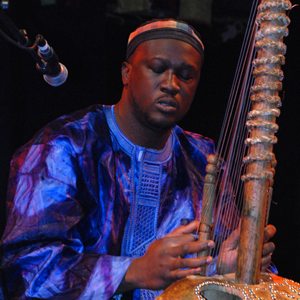
Biography
Mamadou Diabaté: the twenty-one strings that tell a story
In the heart of Bamako, in the luxurious lounge of the Amitié hotel, a young man with powerful hands makes the kora resonate in a way no one had heard before. The dignitaries present at this mythical spot on the Malian stage listen, jaws dropped. This son of a jeli is barely fifteen years old, and his twenty-one strings say more than many speeches. “My role as a griot today in the United States is to be a musician,” he will explain later. “I have a kora: it is a family instrument, passed down from generation to generation” [1].
In brief
| Full name | Mamadou Diabaté |
| Birth | 1975, Kita, Mali |
| Genre | Kora — string instrument of the lute-harp family (21 strings), West African Manding music |
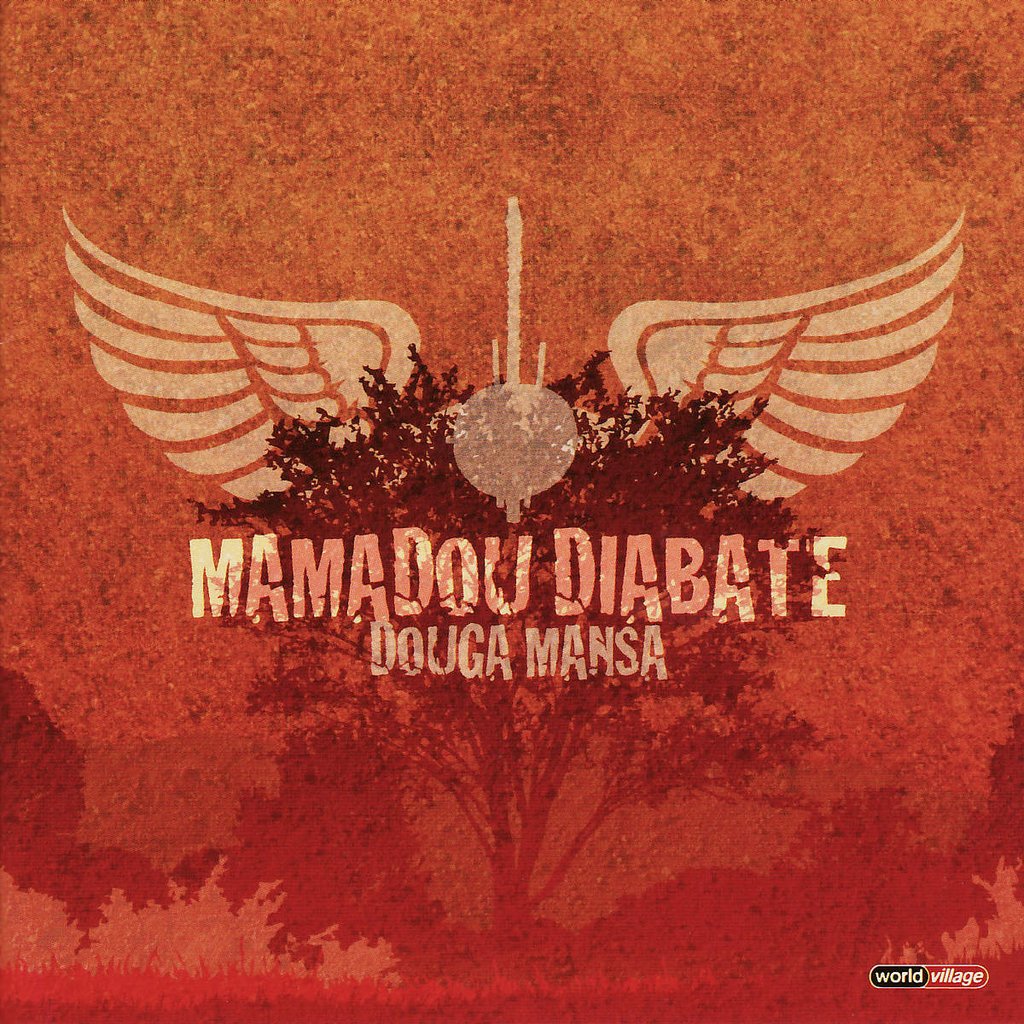
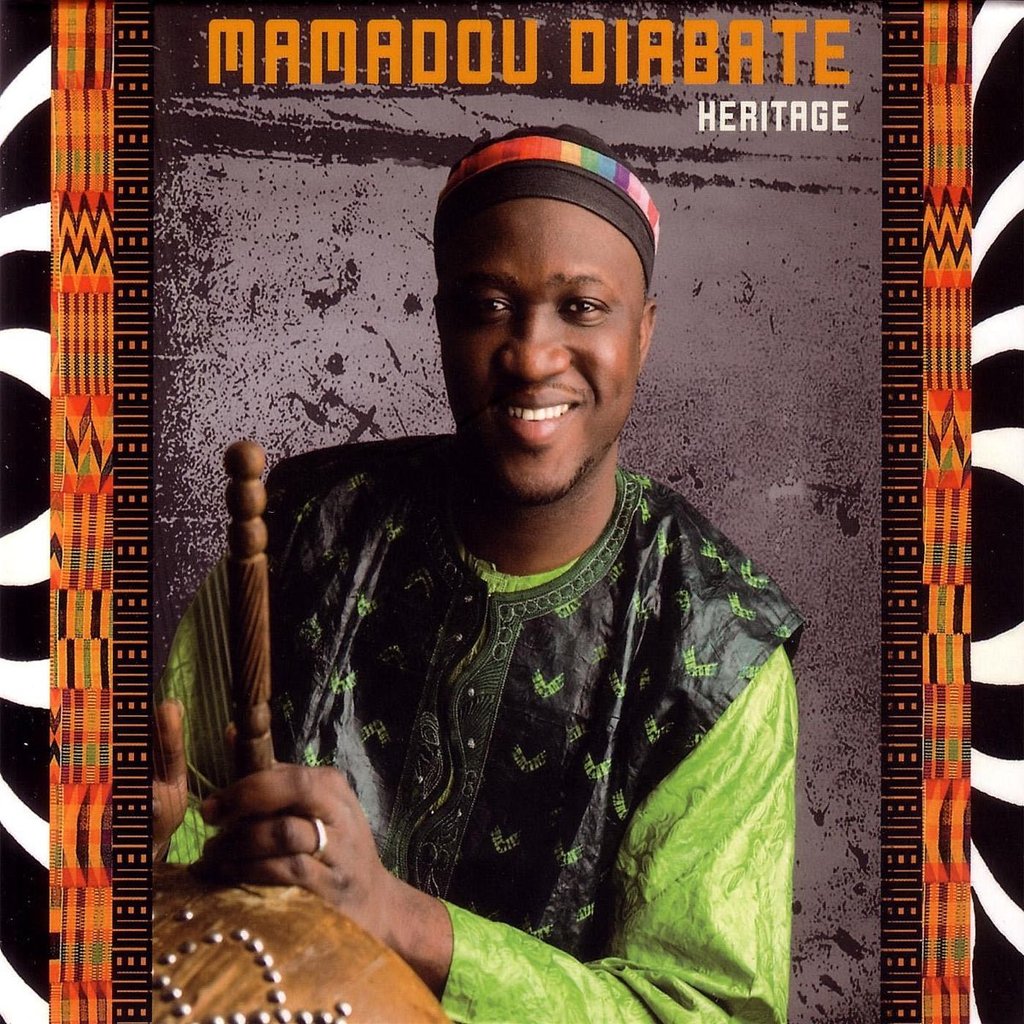
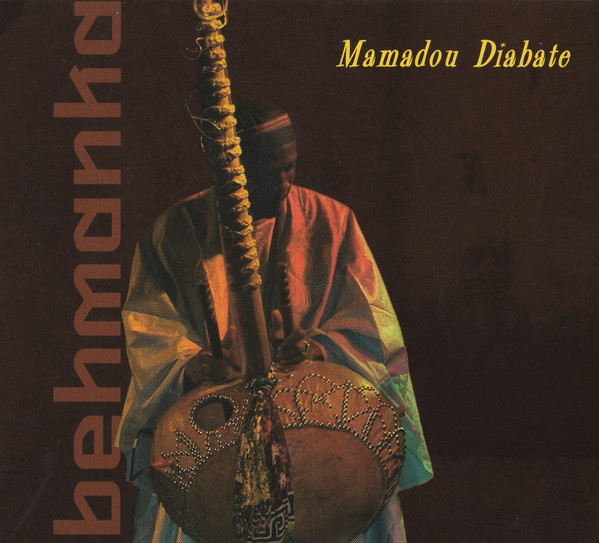
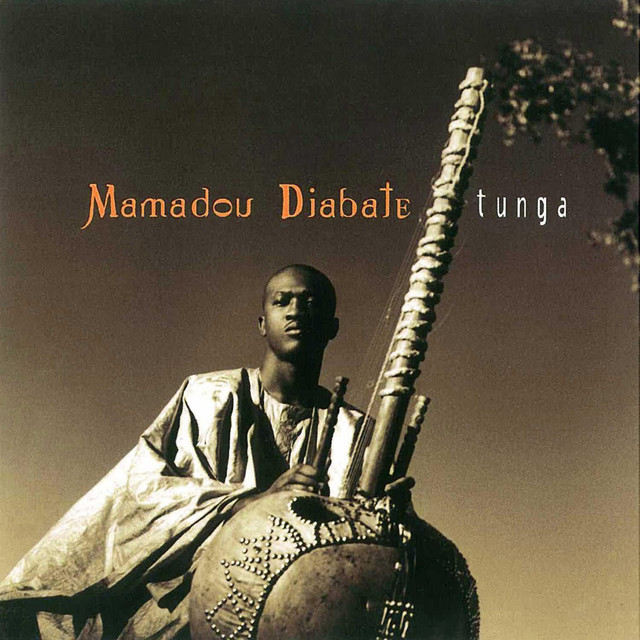
| Notable works | Douga Mansa, Behmanka, Heritage, Tunga |
| Awards | Grammy Award 2010 (Best Traditional World Music Album), Grammy nomination 2006 |
Key dates
| Year | Event |
|---|---|
| 1975 | Birth in Kita, Mali — a town renowned for its Manding artists |
| 1979 | Beginning of musical training under his father, Djelimory Diabaté |
| 1984-1985 | Finishes making his own strings and his own kora after his mother removed the instrument to force him to study |
| 1990 | Prize at the regional kora competition; local fame |
| 1992 | Studies with his cousin Toumani Diabaté in Bamako; earns the nickname “Djelika Djan” (the great jeli) |
| 1996 | Tour of the United States with the Ensemble Instrumental du Mali; decides to stay there |
| 2000 | Release of the first album, Tunga, blending West African music, blues and jazz |
| 2005 | Grammy nomination for Behmanka; loses to Ali Farka Touré / Toumani Diabaté |
| 2006 | Release of Heritage — an entirely instrumental album with jazz accents |
| 2008/2010 | Douga Mansa — a tribute to his father and grandfather; Grammy victory in 2010 |
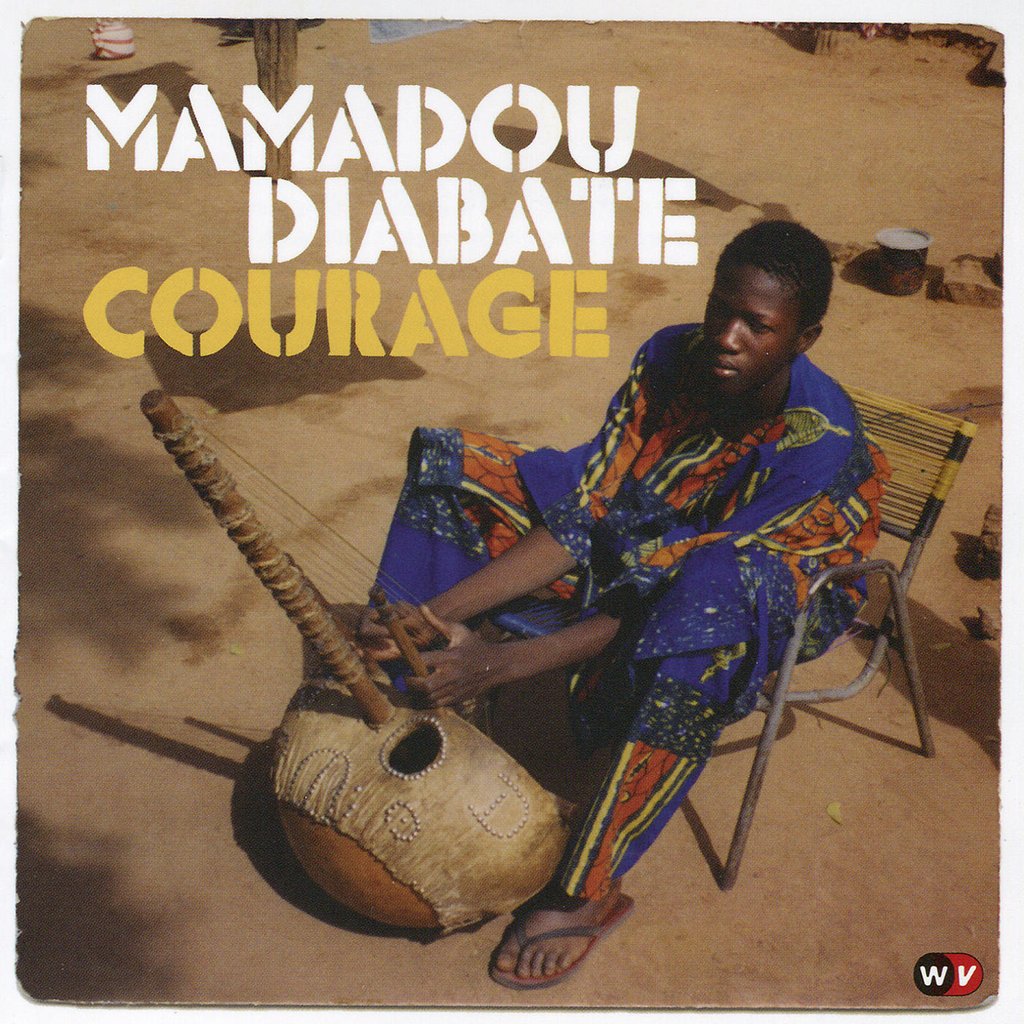
| 2011 | Release of Courage, an album entirely composed and recorded in Bamako |
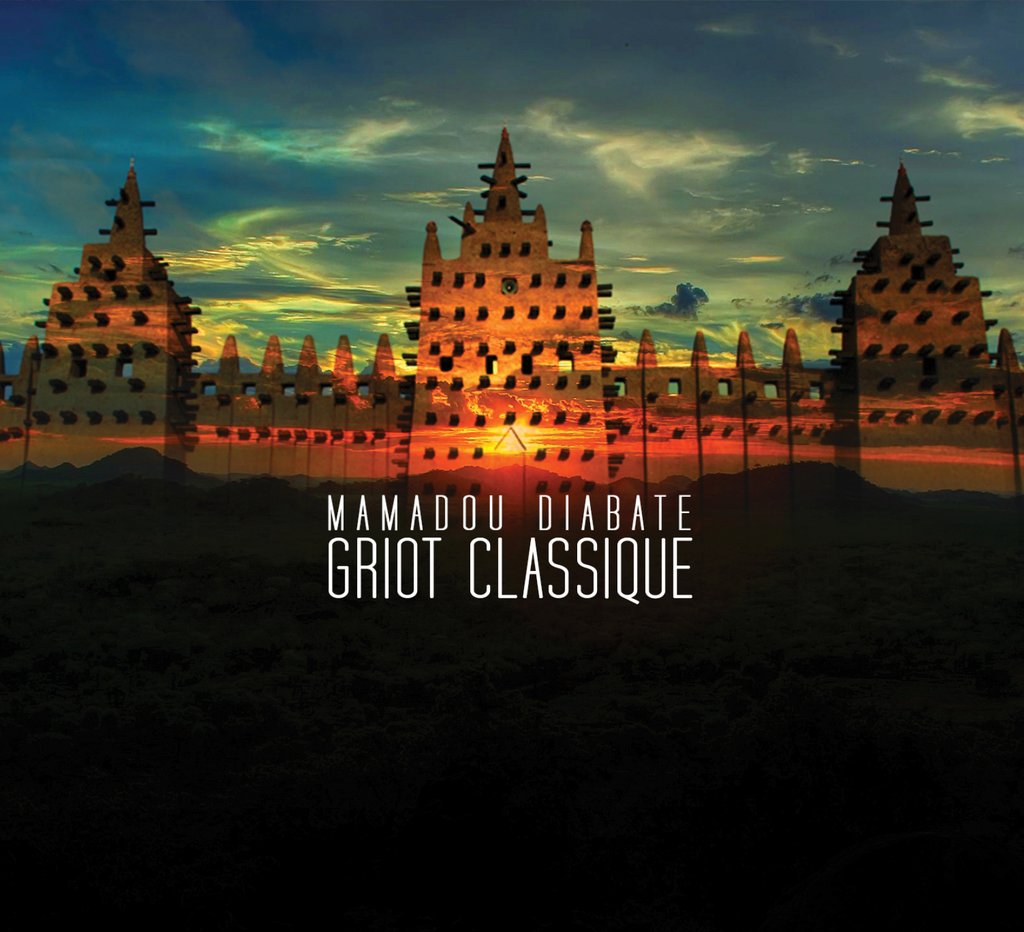
| 2014 | Release of Griot Classique |
A jeli, a kora, the world
The Diabaté family ranks among the most prestigious of the jeli lineage — historian-orators whose profession dates back to the thirteenth century, during the time of Emperor Sundiata Keïta. The name alone confers upon its bearer the legitimacy to practice this ancestral know-how. In Kita, in western Mali, Mamadou’s father, Djelimory Diabaté, is a kora player in the Ensemble Instrumental du Mali. From age four, Mamadou lives with him in Bamako and learns to tune the kora. His mother, worried about his schooling, takes away the instrument: the boy then builds his own kora and continues. Like every jeli, he must build his instrument himself, adapted to his hands [1].
Before age fifteen, he leaves school and performs at weddings and baptisms. Winner of the Bamako regional competition, he joins his cousin Toumani Diabaté’s circle. The latter gives him the nickname “Djelika Djan,” which means “great jeli” in reference to his great height [2]. He plays at the famous Amitié hotel, a high place of cultural diplomacy. In 1996, a tour of the United States with the Ensemble Instrumental du Mali turns into a decision to stay. He moves to New York and then settles in Durham, North Carolina, playing with American jazzmen like Randy Weston, Donald Byrd and Guy Davis.
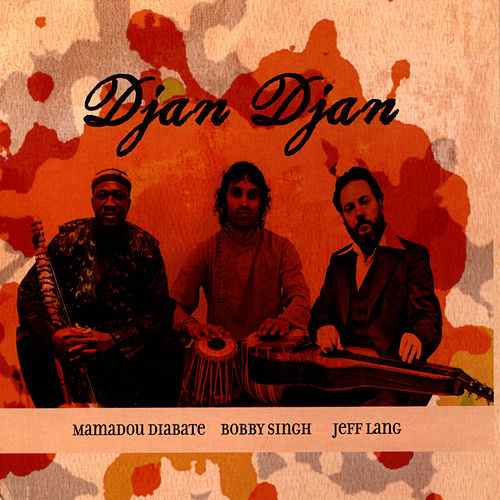
Behmanka (2005), his second solo album, is praised by the Washington Post for its dazzling duo on its own and by Billboard for its remarkable virtuosity. It wins the 2010 Grammy Award for Best Traditional World Music Album with Douga Mansa, an album entirely dedicated to his father and grandfather. He refuses to limit himself to the past: on Courage (2011), recorded in Bamako, he publishes ten original compositions played in six different tunings on the same disc. “Some tracks have never been played by a kora player before,” he says. “They are my own creations.” He adds: “We do not lose the tradition; we are modern musicians [3].” In 2010, he forms the trio Djan Djan with Australians Bobby Singh and Jeff Lang. He also co-founds a music school in Kirina (Mali) with Baaba Maal and Playing For Change, becoming its artistic director [4].
Major works
| Work | Year | Why it is essential |
|---|---|---|
| Tunga | 2000 | First album: bold fusion between Manding music, blues and jazz |
| Behmanka | 2005 | Virtuoso portrait of pure kora; Grammy nomination in 2006 |
| Douga Mansa | 2010 | Tribute to his father and grandfather; Grammy Award for Best Traditional World Music Album 2010 |
| Courage | 2011 | Ten original compositions recorded in Bamako, six different tunings on the same disc |
Legacy and influence
Mamadou Diabaté embodies the living continuity of the art of jelis — these historian-orators who, since the Mali Empire, transmit collective memory through music and speech. His collaborations with American jazz musicians reveal ancestral links between Manding music and the blues. His school in Kirina trains a new generation of Malian musicians, while his albums demonstrate that an instrument as old as the kora can speak to the contemporary world without betraying its roots.
Sources and references
-
Grant Britt, “Carrying the kora: Durham’s new Grammy nominee and his 21 strings”, Indy Week, April 19, 2006, https://indyweek.com/music/carrying-kora
-
Angel Romero, “Artist Profiles: Mamadou Diabate (kora)”, World Music Central, August 4, 2016, https://worldmusiccentral.org/artist-profiles-mamadou-diabate
-
“Kora Courage”, World Music Central, https://worldmusiccentral.org/kora-courage
-
“Mamadou Diabaté”, Playing For Change, https://playingforchange.com/artists/mamadou-diabat%C3%A9
-
Matt Fink, « Mamadou Diabate Biography », AllMusic, https://www.allmusic.com/artist/mamadou-diabate-mn0000673460
-
« Mamadou Diabaté », Wikipedia (English version), https://en.wikipedia.org/wiki/Mamadou_Diabat%C3%A9
-
« Mamadou Diabate — Grammy Awards », Grammy.com, https://www.grammy.com/artists/mamadou-diabate/11317