Biography
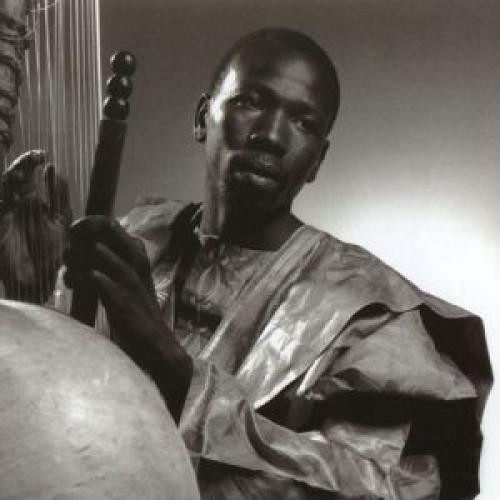
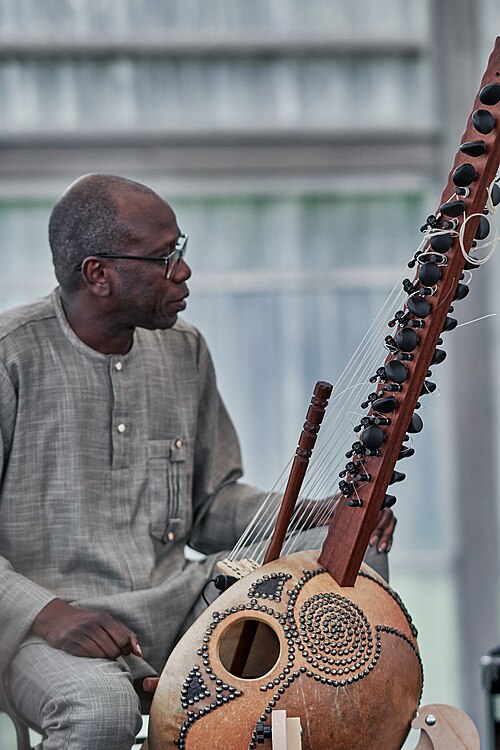
Ballaké Sissoko: the griot weaving bridges between the strings of the world
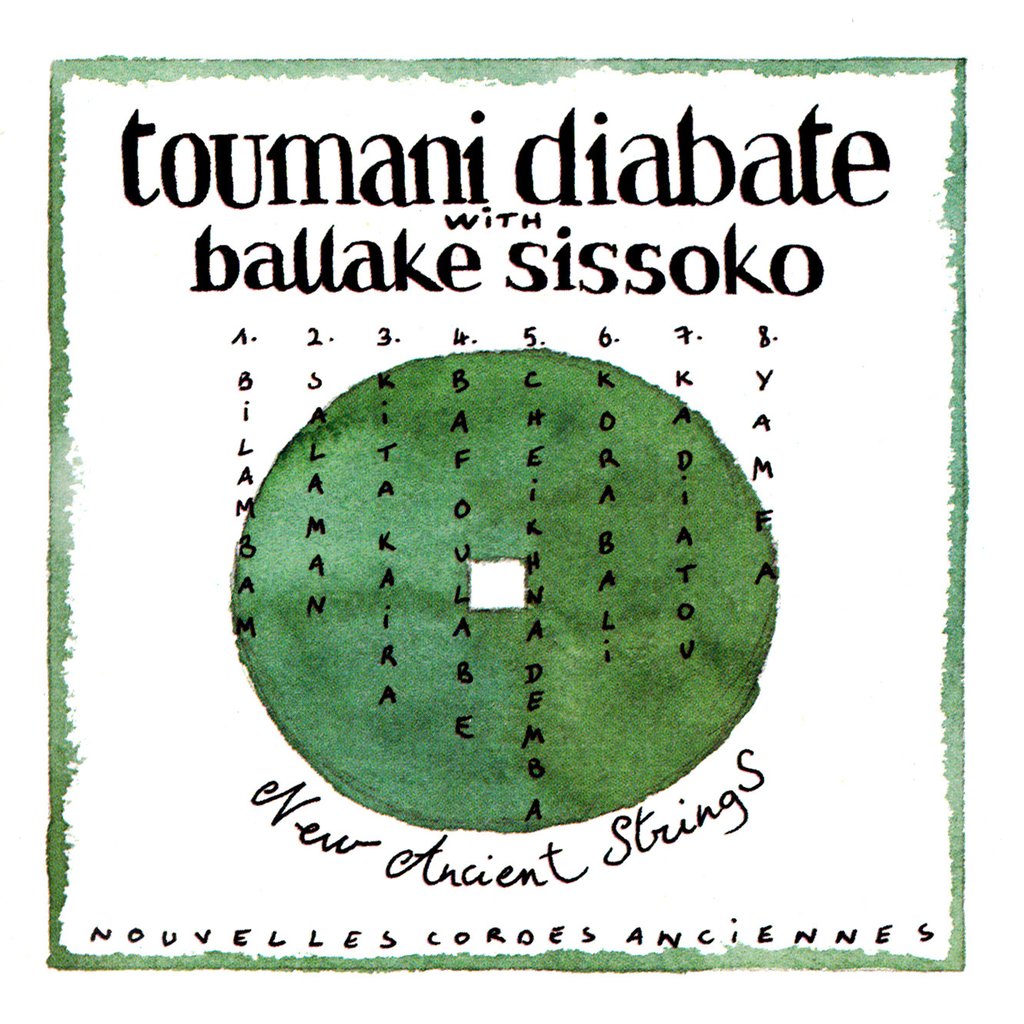
In 1999, on an album produced by Joe Boyd for the Hannibal label, two cousin griots answer each other on the kora—one after the other, with the precision of two silk swords—and launch a joint international career. Ballaké Sissoko, son of an instrument master from Gambia, had just shown the world that the kora, this 21-string harp-lute that has traversed Manding traditions for centuries, could converse with the entire world.
In brief
| Name | Ballaké Sissoko |
| Birth | 1968, Mali |
| Domain | Kora (21-string harp-lute), West African music |
| Signature works | New Ancient Strings, Chamber Music, Djourou |
| Awards | Victoire du Jazz 2010, Songlines Music Award 2016 |
Key dates
| Year | Event |
|---|---|
| 1968 | Birth in Mali, into a griot (jeli) family |
| 1981 | At age 13, succeeds his father in the Ensemble Instrumental National du Mali |
| 1999 | New Ancient Strings, duo with his cousin Toumani Diabaté, launches his international reputation |
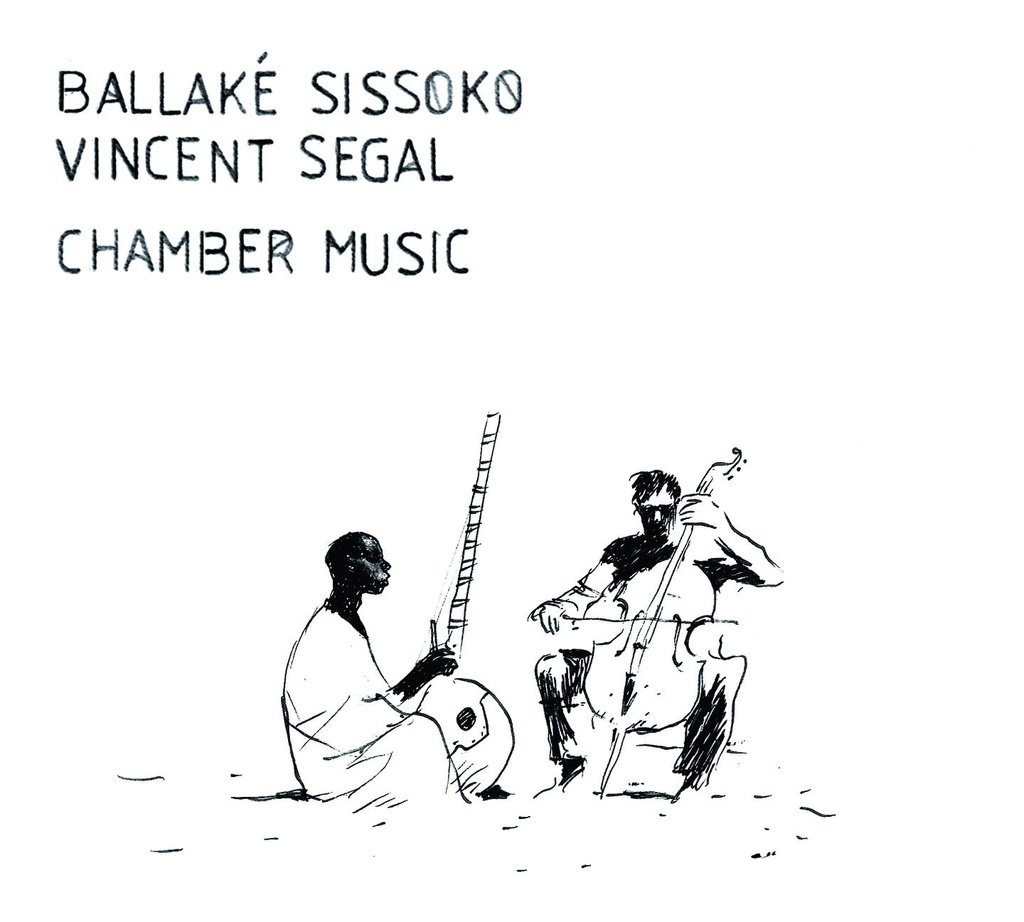
| 2009 | Chamber Music with Vincent Ségal; Victoire du Jazz 2010 |
| 2015 | Musique de Nuit; Songlines Music Award |
| 2021 | Djourou, exploratory album with multiple collaborators |
| 2023 | Creation of the Concerto for kora by Zad Moultaka at Radio France |
A griot at the crossroads of worlds
Ballaké Sissoko was born in 1968 in Mali, into what the Manding tradition calls the caste of jeli—the griots, hereditary guardians of musical and historical memory. His father, Djelimady Sissoko, from Gambia, had joined the Ensemble Instrumental National du Mali under the impetus of the first president Modibo Keïta. Ballaké grew up rocked by the chords of the kora, this 21-string instrument strung over a gourd, played by griots for centuries. He would later admit: “I used to play while slipping into my father’s room when he went out to work.”
The death of his father in 1981, when Ballaké was only 13, turned his life upside down. Becoming the eldest in the family, he left school to provide for his brothers and sisters and replaced his father within the national orchestra, becoming the youngest musician in the ensemble. For ten years, this constituted his only musical immersion—he did not discover Western music, including the Beatles, until after leaving the orchestra, around age 23. “It was through playing and discussions with musicians from elsewhere that I began to understand what rock, hip-hop were,” he said.
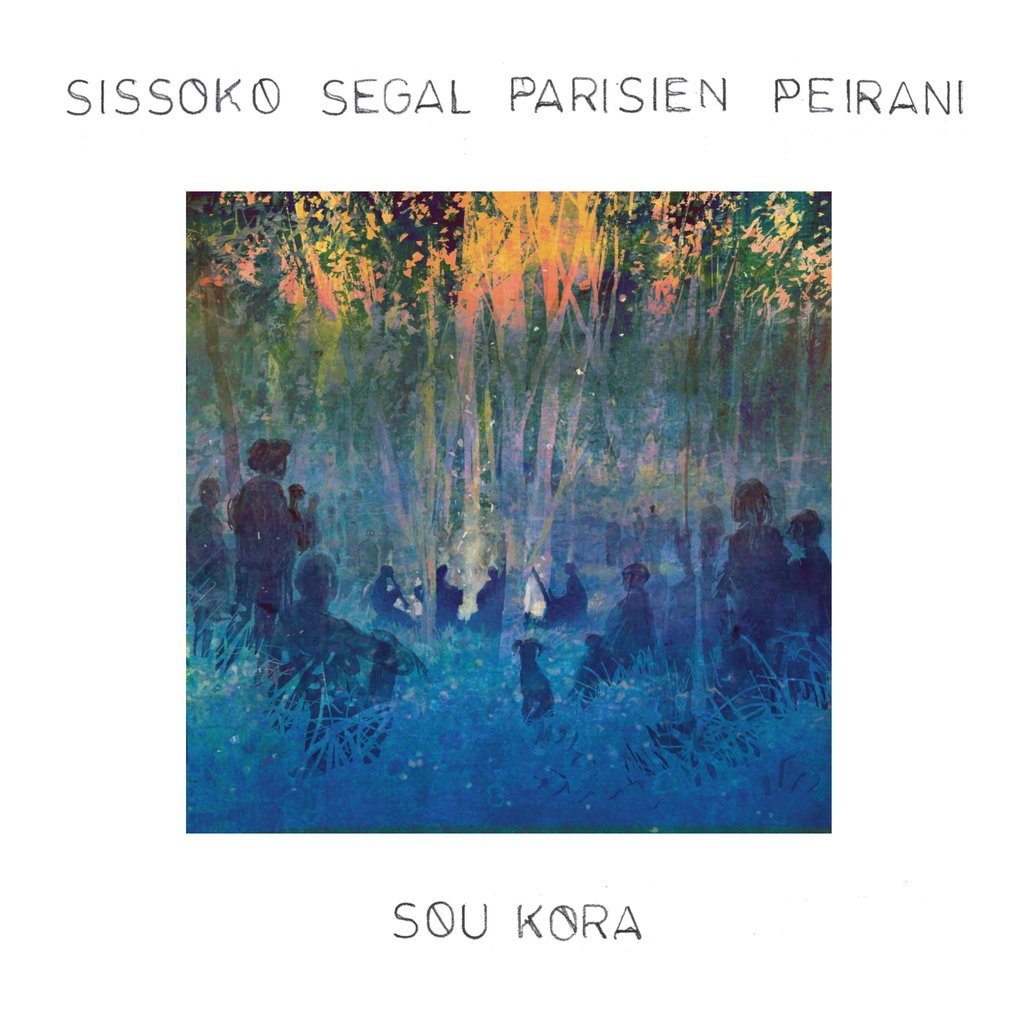
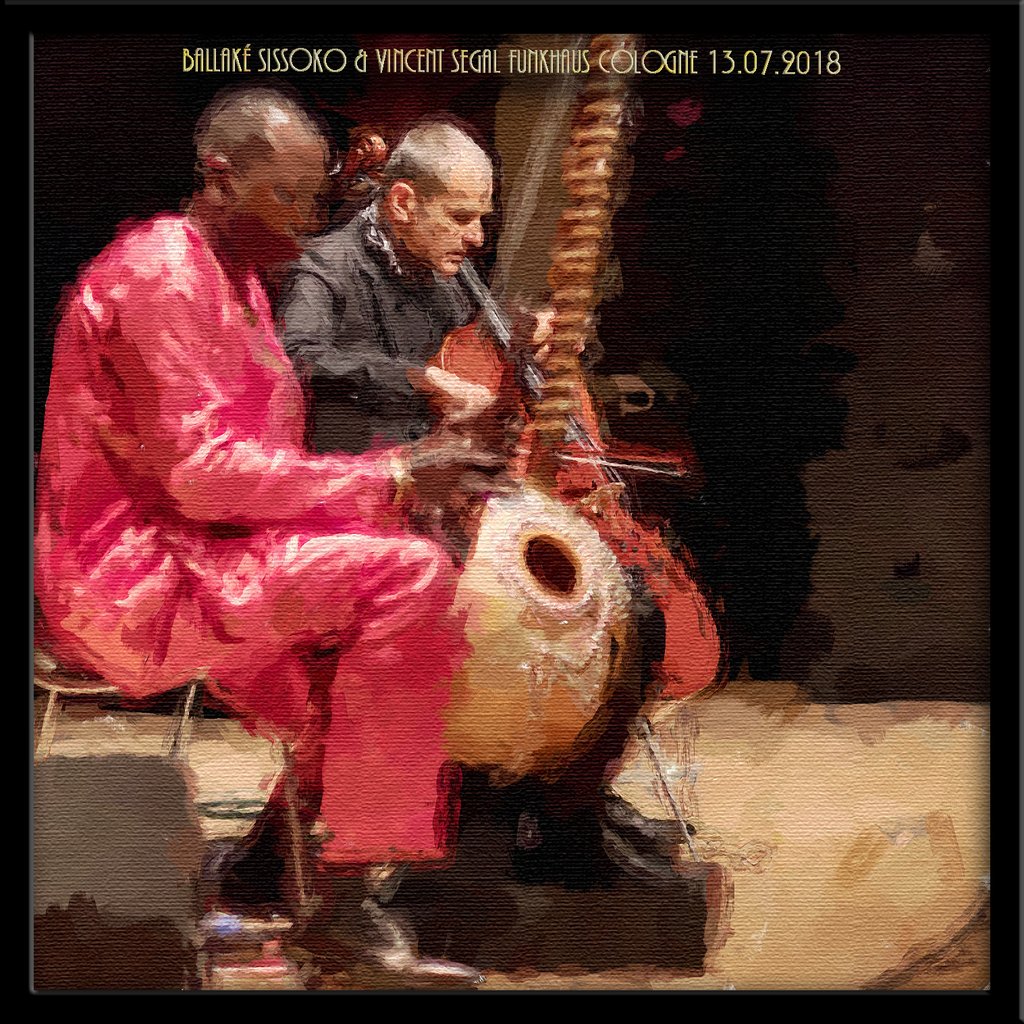
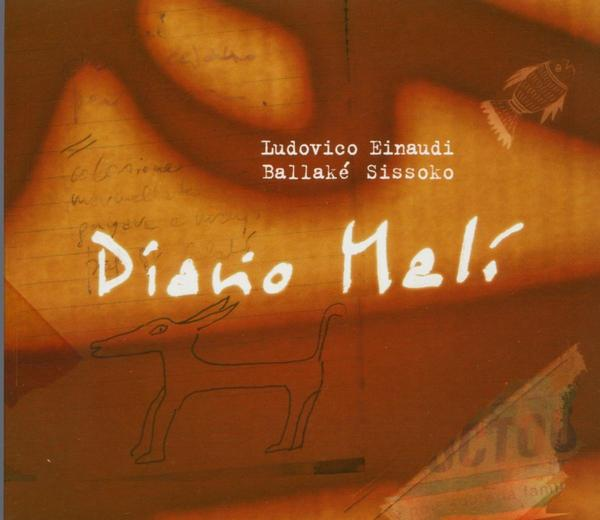
What makes Ballaké unique is his thirst for collaborations crossing cultures. Since the 2000s, he ventured beyond the Manding tradition: in 2003, he recorded Diario Mali with Italian pianist Ludovico Einaudi, weaving duos between classical piano and kora. With French cellist Vincent Ségal, he forged one of the most fruitful duos in contemporary music. Their first album, Chamber Music (2009), won the Victoire du Jazz for international album in 2010. “We have a deep understanding through our instruments,” Ballaké explains to Songlines. Ségal nicknamed him “the king of improvisation.” His motto: “no instrument must remain in its cave.”
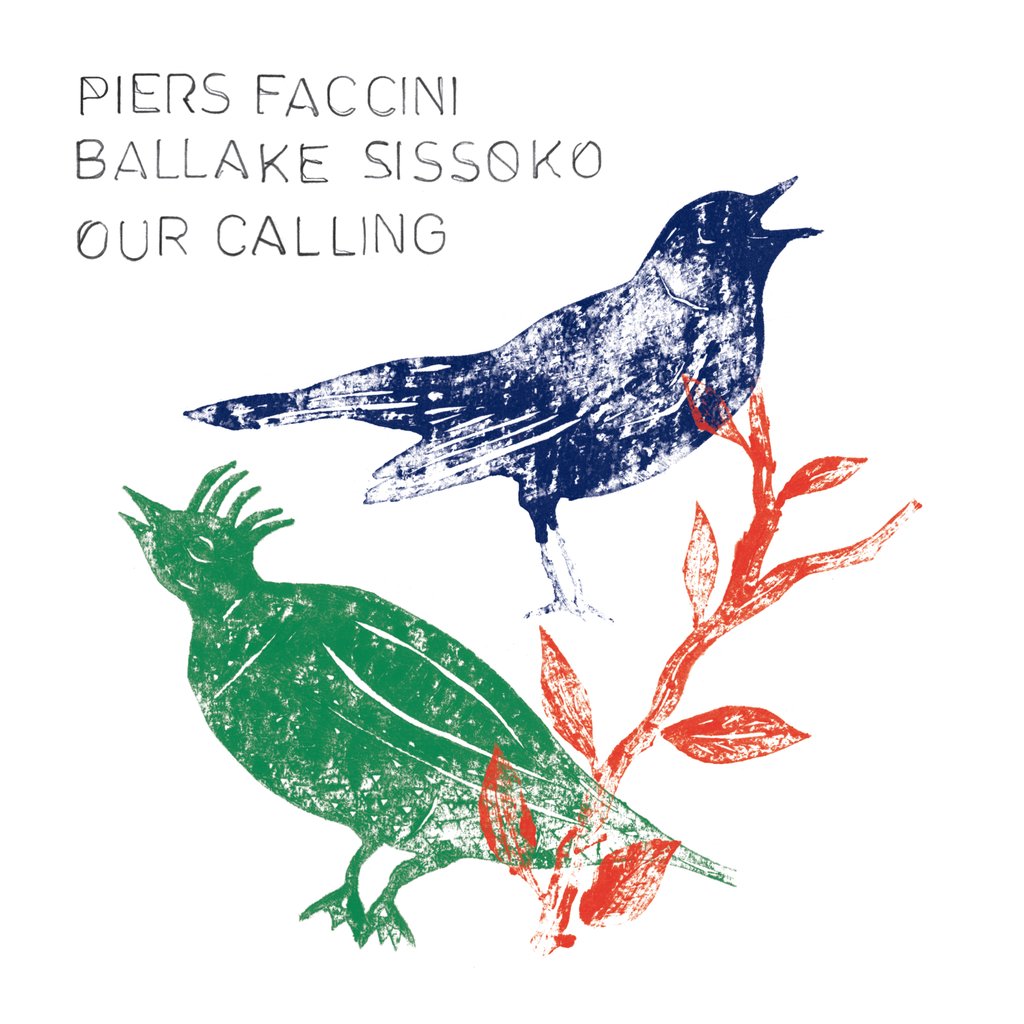
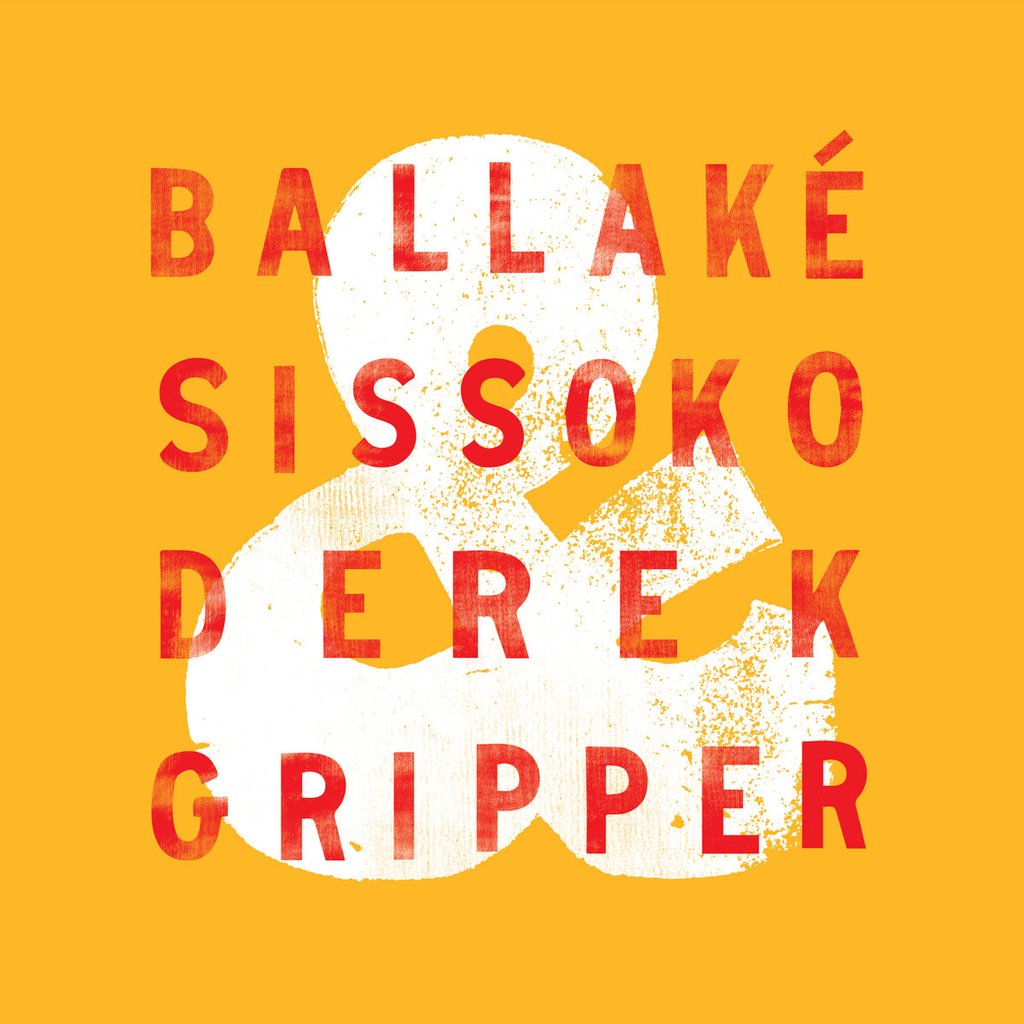
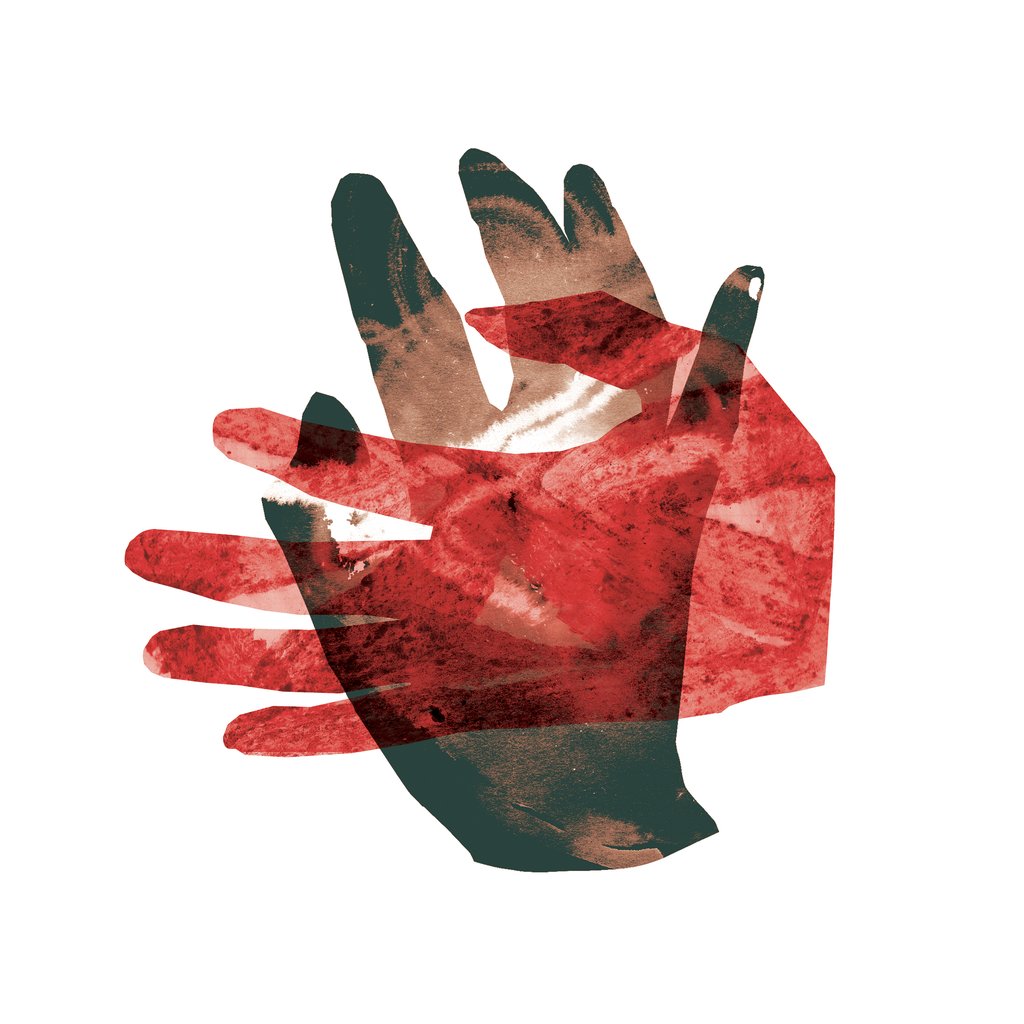
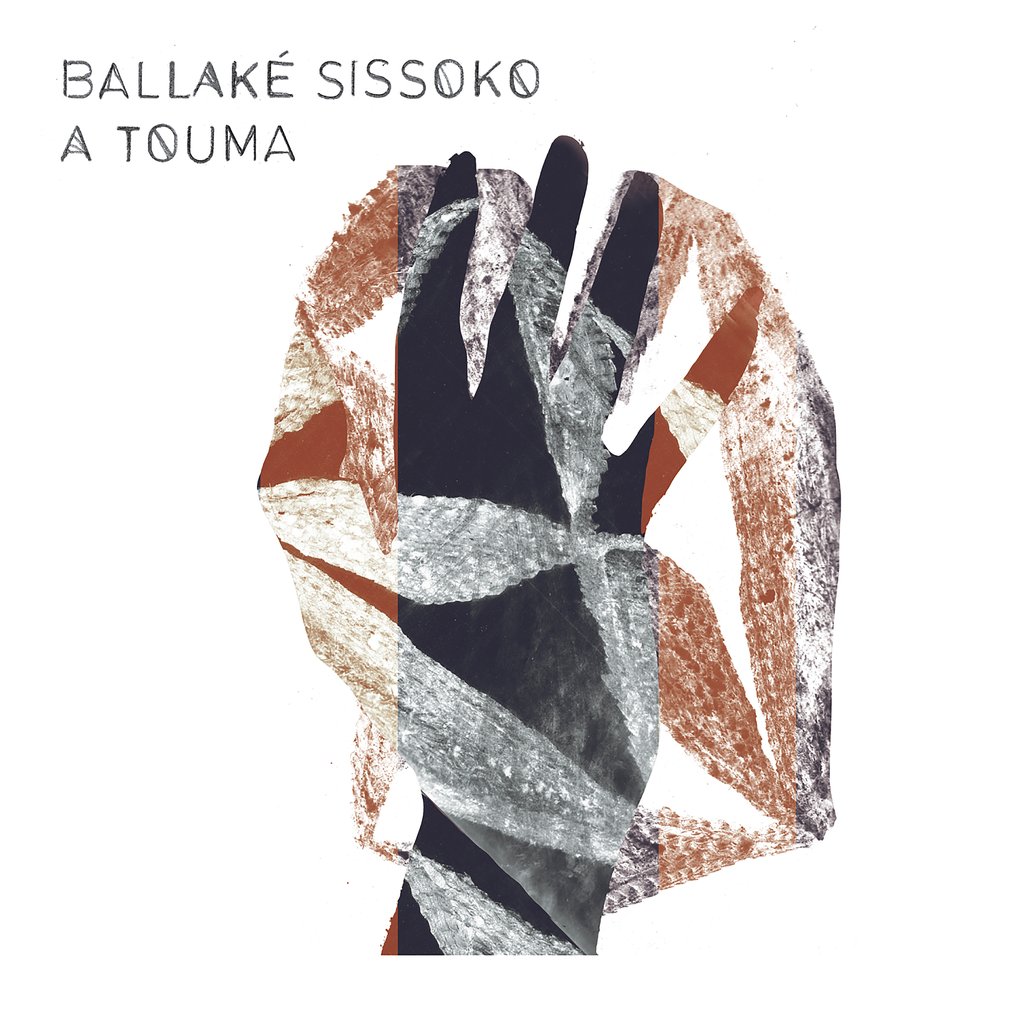
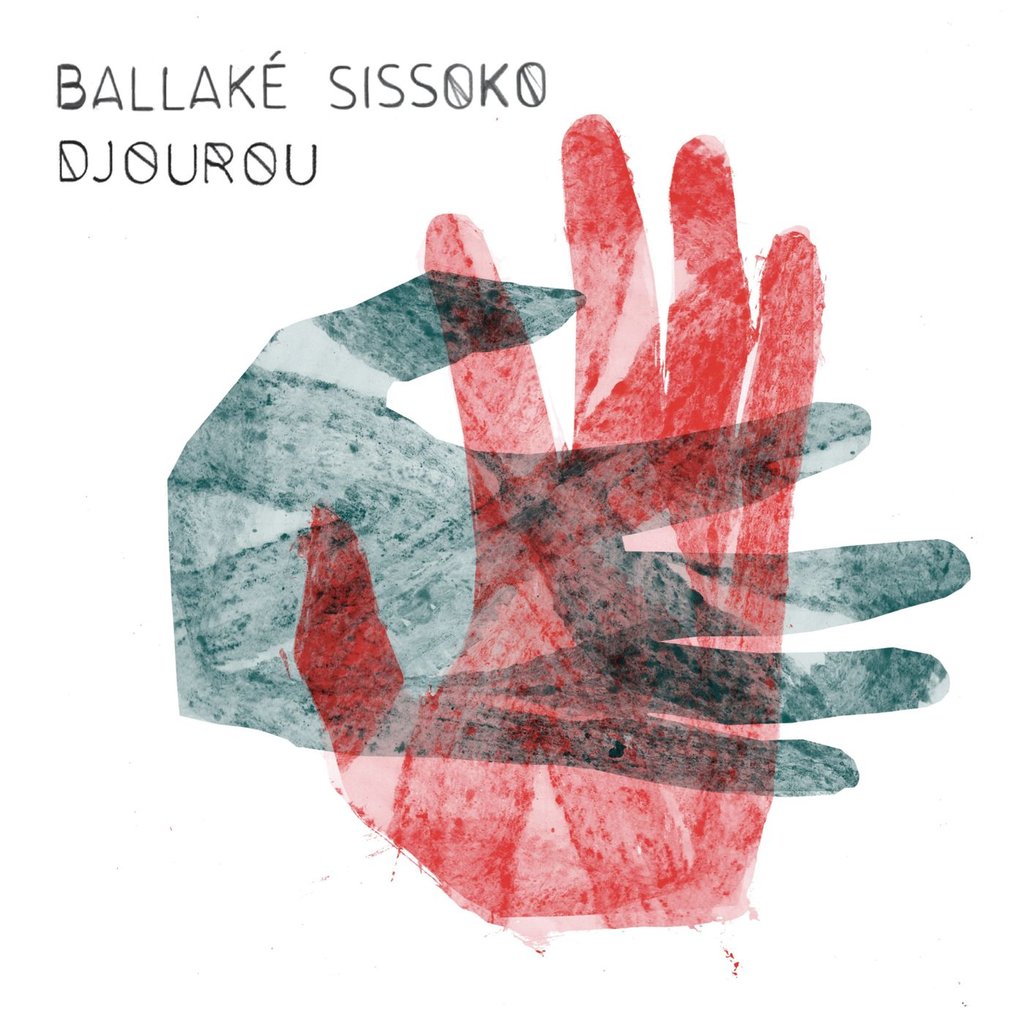
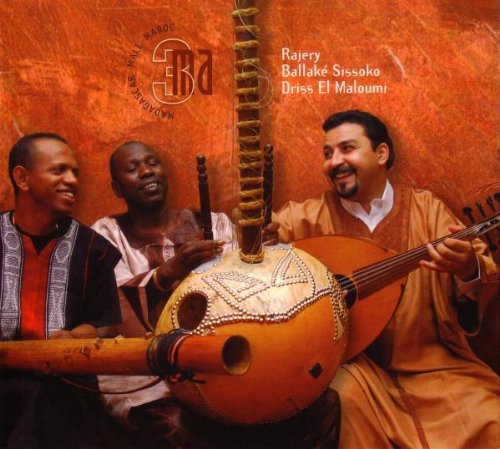
Ballaké also explores unusual alliances: the trio 3MA with Moroccan oud player Driss El Maloumi and Malagasy violinist Rajery, passages at the RIFF festival in India, and since 2022 a duo with South African guitarist Derek Gripper who transposes kora music onto classical guitar. In 2023, he created the Concerto for kora by Lebanese composer Zad Moultaka at Salle Playel of Radio France in Paris. Among recent works, Djourou (2021—the word means “the long string” in Bambara) gathers collaborators ranging from Salif Keïta to Camille, including Malian rapper Oxmo Puccino. Later that same year, A Touma—“it’s the moment”—is a return to solo work: eight pieces recorded in one afternoon at Sainte-Apolline Chapel in Belgium.
Major works
| Work | Year | Why it’s essential |
|---|---|---|
| New Ancient Strings (with Toumani Diabaté) | 1999 | The cousin duo in homage to their fathers; the project that launched his global career |
| Chamber Music (with Vincent Ségal) | 2009 | The kora and cello invent a common language; Victoire du Jazz |
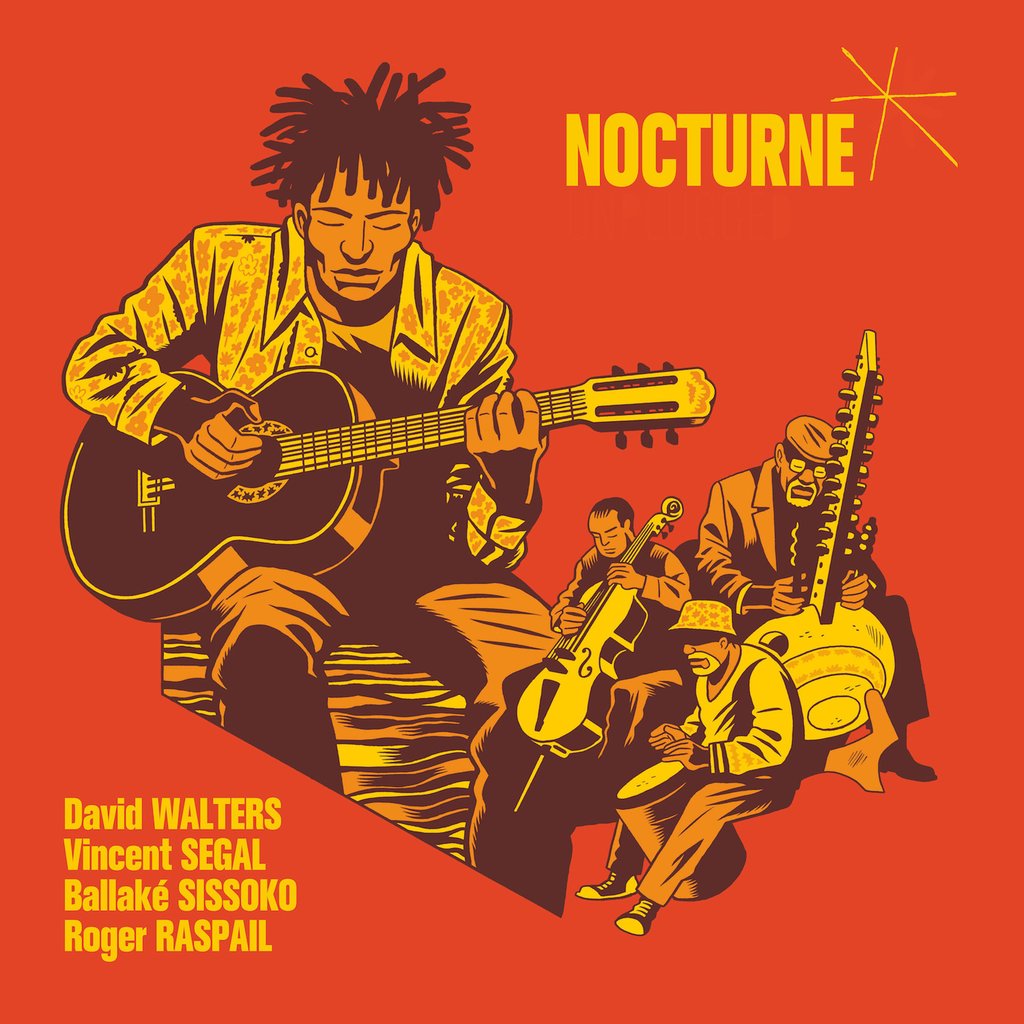
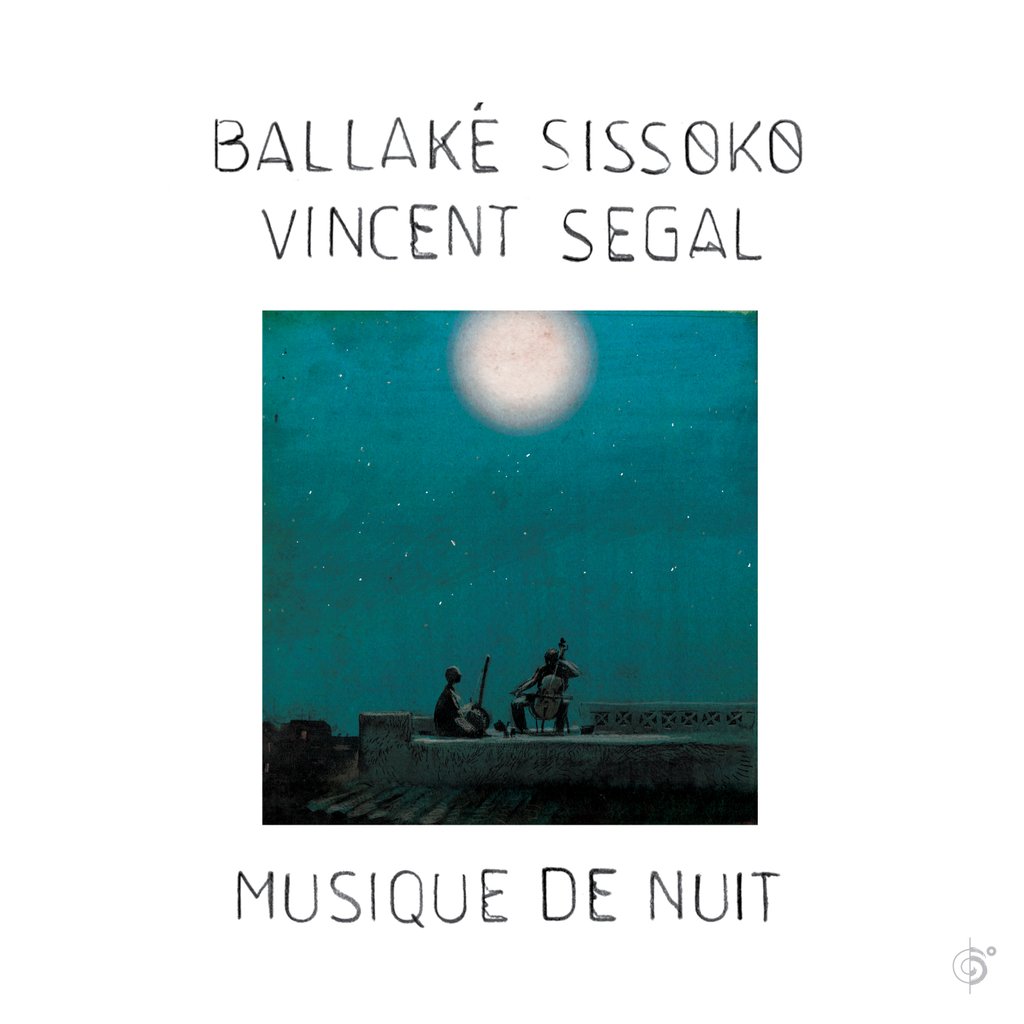
| Musique de Nuit (with Vincent Ségal) | 2015 | Recorded on a roof in Bamako under the stars; Songlines Music Award |
| Djourou | 2021 | Inclusive mapping of the encounter: Salif Keïta, Camille, Oxmo Puccino |
Legacy and influence
Ballaké Sissoko is considered, behind his cousin Toumani Diabaté, the second most important kora player of his generation. His career illustrates a rare model: remaining anchored in the Manding tradition while building unexpected bridges with jazz, classical music, and world music. His collaborations have contributed to making the kora known well beyond the circle of world music enthusiasts. In 2023, the commissioning of a kora concerto by Zad Moultaka confirms that the instrument is now conquering classical concert halls.
Sources and references
- “Ballaké Sissoko: A Beginner’s Guide”, Songlines, https://www.songlines.co.uk/content/features/ballake-sissoko-a-beginners-guide, accessed October 19, 2025.
- “Ballaké Sissoko”, AllMusic, https://www.allmusic.com/artist/ballake-sissoko-mn0000058546, accessed October 19, 2025.
- “Ballaké Sissoko”, Wikipedia, https://en.wikipedia.org/wiki/Ballak%C3%A9_Sissoko, accessed October 19, 2025.
- “Biography — Ballaké Sissoko”, official website, https://www.ballakesissoko.com/fr/biographie/, accessed October 19, 2025.
- « Ballake Sissoko », Aga Khan Music Initiative, https://the.akdn/en/how-we-work/our-agencies/aga-khan-trust-culture/akma/ballake-sissoko, accessed on 19 October 2025.
- « Video Premiere: Ballaké Sissoko and Vincent Segal on Bamako Rooftop », Afropop Worldwide, https://www.afropop.org/articles/video-premiere-ballake-sissoko-vincent-segal-on-bamako-rooftop, accessed on 19 October 2025.