Biography
Rail Band: When the Train Buffet Made Africa Vibrate
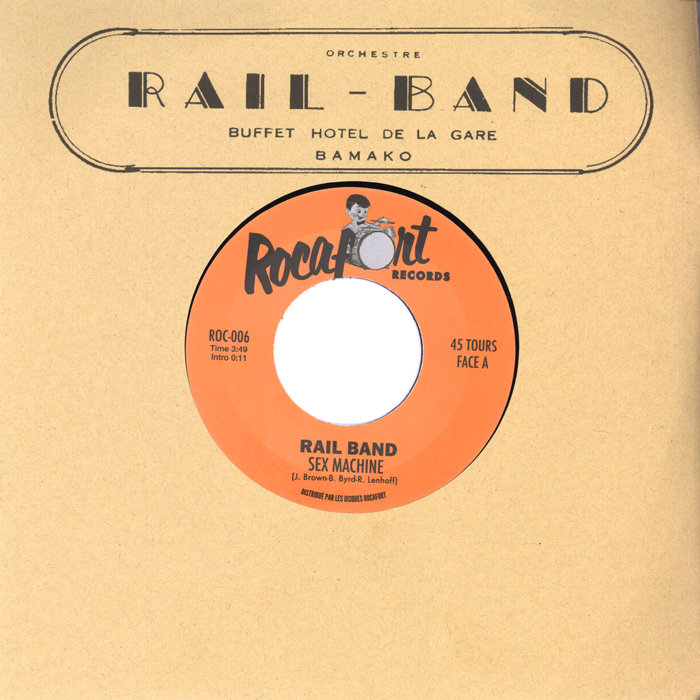
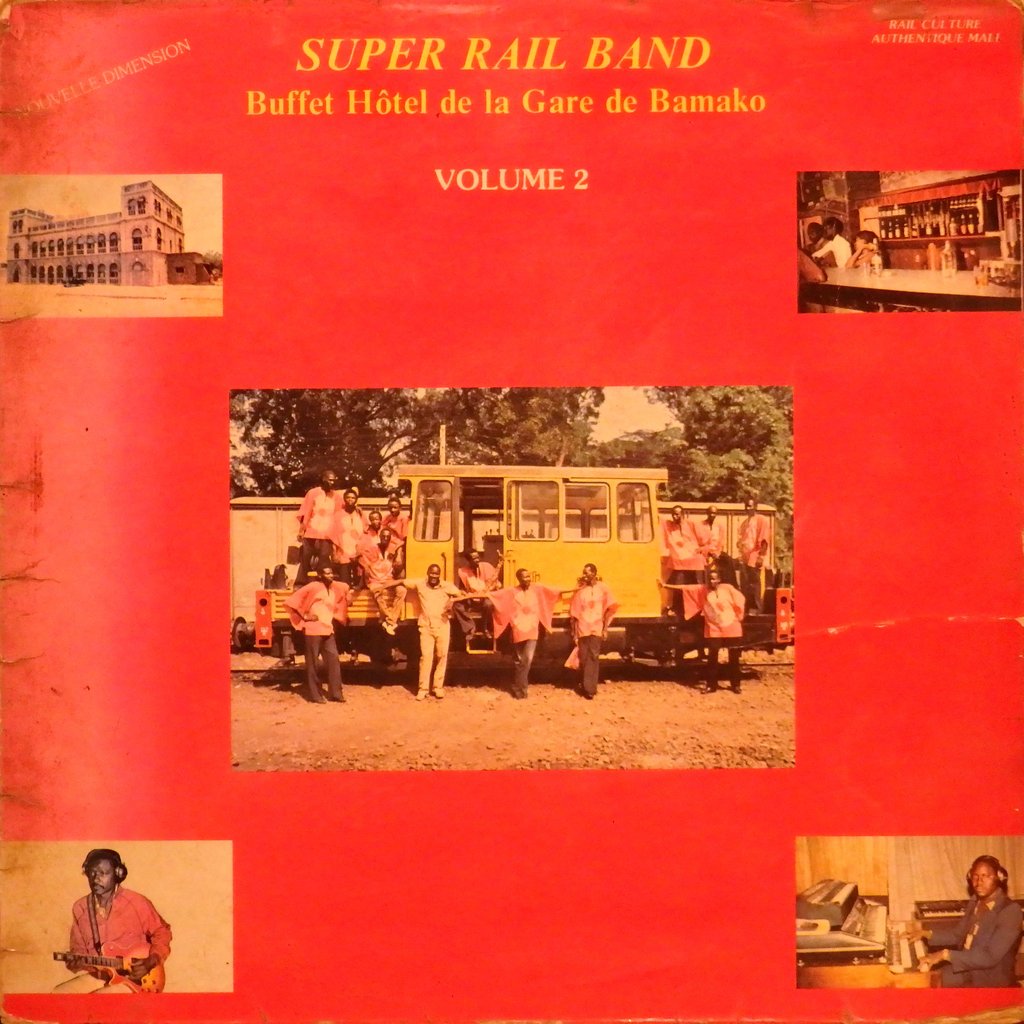
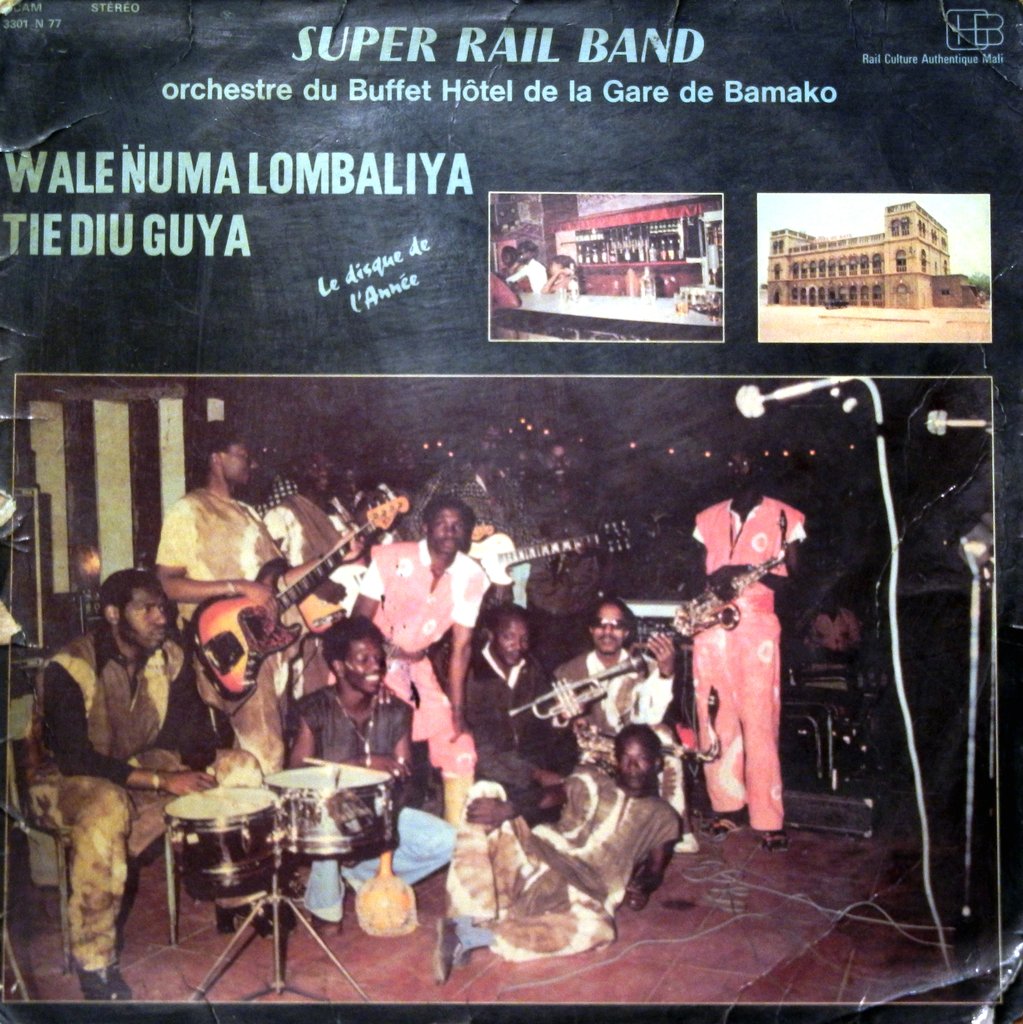
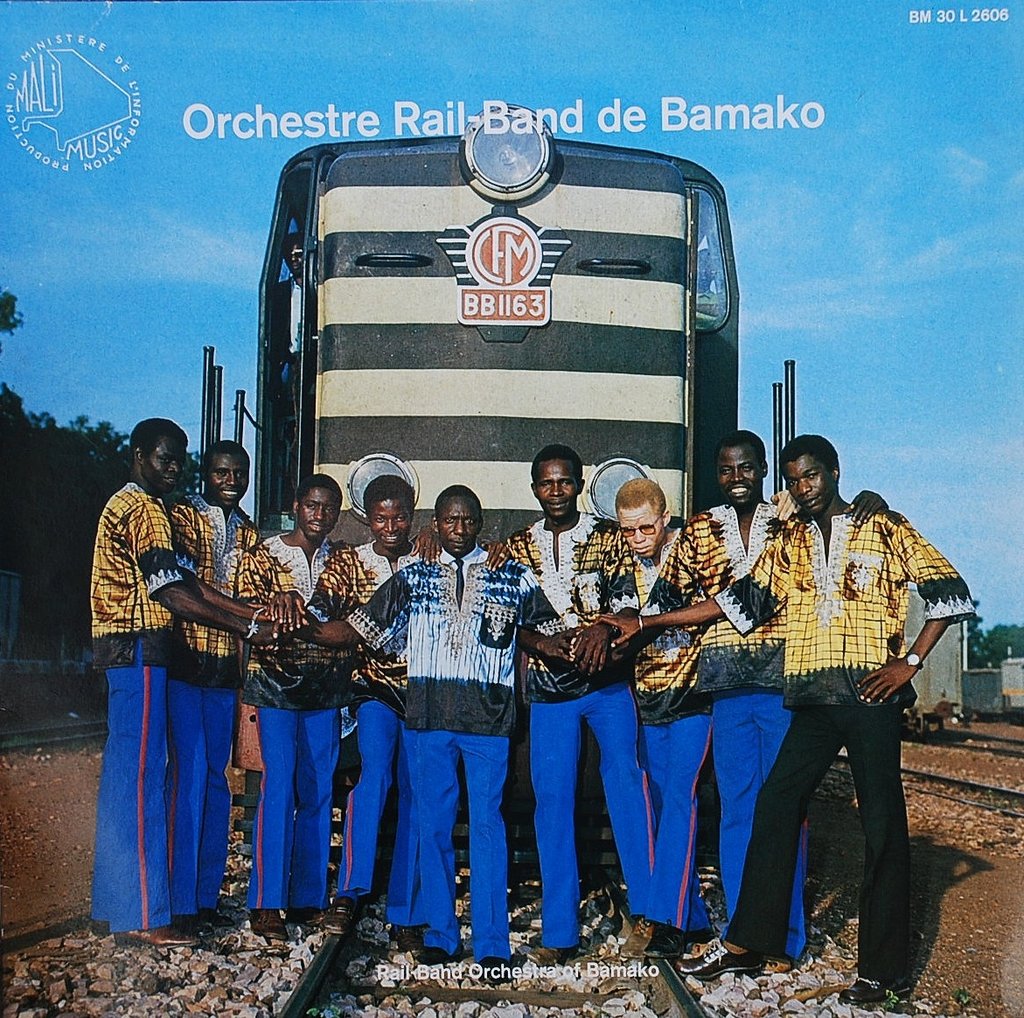
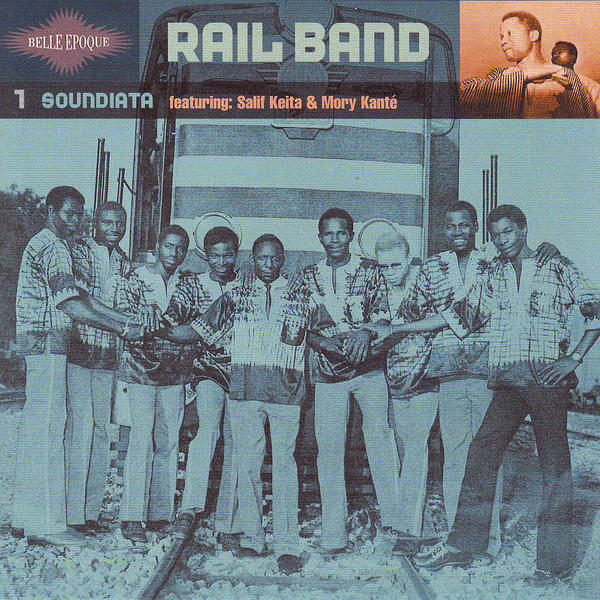
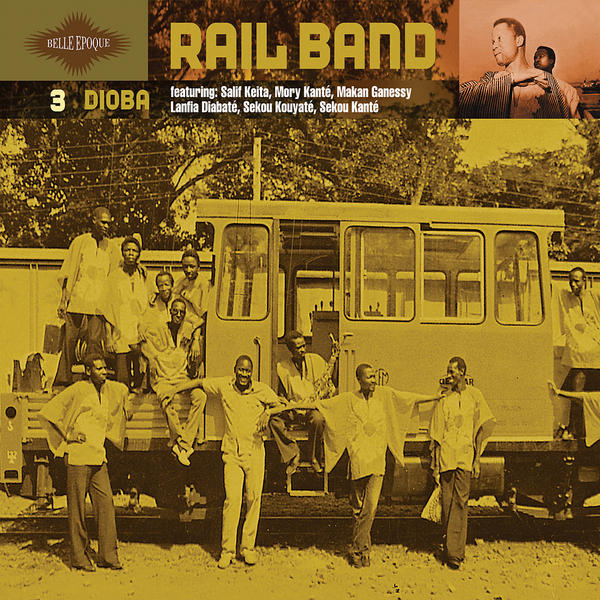
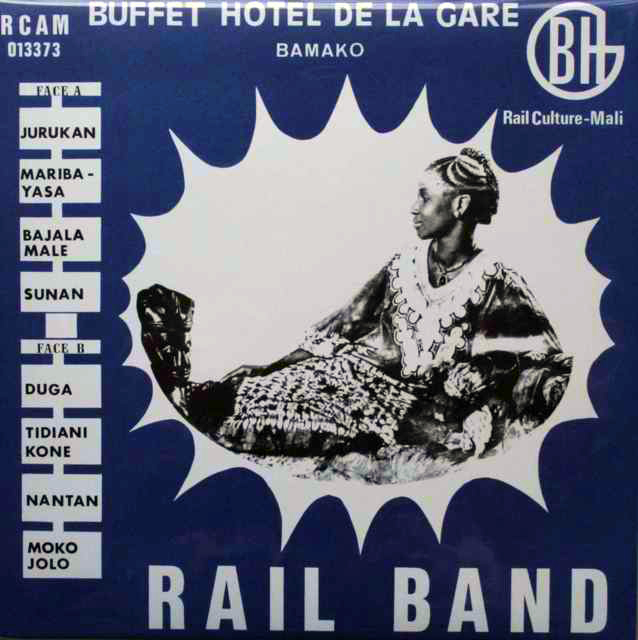
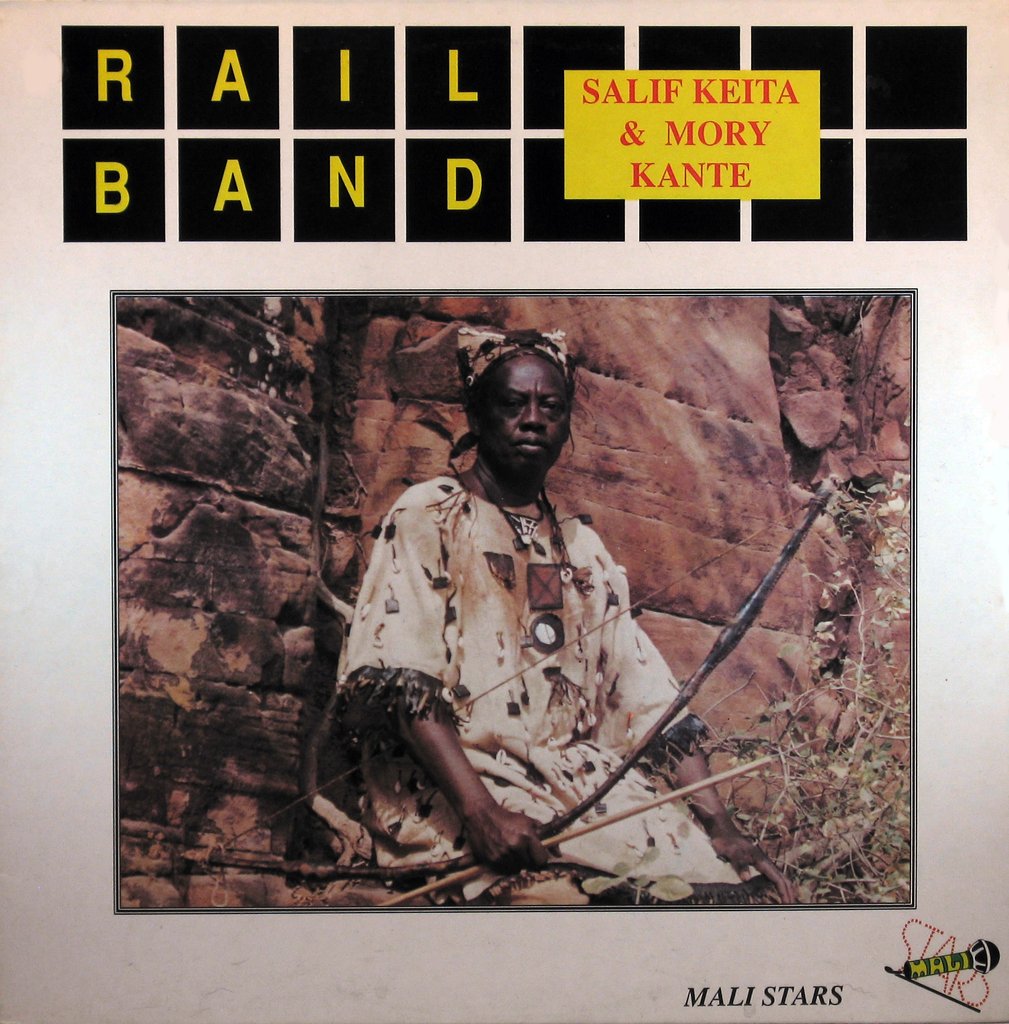
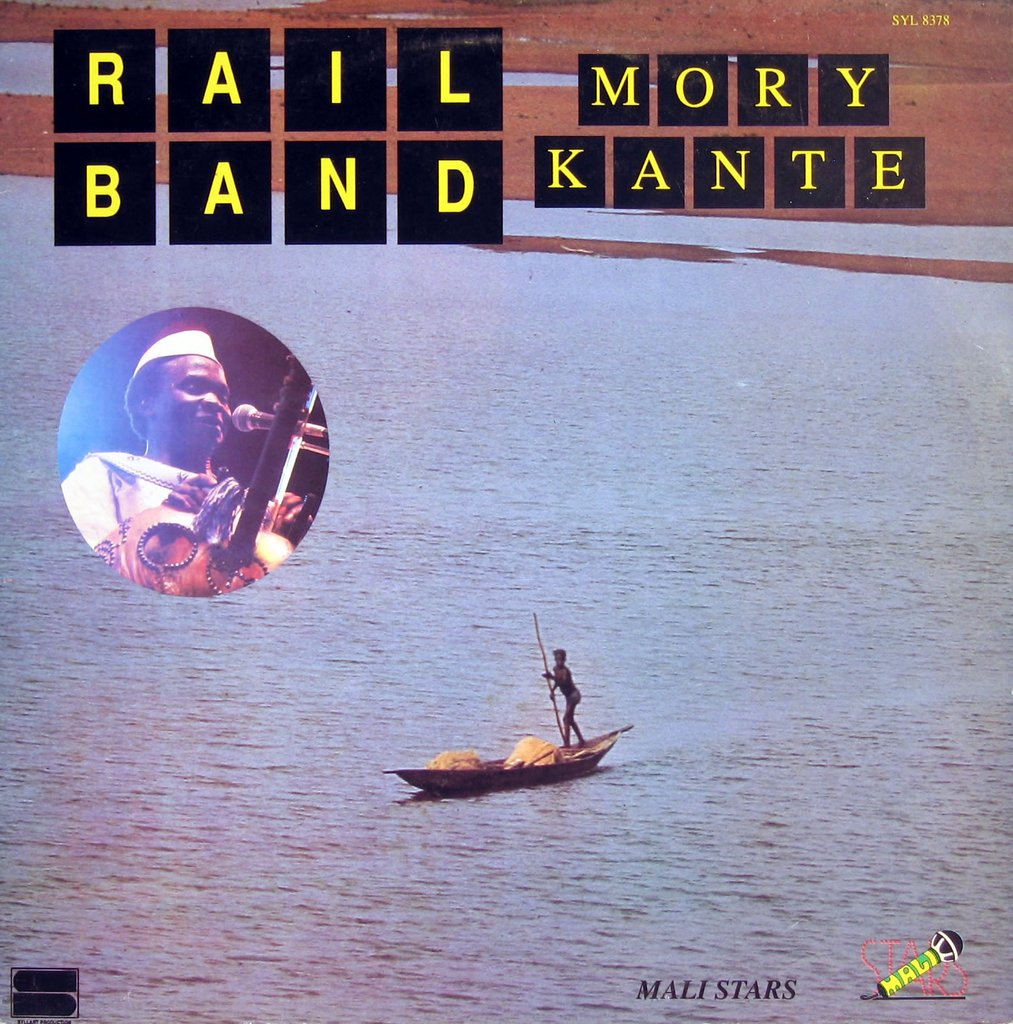
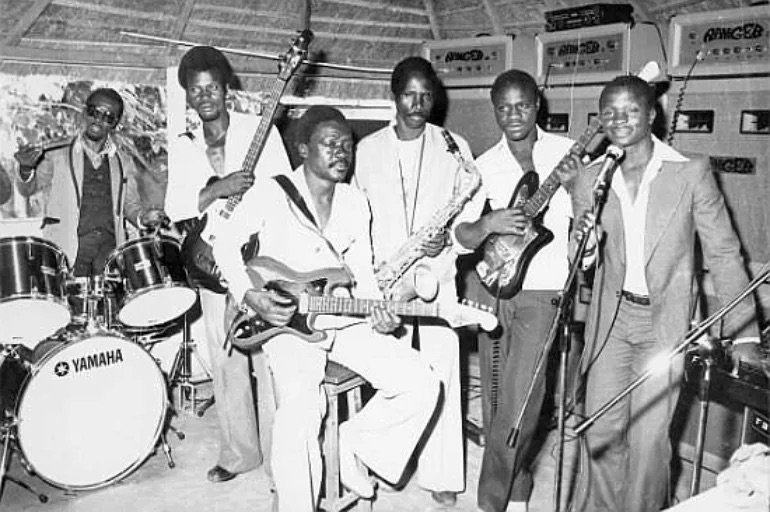
Before the tiled counter of a railway buffet, another Africa was born. In 1970, in the heart of Bamako, the station director imagined a way to enliven the endless waits of travelers coming from Senegal or distant regions of Mali. All that was needed was to mount an orchestra. This simple administrative act gave birth to the Rail Band, which would become one of the most striking artistic forces in West Africa. The group played as the resident orchestra of the Buffet Hôtel de la Gare, which earned them their name.
In Brief
| Name | Super Rail Band de Bamako (Rail Band) |
| Country of Origin | Mali |
| Genre | African Rumba, Mandingue music, Afro-Cuban |
| Period | 1970–present |
| Emblematic Members | Salif Keïta, Mory Kanté, Djelimady Tounkara |
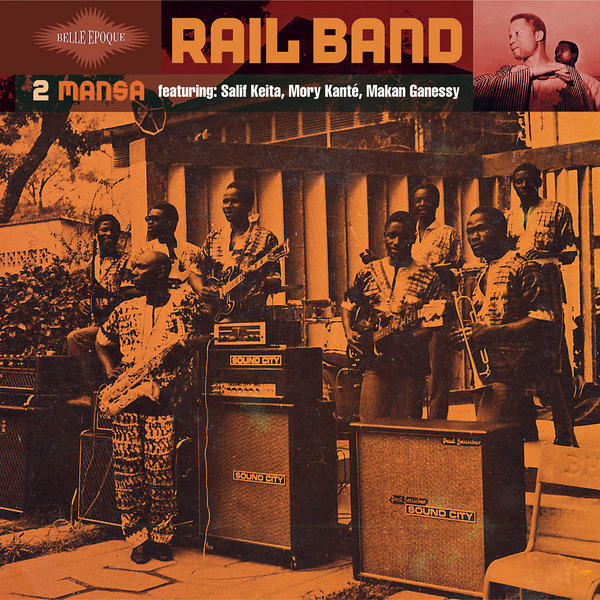
| Notable Albums | Sunjata, Mansa |
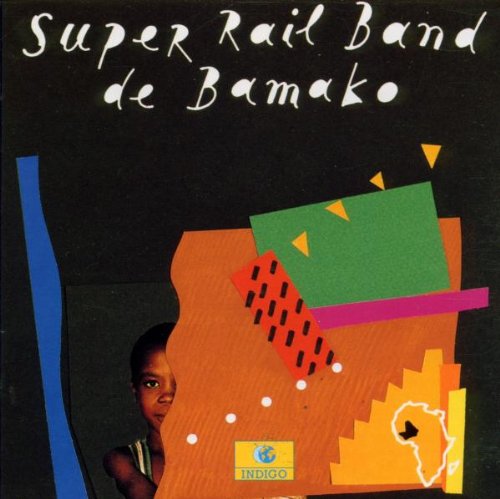
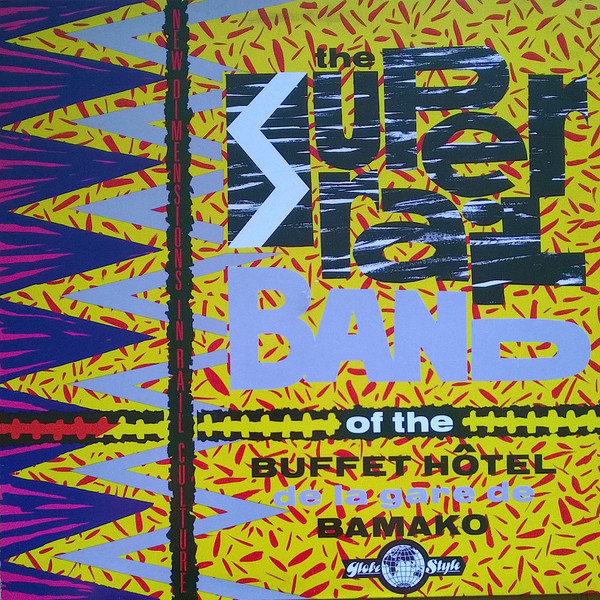
| Labels | Label Bleu, Indigo, Globestyle |
Key Dates
| Year | Event |
|---|---|
| 1970 | Founding of the Rail Band by saxophonist Tidiani Koné at the Bamako station buffet |
| 1970 | Salif Keïta joins the group and becomes lead vocalist |
| 1971 | Djelimady Tounkara joins the ensemble as guitarist; Mory Kanté arrives as balafon player |
| 1972 | Salif Keïta leaves the Rail Band to found Les Ambassadeurs du Motel |
| 1972 | Mory Kanté becomes lead vocalist |
| 1975 | Tour in Nigeria, several studio recordings |
| 1978 | Departure of Tidiani Koné; Mory Kanté also departs for Abidjan |
| 1979 | The group becomes Super Rail Band International |
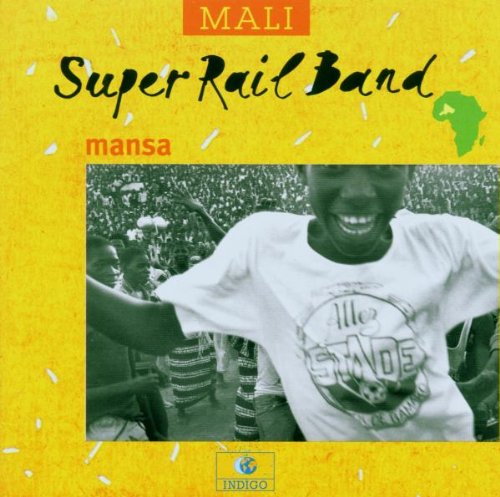
| 1996 | Release of Mansa, an album marking international recognition |
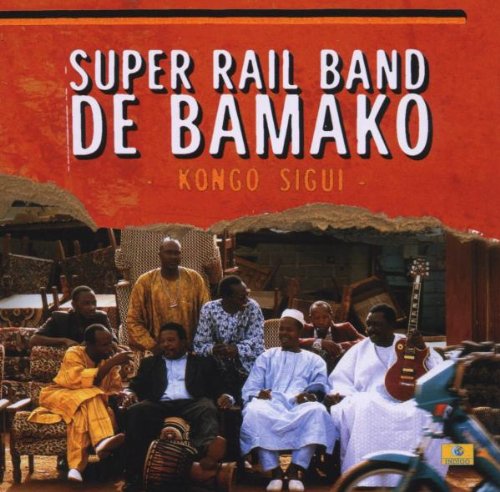
| 2003 | Last known album, Kongo Sigui |
The Riff That Electrified the Mandé
Tidiani Koné, a saxophonist from Orchestre National A — the first to introduce the saxophone into Mandingue music — conceived the Rail Band as a fusion between Congolese rumba, fashionable in African bars at the time, and local musical traditions. The formula appeared simple but brilliant in its consequences: electric guitar and brass instruments dialogue with the balafon, ngoni, kora, and traditional Mandingue rhythms. Bambara chants carry the heritage of griots, these singer-preachers of West African tradition who celebrate the exploits of epic heroes.
Djelimady Tounkara, a guitarist from Kita, is the backbone of the ensemble. Joined in 1971, he developed a personal style, a series of unique tunings that make him one of Africa’s most remarkable guitarists. His fluid and powerful playing alternates between fiery solos and rhythmic lines that make the entire hall dance.
From Sound Kingdoms to World Stages
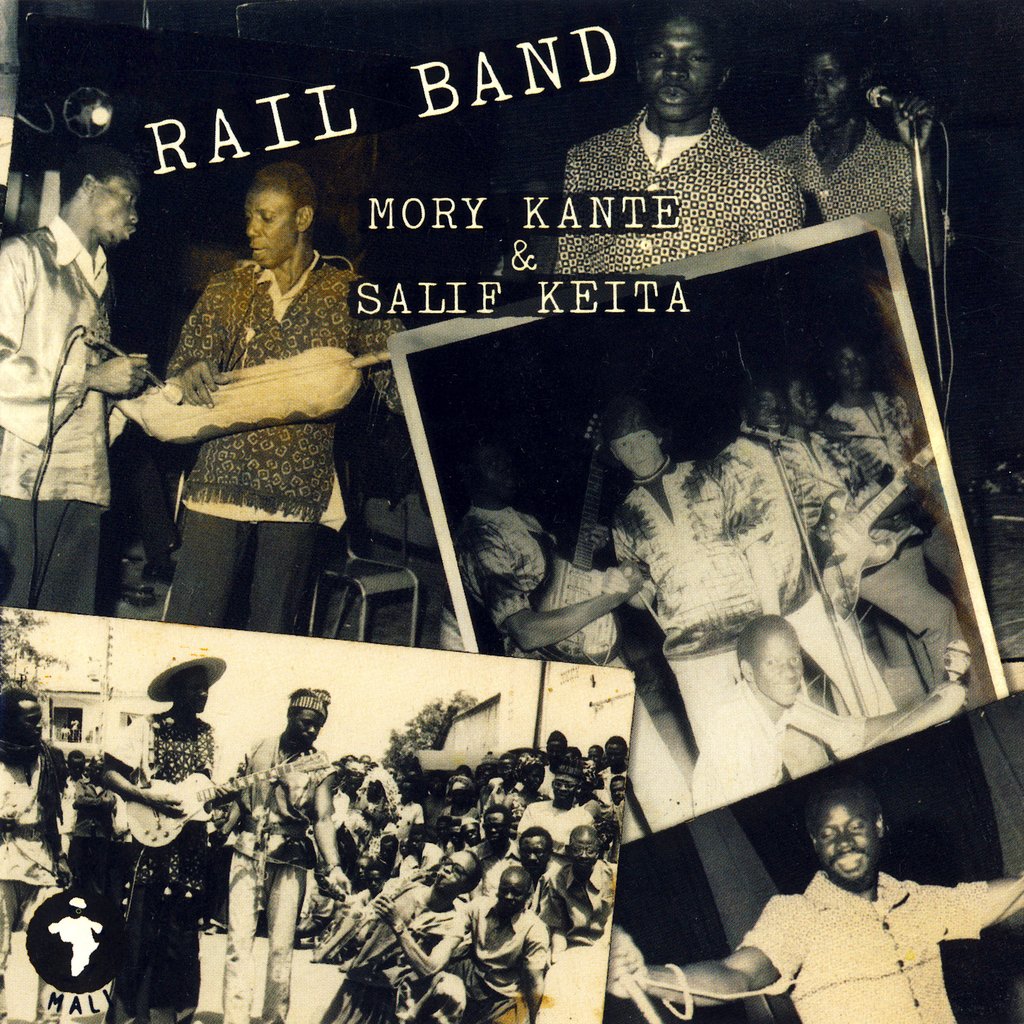
Salif Keïta joined the Rail Band as early as 1970. Of noble blood, he was also albino, a condition that, in the Malian tradition of the time, forbade him from holding the status of griot. On the first night, he sang with his head bowed, hiding his face behind a towel. Quickly, his high and piercing voice established the group as Bamako’s indispensable orchestra. Two years later, he left the Rail Band to join Les Ambassadeurs du Motel, his rival ensemble.
Mory Kanté, then a balafon player and occasional guitarist, took over as lead vocalist. His voice and eclectic compositions — blending Mandingue, funk, and afro-beat — made the Rail Band a traveling group. In 1975, the ensemble went on tour in Nigeria, where Kanté met Fela Kuti and King Sunny Adé. This journey forged the artistic maturity of the Rail Band and its taste for blending styles.
After Tidiani Koné’s departure in 1978 and that of Mory Kanté, the ensemble went through a turbulent period. Deprived of regime support, the musicians lost their status as civil servants. The Rail Band reformed, became Super Rail Band International, then Super Rail Band de Bamako. Djelimady Tounkara became its leader and soul, surrounded by a new generation of singers including Damory Kouyaté and Samba Sissoko. The French label Indigo signed a contract in 1994, paving the way for international recognition.
Essential Discography
| Album | Year | Why It’s Essential |
|---|---|---|
| Sunjata | 1970 | First album dedicated to Emperor Soundiata Keïta; lays the foundations of the Rail Band sound, blending Mandingue epic and modern rhythms |
| Mansa | 1996 | Masterpiece of the ensemble: perfect balance between the classic Rail Band sound and funk and jazz colors, driven by three powerful voices |
| Kongo Sigui | 2003 | Last major studio album; testifies to the group’s ability to remain creative after more than thirty years of career |
Heritage and Influence
The Rail Band shaped the golden generation of Malian music. Salif Keïta and Mory Kanté, both becoming global figures in world music, owe everything to the springboard offered them by the group. But beyond these two names, the orchestra served as a laboratory for the entire Bamako scene: Kante Manfila, Cheick Tidiane Seck, and Lafia Diabaté all toured within this ensemble. Djelimady Tounkara, central figure of the group, collaborated with international musicians like Béla Fleck on the album Throw Down Your Heart and inspired an entire generation of Malian guitarists. Compared to Bembeya Jazz National in Guinea and Orchestra Baobab in Senegal, the Rail Band remains one of the two most influential groups in postcolonial Mali, pioneers of the fusion between traditional sounds and modern styles.
Sources and References
-
Chris Nickson, « Super Rail Band — Biography », AllMusic, https://www.allmusic.com/artist/super-rail-band-mn0000025052, accessed October 19, 2026.
-
« Super Rail Band », Wikipedia, https://fr.wikipedia.org/wiki/Super_Rail_Band, accessed October 19, 2026.
-
« Rail Band », Wikipedia (EN), https://en.wikipedia.org/wiki/Rail_Band, accessed October 19, 2026.
-
Arnaud Robert, « From the Station Buffet to International Stages, Super Rail Band Guides Malian Voices », Le Temps, 22 June 2002, https://www.letemps.ch/culture/buffet-gare-aux-scenes-internationales-super-rail-band-aiguille-voix-maliennes, accessed 19 October 2026.
-
« Artist Profiles: Mory Kanté », World Music Central, https://worldmusiccentral.org/artist-profiles-mory-kante, accessed 19 October 2026.
-
Frank Bessem, « Super Rail Band », Musiques d’Afrique, https://musiques-afrique.net/mali/art_railband.html, accessed 19 October 2026.
-
« Mali’s orchestras from the 1960s to the 1980s », Music In Africa, https://www.musicinafrica.net/fr/node/14731, accessed 19 October 2026.
-
« Super Rail Band: Mansa », AllMusic, https://allmusic.com/album/mansa-mw0000588330, accessed 19 October 2026.
-
« Rail Band 2: Mansa », AllAboutJazz, https://allaboutjazz.com/balla-et-ses-balladins-issa-bagayogo-rail-band-electric-roots-at-their-best-and-worst-by-chris-may, accessed 19 October 2026.
-
Djelimady Tounkara, « Biography », BBC Radio 3, https://www.bbc.co.uk/radio3/worldmusic/djelimady-tounkara, accessed 19 October 2026.