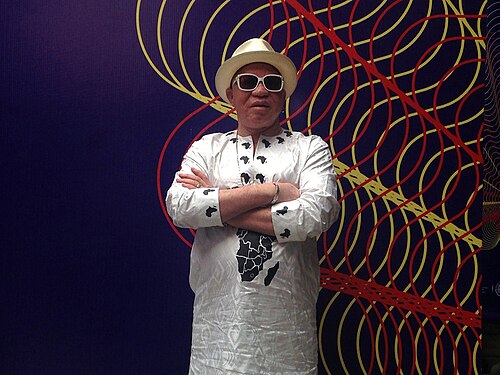
Biography
Salif Keïta: the golden voice forged in adversity
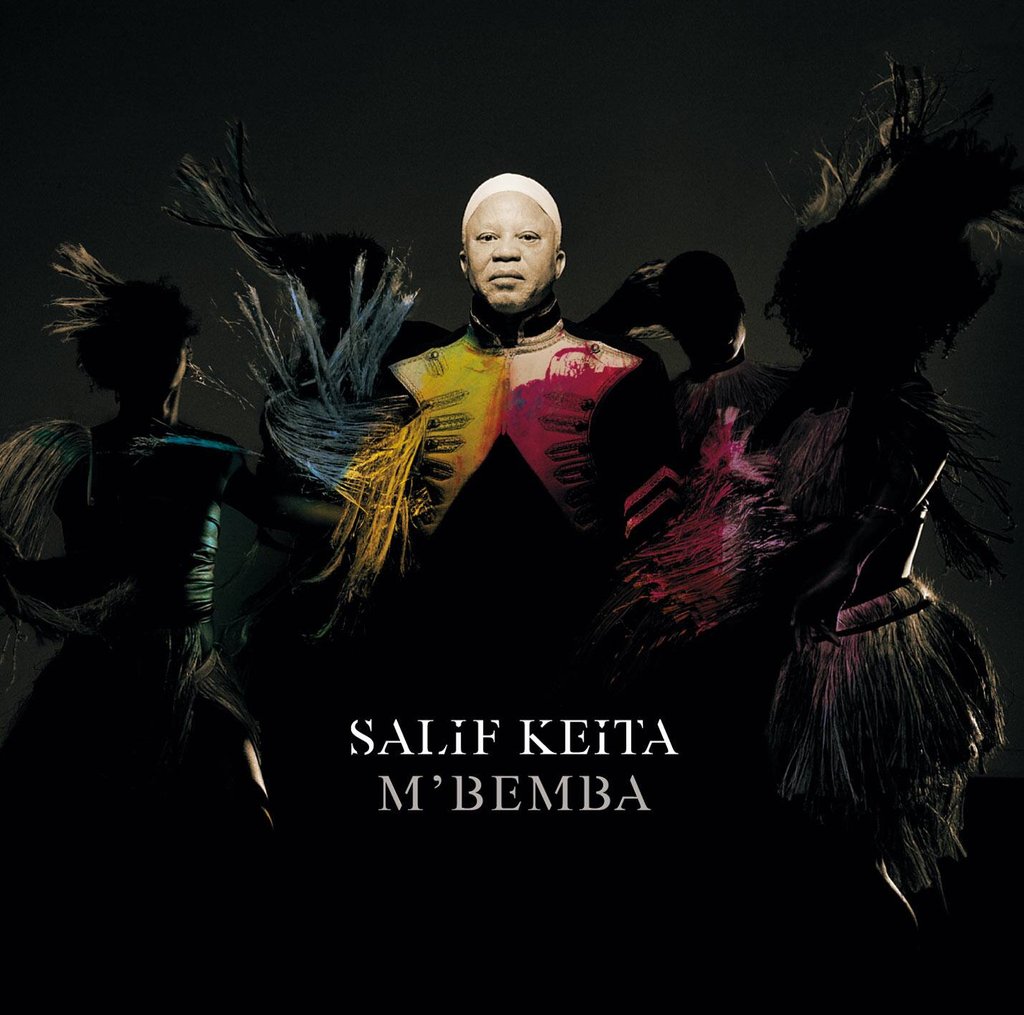
In the summer of 1988, at Wembley Stadium, before 600 million viewers, a voice from beyond the Nile rose above Western orchestras. Salif Keïta, Malian albino and son of princes, sang for the liberation of Nelson Mandela. An outcast from Djoliba became one of the most iconic sounds in world music.
In brief
| Full name | Salif Keïta |
| Birth | August 25, 1949, Djoliba, Mali |
| Genre | Afro-pop, Mandingue music, world beat |
| Iconic works | Soro (1987), Amen (1991), La Différence (2009) |
| Awards | Victoire de la Musique 2010; two Grammy Award nominations |
Key dates
| Year | Event |
|---|---|
| 1949 | Birth in Djoliba into the royal Keïta family, descendants of Sundiata |
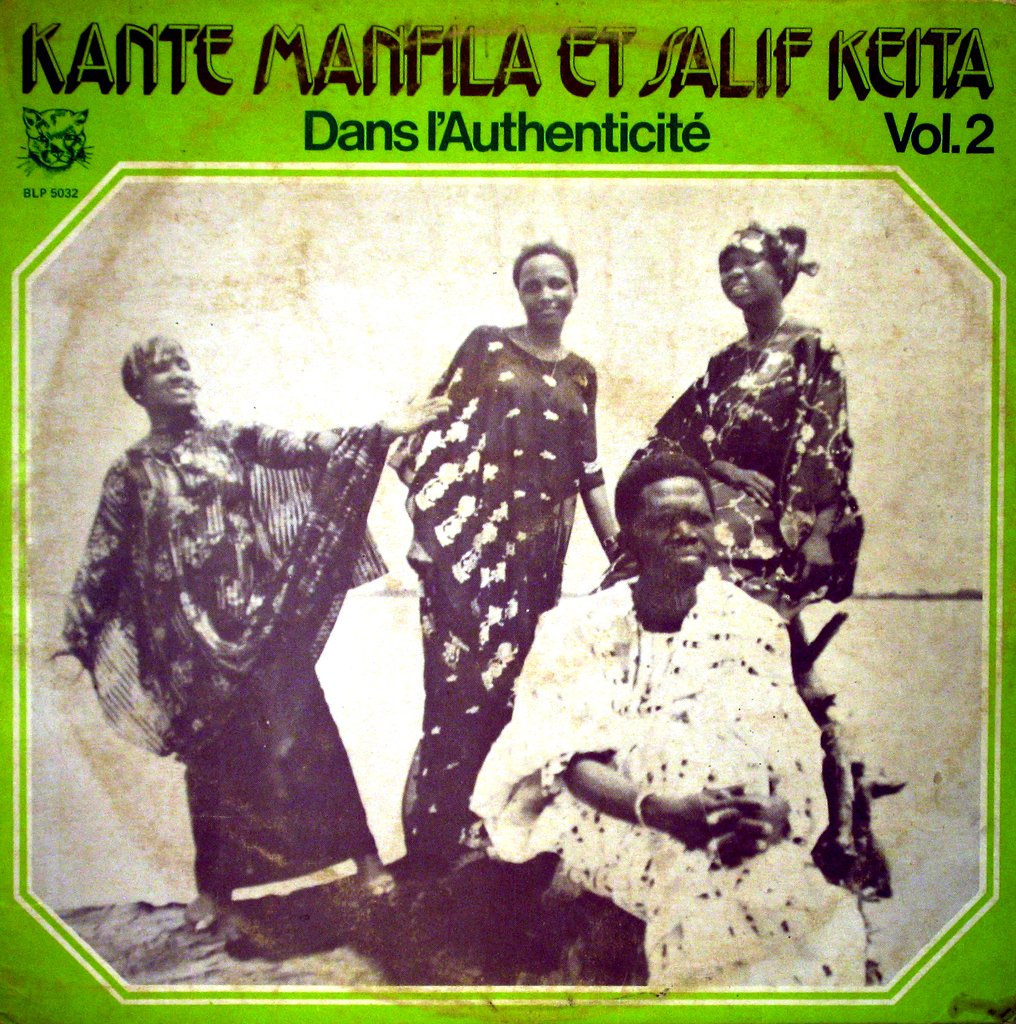
| 1967 | Move to Bamako; joins the Rail Band |
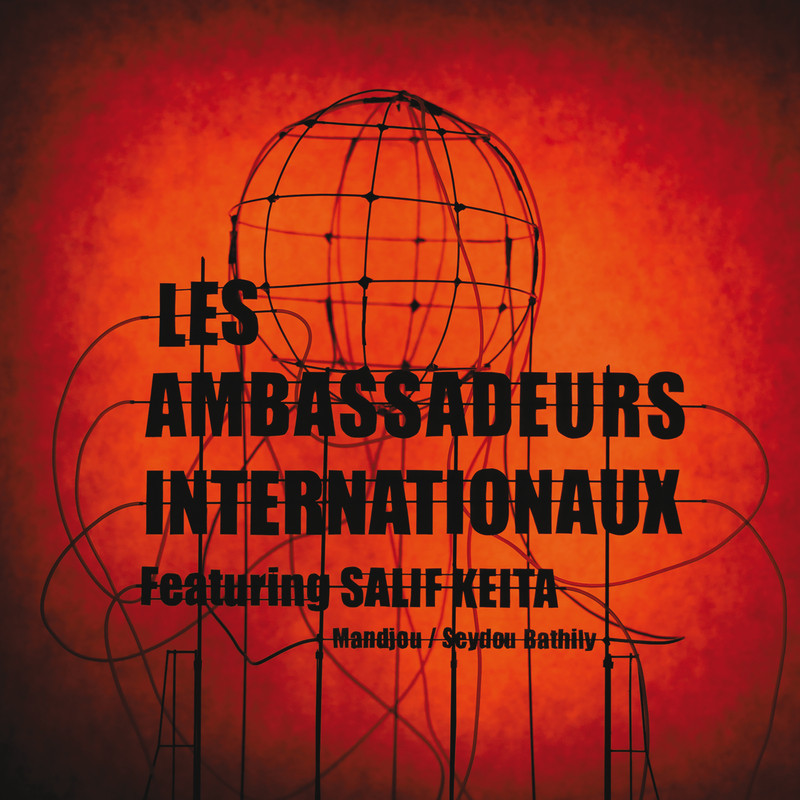
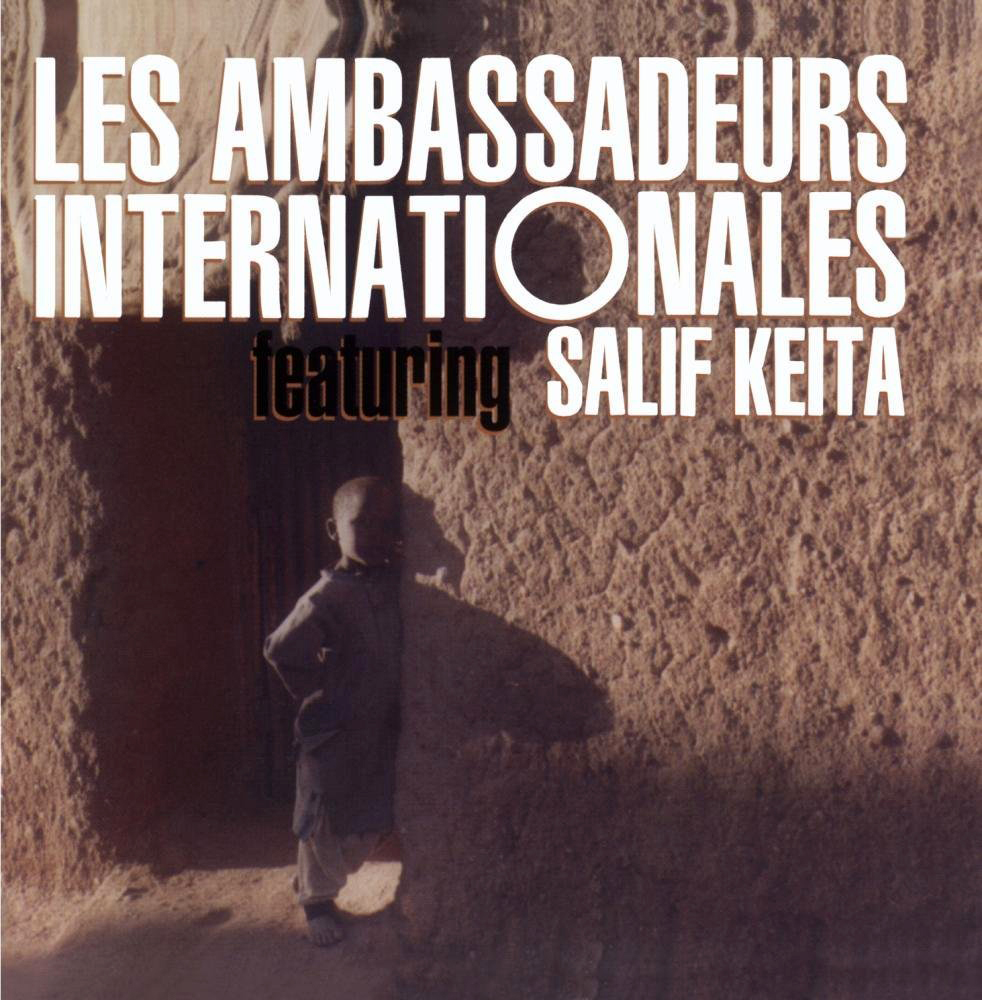
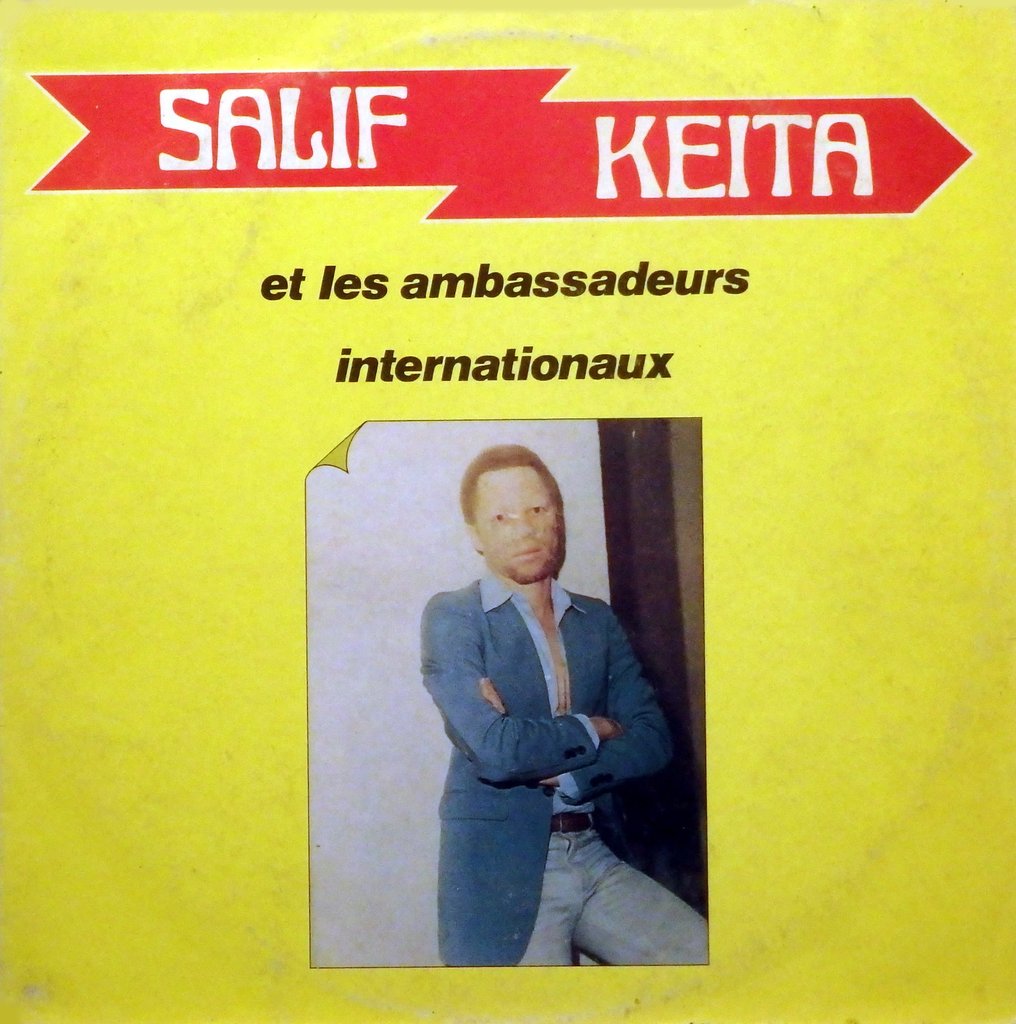
| 1973 | Co-founding of Les Ambassadeurs Internationaux in Abidjan |
| 1987 | Release of Soro, first international solo album |
| 1991 | Amen, praised by critics; Grammy Award nomination |
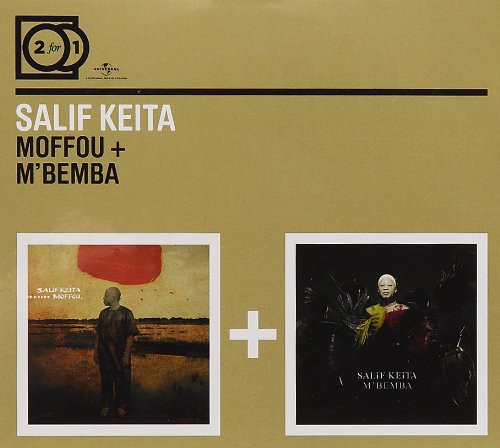
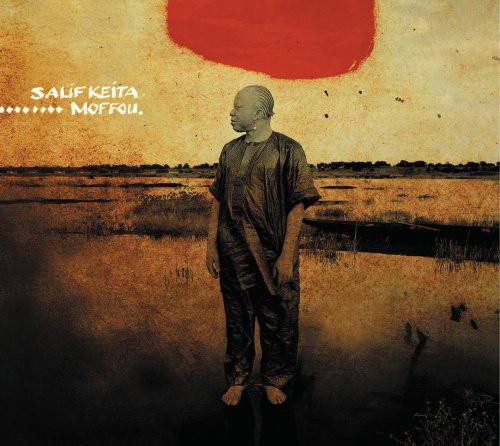
| 2002 | Moffou, acclaimed; return to Bamako |
| 2005 | Creation of the Salif Keïta Global Foundation against albino discrimination |
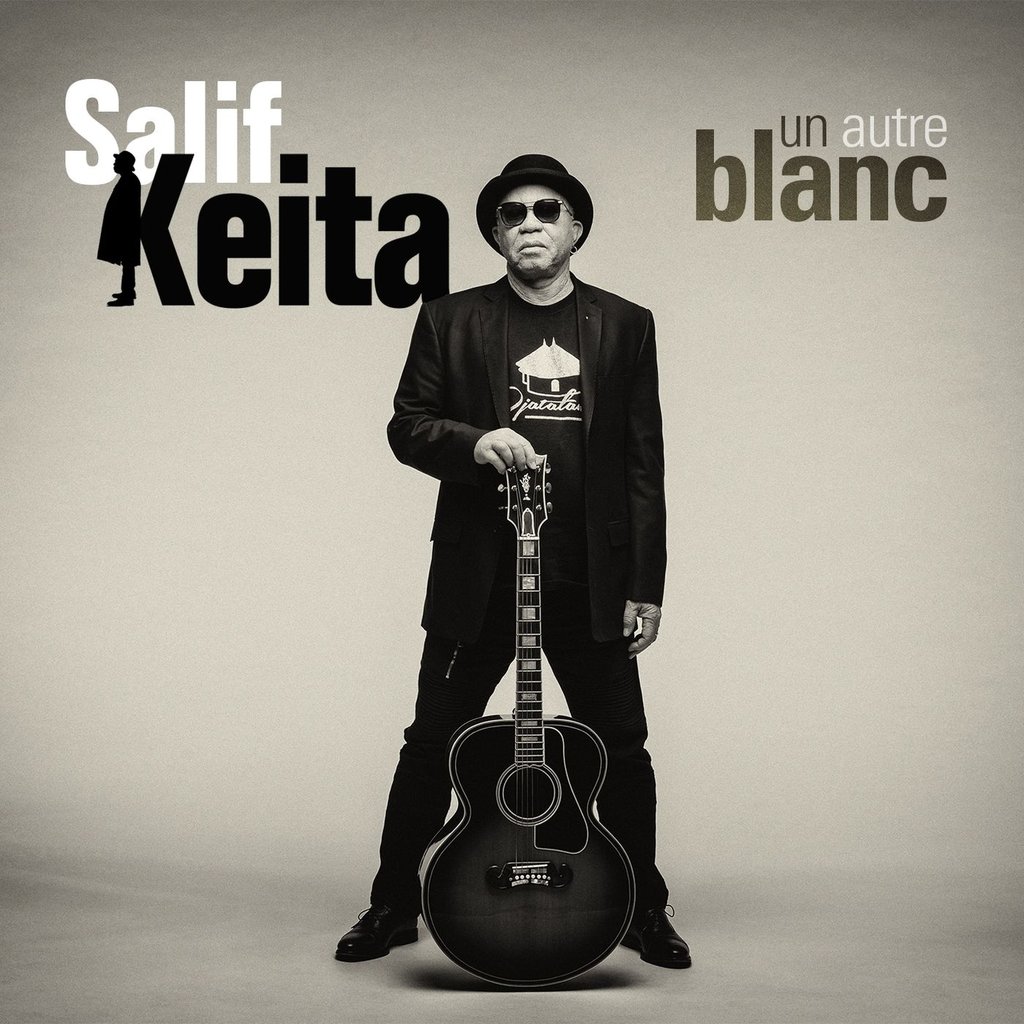
| 2018 | Un Autre Blanc, final album; retirement announcement |
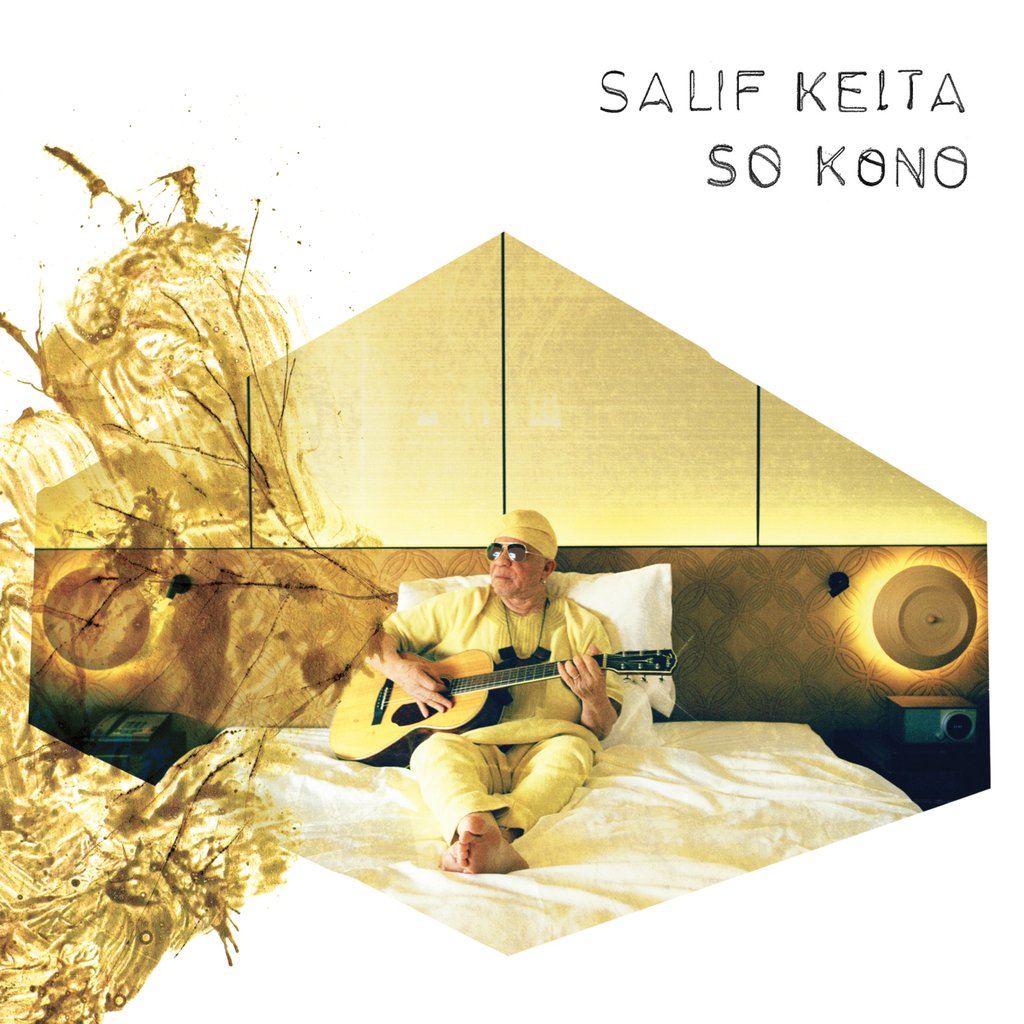
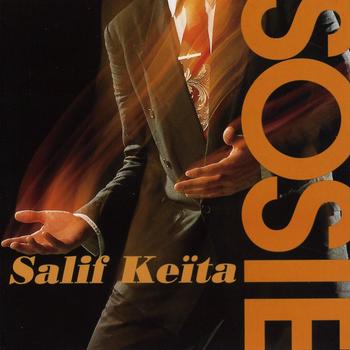
| 2025 | Return with So Kono |
From outcast to glory: a destiny through music
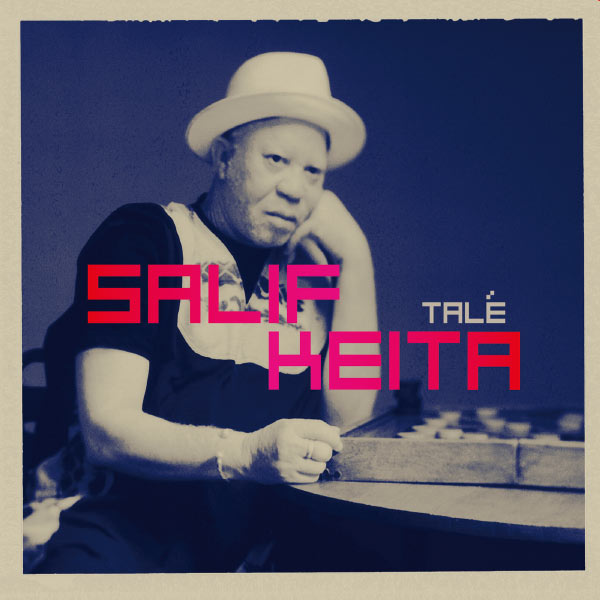
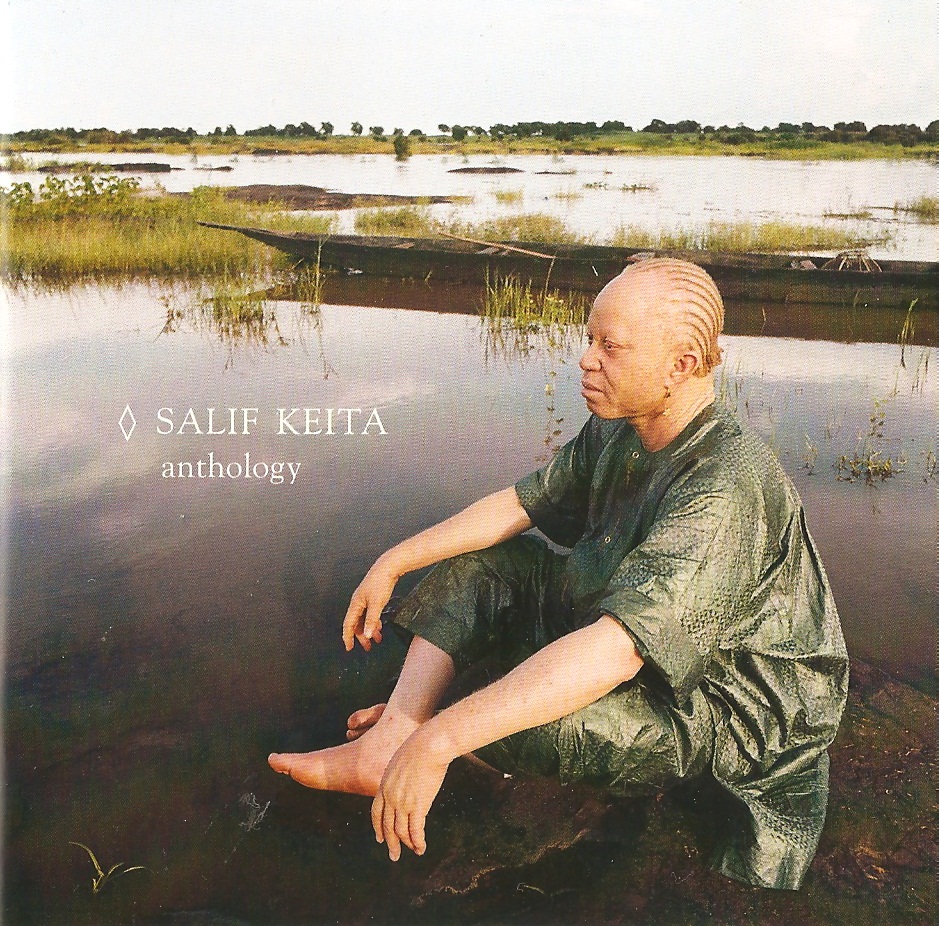
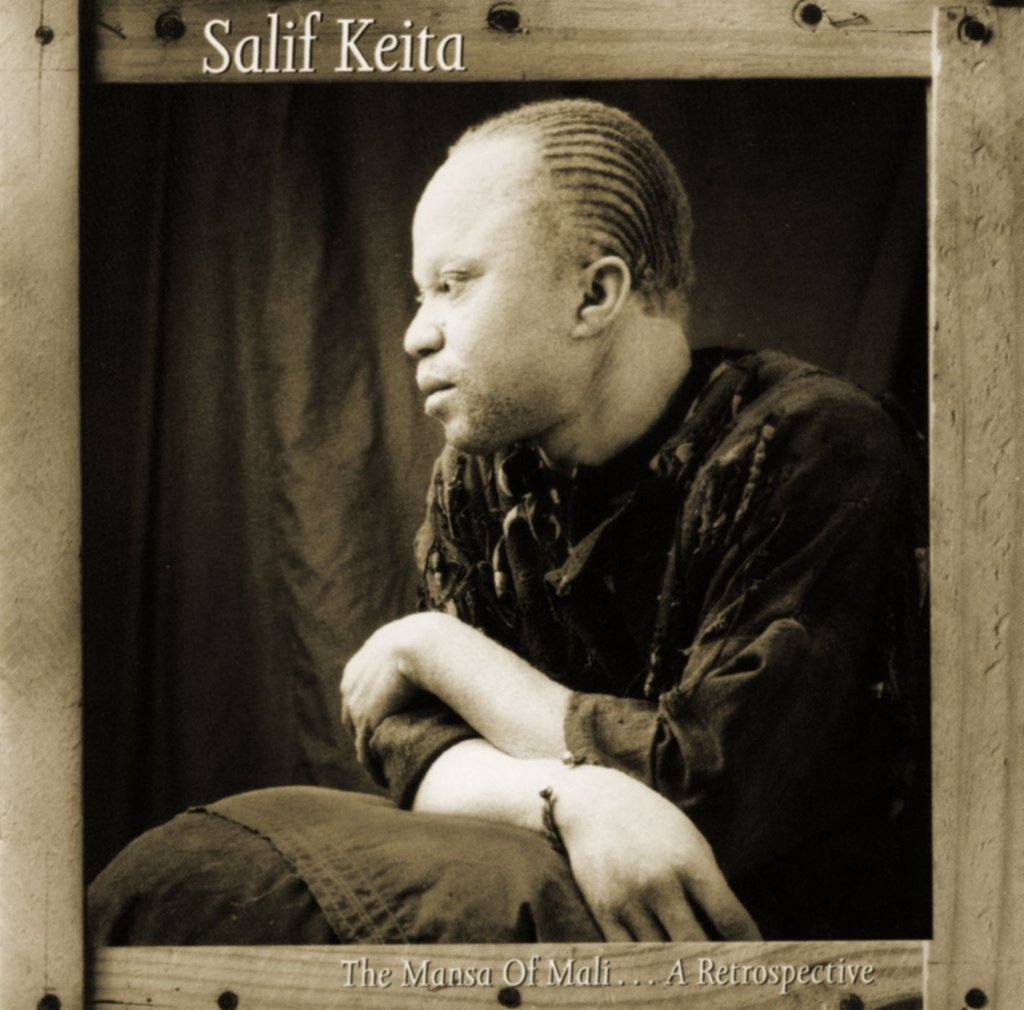
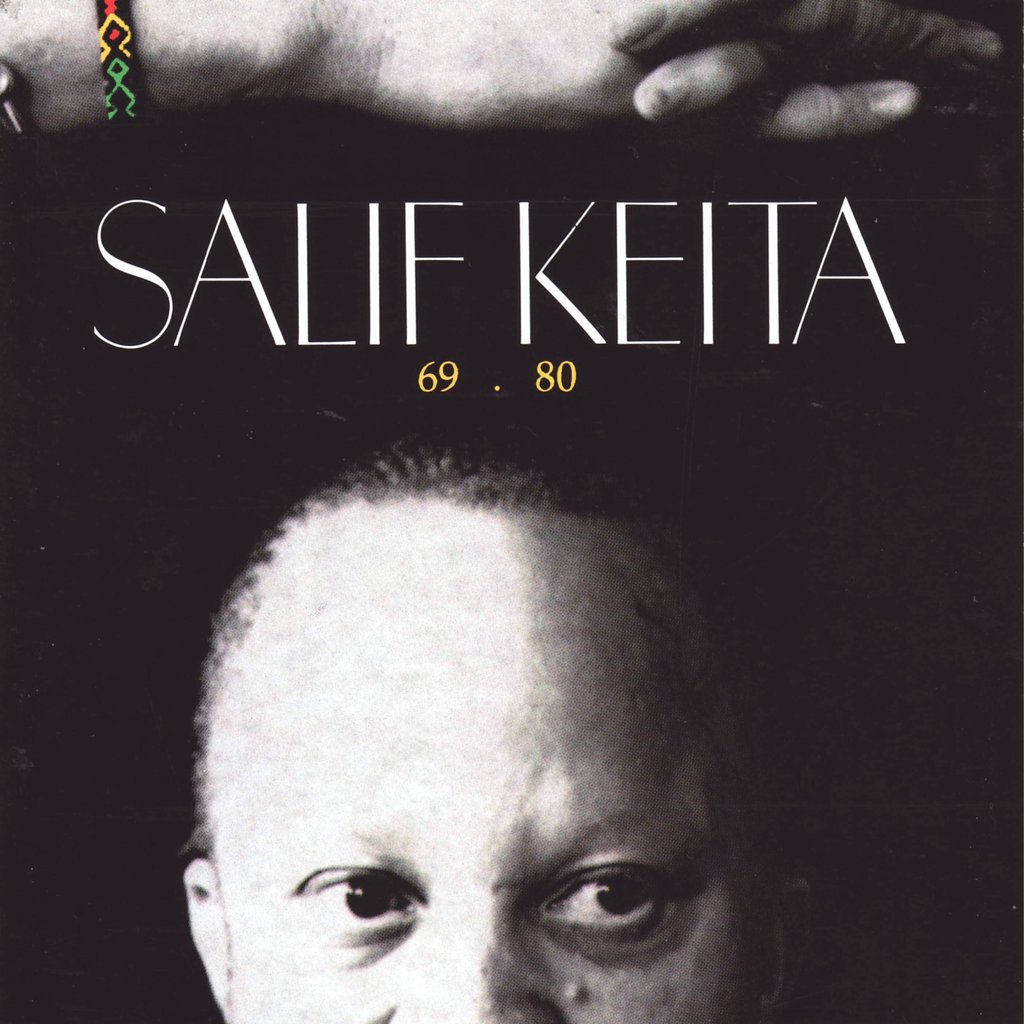
Salif Keïta was born on August 25, 1949, in Djoliba, Mali. He belonged to the royal Keïta family, heirs of Sundiata Keïta, founder of the Mali Empire in the 13th century. But his life turned upside down from birth: he was born albino. In Mandingue culture, albinism is seen as a bad omen. His own family rejected him; his father considered him an ill omen. Later, he would define his identity: “I am white of skin and black of blood,” he declared to the Guardian in 2019.
A good student, he was denied the teaching profession—his pale skin “would scare students,” according to the school doctor. He dreamed of teaching, but society refused him. “I didn’t want to be a musician. I come from a noble family. In Mali, nobles don’t make music—that’s the role of griots,” he confessed to the Guardian in 2019. “I could have been a musician or become a thief, a bandit.”
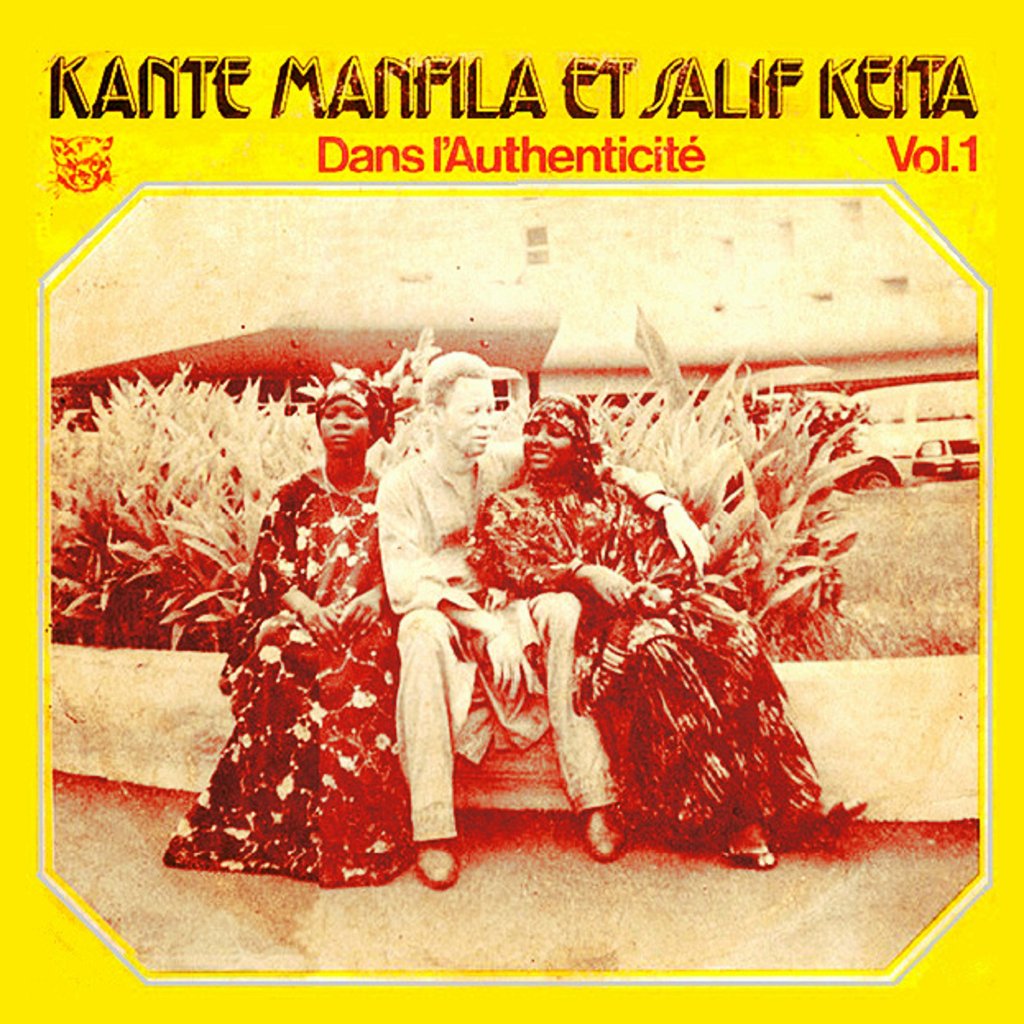
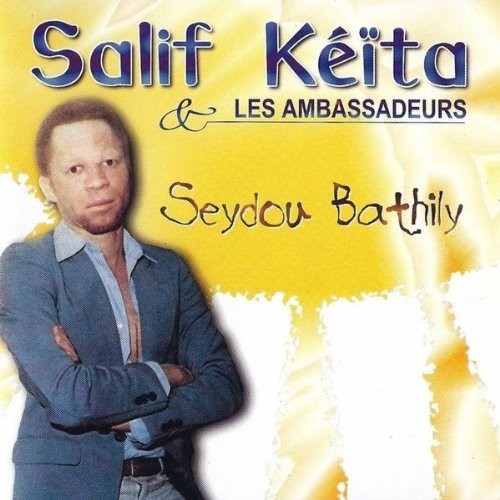
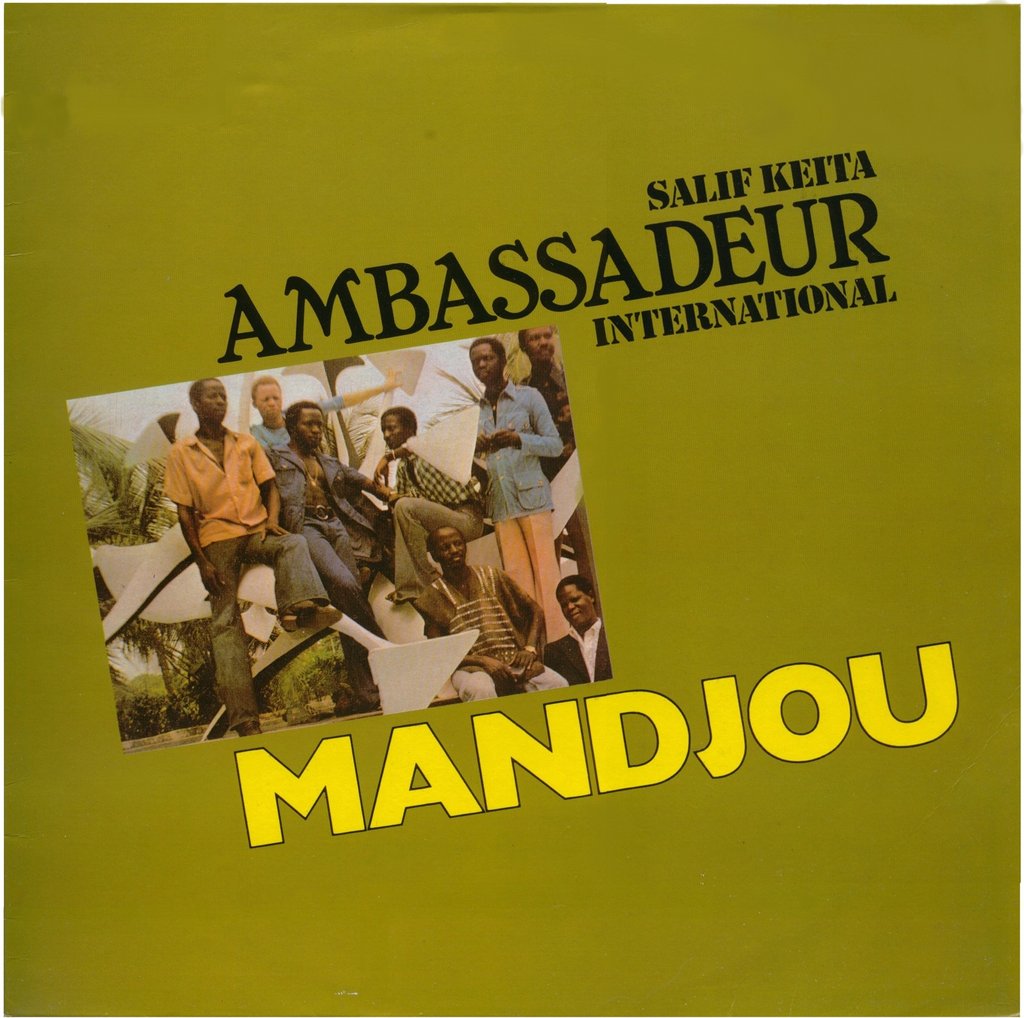
At 18, he left Djoliba for Bamako. He sang in the café-restaurants of the capital, first with the Rail Band, the official group of the Malian railway. His powerful voice raised the band to a higher level. In 1973, facing political unrest, he went into exile in Abidjan and founded Les Ambassadeurs Internationaux. The group became a phenomenon in West Africa. In 1977, Guinean President Sékou Touré awarded him the National Order. Keïta composed Mandjou, a tribute that became a classic.
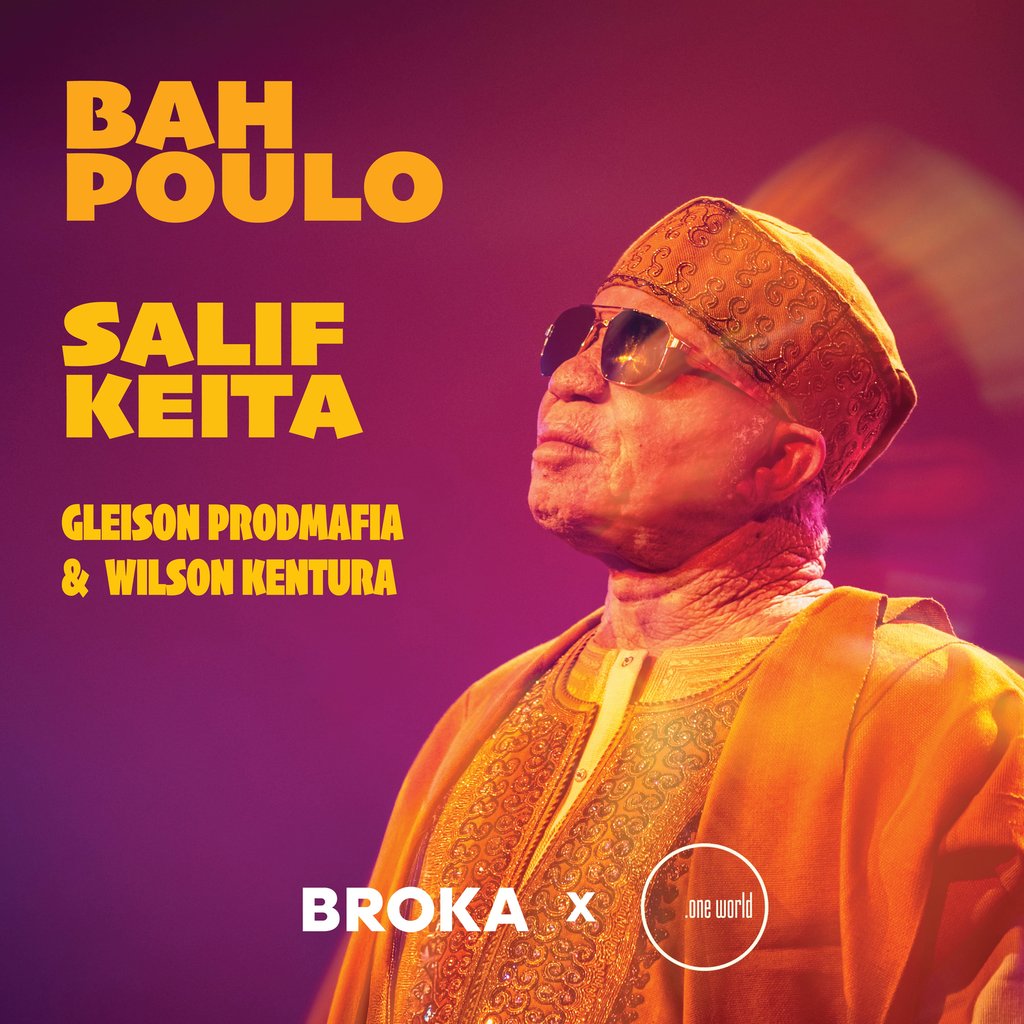
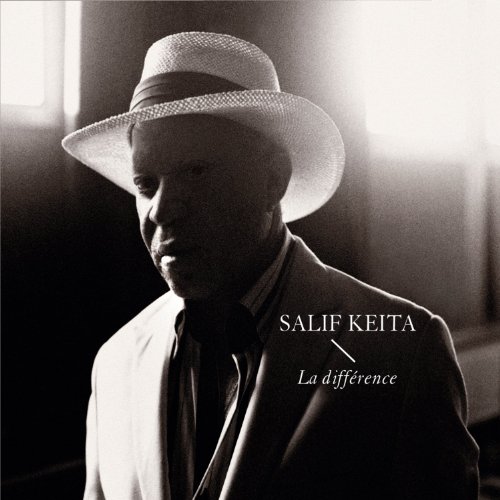
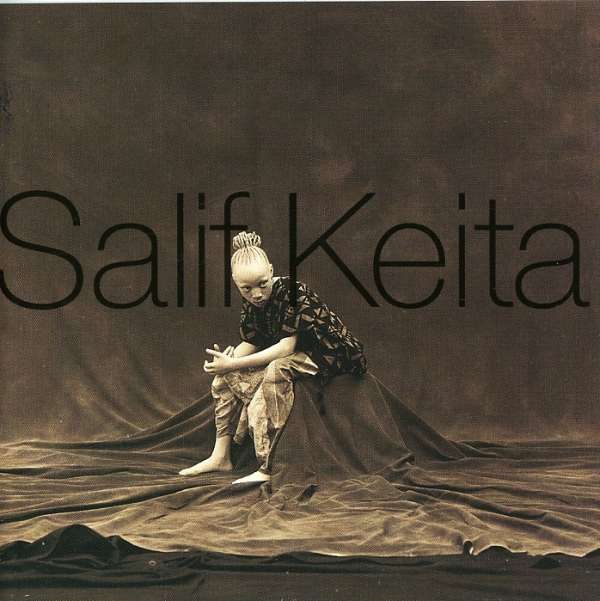
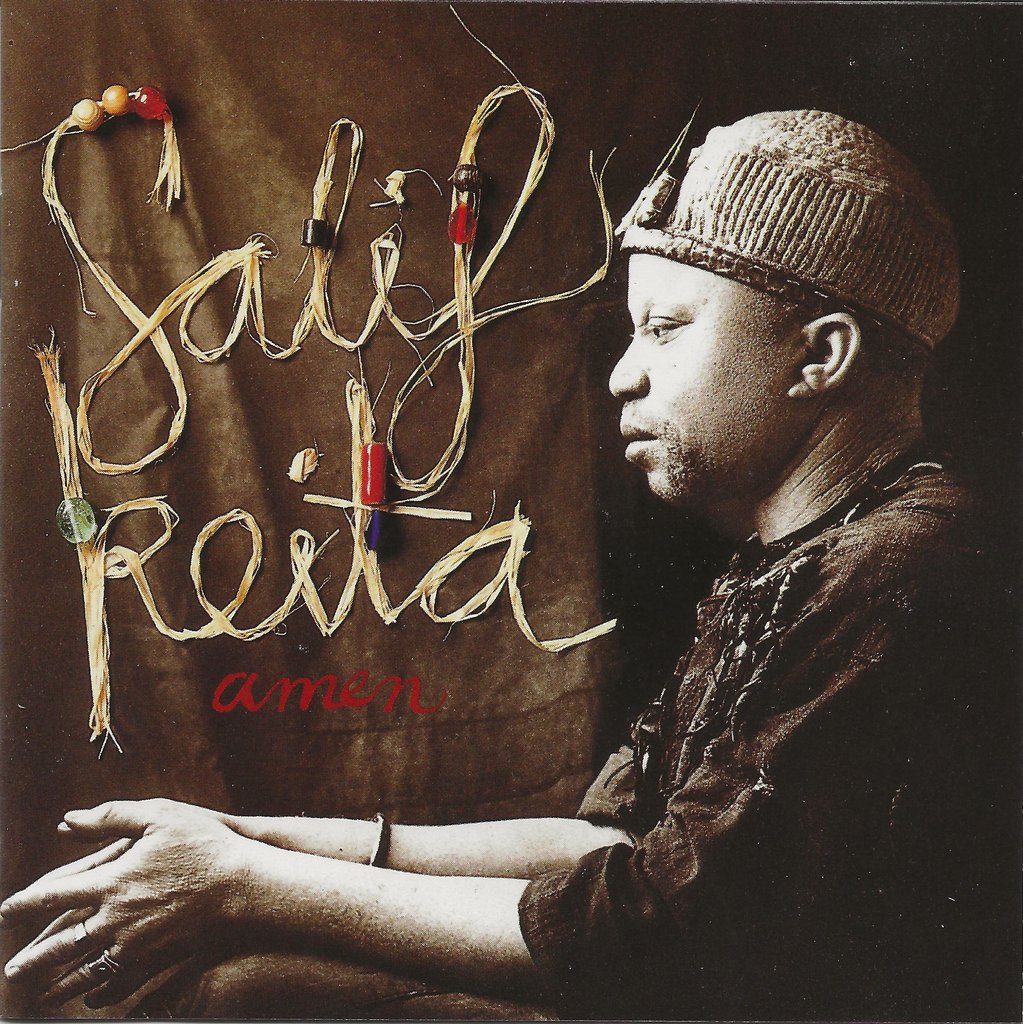
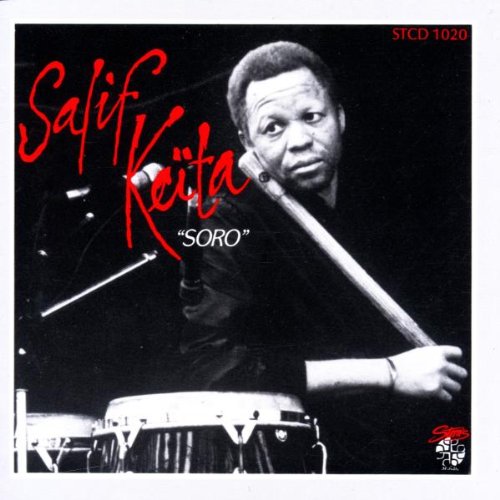
In 1984, he settled in Paris to conquer an international audience. Soro (1987), produced by Ibrahima Sylla, was a shock: Mandingue rhythms, hunting chants, guitars, organ, saxophone. His sonic signature—voice, guitar, balafon, kora, synthesizer—became established. The following year, he sang at the Wembley concert for Nelson Mandela before 600 million viewers. Amen (1991), with Wayne Shorter and Carlos Santana, earned him a Grammy nomination. La Différence (2009), dedicated to the fight against albino discrimination, won the Victoire de la Musique in 2010. In November 2018, at Fana in Mali, he announced his retirement from recording. Un Autre Blanc would be his final album. But music called him back: So Kono was released in April 2025, acoustic and stripped down, proof that the golden voice had lost some power without losing emotion.
Major works
| Work | Year | Why it’s essential |
|---|---|---|
| Soro | 1987 | Inaugural solo album: bold fusion of Mandingue, jazz, funk and pop |
| Amen | 1991 | Crossover with Wayne Shorter, Carlos Santana and Joe Zawinul |
| La Différence | 2009 | Humanist hymn against albino discrimination; Victoire de la Musique |
| Un Autre Blanc | 2018 | Intimate meditation on identity and albinism |
Legacy and influence
Salif Keïta is the pioneer of global afro-pop. More than half a century of career has made him a bridge between traditional Mandingue music and Western pop, jazz and R&B sounds. His fight for albinos transformed a local stigmatization into an international human rights issue. African musicians who followed him, from Ali Farka Touré to Amadou & Mariam, owe part of their legitimacy on the world stage to him.
Sources and references
- “Salif Keita | Biography, Music, & Facts”, Britannica, https://britannica.com/biography/Salif-Keita-Malian-singer-songwriter, accessed October 19, 2025.
- “Salif Keïta”, Wikipedia, https://en.wikipedia.org/wiki/Salif_Keita, accessed October 19, 2025.
- “Salif Keita — Biography, Discography, Albums & Expert Reviews”, AllMusic, https://allmusic.com/artist/salif-keita-mn0000832281, accessed October 19, 2025.
- “How African musician Salif Keita went from social outcast to international superstar”, PBS NewsHour, https://www.pbs.org/newshour/show/african-musician-salif-keita-went-social-outcast-international-superstar, accessed October 19, 2025.
- “Salif Keita: ‘Democracy is not a good thing for Africa’”, The Guardian, https://www.theguardian.com/music/2019/feb/06/salif-keita-interview-democracy-is-a-not-a-good-thing-for-africa, accessed October 19, 2025.
- “Salif Keita - Biography”, Amoeba Music, https://amoeba.com/salif-keita/artist/118088/bio, accessed October 19, 2025.