Biography
Ali Farka Touré: The Man Who Connected Niger to the Mississippi Delta
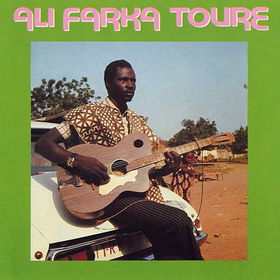
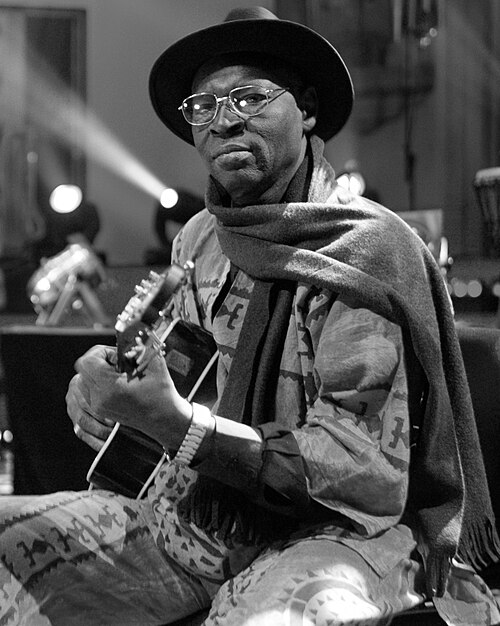
In 1968, in Sofia, a young Malian sent to represent his country at an international festival found himself standing before a record store. He put John Lee Hooker on the turntable for the first time and immediately realized that this music was a distant echo, transported from the other side of the ocean. This revelation gave birth to desert blues — a current where guitar riffs are woven with the Songhay traditions of Mali — and made Ali Farka Touré one of the greatest African guitarists of the 20th century.
In Brief
| Full name | Ali Ibrahim Touré |
| Birth | October 31, 1939, Kanau, Tombouctou region, Mali |
| Death | March 6, 2006, Bamako, Mali |
| Fields | Desert blues, Malian music, world music |
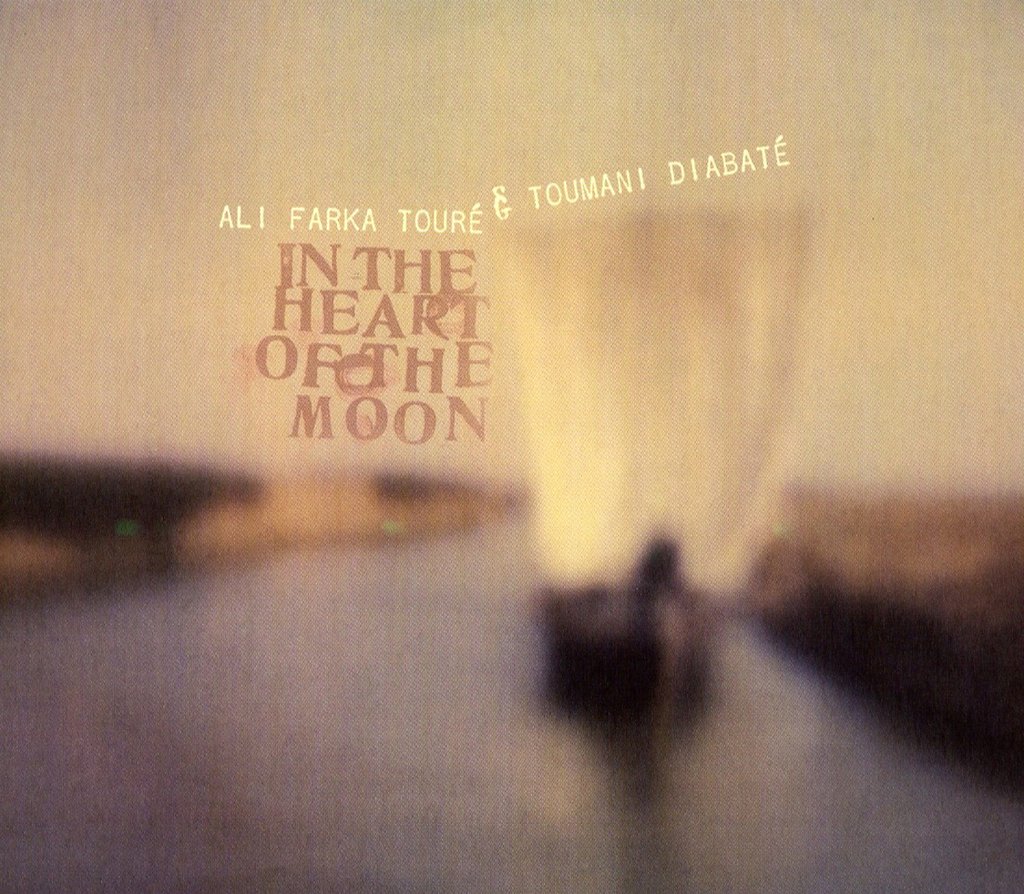
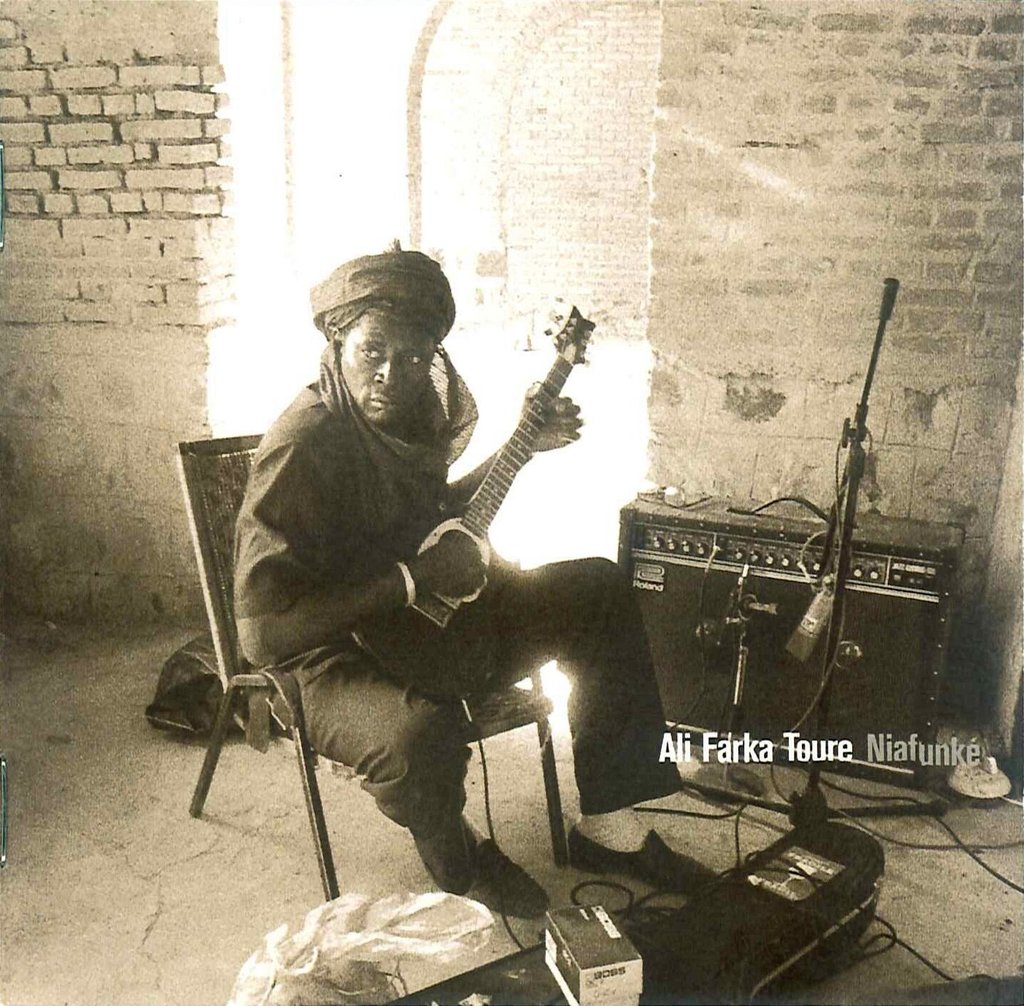
| Signature works | Talking Timbuktu, Niafunké, In the Heart of the Moon |
| Awards | 3 Grammy Awards, Rolling Stone #76 in the list of greatest guitarists |
Key Dates
| Year | Event |
|---|---|
| 1939 | Birth in Kanau, a riverside village on the Niger |
| 1956 | Performance by the Ballet national de Guinée: he vows to become a guitarist |
| 1968 | First trip outside Africa (Sofia, Bulgaria); buys his first guitar |
| 1987 | First album for World Circuit: discovered by the world |
| 1994 | Talking Timbuktu with Ry Cooder: Grammy and consecration |
| 1999 | Niafunké: recorded in an abandoned school in his village |
| 2004 | Elected mayor of Niafunké |
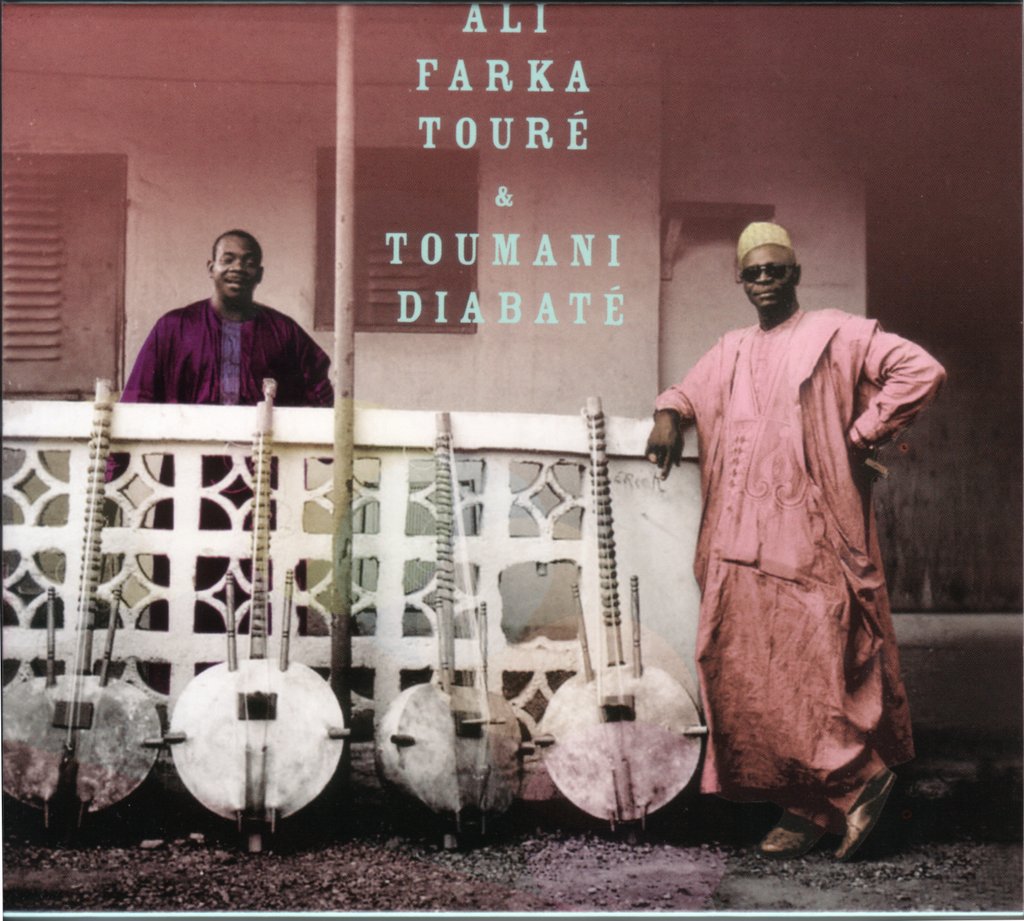
| 2005 | In the Heart of the Moon with Toumani Diabaté: second Grammy |
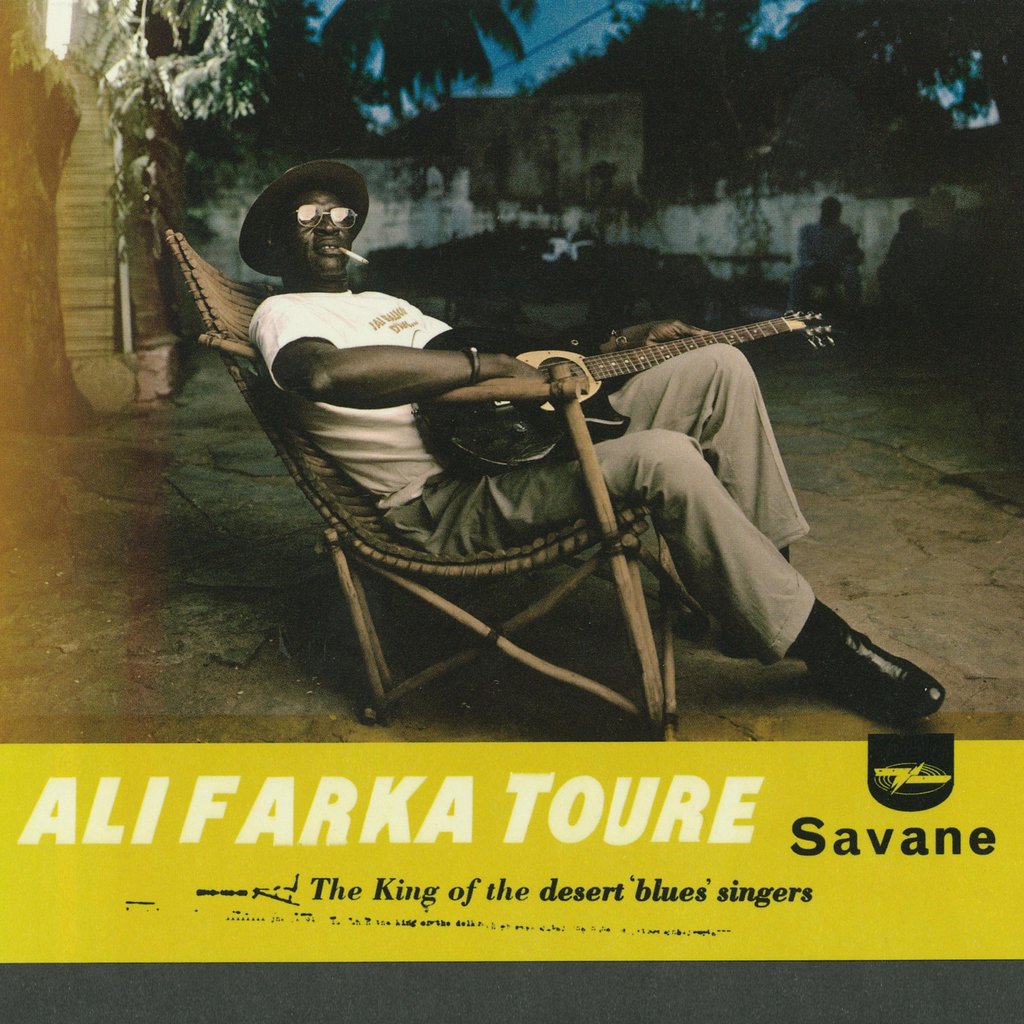
| 2006 | Death; Savane, posthumous album, acclaimed by critics |
From Sofia to World Fame: The Journey of a Rebel
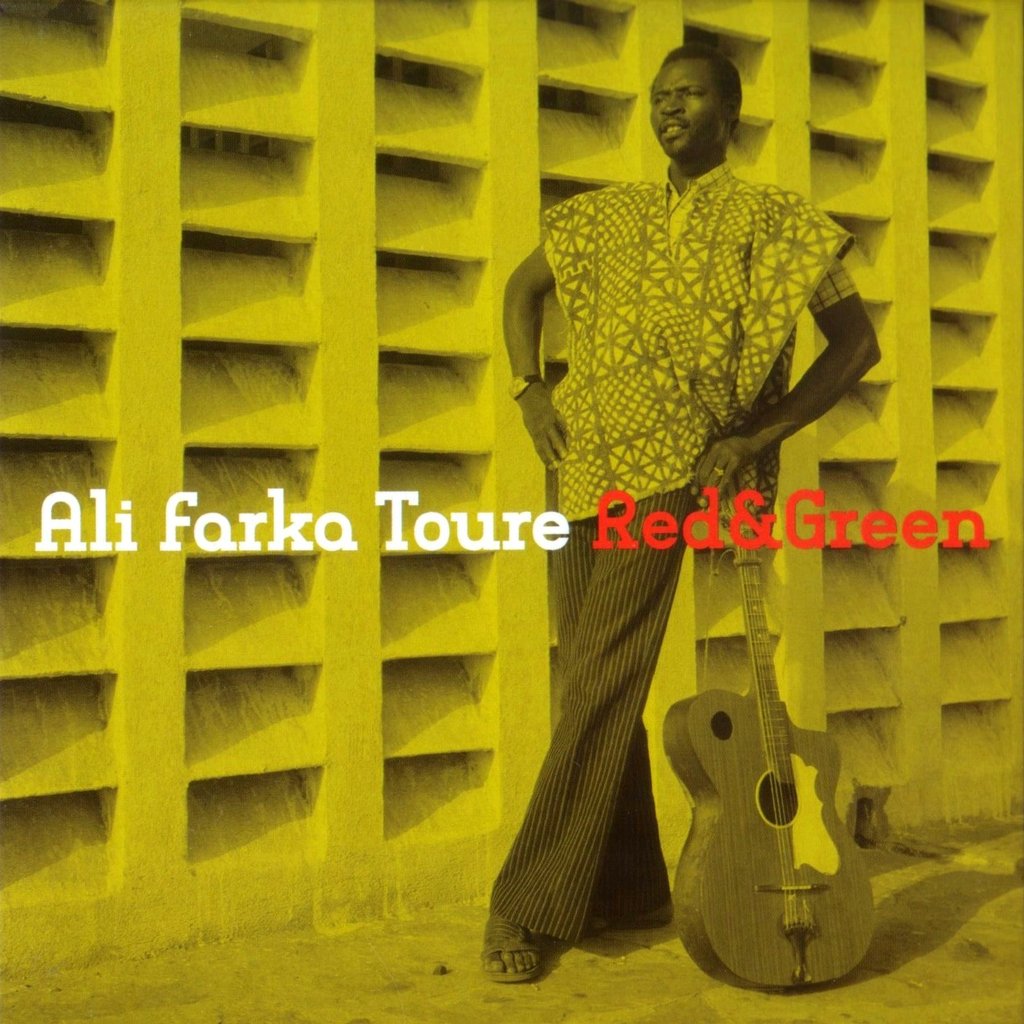
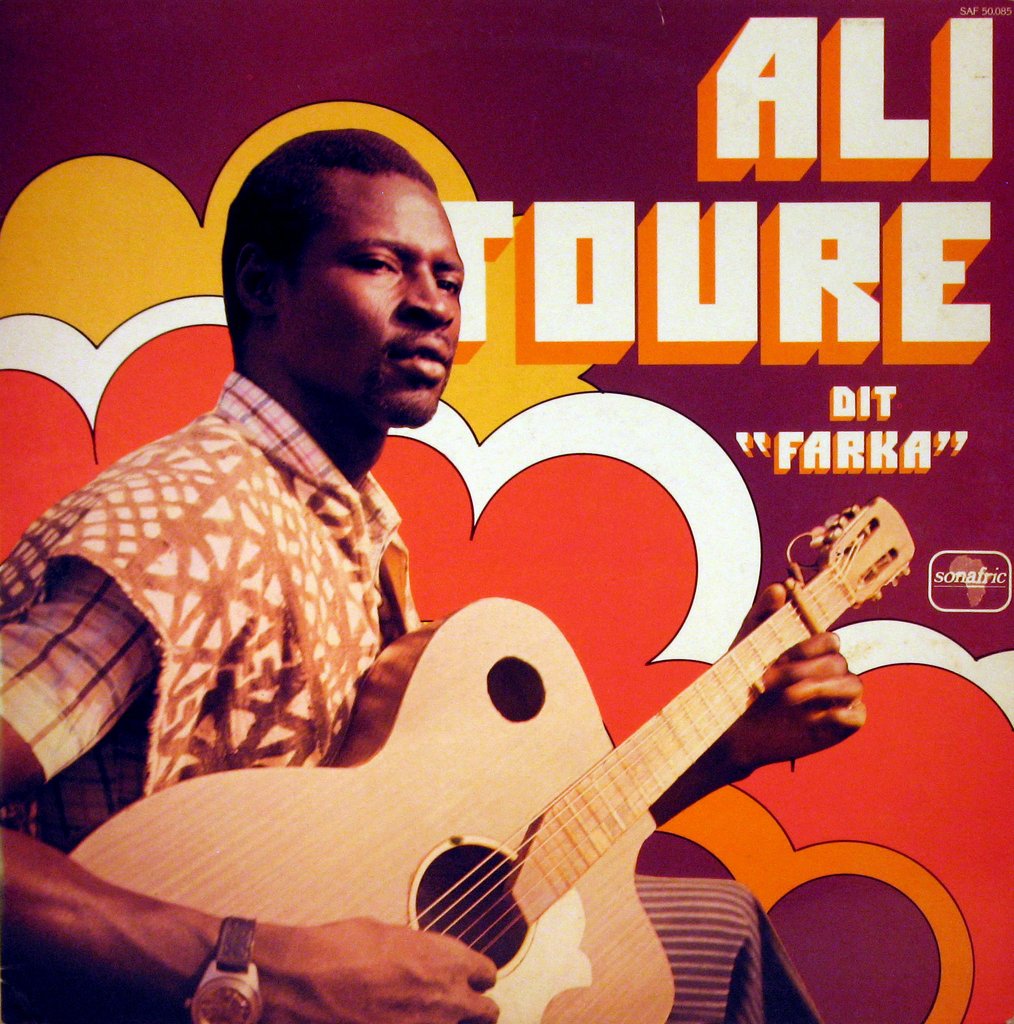
Born Ali Ibrahim Touré, he lost his father in the French army in 1940. The tenth child of his mother, the only one to survive, he received the nickname “Farka” (Songhay: “donkey”), a name chosen by his parents to symbolize the tenacity of an animal on which no one mounts — a motto he would adopt for himself. Coming from a noble Songhay family, Ali was effectively forbidden from music, a domain reserved for traditional griots. He did not disarm: at twelve years old, he built his own monochord guitar from a tin can. Fascinated by ghimbala ceremonies — rites dedicated to the spirits of Niger — he carried his njarka, a monochord violin, everywhere.
In 1968, in Sofia, the meeting with John Lee Hooker marked a turning point: “I don’t understand this music, where did they get it from? It’s something that belongs to us.” But the comparison irritated him — “Blues is a type of laundry soap, my music is older than blues” — according to his own formulation reported by his label.
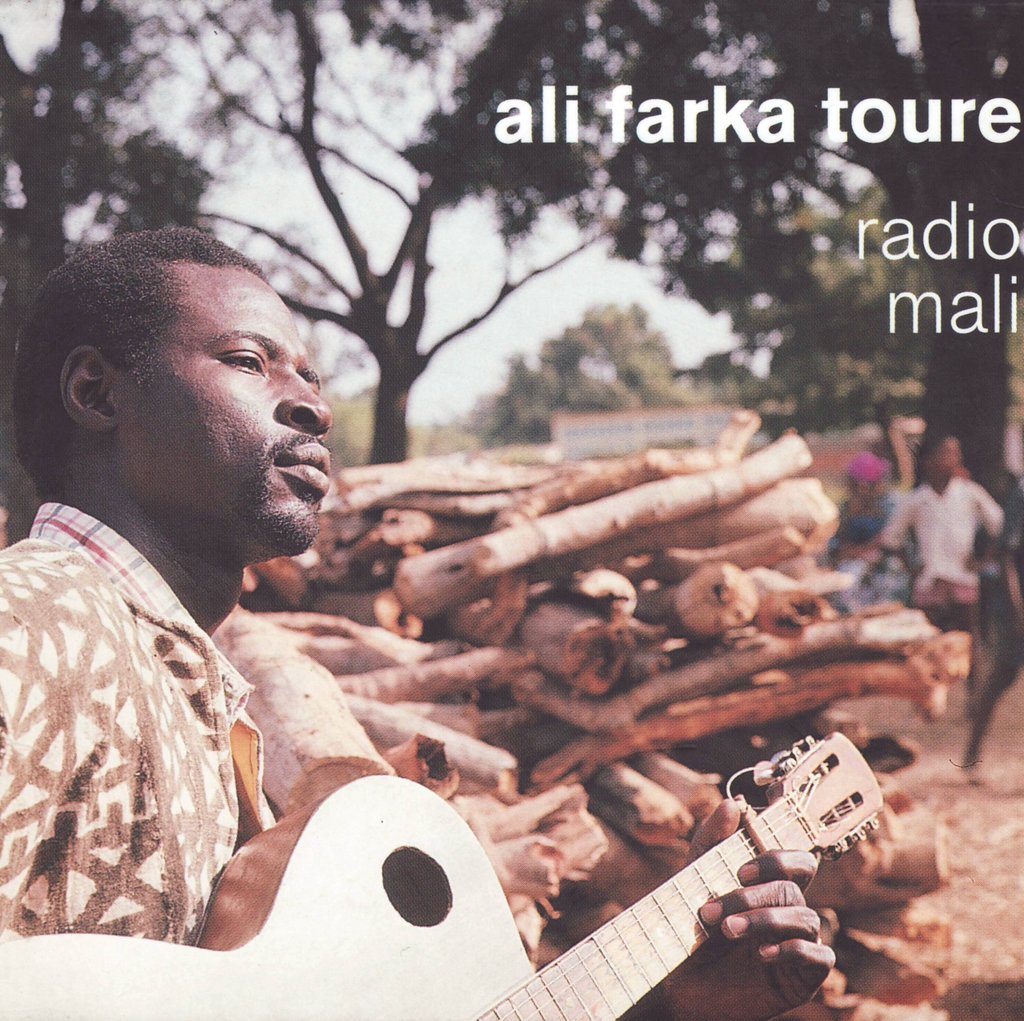
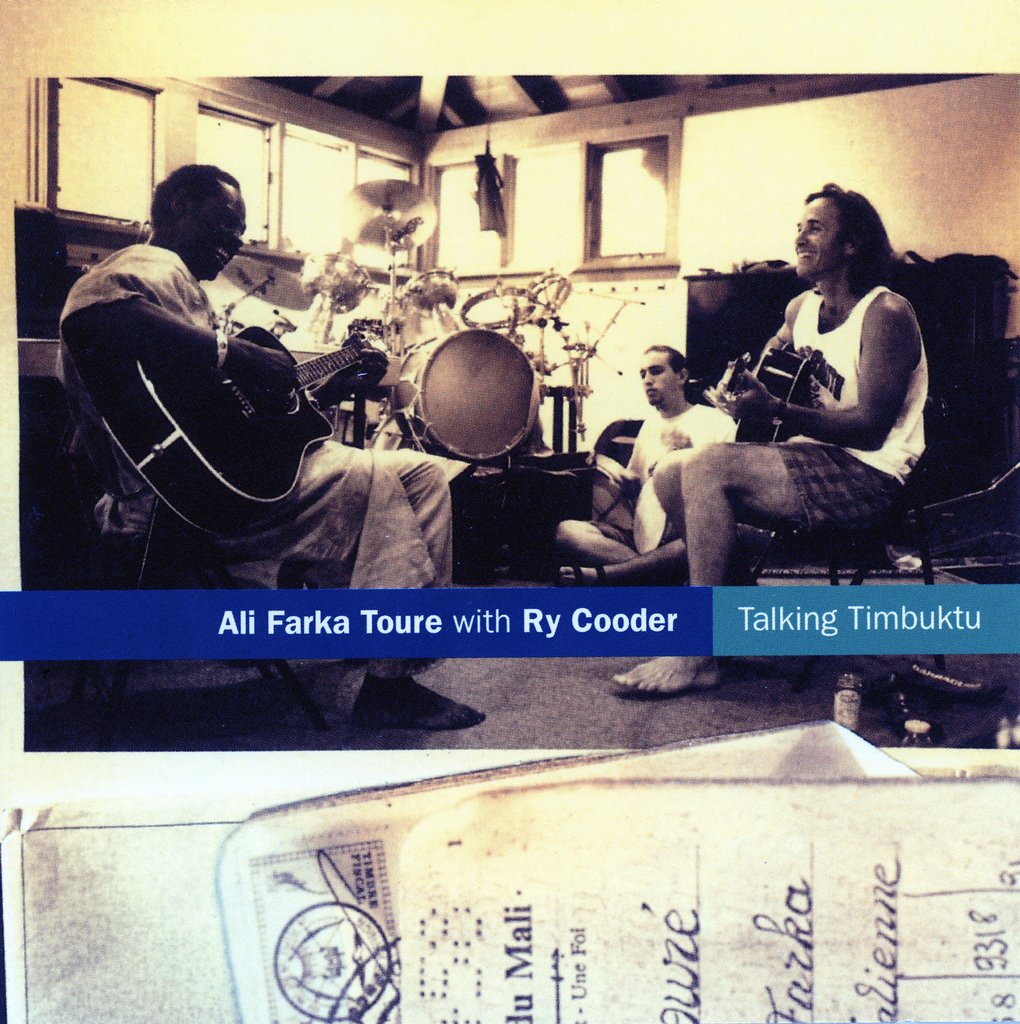
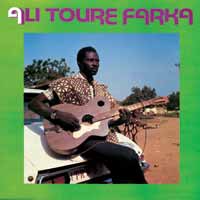
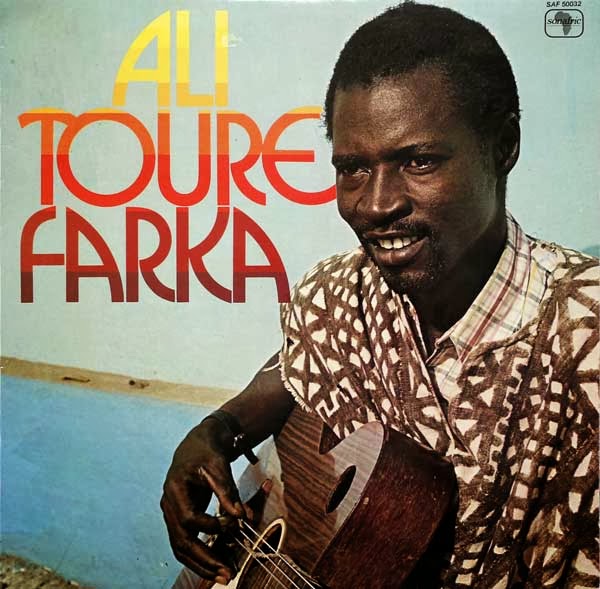
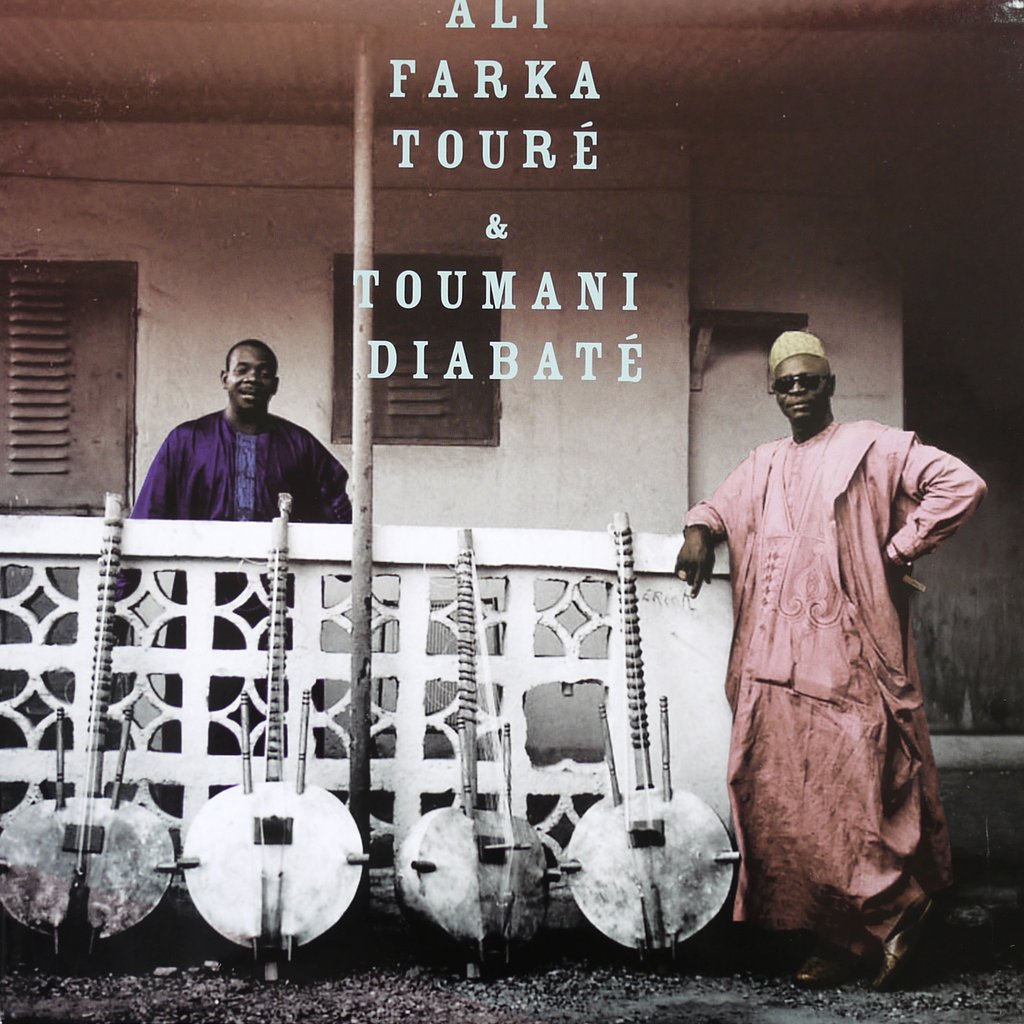
After several decades of modest practice, the sound engineer at Radio Mali attracted the attention of British radio stations. Andy Kershaw and Charlie Gillett played his records with an intensity that made listeners react. World Circuit discovered him, signed him in 1987. The eponymous album, entirely played and sung by him, became a masterpiece. Talking Timbuktu (1994), a duo with American guitarist Ry Cooder, conquered the Western public without diluting his African identity — and won a Grammy. Touré, who considered himself primarily a farmer, returned to his field. His producer Nick Gold then adapted his method: he brought a studio into an abandoned school to record Niafunké (1999), an album with deep roots. Having become mayor of Niafunké in 2004, Touré gradually withdrew from the scene. In 2005, he recorded In the Heart of the Moon with Toumani Diabaté, then Savane — his farewell to the world. Diabaté recalls: “It was hard for him to make this album, but he wanted to continue.”
Stricken with bone cancer, he passed away on March 6, 2006, at his farm. Mali paid tribute to him: Commandeur de l’Ordre national du Mali, with state funerals attended by tens of thousands of people.
Major Works
| Work | Year | Why it is essential |
|---|---|---|
| Talking Timbuktu (with Ry Cooder) | 1994 | The duo that revealed desert blues to the world and won a Grammy |
| Niafunké | 1999 | Recorded in an abandoned school, Touré’s most authentic album |
| In the Heart of the Moon (with Toumani Diabaté) | 2005 | Poetic duo between guitar and kora, second Grammy |
| Savane | 2006 | Posthumous farewell — a distillation of his entire oeuvre |
Legacy and Influence
The desert blues that Touré helped make known owes much to his refusal to compose for foreigners. He paved the way for Tinariwen, Bombino, and generations of Sahelian guitarists. His work continues to inspire: in 2018, the duo “Bèrèbèrè” with Idrissa Soumaoro appeared in the soundtrack of Black Panther. His son, Vieux Farka Touré, and his protégé Afel Bocoum carry this flame today on international stages.
Sources and References
- “Ali Farka Touré”, World Circuit Records, https://www.worldcircuit.co.uk/artists/ali-farka-toure/, accessed October 21, 2026.
- “Ali Farka Touré”, Wikipedia, https://en.wikipedia.org/wiki/Ali_Farka_Tour%C3%A9, accessed October 21, 2026.
- “Ali Farka Touré”, AllMusic by Richie Unterberger, https://allmusic.com/artist/mn0000006613, accessed October 21, 2026.
- “Ali Farka Touré”, Grammy.com, https://www.grammy.com/artists/ali-farka-toure/6452/, accessed October 21, 2026.
- “Ali Farka Touré: Savane Album Review”, Pitchfork, https://pitchfork.com/reviews/albums/9270-savane/, accessed October 21, 2026.
- “Ali Farka Touré, Grammy-Winning Musician of West Africa, Dies”, The New York Times, https://www.nytimes.com/2006/03/08/arts/music/ali-farka-toure-grammywinning-musician-of-west-africa-dies.html, accessed October 21, 2026.