Biography
Afel Bocoum: the messenger of Niger, between heritage and resilience
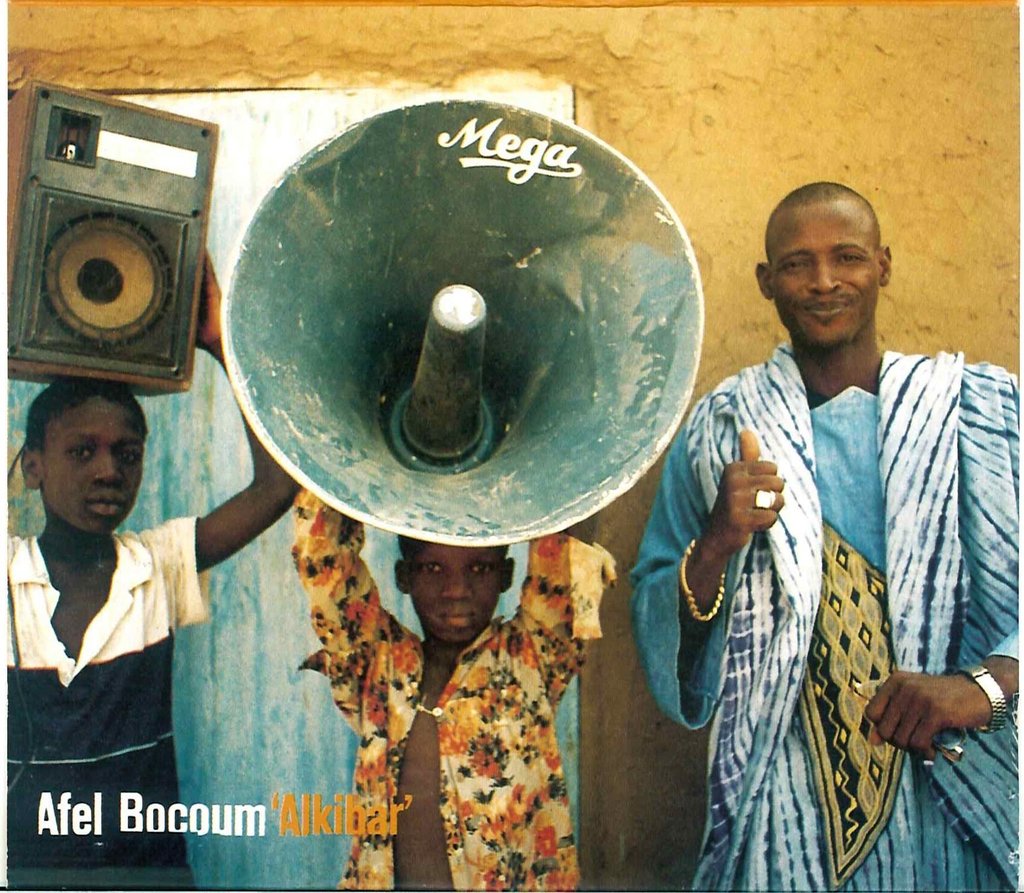
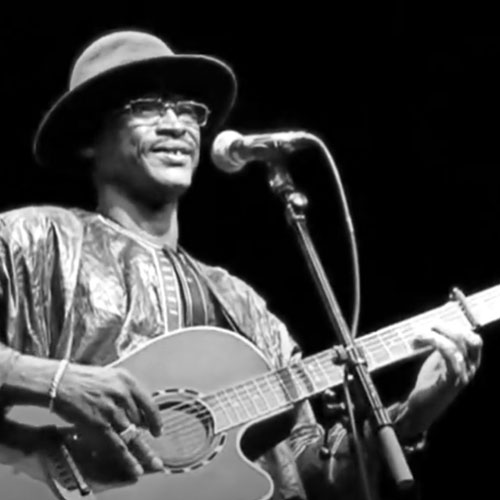
Niafunké, a hamlet perched on the banks of the Niger, gave birth to two giants of Malian music: Ali Farka Touré and his nephew Afel Bocoum. This guitarist and singer, possessing a magnetic gentleness, walked for a long time in the shadow of the “patron,” as he affectionately called him. His first album, Alkibar, recorded in an abandoned school near Niafunké in 1999, revealed an artist whose deep voice and texts carrying uncompromising humanism make him one of the world’s most precious treasures. “Music is our country’s social security,” he confided in 2020, as jihadism and banditry had rendered northern Mali uninhabitable.
In brief
| Full name | Afel Moumouni Bocoum |
| Birth | 1955, Niafunké, Mali |
| Field | Music — Sahelian blues, Niger traditions |
| Instruments | Acoustic guitar, njarka (one-stringed violin), njurkel (two-stringed lute), vocals |
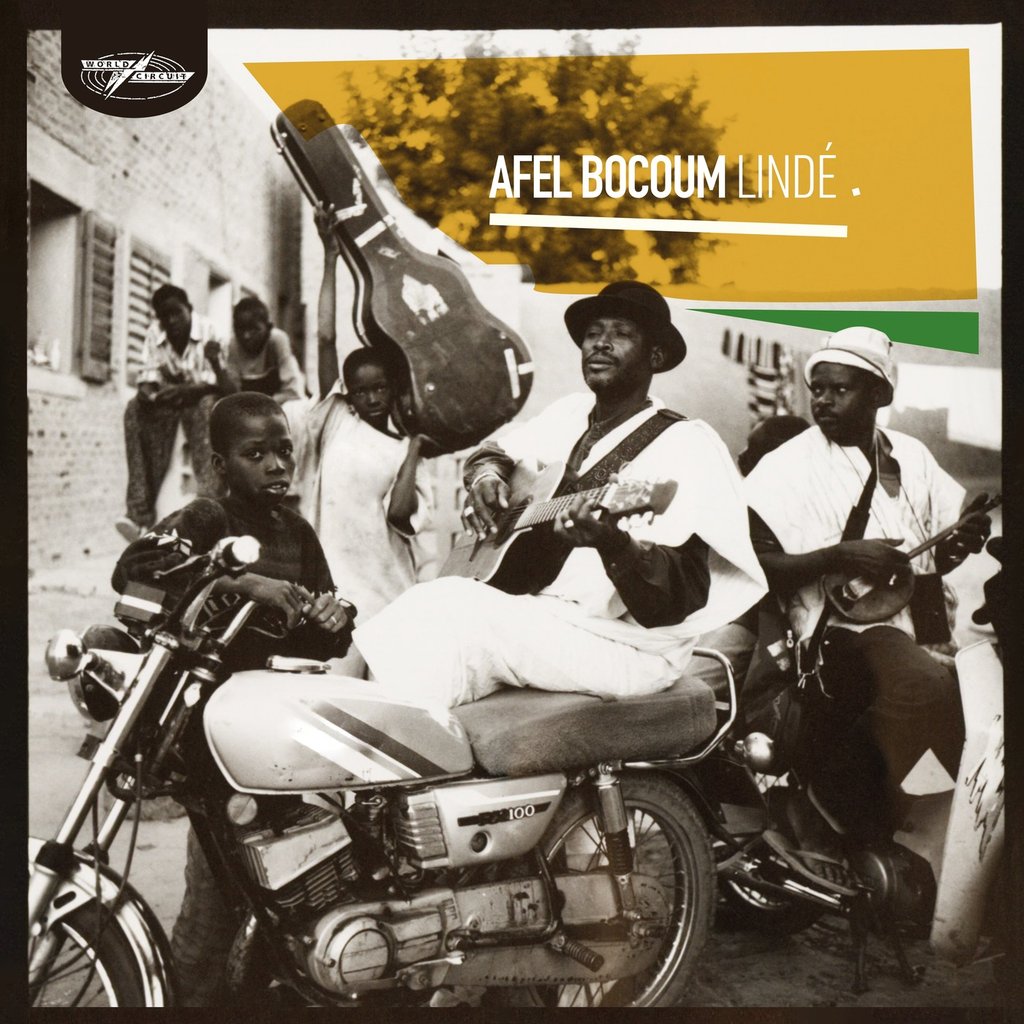
| Notable works | Alkibar (1999), Niger (2006), Lindé (2020) |
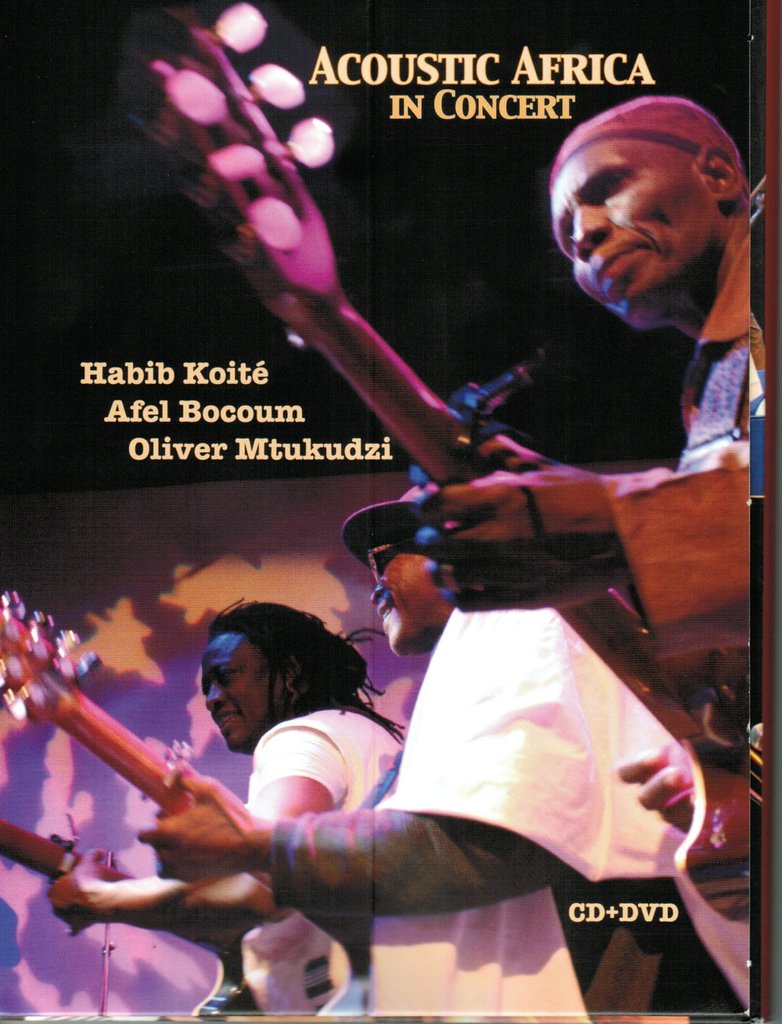
| Collaborations | Ali Farka Touré (30 years), Damon Albarn, Tony Allen |
Key dates
| Year | Event |
|---|---|
| 1955 | Birth in Niafunké |
| 1968 | At age 13, joins Ali Farka Touré’s ASCO group |
| 1975-1978 | Agricultural studies in M’Pessoba |
| 1980 | Return to Niafunké, creation of the Alkibar group |
| 1999 | First solo album Alkibar (World Circuit) |
| 2002 | Collaboration with Damon Albarn on Mali Music |
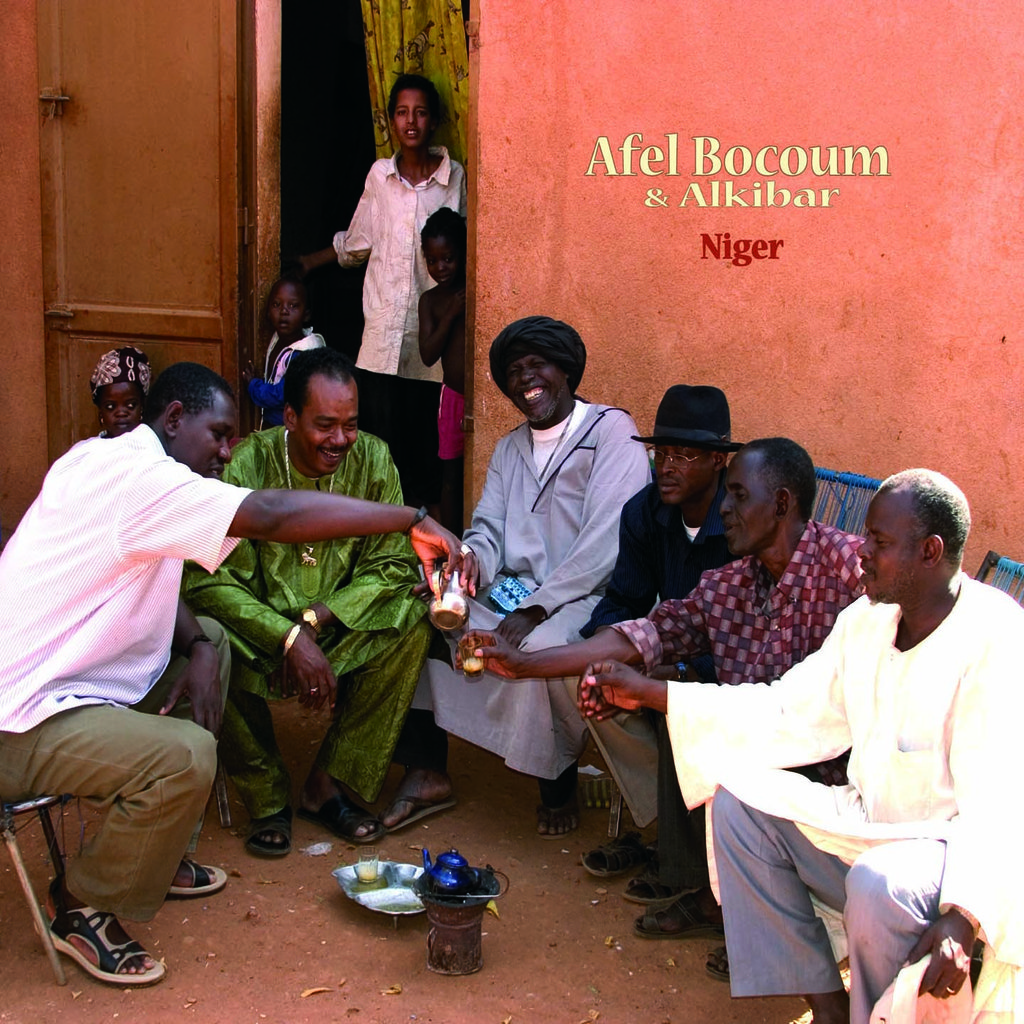
| 2006 | Album Niger (Contre-Jour) |
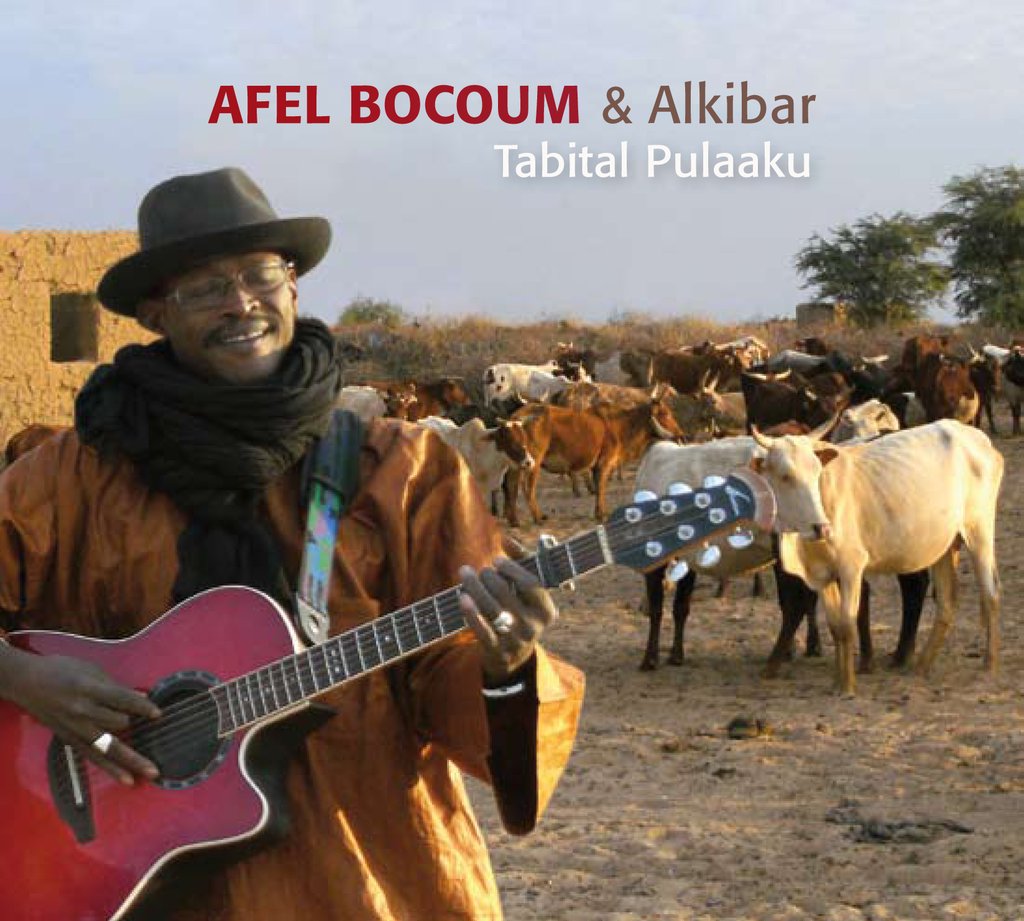
| 2009 | Tabital Pulaaku, dedicated to Peul traditions |
| 2020 | Lindé (World Circuit) |
Afel Bocoum’s musical journey
Afel Bocoum was born in 1955 in Niafunké, a village bordering the Niger River south of Timbuktu, at the crossroads of Songhai, Peul, Tuareg, and Bambara worlds. His father played the njarka, one-stringed violin, and the njurkel, two-stringed lute, during local ceremonies. Afel accompanied him and absorbed the songs of the se galarare style — the musical tradition of river griots — which forever marked his sensibility.
At thirteen, in 1968, he joined Ali Farka Touré’s ASCO group, his maternal uncle. Harber Maiga taught him singing until his death in 1983. After a stint at the M’Pessoba agricultural school (1975-1978) and a return to Niafunké in 1980, he became an indispensable member of the “patron’s” recordings and tours, participating in emblematic albums such as The Source (1992), Niafunké (1999) and Savane (2006).
Meanwhile, Afel founded the Alkibar group, “messenger of the great river” in sonrai. The ensemble mixes acoustic guitars, njarka, njurkel, calabashes and djembés. His music carries social messages: against forced marriage, for education and women’s dignity. At a time when only 30% of Malians could read, music was the best medium.
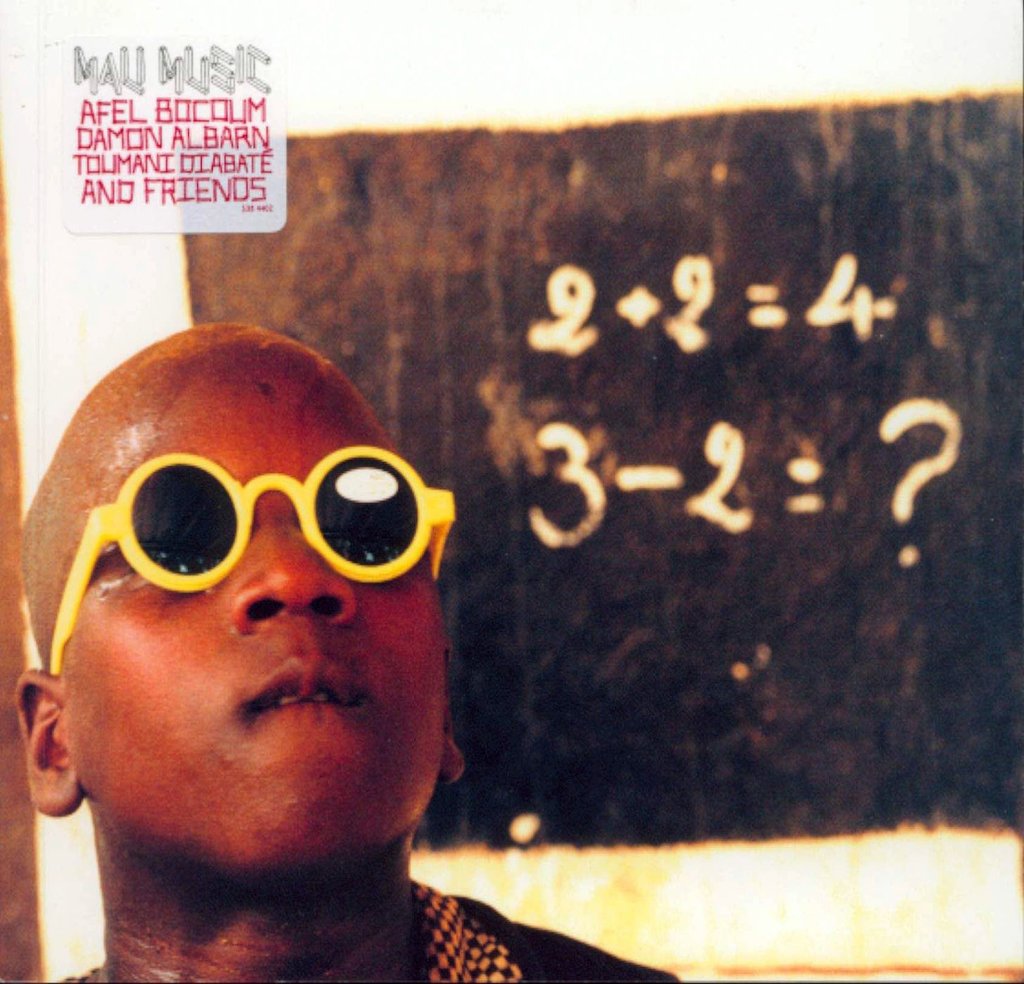
His first solo album, Alkibar (1999, World Circuit), was recorded in an abandoned school in Niafunké. In 2002, he collaborated with Damon Albarn on Mali Music, touring London and Denmark. Niger (2006) pays tribute to his mentor, while Tabital Pulaaku (2009) celebrates Peul identity.
In 2012, the Tuareg rebellion and the arrival of al-Qaeda in the Islamic Maghreb destroyed instruments and forced Afel into exile in Bamako. “I am in exile in my own country,” he confides. Lindé (2020) emerges from this, featuring Tony Allen, Vin Gordon and Joan Wasser alongside Malians Madou Sidiki Diabaté and Hama Sankaré. Damon Albarn describes his voice as “one of Mali’s treasures.” “Our social security is music,” says Afel. “If we do not unite, I see no solution.”
Major works
| Work | Year | Why it is essential |
|---|---|---|
| Alkibar | 1999 | First solo album, identity manifesto recorded in an abandoned school in Niafunké |
| Niger | 2006 | Tribute to Ali Farka Touré, where the njarka and njurkel drive the narrative |
| Tabital Pulaaku | 2009 | Plea for Peul values through nomadic tradition |
| Lindé | 2020 | Return after ten years, fusion between Malian terroir and musicians from around the world |
Legacy
Afel Bocoum embodies the transformative power of African music. Heir to the great Ali Farka Touré, he managed to distance himself without renouncing him, forging a style that draws from Sahel sources while dialoguing with the rest of the world. His music, gentle yet tenacious, carries messages of peace, social justice and resistance against obscurantism. Through Alkibar, he made song a tool for popular education. More than twenty years after his first album, his legacy resonates as a promise: that of an art which does not separate emotion from commitment, and which, like the Niger River, continues to cross borders without ever stopping.
Sources and references
- “Afel Bocoum”, Wikipedia, https://en.wikipedia.org/wiki/Afel_Bocoum, accessed October 23, 2026.
- “Biography”, Afel Bocoum, https://afelbocoum.com/biography, accessed October 23, 2026.
- “Afel Bocoum interview: By the time corona arrived we had already more than enough going on here in Mali”, Songlines, https://www.songlines.co.uk/content/features/afel-bocoum-interview-by-the-time-corona-arrived-we-had-already-more-than-enough-going-on-here-in-mali, accessed October 23, 2026.
- “Afel Bocoum: Emerging from Ali’s Shadow — The Messenger from the Desert”, RFI Musique, http://www1.rfi.fr/musiqueen/articles/078/article_7752.asp, accessed October 23, 2026.
- “Afel Bocoum: « La musique est la sécurité sociale de notre pays »”, Le Point Afrique, https://www.lepoint.fr/afrique/afel-bocoum-la-musique-est-la-securite-sociale-de-notre-pays-01-10-2020-2394531_3826.php, accessed October 23, 2026.
- Craig Harris, “Afel Bocoum”, AllMusic, https://allmusic.com/artist/farka-afel-bocoum-mn0000601707, accessed October 23, 2026.
- “Artist Profiles: Afel Bocoum”, World Music Central, https://worldmusiccentral.org/artist-profiles-afel-bocoum, accessed October 23, 2026.
- “Afel Bocoum and Marvin Pontiac Chase Their Ghosts”, Les Jours, https://lesjours.fr/obsessions/face-a-face-b/ep62-afel-bocoum-marvin-pontiac/, accessed October 23, 2026.