Biography
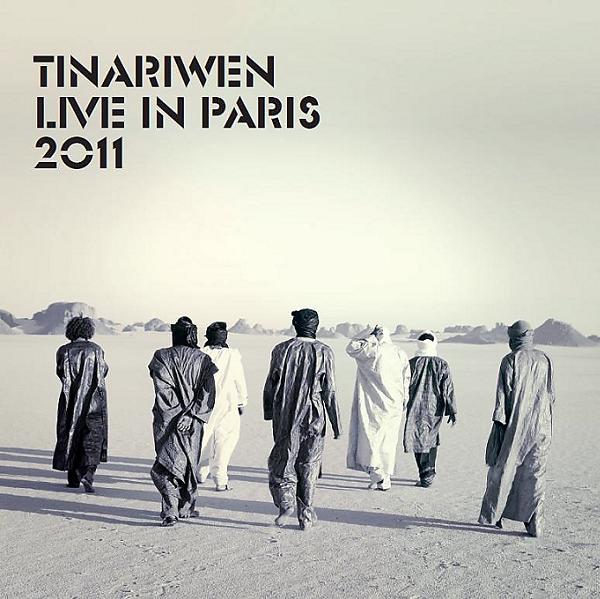
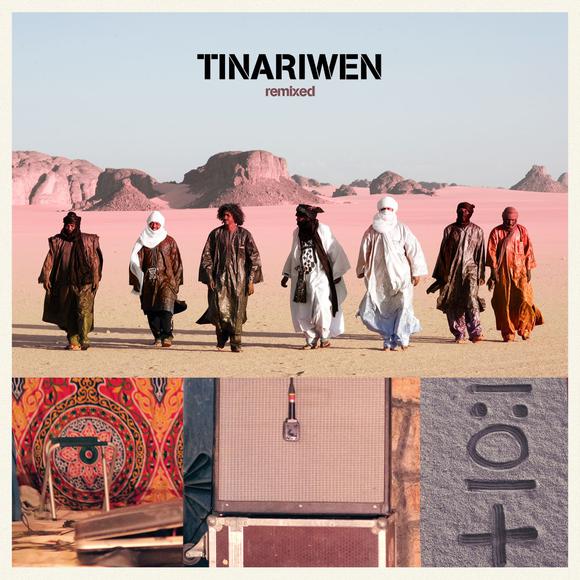
Tinariwen: Desert Guiters as Heritage
In 1979, in an Algerian refugee camp amidst the Sahara, a young man assembled a guitar from an oil can, a stick, and a bicycle brake cable. He did not know that this nascent makeshift instrument would launch a planetary musical movement, and that the chords played around campfires would one day unite the Algerian desert with concert halls in New York and London.
In Brief
| Group Name | Tinariwen (ⵜⵏⵔⵓⵏ in Tamasheq, “the deserts”) |
| Formation | ~1979, Tamanrasset (Algeria) / Tessalit (Mali) |
| Origin | Tuareg people, Northern Sahara |
| Genre | Tishoumaren – “Tuareg blues”, fusion of electric guitars and traditional rhythms |
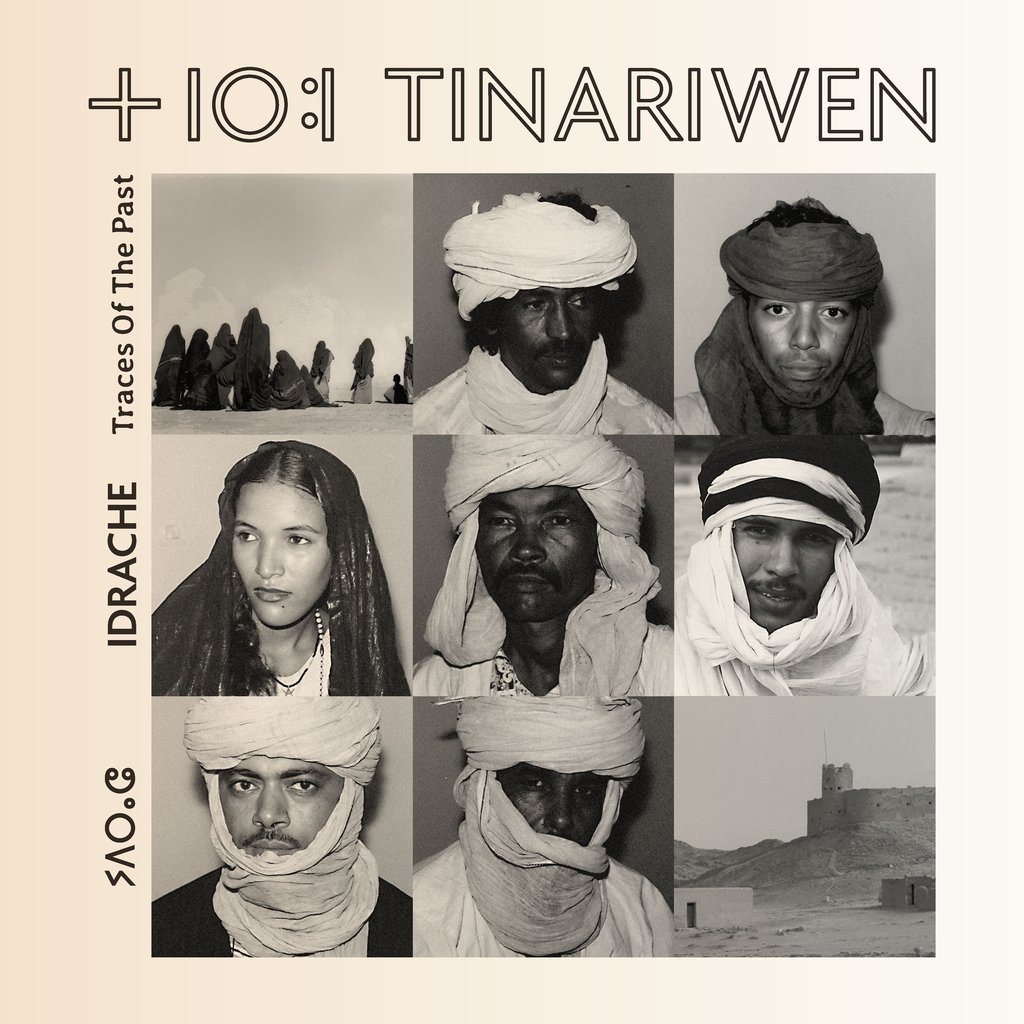
| Emblematic Works | Amassakoul, Tassili, Aman Iman |
| Distinctions | Grammy 2012 (Best World Music Album), BBC Radio 3 Award, 3 Grammy nominations |
Key Dates
| Year | Event |
|---|---|
| 1963 | At age 4, Ibrahim ag Alhabib witnesses the execution of his father, a rebel killed by the Malian army |
| ~1979 | First chords played around campfires in Tamanrasset |
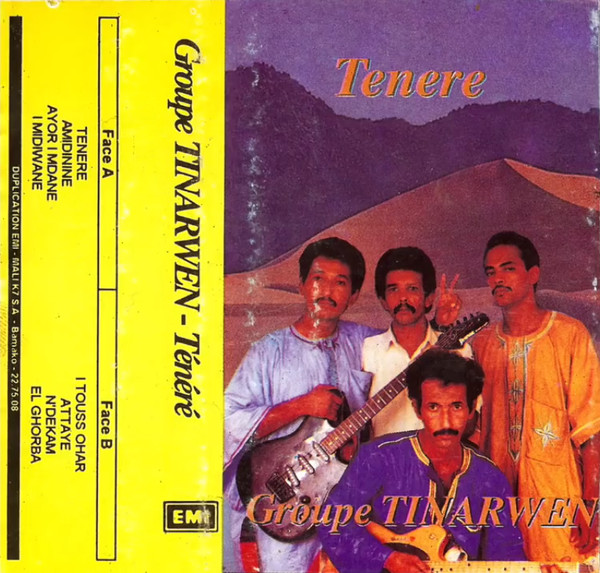
| 1985–1989 | Songs broadcast on cassettes in Tuareg camps in Libya |
| 1991 | First studio album Kel Tinariwen recorded in Abidjan |
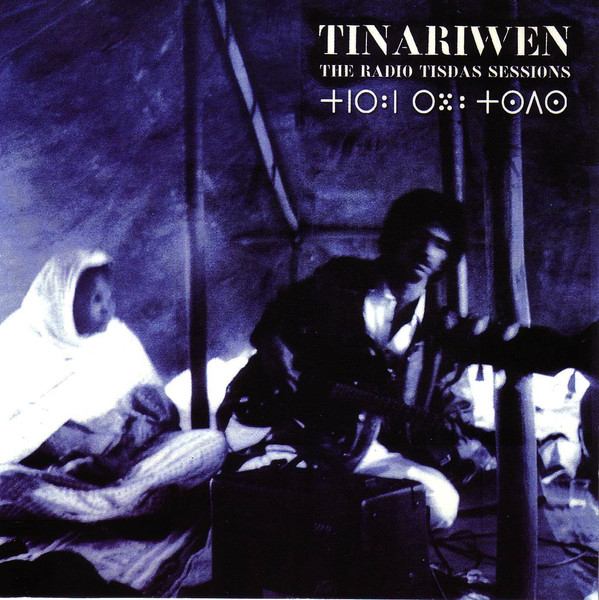
| 2001 | The Radio Tisdas Sessions, first international release |
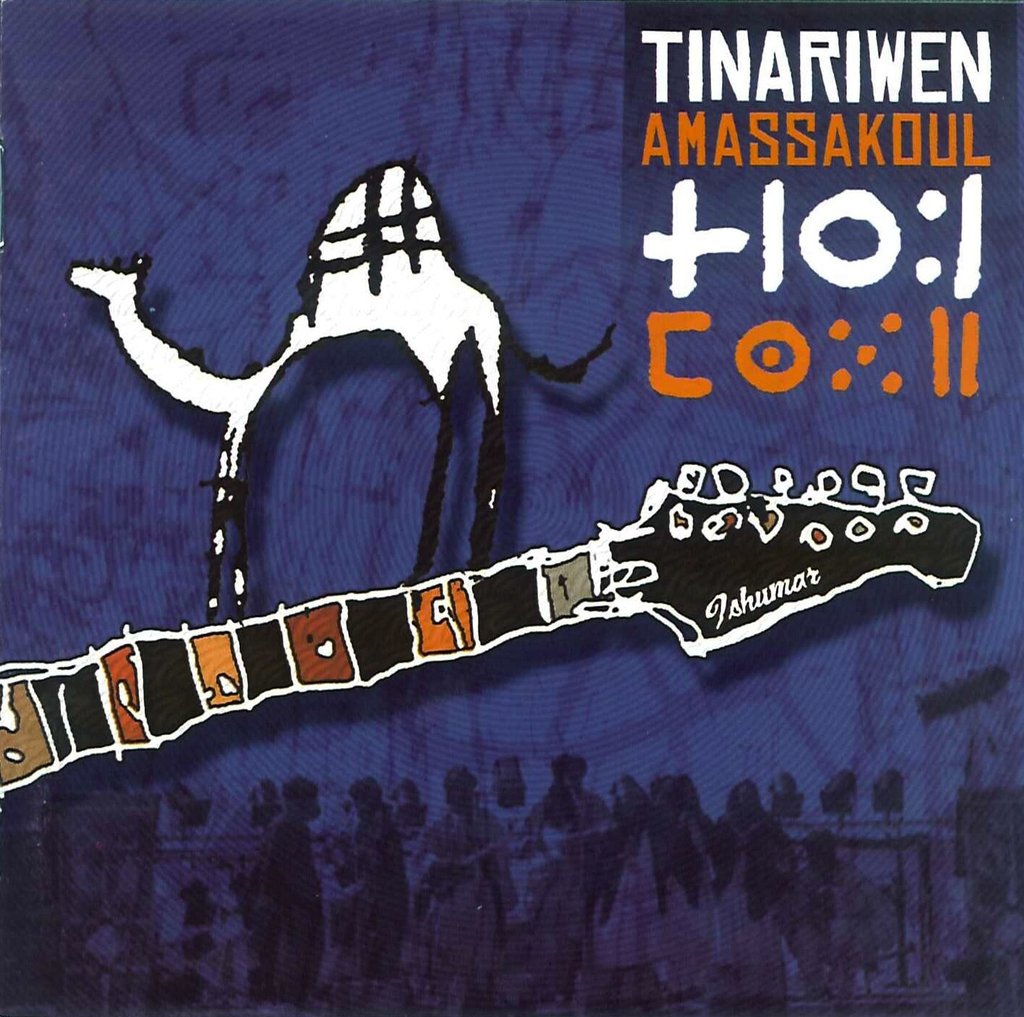
| 2004 | Amassakoul: global consecration, tours at Glastonbury and Coachella |
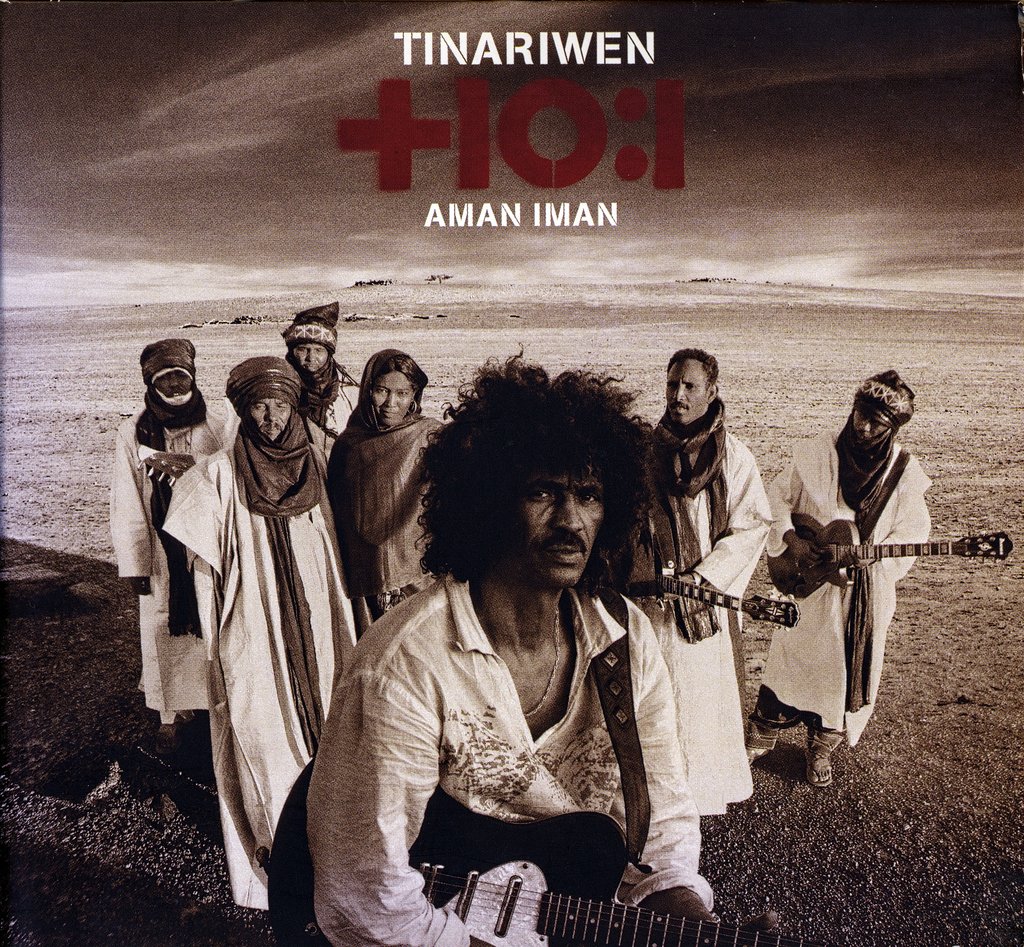
| 2007 | Aman Iman: Robert Plant joins the group at the Bataclan |
| 2012 | Grammy Award for the album Tassili |
| 2019 | Amadjar: recording in Mauritania, under the stars |
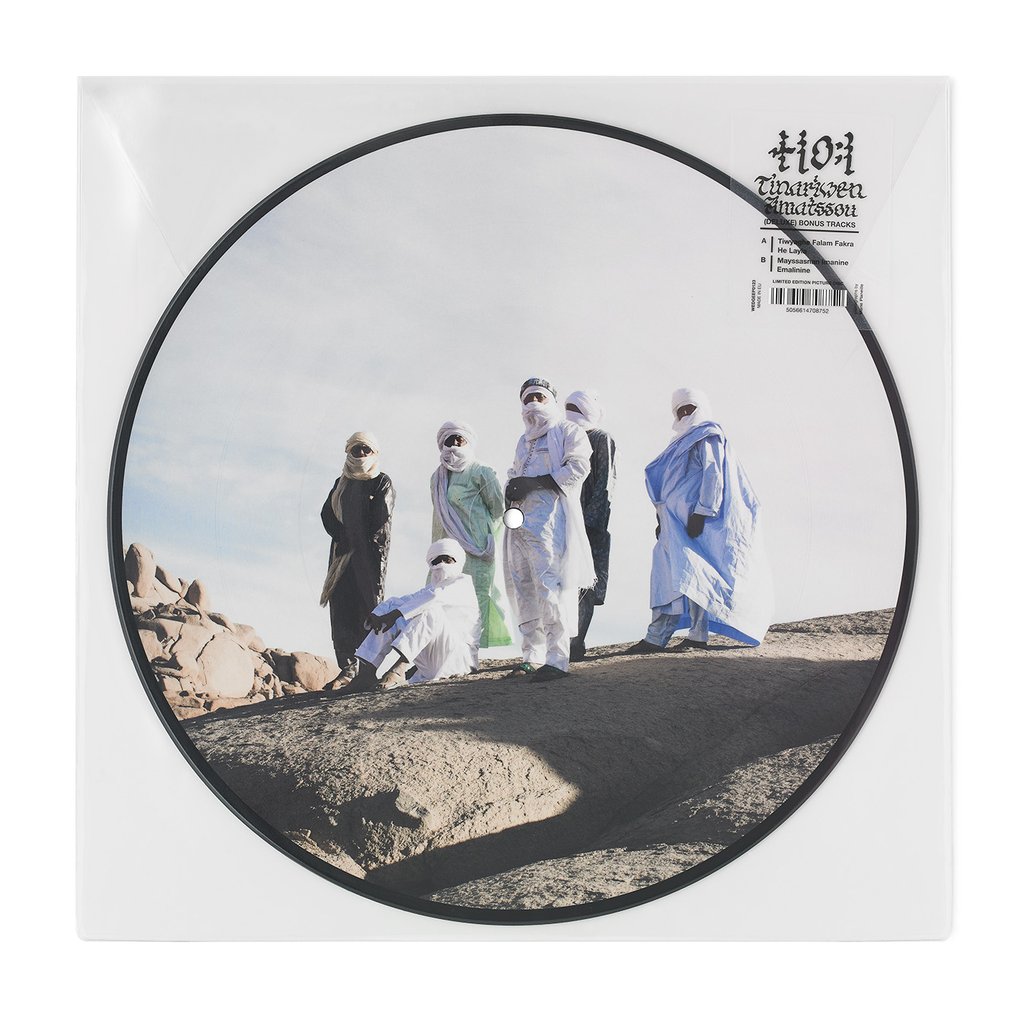
| 2023 | Amatssou, produced by Daniel Lanois |
From Campfires to Concert Halls
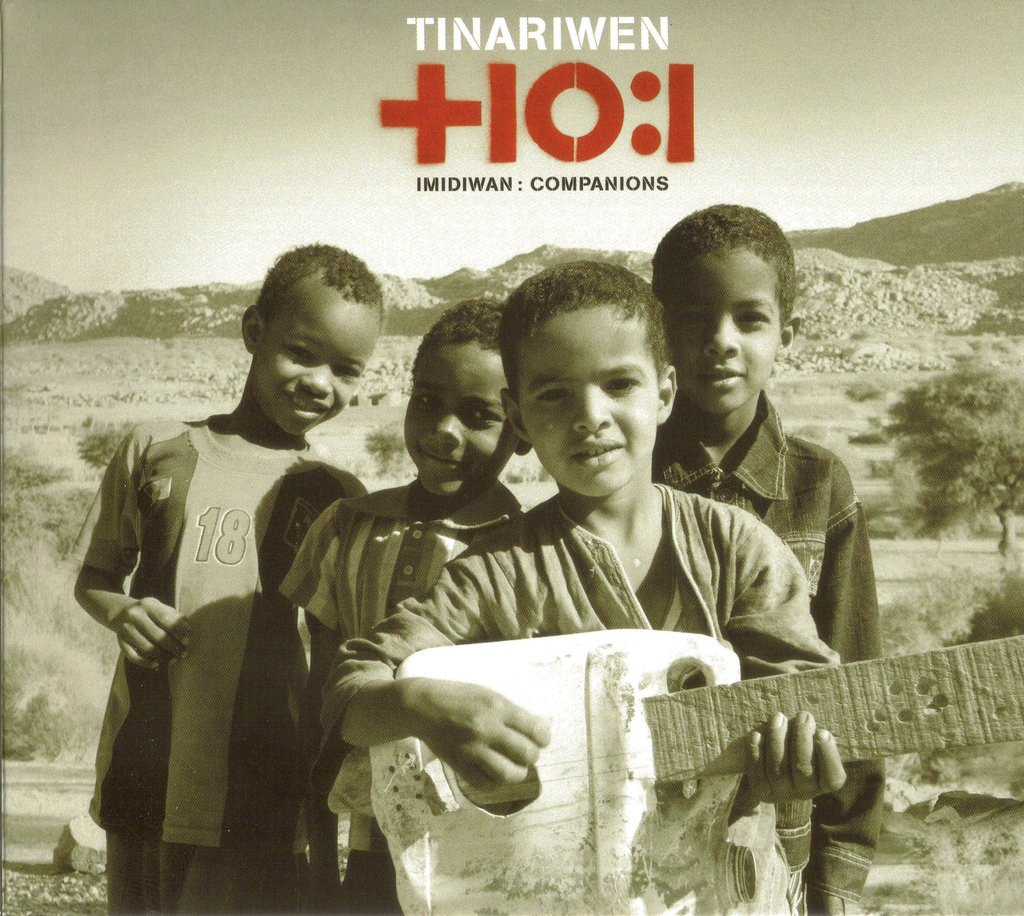
Ibrahim ag Alhabib, nicknamed “Abraybone,” was born around 1960 near Tessalit in northeastern Mali. At age four, he witnessed the execution of his father, a Tuareg fighter during the 1962–1964 rebellion. The family went into exile in Algeria, traversing refugee camps and stretches of sand. It was in a makeshift cinema that he discovered a western where a cowboy plays the guitar. “We had no choice, we had no instruments,” he would say. He crafted his first guitar from an oil can, a stick, and a bicycle brake cable.
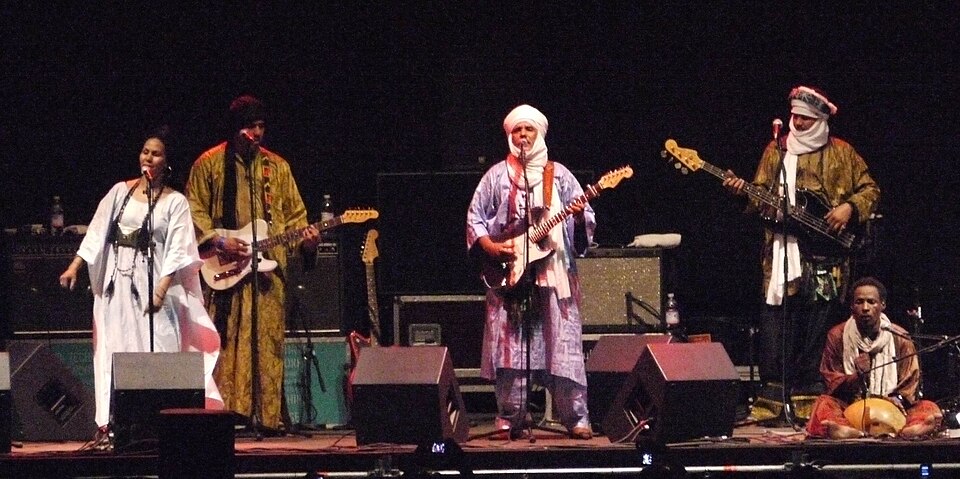
In 1979, in Tamanrasset, he met Alhassane ag Touhami and Inteyeden ag Ablil. Together, they played for weddings and community Tuareg exile celebrations. The audience nicknamed them “Kel Tinariwen” – the people of the desert. Shortly after, Muammar Kadhafi invited young Tuaregs from Libya to military training. The group expanded its circle and crossed paths with musicians who would become central figures, including Abdallah ag Alhousseyni, nicknamed “Catastrophe.” In the camps, music became an act of resistance: they recorded on cassettes and handed out tapes to anyone who asked. Tinariwen cassettes circulated from camp to camp, weaving an invisible web across the entire Sahara.
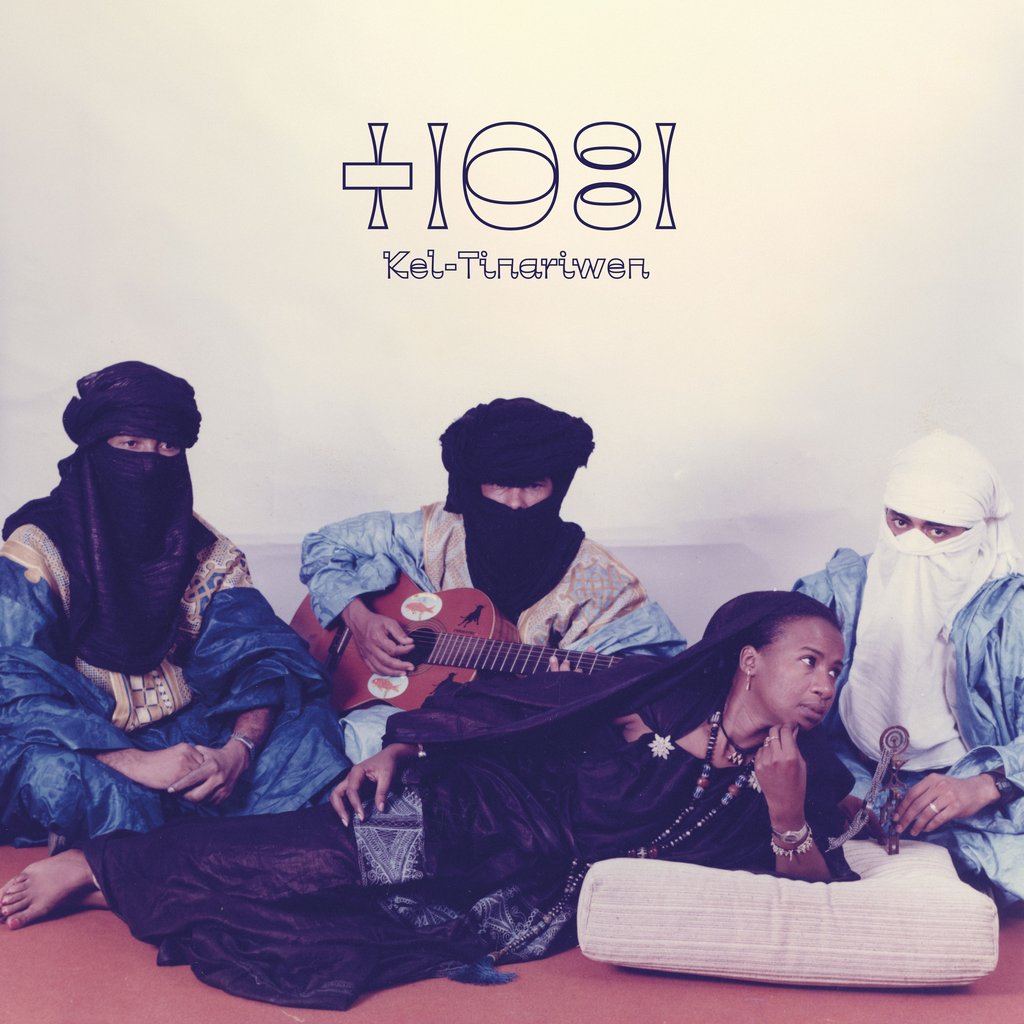
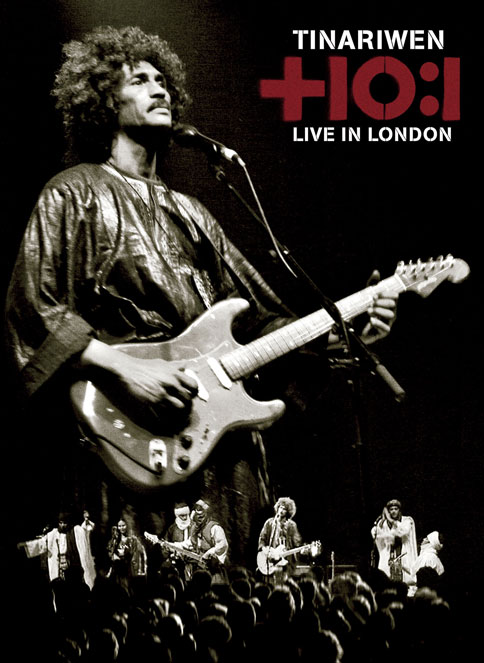
In 1990, the Tuareg rebellion erupted in Mali. Some members answered the call, weapons and guitars slung over their shoulders. The following year, a peace agreement, the Tamanrasset Accords, was signed. Weapons fell silent, guitars resumed playing. The group entered a studio in Abidjan to record Kel Tinariwen (1992). In 2001, The Radio Tisdas Sessions, recorded in two days in Kidal thanks to solar energy, opened the doors of Europe. The turning point came with Amassakoul (“The Traveler”, 2004): the sound hit hard, and the group performed at Glastonbury, Coachella, and WOMAD. Carlos Santana invited them to the Montreux Jazz Festival; Robert Plant of Led Zeppelin traveled to the Bataclan in 2007 for an unforgettable performance.
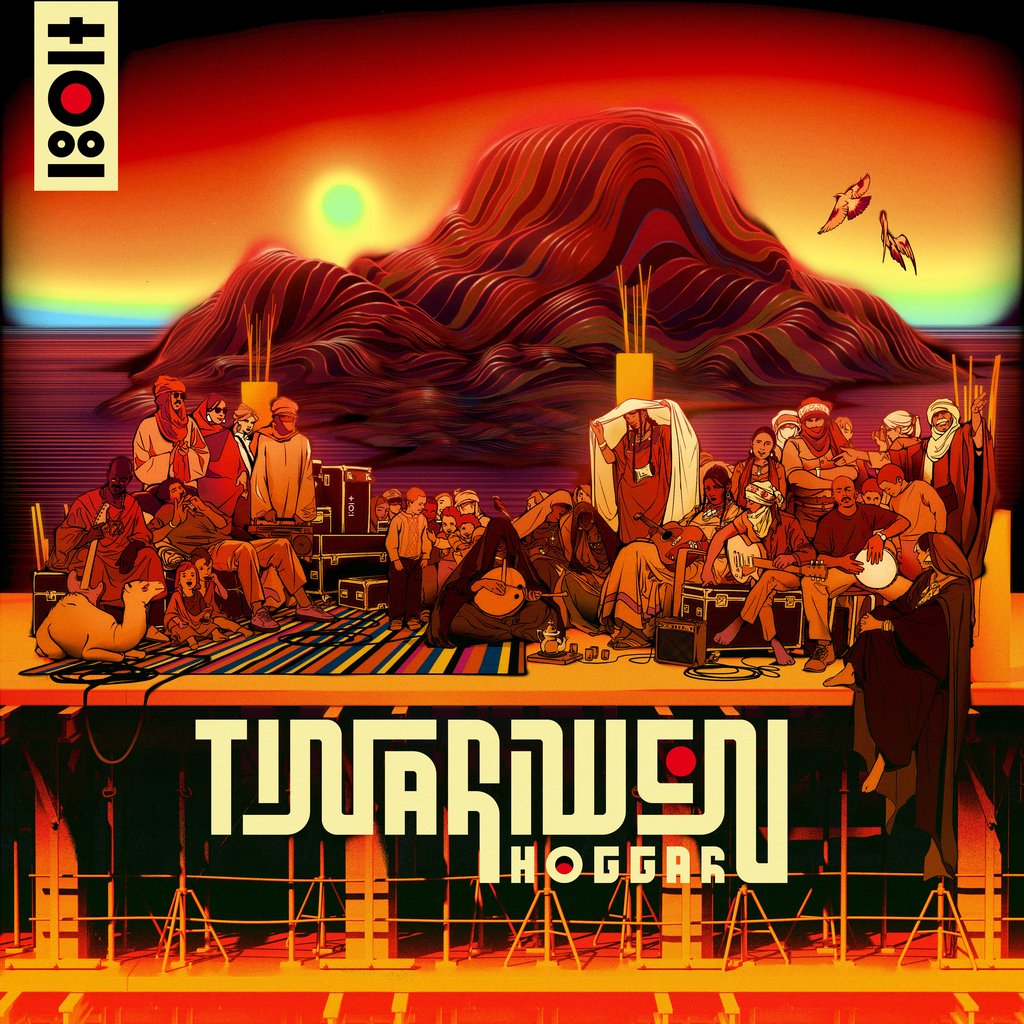
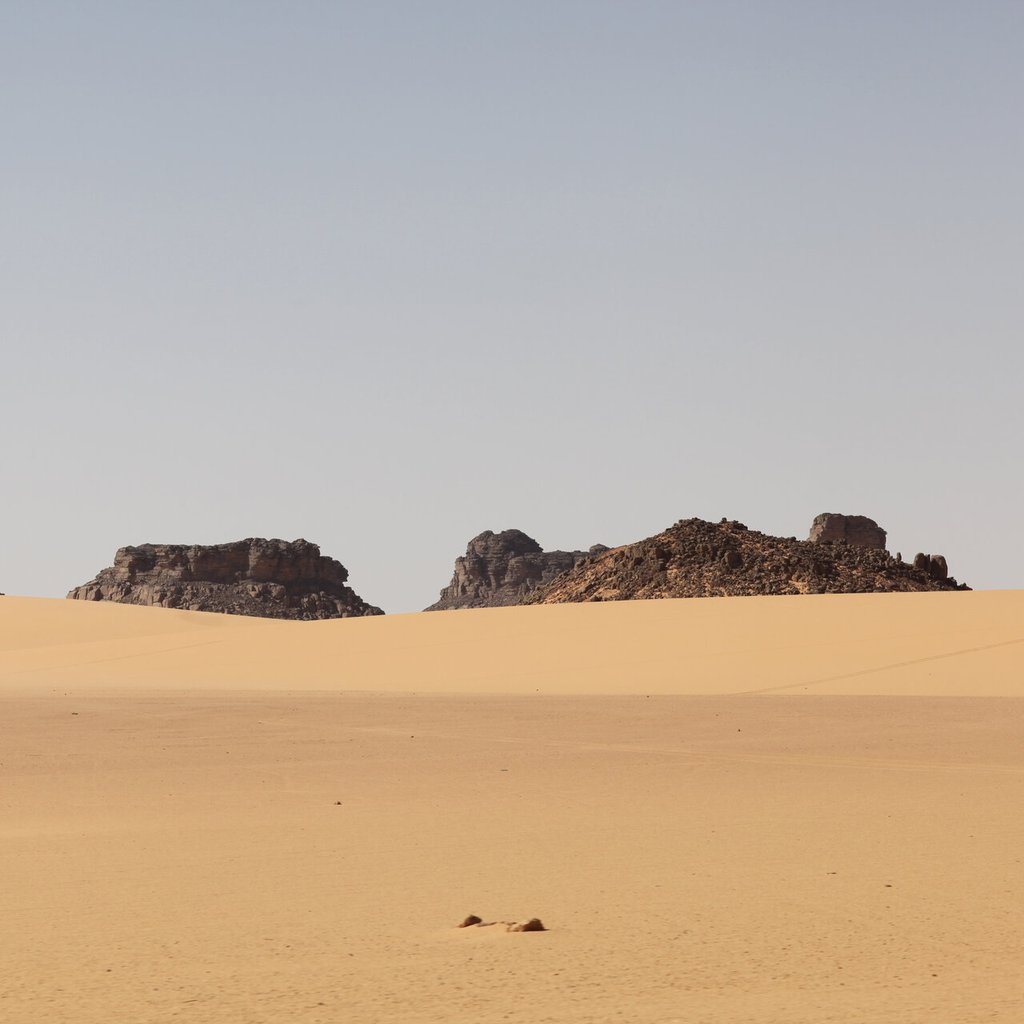
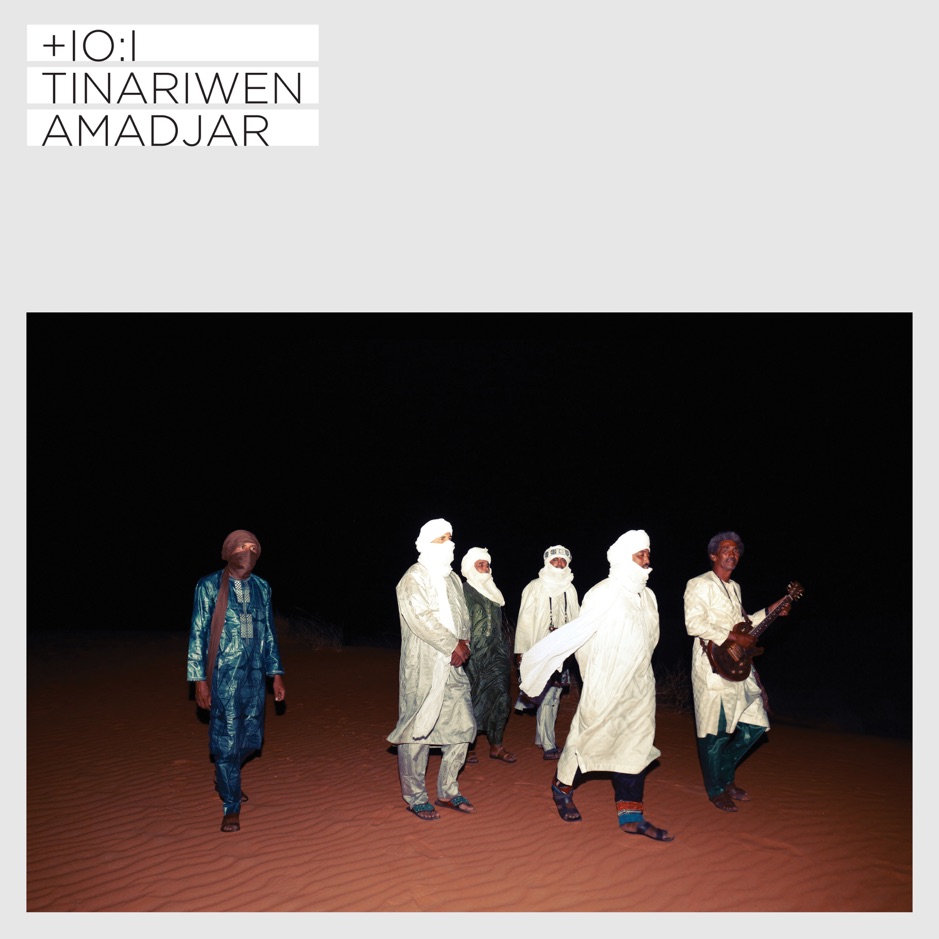
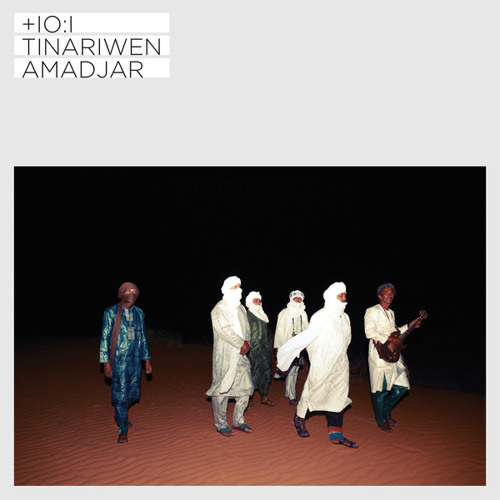
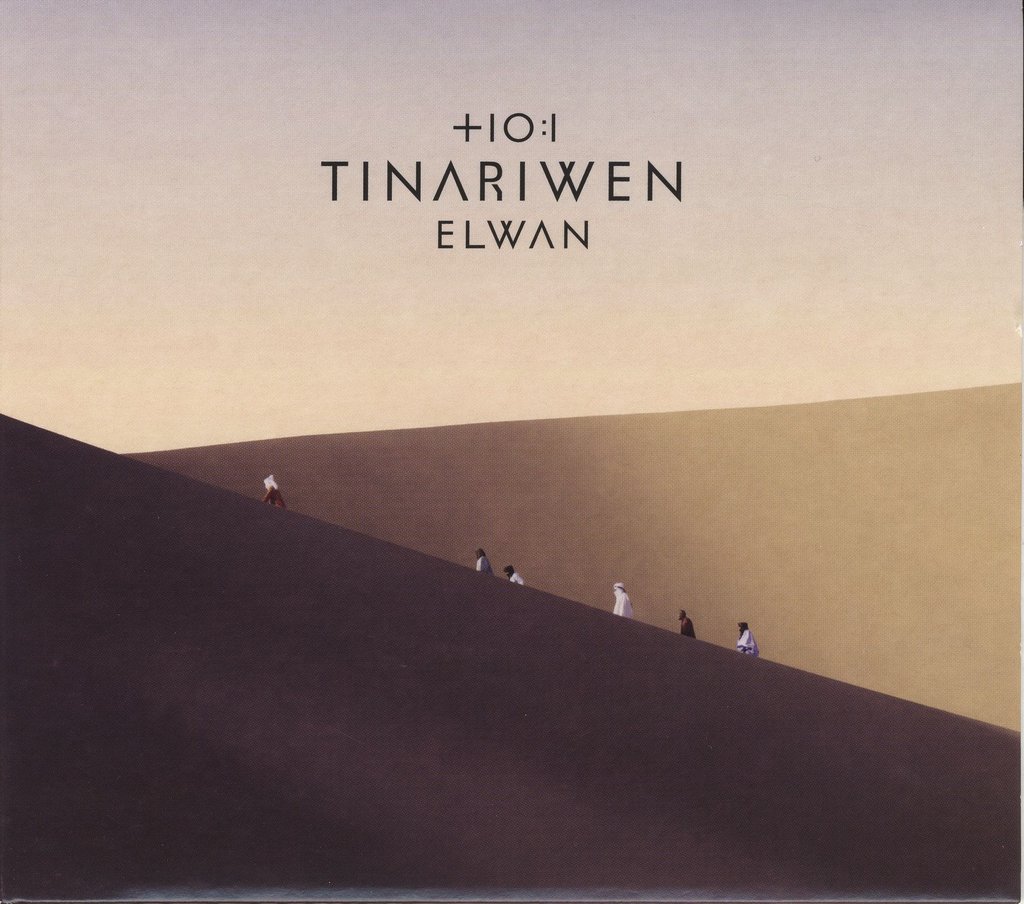
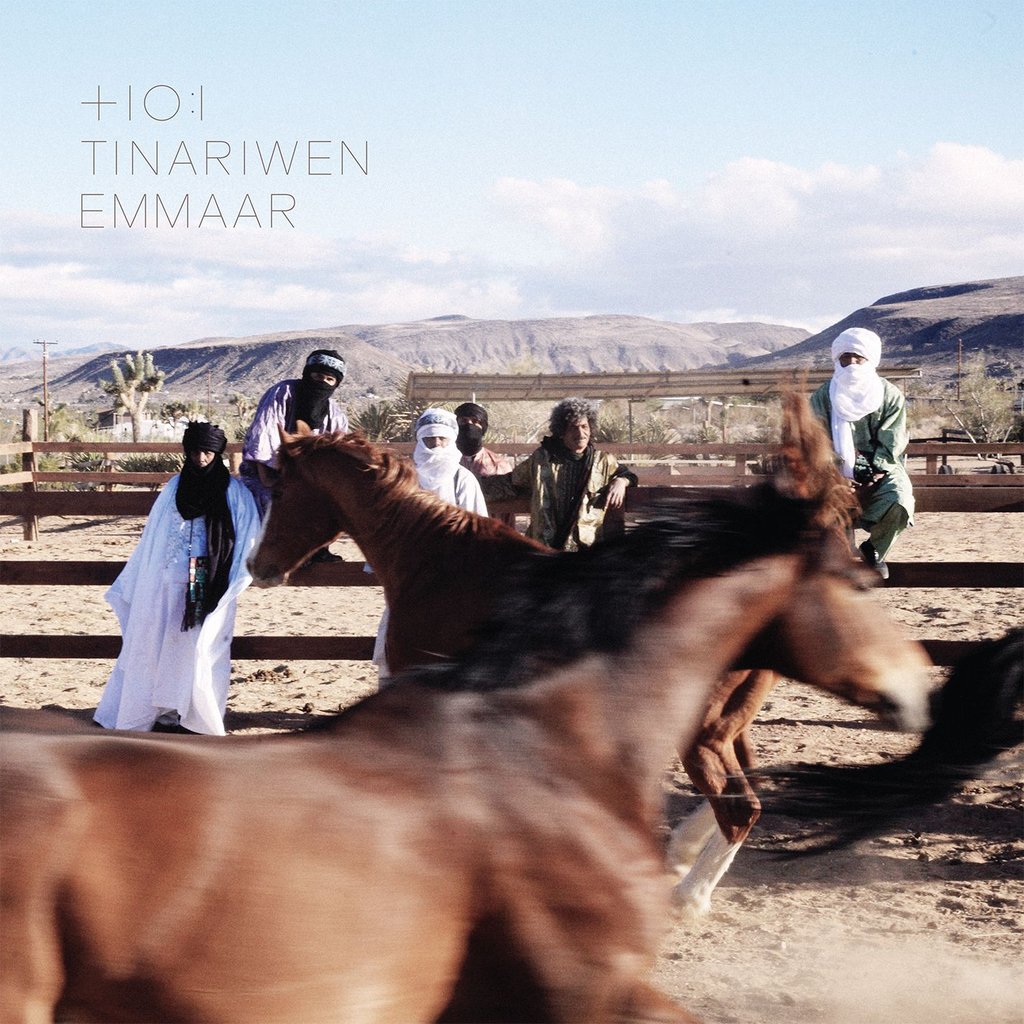
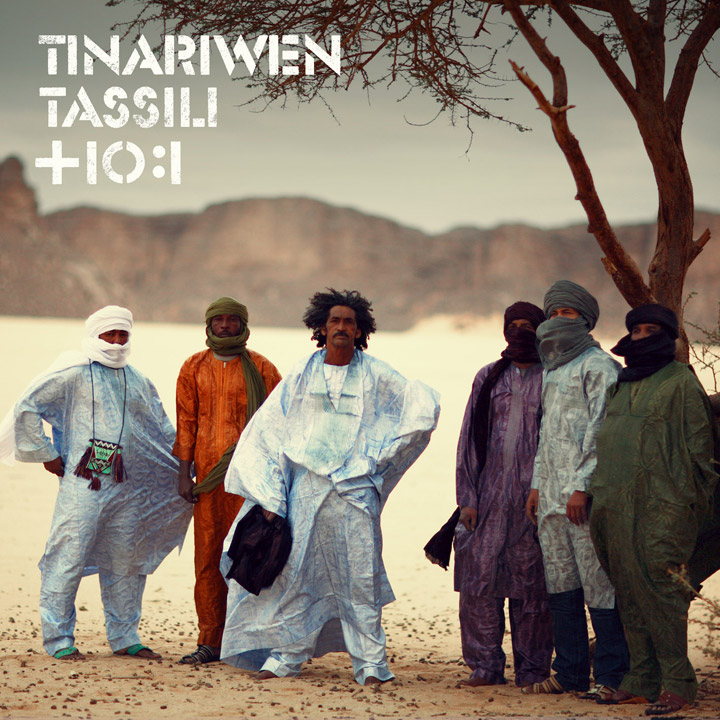
In 2010, Tinariwen signed with the American label Anti-. The result, Tassili, was recorded in three weeks in the eponymous national park, south of Algeria, with pure acoustics. The album integrated contributions from Nels Cline, TV on the Radio, and the Dirty Dozen Brass Band. At the 2012 Grammy Awards, Tassili won Best World Music Album. Subsequent albums confirmed an unbroken trajectory: Emmaar (2014, Joshua Tree studio), Elwan (2017, with Kurt Vile and Mark Lanegan), Amadjar (2019, recorded in Mauritania under the tent), Amatssou (2023, with Daniel Lanois), and Hoggar (2026). Each album is an exploration, never a repetition.
Major Works
| Work | Year | Why It Is Essential |
|---|---|---|
| The Radio Tisdas Sessions | 2001 | The album that opened everything: a “makeshift” recording in Kidal, it launched the group onto the world stage |
| Amassakoul | 2004 | The consecration: hypnotic riffs and a sound that resonates from festivals to Parisian salons |
| Tassili | 2011 | The Grammy album: acoustic recording in the Algerian desert, enriched by Western collaborations |
| Amatssou | 2023 | The surprise: country brass and Daniel Lanois production, far from the desert but faithful to the Tuareg soul |
Heritage and Influence
Tinariwen paved the way for generations of African artists who now see the world as a possible market. Their model – cassettes circulating from camps to Grammy Awards – inspires collectives of musicians across the continent. Their music continues to travel: in 2013, a member, Intidaw, was detained by Islamist militias north of Mali; released after twenty days, he reclaimed his microphone, and the group, with him. For the Tuareg, the desert is not a backdrop; it is an identity. They survive, and that is another victory.
Sources and References
-
“About — Tinariwen”, tinariwen.com, https://www.tinariwen.com/about, accessed October 19, 2026.
-
“Tinariwen”, Britannica, https://www.britannica.com/topic/Tinariwen, accessed October 19, 2026.
-
« Tinariwen », Wikipedia (FR), https://fr.wikipedia.org/wiki/Tinariwen, accessed 19 October 2026.
-
« Tinariwen Biography », AllMusic, https://allmusic.com/artist/mn0000603621, accessed 19 October 2026.
-
« Tinariwen — Grammy Awards and Nominations », Grammy.com, https://www.grammy.com/artists/tinariwen/10715, accessed 19 October 2026.
-
Ibrahim ag Alhabib, interview conducted by, The Beijinger, 2017, https://www.thebeijinger.com/blog/2017/11/13/tinariwen-qa, accessed 19 October 2026.
-
« Marching To A Different Dune: Tinariwen Interviewed », The Quietus, https://thequietus.com/interviews/tinariwen-interview/, accessed 19 October 2026.