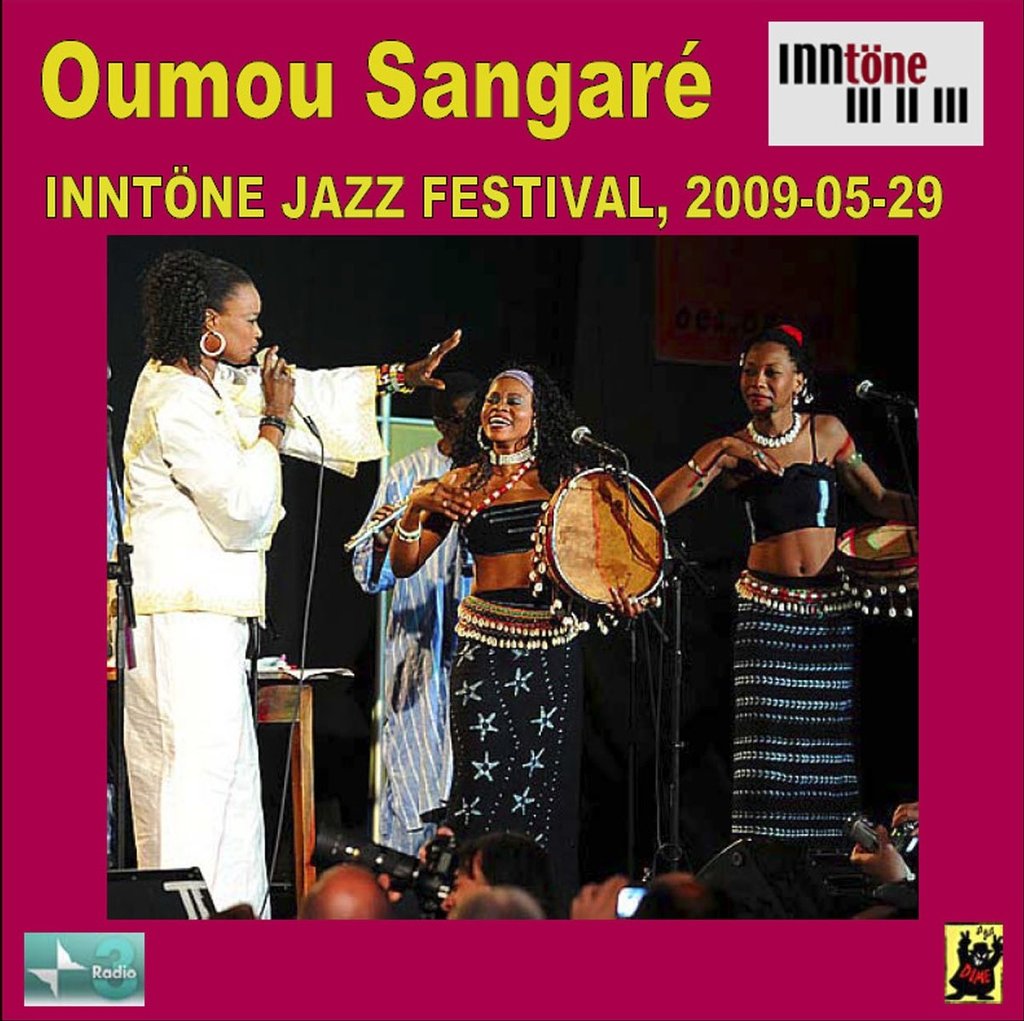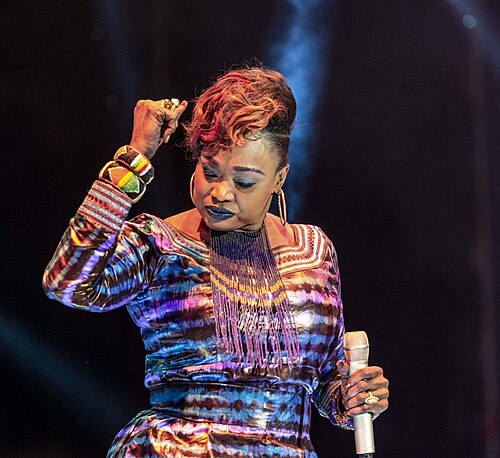
Biography
Oumou Sangaré: The Rebel Singer of Wassoulou
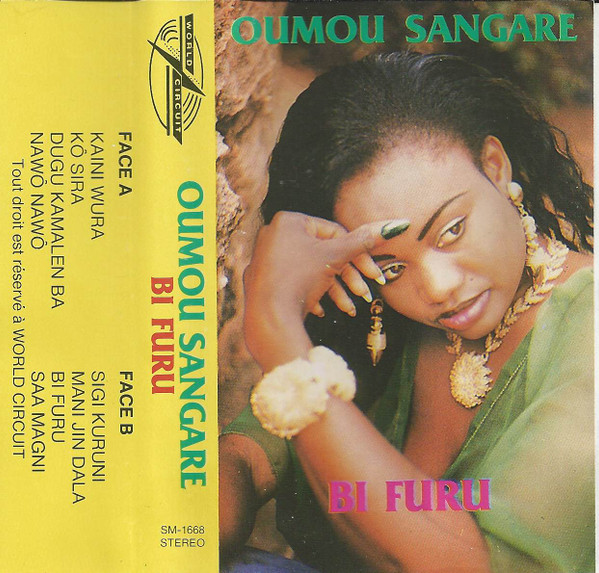
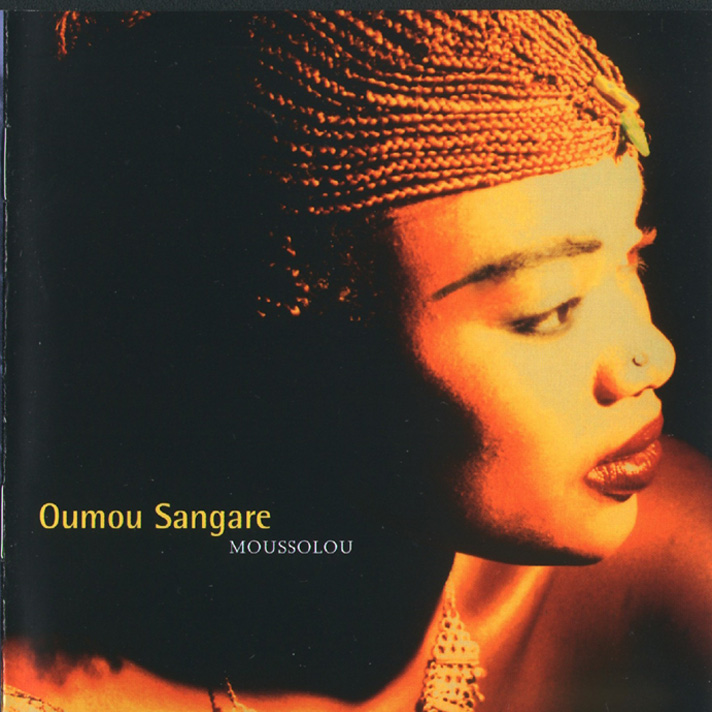
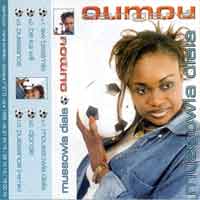
In 1991, British producer Nick Gold traveled through Bamako and heard only one thing: the voice of Oumou. Moussoulou, her first album, shattered sales records in West Africa and established on the world stage a sound never heard before — that of the kamelengoni, the harp of Wassoulou hunters, hammered with an urban funk rhythm. Four decades later, Oumou Sangaré remains the most powerful and determined voice of African women.
In Brief
| Full Name | Oumou Sangaré (peul: umu sangare) |
| Birth | February 25, 1968, Bamako, Mali |
| Ethnic Origin | Peul (Fulani), Wassoulou region |
| Field | Wassoulou music, popular style emerging from rural traditions in southern Mali |
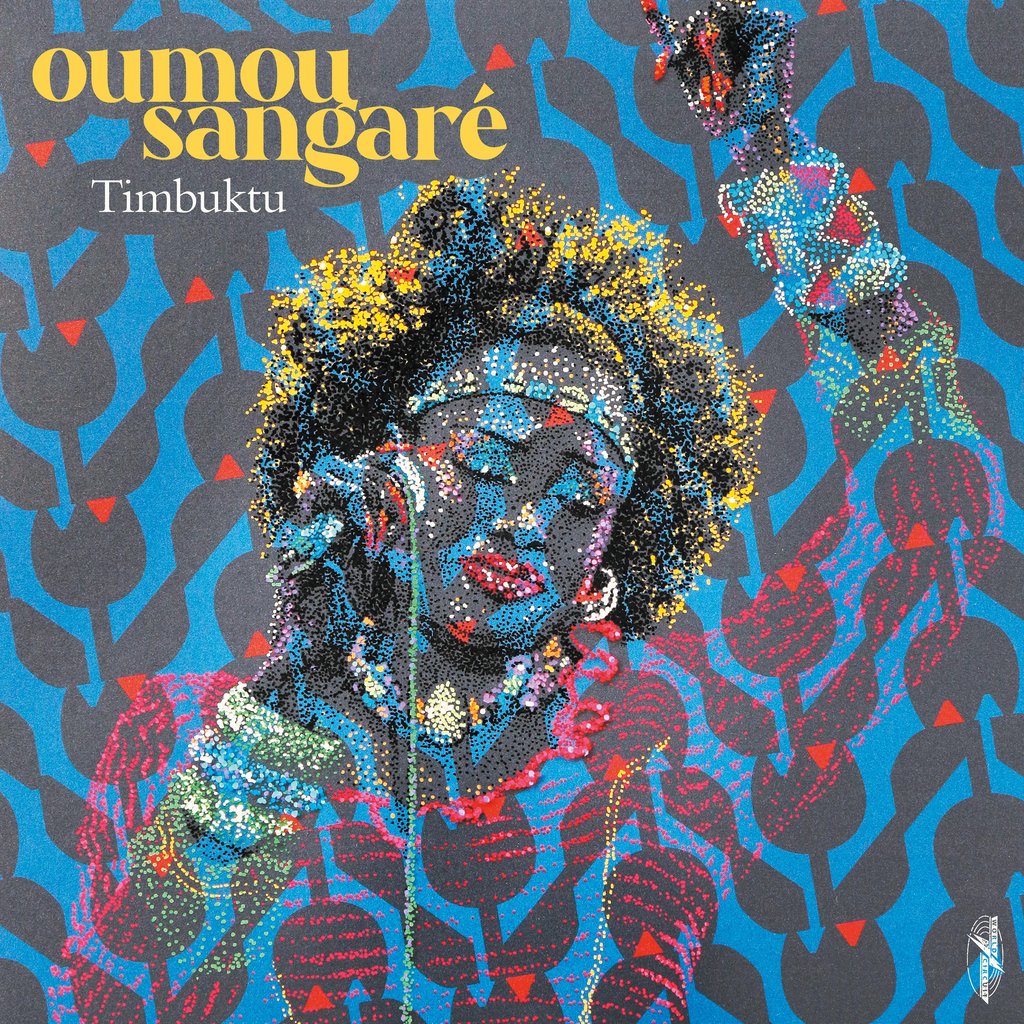
| Notable Works | Moussoulou, Worotan, Seya, Timbuktu |
| Distinctions | Commander of Arts and Letters (1998), Grammy Award (2011), Rolf Schock Prize (2024) |
Key Dates
| Year | Event |
|---|---|
| 1968 | Born in Bamako, to parents from the Wassoulou region |
| 1970 | Her father left for Côte d’Ivoire with a second wife |
| 1984 | Already a member of Djoliba Percussions, she toured Europe |
| 1989 | Recording of Moussoulou, her first album |
| 1991 | Moussoulou becomes a phenomenon in West Africa |
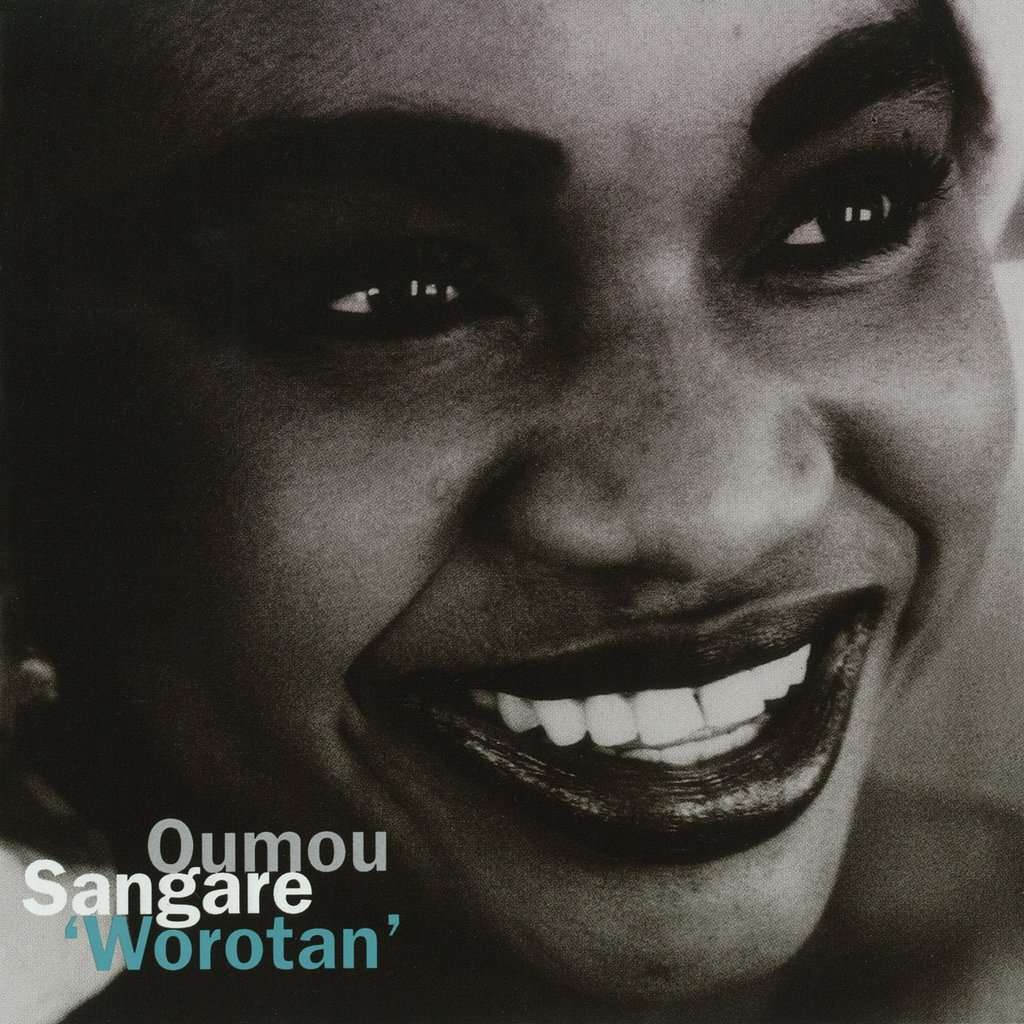
| 1996 | Worotan: critique of forced marriages and polygamy |
| 2001 | UNESCO International Music Prize |
| 2009 | Seya, Grammy Award nomination |
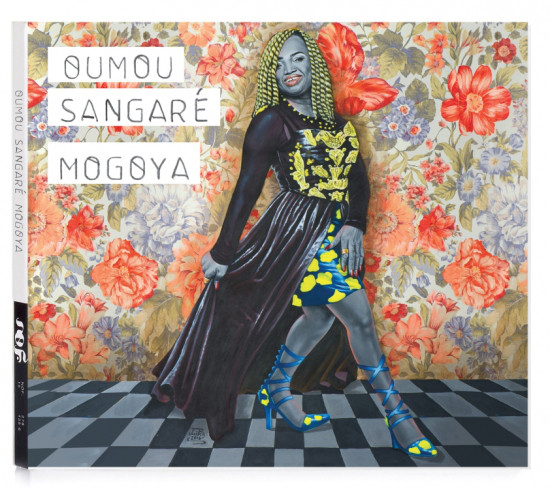
| 2017 | Mogoya, return alongside drummer Tony Allen |
| 2022 | Timbuktu, return to the World Circuit label |
| 2024 | Rolf Schock Prize in musical arts |
From Bamako to Wassoulou: A Life Between Music and Struggle
Oumou Sangaré grew up in Bamako in the shadow of family tragedy. At age two, her father left his wife Aminata Diakité — a professional singer from the Wassoulou region — to marry a second woman. Devastated, Aminata could no longer sing or work. The little Oumou, then five years old, already accompanied her mother on the streets, singing at neighborhood festivals to earn a few coins. Later, she explained that she turned to music for survival.
This native Wassoulou language, Oumou learned it at home, from the sounds of hunters with their sacred harps (donsongoni) and their iron scrapers (karinyan). The evolution of this instrument into the kamelengoni — the “youth harp” — became the cornerstone of her sound, modernized by electric guitar, violin, bass, and funk rhythms. At thirteen, she became the family’s main breadwinner. At sixteen, the group Djoliba Percussions invited her as lead singer. The subsequent European tour opened a world of possibilities for her: she returned to Bamako determined to make her own voice heard.
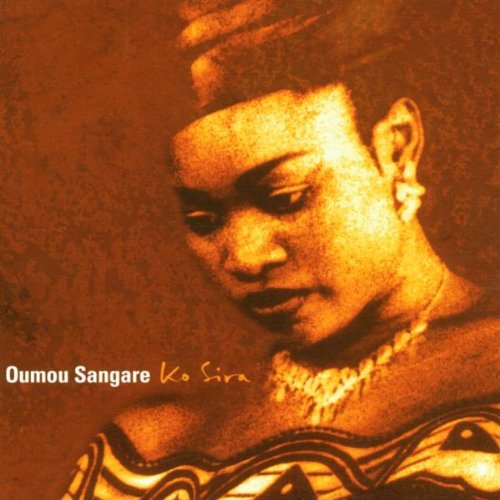
In 1989, Oumou recorded Moussoulou (“Women”) in Abidjan. The album exploded literally: the lyrics broke taboo after taboo. The song “Diaraby Nene” — the shivers of love — sang of women’s sensual eagerness, a subject no one dared to address in Mali until then. Saa Magni pays tribute to arranger Ahmadou Ba Guindo, who died in a car accident. Ko Sira (“Modern Marriage”) critiques arranged marriage. Worotan (“Ten Kola Nuts”) denounces the evils of polygamy.
The cassette, sold in over 200,000 copies, caught the attention of Ali Farka Touré, who recommended it to the English label World Circuit. Nick Gold described how the album was everywhere in Bamako, and Oumou, twenty-one years old, became a star overnight. Her album Ko Sira (1993) pushed the activist message further. In 1996, Worotan addressed forced marriages with arrangements orchestrated by American saxophonist Pee Wee Ellis, fusing Wassoulou and funk.
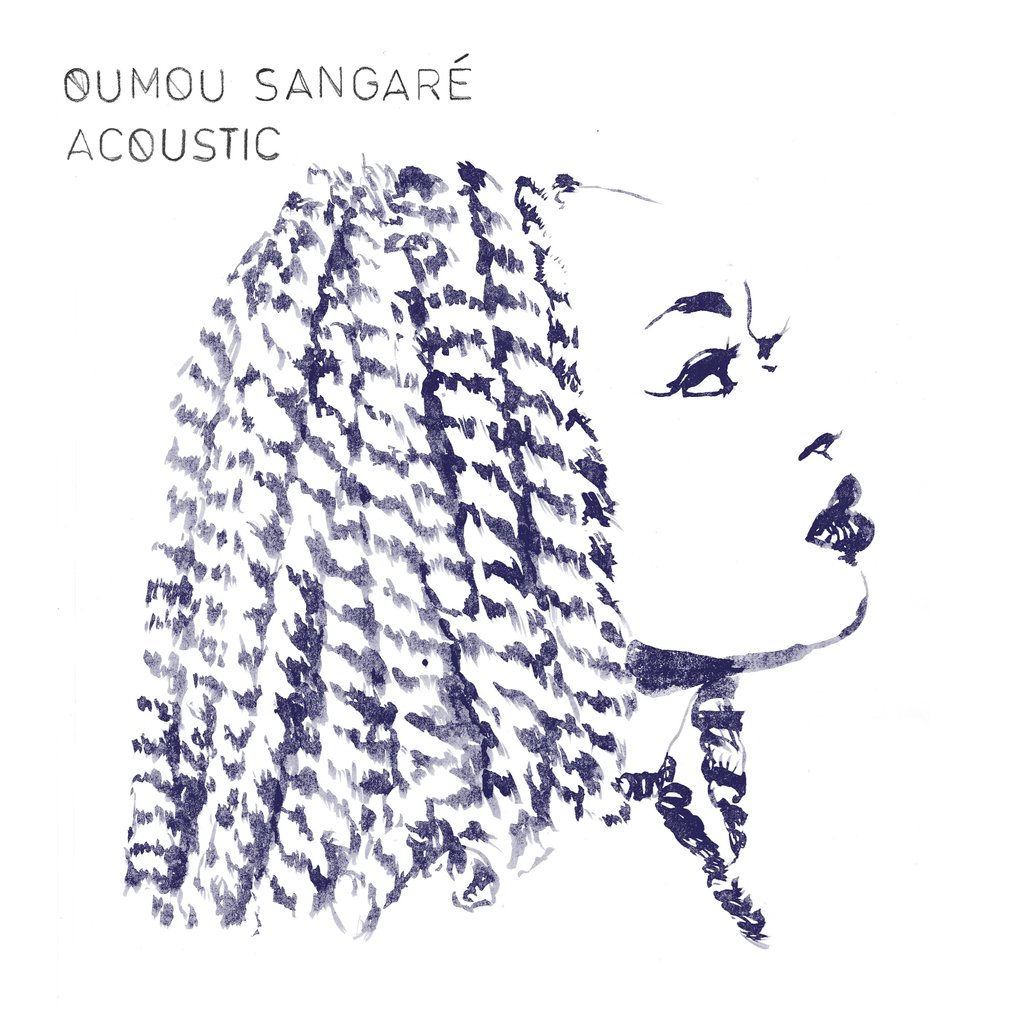
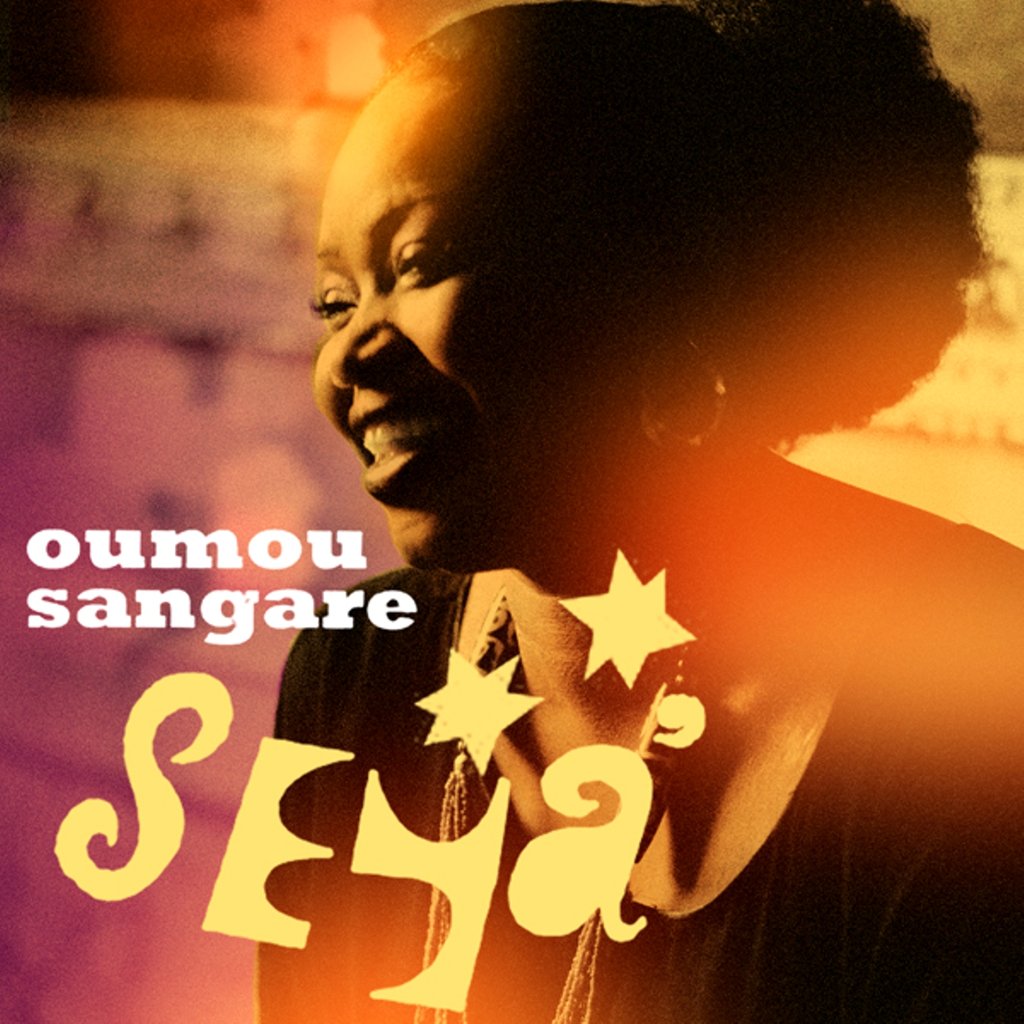
Between 1984 and 2006, Oumou stepped back from recording to focus on concrete projects: a hotel in Bamako, agriculture, and the commercialization of a 4×4 vehicle named Oum Sang. She explained that she built these projects to show women that they can improve their lives by working. Her musical return with Seya (“Joy”, 2009) was praised by critics and nominated for a Grammy Award. Her participation in Herbie Hancock’s Imagine project won a Grammy in 2011. Mogoya (2017), Acoustic (2020), and Timbuktu (2022) continued this ambition: blending Wassoulou tradition with contemporary sounds.
Major Works
| Work | Year | Why It Is Essential |
|---|---|---|
| Moussoulou | 1989 | Shocking first album: bold songs on female sensuality, polygamy, and forced marriages. Over 200,000 cassettes sold in Africa. |
| Worotan | 1996 | “Ten kola nuts,” bride price. Arrangements by Pee Wee Ellis, fusing Wassoulou and funk. |
| Seya | 2009 | Triumphant return after eight years of absence. Nominated for Grammy Awards. |
| Mogoya | 2017 | Collaboration with the legendary Tony Allen. |
| Timbuktu | 2022 | Thirteenth album, return to the World Circuit label: Wassoulou, blues, and rock between Bamako, Paris, and Baltimore. |
Legacy and Influence
Oumou Sangaré paved the way for a generation of African women in music and business. Her approach — blending rural Wassoulou traditions with modern urban sounds while advocating for women’s rights — has inspired artists across the continent. The 2024 Rolf Schock Prize ranks her among the most influential artists of contemporary times, while her professional commitment (hotel, agriculture, automotive) serves as a concrete model for thousands of Malian women.
Sources and References
-
“Oumou Sangaré”, Wikipedia, https://en.wikipedia.org/wiki/Oumou_Sangar%C3%A9, accessed October 21, 2026.
-
“Oumou Sangaré | Biography, Albums, & Facts”, Britannica, https://www.britannica.com/biography/Oumou-Sangare, accessed October 21, 2026.
-
Sean Westergaard, « Oumou Sangaré — Biography », AllMusic, https://www.allmusic.com/artist/oumou-sangar%C3%A9-mn0000493412, accessed 21 October 2026.
-
Lucy Durán, « Mali’s Songbird, Oumou Sangaré », BBC Radio 3 World Routes, https://downloads.bbc.co.uk/radio3/worldmusic/duran_sangare_radio_piece.pdf, accessed 21 October 2026.
-
« Oumou Sangaré | Music », The Guardian, https://www.theguardian.com/music/2008/apr/20/worldmusic, accessed 21 October 2026.
-
« Oumou Sangaré: The Voice of Malian Women and Feminist Icon », Monocle, https://monocle.com/affairs/society/oumou-sangare-mali-music/, accessed 21 October 2026.
-
« Oumou Sangaré — World Circuit Records », World Circuit, https://www.worldcircuit.co.uk/artists/oumou-sangare/, accessed 21 October 2026.
-
« Science, art and music meet in the Rolf Schock Prizes 2024 », Kungl. Vetenskapsakademien, https://www.kva.se/en/news/science-art-and-music-meet-in-the-rolf-schock-prizes-2024/, accessed 21 October 2026.