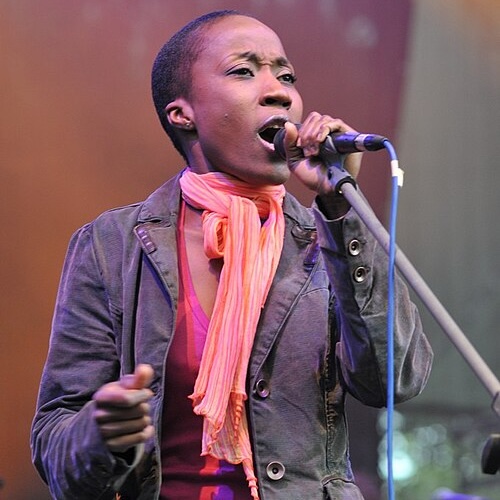
Biography
Rokia Traoré: the rebellious voice of Mali
Born in 1974 in Kati, a suburb of Bamako, Rokia Traoré grew up between Algeria, Saudi Arabia, France, and Belgium while her father, a diplomat and saxophonist, played Ella Fitzgerald, Billie Holiday, Wagner, and the Rolling Stones for her. Daughter of the Bambara ethnic group, raised in nobility that is forbidden to sing like the griots, she nonetheless chose to carve her own path. Thirty years later, this rebellious teenager is one of the most awarded and itinerant African artists of her generation.
In brief
| Name | Rokia Traoré |
| Birth | 24 January 1974, Kati (suburb of Bamako), Mali |
| Origin | Bambara, Bélédougou |
| Field | Singer, composer, guitarist — afro-pop, worldbeat, Mandingue tradition |
| Signature works | Mouneïssa, Wanita, Bowmboï, Tchamantché, Beautiful Africa |
| Awards | RFI Prix Découverte (1997), BBC Radio 3 World Music Award (2004), Victoire de la Musique (2009), Songlines Music Awards (2009) |
Key dates
| Year | Event |
|---|---|
| 1974 | Birth in Kati, near Bamako |
| 1974–1990 | Nomadic childhood between Mali, Algeria, Saudi Arabia, France, and Belgium |
| 1986 | At twelve years old, writes her first texts translated into Bambara (Se, Fatalité, Finini) |
| 1995 | Finini achieves a resounding success in Mali |
| 1997 | RFI Prix Découverte; consecration at the Musique Métisses festival in Angoulême |
| 1998 | Mouneïssa released in March, launching Rokia on the international stage |
| 2000 | Wanita, praised by the New York Times |
| 2003 | Bowmboï with the Kronos Quartet; BBC Radio 3 World Music Award (2004) |
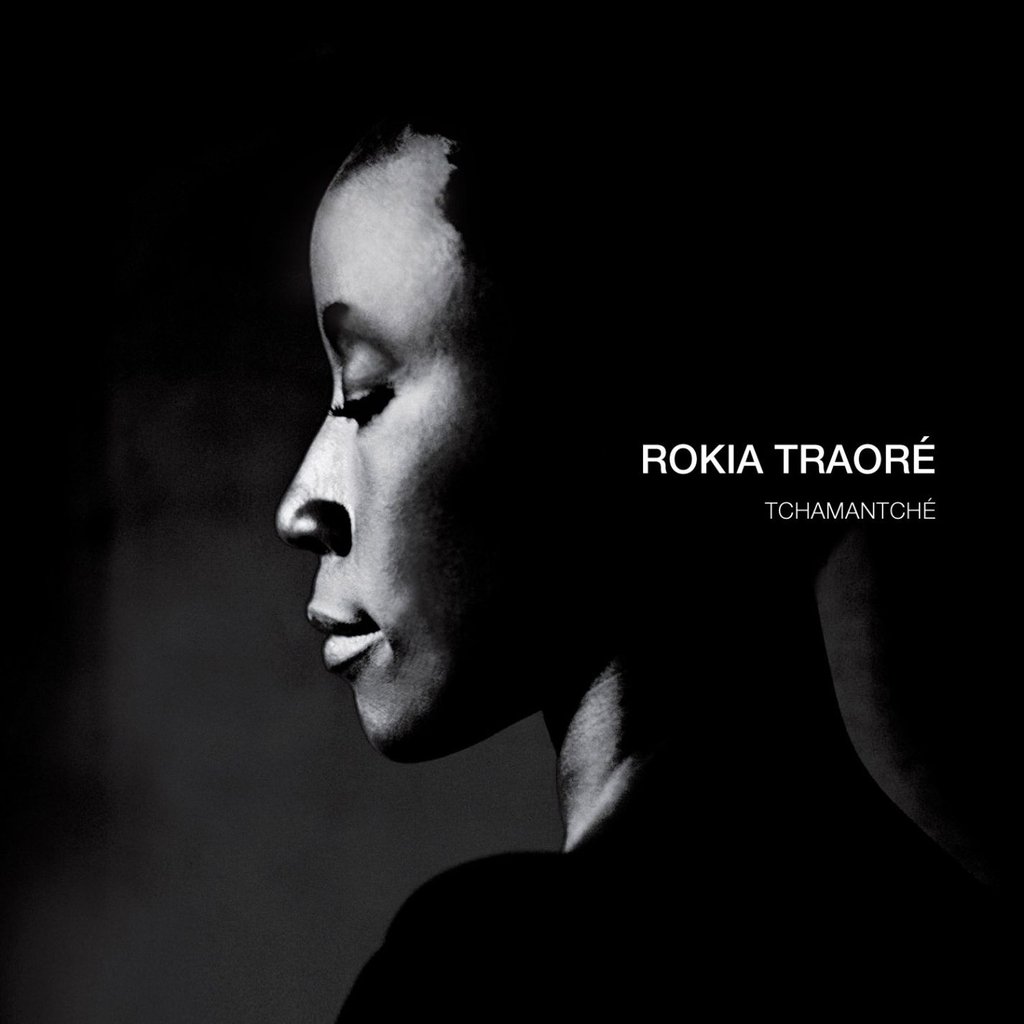
| 2008 | Tchamantché, rock turning point; Victoire de la Musique world music (2009) |
| 2012 | Collaboration with Toni Morrison and Peter Sellars on the play Desdemona |
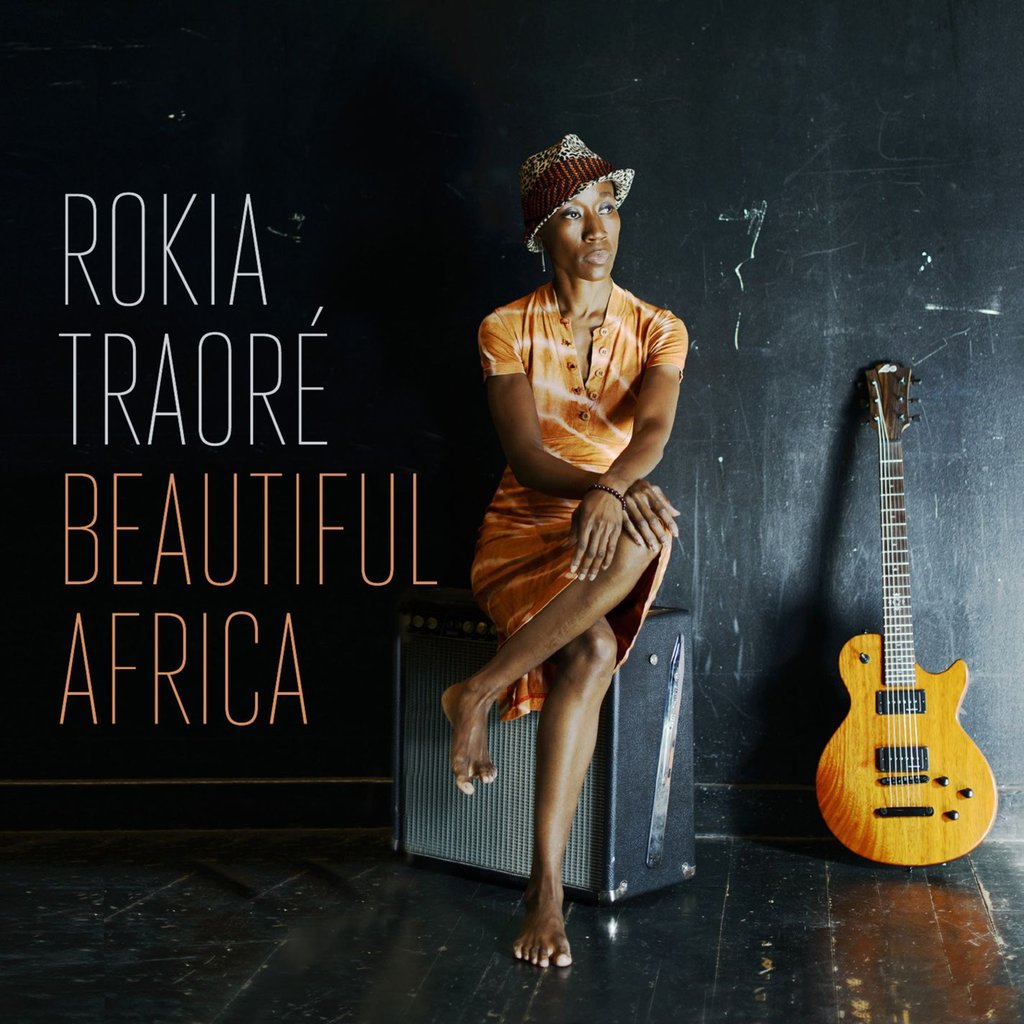
| 2013 | Beautiful Africa, produced by John Parish (PJ Harvey); Glastonbury tour |
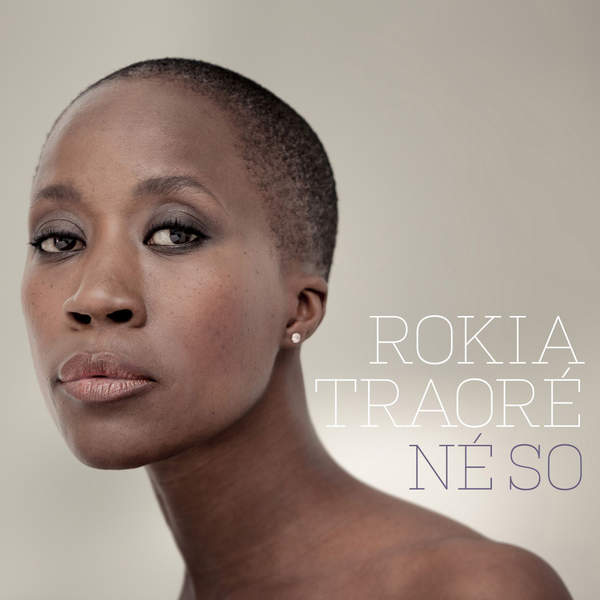
| 2016 | Né So, second album with John Parish and John Paul Jones |
From rebellious nobility to the world stage
Rokia Traoré is of Bambara nobility1. In Mandingue tradition, the griots — guardians of memory and music, a status passed down from generation to generation — form a distinct group, and noble families like hers are forbidden to sing with the griots. Far from renouncing this prohibition, it fuels her determination. At twelve years old, she writes her first texts, translating them into Bambara; Se, Fatalité, and Finini emerge before she even knows the Malian stage.
Her father, a diplomat and amateur saxophonist, opens for her a musical world that spans continents: jazz, blues, classical, rock. The musician Ali Farka Touré, star of Mali, spots Rokia at twenty and refines her guitar learning2. At that time, Finini reveals her as a major artist in her country.
Revelation and consecration
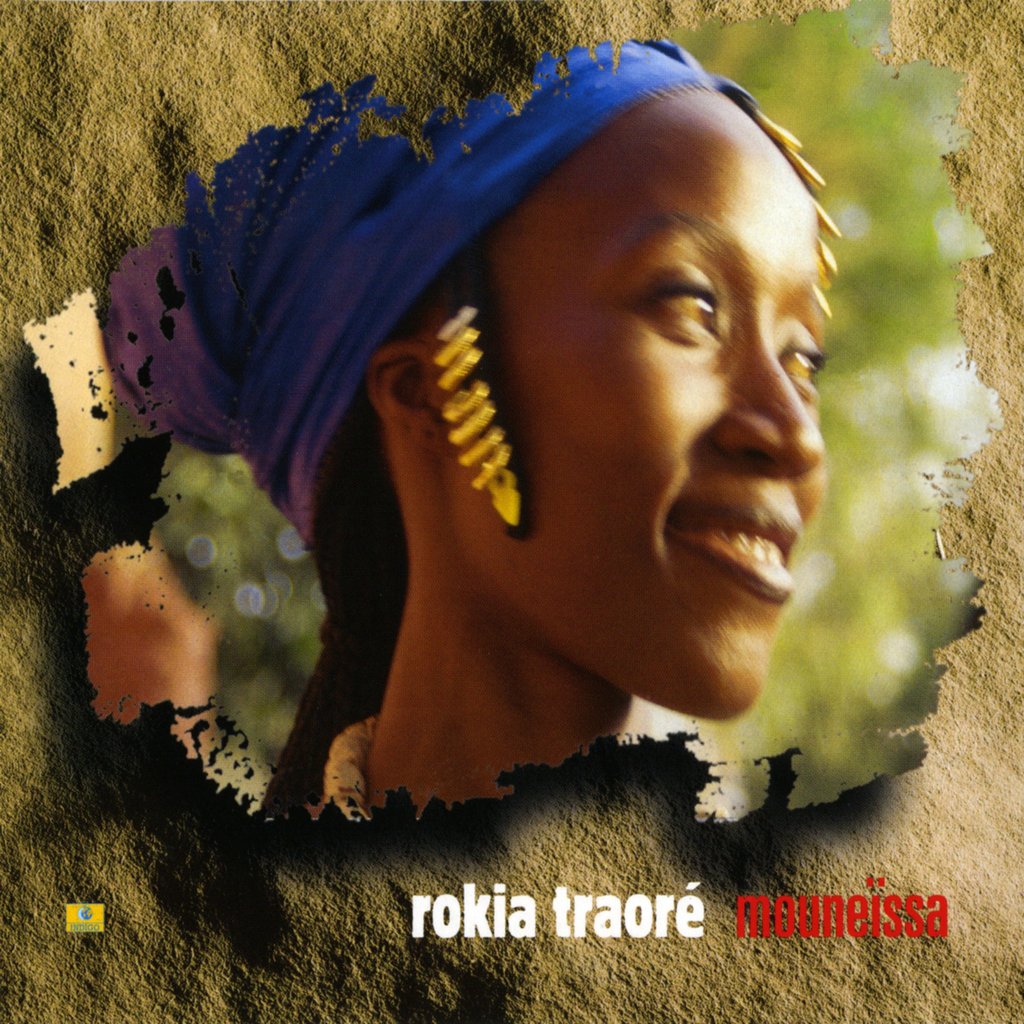
The turning point occurs in 1997 when Rokia wins the RFI Africa Discovery Prize3. She presents a track about children — Mouneïssa — before a jury presided over by Papa Wemba. Her first album, Mouneïssa, is released at the end of March 1998 and strikes with its marriage of balafon, n’goni, kora, and acoustic guitar.
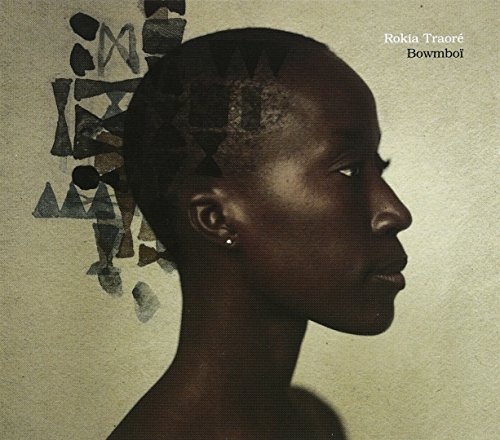
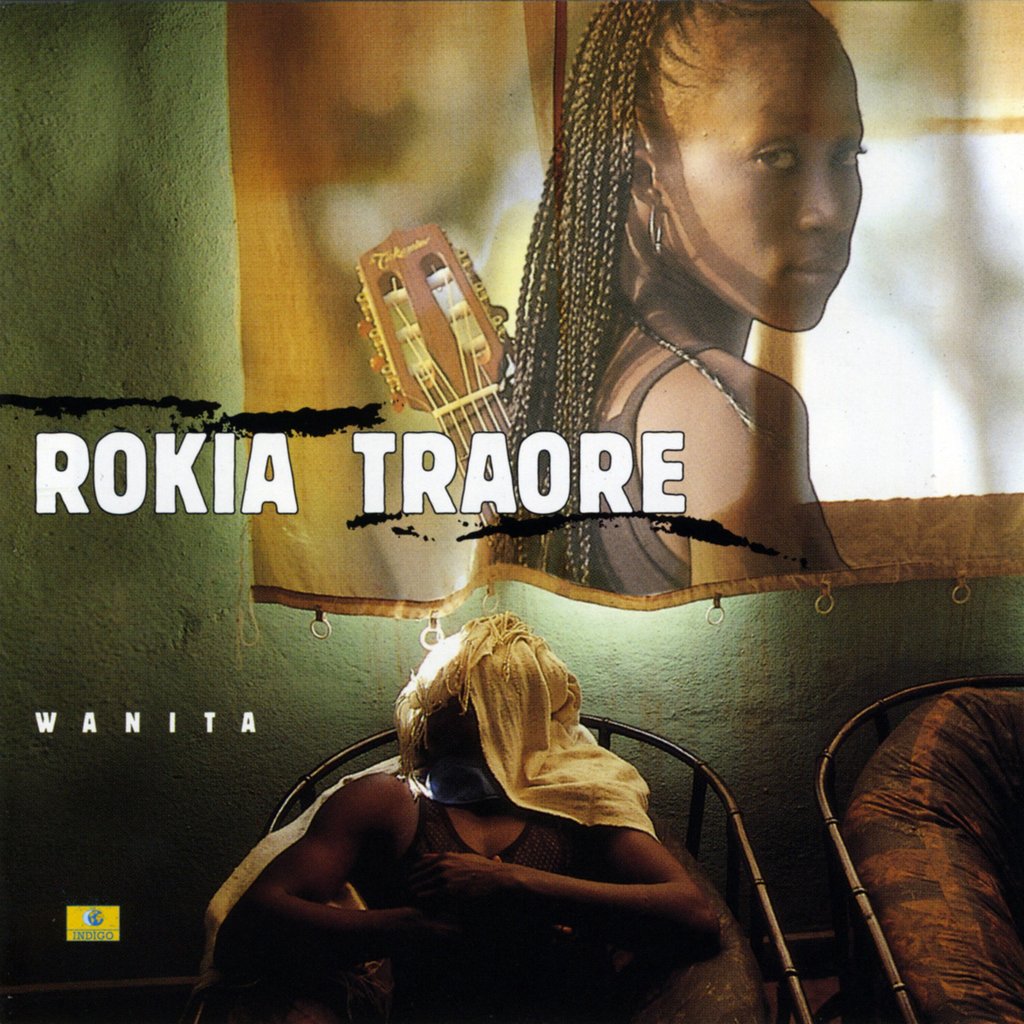
Wanita (2000) confirms this path. Rokia writes and arranges the entire album, refusing to let a male engineer impose his production on her1. The New York Times designates it as one of the best albums of the year. Bowmboï (2003), by invitation of the Kronos Quartet, further expands the artist’s universe by opening a bridge between Mandingue music and contemporary classical music. The album receives the BBC Radio 3 World Music Award in 2004.
Turning points and commitments
With Tchamantché (2008), Rokia Traoré introduces electric guitar, bass, and drums4. She founds the same year the Passerelle Foundation in Bamako, a cultural center dedicated to training young Malian musicians.
Her career also leads her toward projects outside the usual musical field. In 2005, she participates in the show Wati, a commission by Peter Sellars for the project New Crowned Hope at the Théâtre du Châtelet, which associates Mozart and tragedies of slavery5. In 2012, she collaborates with Toni Morrison and Peter Sellars on the play Desdemona, a musical reworking of Shakespeare’s Othello.
Beautiful Africa (2013), produced by John Parish (PJ Harvey), clearly assumes its rock anchoring. “I didn’t want to make Western-style rock and roll… I wanted something that was rock and roll, but still Malian and still me,” she explains2. Her last album to date, Né So (2016), continues this lineage with contributions from John Paul Jones and musicians from the Passerelle Foundation.
Major works
| Work | Year | Why it is essential |
|---|---|---|
| Mouneïssa | 1998 | First album, entirely in Bambara; launched Rokia on the international stage |
| Wanita | 2000 | Rokia takes creative control; praised by the New York Times |
| Bowmboï | 2003 | Collaboration with the Kronos Quartet; BBC Radio 3 World Music Award |
| Tchamantché | 2008 | Rock turning point; Victoire de la Musique world music |
| Beautiful Africa | 2013 | Embraced Malian rock; Glastonbury, Roskilde tours |
Legacy
Rokia Traoré makes it clear that tradition is not a museum, but a reservoir. She crosses ethnic, generic, and geographical boundaries — Bambara and rock, Kati and London, forbidden griot and awarded artist — proving that exclusion can become a source of creation. Beyond her music, the Passerelle Foundation she founded trains the next generation of Malian musicians, weaving a legacy that transcends her career.
Sources and references
-
AllMusic, biography of Rokia Traoré by Stacia Proefrock, allmusic.com/artist/rokia-traor%C3%A9-mn0000837328, accessed 31 October 2026 ↩︎ ↩︎
-
The Guardian, I wanted to keep positive and sing about how much I love Africa, theguardian.com/music/2013/mar/29/rokia-traore-beautiful-africa-interview, accessed 31 October 2026 ↩︎ ↩︎
-
Rokia Traoré, official website, biography, rokiatraore.net/bio/, accessed 31 October 2026 ↩︎
-
RFI Musique, Traoré Rokia, rfi.fr/fr/musique/20220112-traor%C3%A9-rokia, accessed 31 October 2026 ↩︎
-
Théâtre du Châtelet, biography Rokia Traoré, chatelet.com/en/artiste/traore-rokia, accessed 31 October 2026 ↩︎