Biography
Mory Samaké, aka Daddy Mory: the voice of French reggae
Ivry-sur-Seine, late 1980s. In a Parisian squat, two boys make Jamaican sounds resonate through makeshift microphones. The sound they produce is raw, direct, uncompromising—a blend of reggae dancehall (fast rhythm born in Jamaica in the 1980s) and rap that had never been produced in France1. Thirty years later, one of the two boys, Mory Samaké, aka Daddy Mory, still sings on the same stages he helped build.
In brief
| Stage name | Daddy Mory |
| Legal name | Mory Samaké |
| Birth | October 1973, Paris |
| Origins | Malian father, Martinican mother |
| Genre | Raggamuffin, dancehall reggae |
| Main group | Raggasonic |
| Iconic works | Raggasonic (1995), Ma Voix Résonne (2003), Travail d’Artiste (2015) |
Key dates
| Year | Event |
|---|---|
| 1987 | Debut in Drop The Lyrics, neighborhood group in Ivry-sur-Seine |
| 1990 | Joins Sound Djata, first duo with Big Red |
| 1991 | Appearance on Ragga Jam, track by MC Solaar, alongside Kery James |
| 1995 | Release of first album Raggasonic, gold record (200,000 copies) |
| 1995 | Sors avec ton gun on the soundtrack of the film La Haine |
| 1997 | Release of Raggasonic 2, hit single Faut pas me prendre pour un âne |
| 1998 | Suspends activities with the group |
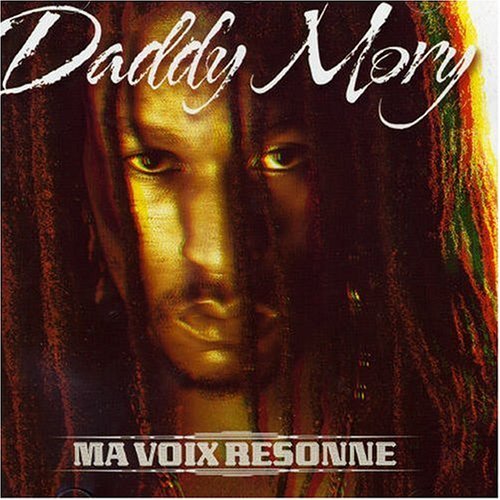
| 2003 | Solo launch with Ma Voix Résonne |
| 2012 | Raggasonic reunion and release of Raggasonic 3 |
| 2021 | Release of EP Kritk, recorded in Senegal |
| 2025 | Concert at Reggae Breizh Party, Pontivy |
Origins and formation: a hybrid of culture
Son of a Malian father and a Martinican mother, Mory Samaké grew up in the 14th arrondissement of Paris before settling in Ivry-sur-Seine. Reggae is a religion there: he discovered it in squats and sound systems, these underground scenes where DJs play Jamaican records on giant speakers. At sixteen, he joins forces with Big Red (Stéphane Joaquim), quickly forming a duo2. The duo becomes a trio when Frenchie (François Allegre) joins the lineup and takes on the role of producer.
The group adopts its name: Raggasonic. The first ragga formation in France, the trio gets noticed thanks to a compilation, Rapattitude, published at the beginning of the 1990s. In 1991, the duo Big Red and Daddy Mory appears on Ragga Jam, a track by MC Solaar, alongside Kery James—a baptism before the elite of French rap3.
Revelation and consecration: Raggasonic
The eponymous album Raggasonic is released in October 1995 and climbs directly to sixteenth place on the French charts, earning a gold record. It includes tracks that became iconic: Bleu, blanc, rouge, clip directed by Joeystarr, and J’entends parler, dedicated to raising awareness about AIDS. That same year, Sors avec ton gun enters the soundtrack of Mathieu Kassovitz’s film La Haine, firmly anchoring the group in French culture3.
In 1997, Raggasonic 2 confirms the success with Faut pas me prendre pour un âne and Laisse le peuple s’exprimer, tracks that make Raggasonic a reference in French reggae. The press picks it up. The adventure ends in 1998: artistic and personal disagreements, as well as Daddy Mory’s prison stay, bring the collaboration to a close3.
The solo career: from Paris to Saly
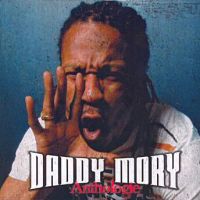
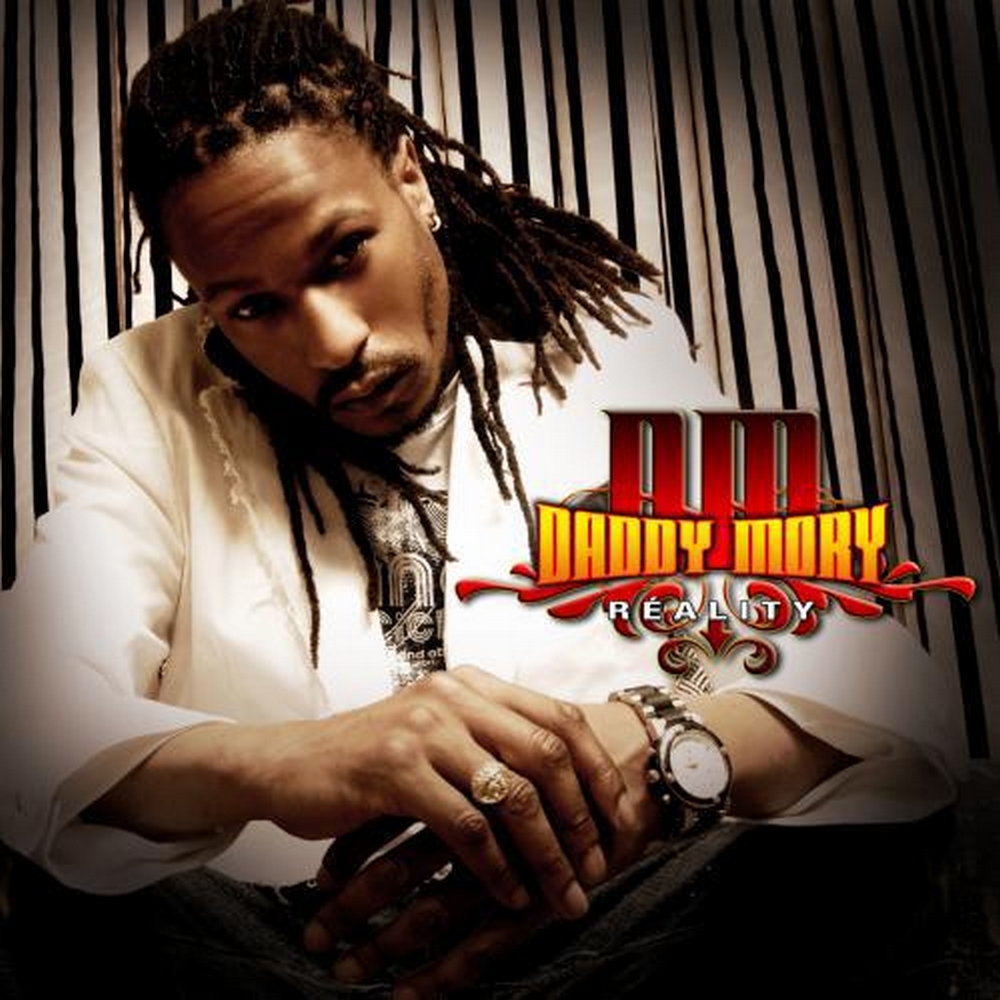
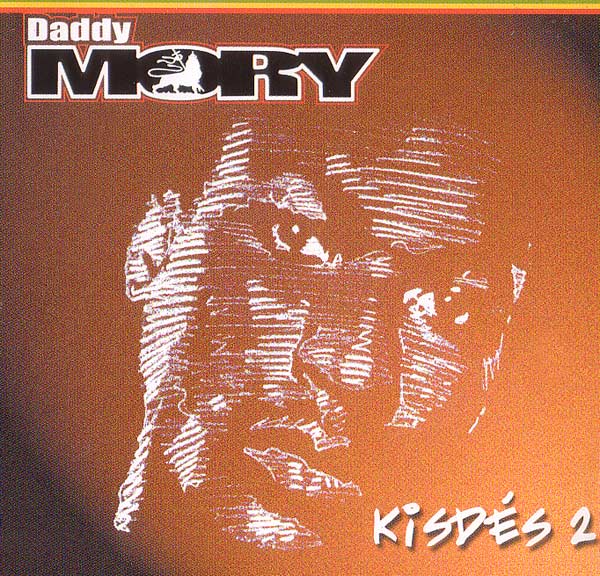
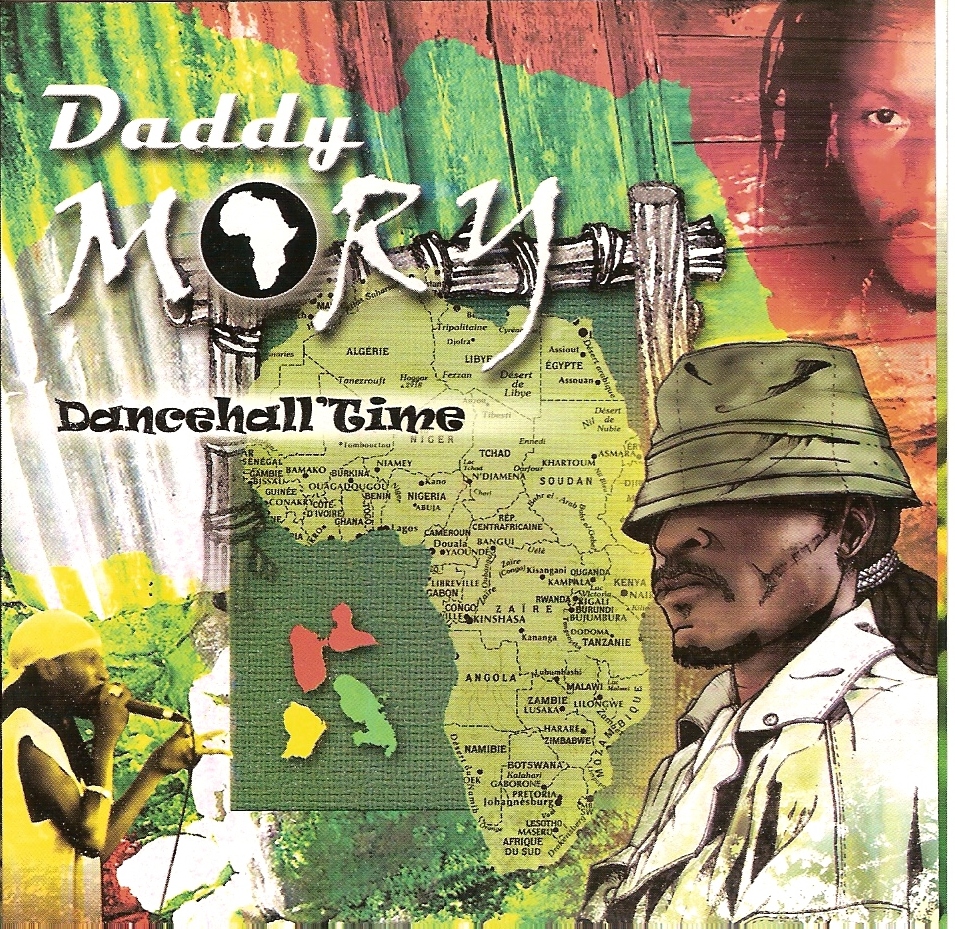
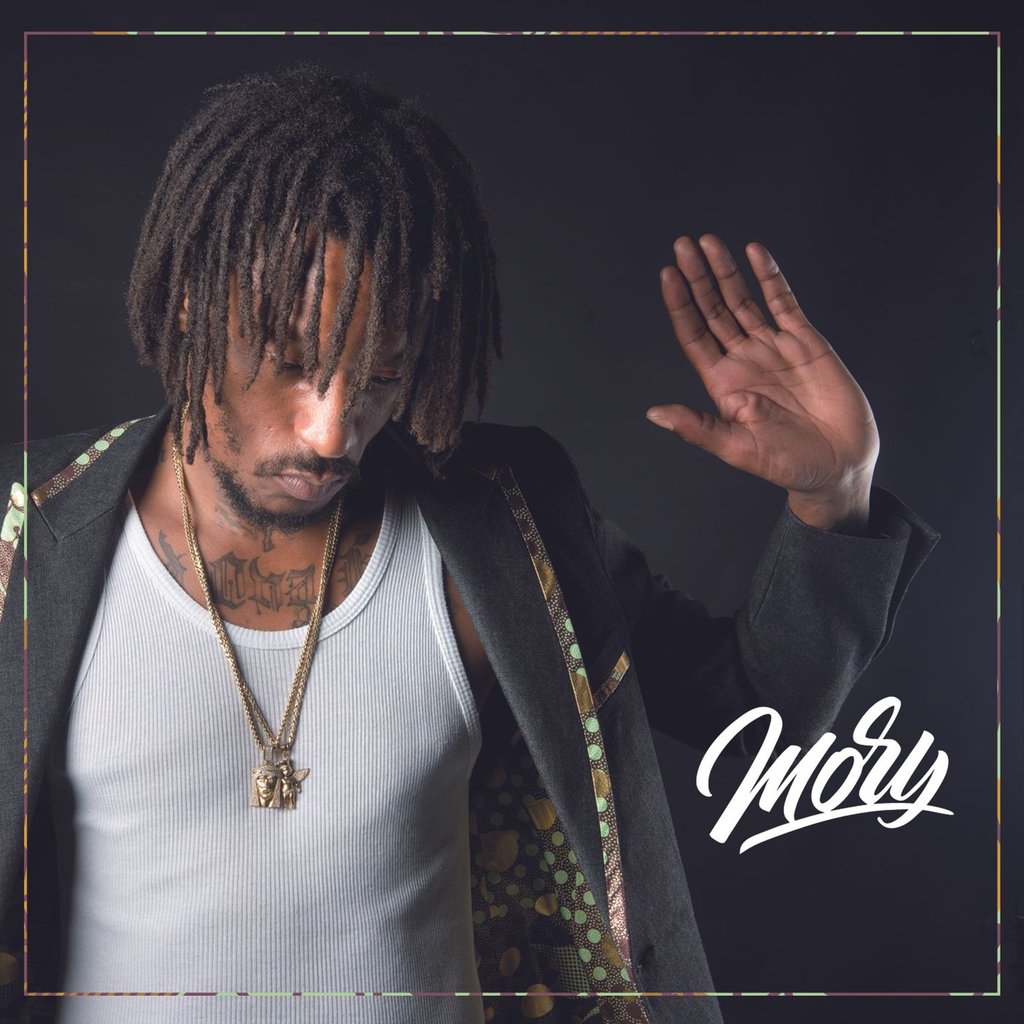
Daddy Mory does not slow down. In 1998, he launches his solo career. Kisdés 2 (2002), Ma Voix Résonne (2003) and Reality (2007) confirm a writing style rooted in dancehall reggae. He tours in Africa, Polynesia, the Caribbean and Europe4.
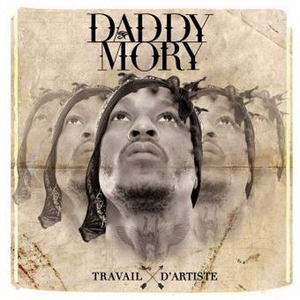
At the end of the 2010s, he returns with Travail d’Artiste (2015), alongside Birch, Frenchie and Steven DJ Genius McGregor. In 2021, the EP Kritk is recorded in Senegal, where Daddy Mory has a pied-à-terre in Saly. The pandemic did not stop his creativity. In 2025, he celebrates thirty years of Raggasonic while continuing to perform on stage5.
His 2012 return with Raggasonic 3, including the single Ça va clasher, marks the trio’s renaissance. “Music is our lifeblood,” he declares. Today active between Paris and Dakar, Daddy Mory remains an indispensable figure of the reggae scene in France3.
Major works
| Work | Year | Why it’s essential |
|---|---|---|
| Raggasonic | 1995 | Group’s first album, gold record, Bleu, blanc, rouge and J’entends parler |
| Raggasonic 2 | 1997 | Confirmation of the duo with Faut pas me prendre pour un âne |
| Ma Voix Résonne | 2003 | First solo album, rooted in dancehall reggae |
| Travail d’Artiste | 2015 | Strong comeback with major artists from the scene |
| Kritk | 2021 | EP recorded in Senegal, filmed between Paris and Saly |
Legacy
Daddy Mory is, along with Big Red, a co-founder of a movement that shaped French reggae. His voice and militant lyrics nourished an entire generation. He embodies the diversity of France—son of Mali and Martinique, singing in French with Jamaican dancehall rhymes—while remaining faithful to the political consciousness of reggae. Thirty years after his debut in the squats of Ivry, his music continues to resonate5.
Sources and references
-
ReggaeEurope, “Daddy Mory” (https://reggaeeurope.com/upcoming-reggae-artists/daddy-mory), accessed October 29, 2026 ↩︎
-
Ouest-France, “INTERVIEW. Daddy Mory: there are people who think reggae in France is dead” (https://www.ouest-france.fr/culture/musiques/reggae/entretien-daddy-mory-il-y-a-des-gens-qui-pensent-que-le-reggae-en-france-est-mort-ceec861e-148a-11f0-9759-9654df6b878b), April 2025, accessed October 29, 2026 ↩︎
-
French Wikipedia, “Raggasonic” (https://fr.wikipedia.org/wiki/Raggasonic), accessed October 29, 2026 ↩︎ ↩︎ ↩︎ ↩︎
-
Rebelbase, “Raggasonic - Couleur Café 06/2013” (https://rebelbase.be/interviews/detail/raggasonic---couleur-cafe-062013), June 30, 2013, accessed October 29, 2026 ↩︎
-
ReggaeFrance, “Interview Daddy Mory” (https://www.reggaefrance.com/interview-171-daddy-mory.html), accessed October 29, 2026 ↩︎ ↩︎