Biography
Kassé Mady Diabaté: the golden voice of Mandingo griots
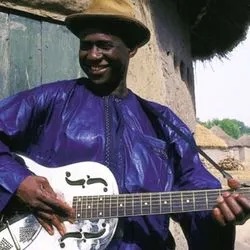
In a living room in Bamako, a man enters without a word. He stands there, upright and modest, before sitting down and letting go of a velvety voice that seems to come from another time. Kassé Mady Diabaté—the “golden voice of Mali”—spoke little; he sang. And that baritone, intimate song carried within it five decades of West African music, from the ancestral jeliya of the Mandingo to the fused experiments of Paris.
In brief
| Full name | Kassé Mady Diabaté |
| Birth | 1949, Kéla (Kangaba), Mali |
| Death | May 24, 2018, Bamako, Mali |
| Field | Mandingo music (singer, griot) |
| Emblematic works | Kelanj Kan, Kassi Kassé, Kiriké |
| Distinctions | Nominated for BBC Radio 3 Awards for World Music (2003); Grammy Award nomination (2004) |
Key dates
| Year | Event |
|---|---|
| 1949 | Birth in Kéla, village of griots |
| 1970 | First performance with Super Mandé de Kangaba; victory at the Biennale |
| 1973 | Joins Las Maravillas de Mali, the group of Malian musicians who returned from Cuba |
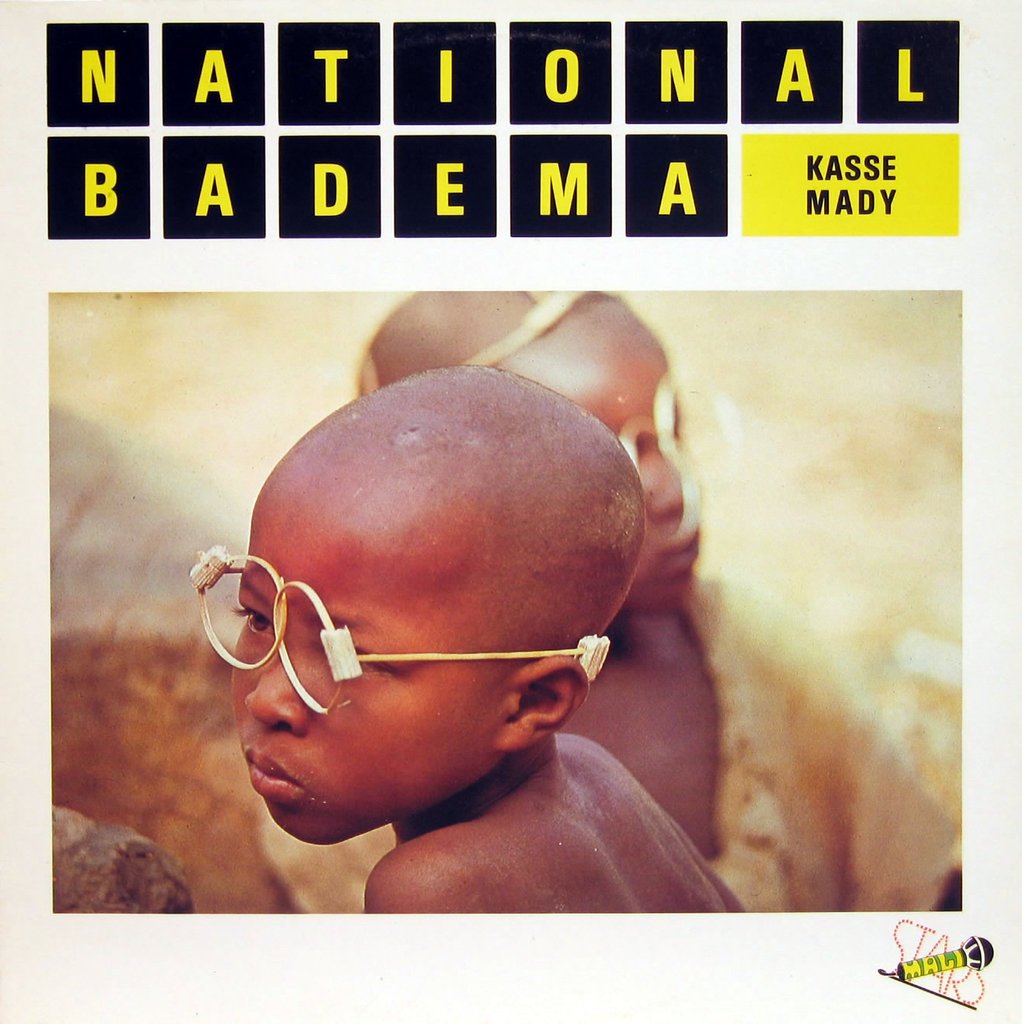
| 1976 | The group becomes the National Badéma du Mali; success throughout West Africa |
| 1988 | Departs for Paris; records his first solo album Fodé |
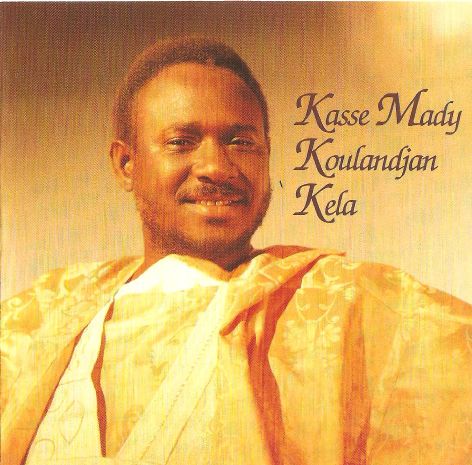
| 1990 | Release of Kelanj Kan, an acoustic album of traditional jeliya |
| 1994 | Participation in Songhai 2 by Toumani Diabaté |
| 1998 | Return to Mali; collaboration with Taj Mahal and Toumani Diabaté on the album Kulanjan |
| 2002 | Release of Kassi Kassé, produced by Lucy Duran and recorded in Kéla |
| 2004 | Grammy Award nomination for Kassi Kassé |
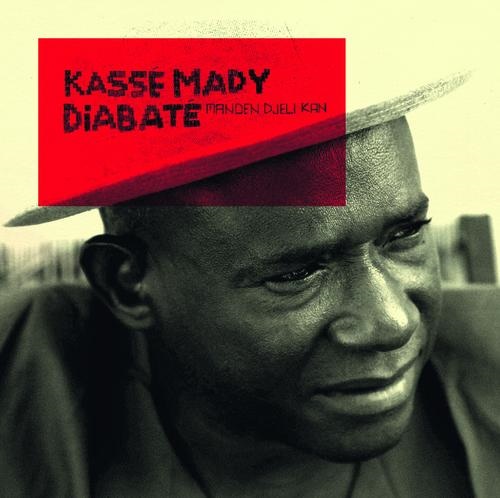
| 2009 | Manden Djeli Kan on Universal France; Chamber Music with Ballaké Sissoko and Vincent Ségal |
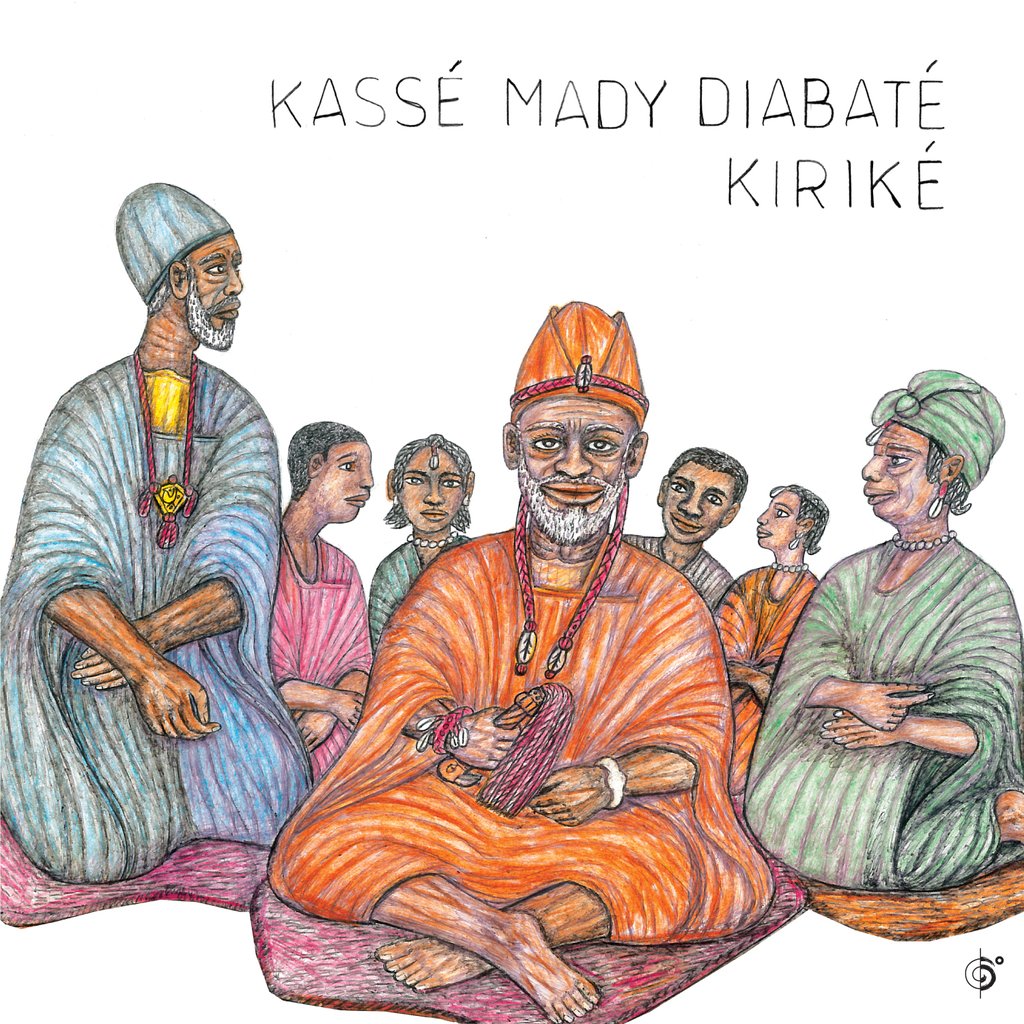
| 2014 | Final album, Kiriké, released on Six Degrees Records |
From jeliya to badéma: the paths of a song
Kassé Mady Diabaté was born in 1949 in Kéla, a village in the Koulikoro region, capital of the djelis—inherited musicians and storytellers of the Mandingo empire. The Diabaté family is one of the two largest families of djelis—inherited musicians and storytellers—of the Mandingo empire. His great-grandfather, Bintou ‘Amma, was a master of the ngoni; his uncle, Siramori Diabaté, is a renowned griotte. At seven years old, elders of the family including Siramori recognized in him the vocal gift of his ancestor and initiated him into the jeliya tradition.
In 1970, he joined as a singer with Super Mandé de Kangaba, the regional orchestra directed by his older brother Abdoulaye Diabaté. The ensemble won the Biennale, a national competition organized by the Malian government as part of its cultural authenticity policy. His voice attracted the ears of Las Maravillas de Mali, a group of musicians trained in Havana. In 1973, Kassé Mady joined them as lead singer. The group, renamed National Badéma du Mali from 1976, fused the Mandingo repertoire with Cuban rhythms and triumphed throughout West Africa.
The quest for a unique sound: from Paris to Kéla
In 1988, Kassé Mady left Mali and settled in Paris. Under the production of Senegalese Ibrahima Sylla, he published in 1989 Fodé, a pop album drawing on his griot training. The following year, Kelanj Kan returned to the sources: acoustic jeliya, ngoni, balafon, and a streamlined version of the ancestral theme “Kulanjan”. These two albums placed him at the heart of a new Malian sound.
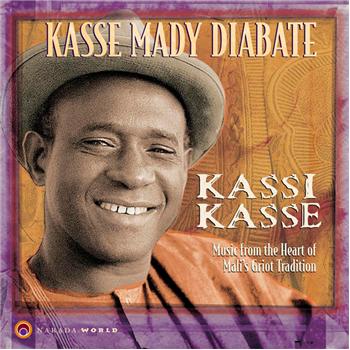
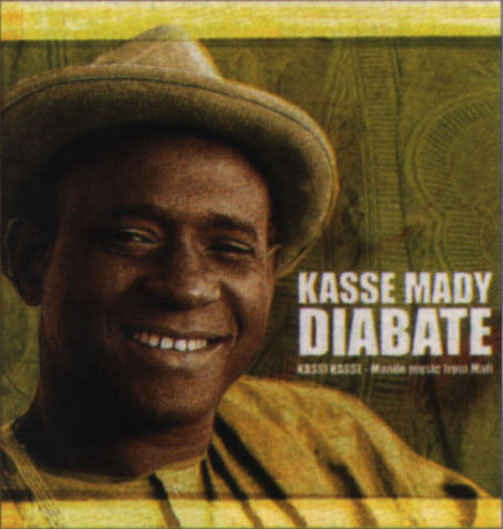
The return to Mali in the late 1990s marked a new era. On Songhai 2 (1994) by Toumani Diabaté, and then on Kulanjan (1999) with Taj Mahal and Toumani Diabaté, he wove bridges between Mandingo tradition, jazz, and blues. This album became one of Barack Obama’s favorites. His autobiographical album Kassi Kassé (2002), produced by Lucy Duran and recorded in Kéla with Toumani on the kora, earned the record a Grammy Award nomination in 2004.
A griot legacy
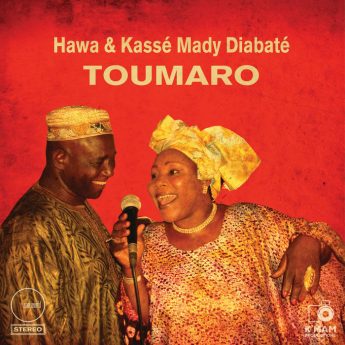
Kassé Mady Diabaté died on May 24, 2018 in Bamako at the age of 69, following a stroke. Salif Keita had nicknamed him “the greatest singer in Mali”. His daughter Hawa Kassé Mady Diabaté continues the tradition in Trio Da Kali. Her work—from the fused National Badéma to the acoustic chamber of Kiriké with Ballaké Sissoko and Vincent Ségal—remains a bridge between the past and present, between the jeliya of royal courts and the world stage.
Major works
| Work | Year | Why it is essential |
|---|---|---|
| Kelanj Kan | 1990 | Return to jeliya sources; intimate acoustic with ngoni, balafon and simbi |
| Kassi Kassé | 2002 | Autobiographical album nominated for a Grammy; meeting between Kassé Mady and Toumani Diabaté |
| Manden Djeli Kan | 2009 | Praised by international press; refined acoustic sound |
| Kiriké | 2014 | Final album; collaboration with Ballaké Sissoko, Lansiné Kouyaté and Vincent Ségal |
Legacy
Kassé Mady Diabaté embodied the modernity of the griot without ever renouncing his roots. From the Latin-Manding fusion of the National Badéma to the refined acoustics of Kiriké, his career sketches half a century of Malian musical history. Critics celebrated his voice as an instrument in its own right, softer and more intimate than the great traditional griot praise songs. With the generation of Salif Keita, he paved the way for contemporary griots who navigate between African stages and world festivals. His daughter Hawa, a member of Trio Da Kali, perpetuates and reinvents this legacy for a new generation.
Sources and references
- “The griot Kassé Mady Diabaté, ’the golden voice of Mali’, is dead”, Radio France internationale, https://www.rfi.fr/afrique/20180525-mali-deces-griot-kasse-mady-diabate, accessed October 22, 2025.
- « Disparition de Kassé Mady Diabaté, la voix d’or du Mali », Le Figaro, https://www.lefigaro.fr/musique/2018/05/25/03006-20180525ARTFIG00302-disparition-de-kasse-mady-diabate-la-voix-d-or-du-mali.php, consulté le 22 octobre 2025.
- « Décès de Kassé Mady Diabaté », Jeune Afrique, https://www.jeuneafrique.com/562632/culture/deces-de-kasse-mady-diabate-une-grande-voix-du-mali-sest-eteinte/, consulté le 22 octobre 2025.
- Banning Eyre, « Kasse Mady Diabaté Is Gone », Afropop Worldwide, https://afropop.org/articles/kasse-mady-diabat%C3%A9-is-gone, consulté le 22 octobre 2025.
- Ismail Akwei, « Mali mourns music icon Kassé Mady Diabaté who died aged 69 », Face2Face Africa, https://face2faceafrica.com/article/mali-mourns-music-icon-kasse-mady-diabate-who-died-aged-69, consulté le 22 octobre 2025.
- « Kassé Mady Diabaté », Six Degrees Records (site du label), https://sixdegreesrecords.com/kasse-mady-diabate, consulté le 22 octobre 2025.
- « Kassé Mady Diabaté », Wikipédia, https://en.wikipedia.org/wiki/Kass%C3%A9_Mady_Diabat%C3%A9, consulté le 22 octobre 2025.
- « Kasse Mady Diabaté », BBC News Africa, https://www.facebook.com/BBCnewsafrica/posts/acclaimed-malian-musician-kasse-mady-diabat%C3%A9-has-died-aged-69, consulté le 22 octobre 2025.
- Lucy Duran, « Liner notes for Kassi Kassé », World Circuit, 2002.
- Hawa Kassé Mady Diabaté, Trio Da Kali and the Mande Griot Tradition in the Era of the Global Griot, African Music, vol. 12, n° 1, 2015, JSTOR.