Biography
Mah Damba
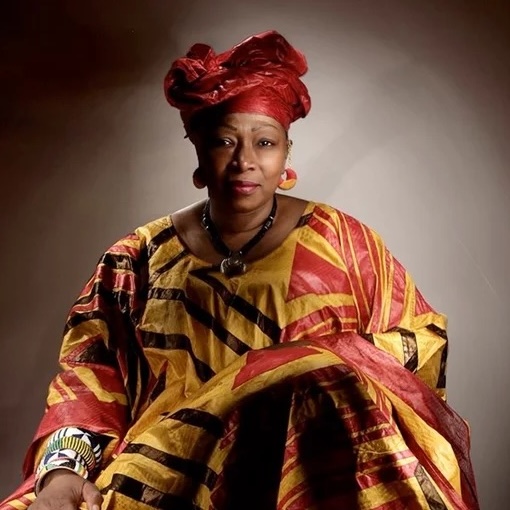
Born in 1965 at the heart of Bamako, Mah Damba carries in her voice the heritage of Manding griots — these guardians of memory who, for centuries, have transmitted the epics and wisdom of Mali. “There are no borders in music. If my voice allows me to play with others, I must go there” 1.
In brief
| Full name | Mah Sissoko (stage name: Mah Damba) |
| Birth | 1965, Bamako, Mali |
| Field | Malian music — griot, Manding music |
| Instruments | Voice, ngoni, balafon |
| Labels | Buda Musique, Trema, World Network |
| Distinctions | The Divas from Mali (World Network, 1998) |
Key dates
| Year | Event |
|---|---|
| 1965 | Birth of Mah Sissoko in Bamako, Mali |
| 1979 | Meeting with the ngoni player Mamaye Kouyaté; marriage the following year |
| 1982 | Move to Paris with her husband |
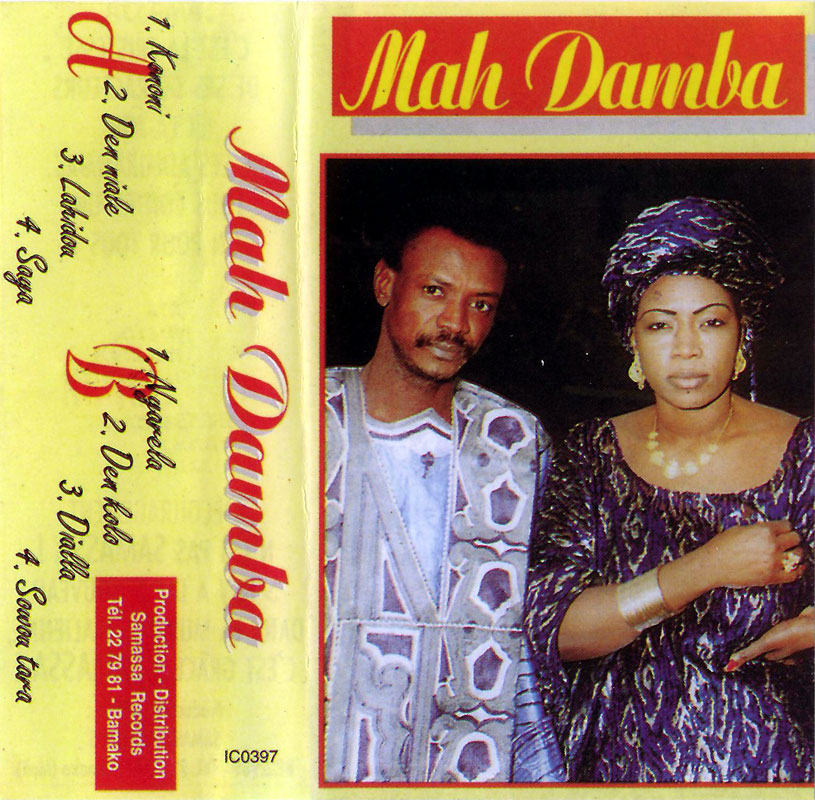
| 1989 | Pory, first album on cassette (Samassa Records) |
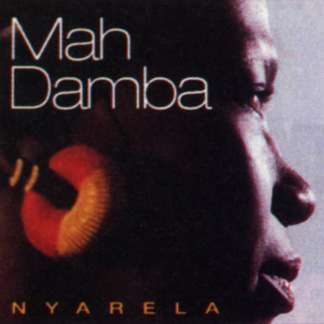
| 1997 | Nyarela, first international album (Trema/Sony) |
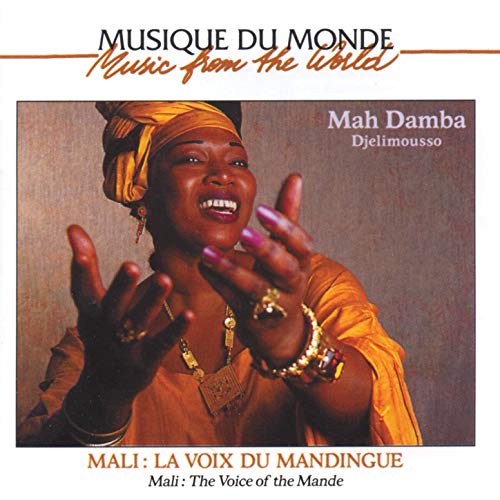
| 2000 | Djelimousso, Mali: The Voice of the Mande (Trema/Sony) |
| 2001 | Documentary Mah Damba, une griotte en exil (Corinne Maury, Olivier Zuchuat) |
| 2009 | Death of Mamaye Kouyaté |
| 2010 | À l’Ombre du grand baobab, album dedicated to the memory of her husband |
| 2019 | Hakili Kélé (Buda Musique), directed by Thierry Fournel |
| 2026 | Taabolo Koura (One World Records) |
The griot blood
Mah Sissoko grew up in the world of Bamako’s griots. Her father, Djeli Baba Sissoko, is one of the greatest djelis in Mali, holder of centuries of Manding epics played on the ngoni, a small three-stringed lute. Her aunt, singer Fanta Damba, djelimousso, introduced the little girl to singing from childhood. Mah’s musical destiny was thus traced: the griot (or djeli), in Manding tradition, is at once musician, historian and advisor 2. Very young, she sang at weddings and ceremonies, then joined the ensemble of Kassemady Diabaté. Their first album on cassette, Pory (1989), recorded as a duo with her husband Mamaye Kouyaté, made her known to the Malian public.
Paris: the exiled griot
In 1982, Mamaye Kouyaté was called to perform in Paris 1. He settled there; Mah joined him in 1983. France became her second home: with her husband, she accompanied the major moments of the Malian diaspora and joined the group Mandé Foli. Their first concert outside the community took place in Lille, at Macumba. The European public then discovered a voice capable of staying on the microphone for fifteen minutes narrating epics. Success arrived, tours multiplied. But Mah never left Bamako.
Solo career and alliances
Nyarela (1997) is her first international record, where her deep voice is accompanied by an acoustic orchestra: ngoni, kora, balafon 3. She contributed to The Divas from Mali (World Network, 1998) and to Jonathan Elias’s project The Prayer Cycle (1999). After Mamaye’s passing in 2009, she dedicated À l’Ombre du grand baobab (2010) to his memory and collaborated with jazz bassist Jean-Jacques Avenel. Since 2007, she has shared the stage with the Métallos choir in Paris, comprising about a hundred singers.
Major works
| Work | Year | Why it is essential |
|---|---|---|
| Nyarela | 1997 | First international album, carried her voice beyond Mali |
| Djelimousso | 2000 | Asserted her stature as a solo griot on the world stage |
| À l’Ombre du grand baobab | 2010 | Emotional turning point after Mamaye’s death, opening to jazz and the choir |
| Hakili Kélé | 2019 | Mature collaboration with Thierry Fournel, eleven tracks between tradition and modernity |
| Taabolo Koura | 2026 | Latest album, with One World Records, transmission of the griot tradition |
Legacy
Mah Damba embodies a rare balance: fidelity to a sacred heritage and openness to the other. She never sacrificed her duty as a griot but refused to confine herself to a closed repertoire. Her children, Sira and Woridio, continue the tradition. Sira, former choir member of Amadou et Mariam, already has two albums to her credit. Guimba, a guitarist trained by his father, participated in The River by Ali Farka Touré. The griot has nurtured the next generation without forcing them — just as the baobab shelters birds that it lets fly to other branches 4.
Sources and references
-
RFI Musique, Mah Damba, dans la tradition et au-delà, September 18, 2019, musique.rfi.fr, accessed October 29, 2026. ↩︎ ↩︎
-
Wikipedia (French version), article Mah Damba, fr.wikipedia.org, accessed October 29, 2026. ↩︎
-
BBC Music, Mah Damba — New Songs, Playlists & Latest News, bbc.co.uk/music/artists, accessed October 29, 2026. ↩︎
-
Frank Bessem, Musiques d’Afrique / Mali : Mah Damba, musiques-afrique.net, accessed October 29, 2026. ↩︎