Biography
Francis Bebey: The Engineer of African Dreams
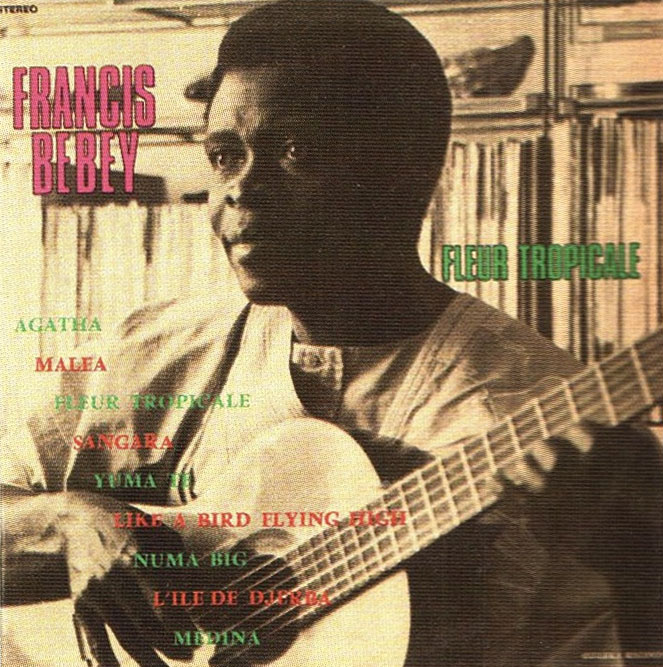
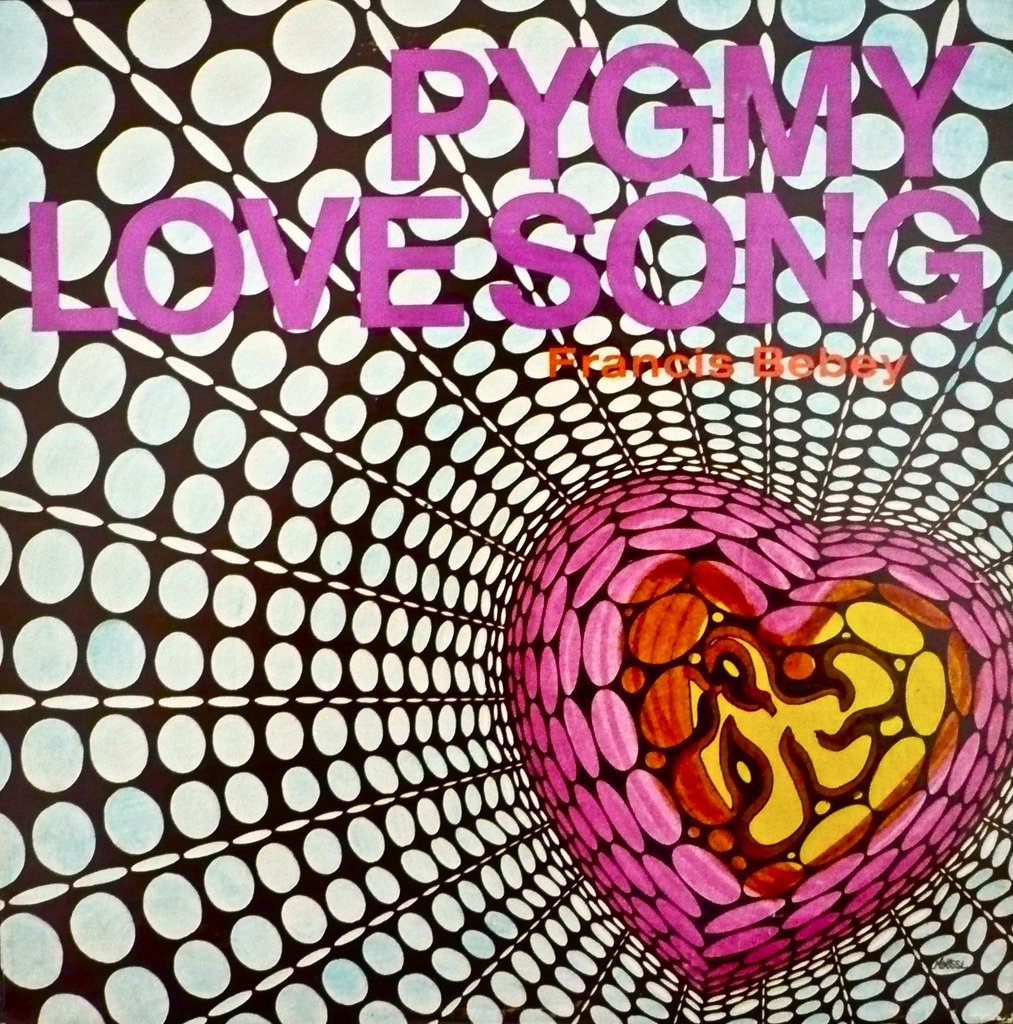
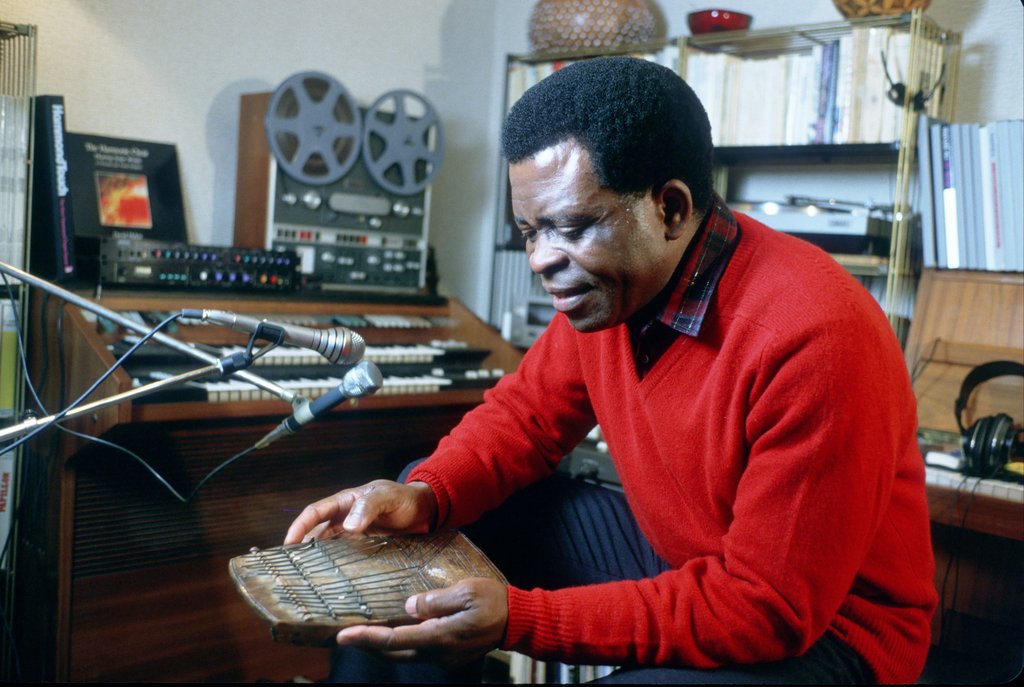
In 1975, in his Parisian apartment, Francis Bebey plugged in his first synthesizer, connected a rhythm box, and recorded solo tracks that made pygmies dance on electro sequencers. A quarter of a century before the trend, this Cameroonian scholar invented afro-futurism. The vinyl albums sold for a few hundred copies before sinking into oblivion and experiencing, thirty years later, a planetary rediscovery.
In Brief
| Full Name | Francis Bebey Etonde |
| Birth | July 15, 1929, Douala (Cameroon) |
| Death | May 28, 2001, Paris (France) |
| Field | Musician, composer, ethnomusicologist, writer |
| Instruments | Classical guitar, sanza, ndehu flute, keyboards, percussion |
| Genres | Makossa, jazz, electronic music |
| Notable Works | Le Fils d’Agatha Moudio, African Electronic Music, Agatha |
| Awards | Grand Prix Littéraire d’Afrique Noire (1968), Saint-Exupéry Prize (1994) |
Key Dates
| Year | Event |
|---|---|
| 1929 | Birth in Douala, Akwa neighborhood |
| 1952 | Scholarship to France; studies at the Sorbonne and SORAFOM |
| 1957-1961 | Stay in Ghana (radio journalist) and the United States (New York University) |
| 1961 | Joins UNESCO in Paris, heads the music department |
| 1965 | Pièces pour guitare seule, acclaimed by Senghor |
| 1967 | Le Fils d’Agatha Moudio published; Grand Prix Littéraire d’Afrique Noire (1968) |
| 1975 | Savannah Georgia, first Cameroonian electronic album |
| 2001 | Death in Paris |
From Douala to Paris: A Trailblazer’s Journey
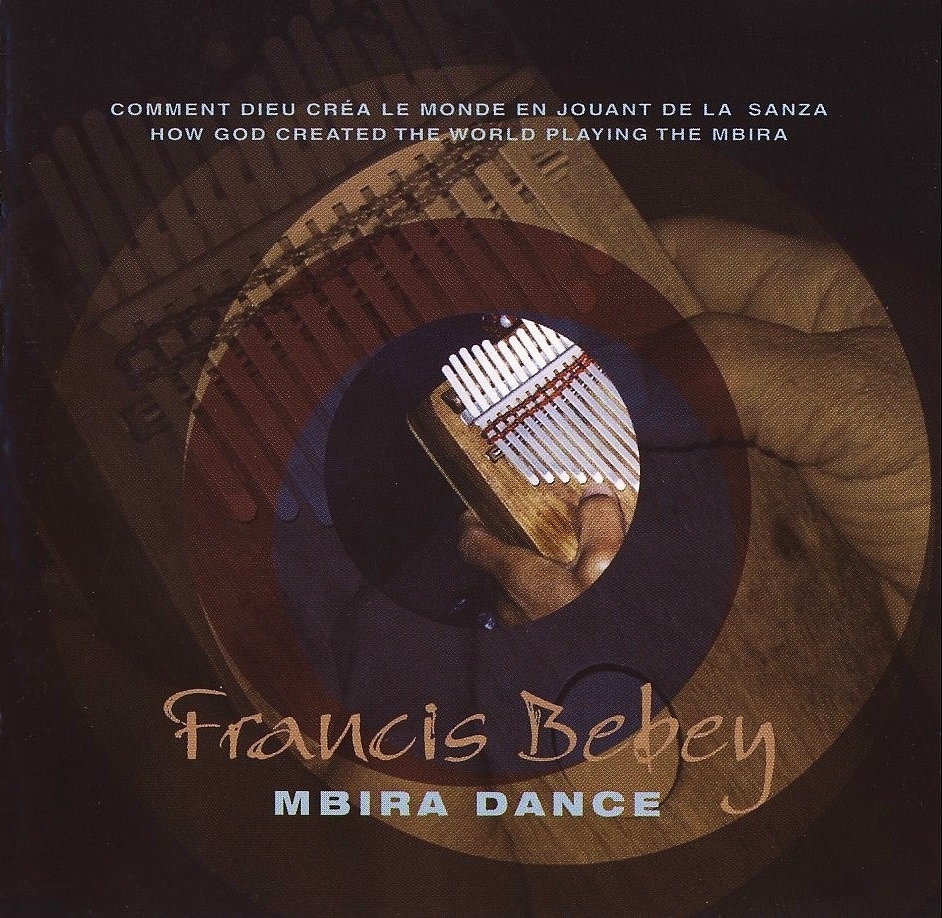
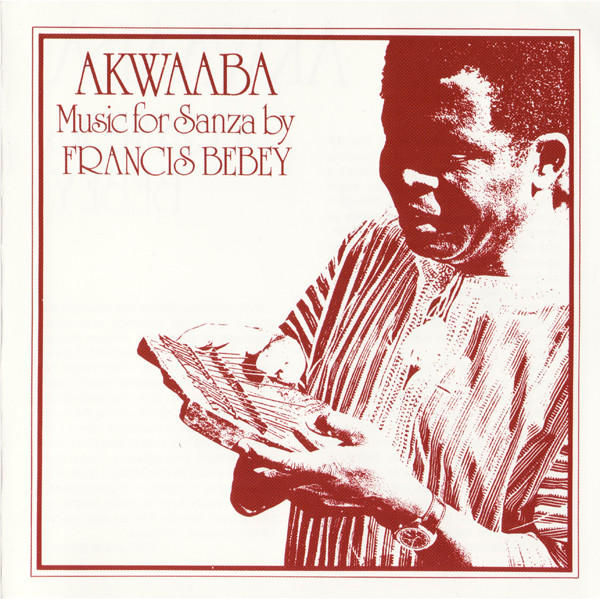
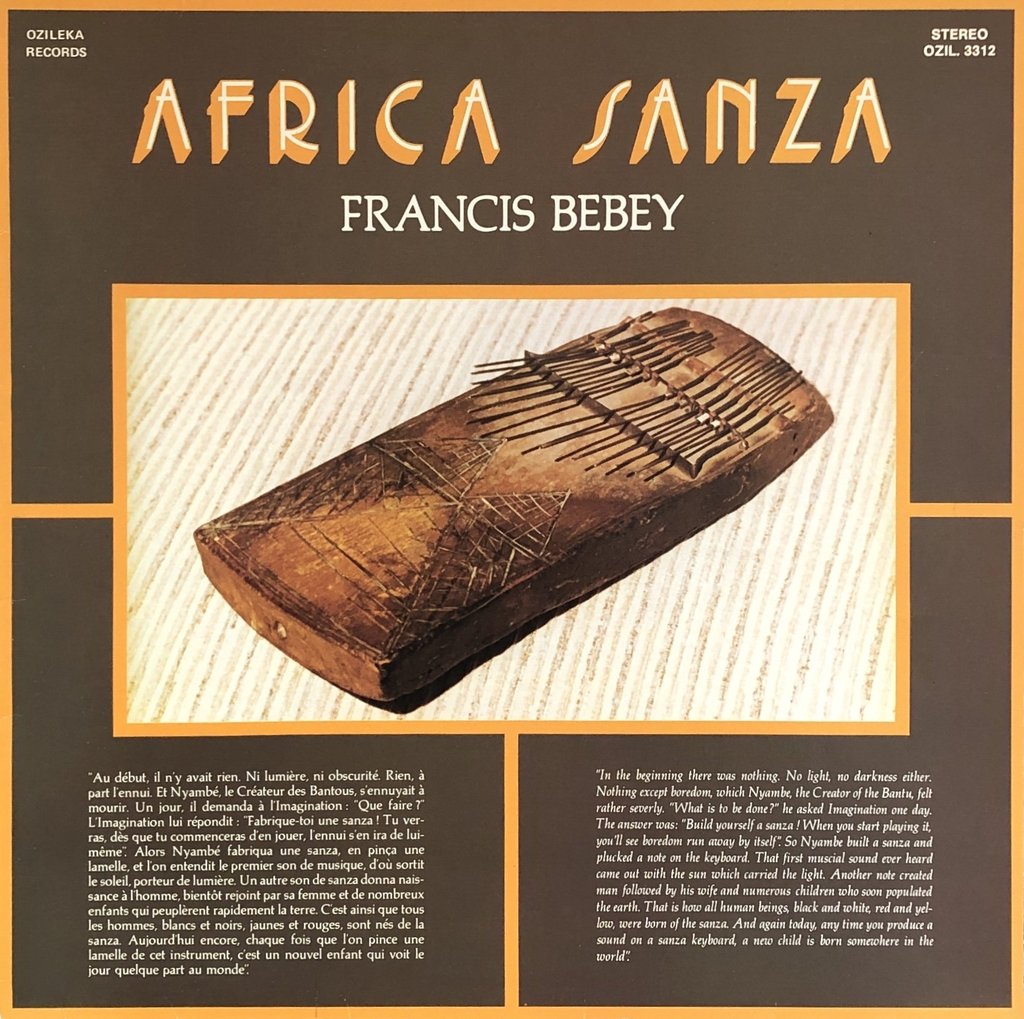
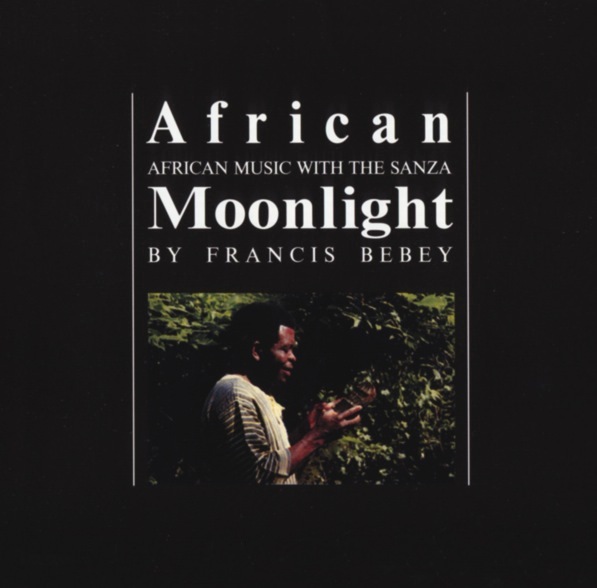
Born in Douala in 1929, the youngest of a large family, Francis Bebey’s father was a poor Protestant pastor. His mother died giving birth to him. While his official date is July 15, 1929, he claimed to have been born around 1934. The village offered him a double initiation: Bach and Handel on one side, Eya Mouessé, a nocturnal neighbor who played the mouth harp and sanza—a small wooden Bantu keyboard—on the other. At nine years old, his brother Marcel gave him a guitar, almost like a talisman.
At nineteen, compelled by the scholarship, he arrived in La Rochelle, then studied languages at the Sorbonne and learned radio at SORAFOM. An American parenthesis at New York University exposed him to jazz and racism. In 1961, he joined UNESCO in Paris, headed the music department, and traveled across sub-Saharan Africa to record traditional musics. He published La Radiodiffusion en Afrique noire (1963) and Musique de l’Afrique : un art populaire (1979).
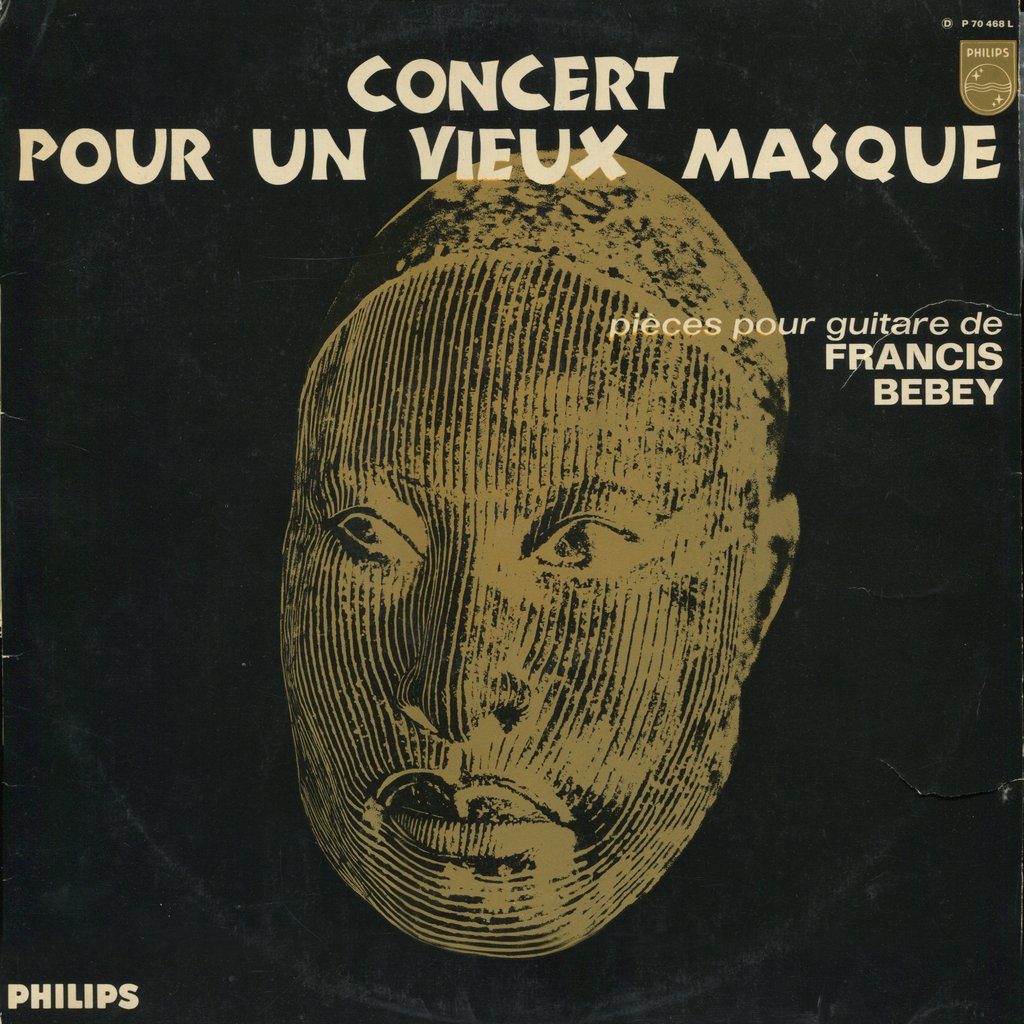
In the evenings, he frequented jazz bars and practiced his guitar as a self-taught musician. Pièces pour guitare seule (1965) blended makossa—the Cameroonian dancing rhythm—and Baroque music, attracting Senghor’s attention. Le Fils d’Agatha Moudio (1967) is a burlesque novel about a young Cameroonian grappling with colonial codes; it won the Grand Prix Littéraire d’Afrique Noire in 1968 and remains his most famous work.
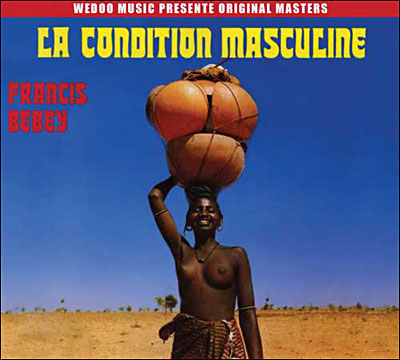
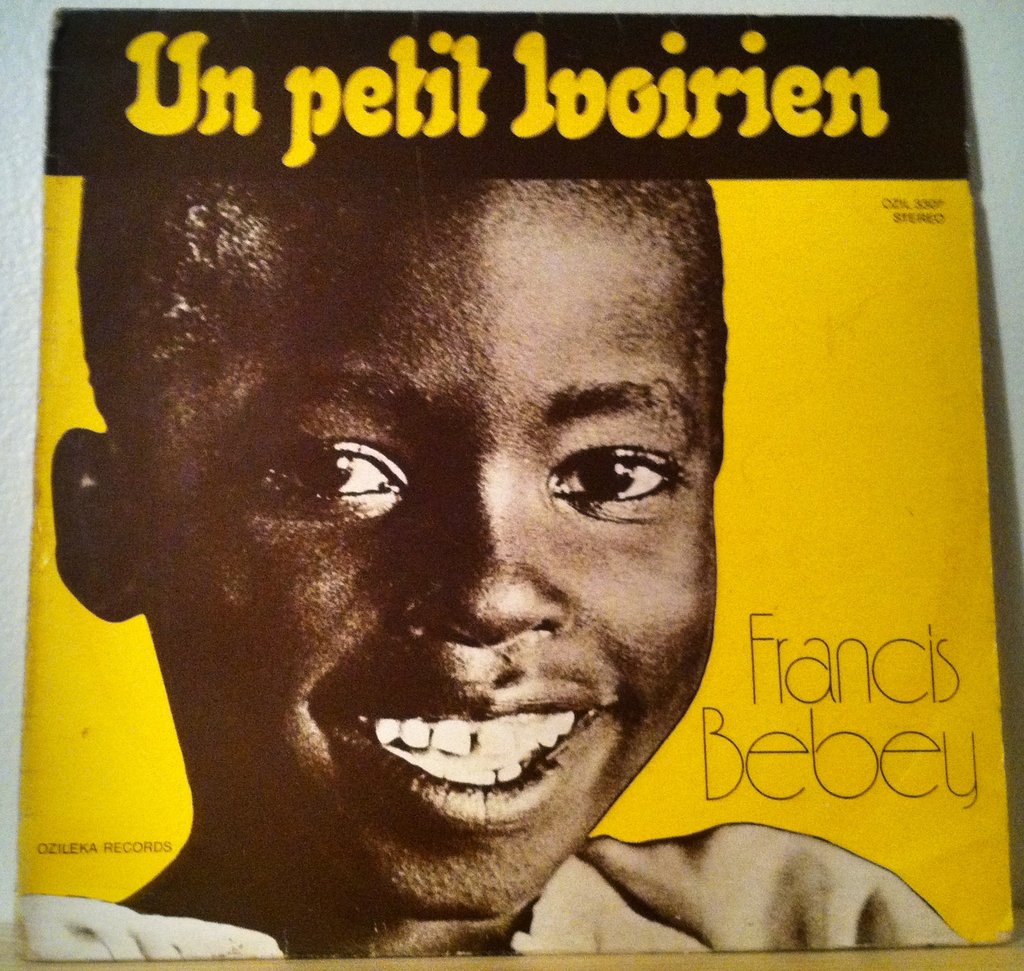
Savannah Georgia (1975), the first Cameroonian electronic album, built on a synthesizer and rhythm box. “The first African musician to place synthesizers and programmables at the center of his music,” notes critic Chris May. He recorded alone, layering tracks on a four-track recorder. From synth-wrapped makossas to distorted sanza melodies, passing through satires like La Condition masculine (awarded by SACEM) or Agatha (an anti-racism anthem), he forged a unique universe. Suspicious of record labels—Philips stole his royalties—he founded the Ozileka label and produced two hundred albums between 1975 and 1997, today collectible pieces.
Legacy and Aftermath
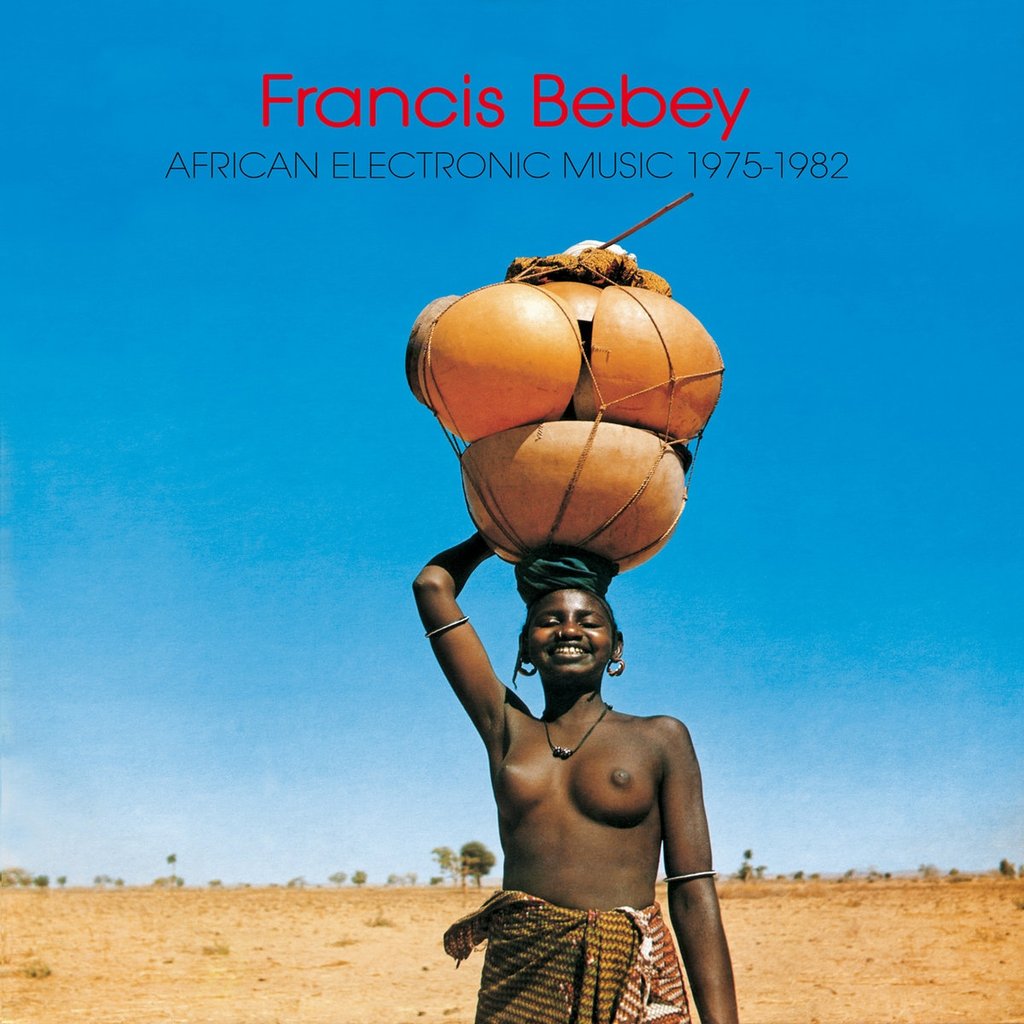
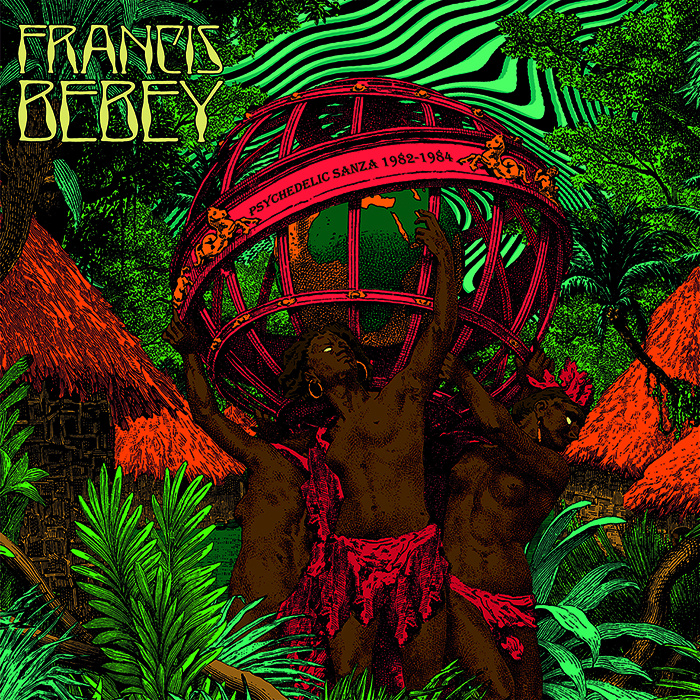
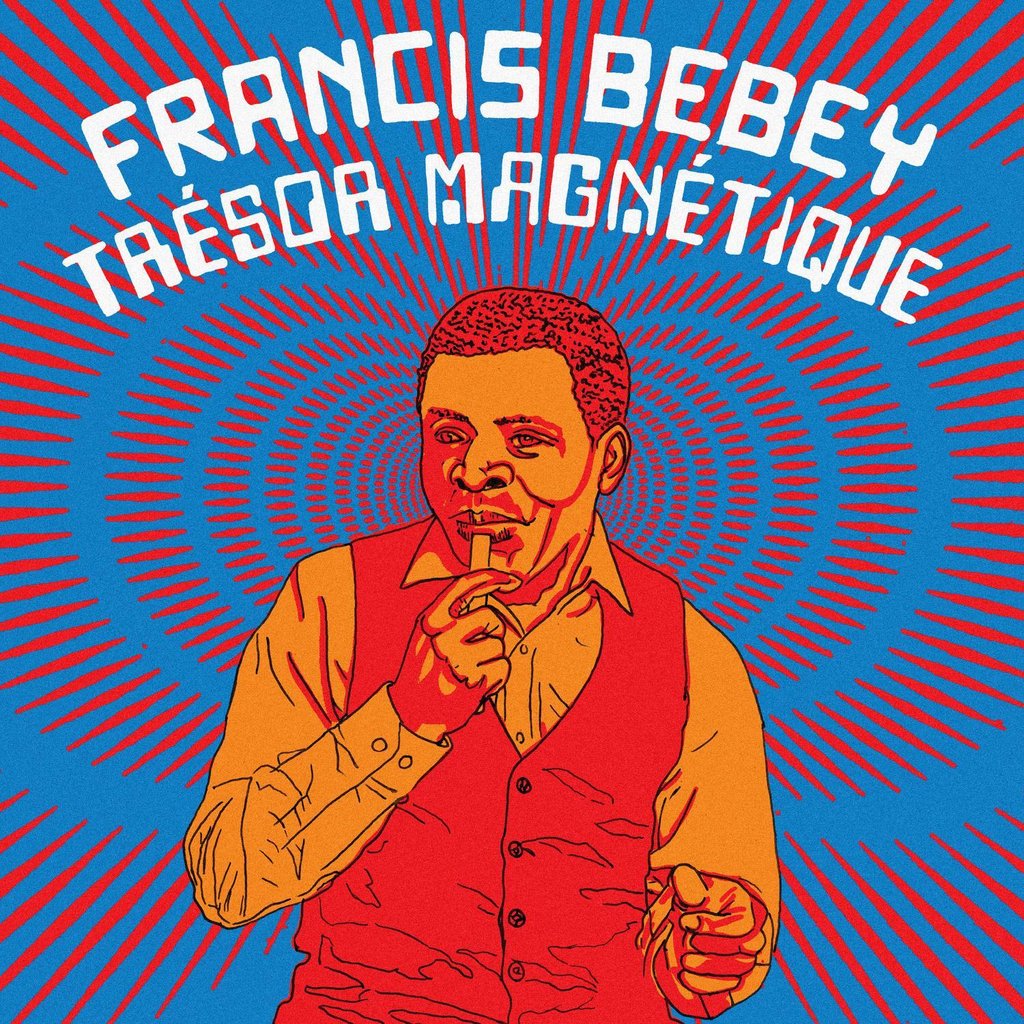
Twenty-five years after his passing, Francis Bebey is rediscovered as a visionary. African Electronic Music 1975-1982 (Born Bad, 2011) and Psychedelic Sanza 1982-1984 (2014) triggered a renewed global interest. Trésor magnétique, a compilation of twenty previously unreleased tracks, was released in June 2025 thanks to his son Patrick. Guitarist John Williams dedicated Hello Francis to him, and Arcade Fire sampled The Coffee Cola Song in Everything Now. Patrick, Toups, and Kidi Bebey perpetuate their father’s legacy.
Major Works
| Work | Year | Why It Is Essential |
|---|---|---|
| Pièces pour guitare seule | 1965 | First records blending makossa and Baroque music; praised by Senghor. |
| Le Fils d’Agatha Moudio (novel) | 1967 | Grand Prix Littéraire d’Afrique Noire; burlesque fable on colonial racism. |
| Savannah Georgia | 1975 | First Cameroonian electronic album. |
| La Condition masculine (song) | 1976 | Award-winning social satire. |
| Agatha (song) | 1976 | Anti-racism anthem that became a hit in Francophone Africa. |
Sources and References
-
“Francis Bebey”, Wikipedia (French version), https://fr.wikipedia.org/wiki/Francis_Bebey, accessed October 18, 2025.
-
“Francis Bebey”, Wikipedia (English version), https://en.wikipedia.org/wiki/Francis_Bebey, accessed October 18, 2025.
-
“Francis Bebey”, Encyclopædia Britannica, https://www.britannica.com/topic/Francis-Bebey, accessed October 18, 2025.
-
Craig Harris, “Francis Bebey — Biography”, AllMusic, https://www.allmusic.com/artist/francis-bebey-mn0000801280, accessed October 18, 2025.
-
Banning Eyre, “New Revelations from the Late Francis Bebey”, Afropop Worldwide, https://www.afropop.org/articles/new-revelations-from-the-late-francis-bebey, accessed October 18, 2025.
-
Zoé Sfez, “Francis Bebey, érudit et facétieux pionnier de la musique africaine”, France Culture, https://www.radiofrance.fr/franceculture/podcasts/la-serie-musicale/francis-bebey-artiste-camerounais-visionnaire-et-psychedelique-2777236, accessed October 18, 2025.
-
Anton Spice, « The electric futurism of Cameroonian trailblazer Francis Bebey », The Vinyl Factory, https://www.thevinylfactory.com/features/electric-futurism-francis-bebey, accessed on 18 October 2025.