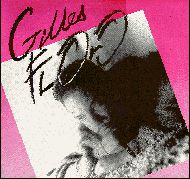
Biography
Gilles Floro
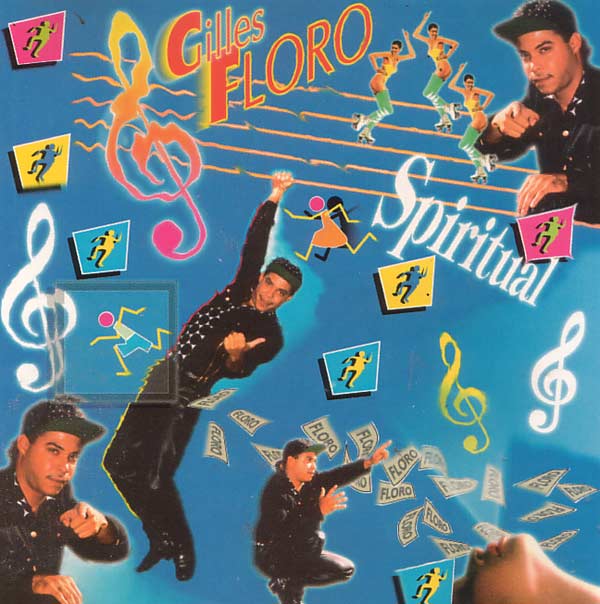
In 1992, on the album Spiritual, Gilles Floro introduced gospel choirs into a zouk rhythm and left hanging a synth riff that resembled nothing else on the Antillean stage. The public followed him: zouk love, this current that softened zouk for romantic evenings, found in him one of its purest architects.
In brief
| Full name | Gilles Thierry Parfait Floro |
| Birth | 18 April 1964, Saint-Claude (Guadeloupe) |
| Death | 22 June 1999 (35 years), Gourbeyre (Guadeloupe) |
| Field | Zouk, zouk love; keyboards, vocals |
| Signature works | “Rêve bleu”, “Karamel”, “Viré” |
| Honors | Maison de la Culture Gilles Floro (Gourbeyre, 2009); tributes from Kalash, Jocelyne Béroard |
Key dates
| Year | Event |
|---|---|
| 1964 | Birth in Saint-Claude, son of a violinist |
| 1978 | At fourteen, creates JazzPower with his brother Jean-Claude |
| 1982-1986 | Studio keyboardist: Express Band, Les Aiglons, Pakala, Vikings |
| 1986 | First solo album Rêve Bleu: immediate revelation |
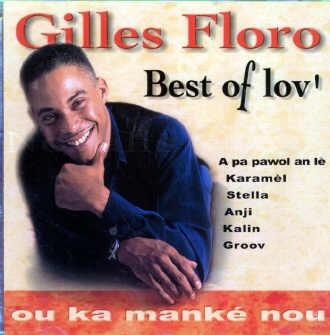
| 1987 | “A pa Pawol An Lè”: guaranteed notoriety |
| 1988 | “Diaman d’Eben”: romantic peak |
| 1990 | “Absence”: number one hit (12 weeks on the radio) |
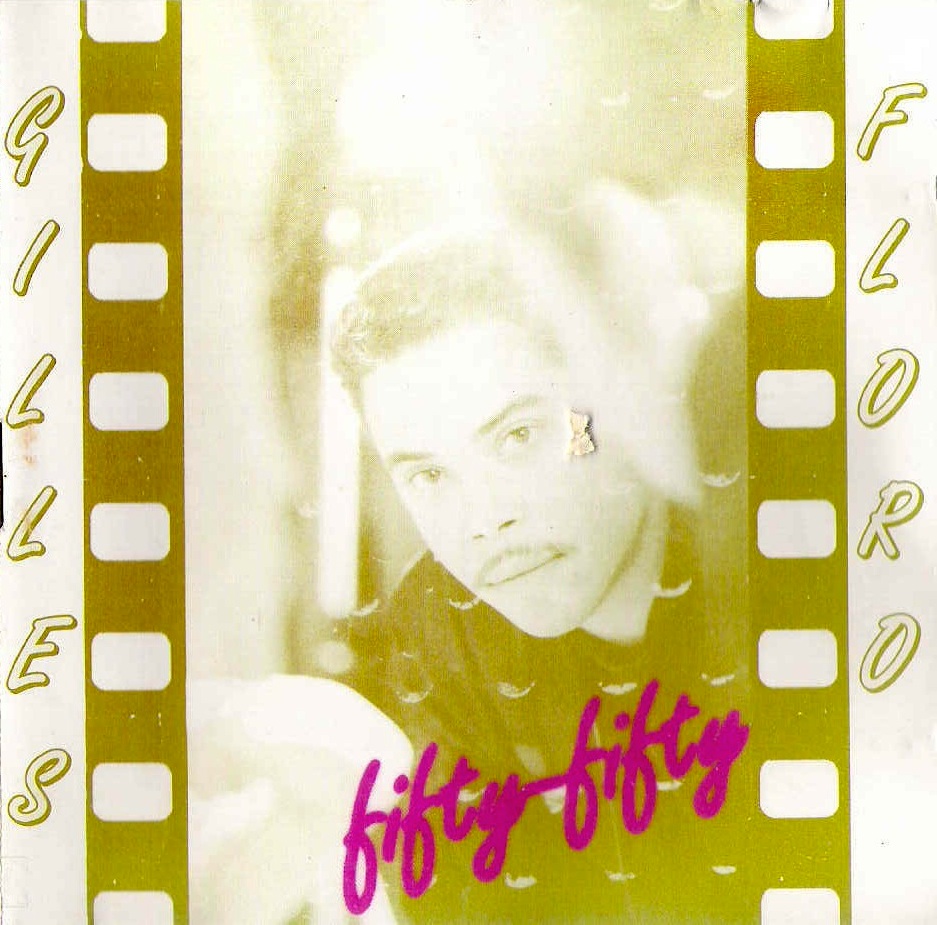
| 1994 | “Karamel”: generational hymn of zouk love |
| 1996 | Surround: revolution of spatialized audio |
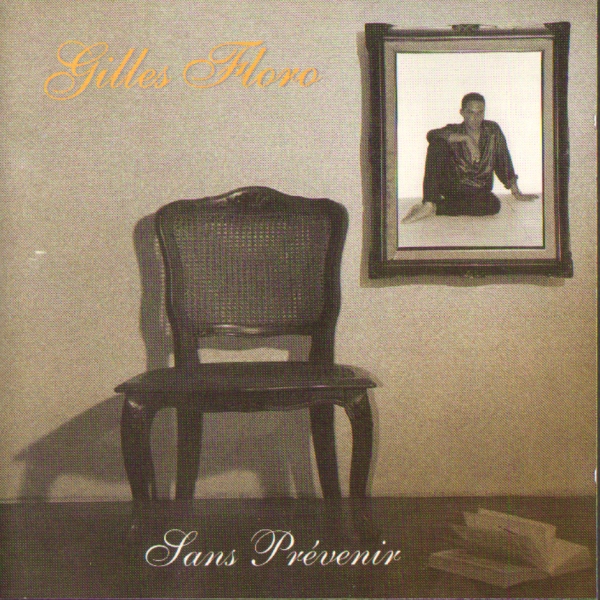
| 1998 | Sans Prévenir: last album released during his lifetime |
| 1999 | Accidental death; Désolé… posthumous release in October |
Origins, ascent, and consecration
Gilles Thierry Parfait Floro was born on 18 April 1964 in Saint-Claude, Guadeloupe. His father was a violinist: from childhood, Gilles was immersed in sounds. Fascinated by harmonies, he took up the keyboard at fourteen—an instrument given to him by his father. In 1978, he founded the group JazzPower with his brother Jean-Claude. A relentless autodidact, he learned by ear and forged a musical ear of remarkable precision.
His talent quickly attracted local ensembles. In the early 1980s, he joined the Express Band, the Aiglons, Pakala, and the Vikings de la Guadeloupe. In each group, as keyboardist and arranger, he refined a style centered on the refinement of chords and romantic sensitivity.
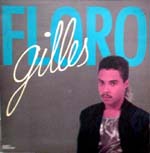
At twenty-two, Gilles Floro went solo. In 1986, Rêve Bleu revealed him immediately. The following year, “A pa Pawol An Lè” confirmed it: the keyboard arpeggios embedded themselves in all memories. In 1988, Mona Lisa and its title track “Diaman d’Eben” laid the foundations of a universe where tenderness and melancholy answered each other.
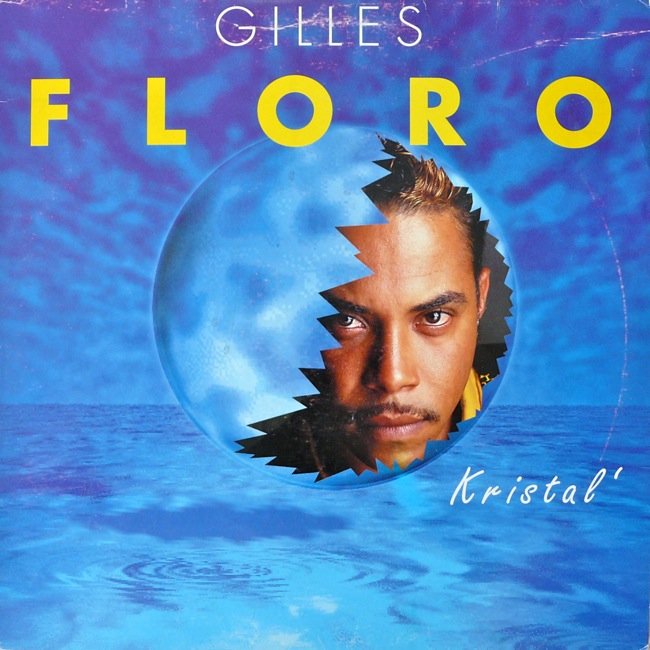
Highly sought-after studio keyboardist from the Antilles, Gilles drew from jazz, funk, and salsa to weave arrangements never heard before. 1992 marked a turning point with Spiritual, which integrated gospel choirs and Caribbean groove. “Frékans” and “Pawol” reinforced his position among the masters of zouk. In 1994, “Karamel” (Fifty Fifty, named after his boat) exploded on the airwaves and became a generational hymn. In 1995–1996, Kristal and especially Surround—a pioneering album in spatialized audio—made him a precursor in Antillean production. His last album during his lifetime, Sans Prévenir (1998), displayed a mature and refined style.
Major works
| Work | Year | Why it is essential |
|---|---|---|
| Rêve Bleu | 1986 | The first solo album: foundation of the romantic style and immediate revelation |
| Mona Lisa “Diaman d’Eben” | 1988 | Tender melodies, jazz harmonies subtly glided under the zouk |
| Spiritual “Frékans” | 1992 | Turning point: gospel choirs, Caribbean groove, and arranger innovation |
| Fifty Fifty “Karamel” | 1994 | Generational hymn of zouk love; cultural reference of the Antilles |
| Surround | 1996 | Technical revolution: spatialized audio and precursor |
Legacy and influence
On 22 June 1999, Gilles Floro died on the roof of his house in Gourbeyre, electrocuted while attempting to install a parabolic antenna. At 35, his career was still in full ascent. The posthumous album Désolé… was released in October 1999, closing a discography of more than ten albums and fifty original tracks.
His influence gradually established itself: Les kopines à Gilles Floro (2004) brought together female artists including Jocelyne Béroard; Kalash dedicated “Tribute” to him in 2019; Jean-Claude Naimro, Riddla, and Staniski covered “Bèl Pawol pou en fanm” in 2021. The city of Gourbeyre inaugurated in 2009 the Maison de la Culture bearing his name. Twenty-five years after his passing, “Karamel”, “Viré”, and “Absence” have lost none of their power.
Sources and references
- « Gilles Floro », Wikipédia (version française), https://fr.wikipedia.org/wiki/Gilles_Floro, accessed 7 November 2026.
- « Gilles Floro », Wikipedia (English), https://en.wikipedia.org/wiki/Gilles_Floro, accessed 7 November 2026.
- « Gilles Floro — Outremer Memory », https://outremermemory.com/gilles-floro/, accessed 7 November 2026.
- « Gilles FLORO — Mémoires de Guadeloupe », http://www.memoires-de-guadeloupe.com/patrimoine/fiche/33, accessed 7 November 2026.
- « Gilles Floro biography », Last.fm, https://www.last.fm/music/Gilles+Floro/+wiki, accessed 7 November 2026.
- « Hommage à Gilles FLORO — Ville de Gourbeyre », https://ville-gourbeyre.fr/hommage-a-gilles-floro/, accessed 7 November 2026.