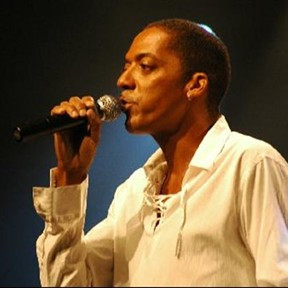
Biography
Harry Diboula
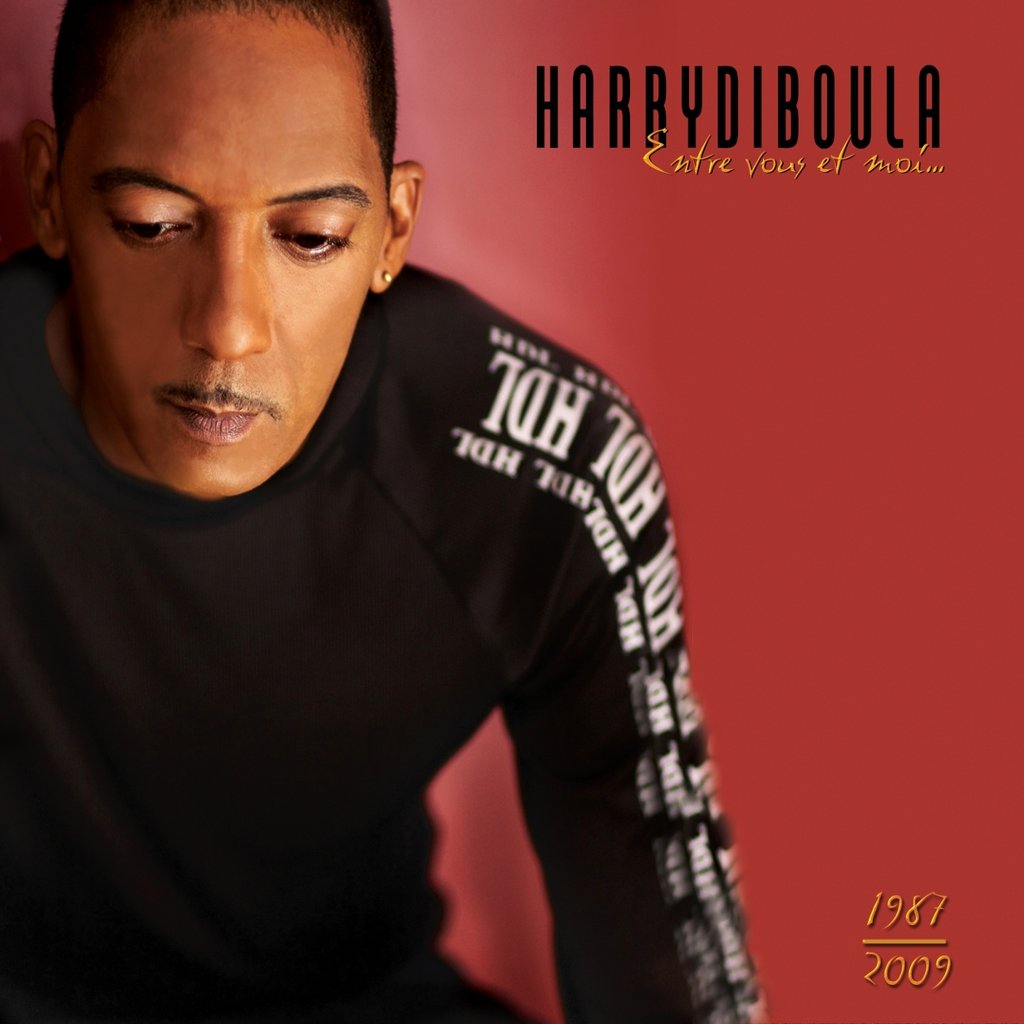
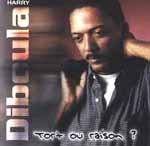
Paris, 1987. In a small studio in eastern Paris, Harry Diboula prepares for his first EP. An experienced pianist and composer, he releases “Mise au point” years later, a hit that propels him among the major figures of zouk. This son of Martinicans settled in Paris has made music his profession and his voice.
In brief
| Name | Harry Diboula |
| Birth | October 12, 1962, Paris (18th arrondissement) |
| Nationality | French |
| Field | Zouk — songwriter, composer, performer, pianist |
| Iconic works | “Mise au point”, “Tu me manques”, Classe affaire, Dis-moi pourquoi |
| Awards | Africar Trophy, SACEM, Maracas d’or, Micro d’or, Dynamitch d’or |
Key dates
| Year | Event |
|---|---|
| 1962 | Birth in Paris to Martinican parents |
| 1970 | Return to Martinique at the age of 8 |
| 1987 | First self-titled EP; professional debut |
| 1991 | “Mise au point” explodes (Micro d’or, NewLand Guadeloupe trophy) |
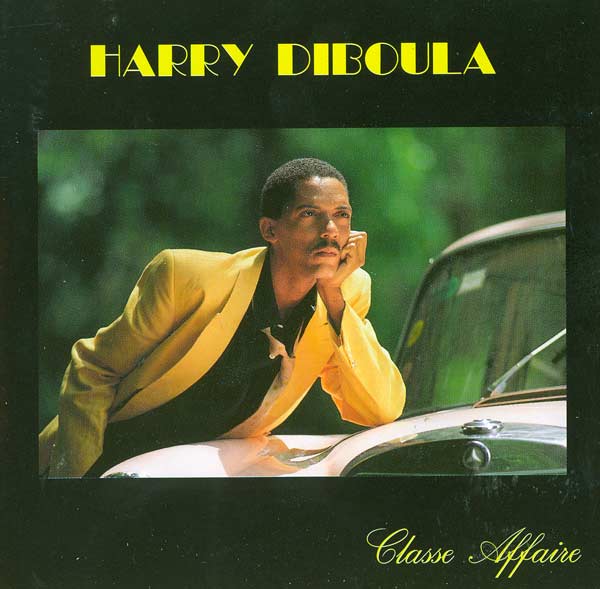
| 1993 | Classe affaire and “Tu me manques” — 70,000 copies sold |
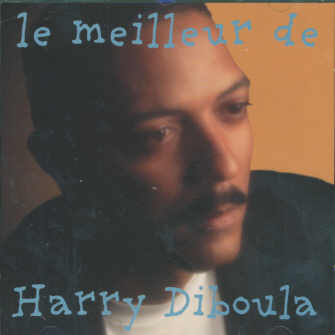
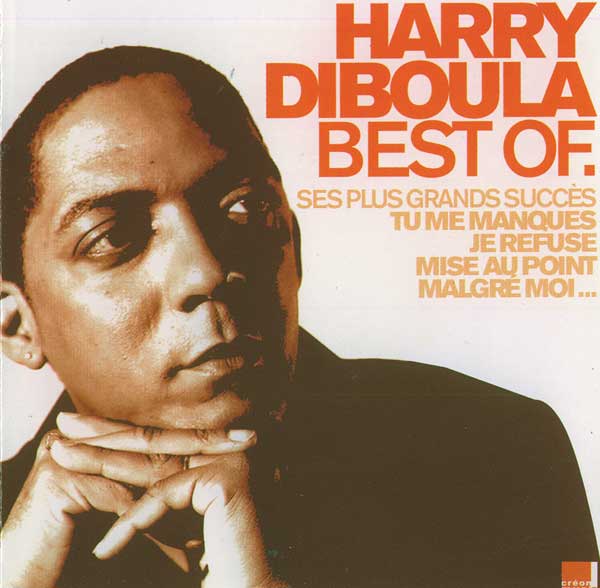
| 1994 | Africar Music Award, album of the year (Abidjan); compilation Gold |
| 2001 | Je refuse, Dynamitch d’or album of the year |
| 2004 | Dis-moi pourquoi, creation of the label Starfame Music |
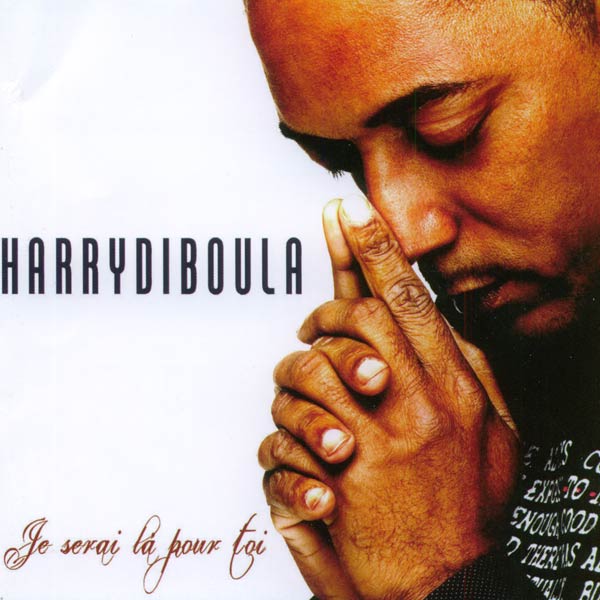
| 2011 | Je serai là pour toi, last studio album to date |
| 2015 | Appearance in the film Rose et le soldat (the pianist) |
| 2021 | Project Le temps du vivre-ensemble with about twenty Martinican artists |
From Parisian Martinique to tropical zouk
Harry Diboula grew up between Paris and Martinique. Son of Martinican parents settled in the 18th arrondissement, he returns to Martinique at eight years old. A peaceful place, he recounts in Afriksoir: coconut trees and sandy beaches 200 km from the neighboring Guadeloupe, with a gentle breeze coming from the sea. As a teenager, he familiarizes himself with the piano and develops ease on the keys that will define his style.
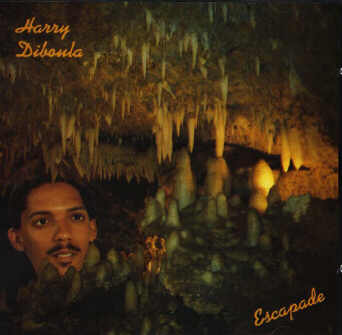
Back in France, he performs in piano-bars and accumulates live experience. In 1987, first EP; in 1989, the Zénith de Paris with the group JM Harmony. “Viens avec moi” earns a SACEM Martinique nomination in 1988. The breakthrough arrives in 1991: “Mise au point”, from the album Escapade, becomes a hit. Harry wins the Micro d’or for best composition and a NewLand Guadeloupe trophy. Two years later, Classe affaire and “Tu me manqué” sell nearly 70,000 copies. The record is acclaimed by AllMusic, which praises the refined zouk and the tropical sensuality of his voice — he wins the Africar Trophy in Abidjan.
It is also the beginning of a career as a composer and producer. Harry works for Jocelyne Labylle (“Parle-moi d’elle”), Léa Galva, Jane Fostin and Edith Lefel. From 2002 to 2004, he directs the Afro-Caribbean department of the label Créon Music. In 2004, he launches Starfame Music and publishes Dis-moi pourquoi: Frédéric Wurtz records, Stéphane Castry plays bass, Yann Négrit plays guitar, and Manu Lima co-writes a track in duo with Betty Fonfeca — a nod to Africa. The album goes on an international tour (Europe, Africa, Caribbean, USA, Canada).
Between music and identity: an unshakable journey
Harry Diboula embraces his Antillean identity without compromise. “If you don’t like my music, don’t like me either,” he writes in Afriksoir to those who reject zouk out of snobism, while reminding that humanity precedes any skin color. This conviction permeates Je refuse (2001), whose title is deliberately combative, and even more so Je serai là pour toi (2011).
After his last album, Harry continues his career in the shadows and on stage. He creates a consulting firm in Schœlcher in 2012, appears in Rose et le soldat (2015) as a film pianist, and continues to perform: festival Baía das Gatas (Cape Verde) in 2024. In September 2021, he participates in the project Le temps du vivre-ensemble with about twenty Martinican artists, on lyrics modified by Aimé Césaire. The piece sparks a debate when social media resurfaces racist remarks by his partner Guillaume de Reynal: removed, but Harry remains a pillar of the Creole scene.
Major works
| Work | Year | Why it is essential |
|---|---|---|
| Escapade “Mise au point” | 1991 | The revealing hit; first major hit in French by a diaspora composer |
| Classe affaire “Tu me manques” | 1993 | 70,000 copies; indispensable figure of zouk, valued at Africar |
| Je refuse | 2001 | Engaged tonalities; Dynamitch d’or, confirmed maturity |
| Dis-moi pourquoi | 2004 | Collaboration with Wurtz, Négrit and Manu Lima; gateway to Africa |
| Je serai là pour toi | 2011 | Last studio album; signature rooted in Antillean identity |
Legacy and influence
Harry Diboula contributed to making zouk a universalizable genre — neither folkloric nor purely dance-oriented. More than 30 SACEM awards, Maracas d’or, Africar and Dynamitch attest to his acceptance by critics. He remains one of the architects of a refined zouk, and his music still resonates on Creole stages.
Sources and references
- “Harry Diboula”, Wikipedia, https://fr.wikipedia.org/wiki/Harry_Diboula, accessed November 11, 2026.
- “Harry Diboula”, AAE Music, https://aaemusic.com/artist/harry-diboula, accessed November 11, 2026.
- “Classe Affaire”, AllMusic, https://allmusic.com/album/classe-affaire-mw0001210201, accessed November 11, 2026.
- “Racism, identity and music: The truths of Harry Diboula”, Afriksoir, https://afriksoir.net/racisme-identite-et-musique-verites-harry-diboula, accessed November 11, 2026.
- “Harry Diboula”, l’Or des Îles, https://ordesiles.com/culture-et-traditions/la-scene-musicale-antillaise/harry-diboula, accessed November 11, 2026.
- « Harry Diboula », MusicMe, https://www.musicme.com/Harry-Diboula/biographie, accessed 11 November 2026.
- « Un Pianodo tout en douceur avec Harry Diboula », Martinique France Antilles, 5 October 2012, https://martinique.franceantilles.fr/actualite/faitsdivers/un-pianodo-tout-en-douceur-avec-harry-diboula-886988.php, accessed 11 November 2026.