Biography
Henri Guédon: the drum that made the Caribbean dance in Paris
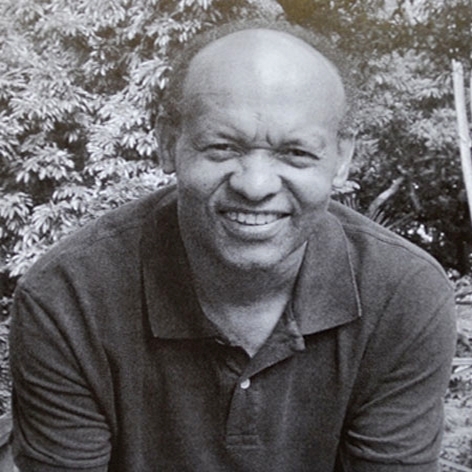
On October 15, 2004, at the New Morning in Paris, a dozen musicians from the Caribbean and America took over the stage for an anniversary concert. Henri Guédon, 61 years old, a Martinican percussionist, held his drum at the center of a soundscape ballet linking the islands to Havana, the Bronx, and Manhattan. Forty years of career: he celebrated his passage with former companions—from the Parisian All Stars to La Contesta, passing through New York Tribu.
In brief
| Full name | Émile Henri Guédon |
| Birth | May 22, 1944, Fort-de-France (Martinique) |
| Death | February 12, 2006, Paris (13th arrondissement) |
| Field | Percussionist, composer of jazz latino-caribbean; painter and sculptor |
| Emblematic works | Cosmo Zouk, Afro-Blue, the Triangular Opera |
| Awards | Prix de l’Académie Charles Cros (1983) |
Key dates
| Year | Event |
|---|---|
| 1944 | Birth in Fort-de-France, Martinique, on the anniversary of the abolition of slavery (May 22, 1848) |
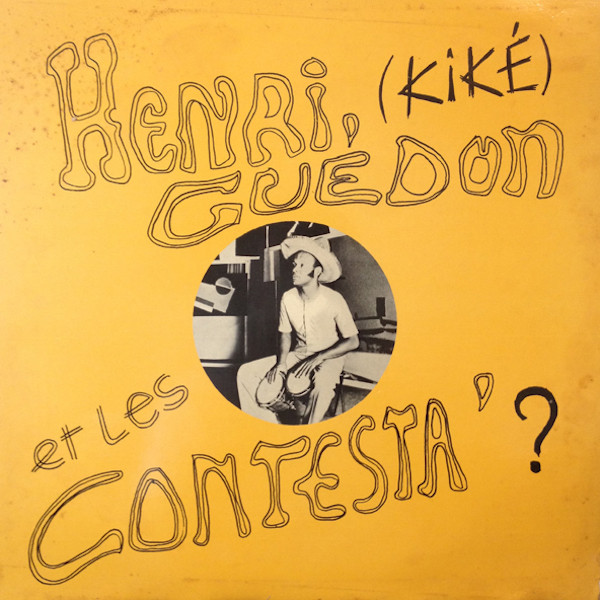
| 1959 | Creation of “La Contesta” at the age of 15, with Paul Rosine and Michel Pacquit |
| 1964 | Move to Paris; jazz fusion, discovery of Haitian painting and the Cobra group |
| 1970-1972 | First Big Band Jazz Caraïbes and Cosmo Zouk, album marking the use of the word “zouk” |
| 1980 | Concert “Afro Caribbean Jazz Meeting” at the Olympia with latino stars |
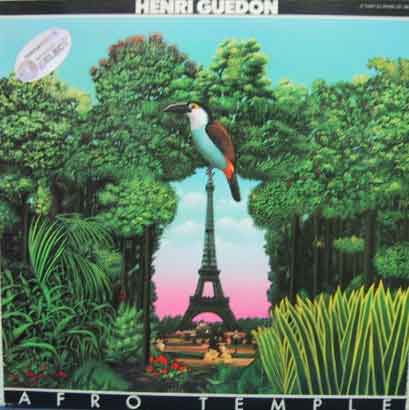
| 1982-1984 | Albums Afro-Blue and Afro-Temple; collaboration with Arturo Sandoval |
| 1983 | Prix de l’Académie Charles Cros; beginning of long international tours |
| 1988-2005 | Triangular Opera, tribute to Aimé Césaire, New Morning concert and final recital in Martinique |
From Fort-de-France to the New Morning: A Life of Rhythmic Insoumission
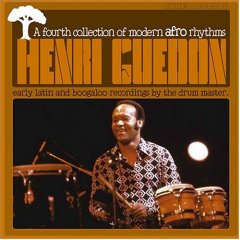
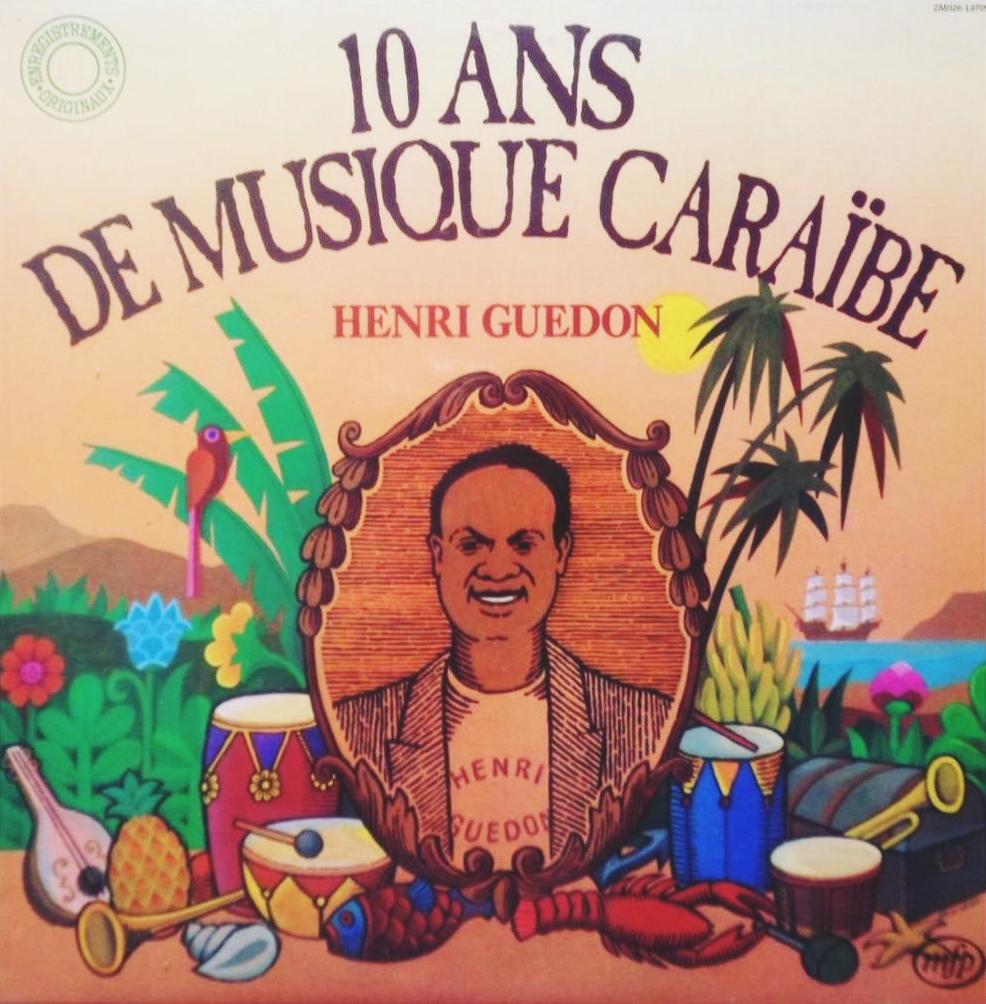
Henri Guédon was born on May 22, 1944, in Fort-de-France, into a peasant family originally from Sainte-Marie in Martinique. His birth date is a symbol for him: the 96th anniversary of the abolition of slavery. As Le Monde would later write, he took it as a sign. Brought up from childhood to the sounds of Afro-Caribbean radio and performances by Cuban or Puerto Rican artists, he developed a rhythmic obsession very early on. « The Cuban music appealed to me because it was the one with the most Africanity, along with Haitian music. But it had much more cultural mixing; the dose of blending was extraordinary », he would say decades later to RFI. At fifteen, he founded « La Contesta » — a provocative name in a Martinique where Afro-Caribbean instruments were despised. « In the Antilles, percussion was then associated with primitive Africa and replaced by instruments considered more noble such as the violin or piano », notes RFI. Cuban music itself was « put on the index » by Antillean conformity in the face of revolutionary Cuba. Guédon shocked: he placed his percussion instruments in front of the others on stage and turned up the volume.
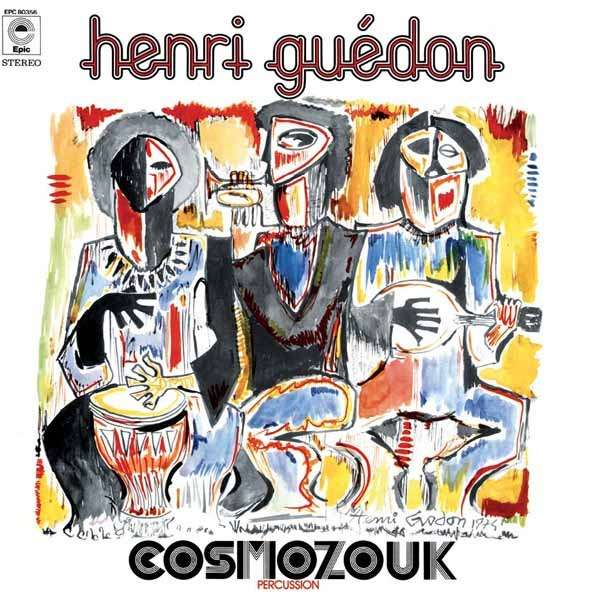
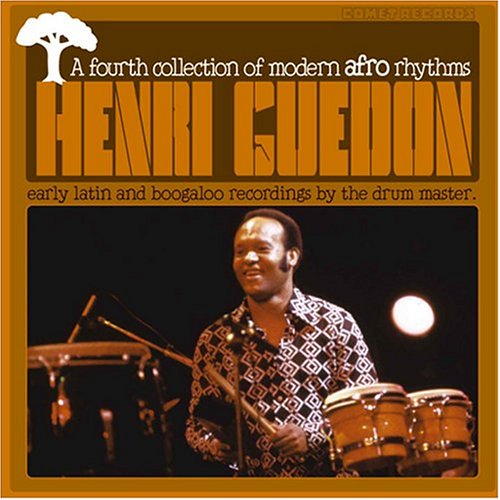
Coming to Paris in 1964 for commerce studies did not prevent his vocation from asserting itself. He discovered Haitian painting, became passionate about the Cobra group and frequented Montparnasse artists. He focused his energy on music, participated in many jazz fusion concerts and created with Daniel Barda the first Big Band Jazz Caraïbes. Within this revolutionary formation, he played boogaloo — that bold mix of soul, rhythm and blues and Afro-Cuban rhythms. The album Cosmo Zouk that resulted from it in 1972 marked a turning point: Guédon used the word « zouk » for the first time in an album title. This term, then pejorative — Antilleans in America had adopted the word salsa rather than Afro-Cuban music, and zouk was chosen to encompass the whole archipelago — made its way and was popularized by Kassav’ in the early 1980s. Guédon modernized Afro-Cuban music by abandoning old mambos and cha-cha-chas for descargas, guajiras and boogaloos imported directly from New York. His inspiration came from Tito Puente, Ray Barretto and Mongo Santamaría. He considered himself a « franc-tireur ». « Nobody was interested in this music, we played for pleasure, we did not look for success or hits », he would recount. « Even if I innocently made a hit, Santan Boula ».
At the end of the 1970s, he truly imported salsa to France. In 1980, at the Olympia, his show « Afro Caraïbe jazz meeting » brought together Latin stars: Andy Gonzalez, Barry Rodgers, Alfredo de La Fé. In the early 1980s, the albums Afro-Blue and Afro-Temple made an impression. In 1982, he launched an experimental project with two hundred Afro-Caribbean and Afro-Asian instruments, mixed with Western classical instruments. A fundamentally eclectic artist, he composed in 1983 the Opéra Triangulaire, a jazz oratorio with symphony orchestra, big band and choir. The same year, the Académie Charles Cros rewarded his Antillean musical tales. Followed a period of long international tours.
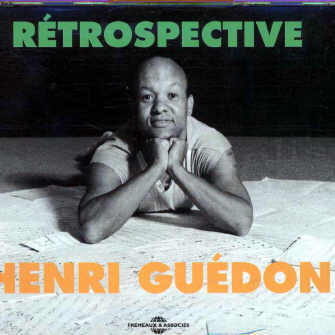
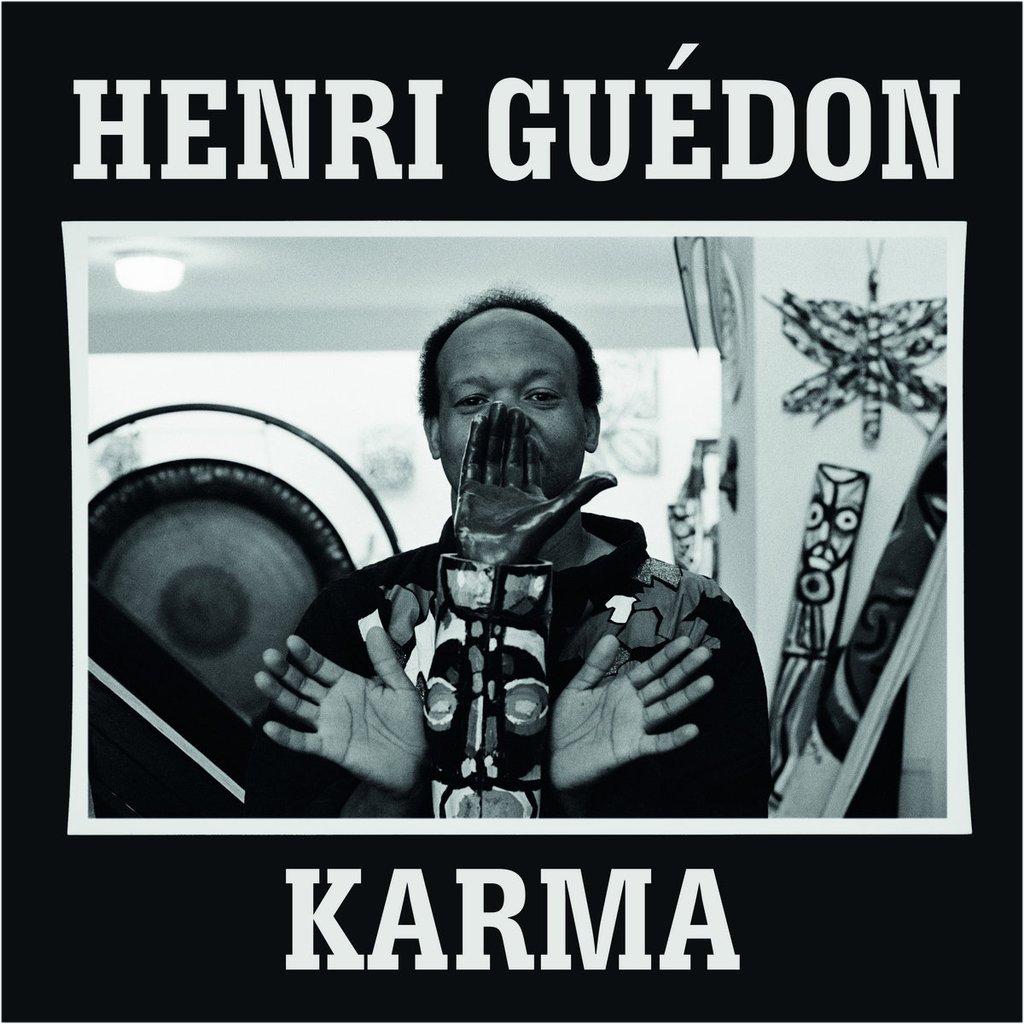
Recognized as a painter since the sixties, an engaged sculptor and prolific musician (54 albums under his name), he embodied an approach where percussion was also translated into colors and volumes. Some of his drawings « organize themselves in rhythm », noted Africultures, where lines appear and disappear « like in music ». His commitment against racism found a monumental form in « La Gardienne de Vie », a sculpture inaugurated in May 2006 at the Nelson-Mandela center in Sarcelles, as a tribute to victims of slavery. It resides today at Place Jean-Pierre Passé-Coutrin, alongside the bust of Aimé Césaire. He was also the creator of the stamps for the 150th anniversary of the abolition of slavery in Martinique. He returned to the New Morning on October 15, 2004, to celebrate forty years of career. Henri Guédon died on February 12, 2006, in Paris, following heart surgery, at the age of 61.
Major Works
| Work | Year | Why it is essential |
|---|---|---|
| Cosmo Zouk | 1972 | First album to use the word « zouk », a term later popularized by Kassav' |
| Afro-Blue | early 1980s | Foundational album mixing jazz and Antillean percussion, with Arturo Sandoval |
| L’Opéra Triangulaire | 1988 | Jazz oratorio mixing symphony orchestra, big band and choir; premiere at the Ville du Havre |
Legacy and Influence
Henri Guédon shaped the Antillean musical landscape before zouk became a global phenomenon. He invented the word « zouk » in 1972 on Cosmo Zouk; ten years later, Kassav’ made it the label of a cultural revolution. His audacity — placing percussion at the center of Antillean sound while local elites privileged the violin — paved the way for an entire generation of Creole musicians. Marius Cultier and Mario Canonge owe him the example of an art without borders. Paintings, sculptures and scores by Henri Guédon remind us that a single artist can unite worlds that the industrial world prefers to distinguish. « La Gardienne de Vie » remains one of the most moving monuments dedicated to the memory of slavery in France.
Sources and References
- « Henri Guédon », Wikipédia, https://fr.wikipedia.org/wiki/Henri_Gu%C3%A9don, accessed November 19, 2026.
- Pierre René-Worms, « Henri Guédon, le salsero de Paris », RFI Musique, October 18, 2004, https://musique.rfi.fr/musique-antillaise/20041018-henri-guedon-le-salsero-paris.html, accessed November 19, 2026.
- « Guédon Henri », Africultures, https://africultures.com/personnes/?no=5991, accessed November 19, 2026.
- « French-Caribbean Music: An Introduction », Fremeaux / Mansa, https://www.fremeaux.com/fr/press/french-caribbean-music-an-introduction-n6112, accessed 19 November 2026.
- « Henri Guédon », BnF Catalogue général, https://catalogue.bnf.fr/ark:/12148/cb12337139k, accessed 19 November 2026.
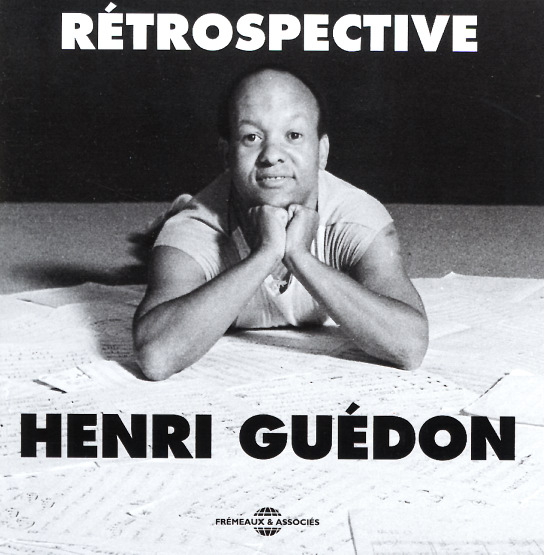
- J. Denis, « Rétrospective », Les Inrocks, 30 November 1995, https://www.lesinrocks.com/musique/retrospective-2-95964-30-11-1995, accessed 19 November 2026.